Why Is My Skin Suddenly Sensitive?
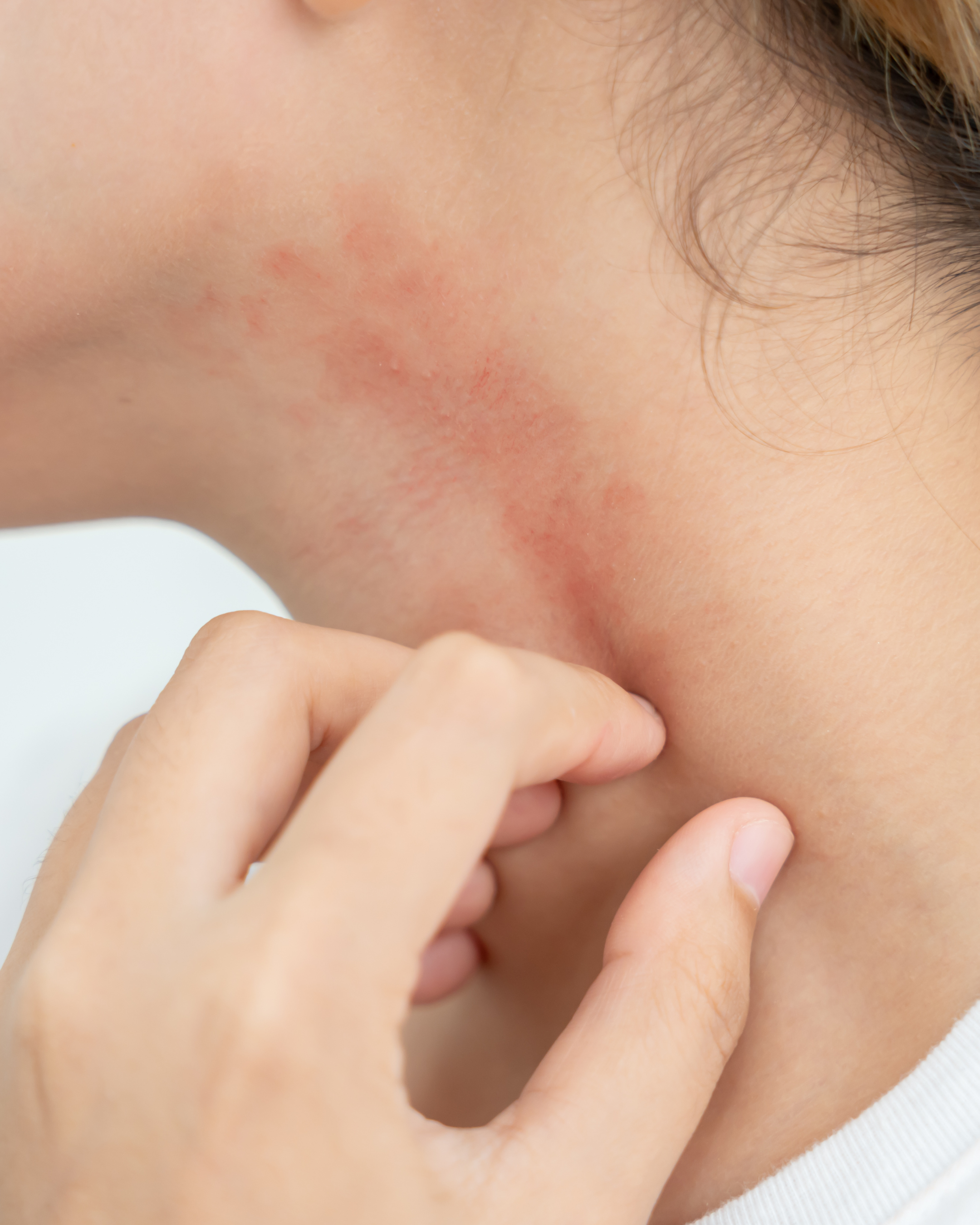
A GP and Aesthetic Doctor’s Guide to Skin Barrier Damage, Rosacea, Hormones and Reactive Skin
One of the most common concerns I hear in clinic is:
“I’ve never had sensitive skin before, so why is my skin suddenly reacting to everything?”
Your usual moisturiser now stings.
Your cleanser leaves your face feeling tight.
Your skin looks red, dry, flushed or irritated.
Products you have used for years suddenly feel uncomfortable.
Makeup does not sit the same.
Even “gentle” skincare seems to burn.
If this sounds familiar, you are not alone.
Sudden skin sensitivity is very common, and it usually happens for a reason. In many cases, the issue is not that your skin has suddenly become “allergic to everything”. More often, the skin barrier has become irritated, weakened or overwhelmed.
At Dr Caroline Warden Skin & Aesthetic Clinic in Hale, Cheshire, I regularly see patients from Hale, Altrincham, Bowdon, Wilmslow, Stockport and across Cheshire who are struggling with sensitive, red, reactive or uncomfortable skin.
The first step is not buying more products.
The first step is understanding why your skin has changed.
Not Sure If It Is Rosacea, Skin Barrier Damage Or Your Skincare Routine?
This is exactly what we work through in clinic.
Many patients arrive with a bathroom full of products and no idea what is helping, what is making things worse, or what they should stop using.
You are very welcome to bring your skincare products to your consultation. We can look at your routine properly, identify likely triggers, simplify what needs simplifying and create a realistic plan for calmer, healthier skin.
Book a skin consultation in Hale and bring your current skincare routine with you.
What Does Sensitive Skin Actually Mean?
Sensitive skin is not one single medical diagnosis.
It is a term used to describe skin that reacts more easily than expected to products, weather, heat, stress, skincare ingredients or internal changes in the body.
Symptoms can include:
Burning
Stinging
Itching
Tightness
Redness
Dryness
Flaking
Flushing
Increased reactions to skincare
A feeling that “everything suddenly hurts”
This is why sensitive skin needs a proper assessment. The same symptoms can be caused by several different issues, including skin barrier damage, rosacea, eczema, irritant dermatitis, allergic contact dermatitis, overuse of active ingredients, perimenopause, menopause or environmental stress.
In other words, “sensitive skin” describes what you feel.
It does not always explain why it is happening.
Sensitive Skin Or Sensitised Skin?
This is an important distinction.
Some people have naturally sensitive skin. They may have always reacted easily to fragrance, weather changes, skincare products or cosmetics.
Other people develop sensitised skin. This means the skin has become temporarily reactive because something has disrupted the barrier.
In clinic, this is extremely common.
Patients often say:
“My skin was absolutely fine until recently.”
That is a big clue.
If your skin has suddenly become sensitive after starting retinol, tretinoin, exfoliating acids, vitamin C, peels, acne treatments, harsh cleansers or multiple new products, the issue may be barrier disruption rather than lifelong sensitive skin.
The good news is that sensitised skin can often improve significantly once the cause is identified and the skin barrier is supported properly.
What Is The Skin Barrier?
Think of your skin barrier like a brick wall.
The skin cells are the bricks.
The natural lipids, including ceramides, are the mortar holding everything together.
A healthy skin barrier helps keep moisture in and irritants out.
When the barrier is working well, skin usually feels comfortable, hydrated and more resilient.
When the barrier becomes disrupted, water escapes more easily and irritants can penetrate more readily. This can lead to dryness, tightness, redness, burning, stinging and increased sensitivity.
This is why damaged-barrier skin can sting even when you apply something that should be soothing.
It is not always that the product is wrong.
Sometimes the barrier is so inflamed and compromised that almost everything feels uncomfortable.
Signs Your Skin Barrier May Be Damaged
You may have a damaged or disrupted skin barrier if:
Products suddenly sting
Moisturiser burns when you apply it
Your face feels tight after cleansing
Your skin looks redder than usual
You have dry, flaky or rough patches
Makeup clings to dry areas
Your skin feels hot, prickly or uncomfortable
Your usual active ingredients are no longer tolerated
Wind, cold weather or central heating make your skin worse
Your skin feels irritated even when you are doing “all the right things”
You feel like you cannot use anything without reacting
A damaged skin barrier can make even gentle products feel uncomfortable.
That does not always mean every product needs to be thrown away. It may mean your skin needs a short-term reset before a more effective long-term routine can be built.
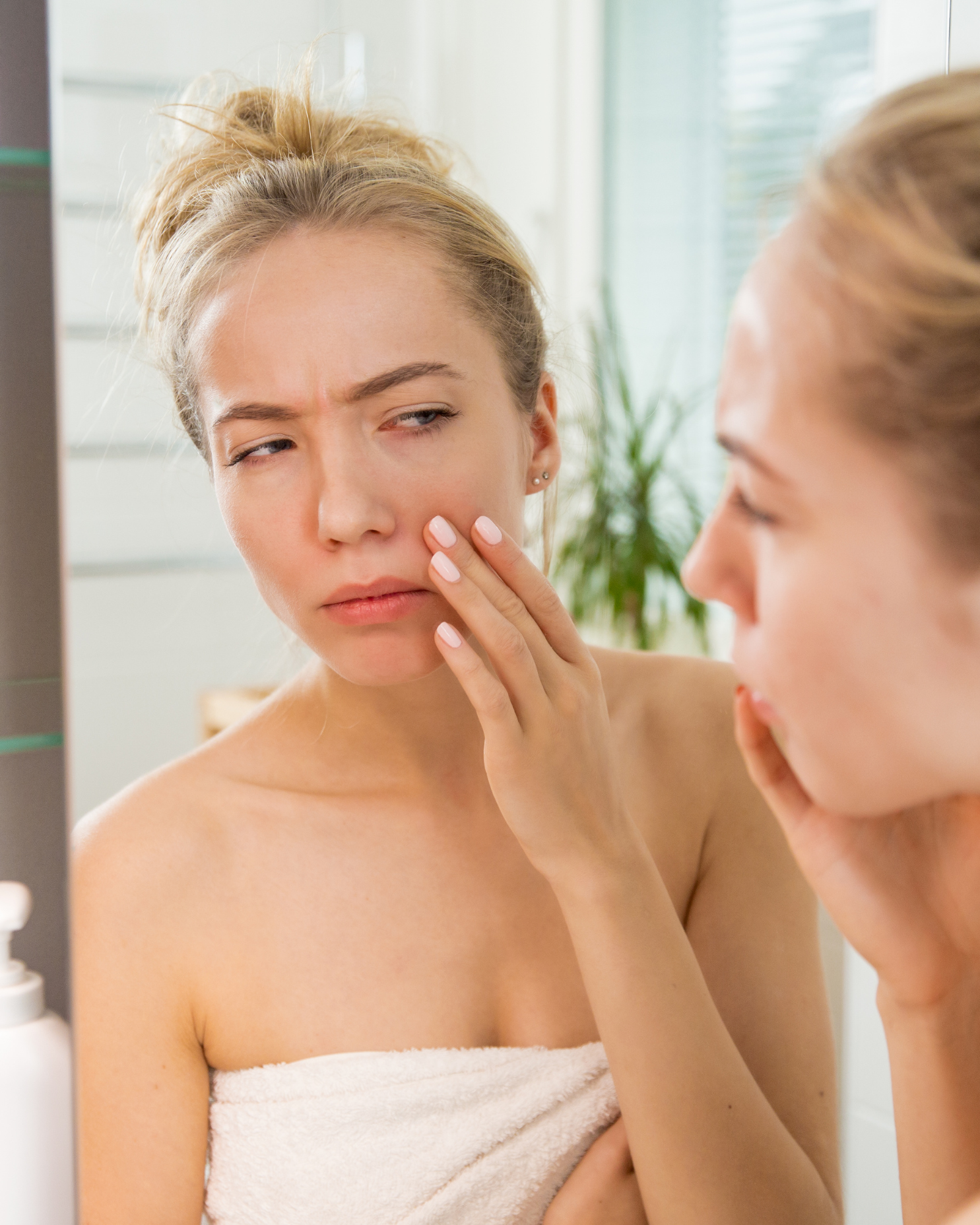
Why Has My Skin Suddenly Become Sensitive?
There are several common reasons.
In many patients, it is not just one factor. It is often a combination of skincare overload, barrier damage, stress, weather changes, hormones and sometimes underlying rosacea.
1. Too Many Active Ingredients
This is probably the most common cause I see in clinic.
Many patients are using a combination of:
Retinol
Tretinoin
Glycolic acid
Salicylic acid
Lactic acid
Vitamin C
Exfoliating toners
Scrubs
At-home peels
Brightening serums
Anti-ageing products
Acne treatments
Individually, some of these ingredients can be excellent.
Together, especially if introduced too quickly, they can overwhelm the skin barrier.
This is particularly common in patients who have followed several different skincare recommendations online and ended up with a routine that contains too many strong ingredients.
Your skin does not need to be punished into being better.
It needs the right ingredients, introduced in the right order, at the right pace.
2. Over-Exfoliation
Exfoliation can improve texture and radiance, but more is not better.
Over-exfoliation can damage the skin barrier and leave the skin feeling raw, shiny, tight, irritated and reactive.
Signs of over-exfoliation include:
Shiny, tight-looking skin
Stinging after moisturiser
Redness
Flaking
Burning after cleansing
Sudden breakouts
Sensitivity to products that were previously tolerated
If your skin feels smoother but also sore, tight and reactive, that is not a good sign.
That is often your barrier asking you to stop.
3. Retinol Or Tretinoin Introduced Too Quickly
Retinoids can be fantastic for skin quality, acne, collagen support and signs of ageing.
However, they are also one of the most common reasons people develop sudden skin sensitivity.
This does not mean retinol or tretinoin is bad.
It means it needs to be used properly.
Common mistakes include:
Starting every night immediately
Using too much product
Applying to damp skin
Combining with exfoliating acids
Using harsh cleansers
Not moisturising enough
Increasing frequency too quickly
Using retinoids during an active barrier flare
For many patients, the answer is not stopping tretinoin forever.
It is pausing, repairing the barrier, then reintroducing it gradually with a structured plan.
4. Rosacea
Many people who think they have “sensitive skin” actually have rosacea.
Rosacea is a common long-term inflammatory skin condition that often affects the central face. It can cause redness, flushing, burning, stinging and increased skin sensitivity.
Rosacea may be more likely if you notice:
Redness across the cheeks, nose, chin or forehead
Flushing with heat, alcohol, spicy food, exercise or stress
Burning or stinging
Skin that reacts badly to many products
Small red bumps or pustules
Visible blood vessels
Symptoms that come and go but never fully disappear
Eye symptoms such as gritty, sore, watery or irritated eyes
Rosacea is often mistaken for sensitive skin, acne or “just redness”.
If rosacea is part of the picture, barrier repair alone may not be enough. You may need a rosacea-specific skincare and treatment plan.
5. Perimenopause And Menopause
Many women notice their skin becomes drier, more reactive and less tolerant of products during perimenopause or menopause.
This is not imaginary.
Oestrogen influences skin hydration, collagen, elasticity and barrier function. As hormone levels fluctuate and decline, skin may become more fragile, dry, itchy, red or reactive.
Some women say:
“I woke up one day and my skin had completely changed.”
In reality, hormonal changes may have been building quietly for months or years.
Perimenopausal and menopausal skin may become:
Drier
More easily irritated
Less plump
More reactive
More prone to redness
Less tolerant of strong active ingredients
More affected by weather and stress
Slower to recover after irritation
This is why the skincare routine that worked beautifully at 32 may suddenly feel too harsh at 42, 45 or 50.
Your skin has changed.
Your routine may need to change too.

6. Weather, Central Heating And Low Humidity
Skin sensitivity often worsens in autumn and winter.
Cold air, wind, indoor heating and low humidity can all increase dryness and barrier stress.
Patients often describe:
Tight skin after being outside
Flaking around the mouth or nose
Burning cheeks
Redness after coming indoors
Moisturiser no longer feeling enough
This is especially common if you are already using retinoids, acids, acne treatments or foaming cleansers.
Your routine may need seasonal adjustment.
7. Stress And Poor Sleep
Stress affects the skin more than many people realise.
Stress can influence inflammation, immune responses, barrier recovery and skin conditions such as rosacea, eczema and acne.
Many patients notice flare-ups during periods of emotional stress, poor sleep, illness, work pressure or major life changes.
This does not mean your skin symptoms are “just stress”.
It means stress can be one part of the overall picture.
8. Allergic Contact Dermatitis
Sometimes sudden sensitivity is not just irritation.
It can be an allergy.
Possible triggers include:
Fragrance
Essential oils
Preservatives
Hair dye
Nail products
Eyelash glue
Sunscreen ingredients
Laundry products
Cleansers
Skincare products
Topical medications
Allergic contact dermatitis may cause redness, itching, swelling, scaling, burning or eczema-like patches.
If symptoms are persistent, severe, one-sided, recurrent or linked to a specific product, medical assessment may be needed.
9. Eczema Or Irritant Dermatitis
Some patients develop facial eczema or irritant dermatitis and assume they have suddenly developed sensitive skin.
Irritant dermatitis happens when physical or chemical irritants damage the skin surface faster than the skin can repair itself.
This may be triggered by:
Over-washing
Harsh cleansers
Fragrance
Acids
Retinoids
Scrubs
Masks
Cold weather
Occupational exposure
Repeated hand-to-face transfer of irritants
If there is eczema, scaling, cracking, swelling or significant itch, the treatment approach may need to be different from a simple “sensitive skin” routine.

The Biggest Mistake I See In Clinic
When skin becomes sensitive, many people panic and add more products.
They buy:
More serums
More moisturisers
More masks
More “calming” products
More barrier creams
More active ingredients
More supplements
More treatments
Unfortunately, this often makes things worse.
When skin is inflamed and overwhelmed, even good products can become too much.
The answer is often not more skincare.
It is better skincare, fewer steps and a proper diagnosis.
Why “Clean Beauty” Can Still Irritate Sensitive Skin
This is something I see often.
Patients sometimes switch to “natural”, “clean” or “organic” skincare when their skin becomes sensitive, assuming it will be gentler.
But natural does not always mean non-irritating.
Some sensitive skins react badly to:
Essential oils
Fragrance
Botanical extracts
Citrus oils
Tea tree
Lavender
Peppermint
Highly fragranced balms
Multiple plant-based actives
If your skin barrier is already compromised, even beautifully marketed products can make things worse.
The best sensitive skin routine is not necessarily the most natural one.
It is the one your skin can actually tolerate.
What To Do If Your Skin Suddenly Becomes Sensitive
Step 1: Stop The Skin Overload
Temporarily pause anything that may be aggravating the barrier.
This may include:
Retinol
Tretinoin
Exfoliating acids
Scrubs
At-home peels
Strong vitamin C
Benzoyl peroxide
Fragranced products
Essential oils
Harsh foaming cleansers
This does not mean you can never use actives again.
It means your skin may need a reset.
Step 2: Simplify Your Routine
A damaged skin barrier needs boring skincare.
Not exciting skincare.
A basic routine may include:
Gentle cleanser
Barrier-supporting moisturiser
Daily SPF
No scrubs
No acids
No unnecessary serums
No constant switching
For many patients, this alone makes a significant difference.
Step 3: Use A Gentle Cleanser
Avoid cleansers that leave your skin feeling tight, squeaky clean or stripped.
A cleanser should clean your skin without making it feel worse.
If your skin feels tight immediately after cleansing, your cleanser may be too harsh for your current skin state.
Step 4: Prioritise Moisturiser
A good moisturiser helps support barrier recovery.
Look for barrier-supportive ingredients such as:
Ceramides
Glycerin
Hyaluronic acid
Panthenol
Squalane
Petrolatum-based occlusives for very dry patches
Niacinamide if tolerated
Not every ingredient suits every person, especially if rosacea, eczema or allergy is present. This is why personalised advice can be helpful.
Step 5: Wear SPF Every Day
UV exposure can worsen inflammation, pigmentation, rosacea and skin ageing.
If your skin is sensitive, choose a sunscreen that you tolerate well. Some patients with rosacea or reactive skin prefer mineral-based sunscreens, although the best SPF is ultimately the one your skin can tolerate and will use consistently.
Step 6: Reintroduce Actives Slowly
Once your skin is calm, active ingredients can often be reintroduced.
The key is strategy.
Do not restart everything at once.
You may need to introduce one product at a time, at low frequency, while watching how your skin responds.
For example, tretinoin may need to be restarted once or twice weekly rather than nightly.
What Should A Simple Sensitive Skin Routine Look Like?
This depends on your skin, but a simple reset routine may look something like this.
Morning
Gentle cleanse or rinse with water
Barrier-supporting moisturiser
Broad-spectrum SPF 30 to 50
Evening
Gentle cleanser
Barrier-supporting moisturiser
No exfoliating acids
No retinoid until the skin is calmer
This is not a permanent routine for everyone.
It is often a temporary reset to help the skin calm down before active ingredients are reintroduced properly.
Can You Still Use Tretinoin If You Have Sensitive Skin?
Often, yes.
But timing and technique matter.
Tretinoin is one of the most evidence-based topical ingredients in dermatology, but it can cause irritation if introduced too quickly or used on an already compromised skin barrier.
For sensitive or reactive skin, tretinoin may need:
A lower starting frequency
A smaller amount
A moisturiser-buffering technique
A gentle cleanser
No acids on the same nights
Careful monitoring
A slower build-up
Pausing during barrier flares
The goal is not to “push through” severe irritation.
The goal is to build tolerance carefully.
Is It Sensitive Skin Or Rosacea?
This is one of the most important questions.
Sensitive skin is a description of how your skin feels.
Rosacea is a medical skin condition.
You may have rosacea if your sensitivity comes with:
Persistent redness
Flushing
Heat in the skin
Burning or stinging
Triggers such as alcohol, heat, exercise or spicy food
Small red bumps or pustules
Visible blood vessels
Eye symptoms such as gritty, sore or watery eyes
If rosacea is present, the plan may include trigger identification, barrier support, prescription treatment, carefully selected skincare and sometimes clinic-based treatments.
Simply buying “sensitive skin” products may not be enough.
Is It Sensitive Skin Or An Allergy?
Irritation and allergy can look similar, but they are not the same.
Irritation often happens when the skin barrier is overwhelmed.
Allergy is an immune reaction to a specific ingredient or substance.
An allergy may be more likely if:
The reaction is itchy
There is swelling
The rash is sharply linked to one product
The same reaction happens every time you use it
Eyelids are involved
The rash spreads beyond where the product was applied
Symptoms persist despite simplifying your routine
If allergy is suspected, you may need medical review and possibly patch testing.
Should You Throw Away All Your Skincare?
Usually, no.
This is where many people waste a lot of money.
Some products may be completely fine once your skin has recovered. Others may be too harsh, unnecessary or poorly timed.
In consultation, we can look at your current products and decide what to:
Keep
Pause
Stop
Replace
Reintroduce later
Use less often
Avoid combining
This is often much more helpful than starting again from scratch.
Case Study: “Everything Suddenly Started Burning”
A patient attended my Hale clinic because every product she applied caused burning and redness.
She had never considered herself to have sensitive skin before.
Over several months, she had added a retinol, exfoliating acid toner, vitamin C serum and several “brightening” products after seeing skincare advice online.
Individually, some of these products were reasonable.
Together, they were too much for her skin.
Her skin barrier had become significantly compromised.
We simplified her routine, paused active ingredients, focused on barrier support and identified background redness suggestive of rosacea.
Within several weeks, her skin was calmer, less reactive and more comfortable.
Once her barrier recovered, we reintroduced active ingredients gradually and strategically. Several months later, she was able to tolerate a more effective routine without the constant burning and irritation.
The lesson?
The answer was not more products.
It was the right diagnosis, the right routine and the right pace.
When Should You Seek Professional Advice?
Consider booking a skin consultation if:
Your skin remains sensitive despite simplifying your routine
Products consistently sting or burn
Redness is persistent
You flush easily
You suspect rosacea
Your skin has changed during perimenopause or menopause
You are reacting to multiple products
You are unsure what to stop or restart
You want to use tretinoin safely
You have acne, rosacea or pigmentation alongside sensitivity
You feel overwhelmed by skincare choices
You should seek medical advice urgently if you develop significant swelling, blistering, facial infection, eye pain, sudden severe rash or symptoms of an allergic reaction.
How I Approach Sensitive Skin In Clinic
At Dr Caroline Warden Skin & Aesthetic Clinic in Hale, I do not believe in throwing random products at reactive skin.
I look at:
Your symptoms
Your skin history
Your current skincare routine
Active ingredients
Cleansers and SPF
Menstrual, perimenopausal or menopausal changes
Rosacea symptoms
Eczema or dermatitis symptoms
Lifestyle triggers
Your goals
What your skin can realistically tolerate
The aim is to identify the cause, calm the skin, then build a long-term plan that supports healthy, resilient skin.
This may include skincare simplification, barrier support, rosacea management, prescription skincare, Obagi skincare where appropriate, or a gradual plan to reintroduce active ingredients safely.

Frequently Asked Questions
Why has my skin suddenly become sensitive?
Common causes include skin barrier damage, overuse of active ingredients, rosacea, hormonal changes, weather, stress, irritant dermatitis and allergic contact dermatitis.
Can sensitive skin be reversed?
In many cases, yes. If the sensitivity is due to barrier damage or skincare overload, the skin can often improve significantly once the trigger is removed and the barrier is supported.
How long does the skin barrier take to repair?
Many people notice improvement within a few weeks of simplifying their routine, although more significant barrier damage, rosacea or dermatitis may take longer.
Can retinol cause sensitive skin?
Yes. Retinol and tretinoin can cause dryness, peeling, burning and irritation, especially if introduced too quickly or combined with exfoliating acids.
Should I stop tretinoin if my skin is burning?
If your skin is burning, peeling excessively or reacting to everything, it may be sensible to pause tretinoin and focus on barrier repair. You can often reintroduce it later using a slower plan.
Can menopause cause sensitive skin?
Yes. Hormonal changes during perimenopause and menopause can affect skin hydration, collagen and barrier function, which may make skin feel drier, thinner or more reactive.
Is sensitive skin the same as rosacea?
No. Sensitive skin describes reactivity. Rosacea is a chronic inflammatory skin condition that can cause redness, flushing, burning, stinging and sensitivity.
Why does moisturiser suddenly sting?
Moisturiser may sting if your skin barrier is damaged, if your skin is inflamed, or if the product contains ingredients your skin cannot currently tolerate.
Is vitamin C making my skin sensitive?
Some vitamin C products can irritate sensitive or barrier-damaged skin, especially stronger acidic formulations. It may need to be paused and reintroduced later.
Can exfoliating acids damage the skin barrier?
Yes. Overuse of glycolic acid, salicylic acid, lactic acid or other exfoliating acids can contribute to barrier disruption and irritation.
What should I avoid when my skin is sensitive?
You may need to temporarily avoid scrubs, exfoliating acids, retinoids, strong vitamin C, fragranced products, essential oils and harsh foaming cleansers.
Is natural skincare better for sensitive skin?
Not always. Natural skincare can still contain fragrance, essential oils and botanical extracts that may irritate reactive skin.
What is the best moisturiser for sensitive skin?
The best moisturiser depends on the cause of the sensitivity. Many sensitive skins benefit from barrier-supportive, fragrance-free products, but rosacea, eczema and allergy may need a more personalised approach.
Can I still have skin treatments if my skin is sensitive?
Possibly, but timing matters. If your skin barrier is actively inflamed, it may be better to calm and repair the skin before considering treatments.
Should I stop all skincare products?
Not always. Stopping everything can sometimes make dryness worse. A better approach is usually to simplify your routine to a gentle cleanser, moisturiser and SPF while removing likely irritants.
Should I bring my skincare products to my consultation?
Yes. This can be very helpful. Looking at your current routine allows us to identify possible triggers, unnecessary steps and ingredients that may be aggravating your skin.
When should I see a doctor about sensitive skin?
You should seek advice if symptoms are persistent, severe, worsening, associated with swelling or eye symptoms, or if you are unsure whether you have rosacea, eczema, allergy or another skin condition.

Book A Sensitive Skin Consultation In Hale
If your skin has suddenly become sensitive, red, reactive or uncomfortable, you do not have to guess your way through another skincare routine.
At Dr Caroline Warden Skin & Aesthetic Clinic in Hale, Cheshire, I take a personalised, evidence-based approach to skin health.
As an NHS GP and aesthetic doctor, I focus on understanding the underlying cause of your skin concerns, calming inflammation, supporting the skin barrier and creating a realistic long-term plan for healthier, more resilient skin.
You are welcome to bring your current skincare products to your appointment so we can review what you are using and create a clearer plan.
We welcome patients from Hale, Altrincham, Bowdon, Timperley, Wilmslow, Knutsford, Stockport and across Cheshire.
Book a consultation today and start rebuilding your skin confidence.
Dr Caroline Warden Skin & Aesthetic Clinic
Hale, Altrincham, Cheshire
A female-led, family-run, doctor-delivered clinic specialising in skin health, rosacea management, advanced skincare and evidence-based aesthetic medicine.
Further Reading
If you found this useful, these related articles from the clinic explore sensitive skin, the skin barrier and facial redness in more depth.
- Rosacea, Redness and Flushing: What Actually Works in 2026
- Understanding Eczema and the Skin Barrier
- Rosacea or Sensitive Skin? How To Tell The Difference
- Why Is My Face Always Red?
- The 5 Skincare Ingredients I Would Be Careful With
Explore the approach: Medical grade skincare in Hale, Altrincham and Cheshire
Next steps

References & Further Reading
NHS – Rosacea
https://www.nhs.uk/conditions/rosacea/British Association of Dermatologists – Rosacea
https://www.skinhealthinfo.org.uk/condition/rosacea/DermNet – Rosacea
https://dermnetnz.org/topics/rosaceaDermNet – Sensitive Skin
https://dermnetnz.org/topics/sensitive-skinDermNet – Irritant Contact Dermatitis
https://dermnetnz.org/topics/irritant-contact-dermatitisDermNet – Menopause and the Skin
https://dermnetnz.org/topics/menopause-and-the-skinAmerican Academy of Dermatology – How to Exfoliate Safely at Home
https://www.aad.org/public/everyday-care/skin-care-basics/care/exfoliationFarage MA. The Prevalence of Sensitive Skin. Frontiers in Medicine. 2019.
https://pmc.ncbi.nlm.nih.gov/articles/PMC5796020/Mukherjee S, Date A, Patravale V, et al. Retinoids in the Treatment of Skin Aging: An Overview of Clinical Efficacy and Safety. Clinical Interventions in Aging. 2006.
https://pmc.ncbi.nlm.nih.gov/articles/PMC2699641/These are authoritative sources suitable for a doctor-authored patient education blog and include NHS guidance, dermatology society guidance, DermNet references, and peer-reviewed review articles.
