
Skin Tags, Milia, Cherry Angiomas and Thread Veins Removal
Doctor-Led treatments in Hale, Altrincham & Cheshire

Small blemishes, removed by a doctor
A skin tag that catches on a necklace. A cluster of little white bumps under the eye that no skincare shifts. Bright red spots appearing across the chest every summer. A thread vein beside the nose that concealer never quite covers. None of these are serious, which is exactly why they are so often treated badly: by a beautician who has never assessed a skin lesion, or at home with a kit from the internet.
At my clinic in Hale, near Altrincham, I remove clearly benign skin blemishes using advanced electrocautery: a fine probe that delivers a controlled electrical current to the lesion, sealing a vessel or removing a growth with precision while leaving the surrounding skin alone. I am an NHS GP with over nineteen years of clinical experience, which matters here more than anywhere else on this site, because the most important part of this treatment is knowing what not to touch.
On this page:
- What can electrocautery treat?
- What I won't remove, and why
- Electrocautery or IPL for thread veins?
- Prices and appointment options
- What to expect at your appointment
- Downtime and healing
- Frequently asked questions
What can electrocautery treat?
Each of these has its own detailed guide: skin tags, milia, cherry angiomas and thread veins.
What I won't remove, and why
This section is the reason to choose a doctor for something so small.
I do not remove moles or any pigmented lesion. Electrocautery destroys what it treats, so there is nothing left to send for analysis. A brown mark that is burned off has not been checked; it has been made uncheckable. Anything pigmented, anything new or changing, anything with an irregular edge, more than one colour, that bleeds or itches or simply does not look like its neighbours goes to your own GP first, and I will tell you so at consultation.
I do not treat leg veins. Leg thread veins and varicose veins are larger, deeper and often connected to underlying vein problems; microsclerotherapy or vascular laser are the right tools.
I do not treat diffuse redness. Widespread background redness from rosacea is not a few vessels to seal; it needs the condition managed by your GP and, where appropriate, a vascular laser assessment elsewhere. Read my rosacea and redness guide.
Multiple new spider naevi can occasionally signal something that needs medical assessment, and I would raise that with you rather than treat them.
A lesion that has been burned off has not been diagnosed. It has been destroyed. That is the whole reason this treatment belongs with a doctor.
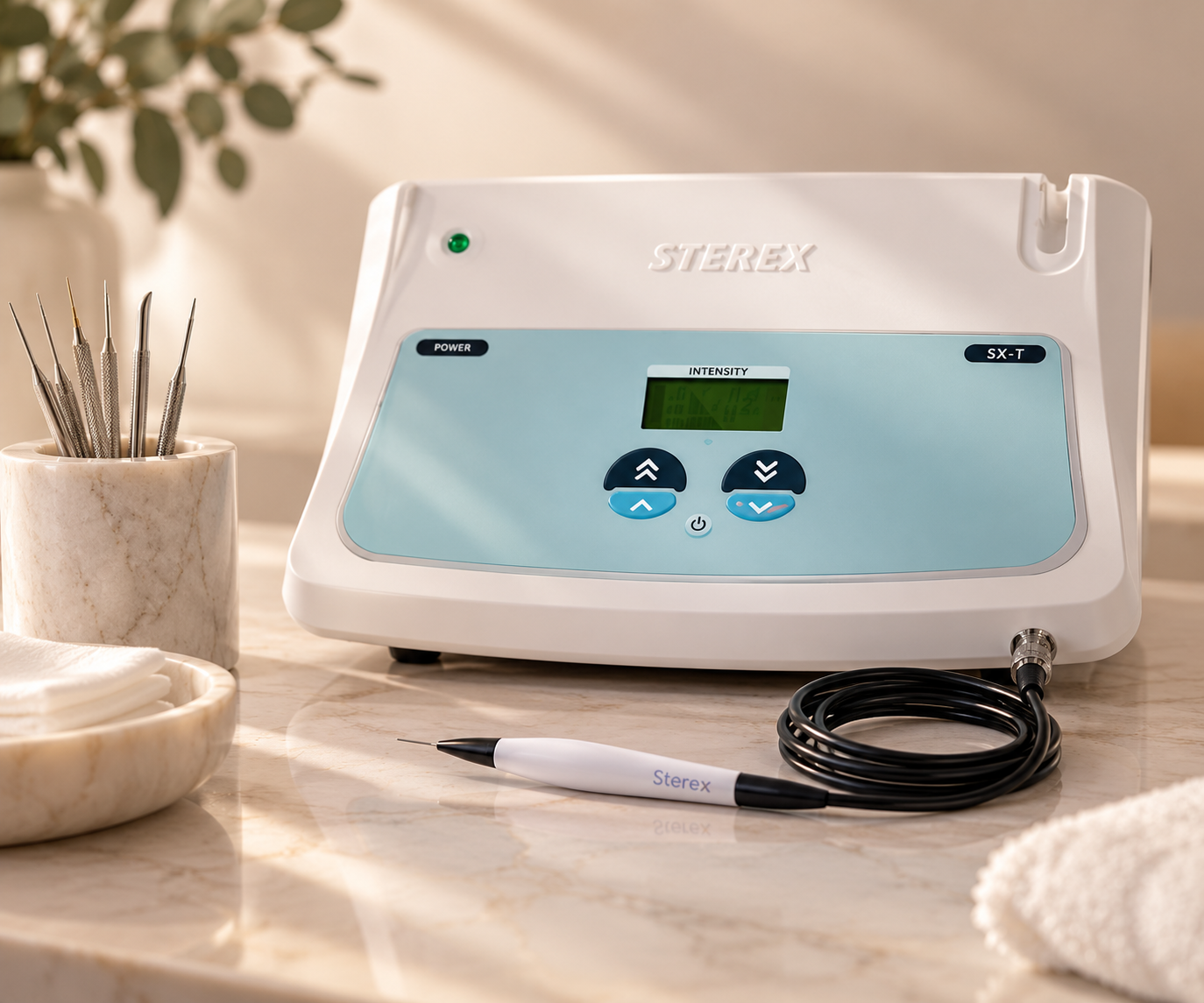
Electrocautery or IPL for facial thread veins?
Patients often ask whether IPL would be better. For diffuse redness across a whole cheek, light-based treatment has a role. For individual, visible facial and chest thread veins, electrocautery is usually the better tool.
Prices and appointment options
Every appointment includes a doctor-led consultation and assessment, the treatment itself, and personalised written aftercare. Consultation and treatment usually happen at the same visit for straightforward benign lesions.
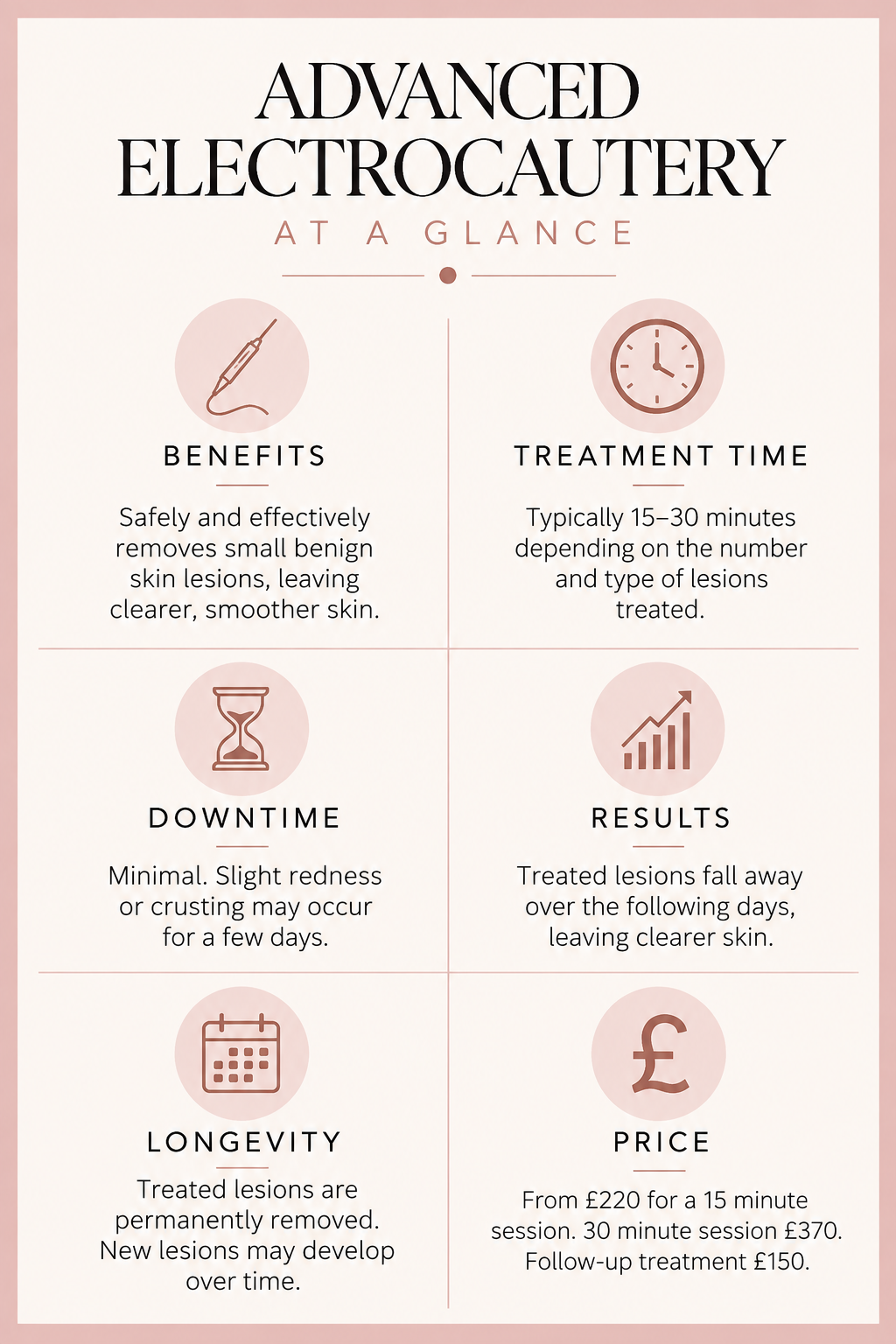
Standard treatment appointment: £220
A 15-minute treatment session, ideal for a small number of lesions or one area.
Extended treatment appointment: £370
A 30-minute treatment session for multiple lesions, larger areas or several different concerns in one visit.
Follow-up treatment: £150
Most skin tags and milia are done in one visit. Vascular lesions, including thread veins, spider naevi and cherry angiomas, commonly need two to three sessions at least four weeks apart for the best result. Follow-up sessions for the same area within your treatment plan are £150. Complete removal can never be guaranteed, particularly for larger, deeper or long-standing vessels.
Consultation only: £75
If you are unsure whether treatment is right for you, book a consultation on its own. The £75 is deducted from the treatment cost if you go ahead later.
Capacities are a guide. The number treated depends on size, location, complexity, skin type and your comfort on the day. My priority is the safest treatment and the best cosmetic result, not the largest number of lesions in the time available.
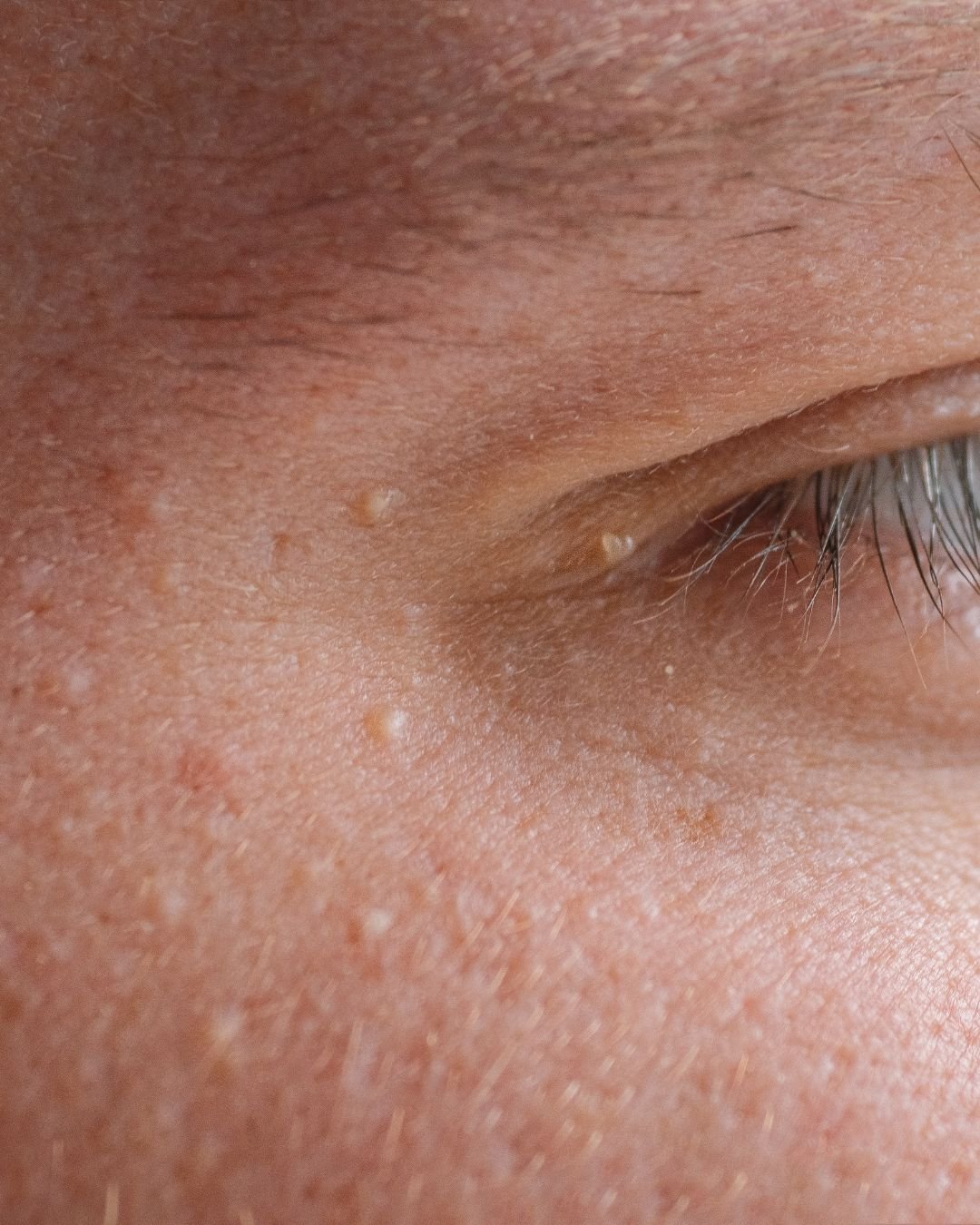
Milia- firm pearl coloured mini cysts often around the eyes, cheeks and forehead
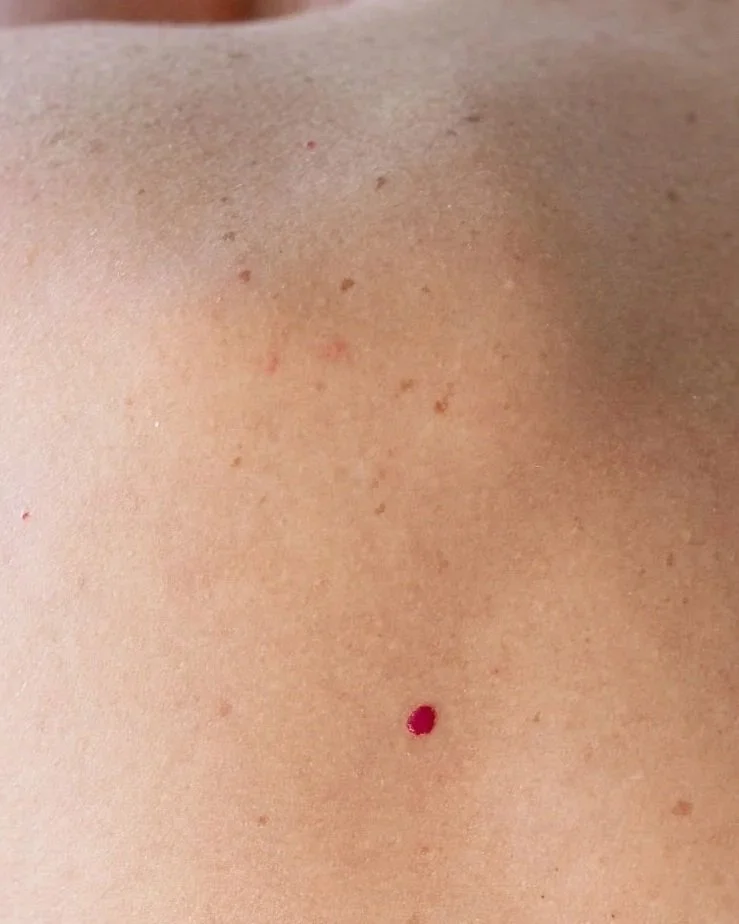
Cherry Angiomas- bright red blood spots often on the face and chest
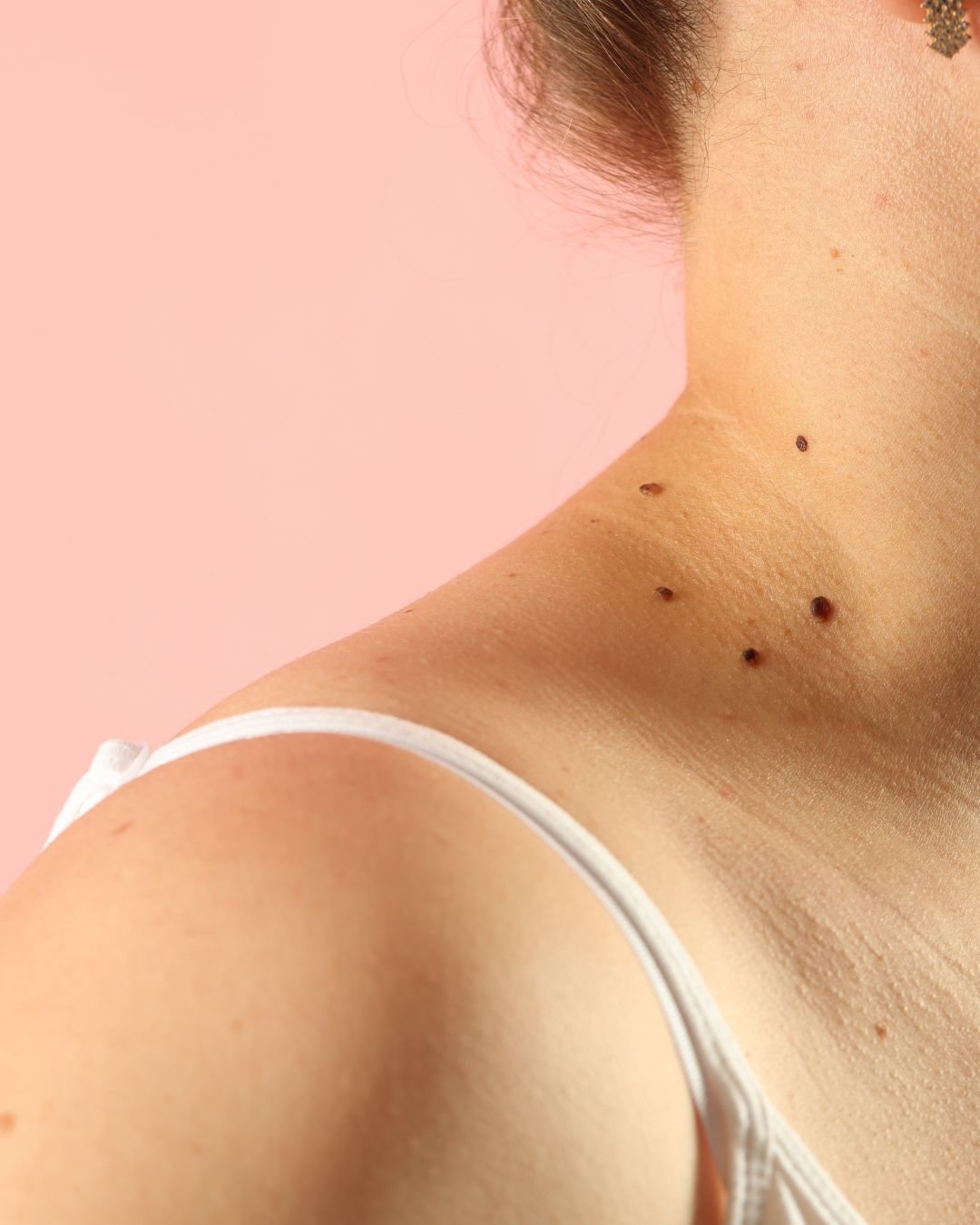
Skin tags- often around the neck and armpits

Thread veins- often around the nose and cheeks
What to expect at your appointment
When I recommend a patch test
If you have sensitive or reactive skin, a history of eczema, multiple allergies, poor wound healing, a darker skin tone, or you would simply rather be cautious, I may treat one small, less visible area first and review it at three to four weeks before treating more widely.
How to prepare
Arrive with clean skin and no make-up on the area if possible. Avoid fake tan on the treatment area. Tell me if you are pregnant, breastfeeding or taking blood-thinning medication, and about any previous abnormal scarring or poor healing.
Downtime and healing
Downtime is minimal and most people go straight back to work. You may notice mild redness, slight swelling (more on delicate facial areas), tiny scabs at each treatment point, and temporary darkening of treated vessels. This settles over one to three weeks depending on the lesion, and make-up can usually be worn the next day. Do not pick the scabs: that is where scarring and pigmentation come from. The final cosmetic result is clear at two to six weeks, and vascular lesions often keep improving for several weeks after that. Many patients book a few days before a weekend or an event so any scabs have gone.
Fewer lesions, treated well, with the surrounding skin left alone. That is a better result than more lesions treated in a hurry.
Why choose a GP for skin blemish removal?
Because the skill is not the probe, it is the assessment before it. I have spent nineteen years looking at skin lesions in general practice and deciding which are harmless and which are not. That judgement is what you are paying for, together with a calm, appointment-only clinic in Hale, honest advice about what will and will not work, and the ability to treat several different concerns in one visit. Patients come from Altrincham, Bowdon, Hale Barns, Timperley, Sale, Wilmslow, Alderley Edge, Knutsford, Stockport and across south Manchester.
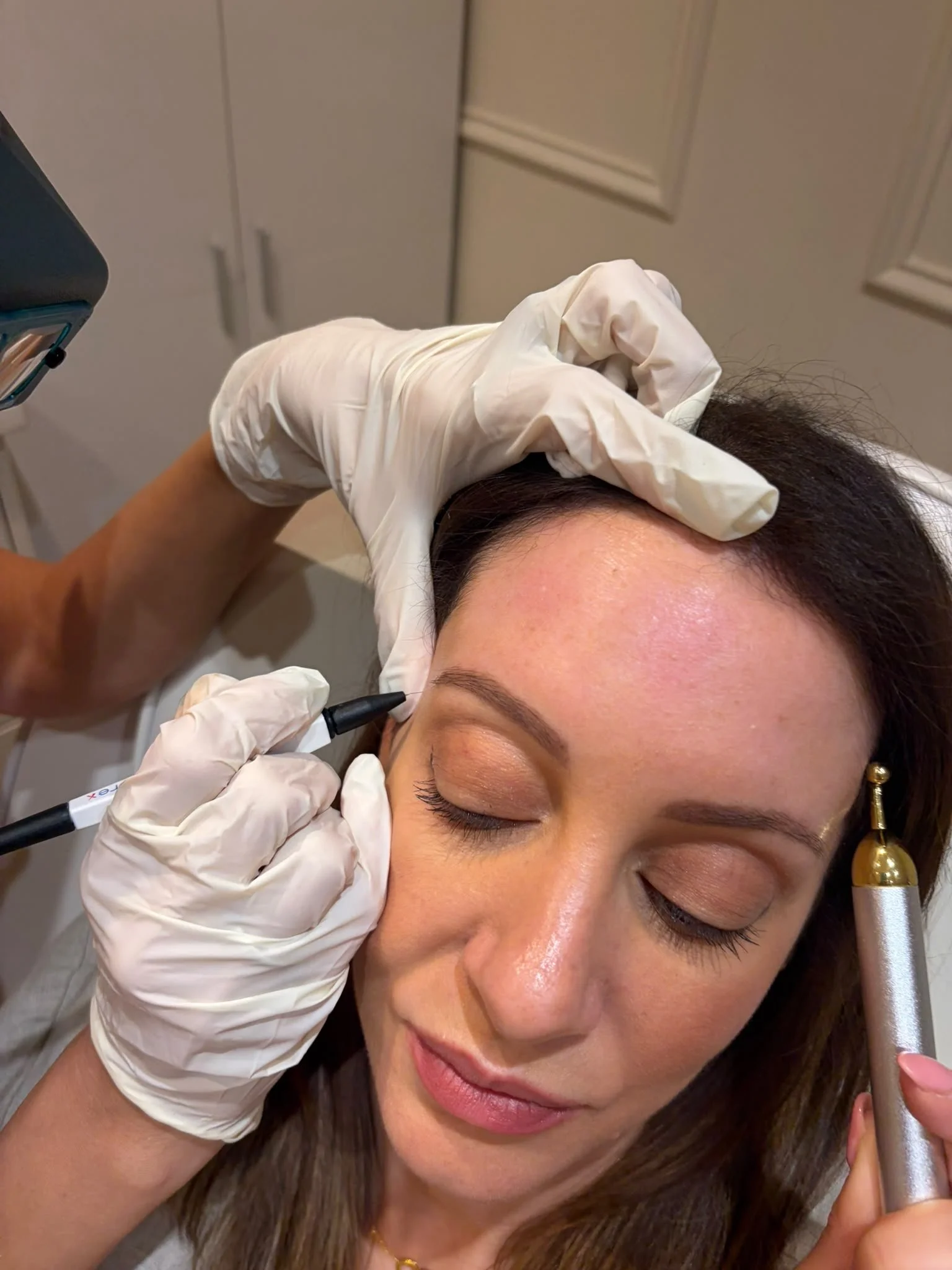
Dr Caroline Warden doing advanced electrocautery to treat a milia on a patient
Frequently asked questions
Can electrocautery treat leg veins?
No. Leg thread veins and varicose veins are larger, deeper and often linked to underlying vein problems. Microsclerotherapy or vascular laser are the appropriate treatments.
How many sessions will I need?
Skin tags and milia usually need one. Cherry angiomas, thread veins and spider naevi often need two to three, at least four weeks apart. Complete removal cannot be guaranteed.
Does electrocautery hurt?
A brief hot sting of one to three seconds per lesion, which stops the moment treatment stops. Most patients do not need anaesthetic; numbing cream is available.
Is there downtime?
Minimal. Mild redness, slight swelling, tiny scabs and temporary darkening of treated vessels, settling over one to three weeks. Do not pick the scabs.
When will I see the final result?
Many lesions improve immediately. The skin continues to heal for two to six weeks, and vascular lesions often keep improving after that.
Is electrocautery better than IPL or laser?
For individual facial thread veins, spider naevi and cherry angiomas, usually yes: more precise, fewer sessions, and safer in darker skin. For diffuse redness over a wide area, light-based treatment may be more appropriate, and I will say so.
Can several concerns be treated in one appointment?
Yes. Milia, skin tags, cherry angiomas, spider naevi and thread veins are often treated together. For numerous lesions or several areas, book the 30-minute extended appointment.
Will it scar?
The aim is removal with little or no visible mark, and with aftercare followed most patients heal cleanly. As with any skin procedure there is a small risk of scarring, infection or pigmentation change.
Can darker skin tones have electrocautery?
Yes, with extra care. Darker skin has a higher risk of temporary post-inflammatory darkening after any skin treatment, so I may suggest a patch test or a staged approach.
Are the lesions sent for testing?
No. Electrocautery is for clearly benign lesions only and leaves nothing to analyse. If there is any doubt about what a lesion is, I will not treat it and will advise you to see your GP.
Can you remove moles?
No. I do not remove moles or any pigmented lesion, for the reasons above.
Can I go back to work afterwards?
Yes. Most patients return to normal activities straight away.
Related reading
- Skin tags, moles and marks: what a GP checks before removing anything
- Skin tag removal in Hale and Altrincham
- Milia: what they are, why they appear and safe removal
- Cherry angiomas: causes, when to worry and treatment
- Facial and chest thread veins: causes and treatment
- Pigmentation and sun spots: why I don't burn brown marks off
Next steps
Book advanced electrocautery in Hale
Learn more about Dr Caroline Warden Clinic
Learn more about other treatments offered
Written by Dr Caroline Warden, NHS GP with over 19 years of clinical experience, independent prescriber and Level 7 qualified aesthetic doctor. GMC 6157708. Dr Caroline Warden Skin & Aesthetic Clinic, 2 Crown Passages, Hale, Altrincham, Cheshire WA15 9GN.