Hair Loss in Women: Why You Need a Diagnosis Before Buying Another Hair Growth Supplement
Written by Dr Caroline Warden, NHS GP and Level 7 trained Aesthetic Doctor, Dr Caroline Warden Skin & Aesthetic Clinic, Hale, Cheshire. Last reviewed: September 2026.
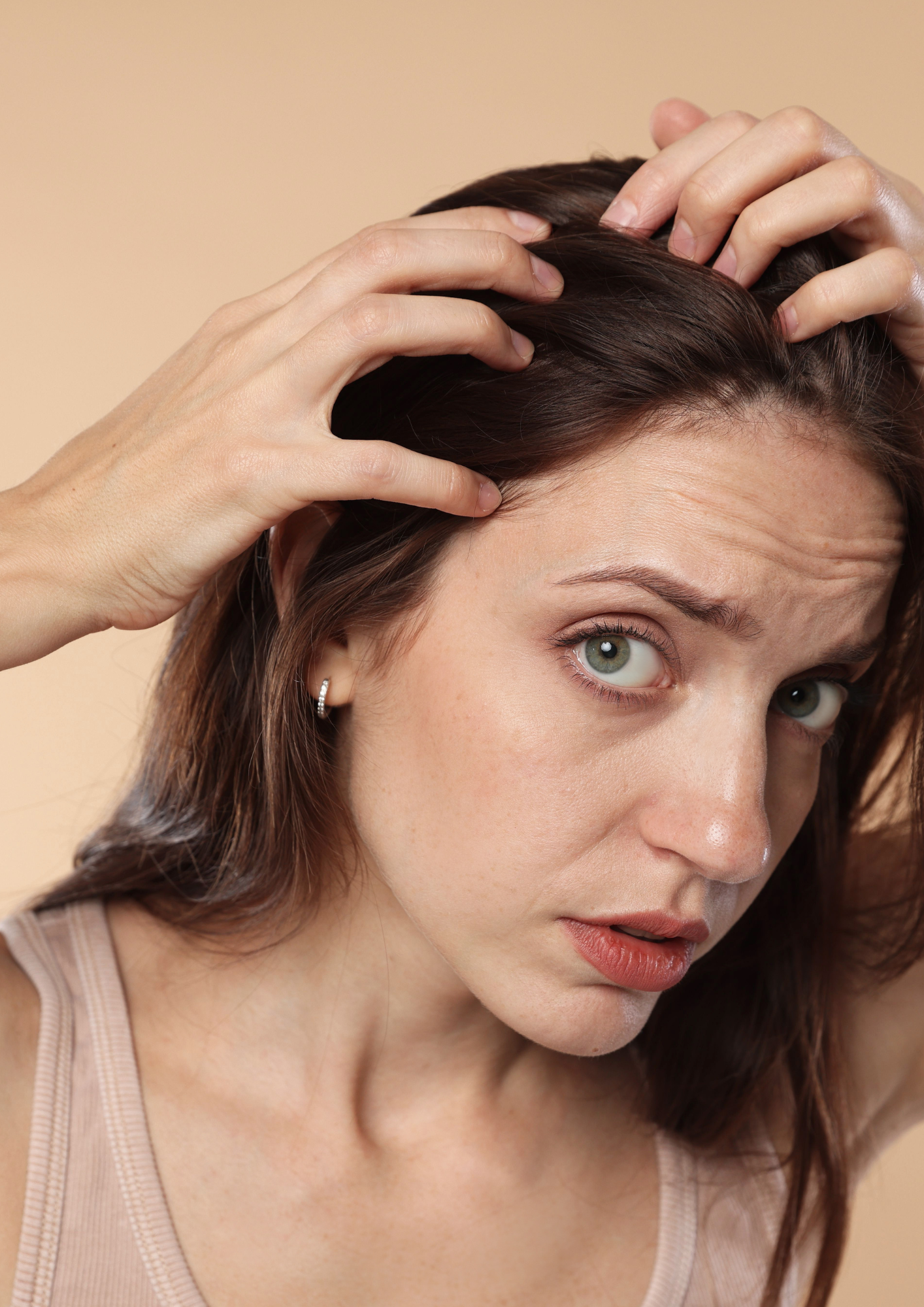
Hair loss is one of the most emotionally loaded things people ask me about, and it is rarely just about hair.
For many women, thinning affects confidence, femininity, ageing, identity and how they feel catching sight of themselves in a mirror. It is particularly unsettling when the change seems to arrive suddenly, after illness, stress, weight loss, childbirth, perimenopause or a stretch of bad sleep.
It is also a heavily marketed space. You are surrounded by expensive gummies, serums, oils, devices and miracle treatments, usually with dramatic before and after photographs and almost no explanation of diagnosis anywhere.
So this article is written to do the opposite. I am not selling you a hair treatment. Hair loss assessment is not something I offer at the clinic, and the whole point of what follows is to help you spend your money in the right order, which usually means not spending it at all until somebody has worked out what is actually happening.
Female pattern hair loss, telogen effluvium, alopecia areata, traction alopecia and inflammatory scalp conditions do not behave the same way. They do not need the same treatment. And more than one can happen at once.
The priority is not to start everything. The priority is to work out what is happening.
In this article:
- Why shedding and thinning are not the same problem
- Female pattern hair loss, and what it looks like
- Telogen effluvium, and why timing matters
- When hair loss needs earlier medical review
- Which blood tests are worth considering
- Minoxidil, and realistic expectations
- Scalp serums, derma rolling and scalp health
- Protein, iron and whether you are eating enough to grow hair
- Pumpkin seed oil, and why I am cautious about high dose biotin
- Where exosomes and polynucleotides actually stand
- The six month reality
- Where I fit in, and where I do not
- Frequently asked questions
Shedding and Thinning Are Not the Same Thing
The first question worth answering is whether what you are seeing is shedding or thinning, because they point in different directions.
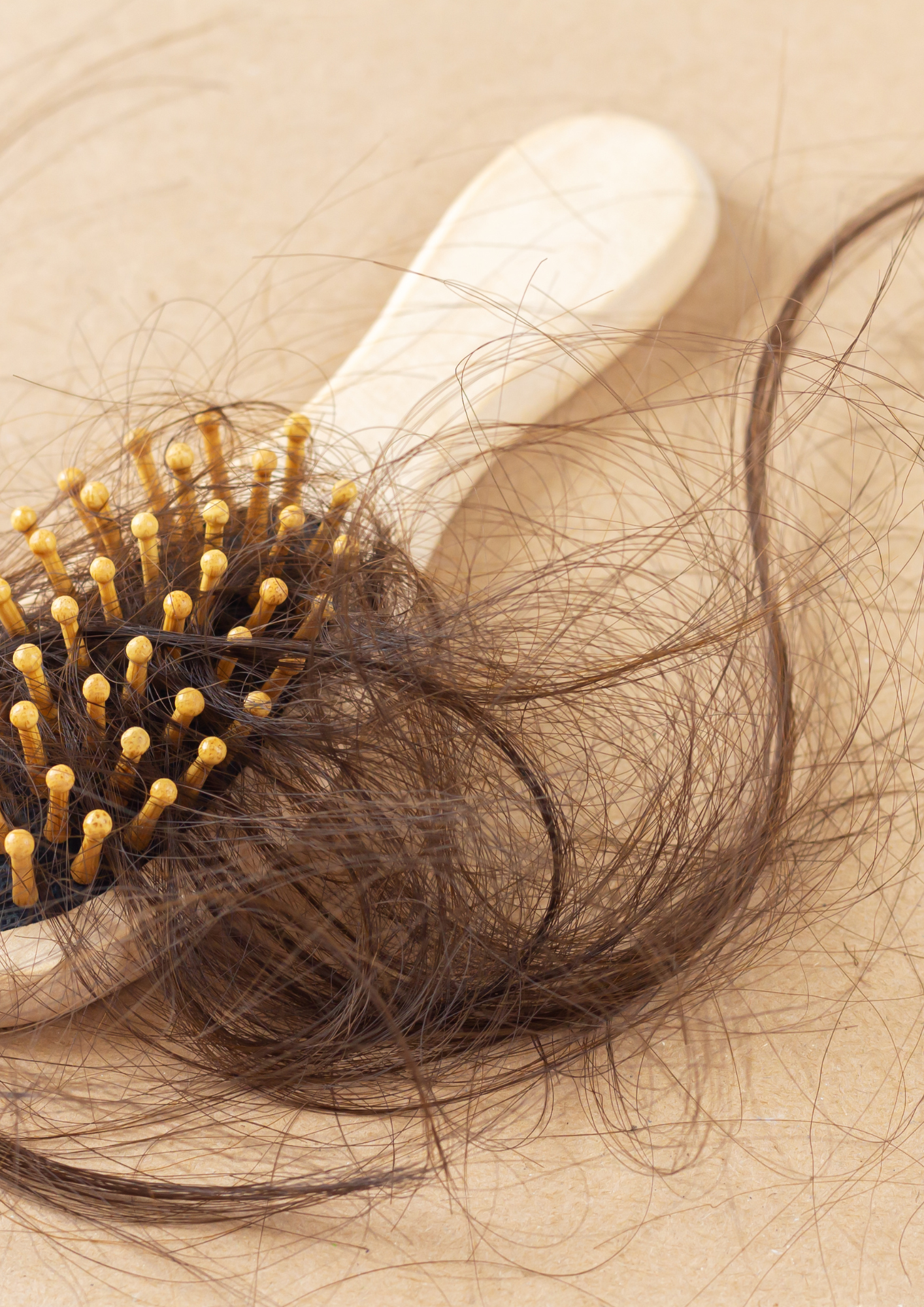
Shedding means more hairs coming out: in the shower, the brush, on your clothes, around the house. It feels frightening because the loss is active and visible. This is the pattern in telogen effluvium, where more hairs than normal shift into the shedding phase after a trigger.
Gradual thinning is different. It shows up as a wider parting, less density over the crown, more visible scalp, or a ponytail that feels smaller than it did. In women that may point towards female pattern hair loss.
| Shedding (telogen effluvium) | Thinning (female pattern hair loss) | |
|---|---|---|
| Pattern | Sudden, diffuse, across the whole scalp | Gradual, crown and central parting |
| Timing | Often starts around three months after a trigger | Slow, over months to years |
| Frontal hairline | Not usually affected | Often relatively preserved |
| Scalp appearance | Usually normal | Usually normal, but hairs look finer |
| What helps most | Identifying the trigger, and time | Long term topical minoxidil |
The distinction matters because one often needs trigger identification and patience, while the other needs a sustained long term strategy. Treating the wrong one is how people spend two years getting nowhere.
Female Pattern Hair Loss: The Slowly Widening Parting
This is one of the commonest causes of gradual thinning in women. It typically affects the top of the scalp, the crown and the central parting, while the frontal hairline stays relatively intact, although the hair often feels finer and flatter overall. The scalp usually looks normal, with no redness, scale, pain or scarring.
What is happening underneath is miniaturisation. Hairs become progressively thinner, shorter and less pigmented. The follicles are still producing hair, but less substantial hair, which is why the scalp becomes more visible without you ever losing handfuls.
Family history can be relevant but is not always obvious. Hormonal change, perimenopause, menopause, polycystic ovary syndrome, nutritional factors and other medical conditions all feed into the wider picture, which is exactly why a proper assessment matters more than a product.
This is the pattern where topical minoxidil has the best established over the counter evidence. It is not glamorous and it is not instant, but it remains the most defensible first line option when the diagnosis is right.
Telogen Effluvium: The Sudden Shedding After a Trigger
This feels far more dramatic. People describe losing much more hair than usual across the whole scalp: on the pillow, in the shower, on clothing, in the car, in the hoover. The common description is that it seems to be falling out from everywhere.
Timing is the clue. It typically starts around three months after a trigger, which might be significant illness, fever, surgery, childbirth, major stress, rapid weight loss, restrictive dieting, a new medication, stopping or changing hormones, or a sustained period of physical or emotional strain.
The reassuring part is that it often improves once the trigger has passed or been corrected. The frustrating part is that recovery is slow. Shedding can last several months, and overall volume takes considerably longer to feel normal again.
This is the point at which people are most vulnerable to buying several supplements at once. If the problem is a shedding cycle following a trigger, more products do not speed up biology.
When Hair Loss Needs Earlier Medical Review
Not everything should be managed with over the counter products. Some presentations need assessing promptly, because delayed treatment can mean permanent follicle loss.
| See your GP without waiting if | Why |
|---|---|
| The loss is sudden, severe or clearly patchy | Patchy smooth loss can suggest alopecia areata |
| The scalp is painful, burning, red, shiny, crusted or pustular | Can suggest inflammatory or scarring alopecia, where follicles can be lost permanently |
| You are losing eyebrows or eyelashes | Changes the likely picture considerably |
| The frontal hairline is receding | A different pattern again |
| There are irregular periods, new acne or increased facial hair | Suggests a hormonal picture worth investigating |
| There is unexplained weight loss or significant fatigue | The hair may not be the main issue |
This is why I am cautious about "just try this serum" advice. If the scalp is inflamed or the diagnosis is wrong, a product led approach wastes time you may not have.
Which Blood Tests Are Worth Considering
Targeted rather than random. If hair loss is new, diffuse, persistent, or accompanied by fatigue, heavy periods, weight change or menstrual changes, a GP review is the sensible next step, and these are the tests commonly considered depending on history and examination.
| Test | Why it might be requested |
|---|---|
| Full blood count | Looks for anaemia and general picture |
| Ferritin | Reflects iron stores. Low iron can contribute to shedding and poor recovery |
| Thyroid function | Thyroid disease is a well recognised cause of diffuse hair loss |
| B12 and folate | Relevant with dietary restriction, anaemia or gastrointestinal symptoms |
| Coeliac screen | Where iron deficiency is unexplained or symptoms suggest it |
Iron should not be taken blindly. It causes constipation, nausea and abdominal discomfort in plenty of people, and accidental overdose is dangerous to children. If deficiency is found, the cause of the deficiency also matters.
Vitamin D is slightly different. Routine screening is often not recommended in otherwise well adults and NHS laboratories may not process it without a clear indication. I commonly suggest vitamin D3 2,000 IU daily for general health, provided there are no contraindications and you are not duplicating it across several products. It supports bone and muscle health. It is not a hair loss treatment.
Minoxidil: The Best Established Over the Counter Option
Where gradual female pattern hair loss is the likely picture and the scalp is healthy, topical minoxidil is the most evidence based starting point available without a prescription.
For women, a 5% once daily scalp foam is the practical option, applied to a dry scalp using the recommended amount, and applied to the scalp rather than coating the hair.
Two things to understand before you start.
| What to expect | Detail |
|---|---|
| It only works while you use it | This is maintenance, not a course. Stopping returns you to baseline |
| Shedding may increase first | Some people shed more in the first few weeks as hairs shift cycle. It does not automatically mean failure, but it should be monitored |
| It is slow | Early signs take twelve to twenty four weeks. Improvement is gradual |
| What improvement looks like | Reduced shedding, short regrowing hairs, better coverage, slower progression. Not transformation |
It is not suitable for everyone. It should not be used in pregnancy or breastfeeding, in under 18s, in sudden or patchy hair loss, in hair loss after childbirth, in unexplained hair loss, or on an inflamed or painful scalp unless specifically advised. Anyone with high blood pressure, cardiovascular disease or rhythm problems should check suitability first.
Where Scalp Serums and Derma Rolling Fit
A cosmetic scalp serum can be a reasonable supportive step for people already using medical grade skincare who want a more polished scalp care routine. Typical formulations contain caffeine, peptides, amino acids, niacinamide, panthenol, biotin and botanical ingredients aimed at scalp health and hair resilience.
I would not position any of them as a replacement for diagnosis, for blood tests where indicated, or for minoxidil where female pattern hair loss is the likely picture. A cosmetic serum can sit inside a wider plan. It is not a regrowth treatment and should not be sold as one.
A 0.5mm scalp roller is another optional adjunct in selected people with a healthy scalp, used carefully and hygienically rather than aggressively. Studies suggest scalp needling may improve outcomes when combined with minoxidil in androgenetic hair loss, though protocols vary and the evidence for rolling on its own is much weaker.
It should not be used on an inflamed, infected, painful or broken scalp, on active psoriasis or eczema, where scarring alopecia is suspected, with a bleeding disorder, with significant immunosuppression, or where there is a tendency to keloid scarring. Do not apply minoxidil or an active scalp product immediately afterwards. Let the scalp settle, usually around twenty four hours unless advised otherwise.
Scalp Health Matters More Than People Realise
Hair growth depends on the environment the follicle sits in, so inflammation should not be ignored.
If there is dandruff, itch or greasy scale, an antifungal shampoo may help, and that is worth raising with a pharmacist or your GP. It is not a hair regrowth treatment.
Persistent redness, pain, severe itching, thick scale, pustules or crusting should be assessed rather than repeatedly self treated.
Are You Eating Enough to Grow Hair?
Hair is metabolically active and sensitive to illness, under eating, low protein intake, rapid weight loss and deficiency. Which is why the more useful question is rarely "which supplement should I buy?"
The question worth asking first is whether you are eating enough to grow hair.
| What matters | In practice |
|---|---|
| Protein at each meal | Eggs, fish, poultry, dairy, tofu, beans or lentils |
| Avoiding very low calorie dieting | Rapid weight loss is a well recognised trigger for shedding |
| Iron rich foods | Particularly for menstruating women, heavy periods, and low or no meat intake |
| Vitamin C alongside plant iron | Supports absorption |
| Targeted review if your diet is restricted | Vegan, vegetarian, highly restrictive or post bariatric diets warrant proper nutritional assessment and bloods |
Pumpkin Seed Oil: A Reasonable Optional Adjunct
This has become popular for pattern hair loss, and it is not without evidence. The best known oral study used 400mg daily for 24 weeks in 76 men with mild to moderate androgenetic alopecia and reported greater hair count improvement than placebo. A later study in female pattern hair loss found topical pumpkin seed oil showed benefit, although minoxidil remains the more established option.
My view is balanced. It is a reasonable optional addition for confirmed pattern thinning, particularly for somebody who wants a plant based adjunct. It should not replace diagnosis, correction of deficiency, or minoxidil where female pattern hair loss is likely.
Avoid it with pumpkin or seed allergy, stop it if it causes gastrointestinal upset, and check carefully in pregnancy, breastfeeding, with anticoagulants, or if you are already taking several supplements containing zinc.
Why I Am Cautious About High Dose Biotin
High dose biotin is in almost every hair gummy on the market. There are two problems with it.
True biotin deficiency is uncommon, and the evidence that extra biotin improves hair in people who are not deficient is weak. More importantly, high dose biotin can interfere with blood tests, including thyroid tests and some cardiac tests.
That matters a great deal here. If your hair loss is being driven by thyroid disease, anaemia, iron deficiency, androgen excess or an inflammatory scalp condition, high dose biotin is not only an expensive distraction, it can complicate the interpretation of the very investigations you need.
If you are about to have blood tests for hair loss, stopping high dose biotin beforehand is worth mentioning to whoever is requesting them.
What About Exosomes and Polynucleotides for Hair?
These come up constantly, so it is worth setting out where the evidence actually stands. I do not currently offer either of these for the scalp, so this is an assessment rather than a pitch.
Scalp microneedling with exosomes. Microneedling itself has supportive evidence as an adjunct to minoxidil in androgenetic hair loss. The exosome specific evidence is far earlier. A 2025 prospective open label study of 16 men reported increased hair density after microneedling plus a topical exosome product, but it had no untreated or microneedling only control group, included no women, and tested a single product.
Injectable scalp polynucleotides. A 2025 prospective study followed 28 patients with androgenetic alopecia through four injection sessions at four week intervals. Hair diameter and density improved, with no serious adverse effects reported. Again it was small, uncontrolled and product specific.
The correct word for both is promising, not proven. Anyone selling either as a guaranteed treatment for hair loss is ahead of the evidence.
If these are being offered to you elsewhere, the questions worth asking are whether your pattern of hair loss has been established, whether you have had the relevant blood tests, and whether you are already on the option with the best evidence behind it. A regenerative treatment layered on top of an unestablished diagnosis is money spent in the wrong order.
A Patient's Story
A representative composite rather than a real identifiable patient, but it reflects the sequence I would suggest.
A woman in her mid forties notices her hair feels thinner than it did two years ago, and there has been more hair in the shower over the last few months. She has bought collagen powder, biotin gummies and a caffeine shampoo. Nothing has changed.
Her parting is wider over the crown, which points towards female pattern hair loss, but she also describes significant stress and poor sleep three months earlier, which may have added a shedding component on top. Two things at once, which is extremely common.
The first useful step is getting the pattern properly reviewed by her GP, with targeted blood tests if indicated. Alongside that: photographs for comparison, protein intake, iron rich nutrition, low trauma styling, and a conversation about whether topical minoxidil is appropriate.
The high dose biotin stops, because it is unlikely to help and may interfere with the testing. A cosmetic scalp serum and pumpkin seed oil are optional extras rather than the plan.
Hair loss treatment works best when it is sequenced properly. Diagnosis, then foundations, then anything else.
The Six Month Reality
This is slow, and photographs matter far more than daily mirror checks, because hair anxiety makes over monitoring almost inevitable.
| Timepoint | What to expect |
|---|---|
| Day 0 | Establishing the likely pattern, baseline photographs, blood tests if indicated |
| Weeks 2 to 6 | Minoxidil may temporarily increase shedding as hairs shift cycle |
| Weeks 12 to 24 | Early signs may appear: reduced shedding, short regrowing hairs |
| Week 24 | A reasonable point for a proper progress review |
| Months 6 to 12 | Density changes continue, usually slow and subtle |
The most useful photographs are taken with dry hair, the same parting, the same lighting and the same camera distance, every twelve weeks.
Where I Fit In, and Where I Do Not
I want to be clear about this, because hair loss is the area where people most often spend money in the wrong order.
| What belongs with your GP | What I can help with |
|---|---|
| Establishing what type of hair loss you have | Scalp and hair resilience as part of a wider skincare plan |
| Targeted blood tests and interpreting them | Cosmetic scalp care, where it is a sensible adjunct |
| Anything patchy, painful, inflamed or scarring | Honest guidance on what is and is not worth your money |
| Dermatology referral where indicated | Telling you plainly when you are in the wrong room |
Hair loss assessment is not a service I offer. If you are shedding, thinning or worried, the first appointment worth making is with your own GP. That is where the pattern gets established, where bloods get requested, and where a referral comes from if you need one. It is also free.
What I will not do is sell you a scalp treatment before anybody has worked out what is happening. The goal is not to sell you every hair product. It is a clear, evidence led plan that protects your scalp, your confidence and your money.
Frequently Asked Questions
What is the best treatment for female hair thinning?
It depends entirely on the type. For female pattern hair loss, topical minoxidil has the strongest over the counter evidence. For telogen effluvium, identifying and correcting the trigger matters more than starting a growth treatment.
How do I know if I have female pattern hair loss?
Typical signs are a widening central parting, reduced density over the crown, and a relatively preserved frontal hairline. A proper scalp assessment still matters, because more than one pattern can coexist.
Can stress cause hair loss?
Yes. Significant physical or emotional stress can trigger telogen effluvium, with shedding typically starting around three months afterwards. Recovery takes months.
Should I take iron for hair loss?
Not blindly. Iron should be guided by blood tests and history, and if deficiency is found, the cause of the deficiency also needs considering.
Does biotin help hair grow?
Only if you are deficient, which is uncommon. Routine high dose biotin is not something I recommend, because the evidence is weak and it can interfere with thyroid and cardiac blood tests.
Does collagen help hair loss?
Collagen may modestly support skin hydration and elasticity in some studies. It is not a treatment for female pattern hair loss, alopecia areata or scarring alopecia.
Does minoxidil make hair fall out at first?
It can. Some people notice increased shedding in the first few weeks as hairs move into a new cycle. It usually settles, but persistent or severe shedding should be reviewed.
Are scalp exosomes or polynucleotides proven?
Not yet. Current evidence for both is small, uncontrolled and product specific. They are emerging adjuncts rather than established treatments, and I do not offer either for the scalp.
When should I see a dermatologist?
Seek dermatology input, through your GP, if there is patchy loss, signs of scarring, pain, burning, redness, pustules, a shiny scalp, eyebrow loss, frontal hairline recession, or diagnostic uncertainty.
Can you assess my hair loss at the clinic?
No. Hair loss assessment is not a service I offer here. Your GP is the right first appointment, and I would rather tell you that than take a booking that will not help you.
Further Reading
- Menopause and Your Face: What Changes and What Genuinely Helps
- Which Supplements Are Actually Worth Taking
- The Hidden Impact of Stress on Your Skin
- Do Eyelash and Eyebrow Serums Actually Work?
- Do Collagen Supplements Work?
Next Steps
Learn more about Dr Caroline Warden Clinic
Learn more about other treatments offered
About the Author
Dr Caroline Warden is a practising NHS GP and aesthetic doctor with nearly twenty years of clinical experience, an independent prescriber, and holder of a Level 7 postgraduate diploma in cosmetic injectables. She is Medical Director and sole practitioner at Dr Caroline Warden Skin & Aesthetic Clinic, 2 Crown Passages, Hale, Altrincham. GMC number 6157708.
This article is for information only and does not constitute individual medical advice or a diagnosis. Hair loss should be assessed by your own GP. Hair loss assessment and treatment are not services offered at the clinic.
References
- NHS. Hair loss. Read more
- British Association of Dermatologists. Female pattern hair loss. Patient information
- British Association of Dermatologists. Telogen effluvium. Patient information
- NICE Clinical Knowledge Summaries. Female pattern hair loss. View summary
- NHS. Iron deficiency anaemia. Read more