The Best Treatments For Acne Scars In 2026
Why Most People Focus On The Wrong Thing
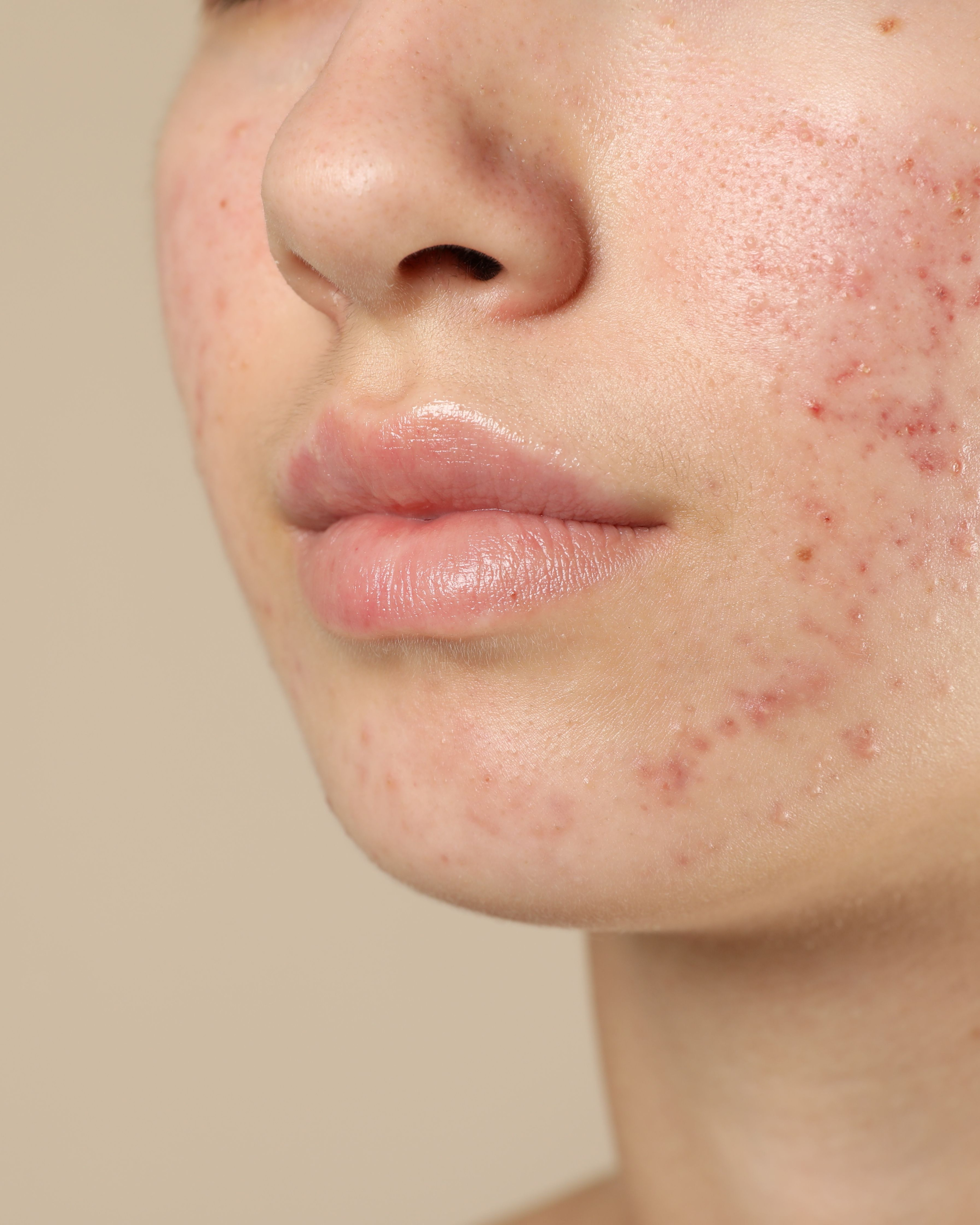
One of the most heartbreaking things I hear in clinic is this: "My acne has finally gone, but I still don't feel confident."
Many patients spend years battling acne. They survive the breakouts, the inflammation, the embarrassment and the frustration. Eventually the spots settle. Yet every morning they still see a reminder in the mirror, not because of active acne, but because of the scars it left behind.
As both an NHS GP and Aesthetic Doctor, I often find that acne scars affect confidence far more than people realise. Patients tell me they avoid certain lighting. They avoid photographs. Some wear foundation every day. Others have spent years searching for miracle creams that promise to erase scars completely.
The reality is that acne scars can be improved significantly, but the most successful treatment plans start with understanding one important fact:
There is no single best acne scar treatment. The best treatment depends entirely on the type of scar you have.

The Biggest Mistake Patients Make
Before we talk about treatments, I want to address the biggest misconception surrounding acne scars: most people believe all scars are the same. They are not.
In fact, acne scarring is more like a collection of different conditions. Treating an ice pick scar with the wrong treatment can be disappointing. Treating a tethered scar without addressing the underlying fibrous attachments often leads to frustration. Using expensive skincare alone for deep scars is rarely enough.
This is why a proper assessment is so important. The treatment should be matched to the scar, not the other way around.
Understanding Your Acne Scar Type
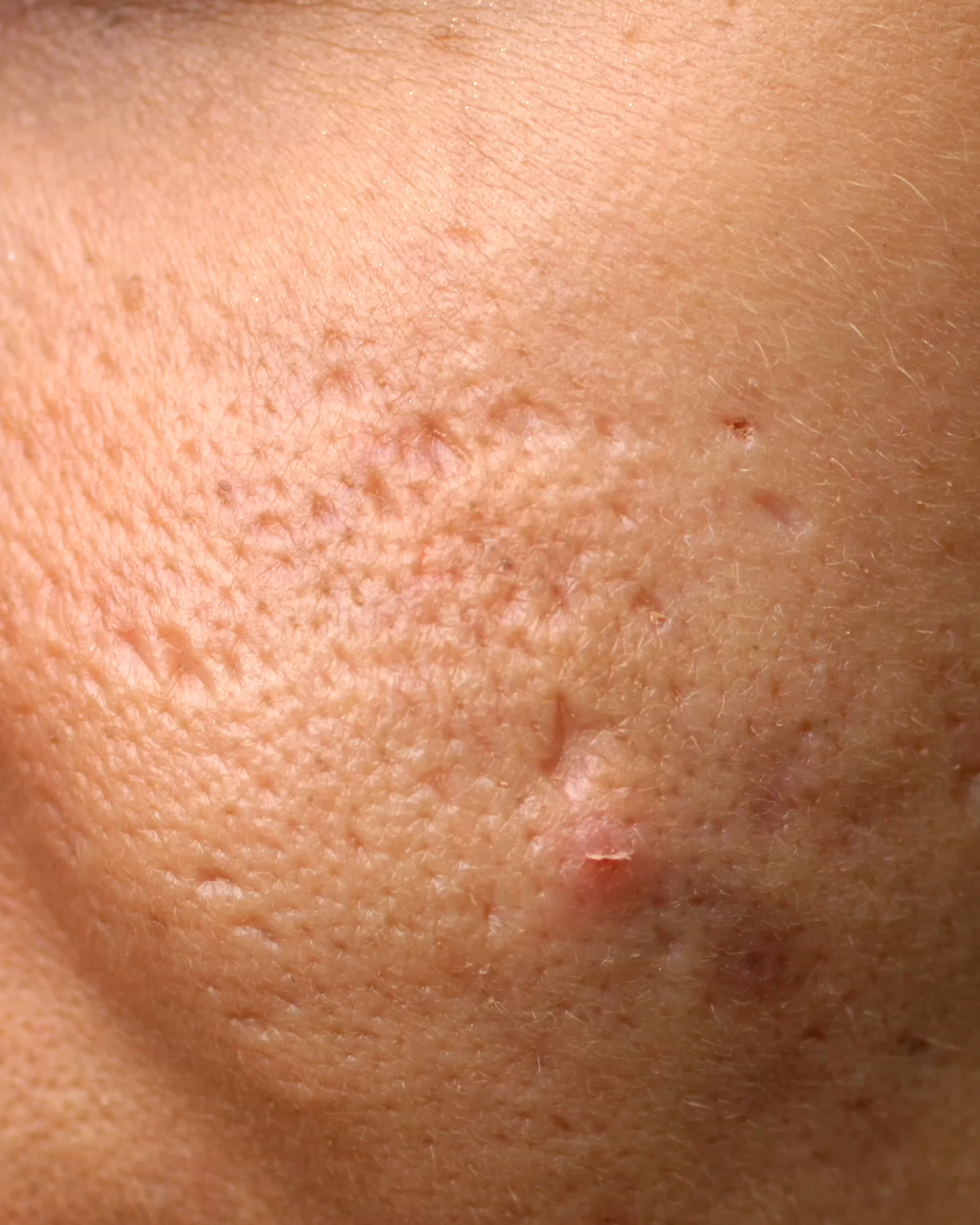
One of the first things I do during an acne scar consultation is identify exactly what type of scarring is present.
Rolling Scars
Rolling scars are among the most common scars I see in clinic. They create broad depressions with soft edges and give the skin an uneven appearance. Patients often describe their skin as looking wavy or uneven when light hits it from the side.
Boxcar Scars
Boxcar scars tend to have more clearly defined edges. They create small depressions within the skin and can give the cheeks a pitted appearance.
Ice Pick Scars
Ice pick scars are narrow but deep. Many patients describe them as looking like enlarged pores, but in reality they often extend much deeper into the skin than people realise. These scars can be particularly challenging to treat.
Tethered Scars
Tethered scars occur when fibrous bands form beneath the skin and physically pull the scar downwards, creating the appearance of a depression. Importantly, these scars often require a different treatment approach because surface treatments alone cannot release the underlying attachment.
Why Skincare Alone Usually Isn't Enough
This is where many patients become frustrated. They invest heavily in skincare hoping to remove their scars. Unfortunately, most acne scars sit too deep within the skin for creams alone to make a dramatic difference.
That does not mean skincare is unimportant, far from it. Good skincare improves skin health, supports collagen production and enhances treatment outcomes. However, expecting a serum or moisturiser to remove established acne scars is often unrealistic, and this is one reason patients frequently spend years buying products whilst seeing very little improvement.
The Most Underrated Acne Scar Treatment
If I had to choose one treatment that does not receive enough attention, it would be prescription tretinoin. Many patients are surprised when I say this, tretinoin will not remove established scars. However, it remains one of the most evidence based treatments available for improving skin quality and supporting collagen production.
In my opinion, tretinoin forms the foundation of many successful acne scar treatment plans. Patients using tretinoin often notice smoother skin texture, improved cell turnover and better results from in-clinic procedures. It is not glamorous, it is not trendy, but it works.
Microneedling With Exosomes: One Of My Favourite Treatments For Rolling Scars
For patients with rolling acne scars, microneedling with exosomes is often one of my preferred treatment options. Microneedling works by creating controlled micro injuries within the skin, which stimulates the body's natural healing response and encourages collagen production. Over time, the skin gradually remodels itself, and when combined with exosomes, the aim is to further support tissue repair and regeneration.
One of the reasons I like this treatment is that it improves far more than the scars themselves, patients often notice improvements in overall skin quality, radiance and texture. Most patients require a course of treatment rather than a single session, but the gradual improvements can be very rewarding.
Why Women And Men Travel To Hale For Acne Scar Treatment
One thing I have noticed over recent years is that many patients seeking acne scar treatment have almost given up hope. They have tried online recommendations, social media trends, and some have spent years purchasing devices and products that promised dramatic improvements. Many arrive at clinic expecting to hear that nothing can be done.
The reality is often very different. Patients regularly visit from Hale, Altrincham, Bowdon, Wilmslow, Knutsford, Stockport, Bramhall and across Cheshire because modern acne scar treatments have evolved enormously over the last decade. What matters is selecting the right treatment for the right scar, and that starts with a proper assessment.
The Treatment That Can Transform Tethered Acne Scars
One of the most satisfying procedures in acne scar treatment is subcision. The reason is simple: many acne scars are not simply sitting on the surface of the skin, they are physically attached to deeper tissues by fibrous bands.
Imagine a tent being pulled down by guy ropes. No matter how much you improve the surface, the depression remains because something underneath is holding it down.
This is exactly what happens with many rolling and tethered acne scars. Subcision works by carefully releasing these fibrous attachments beneath the skin. Once released, the skin can begin to lift and remodel more naturally.
In my experience, subcision is often the missing piece of the puzzle for patients who have previously tried microneedling or skincare alone with disappointing results. For suitable patients, it can produce improvements that are difficult to achieve with surface treatments alone.
Why I Often Combine Subcision With Polynucleotides
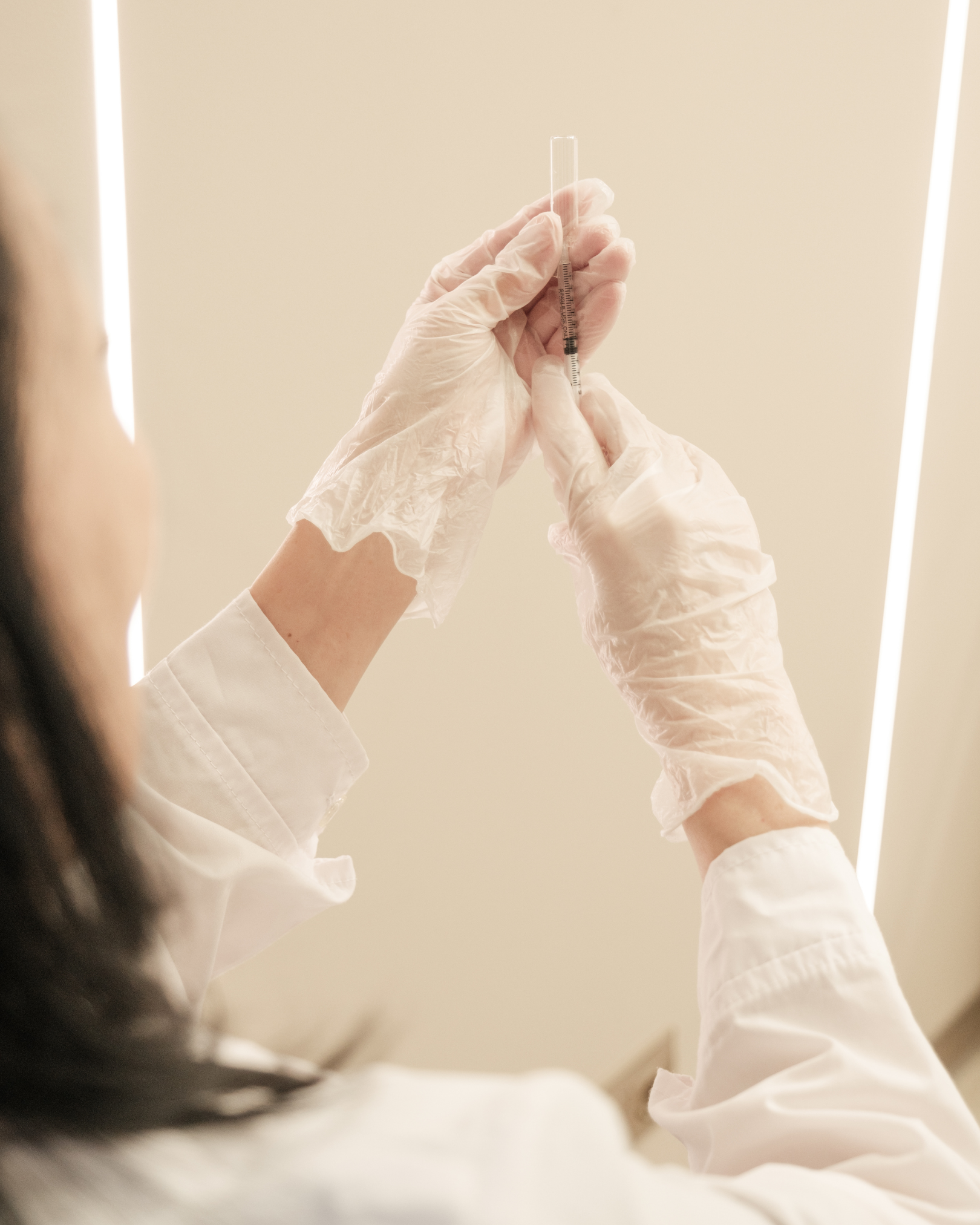
One of the most exciting developments in aesthetic medicine has been the increasing use of regenerative treatments. Rather than simply filling a defect, the goal is to encourage healthier tissue repair and collagen production. This is where polynucleotides can play a role.
Polynucleotides are increasingly being used as part of acne scar treatment plans because of their potential to support tissue repair, hydration and regeneration. Following subcision, they may help create a more favourable healing environment whilst supporting collagen production over time. As with many aspects of acne scar treatment, the best outcomes are often achieved through combination approaches rather than relying on a single treatment.
The Perfect Peel: The Treatment Many Patients Overlook
Acne scars are rarely the only concern. Many patients are also troubled by lingering pigmentation, uneven skin tone and a lack of radiance. This is where treatments such as The Perfect Peel can be extremely useful.
Whilst chemical peels do not generally remove deep acne scars, they can improve several related concerns including post-inflammatory pigmentation, skin brightness and superficial textural irregularities. Patients often tell me that even when their scars are still present, improvements in overall skin quality make their skin look healthier and more even. This is another reason why treating acne scars should involve looking at the whole face rather than focusing solely on individual scars.
What About TCA CROSS?
TCA CROSS remains one of the most effective treatments available for certain scar types. The name stands for Chemical Reconstruction Of Skin Scars. The technique involves placing a very high concentration of trichloroacetic acid directly into individual scars, creating a controlled injury which stimulates collagen production within that specific scar.
TCA CROSS is particularly useful for ice pick scars and certain narrow, deep scars that respond poorly to other treatments. Whilst several treatment sessions are usually required, the improvements can be impressive in carefully selected patients. One of the reasons I always stress the importance of diagnosis is that an ice pick scar and a rolling scar often require completely different approaches.
Is CO2 Laser Still The Gold Standard?
Many patients arrive expecting me to say that CO2 laser is the best treatment available. The truth is slightly more nuanced. CO2 laser resurfacing remains one of the most powerful acne scar treatments ever developed, working by creating controlled injury within the skin and stimulating significant collagen remodelling. The potential benefits can be substantial.
However, these benefits come with trade-offs: recovery is longer, redness can persist for weeks, there is more downtime, a greater risk of pigmentation changes, and costs are typically higher.
For some patients, these trade-offs are absolutely worthwhile. For others, a more regenerative approach involving subcision, microneedling, polynucleotides and prescription skincare may offer a better balance between results and recovery. As always, the best treatment depends on the individual patient.

Why Combination Treatment Usually Produces The Best Results
One of the biggest myths surrounding acne scar treatment is the idea that a single procedure will solve everything. Unfortunately, acne scars rarely work like that. Most patients have multiple scar types, they may have rolling scars, boxcar scars and pigmentation all at the same time, and each problem requires a different solution.
This is why the most successful treatment plans are usually layered. A typical patient journey might involve prescription tretinoin to optimise skin health, microneedling with exosomes to stimulate collagen, subcision for deeper tethered scars, polynucleotides to support tissue repair, and occasional peels to improve overall skin quality. Each treatment contributes something different, together, the results are often significantly better than any single treatment alone.
My Professional Opinion
If there is one thing I would like patients to understand, it is that acne scar treatment is a journey rather than a single event.
Social media has created unrealistic expectations. Many people believe there is a miracle treatment that can erase years of scarring overnight. In reality, meaningful improvement takes time, collagen takes time to form, skin takes time to remodel, and the best results often emerge gradually over several months.
The encouraging news is that modern treatment options are far more effective than they were even ten years ago. For many patients, significant improvement is absolutely achievable.

A Patient's Story*
Details have been changed to protect patient confidentiality; this reflects a typical treatment journey rather than one specific identifiable patient.
A patient in her early thirties attended my Hale clinic after struggling with acne scarring since her teenage years. Her primary concerns were rolling scars across both cheeks and uneven skin texture. She had previously tried numerous skincare products and several over-the-counter devices without seeing meaningful improvement, and like many patients, she worried that nothing could be done.
Following assessment, it became clear that the majority of her scarring consisted of rolling scars with several areas of tethering. A personalised treatment plan was developed involving prescription tretinoin, three sessions of microneedling with exosomes, and targeted subcision combined with polynucleotides.
Over the following months, her skin texture improved significantly. The scars became less visible, her skin quality improved, and she reported feeling considerably more confident. Whilst the scars were not completely removed, the improvement was substantial enough that she felt comfortable leaving the house without foundation for the first time in years. For me, that confidence boost was every bit as important as the physical improvement.
Frequently Asked Questions
What is the best acne scar treatment in 2026?
The answer depends entirely on the type of scar present. Most patients achieve the best outcomes through a combination of treatments.
Can acne scars be completely removed?
Most acne scars cannot be completely removed, but significant improvement is often possible.
Is microneedling good for acne scars?
Yes. Microneedling can be particularly effective for rolling scars and improving overall skin texture.
Are exosomes worth it for acne scars?
Exosomes may support tissue repair and collagen production when combined with microneedling.
What is subcision?
Subcision is a procedure that releases the fibrous bands beneath certain acne scars which pull the skin downwards.
Is subcision painful?
Most patients tolerate subcision very well with local anaesthetic.
Are polynucleotides good for acne scars?
Polynucleotides may support tissue repair, healing and collagen stimulation as part of a broader treatment plan.
What is TCA CROSS?
TCA CROSS is a technique that uses high strength trichloroacetic acid within individual scars, particularly ice pick scars.
Is CO2 laser the best acne scar treatment?
CO2 laser remains one of the most powerful treatments available but involves greater downtime and is not suitable for everyone.
How many treatments will I need?
Most patients require a series of treatments over several months rather than a single procedure.
How long does it take to see results?
Most improvements occur gradually as collagen develops. Patients often notice continued improvements for several months.
Is tretinoin worth using for acne scars?
Absolutely. Whilst it will not remove established scars, it remains one of the most evidence based treatments for improving skin quality and supporting collagen production.

Book a Consultation
If you are struggling with acne scarring and would like an honest assessment of your treatment options, I would be delighted to help.
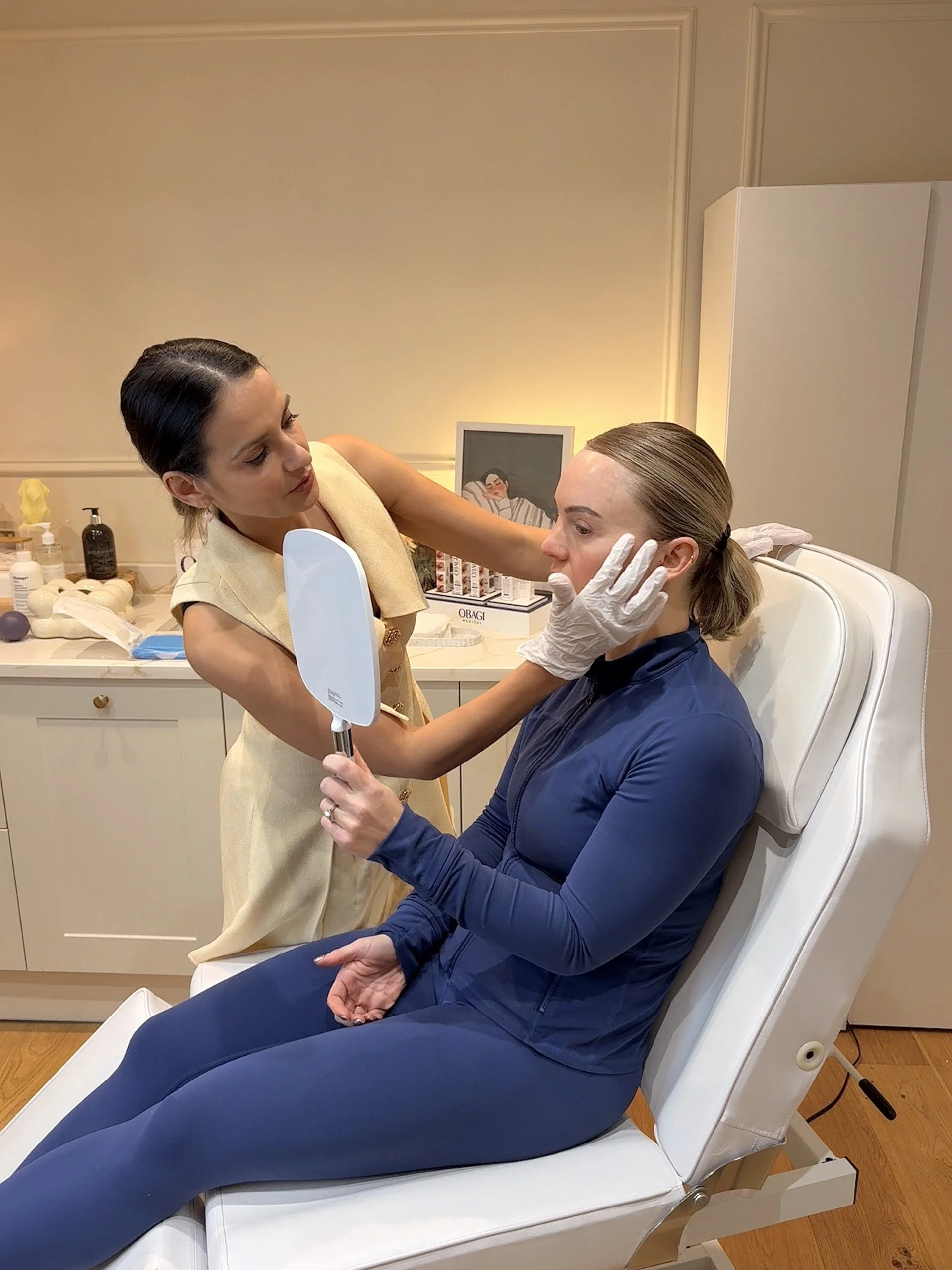
At Dr Caroline Warden Skin & Aesthetic Clinic in Hale, Cheshire, every treatment plan is tailored to your skin, scar type and treatment goals. As both an NHS GP and Aesthetic Doctor with nearly twenty years of medical experience, I focus on evidence based treatments that improve long term skin health whilst achieving natural looking results.
Our female led, family run clinic welcomes patients from Hale, Altrincham, Bowdon, Wilmslow, Knutsford, Stockport, Bramhall, Cheadle and across Cheshire.
Book a consultation today and discover what may be possible for your skin.
Dr Caroline Warden Skin & Aesthetic Clinic, Hale, Altrincham, Cheshire. Doctor led. Female led. Family run.
Further Reading
If you found this useful, these related articles from the clinic explore acne scarring, post-acne marks and the treatments that help.
- Can Acne Scars Be Removed Permanently? A GP and Aesthetic Doctor's Guide
- Understanding Hyperpigmentation: Causes, Types and Medical Grade Skincare
- Why Obagi Is One of the Best Medical Grade Brands for Pigmentation, Acne and Post-Inflammatory Marks
- The Gut Skin Axis: Is Your Diet Causing Breakouts?
- Why I Believe Microneedling with Exosomes Is Better Than PRP
Explore the treatment: Medical Microneedling in Hale, Altrincham and Cheshire
Next steps

References and Further Reading
