The Perfect Peel®
Doctor-Led treatments in Hale, Altrincham & Cheshire
A medical reset for sun-damaged, uneven and tired-looking skin
Some skin does not need another serum. It needs a reset. Years of sun, the marks acne leaves behind, a tone that has gone patchy and uneven, pores that look larger and a surface that feels rough no matter what you put on it: these are the problems a good medium-depth chemical peel was designed for, and The Perfect Peel is the one I chose for my clinic.
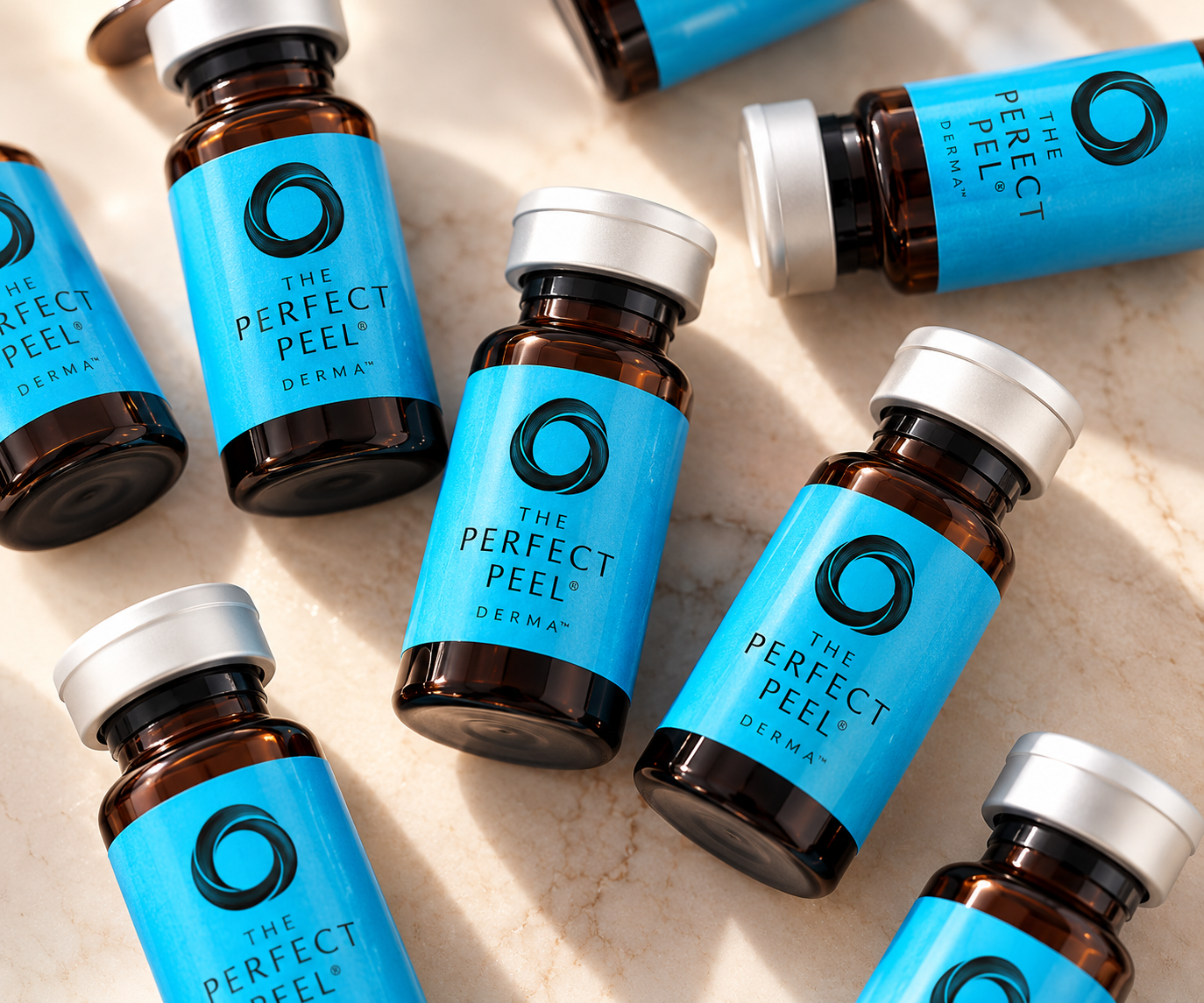
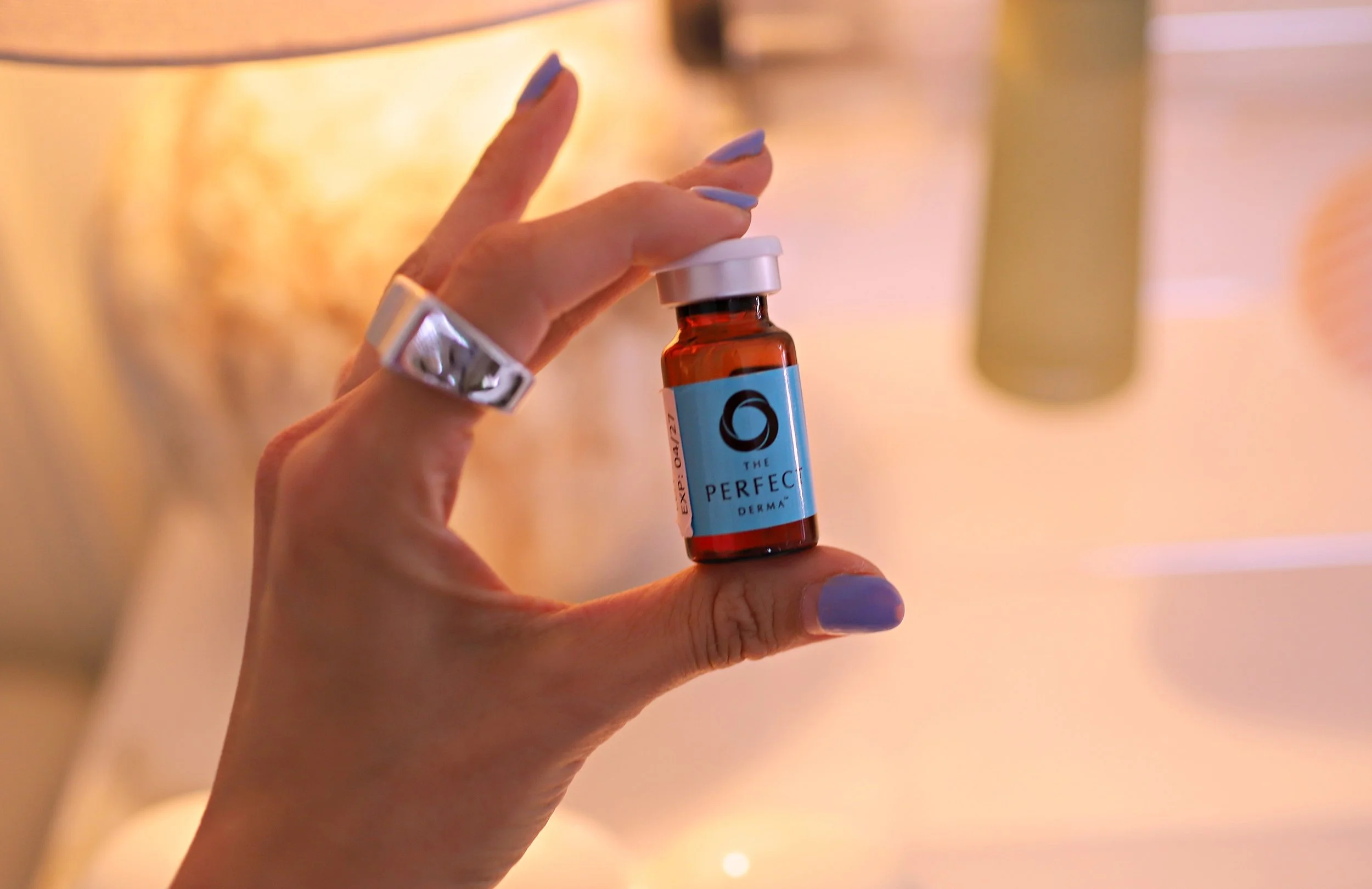
The Perfect Peel is a medical-grade peel that works beneath the very surface of the skin rather than simply polishing it. It combines seven active ingredients, including trichloroacetic acid (TCA), retinoic acid, salicylic acid, kojic acid and glutathione, each at a lower concentration than it would be used alone. That combination is the clever part: it reaches a depth that produces real change in pigmentation, texture and brightness, with about a week of visible peeling rather than the prolonged recovery of a deep peel. Patients describe it as pressing the reset button on their skin, and after the summer months it is one of the most requested treatments I offer.
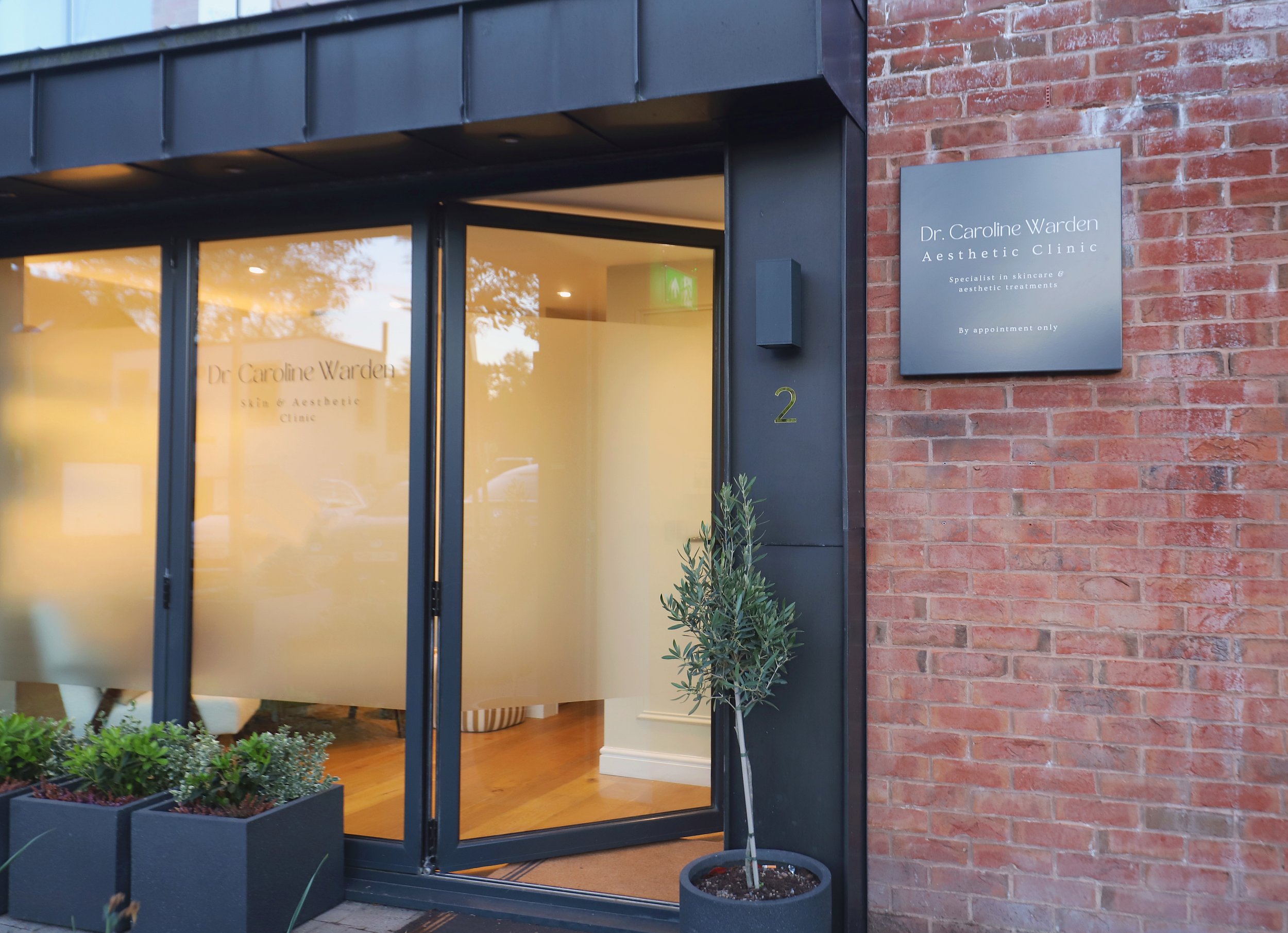
I am Dr Caroline Warden, an NHS GP with over nineteen years of clinical experience, an independent prescriber and a Level 7 qualified aesthetic doctor trained at Harley Academy. I have practised aesthetic medicine since 2017, my clinic in Hale, near Altrincham, was named GHP Best Doctor-Led Aesthetic Clinic in Cheshire 2026, and Glowday ranks me in its top ten practitioners in Manchester on verified patient reviews, of which there are now more than 260. A chemical peel is a medical treatment, and the result depends far more on choosing the right patient, preparing the skin and managing the recovery than on the bottle. Every consultation, peel and review here is carried out by me personally.
Good to know
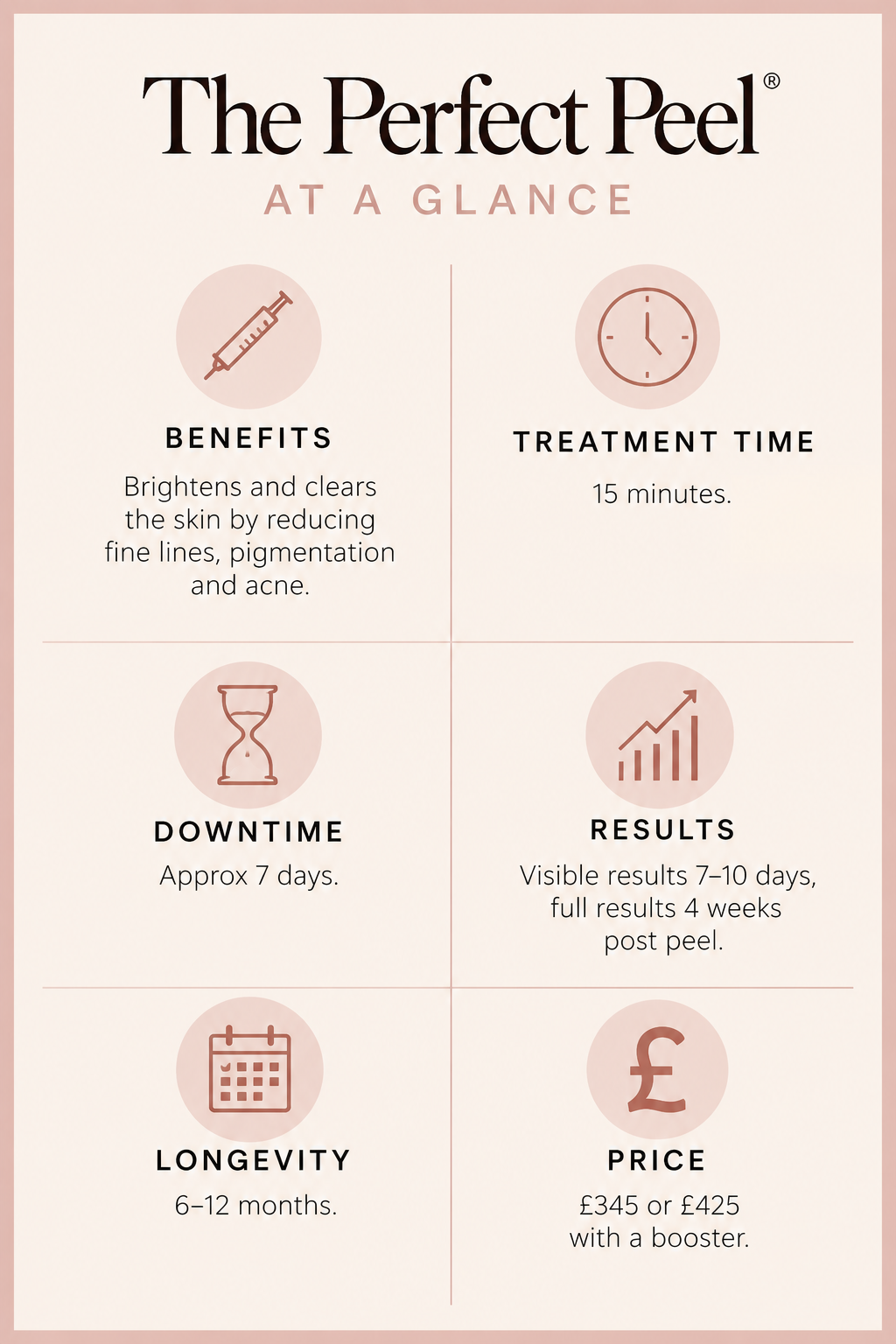
Around 30 minutes in clinic. Peeling starts around day three and is usually finished by day seven to ten, so allow a week of downtime. Face as standard; neck, chest and hands in suitable patients. One peel for a refresh; a course of three to four, four to six weeks apart, for pigmentation, sun damage and post-acne marks. £345 per peel, £425 with the booster, home care kit included.
On this page:
- What is The Perfect Peel and how does it work?
- What the evidence shows
- What can it improve?
- How it compares with Obagi Blue Peel Radiance, microneedling and skin boosters
- Who it suits
- What to expect at your appointment
- Recovery and results, day by day
- Safety and suitability
- Prices
- Frequently asked questions

What is The Perfect Peel and how does it work?
Healthy skin renews itself constantly. With age, sun exposure and inflammation that renewal slows: dead cells build up on the surface, pigment collects unevenly, pores look larger and the complexion loses its light. A chemical peel accelerates the process the skin has stopped doing well on its own. The solution creates a controlled exfoliation of the upper layers, those damaged cells shed over the following week, and the fresher, more evenly pigmented skin beneath comes through. At the same time the deeper layers respond to the treatment by laying down new collagen, which is why the improvement continues to build for weeks after the peeling has stopped.
Most superficial peels rely on one acid. The Perfect Peel uses seven ingredients that each do something different, which is how it treats pigmentation, texture, congestion and fine lines in a single treatment.
The booster version of the peel contains higher concentrations of the active ingredients for a stronger result, and I decide at consultation whether your skin will tolerate and benefit from it.
What the evidence shows
Chemical peels have one of the longest track records in skin medicine, and the principle behind a medium-depth peel is well established. A review of the evidence in the Journal of Clinical and Aesthetic Dermatology summarised the role of this depth of peel plainly:
"Medium-depth peels, penetrating to the papillary dermis, may be used for dyschromia… superficial scars, and pigmentary disorders."
Rendon et al, Journal of Clinical and Aesthetic Dermatology, 2010
The same review notes that combination peels, which pair several agents at lower strengths, are used "where a deeper effect on the skin is required but deep peeling is not an option". That is the exact principle The Perfect Peel is built on: the reach of a medium-depth peel with a recovery most people can fit around a normal week. The two things the literature is equally clear about are that the skin should be prepared before a peel and protected from the sun afterwards, because that is what keeps the risk of post-inflammatory pigmentation low, and both are built into how I do this.
What can The Perfect Peel improve?
The peel can be used on the face, neck, chest and backs of the hands, which share the same history of sun exposure and show the same freckling, dullness and uneven tone. Which areas, and whether a peel is the right tool at all, is decided at consultation.

How The Perfect Peel compares with other skin treatments
There is no single best skin treatment. A peel resurfaces; microneedling rebuilds from beneath; skin boosters hydrate; skincare maintains. Most of my patients with pigmentation or texture concerns end up with a combination, chosen in an order that makes sense for their skin.
In practice: for pigmentation, the peel usually wins. For acne scarring, microneedling usually wins, with the peel for the marks around it. For fine lines and overall skin quality, both work, and the best results I see come from a peel to clear the surface followed by microneedling to rebuild beneath it, with a medical-grade routine holding everything in place.
Who The Perfect Peel suits
Dr Caroline's note
The best time for this peel in Cheshire is October to March. UV is lower, it is easier to keep the new skin out of the sun, and it is exactly when the freckling and dullness from the summer are most noticeable. The patients who get the most from it are the ones who book a course in autumn, finish by spring and then protect the result, rather than the ones who want one peel the week before a holiday. If that is you, I will steer you towards the Blue Peel Radiance instead and tell you why.

What to expect at your appointment
Good to know
Use only the products in your kit until the peeling has finished. Never pick or pull peeling skin, however tempting, because that is where marks and scarring come from. Avoid retinoids, exfoliating acids and other actives until I say otherwise, and avoid heat, hard exercise and swimming in the first few days. Most patients keep makeup off until the peeling is done. And SPF 50 every day, from the morning after your peel onwards: the evidence is clear that sun exposure is what turns a good peel into a pigmentation problem.
Recovery and results, day by day
Dr Caroline's note
How much you peel is not a measure of how well it worked. Some patients shed in sheets, others barely flake, and the results at six weeks are often indistinguishable. What does predict the result is what happens before and after: the skin you bring to the peel and the sun protection you give the skin you leave with. Those are the two things I spend most of the consultation on, and the reason the peel comes with a home care kit rather than a leaflet.
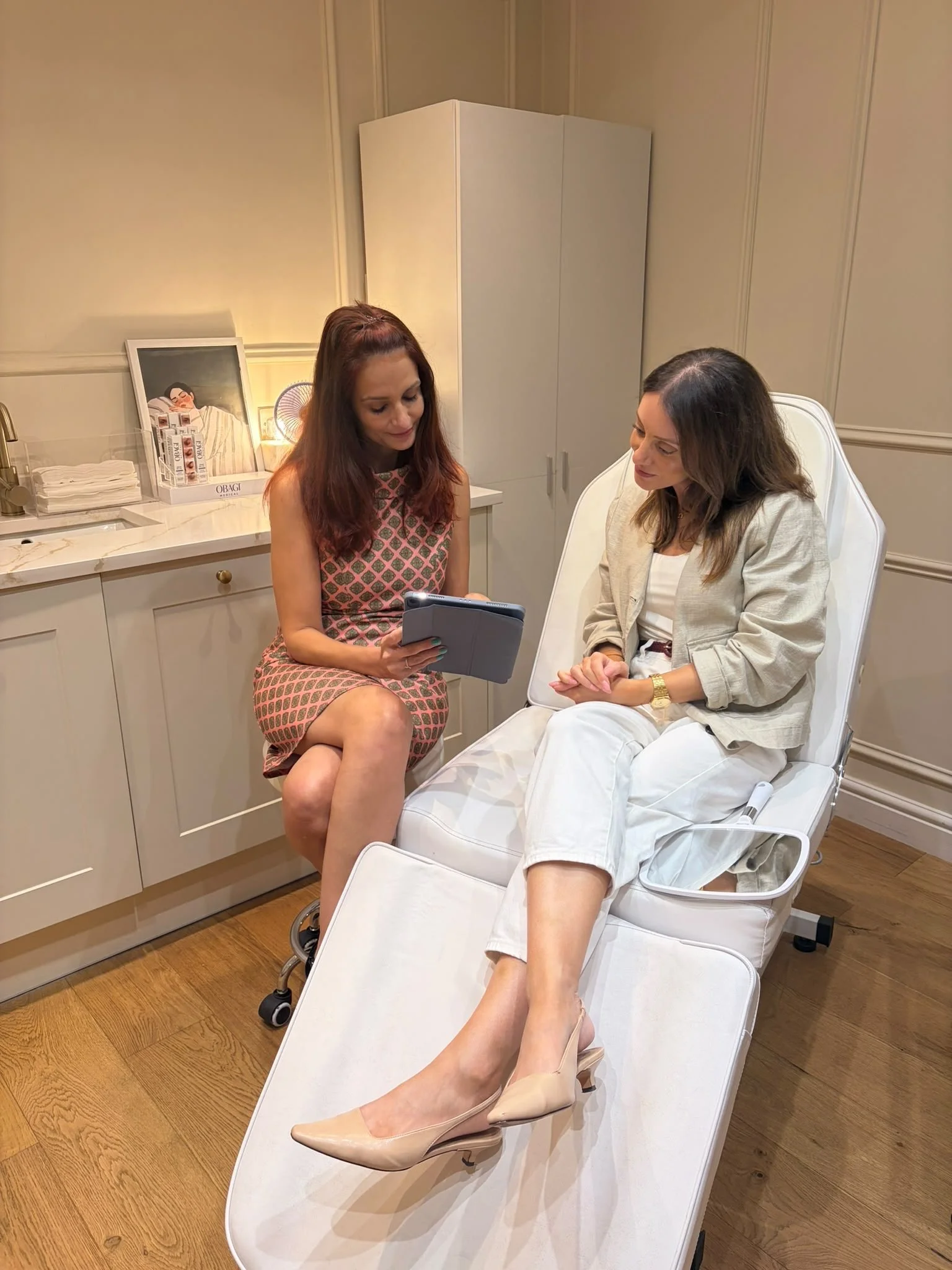
Safety and suitability
Performed by a doctor after a proper assessment, The Perfect Peel has a good safety record. It is still a medical procedure that removes the upper layers of the skin, and the risks are kept low by patient selection, skin preparation and aftercare rather than by luck. Every patient has a consultation first.
The peel is not suitable if you are pregnant or breastfeeding, have an active skin infection, open wounds or sunburn in the area, have taken isotretinoin recently, have certain inflammatory skin conditions or conditions that affect healing, or cannot avoid significant sun exposure in the weeks afterwards. Deeper and richer skin tones are not excluded, but they need preparation, a considered depth and realistic planning, and sometimes a different treatment is the safer answer. I will tell you if that is the case.
Prices
The Perfect Peel is priced per peel, with the home care kit included. The consultation fee of £75 is redeemed against treatment.
Neck, chest and hands can be added in suitable patients and are priced at consultation. You can also see the full clinic price list.
If your skin has lost its light, or the summer has left marks you would rather not carry into next year, book a consultation at the clinic in Hale. You do not need to know whether you need a peel before you come. Working that out is what the appointment is for.
Frequently asked questions
Does The Perfect Peel hurt?
Expect warmth, tingling and a few minutes of stinging as it is applied, then tightness as it dries. It settles quickly and no anaesthetic is needed.
How much will I peel?
Peeling usually starts around day three and finishes by day seven to ten. Some patients shed in large sheets, others flake lightly. Both are normal and neither predicts the result.
How much downtime is there?
About a week. You can work and go about your day, but your skin will be visibly peeling from around day three, so plan it clear of events and photographs.
When will I see results?
Brighter, smoother skin as soon as the peeling finishes, usually within seven to ten days, with pigmentation and texture continuing to improve for several weeks as the skin remodels.
How many treatments will I need?
One peel is enough for a refresh. Sun damage, pigmentation and post-acne marks took years to arrive and respond best to a course of three to four peels, four to six weeks apart, alongside skincare.
What is the difference between The Perfect Peel and Obagi Blue Peel Radiance?
Blue Peel Radiance is a superficial salicylic peel with little or no visible peeling, best for a quick brightening or maintenance. The Perfect Peel is medium depth, with a week of peeling and a bigger change in pigmentation and texture.
Is it better than microneedling?
Different jobs. The peel usually wins for pigmentation; microneedling usually wins for acne scarring; both help fine lines and overall quality, and they work well in sequence.
Can I have it in summer?
It can be done year round with strict sun protection, but autumn and winter are better: UV is lower and the new skin is easier to protect. Most of my courses run from October to March.
Can it help the marks left by acne?
Yes. It fades the red and brown marks spots leave behind and smooths superficial scarring. Deeper, pitted scars respond better to microneedling, often combined with the peel. If you have active, inflamed breakouts, that needs medical assessment first, and I will say so.
Can it treat melasma-pattern pigmentation?
It can form part of a plan, but never as the first step. The skin needs preparing with the right skincare, and the peel needs careful timing, because treated wrongly this pattern of pigmentation gets darker rather than lighter.
Is it suitable for darker skin tones?
Often, with preparation, a considered depth and realistic planning around sun exposure. The risk of post-inflammatory pigmentation is higher in deeper skin tones, so I assess carefully and sometimes recommend a gentler route.
Can I wear makeup?
Not until the peeling has finished, or until I tell you otherwise. Makeup too early irritates the new skin and gets in the way of healing.
Can I wash my face?
Yes, gently, with the cleanser in your home care kit. No scrubbing, no exfoliating and no picking.
Can it be used on the neck, chest or hands?
In suitable patients, yes. These areas have the same sun history as the face and often the same freckling and dullness. They are assessed and priced at consultation.
Who should not have The Perfect Peel?
Anyone pregnant or breastfeeding, with an active infection, open wounds or sunburn, recent isotretinoin use, certain inflammatory skin conditions, or who cannot avoid the sun afterwards. Suitability is confirmed at consultation.
Why have a peel with a doctor?
Because the result depends on judgement rather than the bottle: who to treat, how to prepare the skin, what depth, when in the year, and what to do if something is not healing as it should. As an NHS GP and independent prescriber I can also prescribe the skincare that prepares your skin and protects the result, and recognise when what is in front of me is not a cosmetic problem at all.
Related reading
- Pigmentation and sun damage: treatment in Hale and Altrincham
- Obagi Blue Peel Radiance: the no-downtime alternative
- Medical microneedling with exosomes in Hale
- Medical-grade skincare and Obagi in Hale
- Skin boosters and Profhilo in Hale
- Neck and décolletage ageing: treatment in Hale and Altrincham
- Ageing hands: what actually works for veiny, crepey hands
Next steps
Learn more about Dr Caroline Warden Clinic
Learn more about other treatments offered
References
- Rendon MI, Berson DS, Cohen JL, Roberts WE, Starker I, Wang B. Evidence and considerations in the application of chemical peels in skin disorders and aesthetic resurfacing. J Clin Aesthet Dermatol. 2010;3(7):32-43.
- Soleymani T, Lanoue J, Rahman Z. A practical approach to chemical peels: a review of fundamentals and step-by-step algorithmic protocol for treatment. J Clin Aesthet Dermatol. 2018;11(8):21-28.
- Kashetsky N, Feschuk A, Pratt ME. Post-inflammatory hyperpigmentation: a systematic review of treatment outcomes. J Eur Acad Dermatol Venereol. 2024;38(3):470-479.
- The Perfect Peel professional information, The Perfect Derma Peel.
Written and medically reviewed by Dr Caroline Warden, NHS GP with over 19 years of clinical experience, independent prescriber and Level 7 qualified aesthetic doctor (Harley Academy). GMC 6157708. Dr Caroline Warden Skin & Aesthetic Clinic, 2 Crown Passages, Hale, Altrincham, Cheshire WA15 9GN. Results vary between individuals; suitability is determined at a face-to-face consultation. Last reviewed: 2 October 2026.

Perfect Peel- Before & Afters


The Perfect Peel Prices
1 Session £345
With booster £425
*The Perfect Peel boosters are usually advised in acne and pigmentation patients however this can be discussed further with you during your consultation