The 5 Skincare Ingredients I Am Most Cautious About as an NHS GP and Aesthetic Doctor
Why More Skincare Is Not Always Better
We are living in a time where skincare has become completely overwhelming.
Everywhere you look there are new acids, active ingredients, exfoliants and “miracle” products promising glass skin overnight.
Patients are sometimes laying ten products onto their skin every morning and evening believing that more products must equal better skin.
Ironically, as a doctor working in skin and aesthetic medicine, I am seeing more damaged skin barriers now than ever before.
One of the most common things patients say to me in clinic is:
“My skin suddenly became sensitive.”
“I cannot tolerate anything anymore.”
“My rosacea has flared.”
“My skin burns every time I apply products.”
And honestly, very often the issue is not that patients are doing too little.
It is that they are sometimes doing far too much.
The truth is that some skincare ingredients, especially when overused or poorly formulated, can quietly disrupt the skin barrier, trigger chronic inflammation and sometimes worsen the very concerns patients are trying to improve.
At our doctor led clinic in Hale, Cheshire, we increasingly see patients struggling not with “bad skin”, but with irritated, over treated skin.
Interestingly, some of the healthiest skin I see clinically often belongs to patients using fewer products, but using them consistently and intelligently.
Why the Skin Barrier Matters So Much
One of the biggest shifts happening within dermatology and aesthetic medicine is a growing appreciation of the skin barrier.
The skin barrier is essentially your skin’s protective shield.
When functioning properly, it helps retain hydration and protects against:
• Irritants
• Allergens
• Pollution
• Bacteria
• UV damage
• Inflammation
Once damaged, the skin becomes increasingly reactive and unpredictable.
This can lead to:
• Burning
• Stinging
• Redness
• Rosacea flare ups
• Increased breakouts
• Dehydration
• Sensitivity
• Chronic inflammation
This is one of the reasons I often focus on repairing skin health before considering advanced aesthetic treatments.
Because honestly, healthy skin almost always looks better than inflamed skin, regardless of how many products are being used.
1. Harsh Physical Scrubs
Why I Rarely Recommend Them
Physical scrubs containing walnut shells, apricot kernels or rough exfoliating particles can be surprisingly damaging to the skin barrier.
Although the skin may initially feel smoother after use, these products can create microscopic trauma within the skin surface.
Over time, this repeated irritation may contribute to:
• Redness
• Sensitivity
• Rosacea flare ups
• Post inflammatory pigmentation
• Increased water loss from the skin
This is particularly important for patients with:
• Rosacea
• Acne prone skin
• Eczema
• Sensitive skin
I often explain the skin barrier to patients like a brick wall.
Once damaged, irritants and bacteria can penetrate more easily, leading to chronic low grade inflammation.
And interestingly, low grade inflammation is increasingly associated with accelerated collagen breakdown and premature skin ageing.
What I Prefer Instead
If exfoliation is genuinely needed, I usually prefer gentler chemical exfoliants such as:
• Lactic acid
• Polyhydroxy acids, PHAs
• Phytic Acid
These tend to exfoliate more evenly and with significantly less trauma.
2. Fragrance in Skincare
One of the Most Common Causes of Skin Irritation
Fragrance is one of the most common triggers for allergic contact dermatitis in skincare.
Even products marketed as luxurious, calming or “clean” often contain fragrance blends that can sensitise the skin over time.
Fragrance may appear on ingredient lists as:
• Parfum
• Aroma
• Essential oil blends
Many patients assume that if a product smells natural, it must automatically be gentle.
Unfortunately, this is not always true.
Repeated exposure to fragrance can contribute to:
• Irritation
• Eczema
• Rosacea flare ups
• Stinging
• Chronic inflammation
I think this is one of the reasons many patients suddenly feel that their skin has become “reactive” in their thirties and forties after years of tolerating products perfectly well.
Often, the skin barrier has simply become chronically irritated over time.
My General Advice
For sensitive skin, rosacea or eczema prone skin, I usually recommend fragrance free skincare wherever possible, particularly in leave on products.
3. High Concentrations of Essential Oils
Natural Does Not Always Mean Gentle
There is a huge trend currently towards “natural skincare.”
However, natural ingredients can still be highly irritating.
Essential oils such as tea tree oil, peppermint oil, lavender oil and citrus oils can all trigger irritation or allergic reactions, particularly in higher concentrations.
Some citrus oils are also phototoxic, meaning they can react with UV exposure and increase the risk of pigmentation and burns.
I often see patients unknowingly damaging their skin barrier with heavily fragranced essential oil based skincare marketed as “holistic” or “chemical free.”
And honestly, some of these products are far more irritating than conventional skincare.
My View as a Doctor
Personally, I think essential oils are often better reserved for aromatherapy rather than intensive facial skincare.
4. High Alcohol Formulations
Particularly Common in Acne Products
Alcohol is not always harmful in skincare.
However, products containing high concentrations of denatured alcohol can be extremely drying and barrier disrupting.
These are commonly found in:
• Toners
• Acne products
• Astringents
• Oil control skincare
Initially, these products may create the impression that the skin is clearer or less oily.
However, excessively stripping the skin often disrupts the barrier and may actually stimulate increased oil production as the skin attempts to compensate.
This cycle can worsen:
• Acne
• Sensitivity
• Redness
• Dehydration
What I Prefer
When treating acne prone skin, I generally favour barrier supportive ingredients alongside active treatments, including:
• Niacinamide
• Glycerin
• Ceramides
• Azelaic acid
Interestingly, some of the best acne routines are actually much gentler than people expect.

5. Overusing Acids and Exfoliating Products
One of the Biggest Problems I See Clinically
Acids can be fantastic ingredients when used appropriately.
However, many patients are now unknowingly over exfoliating their skin by combining:
• Acid cleansers
• Acid toners
• Acid serums
• Retinoids
• At home peels
all within the same routine.
The result is often a damaged skin barrier masquerading as “purging.”
Symptoms commonly include:
• Burning
• Tightness
• Peeling
• Redness
• Increased breakouts
• Shiny inflamed skin
The skin needs time to recover and repair between exfoliation.
And honestly, healthy skin should not constantly feel tight, burning or irritated.
My General Advice
For most patients, exfoliating acids once or twice weekly is usually more than enough.
Healthy skin is not skin that feels stripped.
Healthy skin is calm, resilient and balanced.
Why I Think Simpler Skincare Often Works Better
One of the healthiest shifts happening in aesthetic medicine right now is moving away from aggressive “attack the skin” approaches.
Increasingly, we are focusing on:
• Skin barrier repair
• Collagen support
• Healthy ageing
• Regeneration
• Long term skin health
• Reducing inflammation
That is one of the reasons both myself and Louise are proud Obagi Ambassadors.
We are incredibly passionate about evidence based skincare and supporting healthier skin function rather than constantly stripping or inflaming the skin.
At our clinic in Hale, many patients are specifically searching for:
• Rosacea treatment Cheshire
• Skin barrier repair Hale
• Doctor led skincare clinic Altrincham
• Sensitive skin help Cheshire
• Healthy ageing skincare
• Regenerative skincare Hale
Patients are increasingly realising that beautiful skin is usually calm skin.

How to Read a Skincare Ingredient List More Carefully
One of the best things patients can do is become slightly more sceptical of skincare marketing.
A few things I often recommend:
Look at the First Five Ingredients
Ingredients are listed in descending order by concentration.
If alcohol or fragrance appears near the top, the product may be more irritating.
Be Wary of Overcomplicated Products
More ingredients do not necessarily mean better results.
Sometimes the best skincare routines are the simplest.
Introduce Products Slowly
Adding multiple active products at once makes it almost impossible to identify what is irritating your skin.
Patch Test New Products
Especially if you have rosacea, eczema or sensitive skin.
Remember That Viral Does Not Mean Evidence Based
Social media trends are not always scientifically sound.
And honestly, some of the worst skin barriers I see clinically come from viral skincare routines.
A Case Study
Emma, Age 34
Emma attended clinic convinced she suddenly had “adult acne.”
She was using:
• Multiple exfoliating acids
• A retinoid every night
• Vitamin C
• Several active serums
• Physical exfoliants
Her skin was burning, shiny, inflamed and constantly breaking out.
In reality, much of the problem was not acne itself.
It was a severely disrupted skin barrier.
Rather than adding more treatment, we simplified her routine dramatically and focused on:
• Barrier repair
• Gentle skincare
• Reducing inflammation
• Gradual introduction of actives
• Supporting skin resilience
Within several months, her skin looked calmer, healthier and significantly clearer.
And honestly, she was using far fewer products than before.

Frequently Asked Questions
Is fragrance always bad for skin?
Not necessarily.
Some people tolerate fragrance perfectly well. However, for sensitive skin, rosacea or eczema prone skin, fragrance can be a significant trigger.
Are physical scrubs always damaging?
Not always, but many are unnecessarily harsh, especially for facial skin.
Can I use acids every day?
Some patients tolerate daily acids well, but many overuse them. This depends entirely on skin type, product strength and the rest of your routine.
What are the signs of a damaged skin barrier?
Common signs include burning, stinging, redness, peeling, tightness, increased sensitivity and unexpected breakouts.
Is “natural skincare” safer?
Not necessarily.
Natural ingredients can still trigger irritation or allergic reactions.
What skincare do you generally prefer?
I generally favour evidence based skincare focused on skin barrier support, collagen preservation and long term skin health.

Final Thoughts
Skincare should not feel aggressive.
Healthy skin rarely comes from attacking the skin barrier with stronger and stronger products.
In my experience, the patients with the healthiest skin are often not the ones using the most products.
They are the ones consistently using appropriate, evidence based skincare that supports long term skin health.
Sometimes, doing less for your skin can actually achieve far more.
Book a Consultation
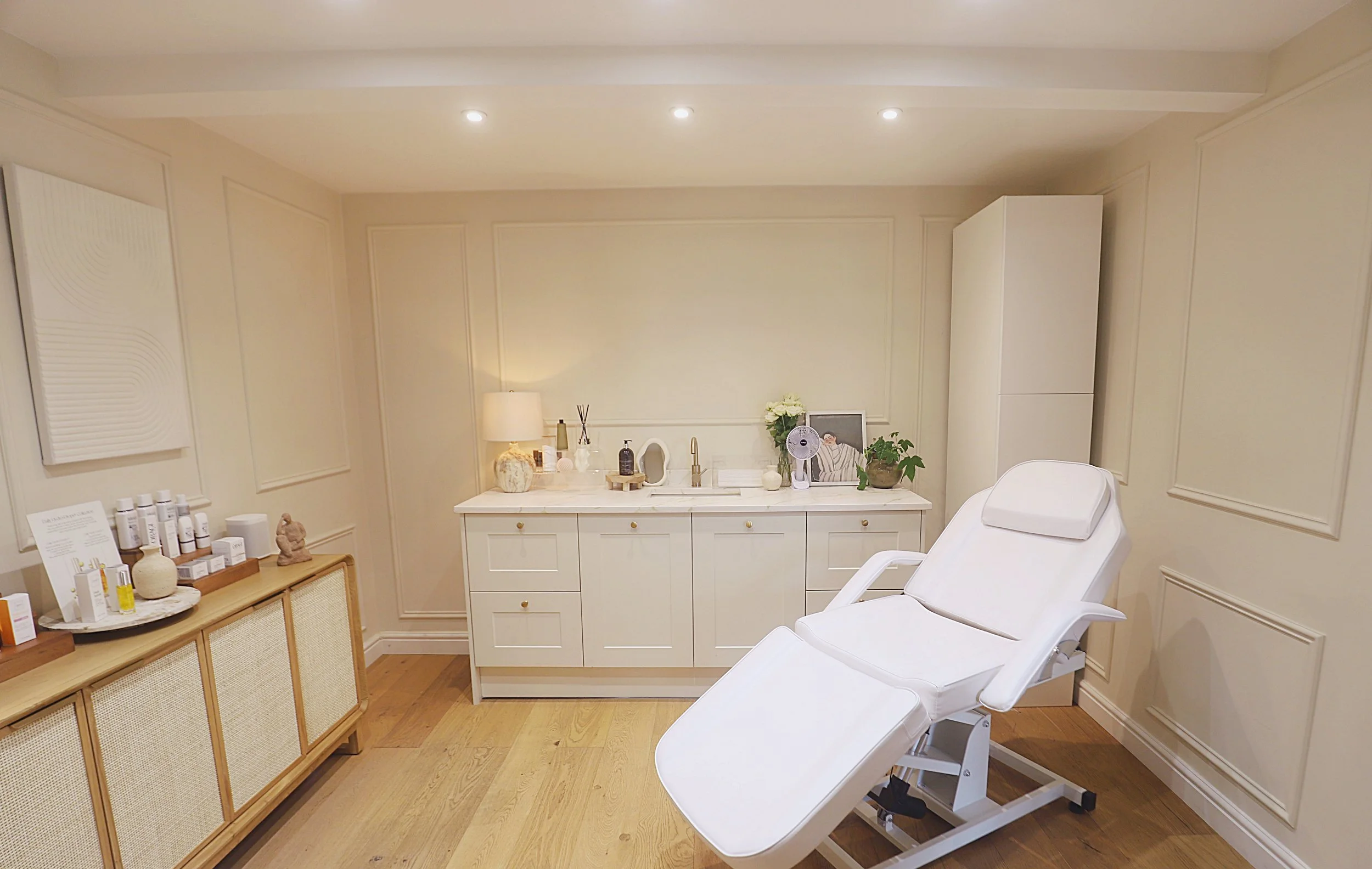
If you are struggling with sensitive skin, rosacea, acne or a damaged skin barrier, you can book a consultation at Dr Caroline Warden Skin & Aesthetic Clinic in Hale, Cheshire.
Dr Caroline Warden is an experienced NHS GP and aesthetic doctor with a strong focus on skin health, evidence based skincare and natural results. Alongside her sister Louise Devereux, she has created a female led, family run clinic focused on helping patients achieve calm, healthy and resilient skin.
Patients travel to the clinic from Hale, Altrincham, Bowdon, Wilmslow, Knutsford, Sale and across Cheshire for doctor led skincare advice and regenerative skin treatments.
Website: https://www.drcarolinewarden.co.uk
Instagram: @drcarolinewarden