Microneedling with Exosomes vs PRP: Why I Recommend Exosomes

Last updated: 17 September 2026
In this article:
- What is PRP (platelet-rich plasma) for skin rejuvenation?
- What are exosomes, and how do they work in microneedling?
- Microneedling with exosomes vs PRP: what does the evidence show?
- Why I usually recommend exosomes over PRP in my Hale clinic
- Who is microneedling with exosomes suitable for?
- Real patient case study
- Is microneedling with exosomes available near me in Hale or Altrincham?
- Frequently asked questions
Skin regeneration treatments have moved on a great deal in recent years, and two of the most talked about are PRP (platelet-rich plasma) and microneedling with exosomes. Both work by stimulating the skin's own repair processes, but they take very different routes to get there.
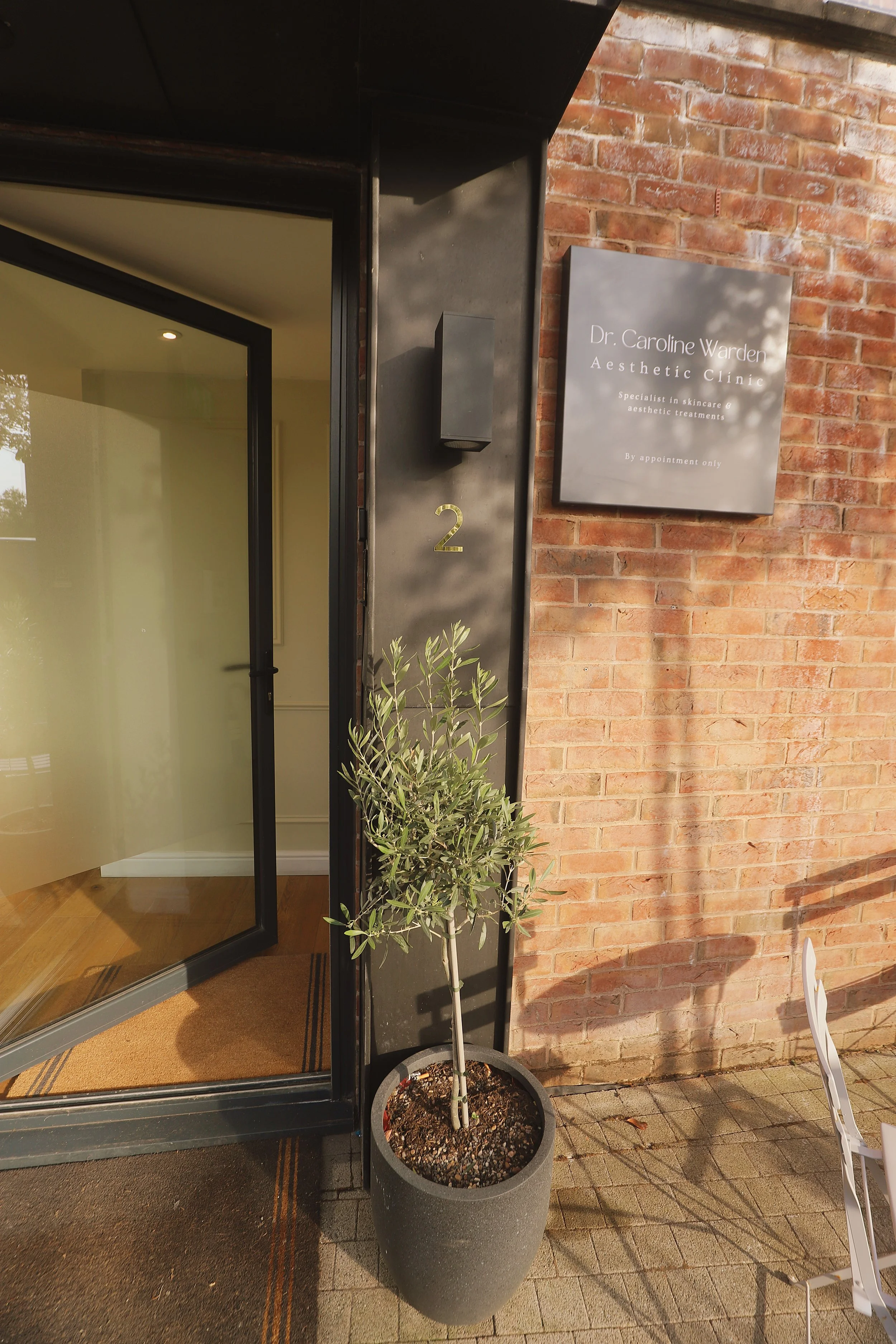
As a doctor-led aesthetic clinic in Hale, Altrincham, I'm asked about both regularly, usually by patients who've heard of the "vampire facial" and want to know whether exosomes are worth considering instead. Here's an honest, evidence-led look at how the two compare, and why exosomes are usually my first recommendation.
What Is PRP (Platelet-Rich Plasma) for Skin Rejuvenation?
PRP, sometimes known as the "vampire facial", uses a small sample of your own blood. It's spun in a centrifuge to separate out the platelet-rich plasma, which is then applied to the skin during microneedling to help stimulate collagen production and repair.
PRP has been used in aesthetic medicine for many years and has a reasonably well established evidence base. Its main drawback is that the quality of the result depends on the quality of your own blood on the day, including platelet count, hydration and general health, so results can vary noticeably from person to person.
What Are Exosomes, and How Do They Work in Microneedling?
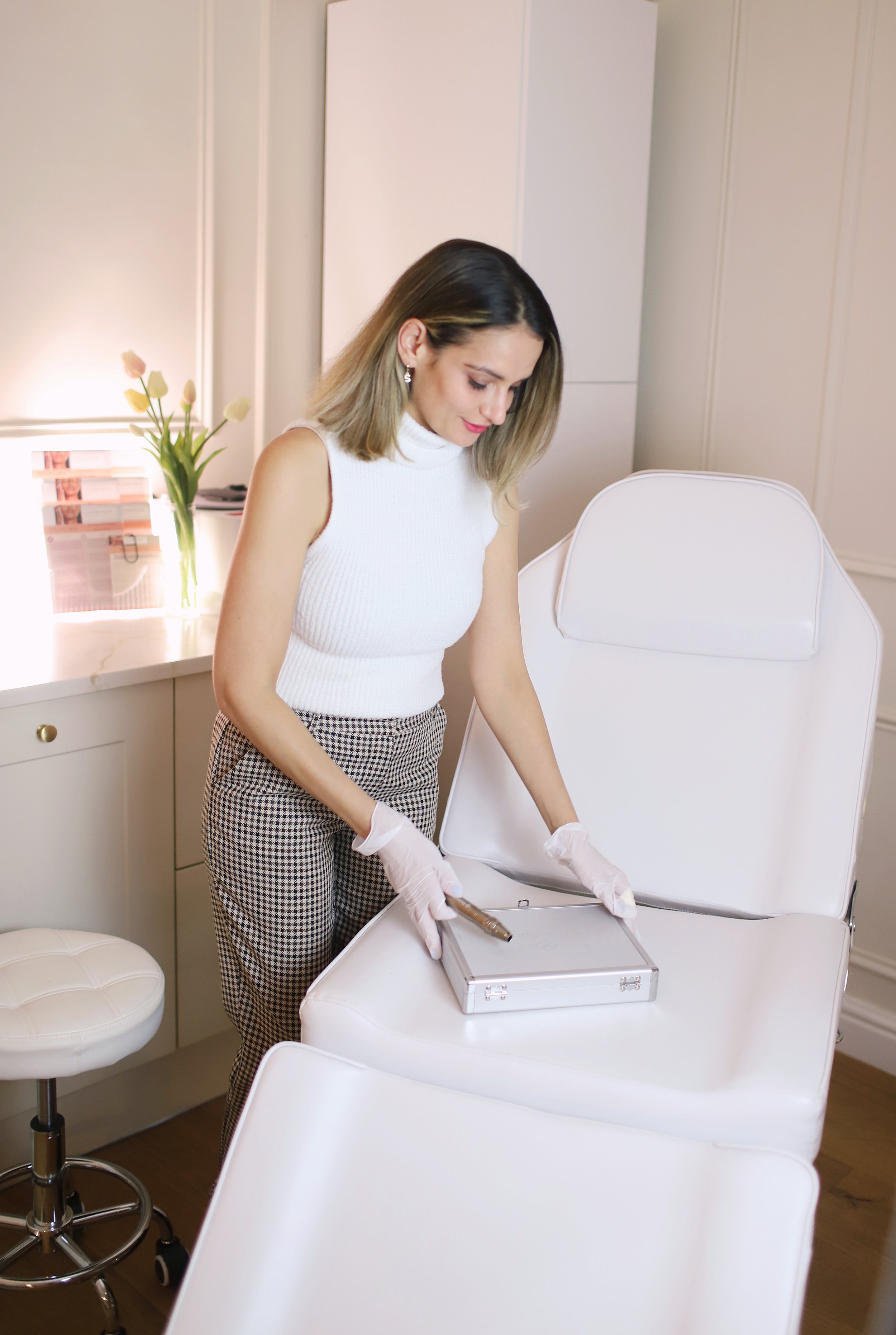
Exosomes are tiny signalling particles released by cells, essentially little messengers that tell skin cells to repair, regenerate and produce more collagen. In my clinic I use Purasomes exosome therapy, sourced from a standardised donor rather than the patient's own blood.
When exosomes are applied during microneedling, the micro-channels created by the needles allow them to penetrate more effectively, triggering a stronger repair and regeneration response than either treatment alone.
Because exosomes come from a consistent donor source rather than your own blood, the product quality doesn't vary from patient to patient the way PRP can.

Microneedling with Exosomes vs PRP: What Does the Evidence Actually Show?
It's tempting to assume one treatment is simply "better" than the other, but the honest picture from the research is more nuanced. A 2025 investigator-blinded, split-face trial comparing the two after radiofrequency microneedling found comparable improvements in wrinkling, pigmentation, redness and texture, with no significant difference in collagen formation on biopsy. Exosomes scored slightly higher on clinician-assessed appearance, but the two were broadly equivalent on the measures that matter most.
Where exosomes do have a clear practical edge is in consistency and comfort, as this table sets out.
In short, this is less a case of one treatment being dramatically superior, and more a case of exosomes offering a comparable result with fewer practical downsides, which is why they're usually my first suggestion.
Why Do I Usually Recommend Exosomes Over PRP in My Hale Clinic?
A more predictable starting point
PRP's effectiveness is tied to factors like your age, hormone levels, hydration, medications and platelet concentration on the day, so two patients having the identical treatment can see quite different results. Exosomes come from a standardised source, so the product itself is consistent every time, even though individual response still varies.
A gentler treatment experience
There's no blood draw, no centrifuge and no waiting around while your blood is processed. Many patients, particularly those who are needle-averse about the blood draw itself rather than the microneedling, find this a much more comfortable experience.
Well suited to sensitive and rosacea-prone skin
Because exosomes are associated with anti-inflammatory signalling, patients often experience less redness and a calmer recovery after treatment. I've found this particularly helpful for patients with rosacea-prone or reactive skin, once any active flare has settled.
Who Is Microneedling with Exosomes Suitable For?
If you have a diagnosed skin condition such as active rosacea, eczema or a lesion that looks in any way suspicious, we'll talk this through properly at consultation. If something needs medical rather than cosmetic attention, I'll be upfront about that and point you back to your GP or a dermatologist rather than treating it here.
Real Patient Case Study: Rosacea, Redness and Dullness
Patient: Female, 47
Concerns: Rosacea-related redness, dullness, early fine lines, uneven texture
Previous experience: Had PRP elsewhere, and found the swelling significant with little visible change after three sessions
Treatment plan: Three sessions of microneedling with Purasomes exosomes, spaced four weeks apart, alongside a simplified home skincare routine to support the skin barrier.
Results: By the second treatment she noticed brighter, calmer looking skin, a visible reduction in redness, and smoother texture. As with any aesthetic treatment, individual results vary, and this reflects one patient's experience rather than a guaranteed outcome.
"My skin finally feels like it's changed. The redness has calmed right down, my texture is smoother, and friends keep telling me I'm glowing."
Is Microneedling with Exosomes Available Near Me in Hale or Altrincham?
Yes. Microneedling with exosomes is one of the core treatments at my clinic in Hale, Altrincham, conveniently placed for patients from Bowdon, Alderley Edge, Wilmslow and across Cheshire, as well as Hale Barns, Bramhall, Knutsford, Mobberley, Sale, Timperley, Urmston, Handforth, Poynton, Cheadle, Didsbury, Manchester and Warrington.
Book a Consultation
If you're weighing up PRP or exosome microneedling and want honest, doctor-led guidance based on your own skin goals rather than a sales pitch, I'd be glad to see you for a consultation at the clinic in Hale.

Frequently Asked Questions About Microneedling with Exosomes
Is microneedling with exosomes safe?
Yes, when carried out by a trained practitioner using a reputable, regulated exosome product. As with any skin procedure there's a small risk of temporary redness, sensitivity or minor bruising, which we'll talk through at your consultation.
How many sessions of microneedling with exosomes do I need?
Most patients have a course of three sessions, spaced around four weeks apart, followed by occasional maintenance treatments depending on your skin and goals.
Does microneedling with exosomes hurt?
A topical numbing cream is applied beforehand, so most patients describe it as mild discomfort or warmth rather than pain.
How long do the results from exosome microneedling last?
Results build gradually as collagen remodels over several weeks, and tend to be maintained with an occasional top-up session, alongside good daily skincare and SPF.
Can you have microneedling with exosomes if you have rosacea?
Often, yes, once any active flare has settled. Many patients with rosacea-prone skin tolerate it well. We'll assess your skin individually at consultation, and if it looks like something needing medical rather than cosmetic care, I'll refer you appropriately.
Is microneedling with exosomes better than PRP, or just different?
The honest answer, based on the current evidence, is that they perform comparably for most patients. Exosomes tend to be my first suggestion because of the consistency and comfort advantages set out above, not because PRP doesn't work.
How much does microneedling with exosomes cost in Hale and Altrincham?
Pricing depends on the number of sessions and whether it's combined with other treatments. You'll find current prices on our price list, or ask at your consultation.
References
- Park GH, Kwon HH, Seok J, et al. Efficacy of combined treatment with human adipose tissue stem cell-derived exosome-containing solution and microneedling for facial skin ageing: a 12-week prospective, randomised, split-face study. J Cosmet Dermatol. 2023. doi.org/10.1111/jocd.15872
- Exosomes in skin rejuvenation: systematic review of anti-ageing effects and clinical applications. Dermatology Practical & Conceptual. pubmed.ncbi.nlm.nih.gov/41912205
- Clinical advances in exosome-based therapies for aesthetic medicine: a systematic review and meta-analysis of human clinical trials. pubmed.ncbi.nlm.nih.gov/41800726
- Adipose mesenchymal stem cell-derived exosomes versus platelet-rich plasma treatment for photoaged facial skin: an investigator-blinded, split-face, non-inferiority trial. ncbi.nlm.nih.gov/pmc/articles/PMC12104007
- Clinical evidence and commercial landscape of topical exosomes for skin rejuvenation: a scoping review. pubmed.ncbi.nlm.nih.gov/42411735
Further Reading
- Should You Bleed During Microneedling? What Actually Matters for Results
- The Ultimate Guide to Microneedling with Exosomes
- Why I Don't Recommend At-Home Microneedling with a Derma Roller
- Rosacea, Redness and Flushing: What Actually Works
- Explore Medical Microneedling at the Clinic
- Skincare Is Self-Care: The Science, Psychology and a Case Study
Next Steps
Learn more about Dr Caroline Warden Clinic
Learn more about other treatments offered
Dr Caroline Warden is an NHS GP with over 19 years of clinical experience, an independent prescriber, and holds a Level 7 postgraduate diploma in cosmetic injectables. She is the sole practitioner at Dr Caroline Warden Skin & Aesthetic Clinic, a female-led, family-run clinic at 2 Crown Passages, Hale, Altrincham, awarded Best Doctor Led Aesthetic Clinic in Cheshire 2026 by GHP. GMC number 6157708. This article is for information only and does not constitute individual medical advice.