Why Choosing a Female Aesthetic Doctor Changes the Entire Experience
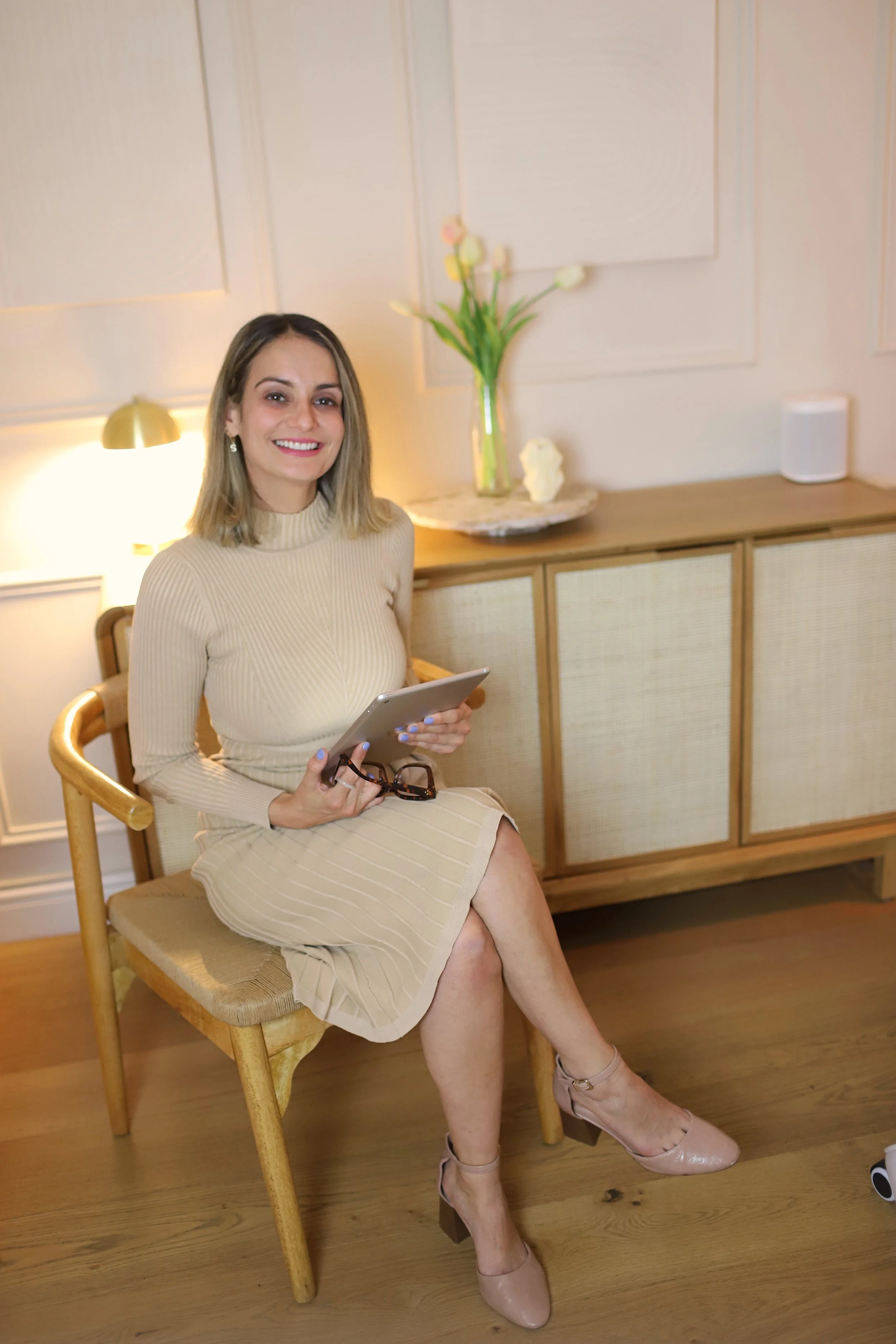
Expert skin science insights an award-winning holistic aesthetic clinic in Altrincham. Written by Dr Caroline Warden, NHS GP, cosmetic dermatology specialist
For many women, booking an aesthetic consultation isn’t a casual decision. It’s often wrapped in vulnerability, hesitation, and deeply personal questions:
Will I be judged? Will I be pressured? Will I still look like myself? Will I be heard?
In recent years, more women across Hale, Altrincham and South Manchester are actively seeking out a female aesthetic doctor not because women are “better” doctors, but because the experience can feel profoundly different.
This article explores why that is. Not through stereotypes, but through psychology, communication styles, clinical evidence, and real patient experience. We’ll also look at how a female-led approach can influence safety, trust, consent, and outcomes and include a real-life case study from clinic (details anonymised).
Aesthetic medicine isn’t just technical, it’s emotional
Aesthetic medicine sits at a unique intersection of:
• medicine
• identity
• confidence
• ageing
• self-perception
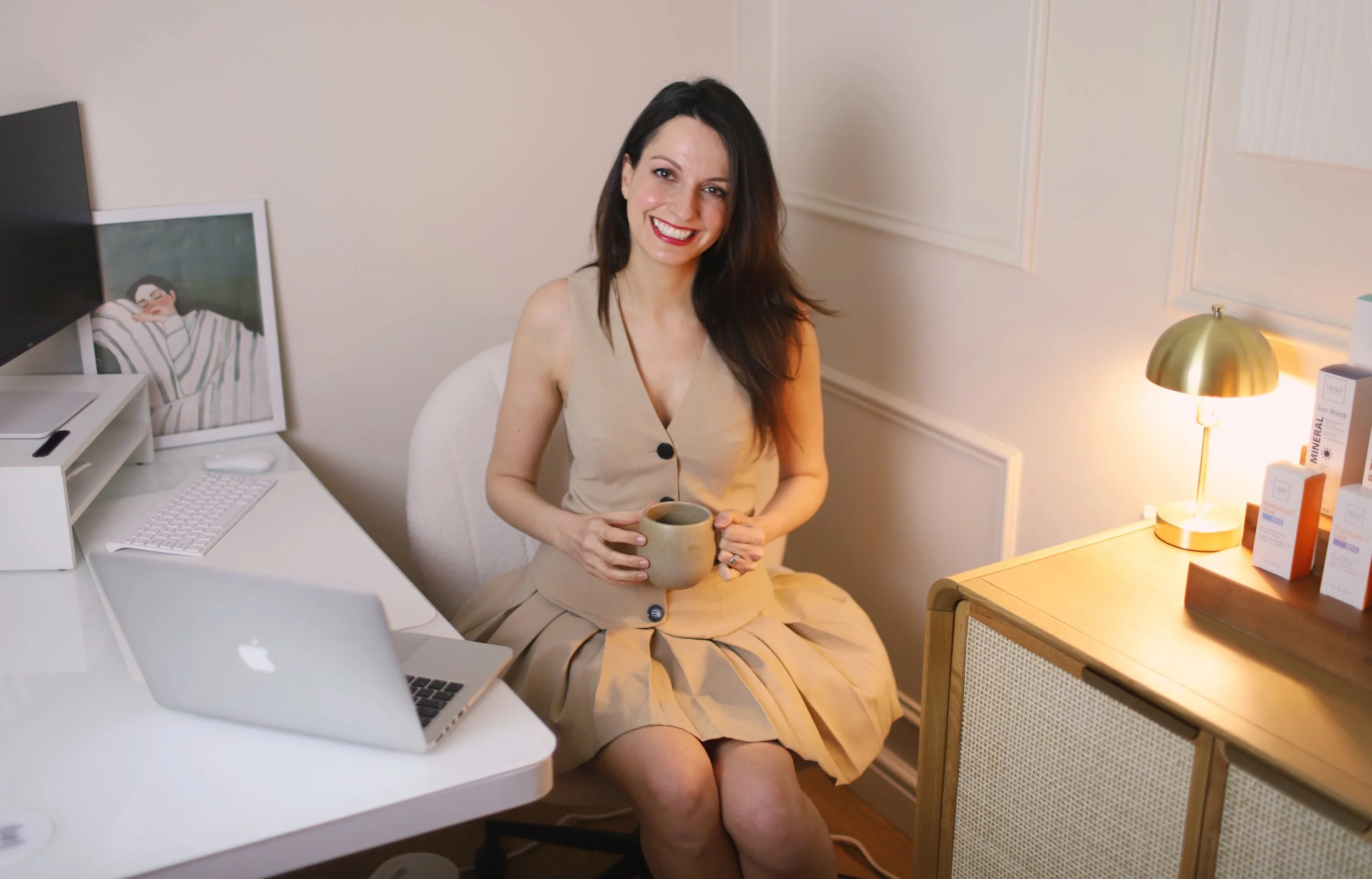
Unlike many medical fields, patients are not coming in with lab results or scans. They’re coming in with feelings:
• “I don’t recognise myself”
• “I want to look fresher, not different”
• “I’m scared of looking overdone”
• “I’ve been thinking about this for years”
This is why the aesthetic consultation is the most important part of the process, more important than the treatment itself.
Research in medical communication consistently shows that patient satisfaction, adherence, and perceived outcomes are strongly influenced by how listened to and understood a patient feels, not just by the technical result of a procedure. Studies in patient–physician communication demonstrate that empathy, active listening, and shared decision-making significantly improve patient experience and trust.
Why many women feel safer with a female aesthetic doctor
It’s not about competence, all doctors should meet high clinical standards. It’s about relational safety.
Many women report feeling:
• more comfortable discussing ageing, hormones, and body changes with another woman
• less pressure to “perform” confidence or minimise concerns
• more able to admit fear, uncertainty, or past negative experiences
There is evidence across healthcare settings that female physicians, on average, spend more time in consultations, engage in more patient-centred communication, and are more likely to explore psychosocial context.
Large observational studies have found that female doctors tend to ask more open-ended questions and demonstrate higher levels of empathic communication.
In aesthetic medicine, where the “problem” is often subjective: this matters enormously.
Understanding the female experience of ageing
Ageing is not neutral for women.
Women’s faces change alongside:
• hormonal shifts (peri-menopause and menopause)
• pregnancy and post-partum changes
• sleep deprivation
• caregiving stress
• mental load and emotional labour
A female aesthetics doctor is more likely to instinctively understand:
• why a woman might feel distressed by looking “tired” even when life is going well
• why subtle changes feel more important than dramatic ones
• why fear of looking “fake” is often stronger than fear of wrinkles
This doesn’t require personal experience to treat but shared lived experience can create faster rapport and deeper trust, which directly improves the consultation process.
The difference it makes in an aesthetic consultation
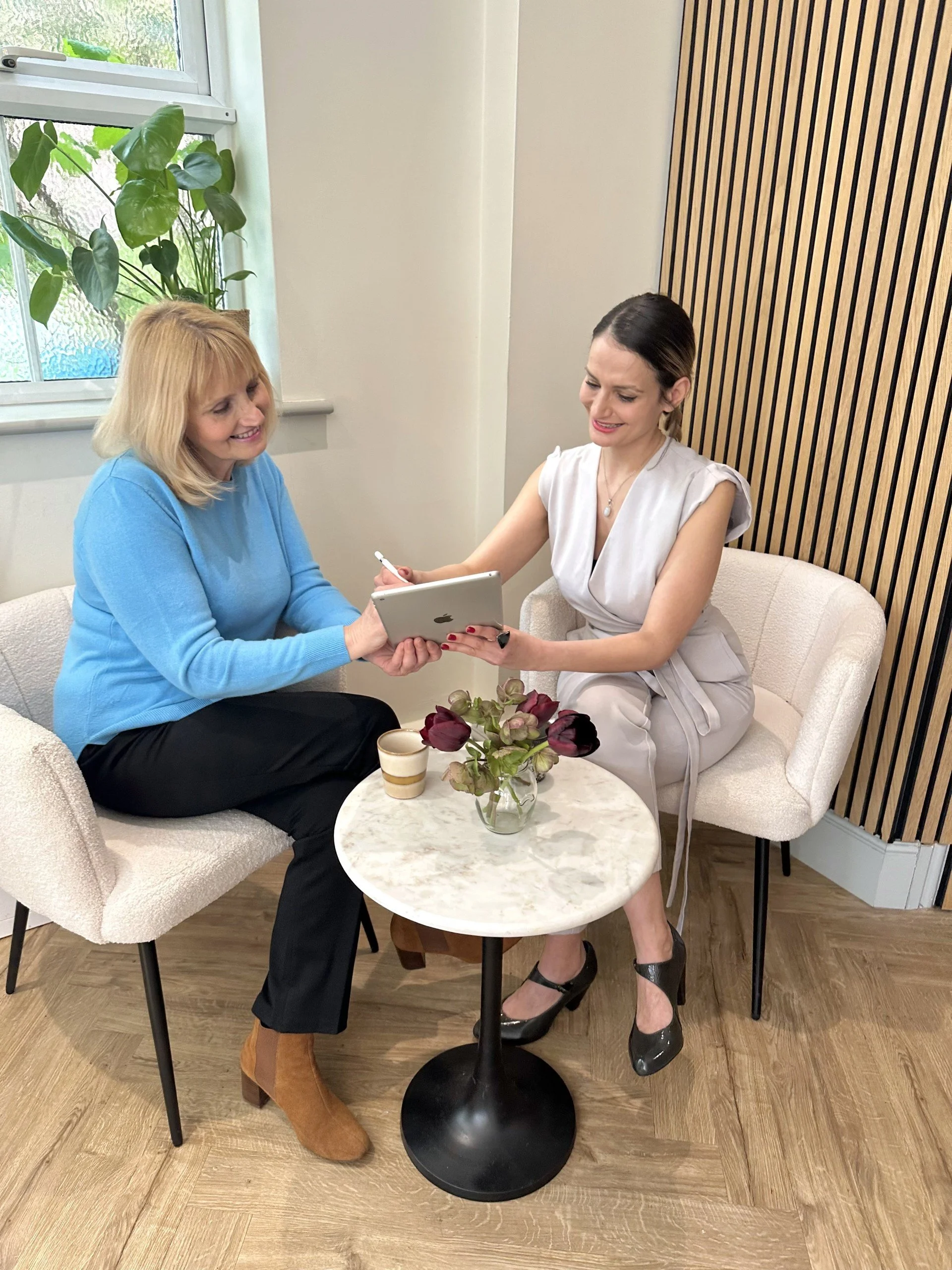
A high-quality aesthetic consultation should feel like a conversation, not an assessment.
In female-led consultations, women often report:
• feeling less rushed
• feeling less judged
• feeling able to say “I’m not sure”
• feeling allowed to change their mind
From a medical ethics perspective, this supports true informed consent, which requires:
• understanding
• voluntariness
• absence of pressure
Research into consent and cosmetic medicine highlights that patients are more likely to make decisions aligned with their values when consultations are collaborative rather than directive.
Subtlety, restraint, and “invisible work”
One of the most common phrases women use in clinic is:
“I don’t want anyone to know I’ve had anything done.”
A female aesthetic doctor is often particularly attuned to:
• micro-expressions
• how faces move during speech and emotion
• how changes will be perceived socially
This often translates into:
• conservative dosing
• staged treatment plans
• prioritising skin quality and balance over volume or extremes
There is growing recognition within aesthetic medicine that overtreatment is associated with lower long-term satisfaction and, in some cases, psychological distress. Subtle, proportionate approaches tend to support better identity continuity, patients still recognise themselves.
Case study: “I just wanted someone to understand”
(Hale / Altrincham / South Manchester)
Patient (details anonymised):
“R”, early 40s, professional role, lives between Hale and Altrincham, two teenage children, demanding workload.
Her concern
She booked an aesthetic consultation after cancelling twice. Her words:
“I’ve seen things go wrong. I don’t want to look different, I just want to stop looking so tense.”
She had previously attended a consultation elsewhere and left feeling:
• rushed
• slightly dismissed
• pressured to “do more” than she wanted
The consultation approach
The focus was not on treatments initially, but on:
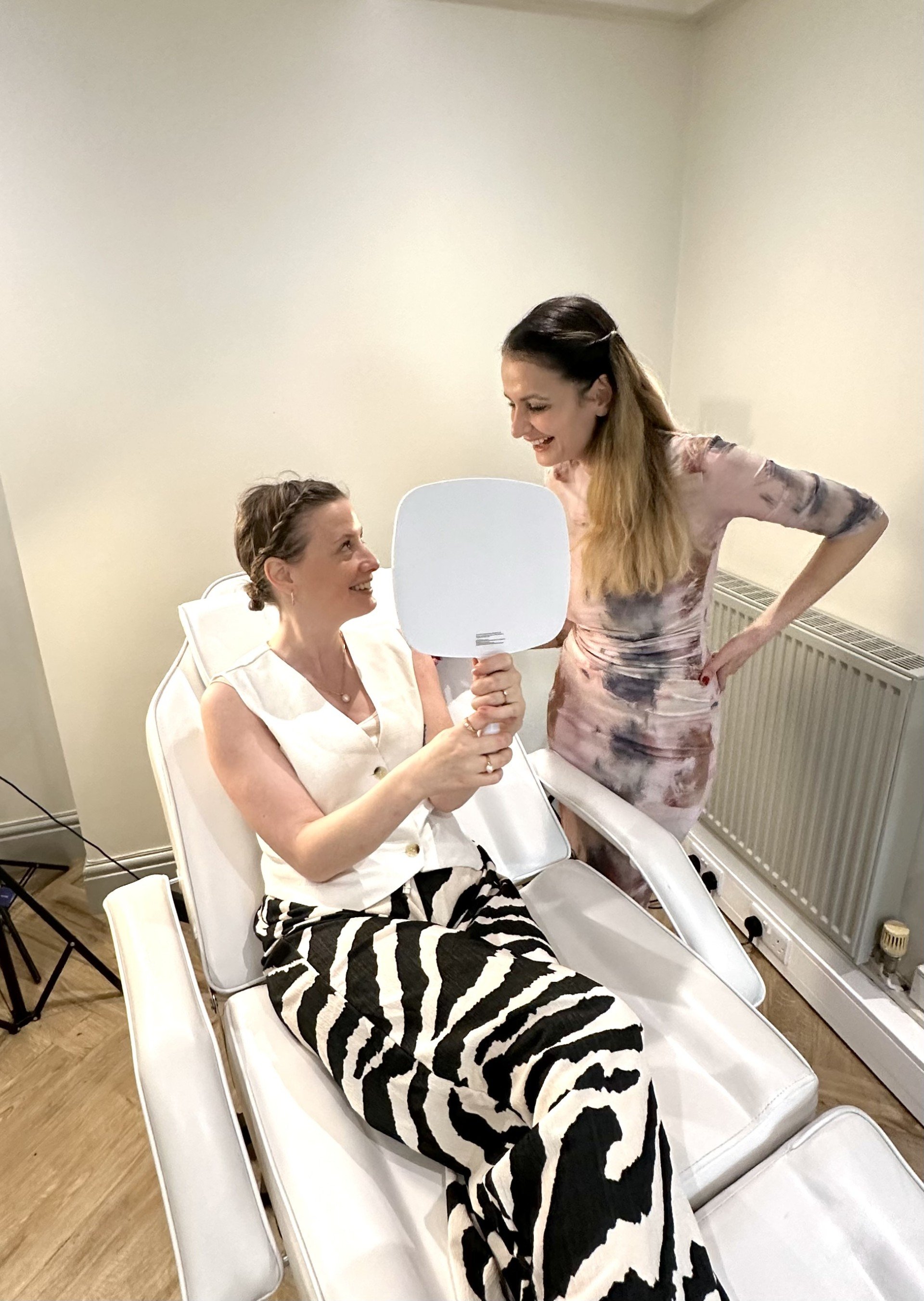
• what she was noticing emotionally when she looked in the mirror
• when she first started feeling “hard” in her face
• what she was afraid of
She spoke openly about perimenopause, poor sleep, and constant responsibility.
This kind of disclosure is common when women feel psychologically safe.
The plan
Rather than a full “package”, we agreed on:
• a conservative, upper-face approach aimed at reducing tension rather than erasing lines
• prioritising facial movement and expression
• a review point built in — with permission to stop or adjust
The outcome
At review, she said:
“I feel calmer in my face. I still look like me, just less braced.”
This wasn’t about transformation. It was about relief.
Clinical outcomes and satisfaction: what the evidence suggests
While aesthetic outcomes are subjective, several strands of research are relevant:
• Patient satisfaction in cosmetic medicine is strongly associated with expectation management and shared decision-making, rather than degree of physical change.
• Studies in general medicine have shown lower complication rates and improved outcomes in some settings with female physicians, thought to be related to communication patterns and adherence to guidelines.
• Psychosocial research indicates that when patients feel heard and respected, they report higher satisfaction even when outcomes are subtle.
In aesthetic medicine, where “success” is personal and social, these factors are arguably as important as technical skill.
Why this matters locally: Hale, Altrincham & South Manchester
Women in South Manchester are often:
• highly educated
• professionally visible
• time-poor
• discerning about safety and ethics
They are not looking for trends. They are looking for:
• trust
• discretion
• longevity
• natural results
A luxury aesthetic clinic in this area isn’t about opulence, it’s about time, privacy, and being treated as an individual.
Choosing a female aesthetic doctor can be part of that choice.
What to look for when choosing an aesthetic doctor
Regardless of gender, a good aesthetics doctor should:
• take a full medical and psychological history
• explore motivation and expectations
• explain risks clearly
• welcome questions and hesitation
• support your autonomy
But if you feel more comfortable with a female doctor — that preference is valid. Feeling safe is not a luxury; it’s foundational to ethical care.
FAQ: Choosing a Female Aesthetic Doctor
Is a female aesthetic doctor more qualified?
Not inherently. Qualification depends on training and experience. The difference many women report lies in communication style, empathy, and shared understanding — not technical ability.
Why do consultations feel different?
Research suggests female doctors often use more patient-centred communication, which can make consultations feel more collaborative and less transactional.
Does gender affect aesthetic outcomes?
Indirectly, yes. Better communication and trust can lead to better expectation management, which strongly influences satisfaction.
Is it sexist to prefer a female doctor?
No. Preference based on comfort, safety, and communication is reasonable in any area of healthcare.
What if I’m nervous about treatment?
A good aesthetic consultation should allow space for uncertainty. You should never feel rushed into a decision.
Can I choose subtle treatment only?
Absolutely. Subtle, conservative treatment plans are increasingly recognised as best practice for long-term satisfaction.
Final thought
Choosing a female aesthetic doctor doesn’t mean you’re rejecting expertise it means you’re prioritising experience, trust, and psychological safety.
For many women, that choice transforms aesthetic medicine from something intimidating into something supportive not about changing who you are, but caring for yourself with intelligence, restraint, and respect.
Book in for a Consultation at your local, doctor-led, sister-run skin & aesthetics sanctuary for natural, bespoke results
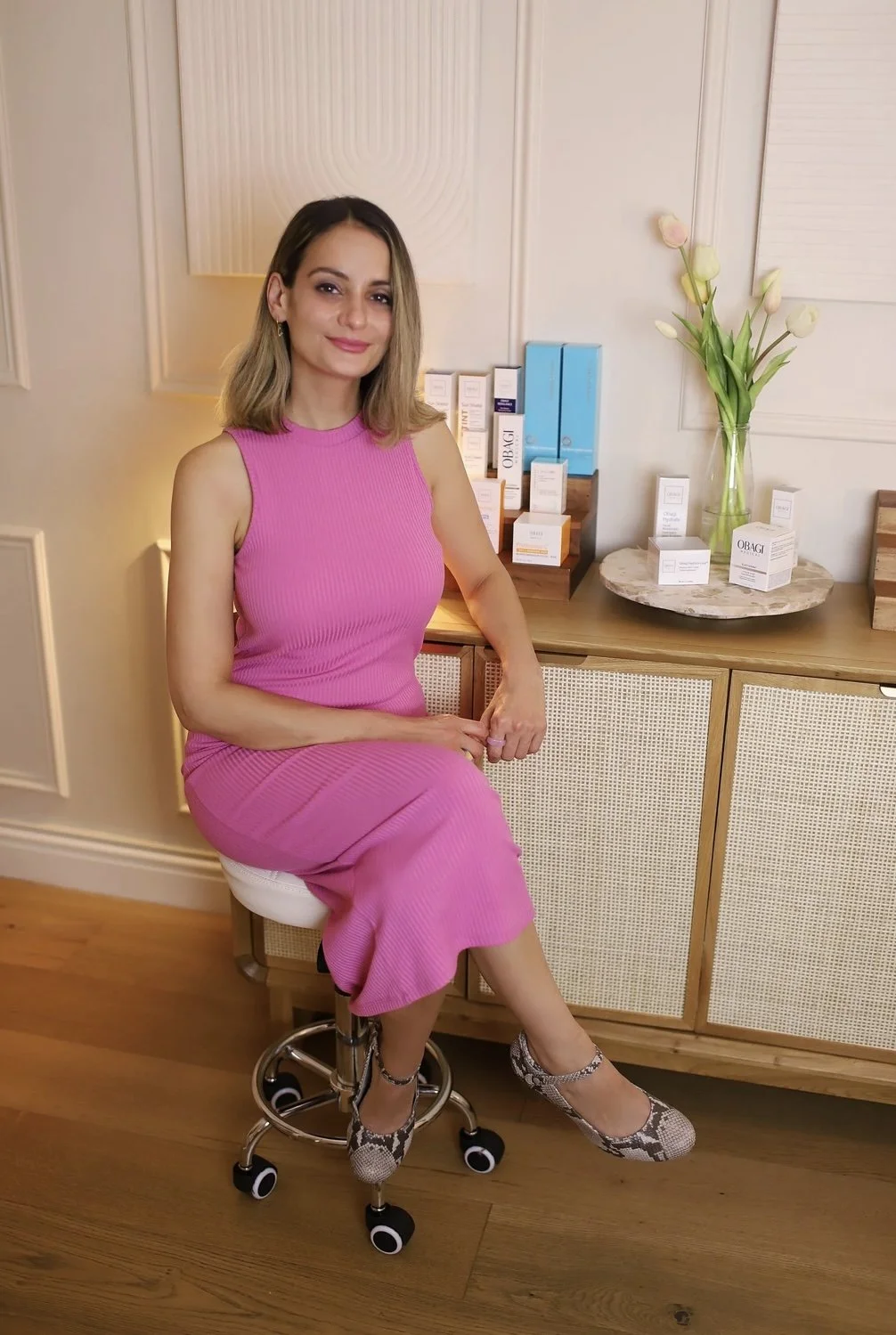
Dr Caroline Warden is an experienced NHS GP and aesthetic doctor. She has been a medical doctor for over 18 years. She runs the female-led family business with her sister Louise Devereux (creative director & patient co-ordinator)
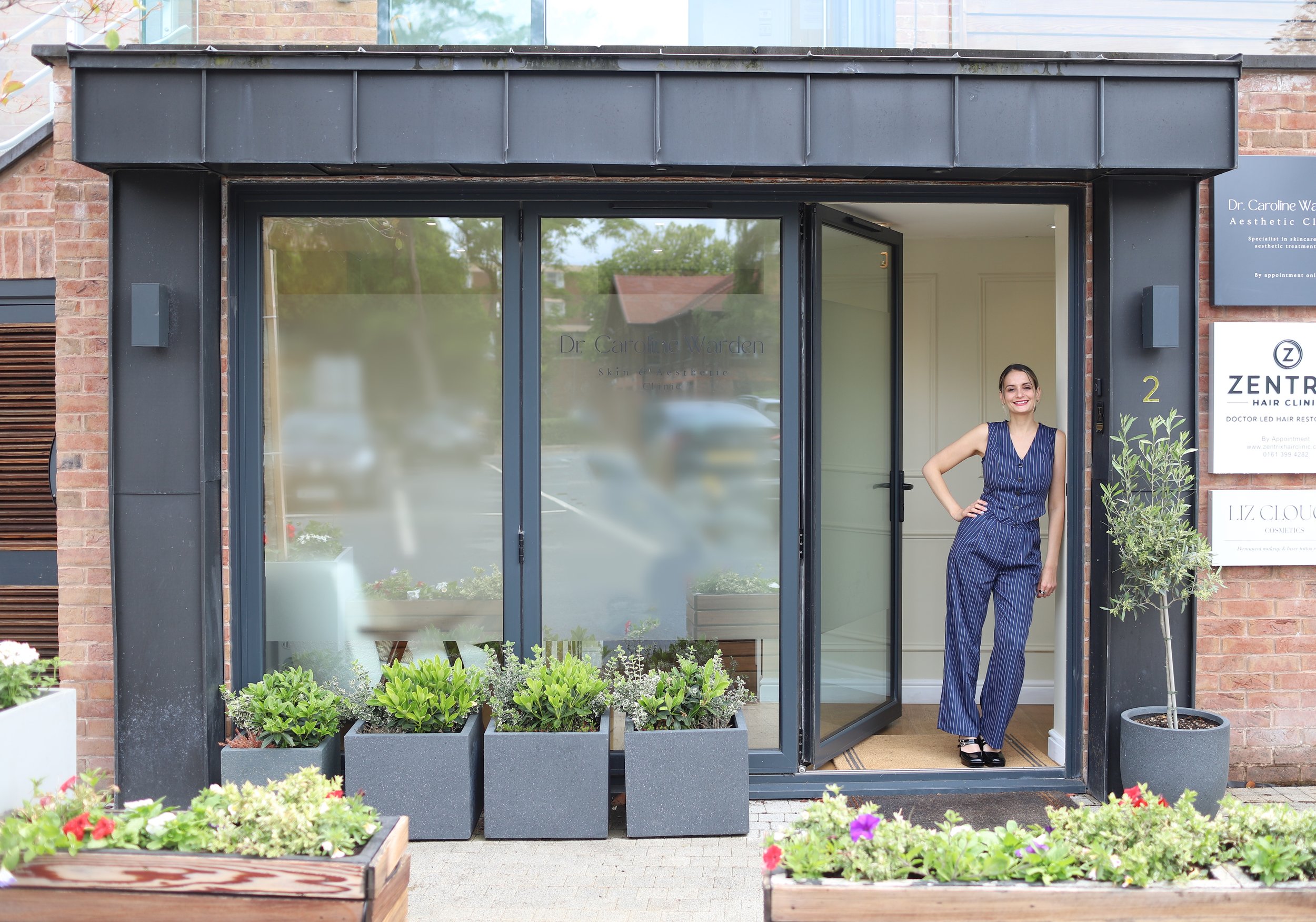
Their main Skin and Aesthetic Clinic is located in Hale, Cheshire but they also run a pop-up clinic in Disley, Stockport one evening a week.
You will only ever see and have treatments with Dr Caroline Warden.
Whether you're new to aesthetic treatments or ready to refine your routine, her bespoke skin assessments are the best place to start. Dr Caroline Warden will design a tailored plan based on your skin goals, lifestyle, and timeline.
Book your consultation at the clinic in Hale, Cheshire and experience aesthetic medicine.
You’ll be guided through your medical history, goals, and expectations so you can make an informed choice.
Where our clinics are local to:
Our flagship main Hale clinic is conveniently located for patients travelling from:
Alderley Edge, Altrincham, Bowdon, Bramhall, Hale Barns, Knutsford, Manchester, Mobberley, Sale, Timperley, Urmston, Wilmslow, Handforth, Poynton, Cheadle, Didsbury and Warrington.
Our satellite Disley clinic (Thursday evenings at Scott, Skin & Co) is ideal if you’re based in:
New Mills, High Lane, Marple, Mellor, Whaley Bridge, Strines, Chapel, Hayfield or Stockport.
