Why I Don’t Recommend At-Home Microneedling with a Derma Roller
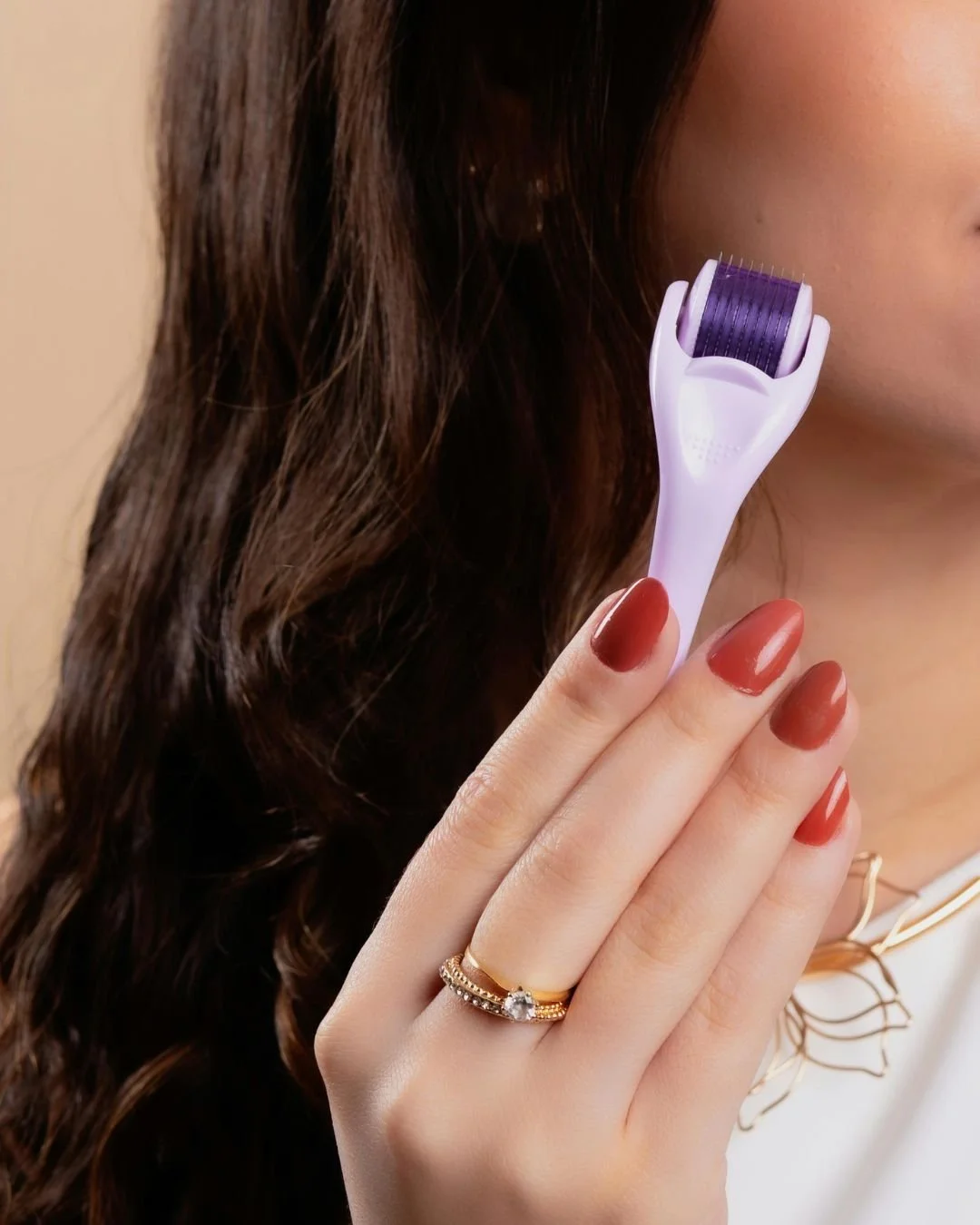
Discover expert skin science insights from our award-winning holistic aesthetic clinic in Altrincham. Written by Dr Caroline Warden an NHS GP, cosmetic dermatology specialist and leading aesthetic doctor in Hale, South Manchester
Microneedling is one of my favourite in-clinic treatments when it’s done properly. It can help soften fine lines, improve acne scarring and give the skin a healthier, tighter, more luminous look and it’s hugely popular with my patients in Hale, Altrincham.
So if I love microneedling in clinic… why am I not a fan of at-home microneedling with derma rollers or DIY pens?
Short answer: because I see the complications.
This isn’t about judging anyone who’s bought a roller online or followed a TikTok trend (honestly, you’re far from alone). It’s about explaining, in calm, evidence-based language, why I don’t recommend at-home microneedling, and why I prefer to keep it as a doctor-led, in-clinic treatment only.
What microneedling actually does (when it’s done properly)
Microneedling uses lots of very fine needles to create tiny, controlled micro-injuries in the skin. That sounds scary, but in a professional setting those little channels:
* Trigger a wound-healing response
* Stimulate collagen and elastin (hence “collagen induction therapy”)
* Over time can improve the appearance of fine lines, texture and some types of scarring ([American Academy of Dermatology]
In my Hale clinic, I use medical devices with:
*An FDA approved pen device
* Single-use sterile needle cartridges
* Carefully chosen needle depth and speed depending on your skin, concern and area of the face
* Strict infection control and evidence-based aftercare
Microneedling isn’t suitable for everyone. Certain medications, skin conditions, skin tones and medical histories mean we need to adapt or avoid it altogether.
That safety filter is completely missing when someone orders a random derma roller from the internet.

Why people are tempted to microneedle at home
It’s very understandable:
* It looks cheaper than professional microneedling
* Social media makes it look easy and harmless
* Some beauty articles imply you’ll get “clinic results at home”
Even reputable health sites acknowledge that while home rollers exist, there is a risk of spreading germs, infection and causing irritation or injury if they’re not used correctly or kept properly clean.
The problem isn’t that you’re doing anything “silly”, it’s that you’re being sold a medical-style procedure without the medical safety net.
Risk 1: Infection – tiny needles, big problem
Any time you break the skin, you open a door for bacteria, viruses and fungi.
In a clinical setting, microneedling is done:
* In a clean environment
* With sterile, single-use tips
* On skin that’s been properly cleansed and disinfected
* With clear aftercare to reduce infection risk
At home, common issues include:
* Reusing the same roller again and again
* Keeping devices in bathrooms (warm, humid, bacteria-friendly)
* Only giving them a quick rinse rather than true sterilisation
* Rolling over active spots, cold sores, warts or broken skin
* Sometimes even **sharing devices** between people
More seriously, dermatology case reports now describe:
*Necrotic facial ulcers (areas of skin tissue death) after self-treatment with at-home microneedling and vitamin E oil
*Delayed granulomatous reactions– lumpy, inflamed nodules – sometimes linked to microneedling with certain serums like vitamin C
These are rare, but they’re real and they are more likely when people are:
* Using non-sterile devices at home
* Combining microneedling with highly active products they’re trying to “push in deeper”
Risk 2: Scarring & pigmentation – when “collagen induction” backfires
Microneedling is designed to encourage healthy collagen. But if you use:
* The wrong needle length
* Too much pressure
* Poor technique*
* Or treat too frequently
…you can create the exact problems you were trying to fix: scarring and pigmentation changes.
Dermatology sources are very clear: microneedling, especially at deeper levels, carries risks such as infection, skin pigment changes and scarring, and these risks increase if it’s not done by a trained professional.
At home, I often see or hear about:
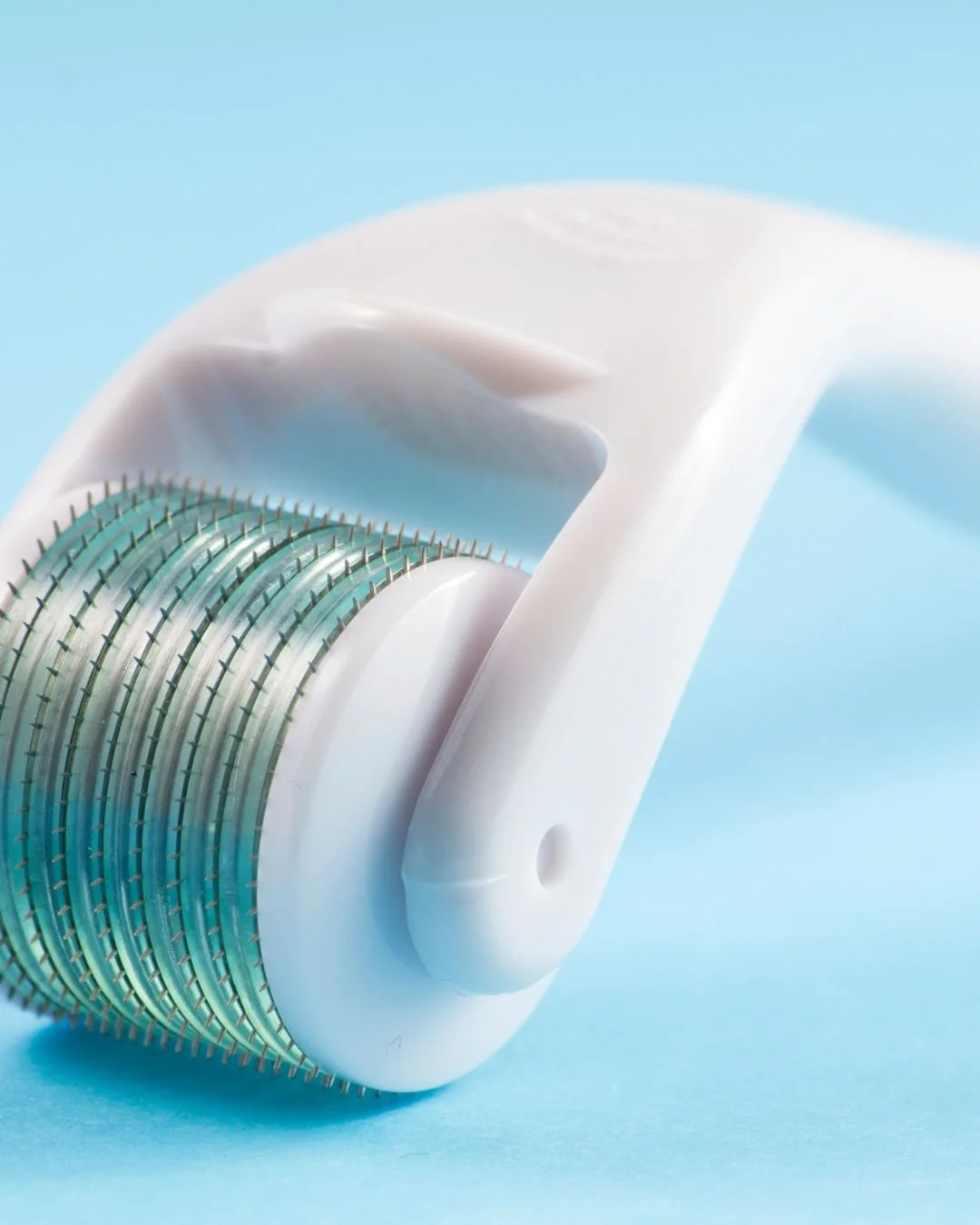
* Track marks or “tram lines” where rollers have been pushed too hard
* Worsening acne scarring because people rolled across inflamed spots
* Post-inflammatory hyperpigmentation (PIH)– dark marks that linger for months, particularly in medium to deeper skin tones
Once that scarring or pigment change has occurred, it can take months to years of professional treatment (and a lot more money) to soften the damage.
Risk 3: Spreading problems across the face
A roller doesn’t know what it’s rolling over.
If you use a derma roller on:
* Cold sores (herpes simplex), you can drag virus along the roller path
* Warts or viral lesions, you can seed them into new areas
Health and dermatology guidance stresses that microneedling devices should never be used on active infections or cold sores, because of the risk of spreading them and of deeper infection.
In clinic, I will avoid microneedling entirely if there is:
* An active cold sore
* Any suspicious or infected lesion
At home, people often don’t have that filter, and sometimes aren’t even sure what they’re rolling over.

Risk 4: Devices & regulation – not all needles are equal
There’s also a big difference between regulated medical devices and random gadgets bought online.
Professional microneedling devices used in clinics:
* Are treated as medical devices
* Use sterile, single-use needle cartridges
* Are operated by trained practitioners following protocols
By contrast, at-home devices:
* May have unclear manufacturing standards
* Often don’t come with robust safety instructions
* Sometimes penetrate deeper than you think, especially cheap electric “microneedling pens”
So you end up with medical-level risk in a non-medical setting.
Risk 5: No consultation, no aftercare, no safety net
In my doctor-led clinic in Hale, before I even consider microneedling, I’ll:
* Take a full medical history
* Ask about medications (including things like isotretinoin / Roaccutane)
* Examine your skin type, colour and current skin condition
* Check for contraindications (for example, keloid scarring tendency, active eczema, psoriasis, infections, recent procedures)
You also leave with:
* Clear, written aftercare instructions
* Advice on when to restart actives like retinoids and acids
* Someone to contact if you’re worried or unsure during healing
When you treat yourself at home with a derma roller, you are:
* Self-selecting yourself as “suitable”
* Self-managing any complications
* Often turning to social media rather than a medic if things feel wrong
That’s a lot of responsibility for your face, especially if you’re already investing in your skin.
“But I’ve already bought a derma roller…”
You are absolutely not the only one.
I’m not here to make you feel guilty, my goal is to help you avoid long-term damage and know what to look out for.
If you’ve been rolling at home and you notice:
* Persistent redness or burning that doesn’t settle
* New or worsening scarring
* Dark or light patches where you’ve been rolling
* Lumps, bumps or a sore area that isn’t healing

Why I recommend professional microneedling instead
When microneedling is delivered in the right setting, dermatology reviews consistently describe it as relatively safe and effective, with most side effects being short-lived redness or mild irritation.
In clinic, we can:
* Choose appropriate needle depths for each area of the face
* Work around rosacea, melasma, acne and other conditions safely
* Combine microneedling with evidence-based serums (such as exosomes) that are designed for use on needled skin
* Layer your plan with other treatments such as chemical peels, polynucleotides, skin boosters and medical-grade skincare
* Time treatments around important events (weddings / photos / big work meetings)
If you live in Hale, Altrincham, Bowdon, Timperley, Sale, Wilmslow, Alderley Edge, Knutsford, Stockport, Disley or the wider South Manchester / Cheshire area, my honest preference is:
Please keep needles in clinic, not in your bathroom.

FAQ: At-Home Microneedling & Derma Rollers
1. Is at-home microneedling ever safe?
Some brands market very short at-home rollers (around 0.2 mm) as “safe for boosting product absorption”. Even then, medical sources emphasise that they can still spread germs and cause irritation or injury if not used and cleaned properly.
Personally, I don’t recommend face microneedling at home at all – especially not on acne-prone, sensitive or darker skin types where the risk of scarring and pigmentation is higher.
2. Does needle length matter?
Yes – a lot.
Deeper medical microneedling (often 0.5–2.0 mm on the face) is what really stimulates collagen, but it also carries higher risks and needs to be done in a controlled, sterile environment.
Shorter at-home rollers may penetrate less, but they still:
* Break the skin barrier
* Create potential pathways for infection
* Can cause micro-tears and irritation if misused
So, “shorter” does not equal “risk free”.
3. Can I use a derma roller with my retinol or acids to help them penetrate?
Please don’t.
Rolling in strong actives like retinoids, vitamin C, glycolic or salicylic acid significantly increases the risk of:
* Severe irritation and dermatitis
* Post-inflammatory hyperpigmentation (especially on darker skin)
* Rare but serious granulomatous reactions, which can present as lumpy, persistent inflammation needing medical treatment
In clinic, we’re very careful about what we apply onto freshly needled skin, and we avoid harsh or fragranced products completely.
4. I’ve microneedled at home and my skin is now red, sore or bumpy. What should I do?
* Stop using the roller or device immediately
* Keep your skincare very bland and soothing – gentle cleanser + barrier-supporting moisturiser + high SPF
* Avoid actives (retinoids, acids, vitamin C, scrubs) until your skin has fully settled
* Seek professional help if you notice:
* Persistent redness or swelling
* Pus, crusting or signs of infection
* New scars or colour changes
* Non-healing areas or lumps
If you’re near Hale / Altrincham / South Manchester, I’m happy to assess the skin in clinic and plan the safest way to calm and repair it.

5. How often is professional microneedling done?
This depends on:
* The depth used
* Your skin type and concern
* What else we’re doing (e.g. peels, exosomes, skincare)
A common pattern is a course of 3 sessions spaced about 4 weeks apart, but it’s always tailored. We’d map that out together in your consultation.
Thinking about microneedling – but safely?
If you’ve been tempted by at-home microneedling, or you’re not happy with your skin after using a derma roller already, you don’t have to figure it out alone.
If you’re based in Hale, Altrincham or the wider South Manchester / Cheshire area, you’re very welcome to book a doctor-led skin consultation in Hale
We’ll:
* Look properly at your skin
* Talk honestly about your goals and lifestyle
* Decide whether professional microneedling, exosomes, chemical peels or medical skincare are right for you
* Build a plan that protects your skin, not just this year, but long term
Needles can be brilliant tools. They just belong in the right hands.
Book in for a Consultation at your local, doctor-led, sister-run skin & aesthetics sanctuary for natural, bespoke results
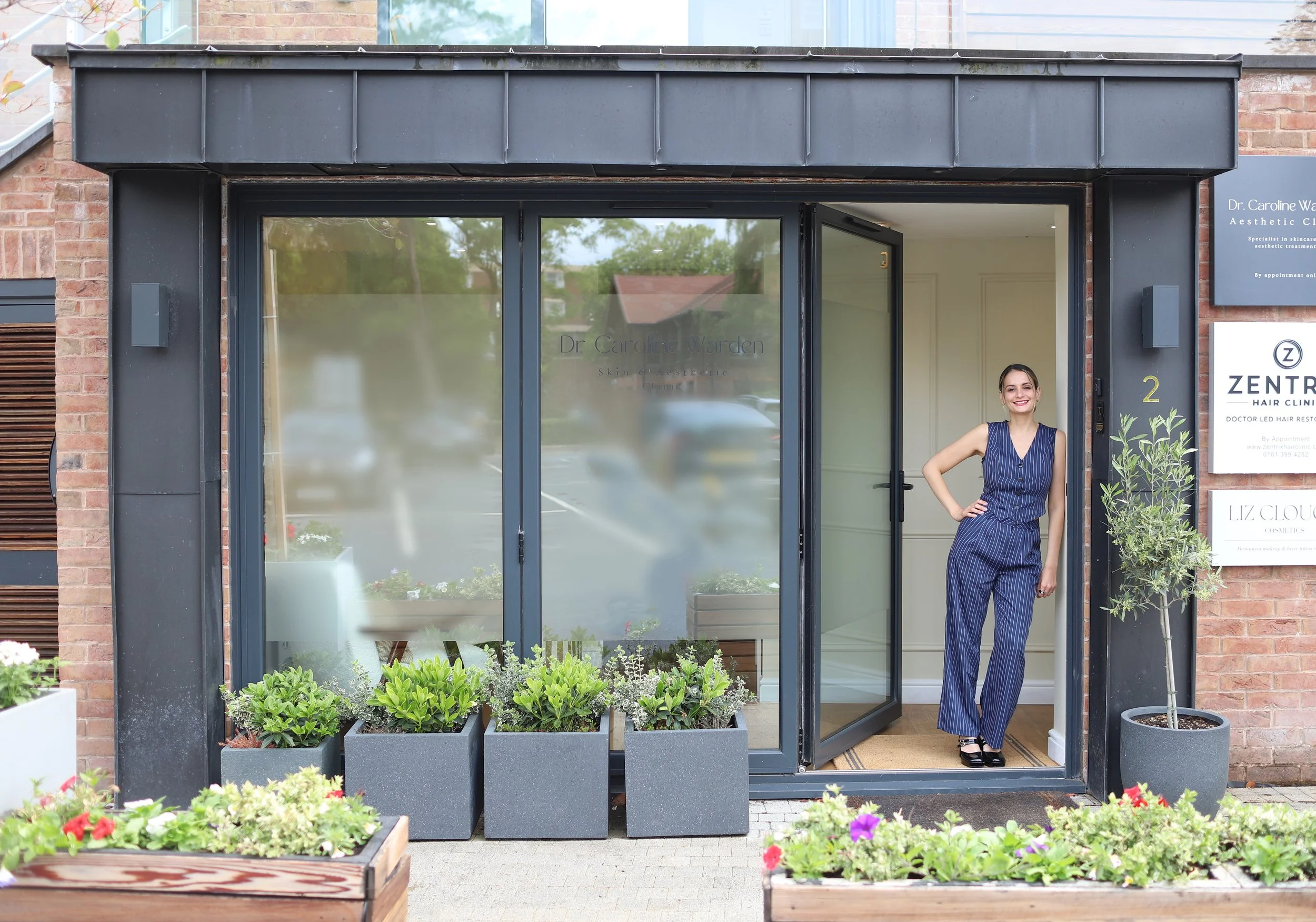
Dr Caroline Warden is an experienced NHS GP and aesthetic doctor. She has been a medical doctor for over 18 years. She runs the female-led family business with her sister Louise Devereux (creative director & patient co-ordinator)
Their main Skin and Aesthetic Clinic is located in Hale, Cheshire but they also run a pop-up clinic in Disley, Stockport one evening a week.
You will only ever see and have treatments with Dr Caroline Warden.

Whether you're new to aesthetic treatments or ready to refine your routine, her bespoke skin assessments are the best place to start. Dr Caroline Warden will design a tailored plan based on your skin goals, lifestyle, and timeline.
Book your consultation at the clinic in Hale, Cheshire and experience aesthetic medicine.
You’ll be guided through your medical history, goals, and expectations so you can make an informed choice.
Where our clinics are local to:
Our flagship main Hale clinic is conveniently located for patients travelling from:
Alderley Edge, Altrincham, Bowdon, Bramhall, Hale Barns, Knutsford, Manchester, Mobberley, Sale, Timperley, Urmston, Wilmslow, Handforth, Poynton, Cheadle, Didsbury and Warrington.
Our satellite Disley clinic (Thursday evenings at Scott, Skin & Co) is ideal if you’re based in:
New Mills, High Lane, Marple, Mellor, Whaley Bridge, Strines, Chapel, Hayfield or Stockport.
References & further reading
NHS – Microneedling advice (via cosmetic procedures overview)
American Academy of Dermatology – Microneedling: What you need to know
Medical News Today – Microneedling: Benefits, side effects and risks
WebMD – What Is Microneedling? Health Benefits & Risks
U.S. FDA – Microneedling Devices: Benefits, Risks, and Safety
