Is Microneedling Good for Menopausal Skin?
An NHS GP and Aesthetic Doctor Explains the Benefits, Limitations and Best Microneedling Approach for Skin After 40
One of the most common questions women ask me during skin consultations is:
“Is microneedling actually good for menopausal skin?”
The answer is usually, yes absolutely!
Microneedling can be an excellent treatment for suitable women experiencing fine lines, rough texture, enlarged pores, acne scarring or a general decline in skin quality during perimenopause and menopause.
However, it is not automatically the best treatment for every woman.
Microneedling cannot restore significant facial volume, lift established jowls or correct every cause of a tired looking face. It should not be performed over actively inflamed rosacea, infection or a severely damaged skin barrier.
The quality of the consultation, the condition of the skin and the way the treatment is performed all matter.

As an NHS GP and aesthetic doctor with nearly 20 years of medical experience, I believe microneedling is most valuable when it is used for the right reason rather than treated as a generic solution for all facial ageing.
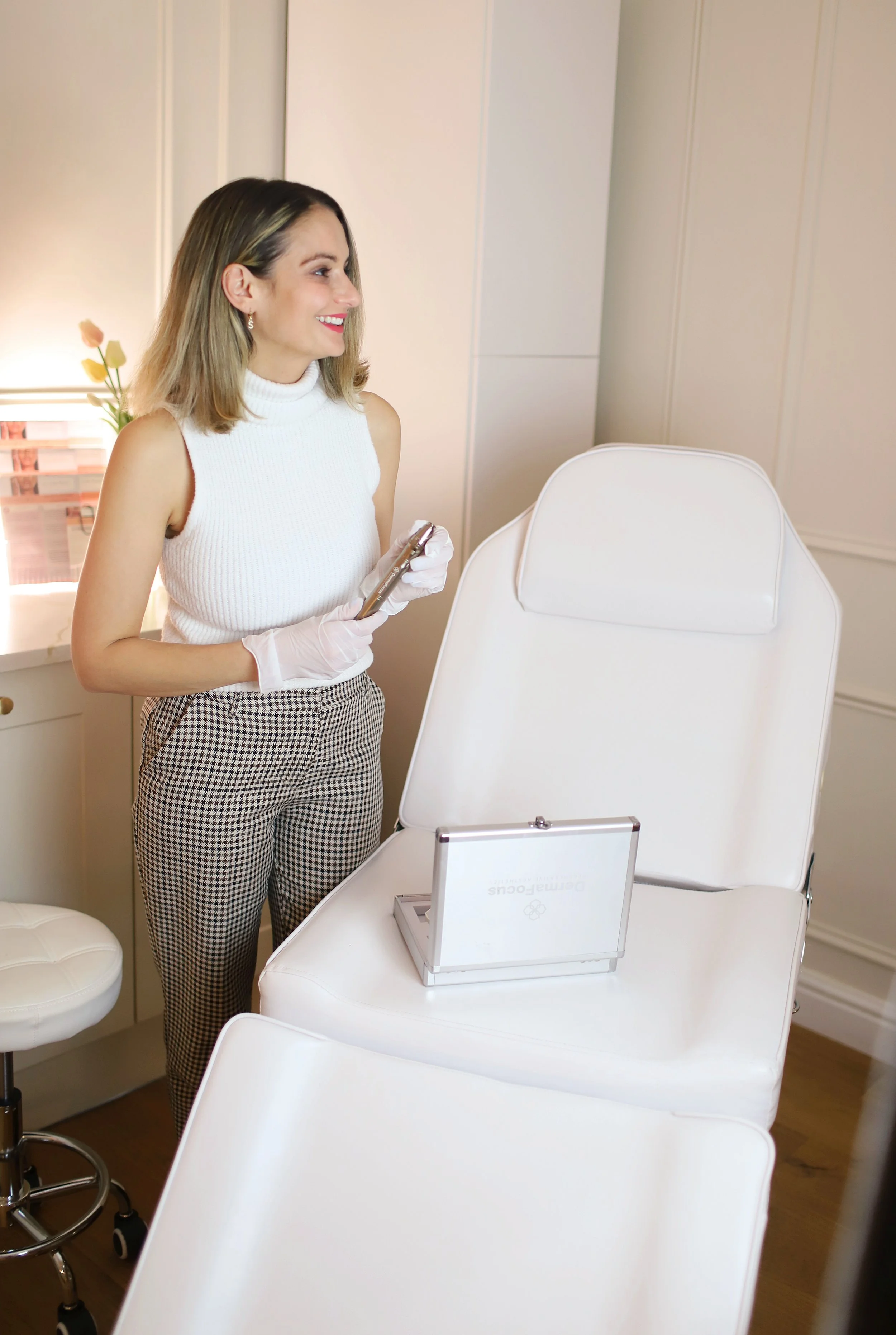
At Dr Caroline Warden Skin & Aesthetic Clinic in Hale, Cheshire, women often arrive asking whether microneedling will “bring back their glow”.
Sometimes it can contribute significantly.
For other patients, the first priority is repairing the skin barrier, controlling rosacea or identifying a deeper loss of facial support that microneedling alone cannot correct.
The most effective treatment is always the one that matches what has actually changed.

Why Does Menopausal Skin Change?
Oestrogen influences several aspects of skin health, including hydration, collagen production, elasticity, thickness and repair.
As oestrogen fluctuates during perimenopause and declines around menopause, the skin may become drier, thinner, less resilient and slower to recover from irritation.
Women frequently notice that their complexion looks duller, fine lines become more visible and products they have used for years suddenly begin to sting.
The skin may also seem less firm.
Pores appear more noticeable. Texture looks rougher and acne scars that were previously easy to ignore can become more obvious as surrounding collagen declines.
These changes help explain why collagen stimulating treatments become particularly appealing during the forties and fifties.
Microneedling does not replace oestrogen and cannot reverse every feature of menopause related ageing.
Its potential value lies in stimulating a controlled wound healing response and encouraging remodelling within the skin.
What Is Microneedling?
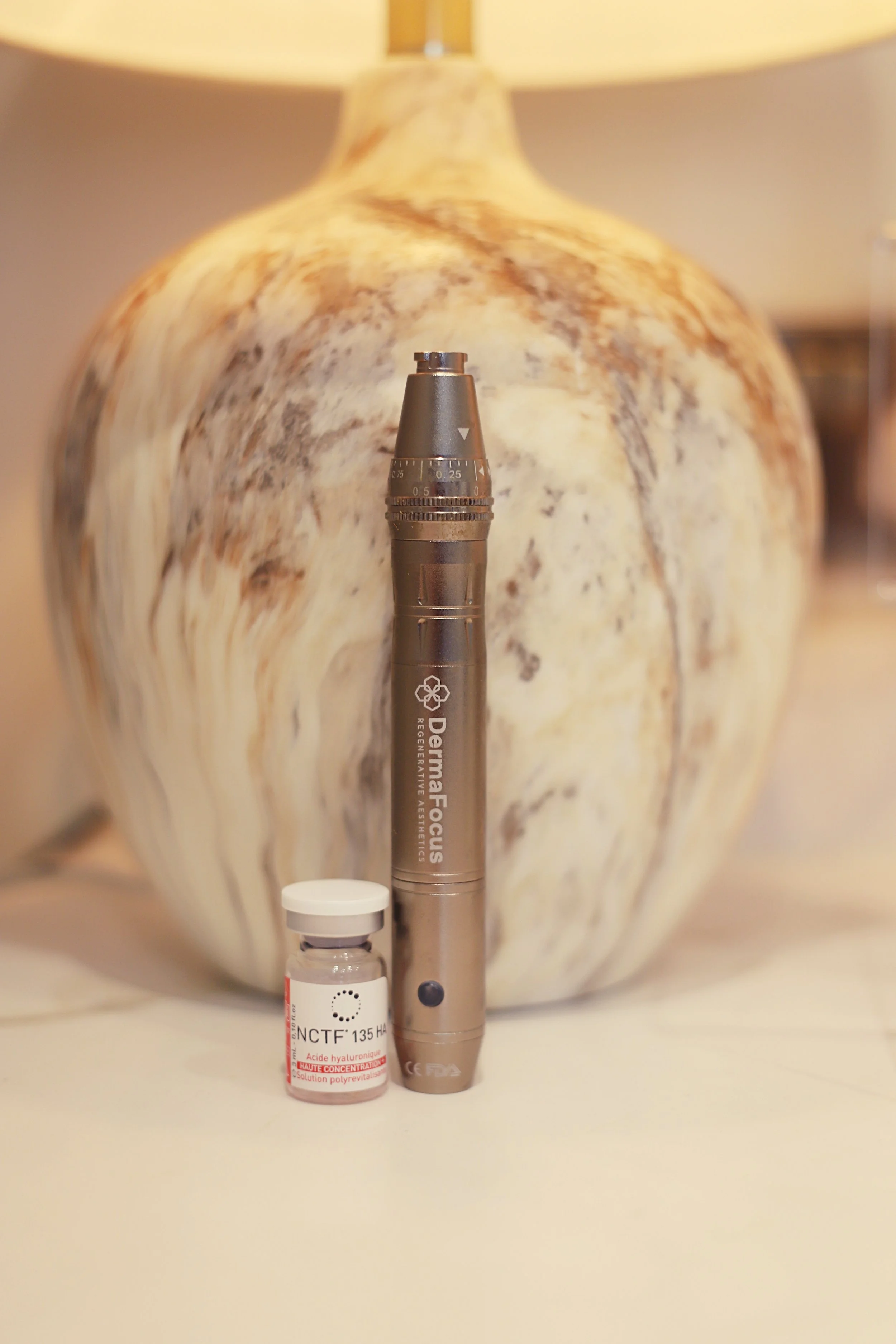
Microneedling is a minimally invasive skin treatment performed using a device containing multiple fine, sterile needles.
The needles create controlled microchannels within the skin.
These microinjuries trigger the body’s natural repair process, including the release of signalling molecules and activity from fibroblasts involved in producing collagen and other components of the dermal matrix.
The aim is not to damage the skin indiscriminately.
It is to create a precise, controlled stimulus that encourages repair and remodelling.
Professional microneedling can be adjusted according to the area being treated, the thickness of the skin and the concern being addressed.
This is very different from repeatedly rolling an uncontrolled home device across the face.
The depth, technique, sterility, treatment interval and aftercare all influence safety and results.

How Does Microneedling Stimulate Collagen?
Microneedling creates microscopic injuries while leaving much of the outer skin surface relatively intact.
The treatment activates the wound healing process.
This involves inflammatory signalling, fibroblast activity, formation of new extracellular matrix and gradual collagen remodelling.
The result is not immediate.
The skin may look brighter shortly after the temporary redness settles, but meaningful collagen change develops over the following weeks and months.
This is why microneedling should usually be considered as a course rather than a single special occasion facial.
Three treatments performed appropriately over time are more likely to create sustained improvement than one isolated session followed by no maintenance or effective home care.

Is Microneedling Especially Good for Menopausal Skin?
Microneedling is not exclusively a menopause treatment.
However, it addresses several concerns that become more noticeable during perimenopause and menopause.
These include declining collagen, rough texture, fine lines, enlarged pores, dullness and reduced skin resilience.
It is particularly appealing to women who want to improve the quality of their own skin without adding facial volume.
Microneedling does not create larger cheeks or alter facial proportions.
It works within the skin itself.
For women worried about looking filled or unnatural, that can be a significant advantage.
However, there is an important limitation.
If a tired appearance is being caused mainly by flatter cheeks, hollow temples, deeper volume loss or significant lower facial laxity, microneedling may improve the overlying skin without solving the deeper structural concern.
What Can Microneedling Improve?
Microneedling may help improve several features of menopausal skin.
The most useful indications include fine lines, rough or uneven texture, enlarged pores, certain types of acne scarring and a general loss of luminosity.
Some women notice that makeup sits more smoothly after a completed course. Others feel their skin looks brighter, firmer and healthier.
The treatment may also be considered for fine crepey skin on areas such as the neck and décolletage, although expectations need to remain realistic.
Microneedling can improve tissue quality.
It cannot remove significant excess skin or reproduce a surgical lift.
Can Microneedling Improve Wrinkles?
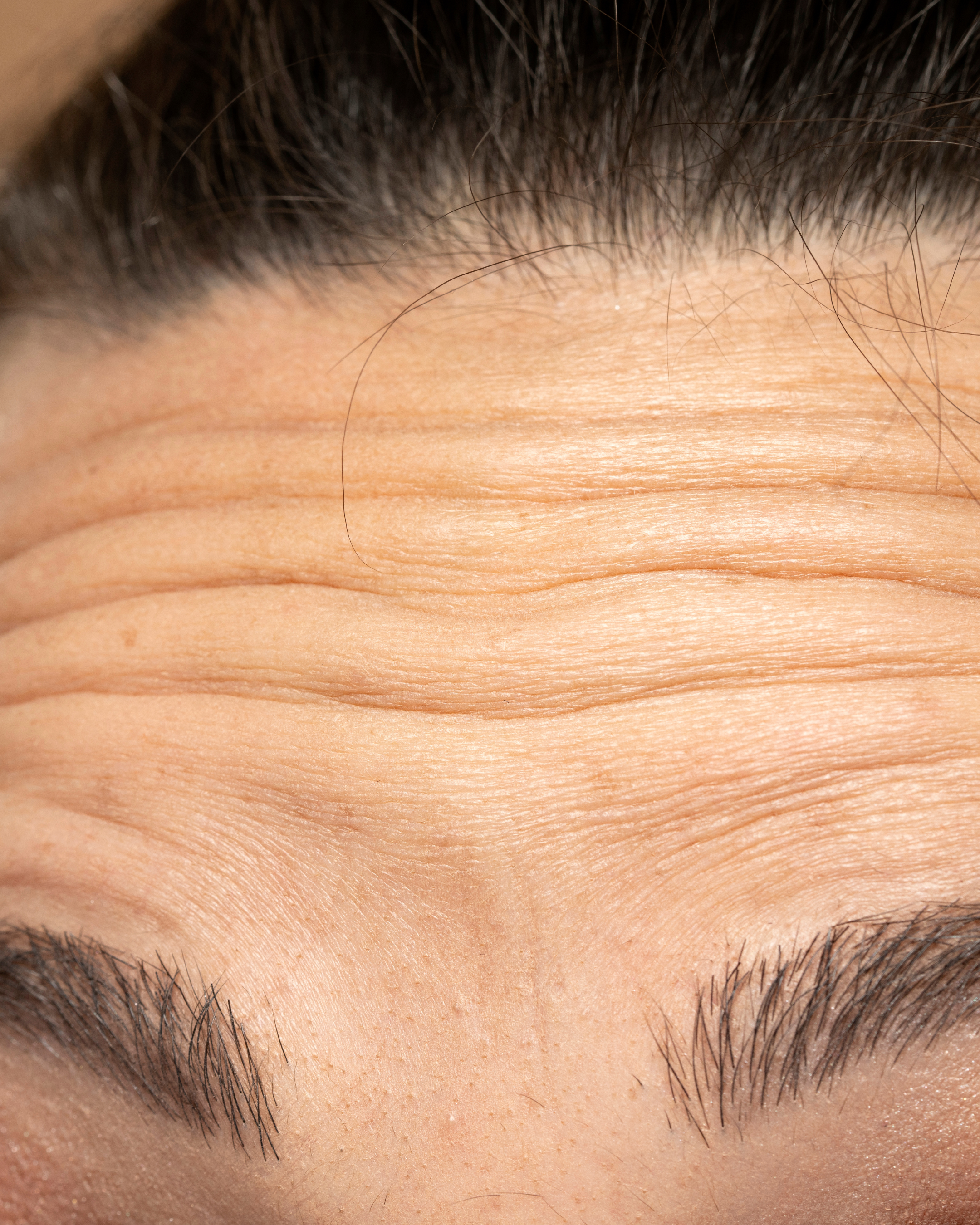
Microneedling may soften fine lines and improve the overall texture surrounding wrinkles through collagen remodelling.
It is most likely to help superficial lines and fine crepey texture.
It will not completely erase deep expression lines or folds created by substantial volume loss and structural ageing.
A forehead line caused predominantly by repeated muscle movement may respond more predictably to Botox.
A deep fold caused by loss of facial support may require a different approach.
Microneedling can still improve the quality of the skin over those areas, but it is important not to promise that every wrinkle will disappear.
Can Microneedling Help Enlarged Pores?
Microneedling may improve the appearance of enlarged pores by supporting collagen around the pore openings and improving surrounding texture.
However, pores are normal structures.
They do not open and close like doors, and no treatment can permanently remove them.
Oil production, acne, sun damage, collagen loss and genetics all influence how visible pores appear.
For some menopausal women, pores become more noticeable because the skin around them is losing elasticity.
Microneedling may help in this situation, particularly when combined with appropriate skincare such as tretinoin or salicylic acid in suitable patients.
Can Microneedling Restore Menopausal Skin Glow?
It can contribute.
Microneedling may improve texture and encourage skin renewal, allowing light to reflect more evenly from the surface.
The complexion can appear brighter and healthier after a course.
However, dull skin has several possible causes.
Dehydration, pigmentation, rosacea, sun damage, poor sleep and barrier disruption can all make the face look tired.
Microneedling will not correct all of these automatically.
If the skin has lost its glow because it is chronically inflamed and over exfoliated, repairing the barrier may produce a greater initial improvement than needling it.
If pigmentation is the main concern, a skincare or peel based plan may be more appropriate.

My Opinion as an NHS GP and Aesthetic Doctor
I think microneedling is sometimes marketed too casually.
It is described as though making more holes in the skin will automatically create more collagen and therefore a better result.
Biology is more complicated than that.
A controlled stimulus can encourage repair.
Excessive depth, poor technique, inadequate sterility, treatments performed too frequently or needling actively inflamed skin can create unnecessary risk.
Menopausal skin may be thinner, drier and more reactive.
It should not automatically be treated in exactly the same way as younger, thicker or oilier skin.
I assess the barrier, redness, pigmentation, medical history, medication and scarring tendency before recommending treatment.
I also want to understand whether microneedling can realistically address the patient’s concern.
If a woman mainly dislikes significant jowls, needling the skin repeatedly is unlikely to provide the lift she imagines.
If her concern is dull texture, fine lines or rolling acne scars, microneedling may be an excellent option.
Good treatment begins with diagnosis, not with the device.

Microneedling Versus a Facial
A facial generally works on the surface of the skin.
It may cleanse, hydrate or temporarily brighten the complexion.
Microneedling creates a controlled injury at a greater depth and aims to stimulate biological repair and collagen remodelling.
This makes it a more significant procedure with more potential benefit, but also greater responsibility.
Professional microneedling should involve appropriate consent, sterile single use needle cartridges, correct skin preparation and clear aftercare.
It should not be treated as simply a more intensive facial.
Professional Microneedling Versus Home Dermarolling
Professional microneedling and home dermarolling are not equivalent.
A clinic device can use sterile, single use cartridges and controlled vertical needle movement. Treatment depth can be adjusted according to the anatomical area and clinical concern.
Home rollers can become blunt or contaminated. Repeated rolling may create uneven or dragging injuries rather than precise vertical channels.
There is also a temptation to use home devices too frequently, combine them with unsuitable active products or needle inflamed acne and rosacea.
In my view, home microneedling is often promoted as far safer and simpler than it really is.
At best, very superficial home devices may temporarily increase product penetration.
At worst, poor technique can contribute to irritation, infection, pigmentation problems or scarring.
Menopausal skin that is already reactive deserves particular caution.

Is Microneedling Safe for Thin Menopausal Skin?
It usually is provided the treatment is adjusted appropriately.
Thin skin does not necessarily mean that microneedling is unsuitable.
It means that depth, pressure and treatment frequency should reflect the tissue being treated.
The delicate under eye region, forehead, cheeks, neck and acne scar tissue do not all require the same settings.
A treatment does not become more effective simply because it is performed more deeply.
Excessive trauma can increase inflammation and prolong recovery without providing a better result.
Can Microneedling Be Used Around the Eyes?
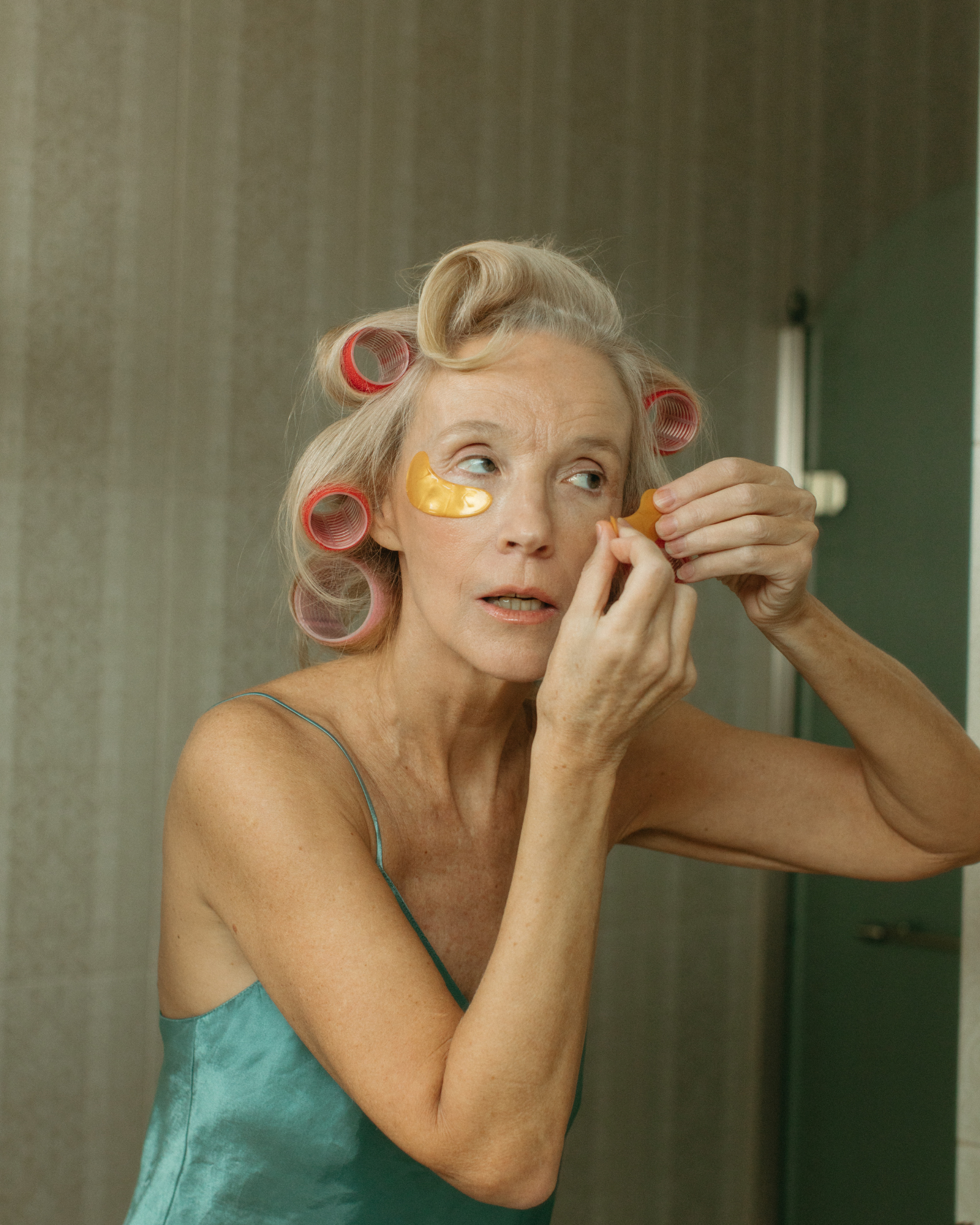
Microneedling may be used carefully around selected areas of the eye to improve fine crepey texture.
However, the skin is thin and the anatomy is delicate.
It will not correct prominent fat pads, significant under eye hollowing or fluid related swelling.
Those concerns require different assessment.
Polynucleotides may sometimes be considered where skin quality is the main issue, while surgery may be more appropriate for significant fat prolapse or excess skin.
The correct treatment depends on the cause of the tired appearance.

Is Microneedling Good for the Neck and Décolletage?
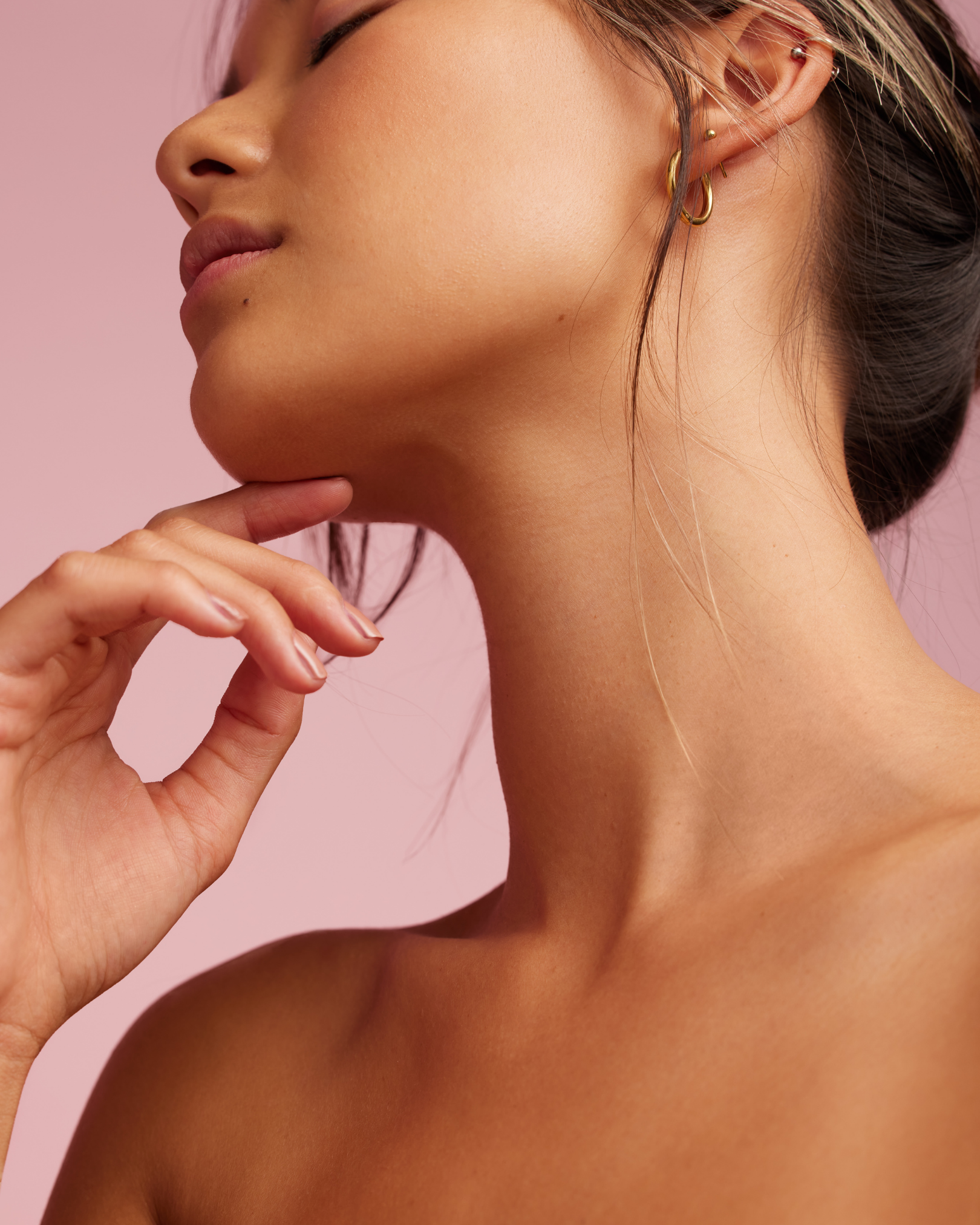
Microneedling may help improve fine texture and early crepiness on the neck and décolletage.
These areas often show cumulative sun exposure and can become noticeably drier and thinner after menopause.
However, the neck can be sensitive and may heal differently from the face.
Treatment should be conservative and adapted to the area.
Microneedling cannot remove substantial loose skin or correct strong vertical muscle bands.
Where significant laxity is present, hyperdilute Radiesse, other procedures or surgical assessment may be more appropriate.

Can Microneedling Help Menopausal Acne?
Microneedling is not used over active inflammatory acne.
Needling inflamed spots can worsen irritation and potentially spread bacteria across the treatment area.
The acne should be controlled first.
Once breakouts are stable, microneedling may be helpful for residual rolling scars, enlarged pores or uneven texture.
Many perimenopausal women have the difficult combination of acne and dry, sensitive skin.
A balanced medical skincare plan may therefore be needed before any procedure is considered.
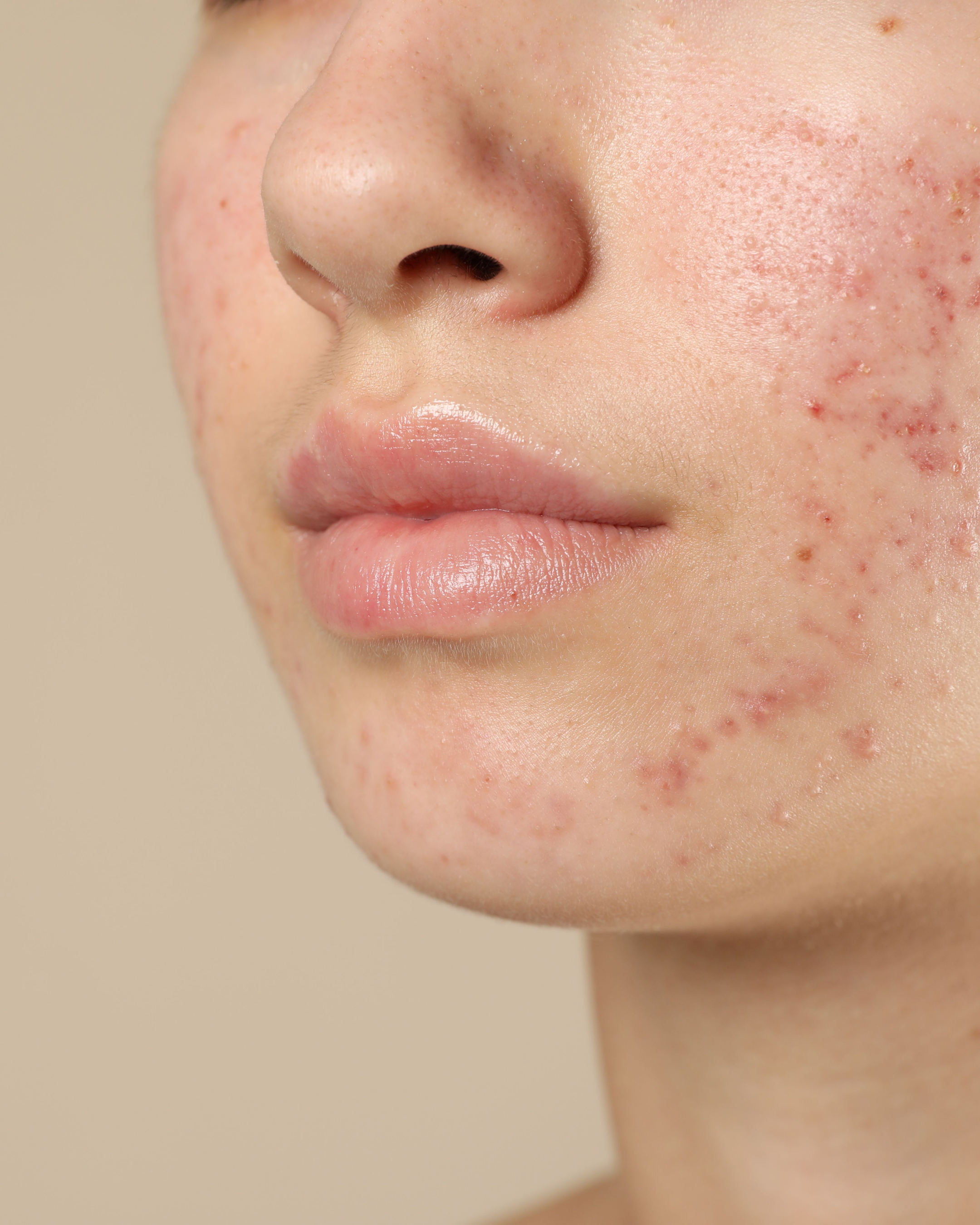
Can Microneedling Improve Acne Scars After Menopause?
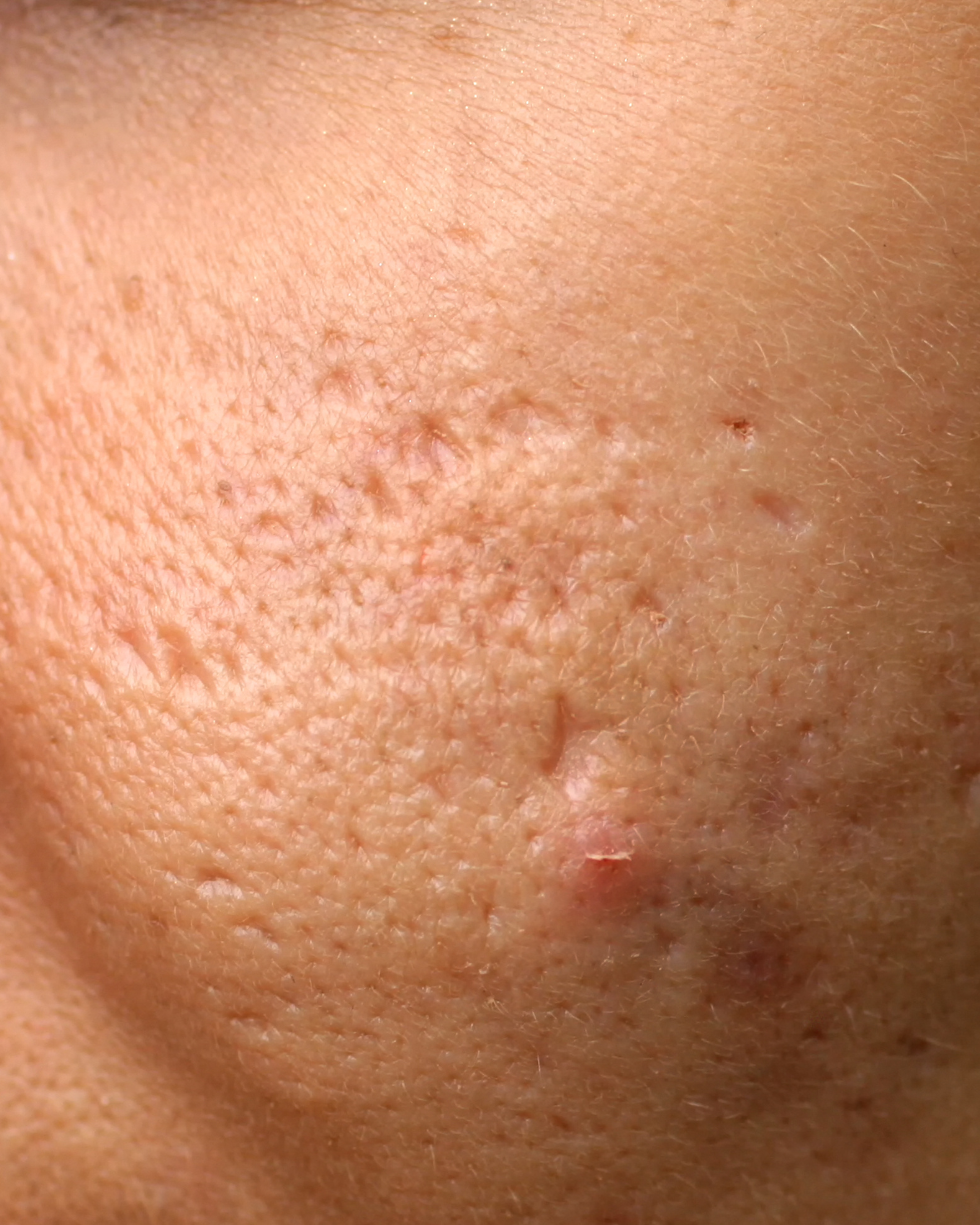
Yes, certain acne scars may respond well to microneedling.
Rolling scars and more superficial textural scars are often the best candidates.
Deep ice pick scars, sharply defined boxcar scars and scars tethered by fibrous bands may require other procedures such as subcision, TCA CROSS or laser based treatment.
Age and menopause do not automatically prevent acne scar treatment.
However, the skin’s healing ability, medical history, pigmentation risk and treatment tolerance should all be considered.
Menopause, Rosacea and Microneedling
Microneedling should not usually be performed during an active rosacea flare.
If the skin is hot, inflamed, burning or covered in inflammatory papules, creating additional controlled injury is unlikely to be the best first step.
The priority should be calming the inflammation, repairing the barrier and establishing control.
Some rosacea prone patients may later tolerate carefully planned microneedling when their condition is stable.
Others may be better suited to alternative treatments.
Rosacea is not one uniform condition, which is why individual assessment is essential.
Can Microneedling Worsen Pigmentation?
Any procedure that creates inflammation can potentially contribute to post inflammatory pigmentation, particularly in darker skin tones or in patients prone to melasma.
Microneedling is often considered safer across a range of skin types than some more aggressive resurfacing procedures because it does not rely on heat and leaves much of the epidermis intact.
However, the risk is not zero.
Appropriate settings, sun avoidance, daily SPF and suitable pre and post treatment skincare are important.
Active tanning and recent significant sun exposure may be reasons to postpone treatment.
Who Should Not Have Microneedling?
Microneedling may need to be postponed or avoided when there is active infection, significant inflammation, uncontrolled rosacea, open wounds or active inflammatory acne in the treatment area.
Additional caution may be required with a history of keloid or abnormal scarring, significant immune suppression, poorly controlled medical conditions, certain medicines or impaired wound healing.
Pregnancy and breastfeeding policies vary according to the type of procedure and topical products used, but elective microneedling is commonly postponed.
A full medical history should always be reviewed before treatment.
How Much Downtime Is There?
Most patients experience redness resembling sunburn immediately after treatment.
The skin may feel warm, tight or mildly tender.
Redness often settles over the next 12 hours although recovery varies according to depth, skin sensitivity and the area treated.
Mild flaking or dryness may follow.
Deeper is not always better, and more downtime does not automatically mean a more effective treatment.
Patients should receive clear advice about cleansing, moisturising, sun protection, exercise, swimming, makeup and active products during recovery.

What Should You Avoid After Microneedling?
The skin barrier is temporarily more vulnerable following treatment.
Strong acids, retinoids, fragranced products and other potentially irritating actives should be avoided until the skin has recovered.
Swimming, saunas, intense exercise and heavy sweating are generally avoided for an initial period according to the treatment protocol.
Direct sun exposure should be minimised and broad spectrum SPF is essential.
Aftercare should be followed carefully rather than treating the skin as normal immediately after the appointment.
How Many Microneedling Treatments Are Needed?
Most patients benefit from a course rather than one treatment.
For general skin rejuvenation, a typical plan may involve three treatments spaced approximately four to six weeks apart.
The exact schedule depends on skin quality, treatment depth, healing response and the concern being addressed.
Acne scarring may require a longer course.
Maintenance treatments may then be considered every few months depending on the patient’s skin and goals.
Collagen remodelling is gradual, so the final result should not be judged one week after treatment.
The skin may continue improving for several months after a completed course.
When Will You See Results?
Some women notice brighter looking skin once the immediate redness settles.
However, this early glow is not the final collagen result.
Improvements in texture and fine lines generally develop progressively over the following weeks and months.
A published study of four monthly treatments reported significant improvements in facial wrinkle assessments, with many participants noticing improvement by 30 and 90 days.
It is important to set expectations correctly.
Microneedling is not an instant transformation.
Its value lies in gradual skin remodelling.
How Long Do Microneedling Results Last?
Microneedling does not stop ageing.
The collagen stimulated through treatment may provide ongoing improvement, but the skin continues to be influenced by age, hormones, sun exposure, smoking, health and skincare.
Results are more likely to be maintained when treatment is supported by daily SPF and an effective home routine.
Some patients choose occasional maintenance microneedling after completing their initial course.
The appropriate schedule should be based on the skin rather than committing every patient to an indefinite package.
Microneedling With Exosomes
At our Hale clinic, microneedling may be combined with a carefully selected exosome product.
Exosomes are extracellular vesicles involved in communication between cells. They can carry proteins, lipids and genetic material involved in signalling.
In aesthetic medicine, exosome based products are promoted for their potential role in supporting recovery, inflammation control and regenerative signalling.
This is a rapidly developing area.
Early laboratory and clinical research is interesting, but the evidence for commercial topical exosome products used after aesthetic procedures remains less established than the evidence for microneedling itself.
Products vary significantly in origin, formulation, purity and supporting data.
I think this distinction is important.
Microneedling has an established biological mechanism and a growing clinical evidence base.
Adding an exosome product may enhance recovery or results, but it should not be presented as proven to regenerate the skin dramatically or reverse menopause.

Are Exosomes Better Than standard Microneedling Serum?
The answer is not yet definitive.
Microneedling can produce benefit through the controlled injury and repair process regardless of whether an exosome product is added.
A carefully selected exosome formulation may provide additional signalling support, but direct high quality comparisons remain limited.
The treatment should therefore be discussed honestly.
Patients should understand which part of the treatment has established evidence and which part represents an emerging regenerative approach.
Why Product Quality Matters
The term “exosomes” is used very broadly.
Not every product marketed as an exosome treatment is identical.
Source material, manufacturing, purification, storage, sterility and regulatory status all matter.
This is one reason I would not recommend purchasing a random product online and applying it after home needling.
Creating channels in the skin increases the importance of knowing exactly what is being applied.
At Dr Caroline Warden Skin & Aesthetic Clinic, product choice, traceability and safe handling are central to the treatment process.
Microneedling Versus Polynucleotides
Microneedling and polynucleotides both aim to improve skin quality, but they work differently.
Microneedling creates a controlled injury that stimulates repair and collagen remodelling.
Polynucleotides are injected into the tissue and are used to support hydration, tissue repair and skin quality.
Microneedling may be more suitable for general texture, enlarged pores and acne scars.
Polynucleotides may be preferred for fine crepey skin, particularly around the eyes, or where the patient wants a regenerative injectable treatment without volume.
Some patients may benefit from both as part of a staged plan.
However, there is no need to combine everything simply because treatments are available.
Microneedling Versus Skin Boosters
Skin boosters are injectable products designed mainly to improve hydration and fine skin quality.
Microneedling stimulates the skin’s own repair response and may have a broader effect on texture and collagen remodelling.
A patient whose main concern is dehydration may prefer a skin booster.
Someone concerned about enlarged pores, rolling acne scars or rough texture may gain more from microneedling.
Neither treatment replaces lost facial structure or significantly lifts descended tissue.
Microneedling Versus Sculptra
Microneedling primarily works within the skin.
Sculptra is a deeper injectable collagen stimulator used to improve facial support and global collagen loss.
Microneedling may help fine lines, pores, scars and texture.
Sculptra may be more appropriate when the cheeks have become flatter, the face looks depleted or deeper structural support has declined.
They should not be viewed as competing versions of the same treatment.
In suitable patients, they may complement each other because they work at different levels.
Microneedling Versus Radiesse
Radiesse is a calcium hydroxylapatite injectable that can provide structural support and stimulate collagen.
Hyperdilute Radiesse may be used with more emphasis on skin firmness and tissue quality.
Microneedling is less structurally focused and is generally selected for texture, fine lines, pores and superficial collagen remodelling.
A woman with early crepey texture may benefit from microneedling.
A patient needing jawline support or greater improvement in tissue firmness may be better suited to Radiesse.
The decision depends on anatomy and goals.
Microneedling Versus Chemical Peels
Chemical peels create controlled chemical exfoliation.
They can be useful for pigmentation, acne, dullness and certain textural concerns.
Microneedling creates mechanical microinjury and stimulates a wound healing response.
A peel may be more appropriate where superficial pigmentation and congestion dominate.
Microneedling may be preferable for rolling acne scars, enlarged pores or collagen remodelling.
Some treatment plans use both at different stages, but they should not be performed indiscriminately on already sensitive menopausal skin.
Does Microneedling Hurt?
Most patients describe the sensation as scratchy, vibrating or mildly uncomfortable rather than severely painful.
Areas with thinner skin or closer proximity to bone may feel more sensitive.
Comfort varies between patients.
The aim should not be to prove that a treatment is effective by making it painful.
Appropriate settings and patient comfort matter.
Can Microneedling Make the Skin Worse?
Temporary redness, dryness, swelling and sensitivity are expected.
Less common complications can include infection, prolonged inflammation, pigmentation changes, acne flare, herpes simplex reactivation and scarring.
Risk increases when treatment is performed on unsuitable skin, with poor sterility, excessive depth or inappropriate aftercare.
This is why “it is only microneedling” is not a safe attitude.
It is a procedure that deliberately disrupts the skin and should be performed responsibly.
Does Microneedling Thin the Skin?
Appropriately performed microneedling is intended to stimulate dermal remodelling rather than thin the skin.
However, repeated unnecessary trauma performed too often can lead to persistent inflammation and barrier disruption.
The skin needs time to complete its repair cycle between sessions.
More frequent treatment does not automatically create more collagen.
Is Microneedling Suitable for All Skin Tones?
Microneedling can be used across a broad range of skin tones and may have a lower pigmentation risk than some heat based resurfacing treatments.
However, post inflammatory pigmentation remains possible.
Patients with darker skin tones, melasma or a history of pigmentation after inflammation require careful settings, sun protection and appropriate pre and post procedure care.
What Should a Good Microneedling Consultation Include?
A good consultation should assess your medical history, medication, allergies, skin type, active skin conditions, scarring history, pigmentation risk and treatment goals.
The practitioner should explain what microneedling can and cannot achieve.
You should know which device and products are being used, what downtime to expect and how to care for the skin afterwards.
You should not be promised permanent pore removal, a nonsurgical facelift or dramatic restoration of facial volume.

Case Study: “I Wanted Better Skin, Not a Different Face”
Emma, Age 48, Altrincham
Emma attended Dr Caroline Warden Skin & Aesthetic Clinic in Hale because her skin had become dull, rough and increasingly uneven during perimenopause.
She was not particularly concerned about facial volume or jowls.
Her main frustration was the condition of the skin itself.
Makeup no longer sat smoothly. Pores across her cheeks appeared larger and old acne scars had become more noticeable.
She told me:
“I do not want filler. I just want my skin to look healthy again.”
Emma had responded to these changes by increasing her use of active products.
She was applying a retinoid most nights, using glycolic acid several times a week and adding a strong vitamin C serum every morning.
Her skin looked dull, but it was also mildly inflamed and dehydrated.
Beginning microneedling immediately would not have been my preferred approach.
We first simplified her skincare and focused on restoring the barrier.
She continued using daily SPF and later reintroduced prescription tretinoin gradually at a frequency her skin could tolerate.
Once the redness and sensitivity had settled, Emma began a course of three microneedling treatments with exosomes, spaced approximately one month apart.
The treatment settings were adjusted according to the area being treated.
We did not use the same depth across her forehead, cheeks and more heavily scarred areas.
During the initial days after each session, she experienced expected redness and mild dryness.
She followed her aftercare carefully and paused active skincare until the barrier had recovered.
Her results developed gradually.
After the course, her skin looked smoother and reflected light more evenly. The pores appeared less prominent and the edges of some rolling scars had softened.
The scars had not disappeared and she had not undergone a dramatic transformation.
However, Emma felt comfortable wearing lighter makeup and described her skin as looking “alive again”.
We discussed further treatment, but there was no pressure to continue immediately.
She chose to maintain her results through skincare, SPF and occasional future microneedling.
This case illustrates where I think microneedling works particularly well.
Emma wanted improvement in texture and quality without facial volume or a change in her features.
Her skin was stabilised first, the treatment was performed as a course and the expectations remained realistic.
Is Microneedling Worth It for Menopause Skin?
For the right patient, it can be.
Microneedling is particularly worthwhile when the main concerns are texture, fine lines, enlarged pores, rolling acne scars or a general decline in skin quality.
It is less likely to satisfy a patient whose main concern is significant volume loss, jowling or excess skin.
The best results occur when the skin is appropriately prepared, the procedure is performed safely and treatment is supported by consistent skincare and sun protection.
Microneedling should not be selected simply because it is natural, regenerative or popular.
It should be selected because its mechanism matches the problem being treated.
Frequently Asked Questions
Is microneedling good for menopausal skin?
Yes, for suitable patients. It may improve fine lines, texture, enlarged pores, acne scars and general skin quality by stimulating repair and collagen remodelling.
Does microneedling work after 40?
Yes. Age over 40 does not prevent the skin from responding. Healing capacity, skin condition, medical history and treatment suitability are more important than age alone.
Does microneedling replace collagen lost during menopause?
Microneedling can stimulate collagen production, but it cannot replace all collagen lost with ageing or menopause. Results are gradual and vary between patients.
Can microneedling tighten menopausal skin?
It may improve mild firmness and fine crepey texture. It will not provide the same lifting as surgery or correct significant tissue descent.
Can microneedling help menopausal wrinkles?
It may soften fine wrinkles and improve surrounding skin quality. Deep expression lines or folds caused by structural change may require other treatments.
Can microneedling improve enlarged pores?
It may reduce their appearance by improving surrounding collagen and texture. It cannot permanently remove pores.
Does microneedling improve skin glow?
It may improve smoothness and light reflection, creating a healthier appearance. Dullness caused by rosacea, pigmentation or barrier damage may require additional treatment.
Is microneedling good for dry menopausal skin?
Dryness should be stabilised first. Microneedling does not replace moisturiser or barrier repair, but it may later help texture and collagen once the skin is healthy.
Can microneedling worsen dry skin?
Temporary dryness and flaking can occur. Treatment on an already damaged barrier may worsen irritation, which is why preparation and aftercare matter.
Can I have microneedling if I use tretinoin?
Often yes, but tretinoin is usually paused around treatment according to the clinician’s protocol. It should not be applied immediately after needling.
Should I stop retinol before microneedling?
Potentially irritating active ingredients are commonly paused before and after treatment. Follow the individual instructions provided by your practitioner.
Can I have microneedling with rosacea?
Not during an active flare. Some patients with stable rosacea may be suitable for cautious treatment after assessment, while others are better suited to alternatives.
Can microneedling help acne scars in older skin?
Yes. Rolling and superficial textural scars may improve. Deep tethered or ice pick scars may need subcision, TCA CROSS or laser treatment.
Can microneedling be used under the eyes?
It may be used carefully for fine crepey texture. It cannot correct all causes of under eye hollowing, swelling or fat prolapse.
Is microneedling good for the neck?
It may improve fine texture and early crepiness. It cannot remove significant loose skin or reproduce a neck lift.
Is microneedling safe for darker skin?
It can often be used safely across diverse skin tones, but post inflammatory pigmentation remains possible. Appropriate settings and sun protection are important.
How many microneedling sessions do I need?
Many patients begin with a course of three treatments. Acne scarring or more advanced concerns may require additional sessions.
How far apart should treatments be?
Treatments are commonly spaced around four to six weeks apart, allowing time for the skin to heal and remodel.
How long does microneedling take to work?
Early brightness may appear once redness settles. Collagen and texture improvements develop over several weeks and months.
How long do microneedling results last?
Results vary and ageing continues. Skincare, SPF and occasional maintenance may help preserve improvement.
Is one microneedling treatment enough?
One treatment may provide temporary brightness, but a planned course is usually recommended for meaningful collagen and texture change.
Is microneedling painful?
Topical anaesthetic is normally used. Most patients experience a scratchy or vibrating sensation with mild discomfort in sensitive areas.
How much downtime is there?
Redness generally lasts one to three days, with possible dryness or flaking afterwards. Deeper treatment may involve longer recovery.
Can I wear makeup after microneedling?
Makeup is usually avoided for an initial period after treatment to reduce irritation and contamination. Follow the aftercare advice provided.
Can I exercise after microneedling?
Heavy exercise and sweating are usually avoided during the initial recovery period because heat and sweat may worsen irritation.
Can I go in the sun after microneedling?
Direct exposure should be minimised and broad spectrum SPF is essential. The skin is temporarily more vulnerable after treatment.
Are exosomes necessary with microneedling?
No. Microneedling can work without them. Exosomes may provide additional regenerative signalling, but the clinical evidence for commercial products is still developing.
Are exosomes safe?
Safety depends on product origin, manufacturing, quality, handling and use. Patients should ask what product is being applied and why.
Is microneedling better than polynucleotides?
Neither is universally better. Microneedling often suits texture, pores and scars. Polynucleotides may suit fine crepey skin and hydration.
Is microneedling better than a skin booster?
Microneedling stimulates repair and texture change. Skin boosters focus more on injectable hydration. The best choice depends on the concern.
Is microneedling better than Sculptra?
They work at different levels. Microneedling improves skin texture and superficial collagen, while Sculptra provides deeper, more global collagen stimulation and support.
Is microneedling better than laser?
Microneedling generally has less downtime and no thermal injury, but laser may produce greater correction for selected wrinkles, scars or sun damage. Suitability varies.
Is radiofrequency microneedling better?
Radiofrequency microneedling adds heat and may provide greater tightening in some patients. It is not automatically necessary for everyone.
Can microneedling be combined with Botox?
Yes, but they should be timed appropriately. Botox addresses muscle movement, while microneedling addresses skin quality.
Can microneedling be combined with Sculptra?
Potentially, as part of a staged plan. The treatments work at different depths and should be scheduled by an appropriately trained clinician.
Who should avoid microneedling?
People with active infection, open wounds, inflammatory acne, uncontrolled rosacea or impaired healing may be unsuitable. Medical history should be reviewed individually.
Can microneedling cause scarring?
Scarring is uncommon with appropriate treatment but is possible, particularly with excessive depth, poor technique, infection or abnormal scar tendency.
Does home dermarolling give the same results?
No. Home devices do not provide the same control, sterility or treatment depth as a professional medical microneedling system.
Where can I have microneedling for menopausal skin in Hale or Altrincham?
Dr Caroline Warden offers personalised skin consultations and microneedling with exosomes at her female led, family run clinic in Hale, Cheshire, close to Altrincham.
Do you see microneedling patients from outside Cheshire?
Yes. The clinic welcomes patients from Manchester and across the UK. Treatment requires appropriate consultation and in person skin assessment.

Why Choose Dr Caroline Warden for Microneedling?
Microneedling should not begin with choosing a needle depth.
It should begin with understanding the skin.
As an NHS GP and aesthetic doctor with nearly 20 years of medical experience, I consider your medical history, medication, menopausal symptoms, skincare, rosacea risk, pigmentation and scarring tendency before recommending treatment.
I will also tell you when microneedling is unlikely to address your concern.
If the skin barrier needs repair, we begin there.
If rosacea is active, we treat the inflammation first.
If deeper facial support has been lost, we may discuss whether Sculptra, Radiesse or another approach would be more appropriate.
Alongside my sister Louise Devereux, Creative Director and Patient Coordinator, I have created a discreet, female led, family run clinic focused on honest advice, safe treatment and natural looking results.

Book a Consultation
If your skin has become dull, rough, crepey or less resilient during perimenopause or menopause, microneedling may form part of an effective treatment plan.
However, the first step is identifying whether it is genuinely the right treatment for your skin.
At Dr Caroline Warden Skin & Aesthetic Clinic in Hale, Cheshire, every consultation begins with a detailed assessment of your concerns, skin barrier, medical history and current routine.
Your personalised plan may involve barrier repair, medical grade skincare, prescription tretinoin, rosacea management, microneedling with exosomes, polynucleotides or deeper collagen stimulation.
There is no expectation to proceed with treatment on the day.
The aim is not to sell you the most procedures.
It is to recommend the treatment most likely to produce a worthwhile, natural improvement.
Patients visit our Hale clinic from Altrincham, Bowdon, Wilmslow, Knutsford, Sale, Alderley Edge, Stockport, Manchester and across the UK.
Book a consultation to discover whether microneedling is suitable for your menopausal skin.
Further Reading
If you found this useful, these related articles from the clinic explore menopausal skin and microneedling in more depth.
- Menopause and Facial Ageing Explained
- Should You Bleed During Microneedling?
- Why I Believe Microneedling with Exosomes Is Better Than PRP
- The Best Aesthetic Treatments for Menopausal Skin
- Polynucleotides for Menopausal and Perimenopausal Skin
Explore the treatment: Medical Microneedling in Hale, Altrincham and Cheshire
Next steps

References and Further Reading
Scientific and Medical References
NHS: Symptoms of Menopause and Perimenopause
Managing Menopausal Skin Changes: A Narrative Review
Skin Ageing and Menopause: Implications for Treatment
The Effect of Menopause on the Skin and Other Connective Tissues
Oestrogen and Skin: An Overview
Microneedling for Facial Rejuvenation: A Systematic Review
Microneedling: A Comprehensive Review
Microneedling: Where Do We Stand Now? A Systematic Review
Microneedling: Percutaneous Collagen Induction
Efficacy and Tolerability of Microneedling for Facial Wrinkles
Microneedling in Dermatology: A Comprehensive Review
Applications of Microneedling in Dermatology
