Vitamin Drips, NAD+ IVs and "Wellness Menus": Worth Trying, or Just the Latest Trend?

Last updated: 25 September 2026
In this article:
- What are "wellness menus," and why are they everywhere right now?
- What does the evidence actually say about IV vitamin drips?
- What does the evidence say specifically about NAD+ IVs?
- Why injecting vitamins isn't the same as eating them, or even taking a supplement
- What are the real risks?
- What does the UK's own regulator say about this?
- Why I won't be adding wellness drips to my clinic
- What to do instead if you want more energy or better skin
- Frequently asked questions
I get asked about IV vitamin drips and NAD+ infusions often enough now that I think it's worth being direct: I don't offer them, I don't recommend them, and having looked properly at the evidence, I don't think you should be paying for them either. This isn't a subtle "it depends" answer. The evidence doesn't support the claims, and the risk isn't zero.
What Are "Wellness Menus," and Why Are They Everywhere Right Now?
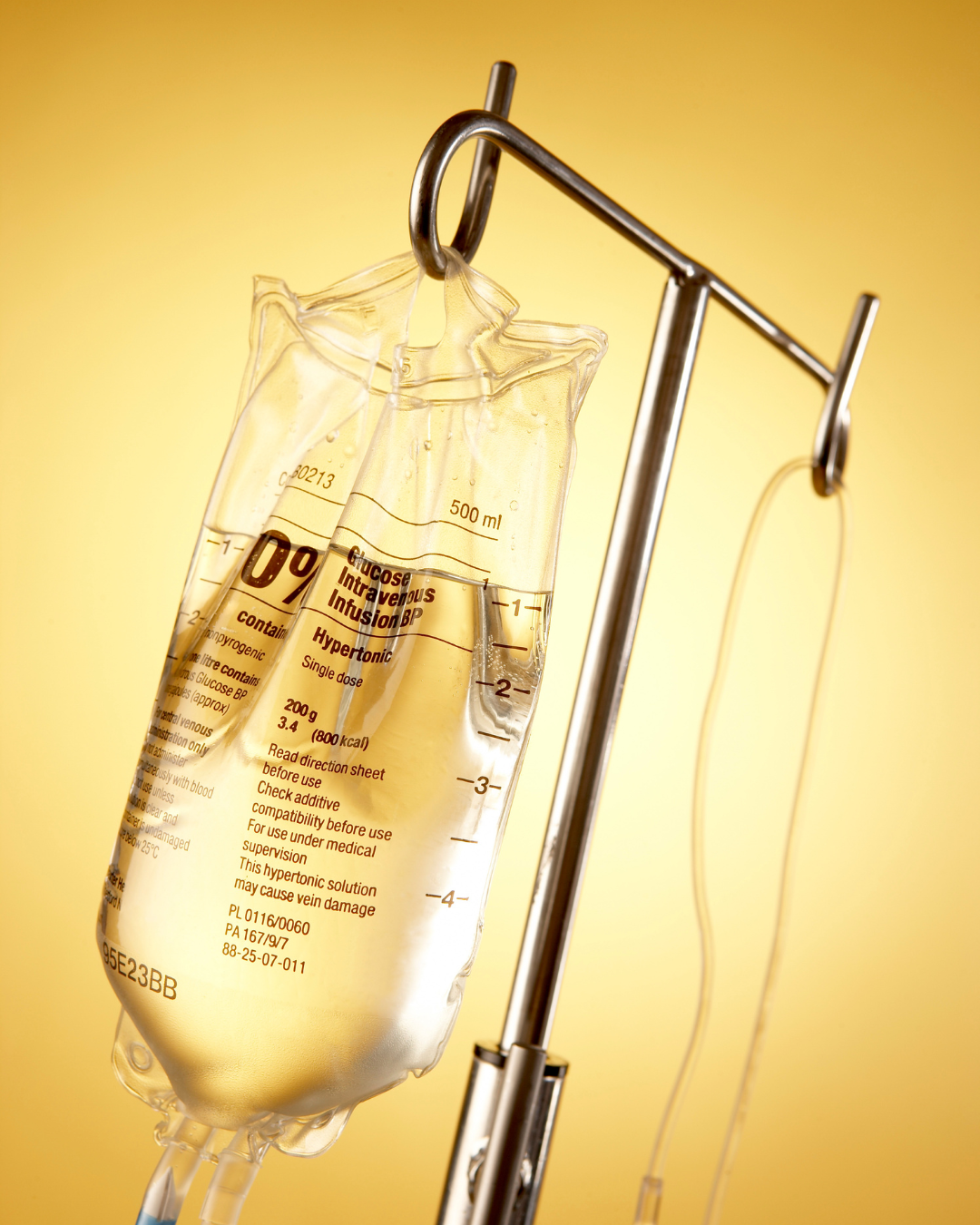
"Wellness menus," lists of IV drips promising energy, immunity, glow, or a hangover cure, have spread from celebrity clinics to gyms, salons and pop-up "drip bars" across the UK. NAD+ IVs, marketed as boosting cellular energy and slowing ageing, are the latest addition. The pitch is always the same: better, faster absorption than a tablet, tailored to your needs. What's rarely mentioned is how thin the evidence is behind any of it.
What Does the Evidence Actually Say About IV Vitamin Drips?
Not much that supports their use in healthy people. A 2023 investigation in a leading US medical journal reviewed 255 hydration clinic websites and found that more than half advertised health claims, but only two of them cited any source for those claims, and none mentioned the potential risks. A secret shopper investigation into 87 clinics found that fewer than one in four required any medical consultation before treatment.
UK commentary is consistent with this. A review published in Nutrition Today concluded plainly: "There is insufficient evidence to conclude there is benefit from these expensive services, provided often without the knowledge of the person's primary care physician, but there is a possibility of harm." That's the whole problem in one sentence, weak evidence of benefit, and a real, if uncommon, risk of harm.

What Does the Evidence Say Specifically About NAD+ IVs?
The same gap applies, with an extra layer of hype. I've already written about why I stopped recommending oral NAD+ supplements, the human trial evidence measures changes in blood biomarkers, not proven improvements in how you actually feel or look. Injecting it doesn't close that gap. It just delivers the same unproven substance more invasively, and with more of the risks set out below.
Why Injecting Vitamins Isn't the Same as Eating Them, or Even Taking a Supplement
This is the part the marketing skips over. Your gut has a built-in ceiling on how much of most vitamins it will absorb at once, it's a genuine safety mechanism. An IV bypasses that mechanism entirely, delivering the full dose straight into your bloodstream regardless of whether your body actually needs or can safely handle it. More direct isn't the same as better. In this case, it mainly means less protected.
Your body's ability to limit how much of a vitamin it absorbs from food or a tablet isn't an inconvenience to be engineered around. It's a safety feature.
What Are the Real Risks?
What Does the UK's Own Regulator Say About This?
NHS England's own medical director has already said what needs saying. Professor Sir Stephen Powis called these treatments "reckless and exploitative," and put it bluntly: "People who are healthy do not need IV drips. At best they are an expensive way to fill your bladder, and then flush hundreds of pounds down the toilet, but at worst they can cause significant damage to your health."
Since February 2022, providers administering IV therapy have been required to register with the Care Quality Commission, because delivering a prescription-only medicine, including the saline solution used as a base, to alter how the body functions counts as treatment of a disease or disorder. Many wellness providers avoid this scrutiny simply by using general wellbeing language rather than medical claims, a gap the marketing leans on quite deliberately. In December 2023, the Advertising Standards Authority ruled against a UK IV drip company for making unsubstantiated energy, immunity and anti-ageing claims, exactly the kind of ruling that shaped how I'm able to talk about treatments on this site myself.
Why I Won't Be Adding Wellness Drips to My Clinic
I've built my practice around treatments I can properly stand behind, evidence I can point to, and results I've seen for myself. Wellness drips fail that test twice over: the evidence for benefit in healthy people is thin to non-existent, and the risk, while low for any individual session, isn't nothing. I'm not going to offer something I wouldn't be comfortable being asked to justify.
What to Do Instead If You Want More Energy or Better Skin
If you genuinely suspect a deficiency, tiredness, hair changes, and other symptoms can sometimes point to one, the right first step is a blood test with your GP, not a drip bought off a menu. If it's a real deficiency, it can be properly diagnosed and treated. If it isn't, no amount of vitamin C in a vein will manufacture energy that a deficiency test can't find.
For skin quality specifically, I'd point you toward approaches with an actual evidence base behind them: topical NAD+ skincare rather than the oral or IV version, medical-grade skincare, or skin boosters like Profhilo, Redensity 1 and NCTF 135HA. Different mechanism, better evidence, and nothing going anywhere near a vein it doesn't need to.
Book a Consultation
If you're weighing up a wellness trend and want an honest opinion on whether it's worth your money, I'd be glad to talk it through at a consultation in Hale.

Frequently Asked Questions About IV Vitamin Drips and NAD+ IVs
Do vitamin IV drips actually boost energy or immunity?
There's no good evidence that they do in people who aren't deficient. Investigations into hydration clinics have consistently found health claims made with little to no supporting evidence.
Is NAD+ IV therapy backed by evidence?
Not convincingly. The available human trial data shows changes in blood biomarkers, not proven improvements in energy, ageing or wellbeing, and IV delivery doesn't change that evidence gap.
Are IV vitamin drips regulated in the UK?
Partially. Providers must register with the CQC to administer IV therapy, but many avoid closer scrutiny by using general wellness language rather than medical claims, which is a genuine regulatory gap.
Can vitamin IV drips be dangerous if I'm healthy?
They carry real, if uncommon, risks, including infection, vitamin toxicity, electrolyte disturbance and allergic reaction, particularly if the provider doesn't know your medical history.
What should I do if I think I have a genuine vitamin deficiency?
See your GP for a blood test. A real deficiency deserves a proper diagnosis and appropriate treatment, not a drip bought off a wellness menu.
Do you offer IV vitamin drips or NAD+ IVs at your clinic?
No. I don't think the evidence justifies it, and I'd rather be upfront about that than offer something I can't properly stand behind.
References
- NHS England. England's top doctor slams "exploitative" party drips. england.nhs.uk
- Which? Why IV vitamin drips are a waste of money, and could even be harmful. which.co.uk
- Consumer intravenous vitamin therapy: wellness boost or toxicity threat? Nutr Today. alliedhealth.ceconnection.com
- ITV News. Warnings issued as IV vitamin drips become increasingly popular at beauty salons across the UK. itv.com
Further Reading
- Aesthetic Trends I Get Asked About, and Why I Won't Offer Them
- Why I'm Obsessed With the New Obagi Nu-Gen NAD+ Serum
- Which Supplements Are Worth Taking?
- How to Choose an Aesthetic Clinic Safely
- Explore Medical-Grade Skincare at the Clinic
Next Steps
Learn more about Dr Caroline Warden Clinic
Learn more about other treatments offered
Dr Caroline Warden is an NHS GP with over 19 years of clinical experience and a special interest in cosmetic dermatology, an independent prescriber, and holds a Level 7 postgraduate diploma in cosmetic injectables. She is the sole practitioner at Dr Caroline Warden Skin & Aesthetic Clinic, a female-led, family-run clinic at 2 Crown Passages, Hale, Altrincham, awarded Best Doctor Led Aesthetic Clinic in Cheshire 2026 by GHP. GMC number 6157708. This article is for information only and does not constitute individual medical advice.