Last updated: 2 November 2026
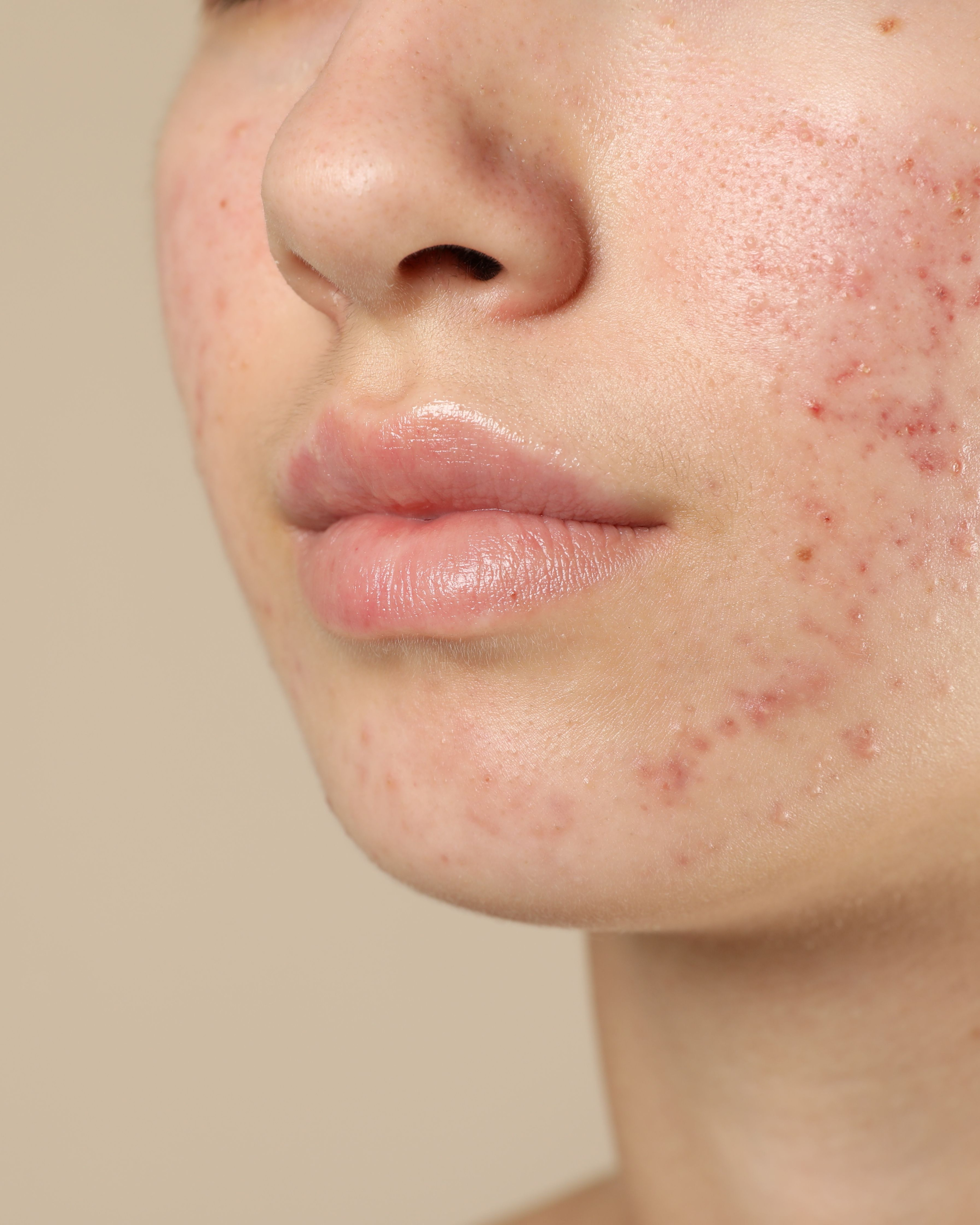
If you have polycystic ovary syndrome, now officially renamed PMOS, you may have been told it is a fertility condition, or a weight condition, or something to think about later. For many of the women I see as an NHS GP, the first and most persistent symptoms are on the skin: stubborn acne along the jaw, hair where you do not want it, thinning where you do, and dark velvety patches on the neck. These are not vanity problems. They are visible signs of a hormonal and metabolic condition, they affect confidence enormously, and they are often managed badly because nobody joins up the medical and the skin care.
This guide does the joining up. I will explain what PCOS does to skin and why, what the May 2026 rename changes, how the condition is actually diagnosed (and why "I have cysts on a scan" is not the same thing), what you can ask your own GP for, what the evidence says about hair removal and acne treatment, and where a skin clinic like mine in Hale fits once the medical side is being looked after. One line runs through the whole article: I can help with the skin; your GP needs to look after the hormones.
In this article:
- Why has PCOS been renamed PMOS, and what has changed?
- How does PCOS affect skin and hair?
- How is PCOS actually diagnosed?
- Why does PCOS cause facial hair, and what helps?
- Why does PCOS cause acne, and what helps?
- Can PCOS cause scalp hair thinning?
- What are the dark patches on my neck?
- What should you ask your GP?
- Where does a skin clinic fit?
- Frequently asked questions
Why has PCOS been renamed PMOS, and what has changed?
On 12 May 2026 a global consensus published in The Lancet renamed polycystic ovary syndrome as polyendocrine metabolic ovarian syndrome, or PMOS. The process took fourteen years and drew on input from more than 14,000 patients and health professionals, and the new name will be phased in over three years, with full adoption in the 2028 international guideline. You will see both names for a while, including on NHS pages, and in this article I use PCOS because it is still what most people search for and say in my consulting room.
"Renaming this condition is more than semantics." Dr Melanie Cree, paediatric endocrinologist and member of the international consensus group, May 2026.
For skin, the rename matters because it puts insulin resistance at the centre of the condition. Insulin resistance drives much of the acne, the hair growth and the dark neck patches, which is why diet, movement, weight management and, where appropriate, medicines that improve insulin sensitivity can improve skin as well as everything else.
How does PCOS affect skin and hair?
Three things happen in PCOS that show on the surface. The ovaries and adrenal glands make more androgens (male pattern hormones such as testosterone). Cells become less responsive to insulin, so the body makes more of it, and high insulin pushes androgen production higher still. And ovulation becomes irregular, which unsettles the cycle and the hormones that ride on it. The skin and hair follicles respond to all three.
One sign on its own does not mean you have PCOS. Plenty of women have hormonal acne or a few chin hairs with entirely normal hormones. A combination, particularly with irregular periods, is the pattern that should prompt a conversation with your GP.
How is PCOS actually diagnosed?
This is where my GP hat matters, because the diagnosis is widely misunderstood, including by people who have it. PCOS is a clinical diagnosis made on a combination of features, not a scan finding.
Before confirming PCOS a GP will usually check thyroid function, prolactin and sometimes other hormones to exclude conditions that mimic it, and will think about long term health: PCOS raises the risk of type 2 diabetes, high blood pressure, sleep apnoea and low mood, which is why the metabolic side deserves attention even when the skin is what brought you in. If you suspect PCOS, book a GP appointment, keep a note of your cycle for a few months, and take photographs of your skin at its worst; both make the consultation far more useful.
Why does PCOS cause facial hair, and what helps?
Facial hair is the symptom women tell me they find hardest, and the one they are least likely to raise unprompted. The hair follicles on the upper lip, chin and jaw are exquisitely sensitive to androgens, and once a follicle has been converted to produce thick dark hair, lowering the hormone slows new conversions but does not reverse the ones already made. That is why the medical treatment and the hair removal have to run together: one turns down the tap, the other deals with what is already there.
Why does PCOS cause acne, and what helps?
PCOS acne has a signature: deep, tender spots along the jawline, chin and upper neck that flare in the week before a period and leave marks that outlast the spot by months. It often starts or returns in the twenties and thirties, long after teenage acne should have gone, and it responds poorly to the washes and spot treatments that work for teenagers because the driver is hormonal rather than bacterial.
Two practical points from the GP chair. First, if your acne is scarring, do not wait: ask for referral early, because scars are far harder to treat than spots. Second, if you have PCOS and acne, ask whether your acne treatment is also treating your PCOS; a plan that does both is better than two plans that ignore each other. The link between diet, insulin and breakouts is also real and worth reading about, because lower glycaemic eating helps PCOS skin through the insulin pathway.
Takeaway: PCOS skin problems are hormone problems wearing a skin disguise. Treat the hormones with your GP, and the skin becomes far easier to help.
Can PCOS cause scalp hair thinning?
Yes, and it is a cruel pairing with hair growth elsewhere. The same androgens that thicken chin hair shrink the follicles on the crown and widen the parting, producing female pattern hair loss, which affects around one in five women with PCOS. Before anyone blames hormones, though, the other common causes need excluding: low iron (ferritin), thyroid problems, vitamin D deficiency, crash dieting and the shedding that follows illness or stress. A GP blood test is the first step, not a scalp treatment. Where the cause is androgen driven, your GP may discuss the pill, anti androgens or a topical treatment that encourages regrowth, all of which take six months to judge. I wrote a longer GP guide to shedding versus thinning and what helps, and the honest answer for PCOS is that hair thinning is managed medically and patiently rather than fixed in a clinic.
What are the dark patches on my neck?
Patients often show me a dark, slightly velvety band on the back or sides of the neck, in the armpits or under the breasts, and ask for something to lighten it. Nine times out of ten it is acanthosis nigricans, and it is not a pigmentation problem to bleach away. It is a visible marker of insulin resistance, and the treatment is improving insulin sensitivity: weight management where relevant, activity, lower glycaemic eating and, for some women, medication from their GP. It fades as the metabolic picture improves. It is important to tell it apart from the other dark marks PCOS skin collects.
What should you ask your GP?
GP appointments are short, and PCOS is a condition that benefits from going in prepared. This is the list I would give a friend.
Where does a skin clinic fit?
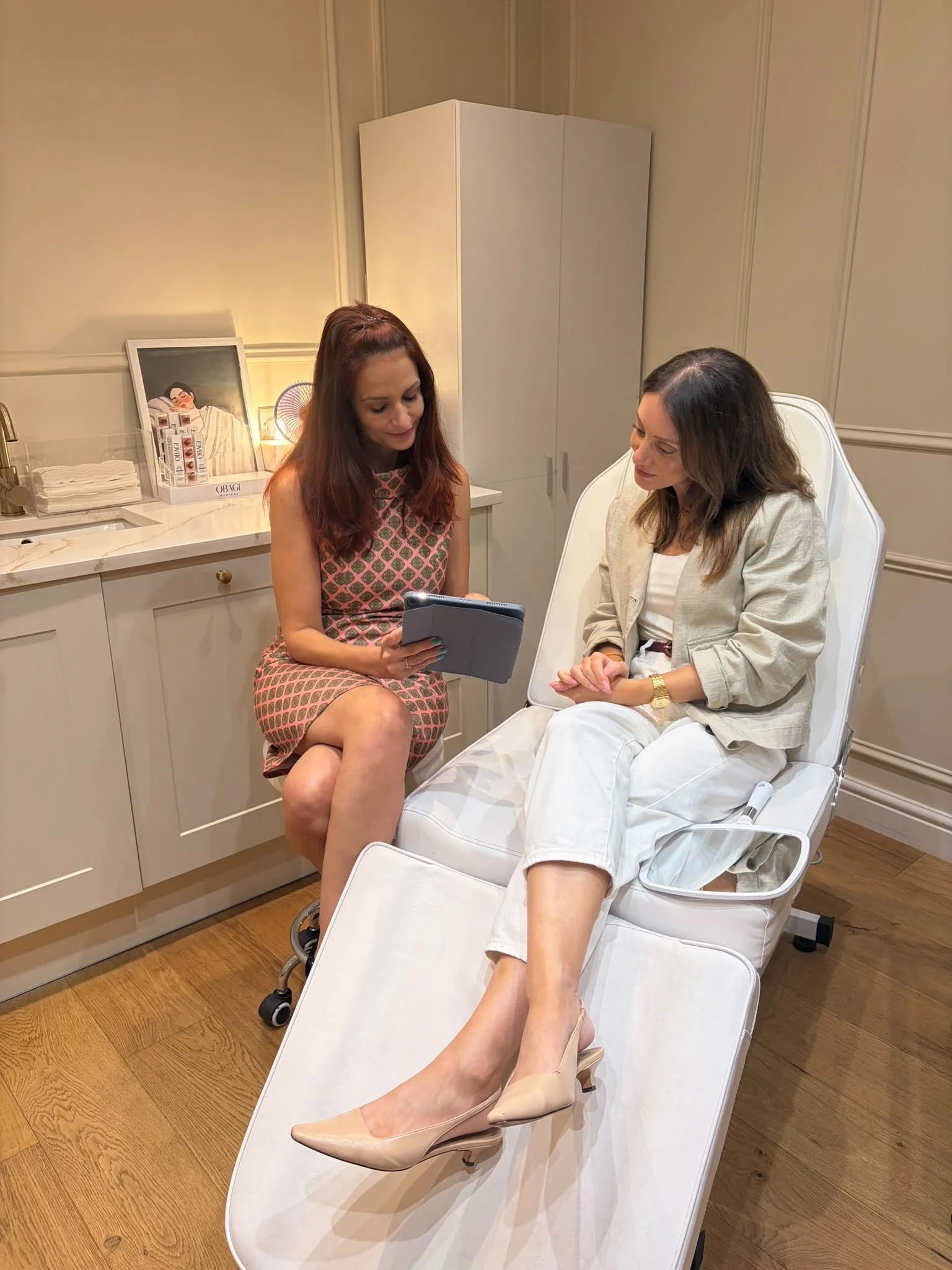
Clearly, and in second place. I am a GP, but at my clinic in Hale I am working as an aesthetic doctor, and the clinic is not the place where PCOS is diagnosed or treated; that belongs with your own GP and, where needed, a specialist. What the clinic can do is look after the skin consequences properly once the medical side is in hand, which is something NHS care rarely has time for.
In practice the best outcomes I see come from a simple sequence: GP first for diagnosis, metabolic checks and hormonal treatment; a sensible skincare routine straight away; and clinic treatments for marks, scarring and texture once the acne has quietened. The order matters. Expensive peels on skin that is still breaking out are money spent in the wrong place, and I will say so. Treating the hormones with your GP makes everything I do work better, and sometimes makes it unnecessary.
Takeaway: PCOS is now PMOS, a whole body hormonal and metabolic condition that shows on the skin first. Ask your GP for the diagnosis and the hormones; ask a skin clinic for the marks, the texture and the routine, in that order.

Frequently asked questions about PCOS, PMOS and your skin
Is PMOS the same as PCOS?
Yes. Polyendocrine metabolic ovarian syndrome is the new name agreed in May 2026 for the same condition. Nothing about your diagnosis or treatment changes; the name now reflects that it is a hormonal and metabolic condition, not one about ovarian cysts.
Can PCOS cause acne in your 30s and 40s?
Yes. Hormonal acne along the jaw, chin and neck that flares before a period is one of the commonest presentations of PCOS in adult women, and it often appears or returns after stopping the pill.
Can you have PCOS without cysts on a scan?
Yes. The diagnosis needs two of three features: irregular ovulation, signs or blood tests of excess androgens, and polycystic ovaries on scan or a raised AMH. Many women are diagnosed on the first two alone, which is partly why the name has changed.
What is the best treatment for PCOS facial hair?
A combination: hormonal treatment from your GP to slow new growth, and laser or electrolysis for the hair that is already there. Laser is recommended for consideration in the 2023 international guideline, works best on dark hair, and needs maintenance. Shaving is the kindest home option and does not make hair thicker.
Does the pill help PCOS skin?
Often, yes. The combined pill lowers free androgens and is first line in the international guideline for both acne and hirsutism; some types are specifically licensed for acne. Whether it suits you is a decision for you and your GP, taking into account your medical history.
Can metformin help PCOS acne?
Medicines that improve insulin sensitivity can improve skin in some women because insulin drives androgen production, although they are not acne treatments as such. Your GP can advise whether one is appropriate for your overall metabolic picture.
Why do I get dark skin on my neck with PCOS?
That is usually acanthosis nigricans, a marker of insulin resistance. It responds to improving insulin sensitivity through weight management, activity, lower glycaemic eating and sometimes medication, rather than to lightening creams or peels.
Can PCOS cause hair loss?
Yes, female pattern thinning at the crown and parting affects around one in five women with PCOS. Have iron, thyroid and vitamin D checked first, as these are common and treatable alternative causes.
Does diet affect PCOS skin?
Yes, through insulin. Lower glycaemic eating, regular meals and adequate protein reduce insulin spikes, which lowers androgen drive and can calm acne and oiliness over months. It is a support, not a substitute for medical treatment.
Can an aesthetic clinic treat PCOS?
No. PCOS is a medical condition diagnosed and managed by your GP and specialists. A doctor led skin clinic can help with the skin consequences, such as post acne marks, scarring, texture and a suitable skincare routine, alongside that care.
When should I see a GP about PCOS?
If you have irregular or absent periods together with acne, excess hair, hair thinning or dark skin patches; if you are struggling to conceive; or if your acne is leaving scars. Sooner is better, because both the skin and the metabolic risks are easier to manage early.
Next steps
If you have PCOS and your skin has never been taken seriously, I would be glad to see you at the clinic in Hale for a skin assessment, build a routine that works with your treatment from your GP, and plan any clinic treatments for the right moment. If you have not yet had a diagnosis, start with your own GP; this article should help you ask the right questions.
Learn more about Dr Caroline Warden Clinic
Learn more about other treatments offered
Further reading
- The Best Treatments for Acne Scars
- Post Inflammatory Pigmentation: The Marks Left After Spots
- The Gut Skin Axis: How Your Diet Could Be Causing Breakouts
- How Hormones Affect Your Skin and When Aesthetic Treatments Can Help
- Melasma vs Sun Spots: Telling Them Apart
- Medical Grade Skincare in Hale and Altrincham
- Medical Microneedling in Hale and Altrincham (for acne scarring)
Dr Caroline Warden (GMC 6157708) is an NHS GP with over 19 years of clinical experience, an independent prescriber, and holds a Level 7 postgraduate diploma in cosmetic injectables. She has practised aesthetic medicine since 2017 and runs Dr Caroline Warden Skin & Aesthetic Clinic with her sister Louise at 2 Crown Passages, Hale, Cheshire, WA15 9GN, serving patients from Hale, Altrincham, Bowdon, Hale Barns, Timperley, Sale, Alderley Edge, Wilmslow, Knutsford, Didsbury and across Cheshire and South Manchester. You will only ever be seen and treated by Dr Warden. The clinic does not diagnose or treat PCOS or other medical conditions; medical care should be sought from your own GP. Prescription only medicines are prescribed following a face to face consultation and are not promoted in this article. The clinic is an authorised Obagi stockist and ambassador clinic. This article provides general educational information and does not replace an individual assessment. Information correct as of November 2026.
References
- Cree M, et al. Renaming polycystic ovary syndrome: an international consensus. The Lancet, 12 May 2026. Read the Endometriosis UK summary
- NHS. Polycystic ovary syndrome (PCOS): overview, symptoms, diagnosis and treatment. Read the NHS page
- Teede HJ, Tay CT, Laven J, et al. Recommendations from the 2023 international evidence based guideline for the assessment and management of polycystic ovary syndrome. Human Reproduction 2023;38(9): pages 1655 to 1679. Read the guideline
- Schmidt TH, Khanijow K, Cedars MI, et al. Cutaneous findings and systemic associations in women with polycystic ovary syndrome. JAMA Dermatology 2016;152(4): pages 391 to 398. Read the study
- NICE Clinical Knowledge Summaries. Hirsutism: causes and assessment. Read the NICE summary
- NICE Clinical Knowledge Summaries. Polycystic ovary syndrome. Read the NICE summary
- British Association of Dermatologists. Patient information leaflets: acne, hirsutism, female pattern hair loss and acanthosis nigricans. Browse the leaflets
