Which Supplements Are Actually Worth Taking For Your Skin, Strength, Menopause And Healthy Ageing?
Why supplements feel so confusing now
Walk into any pharmacy, scroll through Instagram, listen to a wellness podcast, or type “best supplements for women over 40” into Google and you can quickly feel as though you need an entire cupboard of capsules, sachets, powders and mushroom extracts just to stay healthy.
Collagen for your skin. Magnesium for sleep. Creatine for strength and brain health. Omega 3 for inflammation. Vitamin D because we live in the UK. Lion’s Mane for focus. NAD support for longevity. Vitamin K2 because you have started taking vitamin D. Biotin because your hair feels thinner. Ashwagandha because you feel stressed.
The list grows quickly, and so does the monthly cost.

At Dr Caroline Warden Skin & Aesthetic Clinic in Hale, Cheshire, I am increasingly asked about supplements during skin, menopause and healthy ageing consultations. Many of the women I see are in their forties, fifties and sixties. They are trying to improve their skin, preserve muscle, navigate perimenopause or menopause, sleep better, manage stress, reduce that tired “I do not feel like myself” feeling, and age well without being pulled into every new wellness trend.
Often, they arrive with a small collection of products they have bought online. Some are useful. Some are duplicated. Some are underdosed. Some are expensive but not especially impressive. Some are not suitable alongside their medication or medical history. Some are solving a problem the patient does not actually have.
My approach is not to recommend everything.
It is to look at the evidence, the person, their diet, their medical history, their medication, their symptoms, their budget and their goals, then decide what may actually be worth taking.
This is the guide I wish more patients had before spending hundreds of pounds on supplements.

Supplements should support the foundations, not replace them
Before we discuss any supplement, we need to return to the basics.
No capsule can fully compensate for poor sleep, low protein intake, inactivity, excess alcohol, chronic stress, smoking, sun damage or a nutritionally poor diet.
For skin health, menopause support and healthy ageing, the foundations remain remarkably consistent. A varied diet, sufficient protein, resistance exercise, regular movement, good quality sleep, sensible sun protection and evidence based skincare will usually have a greater overall impact than an expensive supplement routine.
That does not mean supplements are pointless.
It means they should be chosen with a clear purpose.
A supplement should answer a sensible question.
Are you correcting a likely deficiency?
Are you supporting a dietary gap?
Are you trying to preserve muscle as you age?
Are you choosing something with reasonable human evidence?
Are you taking it at a dose that has actually been studied?
Is it safe with your medication and medical history?
Is it worth the monthly cost?
If the answer is unclear, the supplement may not deserve a place in your routine.
This is where my GP background matters. In aesthetic medicine, it is easy to get excited by products that promise glow, collagen, energy and longevity. As a doctor, I also have to ask a less glamorous question.
Is this actually useful, safe and proportionate?
My evidence hierarchy for supplements
When patients ask me what I would prioritise, I tend to think in tiers rather than trends.
Strongest evidence
1. Vitamin D3, particularly for those at risk of deficiency
2. Creatine monohydrate
3. High strength omega 3 fish oil, mainly where oily fish intake is low
Reasonable additional options
4. Magnesium glycinate, when chosen for the right reason
5. Vitamin K2, when appropriate, not automatically for everyone
Early or emerging evidence
6. Lion’s Mane Mushroom
7. NAD support, such as Nuchido TIME+
This does not mean every person should take all seven. In fact, most people should not.
It simply reflects how I think about supplements from a GP and aesthetic medicine perspective. I want recommendations to be useful, affordable, safe, realistic and defensible.
The wellness industry often sells complexity. In clinic, I find patients usually benefit more from clarity.

Vitamin D, a sensible starting point for many UK adults
Vitamin D plays an important role in bone health, muscle function and immune function.
In the UK, our ability to make enough vitamin D from sunlight becomes much more limited during autumn and winter. People who spend little time outdoors, cover most of their skin, have darker skin, have certain digestive conditions, take particular medication or have previously had low vitamin D may be at higher risk of deficiency.
This is one of the few supplements I commonly discuss as a practical foundation.
For many adults in the UK, a standard daily vitamin D supplement is sensible during autumn and winter. Some people may need it throughout the year, particularly if they are at higher risk of deficiency.
Where I become cautious is with the “more is better” mindset.
Vitamin D is surprisingly easy to duplicate. A patient may take a separate vitamin D capsule, a multivitamin, a bone health product and sometimes a fish oil product that also contains vitamin D. Without realising, they may be taking much more than intended.
That matters, particularly in people with kidney disease, high calcium levels, sarcoidosis, parathyroid disease or a history of kidney stones.
Vitamin D is useful. It is not something to take recklessly.
In consultations, I often help patients simplify this. We look at what they already take, whether there is unnecessary duplication, and whether their dose is appropriate for their personal risk.

Creatine is no longer just for bodybuilders
Creatine is one of the most extensively researched supplements available, particularly for strength, power, exercise performance and the preservation of muscle.
That matters increasingly as we age.
From our thirties onwards, maintaining muscle becomes progressively more important for metabolic health, bone health, posture, mobility, injury prevention and independence. This becomes especially relevant for women approaching and moving through menopause, when changes in hormones, sleep, body composition and training tolerance can all affect strength and confidence.
Creatine does not build muscle by magic.
It works best when paired with resistance exercise and adequate protein.
For a woman in her forties or fifties who is starting strength training, trying to preserve lean muscle, feeling weaker than she used to, or navigating menopause related body composition changes, creatine monohydrate is one of the more credible and affordable supplements to consider.
There is also growing interest in creatine and cognitive function, particularly in older adults, vegetarians, vegans and during periods of sleep deprivation or intense mental demand. The evidence for muscle and physical performance is stronger than the evidence for everyday cognition, so I would not present it as a miracle brain supplement.
But as part of a healthy ageing plan, it is far more interesting than many expensive products marketed to women.
The form matters too. You do not usually need fancy creatine blends, gummies or premium “female hormone” versions. A good quality creatine monohydrate is generally the sensible option.
This is one of the areas where marketing often makes a simple supplement sound more complicated than it needs to be.
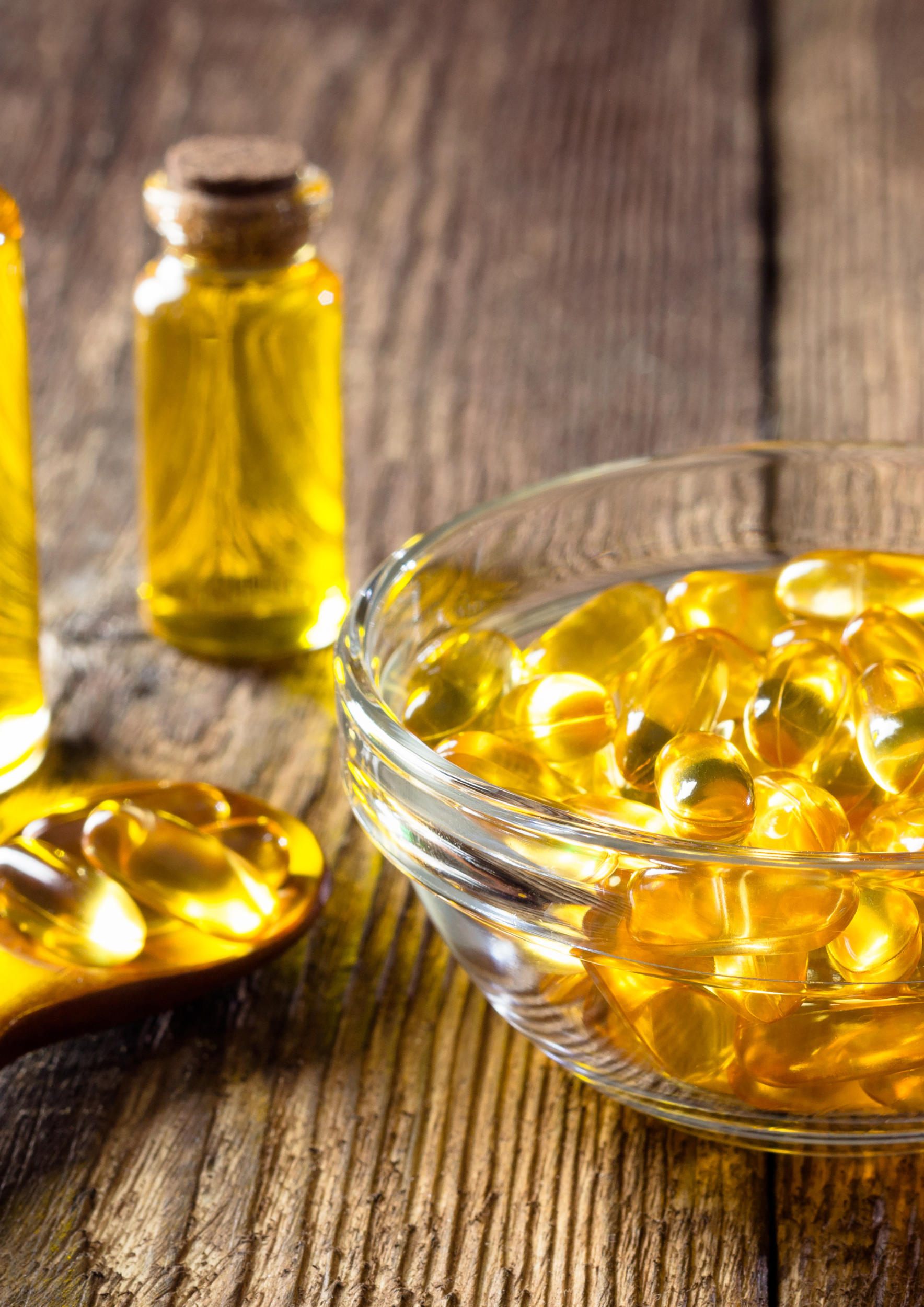
Omega 3, useful for some people but not automatically essential
Omega 3 supplements provide the fatty acids EPA and DHA, which are found naturally in oily fish such as salmon, sardines, mackerel, trout and herring.
For someone who eats oily fish regularly, an additional omega 3 supplement may not be necessary. For someone who rarely eats fish, a carefully selected omega 3 supplement may be more reasonable.
The wording on the packaging can be misleading. A bottle may advertise a large amount of “fish oil”, while providing a much smaller amount of the active EPA and DHA.
This is why I look at the actual formulation rather than simply recommending whichever brand is trending.
Evidence for cardiovascular prevention through supplements is mixed in otherwise healthy adults. I therefore do not describe omega 3 as a universal anti inflammatory cure. I see it mainly as a way of addressing low dietary intake of EPA and DHA.
Patients also need to be aware that omega 3 may not be suitable for everyone, especially at higher doses or where there are bleeding risks, anticoagulant medication, upcoming surgery or complex medical conditions.
Used thoughtfully, omega 3 can be useful.
Used casually because a bottle says “anti inflammatory”, it can become another unnecessary monthly expense.
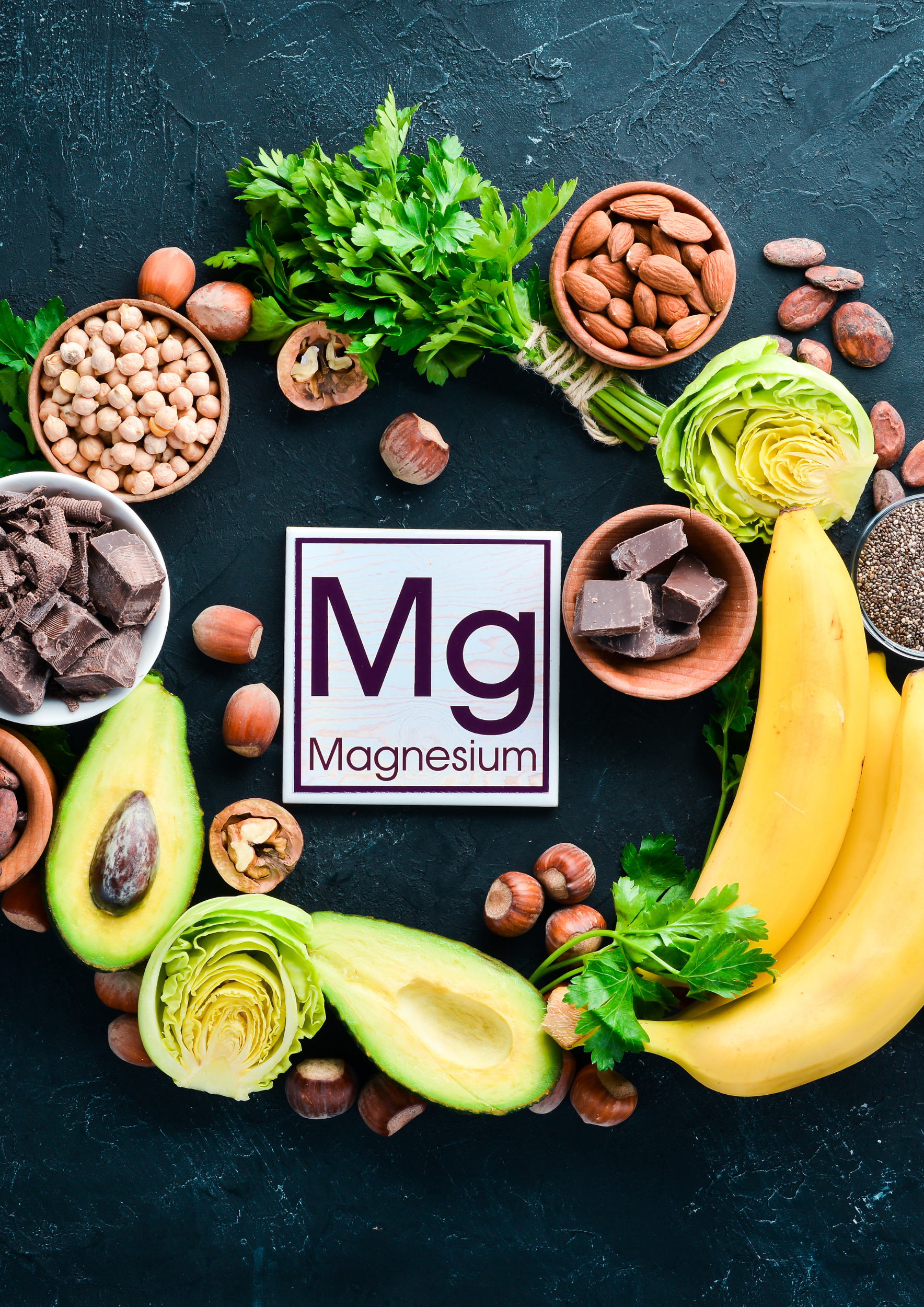
Magnesium, helpful when chosen for the right reason
Magnesium is essential for normal muscle, nerve and energy function.
It is found naturally in foods including nuts, seeds, beans, wholegrains, dark chocolate and leafy green vegetables. Some people will obtain enough through their diet. Others may have lower intakes, especially if their diet is restricted, highly processed or inconsistent.
Magnesium has become particularly popular for sleep, relaxation, cramps and stress.
Some people genuinely feel that magnesium helps them unwind or sleep better. However, the evidence for treating insomnia in people without deficiency is not definitive, so I am careful not to oversell it.
The type of magnesium matters.
Some forms are more likely to upset the stomach or cause diarrhoea. Magnesium glycinate is often better tolerated and is one of the forms I tend to prefer when patients are using it for sleep or relaxation.
However, magnesium is not suitable for everyone. Significant kidney disease changes the way magnesium is handled by the body. Magnesium can also interfere with the absorption of certain medicines, including levothyroxine and some antibiotics, if taken too close together.
So again, the answer is not “everyone should take magnesium”.
The better answer is that magnesium may be worth considering for selected people, in the right form, at the right dose, and with attention to medication timing.
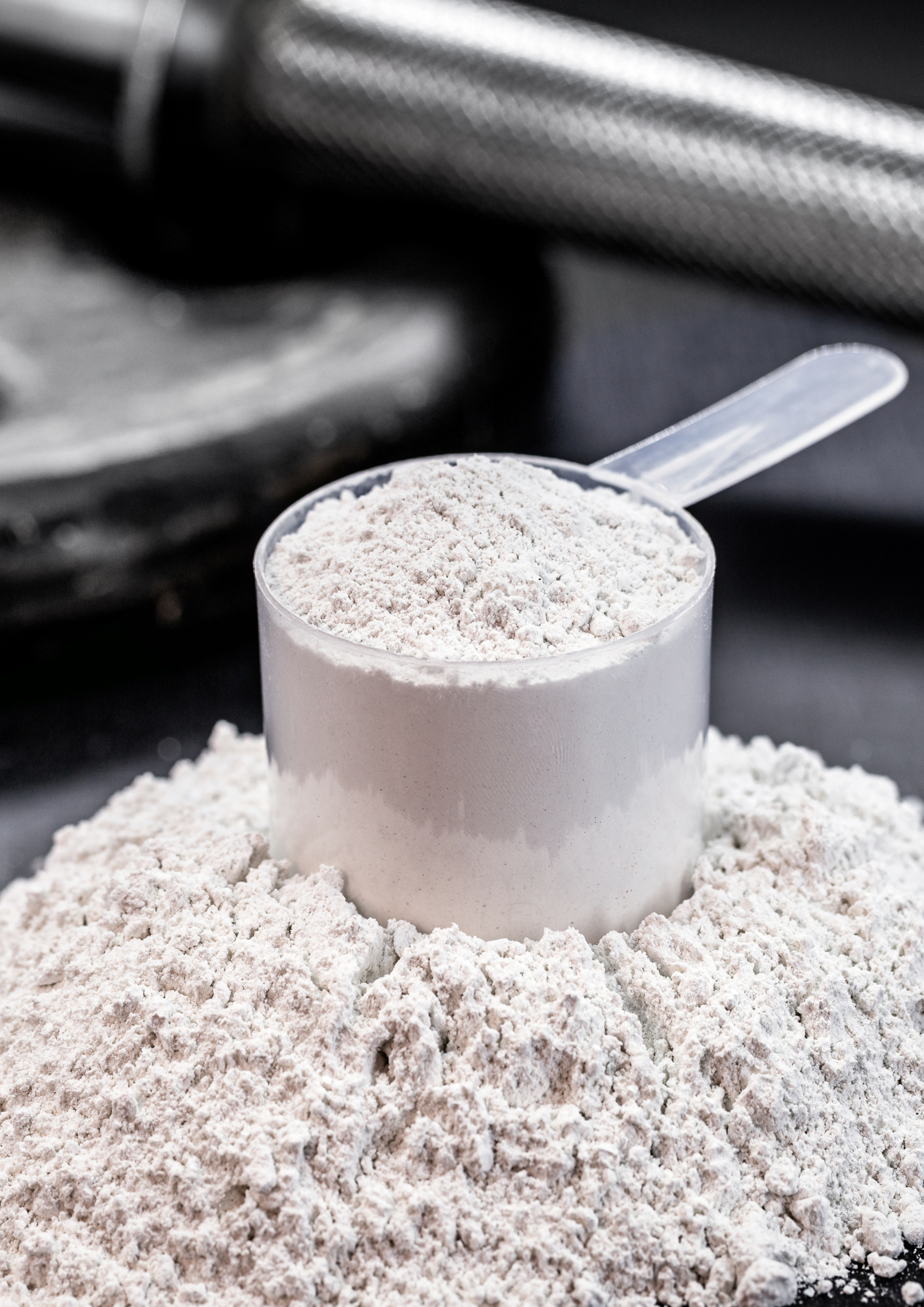
Can collagen supplements really improve the skin?
Collagen is one of the supplements I am asked about most often in my aesthetic clinic in Hale.
This is understandable.
As we age, our skin naturally produces less collagen. Ultraviolet exposure, smoking, menopause, inflammation, poor sleep, low protein intake and general ageing can all contribute to changes in skin thickness, hydration, elasticity and firmness.
Hydrolysed collagen peptides have some human evidence suggesting modest improvements in skin hydration and elasticity when taken consistently. However, the studies use different collagen sources, doses and formulations, and many have some degree of industry involvement.
This does not mean the research should be dismissed.
It does mean expectations should remain realistic.
Collagen supplements will not replace lost facial volume. They will not reverse significant laxity. They will not recreate bone or fat pad support. They will not produce the same result as prescription retinoids, medical grade skincare, microneedling, polynucleotides, biostimulators or well performed aesthetic treatments.
They may offer a modest additional benefit as part of a wider skin health plan.
I also do not believe liquid collagen is automatically superior to powder. Liquid may be convenient, and convenience matters if it helps someone stay consistent, but the format itself is not the main issue.
What matters more is the type of collagen, whether it is hydrolysed, the amount provided in the daily serving, whether it contains unnecessary sugar or additives, and whether the person can tolerate taking it consistently for at least two to three months.
There are now more affordable options alongside heavily marketed premium brands. During a consultation, I can explain which formulations I consider better value and why some attractive looking products provide surprisingly little active collagen.

The collagen mistake I see in clinic
One of the biggest mistakes I see is when patients expect collagen supplements to do structural work.
They are hoping collagen powder will lift the lower face, restore cheek volume, improve jowls, tighten the neck or reverse significant laxity.
That is not a fair expectation of a supplement.
Skin ageing is not just about collagen. It also involves bone change, fat pad change, ligament laxity, muscle movement, sun damage, hormonal change, inflammation and lifestyle factors. A drink or powder cannot rebuild all of that.
This is why I often explain the difference between skin quality and facial structure.
A collagen supplement may support skin hydration or elasticity modestly. It will not replace the kind of structural support we think about with treatments such as Sculptra, Radiesse, carefully placed filler, polynucleotides, microneedling, peels, prescription skincare or a personalised regenerative plan.
That distinction matters because it stops patients being disappointed, and it stops them wasting money on unrealistic promises.
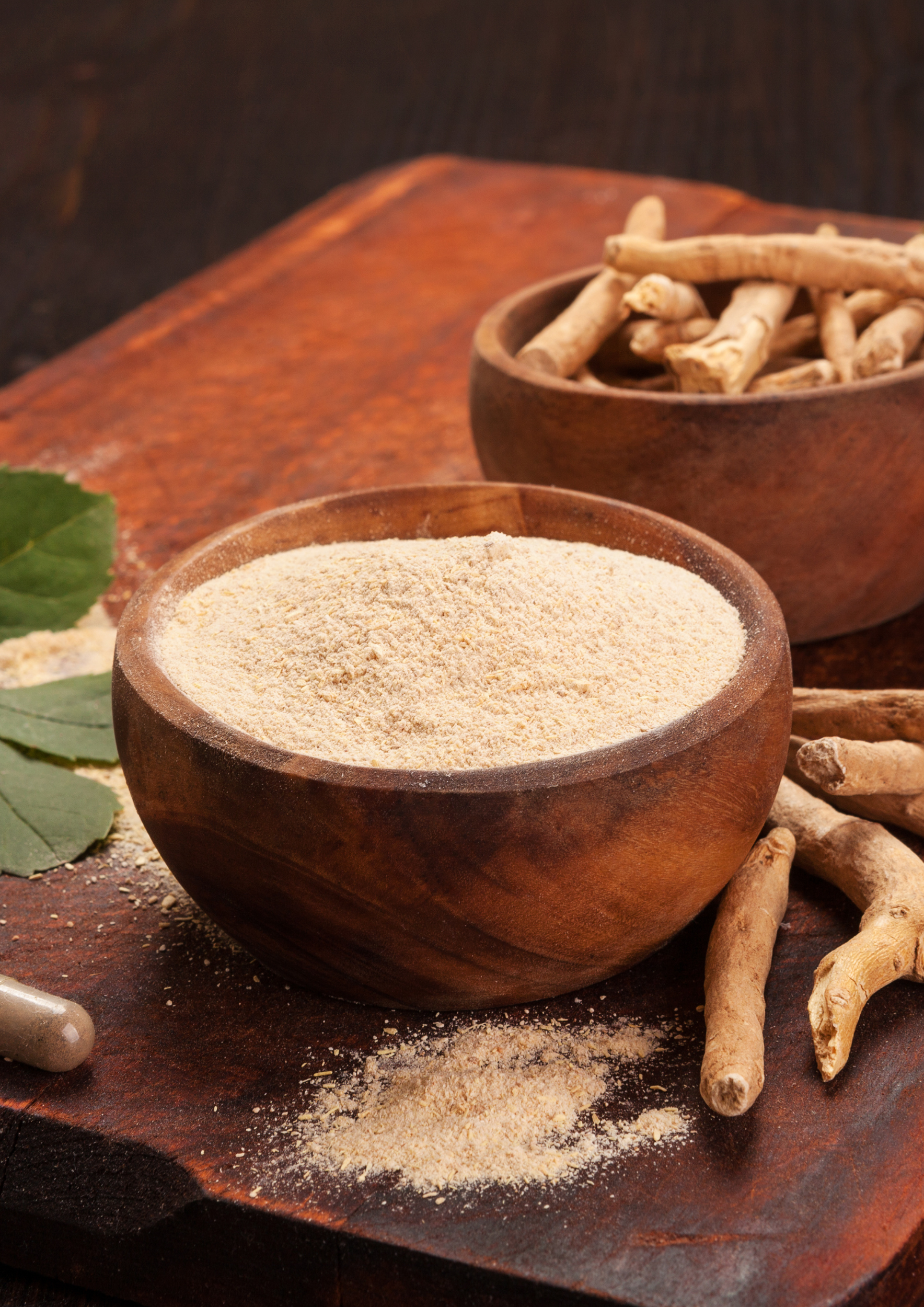
Ashwagandha for stress and sleep
Ashwagandha is often described as an adaptogen, a substance intended to help the body respond to stress.
Several small clinical trials suggest that standardised ashwagandha extracts may improve perceived stress, anxiety and some aspects of sleep in some people. However, studies are generally short and use different preparations and doses.
I see it as a possible time limited trial for selected people, rather than something everyone should take indefinitely.
This is particularly important because ashwagandha is often presented online as completely harmless and “natural”.
Natural does not always mean suitable.
Ashwagandha is not suitable during pregnancy or breastfeeding. Extra caution is needed in people with thyroid disease, autoimmune conditions, liver problems, diabetes, low blood pressure or those taking sedating medication.
Persistent anxiety, low mood, panic symptoms, trauma, burnout or insomnia deserve a proper assessment. A supplement should not be used to delay appropriate support.
In other words, ashwagandha may be interesting.
It is not a substitute for care.

Lion’s Mane Mushroom, early evidence but not a dementia treatment
Lion’s Mane is a mushroom supplement that has attracted attention for possible effects on cognition, processing speed, mood and stress.
This is one of the supplements patients ask about when they feel mentally foggy, distracted, overwhelmed or less sharp than they used to. In clinic, this often comes up alongside perimenopause, poor sleep, work pressure, parenting, stress or that very common midlife feeling of “my brain is not working like it used to.”
The evidence is interesting but still early. Some human studies suggest possible benefits for aspects of cognition and mood, but the overall evidence remains limited and benefits are often modest.
I do not regard Lion’s Mane as a proven treatment for memory problems, dementia, ADHD, burnout or cognitive decline.
I regard it as an optional supplement for patients interested in brain health and wellbeing, provided they understand the uncertainty.
My current preferred option is Time Health Organic Lion’s Mane Ultra Strength 50% Beta Glucan. It uses 100% fruiting body extract, is hot water extracted and provides transparent beta glucan testing at a significantly lower cost than many premium mushroom brands.
A sensible approach would be two capsules daily for an optional 8 to 12 week trial. If there is no clear personal benefit, stop.
The approximate cost is around £14 to £15 per month, or around £170 to £180 per year when taken as two capsules daily. Prices can change, so I always advise checking current cost before buying.
Avoid Lion’s Mane if you have a known mushroom allergy. Stop if you develop a rash, breathing symptoms or significant stomach upset. Discuss it with a clinician before use if you are pregnant, breastfeeding, immunosuppressed or taking anticoagulants, as high quality interaction data remain limited.
This is a good example of how I think about supplements.
Interesting does not mean essential.
Emerging does not mean proven.
And optional does not mean pointless.

What about NAD and longevity supplements?
NAD is involved in cellular energy production and many other biological processes.
Interest in NAD support has grown rapidly within the longevity industry. Some oral products have been shown to increase NAD related biomarkers, but increasing a laboratory marker is not the same as proving that a supplement will make someone live longer, look younger or avoid age related disease.
This is an exciting area of research, but it remains emerging.
I view NAD support as an optional premium addition for someone who understands the uncertainty and has already addressed the more important foundations.
It is not where I would begin for most patients.
If someone is sleeping badly, eating very little protein, not strength training, skipping sunscreen, drinking too much alcohol and feeling chronically stressed, an NAD supplement should not be the first intervention.
This is where the wellness industry often gets the order wrong. It sells the advanced extras before the foundations are in place.
From a GP and skin health perspective, I would rather a patient invest first in protein, resistance exercise, sleep, vitamin D where appropriate, sunscreen, a good retinoid if suitable, and a realistic skin plan.
NAD support can be discussed after that.
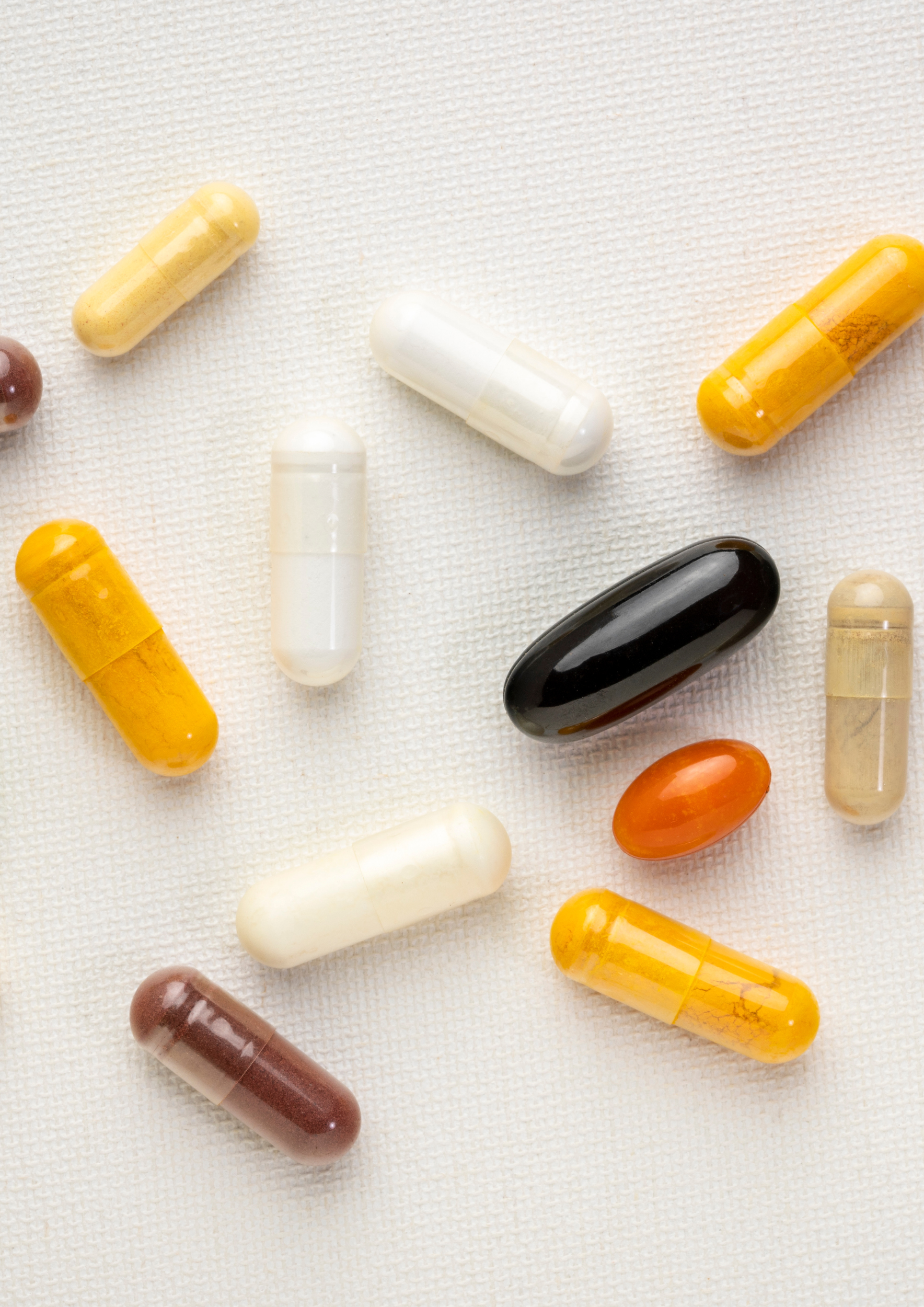
Do you need vitamin K2 with vitamin D?
Vitamin K is involved in normal blood clotting and bone metabolism. Vitamin K2 is often marketed as an essential companion to vitamin D.
For most adults eating a varied diet and taking a standard amount of vitamin D, I do not believe a separate K2 supplement needs to be added automatically.
It may be considered individually, particularly where dietary intake, bone health or overall supplement strategy is being reviewed. But the evidence is not strong enough for me to make it a universal recommendation.
There is also one very important safety point.
Anyone taking warfarin or another vitamin K sensitive anticoagulant should not start, stop or change a vitamin K supplement without advice from their anticoagulation clinician.
This is why supplement conversations need to include medication history. A product can be sensible for one person and inappropriate for another.

Supplements I do not routinely recommend
Two supplements that frequently appear in beauty and wellness products are high dose biotin and high dose niacin.
They are not “bad” nutrients. They are both essential in normal amounts.
The issue is the way they are often used in high dose supplement form without a clear reason.
Biotin
Biotin deficiency can cause hair and nail changes, but genuine deficiency is uncommon.
Evidence that high dose biotin improves the hair, skin or nails of someone who is not deficient is weak.
More importantly, biotin can interfere with blood tests, including thyroid tests and some tests used when investigating possible cardiac problems.
This matters in real life. A patient taking a high dose beauty supplement may have misleading blood results without realising the supplement is relevant.
Hair loss, brittle nails or unexplained skin changes should be assessed properly rather than automatically covered with a beauty supplement.
If a woman in her forties or fifties has new hair shedding, the answer is not always biotin. It may be iron deficiency, thyroid disease, perimenopause, stress, medication, weight loss, inflammatory scalp disease, androgen related hair loss or another medical issue.
That needs a proper conversation.

Niacin
Niacin, also known as vitamin B3, is essential in normal dietary amounts.
However, high dose or “flush” niacin can cause marked flushing, itching, dizziness, nausea, altered blood glucose, gout and liver injury.
High dose niacin still has limited medical uses, but it should not be taken casually as an energy, cholesterol or longevity supplement without appropriate supervision.
When a product creates an intense flush, some people assume that means it is “working”. In reality, a strong sensation is not the same as a meaningful health benefit.
That is a very important distinction in wellness marketing.

Case study, when more supplements were not the answer
A woman in her mid forties recently attended the clinic concerned about duller skin, disrupted sleep, reduced strength and feeling more tired than she used to.
She had started several supplements after watching social media videos, including two products containing vitamin D, a low dose collagen drink, high dose biotin and a magnesium formulation that was upsetting her stomach.
She was also wondering whether she needed NAD support because she had heard it was “good for ageing”.
Rather than adding another product, we simplified the approach.
We discussed her protein intake, resistance exercise, sleep pattern, skincare, sun protection and the possibility that some symptoms warranted a review with her own GP. We removed unnecessary duplication and focused on a smaller number of supplements with a clearer purpose.
We also talked about expectation. She wanted brighter skin, better energy and to feel stronger. None of those goals were unreasonable. But they were unlikely to be achieved by a complicated supplement routine alone.
Her plan became much more focused. Improve the foundations. Remove unnecessary duplication. Choose fewer supplements more carefully. Review skincare. Consider whether some symptoms needed medical investigation. Stop using social media trends as a shopping list.
This is a representative example rather than an identifiable patient, but it reflects a common pattern I see in clinic.
The answer is often not more supplements.
How I decide whether a supplement is worth recommending
When I assess a supplement, I look beyond the front of the packaging.
I consider the quality of the evidence, whether there are human studies, whether the daily dose reflects the amount used in research, whether the form is likely to be well absorbed, whether the product contains unnecessary extras, whether it is affordable and whether it is safe for that person.
I also consider whether symptoms might need medical assessment.
If someone reports fatigue, hair loss, weakness, palpitations, persistent poor sleep, unexplained weight change, new low mood, night sweats, heavy periods, bowel change or a significant change in wellbeing, a supplement should not replace appropriate medical review.
This is where being both a GP and an aesthetic doctor shapes my approach.
I love skin health. I love prevention. I love helping patients age well. But I also know that not every symptom is a supplement deficiency.
Sometimes the safest and most helpful thing I can say is, “This needs checking properly.”
Supplement priorities by goal
If your main goal is skin quality
Start with sunscreen, evidence based skincare, adequate protein, sleep and not smoking. Consider hydrolysed collagen if you understand the benefits are likely to be modest.
If you are dealing with pigmentation, acne, rosacea, skin laxity, dullness or menopause related skin change, supplements may support the plan, but they are rarely the main treatment.
If your main goal is strength and healthy ageing
Prioritise resistance training, protein and creatine monohydrate. This combination is usually more meaningful than expensive wellness blends.
Muscle is one of the most underrated parts of healthy ageing, particularly for women. Preserving strength helps posture, metabolism, confidence, bone health and long term independence.
If your main goal is menopause support
Supplements can support general health, but they cannot fully replace a wider plan. Sleep, strength training, protein, HRT suitability, skin barrier support, prescription skincare and appropriate medical review may all matter.
Perimenopause and menopause can affect skin, sleep, mood, muscle, weight distribution, joint comfort and energy. A supplement may be one piece of the puzzle, but it should not be expected to carry the whole plan.
If your main goal is brain health
Focus first on sleep, movement, blood pressure, alcohol intake, social connection, hearing, vision, mood and cardiovascular risk.
Lion’s Mane and NAD support are optional extras, not the foundation.
If your main goal is reducing inflammation
Be careful. “Anti inflammatory” is one of the most overused phrases in wellness marketing.
A Mediterranean style diet, oily fish intake, exercise, sleep, dental health, smoking avoidance and reducing excess alcohol often matter more than a capsule.
Frequently asked questions
What supplements are actually worth taking?
The most worthwhile supplements depend on the person. From an evidence based perspective, vitamin D is sensible for many UK adults, especially during autumn and winter or where deficiency risk is higher. Creatine monohydrate has strong evidence for strength and exercise performance. Omega 3 may be useful where oily fish intake is low. Magnesium, collagen, Lion’s Mane, NAD support and vitamin K2 are more individual.
What is the best supplement for women over 40?
There is no single best supplement for women over 40. The most useful starting points are usually vitamin D where appropriate, adequate protein through diet, creatine monohydrate if resistance training, and omega 3 if oily fish intake is low. Other supplements depend on symptoms, goals, medication and medical history.
What is the best supplement for ageing skin?
There is no single best supplement for ageing skin. Daily sunscreen, evidence based skincare, adequate protein, sleep, resistance exercise and avoiding smoking usually matter more. Hydrolysed collagen peptides may offer modest improvements in hydration and elasticity for some people when taken consistently.
Is collagen worth taking for skin?
Collagen can be worth considering if you choose a hydrolysed collagen peptide product at a sensible dose and take it consistently for at least two to three months. It is not a replacement for retinoids, sunscreen, regenerative treatments or medical grade skincare.
Is liquid collagen better than collagen powder?
Not necessarily. Liquid collagen may be more convenient, but liquid is not automatically more effective. The collagen type, hydrolysis, daily amount and consistency are usually more important than whether it comes as a drink or powder.
Will collagen restore facial volume?
No. Collagen supplements will not restore facial volume, replace fat loss, rebuild bone support or lift significant skin laxity. They may modestly support skin hydration or elasticity, but they are not structural treatments.
Is creatine suitable for women?
Yes, creatine can be relevant for women as well as men, particularly when combined with resistance exercise. It may be especially useful for women interested in strength, muscle preservation and healthy ageing. Suitability still depends on medical history, kidney health, pregnancy status and medication.
Is creatine useful in menopause?
Creatine may be useful during perimenopause and menopause because preserving muscle becomes increasingly important. It works best alongside resistance training and adequate protein. It should not be presented as a hormone treatment, but it can be part of a sensible healthy ageing plan.
Will creatine make women bulky?
Creatine does not make women bulky by itself. It helps support muscle energy during training. Meaningful muscle gain still requires resistance exercise, adequate food intake and consistency. For many women, the goal is not bulk. It is strength, confidence, posture, metabolic health and healthy ageing.
Should I take magnesium every night?
Not automatically. Some people find magnesium helpful for relaxation or sleep, particularly if their dietary intake is low. The form, dose and timing matter. Magnesium may interact with medicines such as levothyroxine and some antibiotics, and it may not be suitable in significant kidney disease.
Do I need vitamin K2 if I take vitamin D?
Most adults taking a standard dose of vitamin D do not automatically need vitamin K2. It may be appropriate for some people, but it should be individualised. Anyone taking warfarin should not start or change vitamin K supplements without medical advice.
Is Lion’s Mane good for brain health?
Lion’s Mane has early human evidence suggesting possible benefits for cognition, processing speed, mood and stress, but the evidence remains limited. I see it as an optional 8 to 12 week trial rather than a proven treatment for memory problems or cognitive decline.
Are NAD supplements worth it?
NAD support is an emerging area. Some products may increase NAD related biomarkers, but this does not prove that they slow ageing or prevent disease. I see NAD support as an optional premium supplement for someone who has already addressed the basics.
Is biotin good for hair growth?
Biotin only clearly helps when someone is deficient, and true deficiency is uncommon. High dose biotin can interfere with blood tests, including thyroid and some cardiac tests, so I do not recommend it casually for hair, skin or nails.
Can supplements help with menopausal skin?
Supplements may support general health, muscle preservation or skin hydration, but they cannot fully counteract hormonal skin changes. A wider plan involving skincare, sun protection, nutrition, resistance exercise, sleep and appropriate medical care is usually more effective.
Should I take supplements before aesthetic treatments?
It depends which supplement and which treatment. Some supplements may be fine, but others can increase bruising risk or interact with medication. Before injectable treatments, skin procedures or surgery, always tell your clinician what you are taking, including herbal products and wellness supplements.
Why not just buy the cheapest supplement?
The cheapest supplement is not always the best value. Two products with the same ingredient on the front may contain very different active doses, forms, testing standards and additional ingredients. Equally, the most expensive product is not automatically superior.

Book a skin and holistic wellbeing consultation in Hale
If you are keen to find out the exact products I recommend, which formulations are worth paying for and why they may or may not be suitable for you, you can book a consultation at Dr Caroline Warden Skin & Aesthetic Clinic in Hale, Cheshire.
Your skin and general holistic consultation can include a discussion about your skincare, lifestyle, nutrition, supplements, healthy ageing goals and any treatments that may complement your plan.
The aim is not to send you away with an unnecessarily long shopping list. It is to create a thoughtful, realistic plan that fits your health, priorities and budget.
Where symptoms require medical investigation, I will always advise appropriate assessment through your own GP or relevant healthcare professional rather than suggesting that a supplement is the answer.
Our intimate, female led and family run clinic welcomes patients from Hale, Altrincham, Bowdon, Hale Barns, Wilmslow, Stockport and across Cheshire and South Manchester.
Dr Caroline Warden is an experienced NHS GP and aesthetic doctor. She runs the clinic alongside her sister Louise Devereux, our Creative Director and Patient Coordinator.
Book a consultation to discover which products I recommend and how they could fit into your personalised skin and healthy ageing plan.

Further Reading
If you found this useful, these related articles from the clinic explore supplements, collagen, and healthy ageing from the inside out.
- Do Collagen Supplements Work, and Which Ones I Recommend
- The Story of NAD Supplements: The Science and Why I Recommend Nuchido Time+
- Glycation: Is Sugar Ageing Your Skin?
- Can Zinc Supplements Really Make Botox Last Longer?
- IV Peptides: The Next Frontier in Regenerative Aesthetics
Next steps

References and Further Reading
National Institutes of Health Office of Dietary Supplements, Omega 3 Fatty Acids
National Institutes of Health Office of Dietary Supplements, Magnesium
National Institutes of Health Office of Dietary Supplements, Vitamin K
Pu et al, Effects of Oral Collagen for Skin Anti Ageing, systematic review and meta analysis
Avgerinos et al, Effects of Creatine Supplementation on Cognitive Function
Arumugam et al, Effects of Ashwagandha on Stress and Anxiety
Docherty et al, Acute and Chronic Effects of Lion’s Mane Mushroom
Freeberg et al, Dietary Supplementation With NAD Boosting Compounds in Humans
National Institutes of Health Office of Dietary Supplements, Biotin
National Institutes of Health Office of Dietary Supplements, Niacin
This article provides general educational information and does not replace individual medical advice. Always check supplement suitability if you take regular medication, are pregnant or breastfeeding, have kidney, liver or thyroid disease, or have another significant medical condition.
