How to Choose an Aesthetic Clinic Safely, Advice From an NHS GP and Aesthetic Doctor
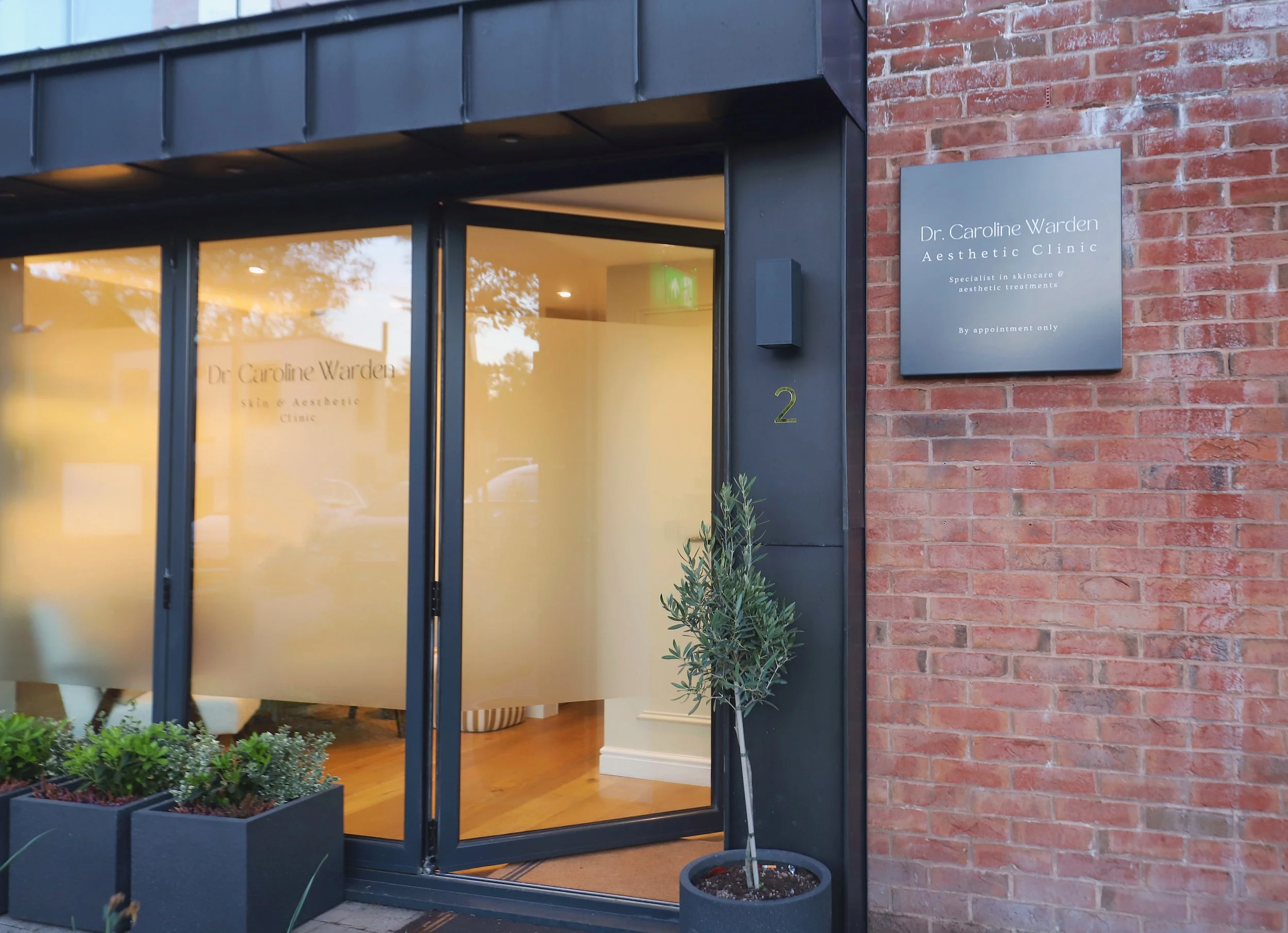
The Most Important Aesthetic Decision You Will Ever Make Has Nothing to Do With Botox
When most people first start researching aesthetic treatments, they usually focus on one question:
"Which treatment should I have?"
Botox?
Skin boosters?
Polynucleotides?
Lip filler?
Sculptra?
But as both an NHS GP and aesthetic doctor, I would argue that there is a far more important question that patients should ask first:
"Who should I trust with my face?"
The reality is that Botox, dermal fillers and other injectable treatments have never been more popular. Yet many people are surprised to learn that aesthetic medicine remains relatively lightly regulated in the UK compared with many other areas of healthcare.
This means treatments can be performed in a huge range of settings by practitioners with very different levels of training, experience and medical knowledge.
As a doctor, I find that quite concerning.
Because whilst most treatments are straightforward, aesthetics is still medicine.
The face contains a complex network of arteries, veins, nerves and muscles. Every injection requires an understanding of anatomy, complications, risk management and patient assessment.
In my opinion, choosing the right clinic matters far more than choosing the latest treatment trend.
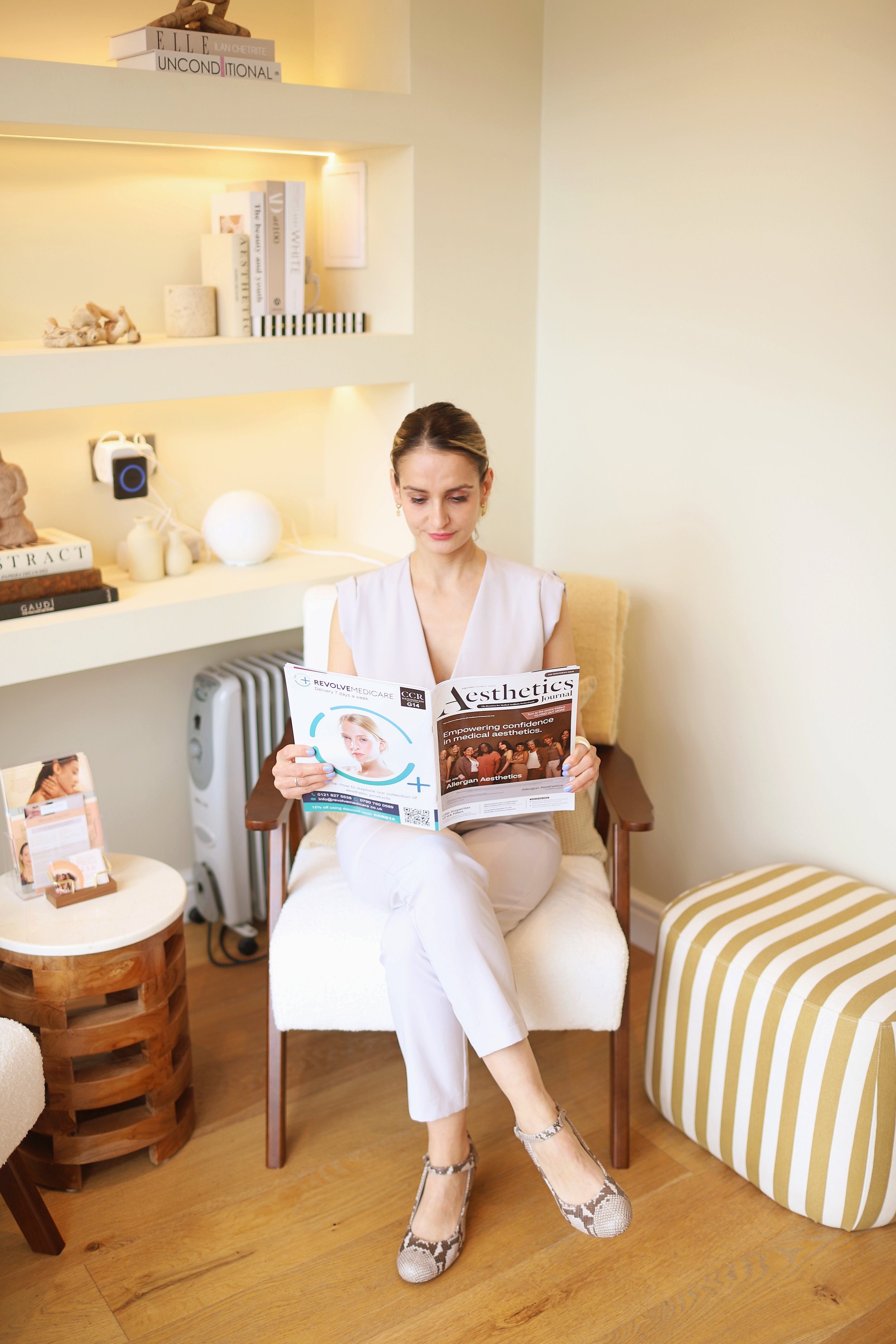
Aesthetic Medicine Is Still Medicine
One of the biggest misconceptions surrounding aesthetics is that treatments such as Botox are simply beauty treatments.
They are not.
Botox is a prescription-only medication in the UK.
That means a qualified prescriber must assess whether treatment is appropriate, safe and medically suitable before the medication can legally be prescribed.
As a GP, I find it surprising how many patients are unaware of this.
Many assume Botox works like buying a beauty treatment from a menu.
In reality, a medical assessment should always come first.
This becomes particularly important if you have:
A neurological condition.
Autoimmune disease.
Previous complications.
Pregnancy or breastfeeding concerns.
Complex facial anatomy.
Previous facial surgery.
A thorough consultation should identify these issues before treatment is ever considered.
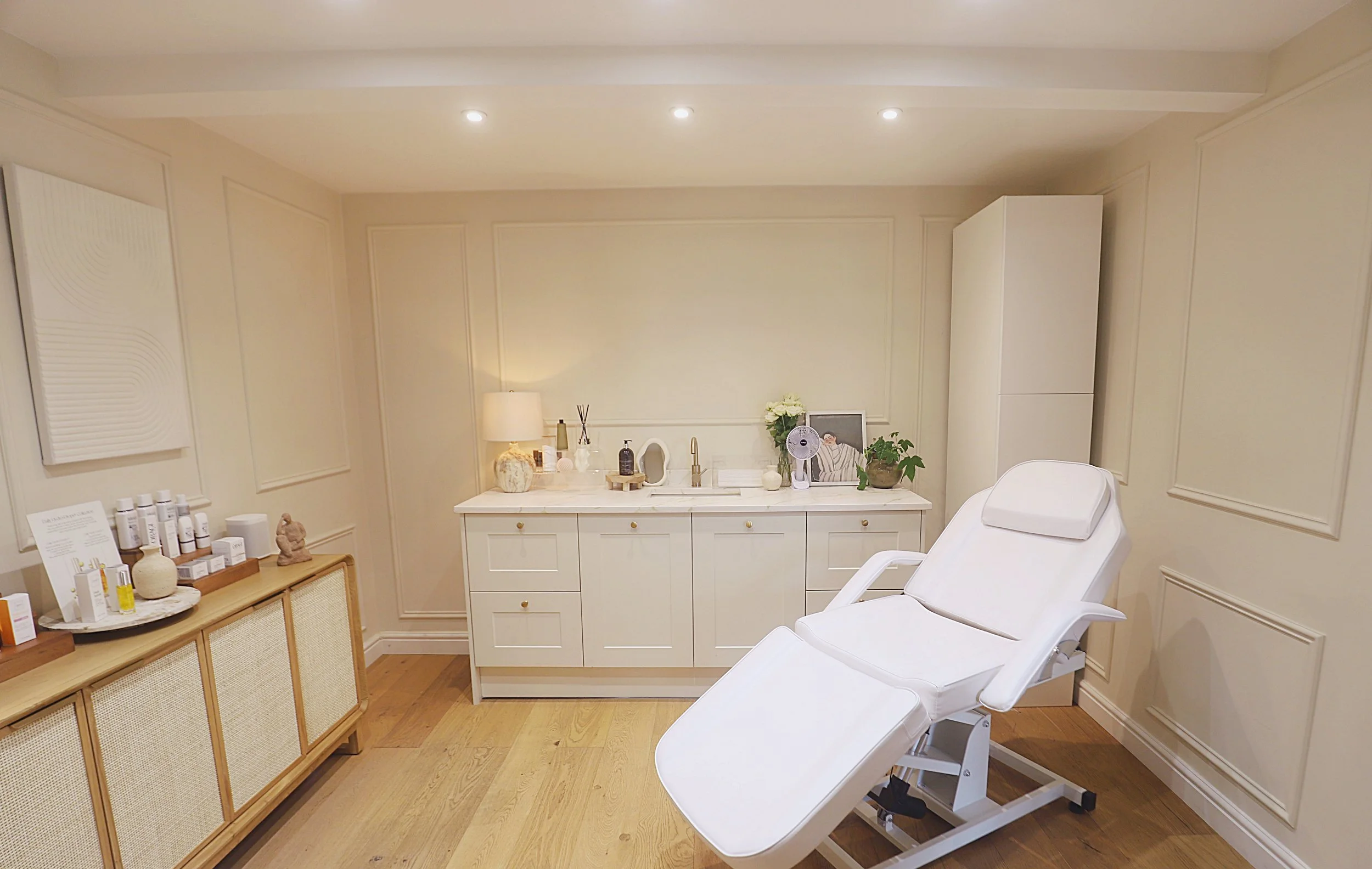
Why Anatomy Matters More Than Most Patients Realise
One of the reasons I enjoy aesthetic medicine so much is because it combines science, artistry and anatomy.
The face is extraordinarily complex.
Every smile, frown and raised eyebrow relies on multiple muscles working together in balance.
Good Botox requires understanding that balance.
Good filler requires understanding blood vessels, tissue layers and facial proportions.
Good regenerative treatments require understanding how the face changes with age.
When patients ask me what separates experienced injectors from inexperienced injectors, my answer is usually simple:
Anatomy.
Because understanding where to inject is only half of the equation.
Understanding where not to inject is often even more important.
The Consultation Should Never Feel Like a Sales Pitch
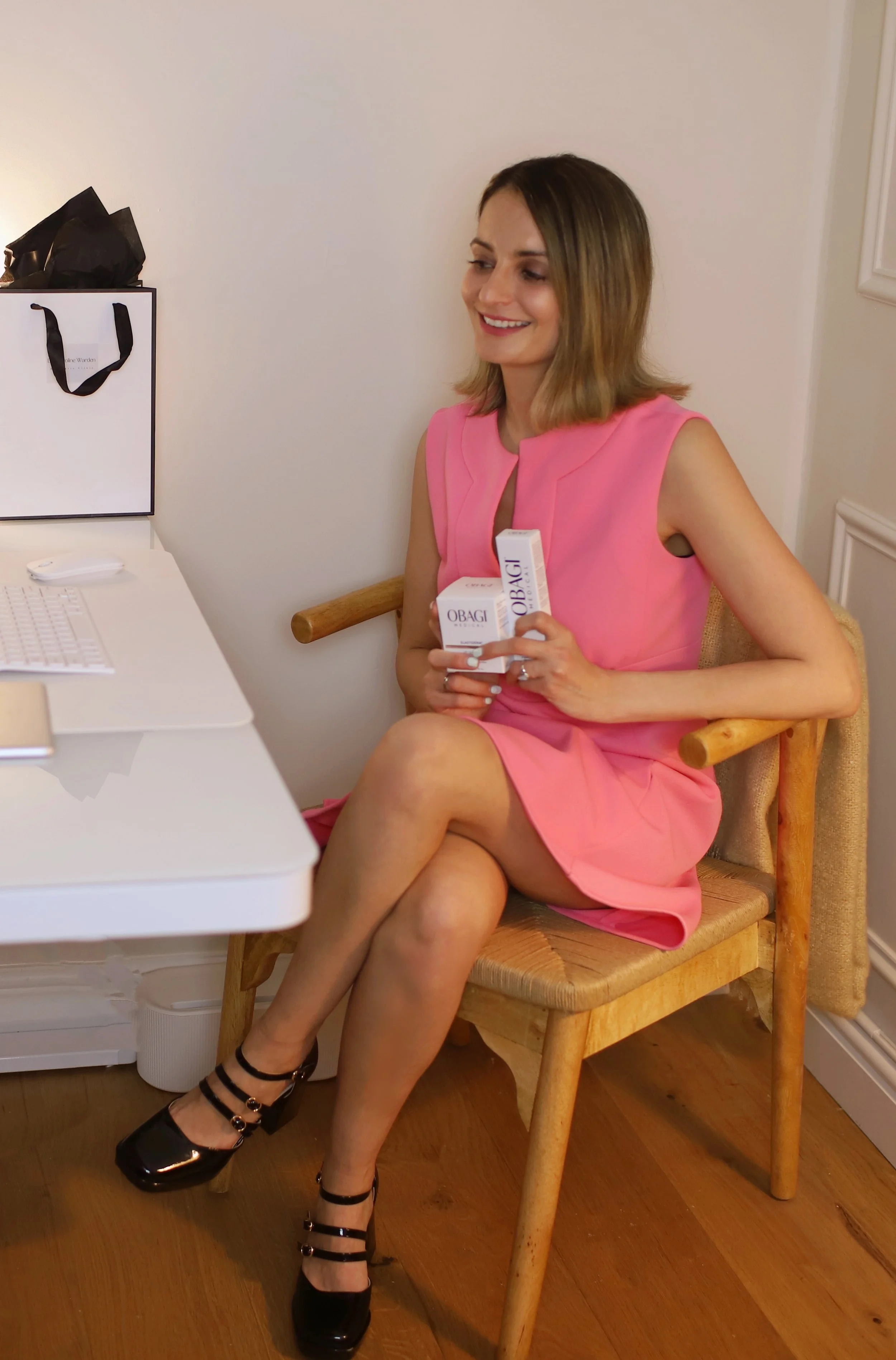
One of the biggest red flags in aesthetics is feeling pressured into treatment.
A good consultation should feel educational, not transactional.
You should leave understanding:
What is bothering you.
Why it is happening.
What treatments might help.
What alternatives exist.
What risks are involved.
And importantly, whether treatment is actually needed at all.
Some of my best consultations end with me recommending no treatment.
That might sound strange for an aesthetic clinic.
But if a treatment is not genuinely in a patient's best interests, I do not believe it should be performed.
Good aesthetic medicine is not about selling treatments.
It is about solving problems safely.
Beware of Clinics That Compete Mainly on Price
As patients, we naturally compare prices.
That is completely understandable.
However, if one clinic is dramatically cheaper than everyone else, it is worth asking why.
Aesthetic medicine involves:
Prescription medications.
Insurance.
Medical training.
Emergency protocols.
High quality products.
Ongoing education.
Professional regulation.
Those things all cost money.
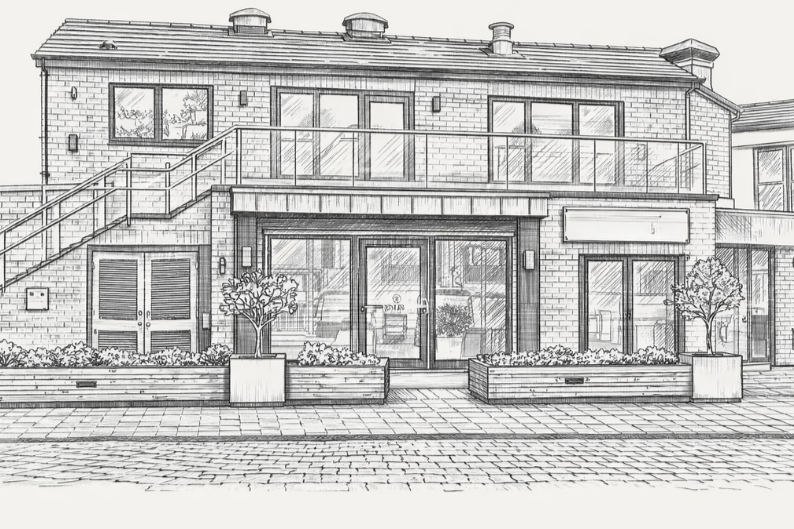
Most patients searching for Botox in Hale, Altrincham or Cheshire are not looking for the cheapest clinic.
They are looking for the safest clinic with results they can trust.
And honestly, I think that is exactly the right mindset.
Look Carefully at Before and After Photographs
One of the easiest ways to understand a clinic's aesthetic philosophy is by studying their results.
Ask yourself:
Do patients still look like themselves?
Can they still smile naturally?
Do they look refreshed rather than transformed?
Would I actually want these results?
Personally, I believe the best aesthetic medicine is often invisible.
The goal should rarely be for somebody to notice you have had treatment.
The goal is usually for somebody to say:
"You look really well."
Why Smaller Doctor Led Clinics Often Feel Different
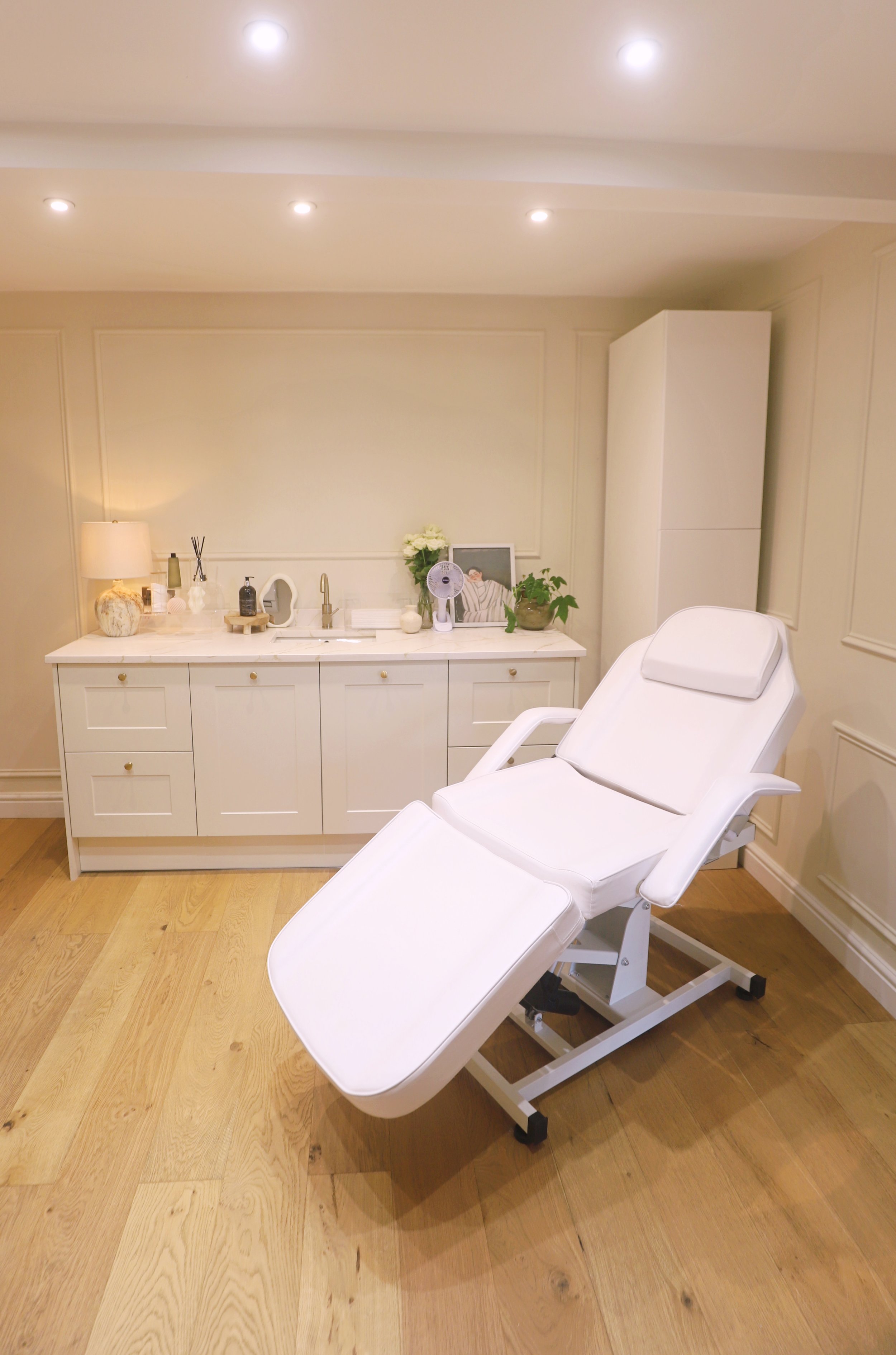
One of the reasons Louise and I created our clinic differently was because we wanted a more personal experience.
We did not want patients being passed between multiple practitioners.
We did not want rushed appointments.
And we certainly did not want patients feeling like they were moving through a production line.
Instead, we wanted to build long term relationships.
Many of our patients have now been with us for years.
We know their faces.
We know their preferences.
We know what worked previously.
And we know when to say no.
In my opinion, continuity of care is one of the most underrated aspects of aesthetic medicine.
A Case Study
A patient recently attended after visiting several clinics offering very different treatment recommendations.
One suggested multiple syringes of filler.
Another suggested several thousand pounds of laser treatments.
A third suggested Botox.
After assessment, the real issue was actually skin quality and early collagen loss.
Her treatment plan ended up being significantly simpler and significantly less expensive than she had anticipated.
Several months later she looked fresher, healthier and more confident.
Importantly, she still looked entirely like herself.
That is always my goal.

Frequently Asked Questions
Should Botox only be performed by doctors?
Not necessarily. There are excellent nurses, dentists and other healthcare professionals working in aesthetics. What matters most is training, experience, safety and appropriate prescribing.
Is a doctor-led clinic safer?
Safety depends on the practitioner, but many patients find reassurance in being assessed and treated by the same medically qualified professional.
What should happen during a Botox consultation?
You should discuss your medical history, goals, risks, alternatives and expected outcomes before treatment is considered.
Are cheap aesthetic treatments a red flag?
Not always, but significantly lower prices should prompt questions about experience, consultation time, product quality and prescribing arrangements.
What is the most important thing to look for in an aesthetic clinic?
Trust. Everything else follows from that.

Book a Consultation
If you are considering Botox, dermal fillers, skin boosters, polynucleotides, Sculptra or other aesthetic treatments, you can book a consultation at Dr Caroline Warden Skin & Aesthetic Clinic in Hale, Cheshire.
As an experienced NHS GP and aesthetic doctor, my focus is always on safety, education and natural looking results. Alongside my sister Louise Devereux, we have created a female led, family run clinic where every treatment begins with a thorough consultation and an honest conversation about what is right for you.
Patients visit us from Hale, Altrincham, Bowdon, Wilmslow, Knutsford, Sale and across Cheshire for bespoke, doctor-led aesthetic care.
