Why as an aesthetic doctor I am Obsessed With the New Obagi Nu Gen NAD+ Serum
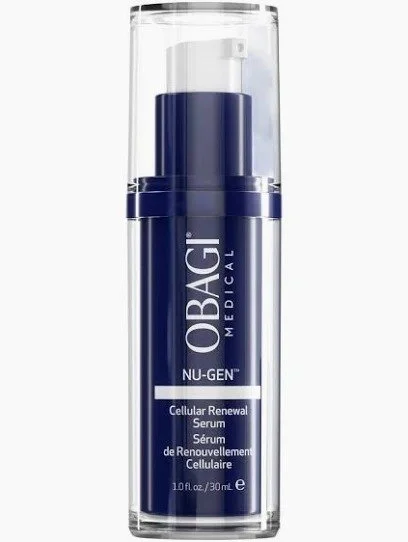
The Science of Skin Longevity Is Finally Catching Up With Skincare!
Every few years, a skincare ingredient arrives that genuinely changes the direction of the industry.
For me, one of the most interesting launches in skincare recently has been the new Obagi Nu Gen NAD+ Serum.
As somebody who spends a huge amount of time reading about skin ageing, collagen biology, longevity medicine and regenerative aesthetics, this product immediately caught my attention because it approaches ageing differently.
Most skincare products focus on treating the visible signs of ageing after they appear.
This serum is attempting to target ageing at a cellular level.
And honestly, I think that is where the future of skincare is heading.
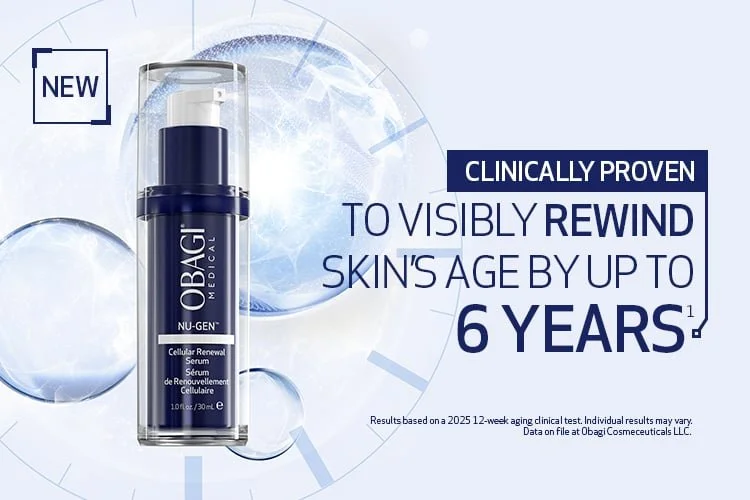
There is good clinical evidence it can rewind skin age by up to 6 years in 12 weeks
At our doctor led aesthetic clinic in Hale, Cheshire, we are seeing increasing interest from patients looking for healthier, stronger, more resilient skin rather than simply wanting quick fixes or harsh resurfacing treatments.
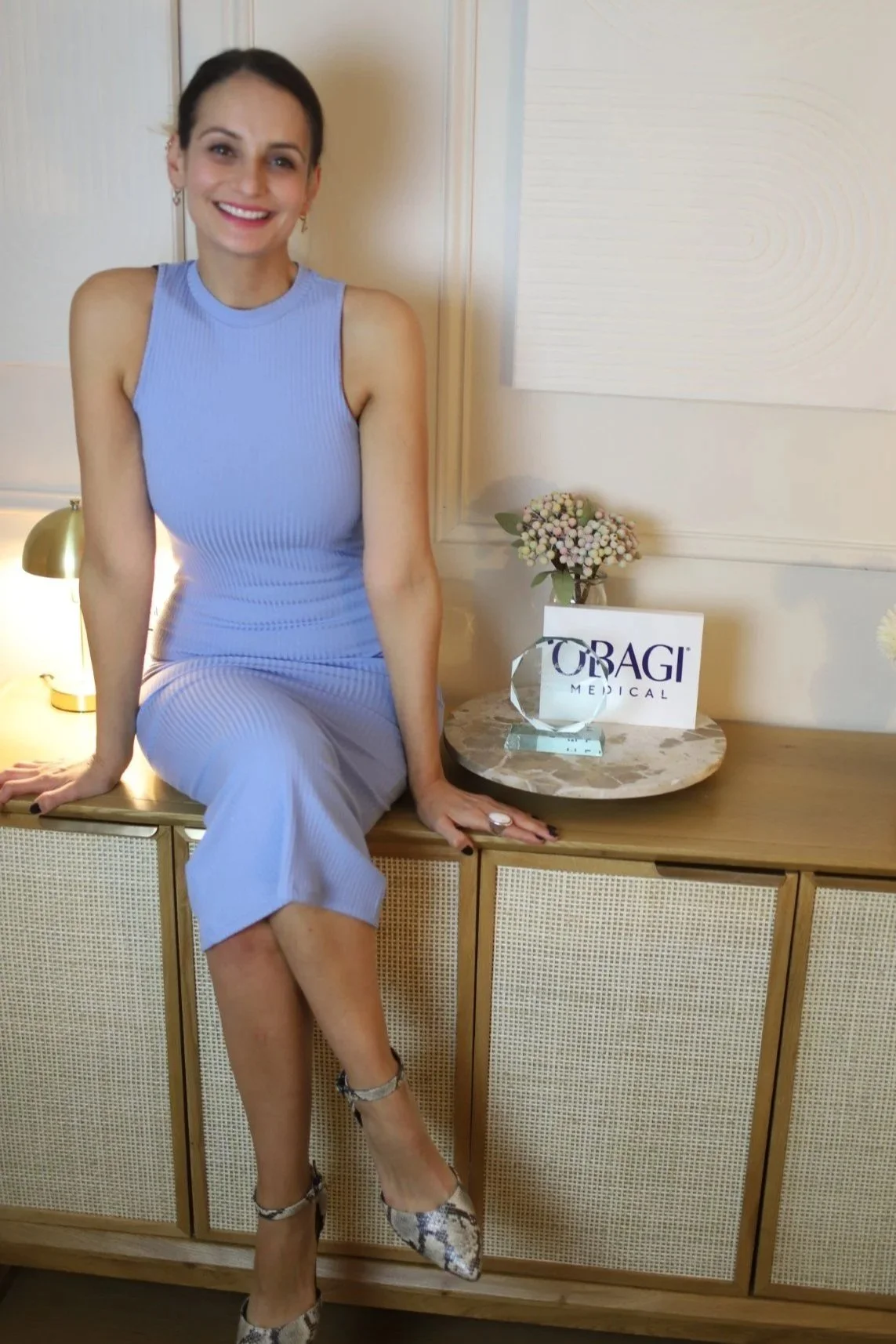
That shift towards skin longevity is one of the reasons why both myself and Louise are proud Obagi Ambassadors.
We genuinely love the science behind the brand, the clinical research, and the long term approach to skin health rather than chasing trends.
A Brief History of NAD+ and Why Longevity Experts Are So Interested In It
NAD+, short for nicotinamide adenine dinucleotide, is not actually a new discovery.
Scientists first identified NAD+ over 100 years ago in the early 1900s during research into cellular metabolism and energy production.
However, interest in NAD+ exploded more recently through longevity research and mitochondrial science.
Researchers discovered that NAD+ levels decline significantly with age, and this reduction appears to be linked with:
• Reduced cellular repair
• Increased oxidative stress
• Slower healing
• Mitochondrial dysfunction
• Collagen decline
• Increased inflammation
• General ageing processes
This is why NAD+ has become such a major topic within longevity medicine, regenerative science and healthy ageing research.
Scientists studying ageing pathways increasingly believe that supporting cellular energy and repair mechanisms may become one of the most important future approaches to skin health and overall ageing.
What Actually Is NAD+?
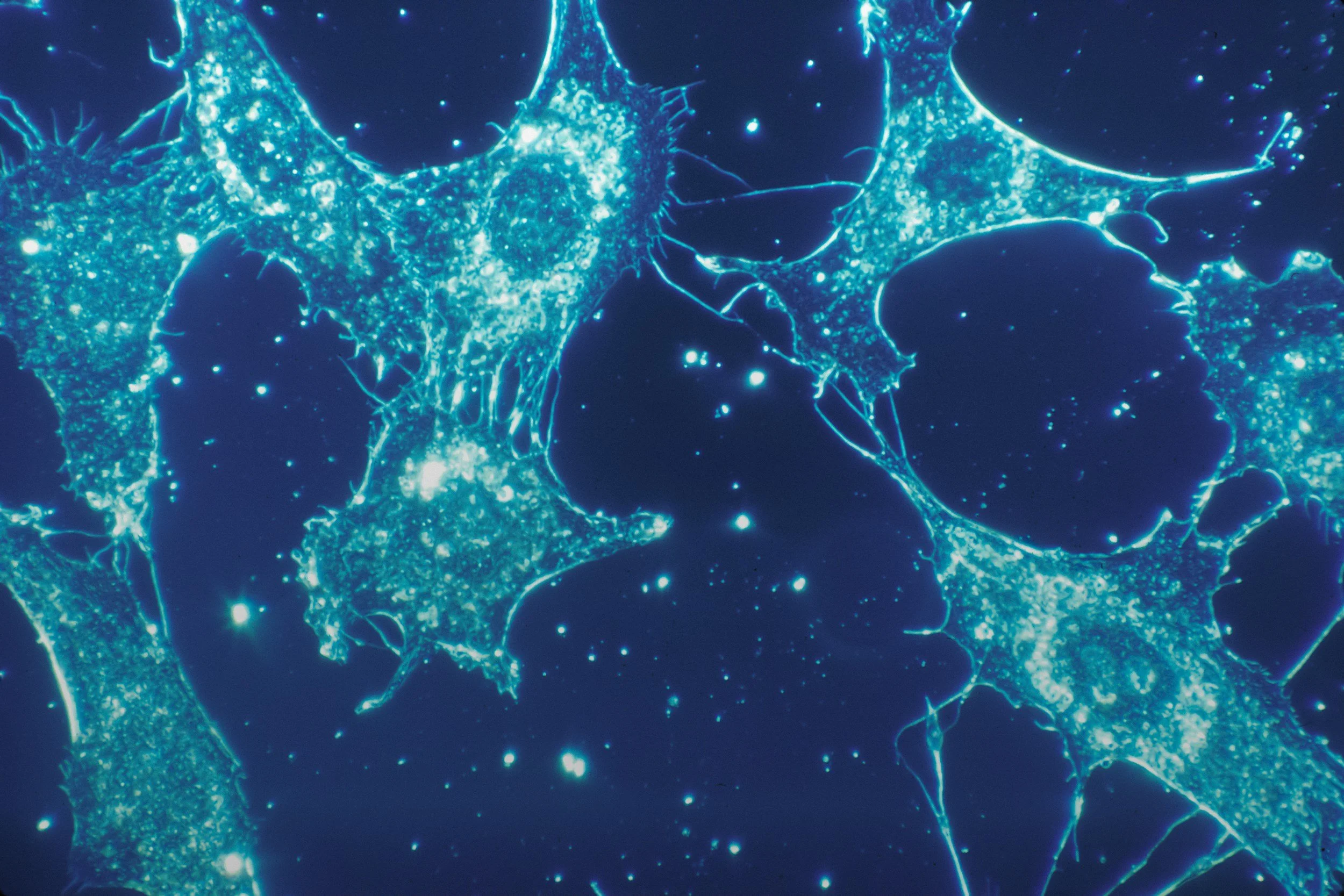
NAD+ is a molecule naturally found within every cell in the body.
It is absolutely essential for:
• Cellular energy production
• DNA repair
• Mitochondrial function
• Cellular communication
• Oxidative stress protection
• Healthy ageing processes
Without NAD+, cells literally cannot function properly.
The problem is that NAD+ levels naturally decline over time.
Research suggests this decline may contribute to many visible features of ageing, including:
• Skin thinning
• Fine lines
• Dullness
• Reduced collagen production
• Slower skin recovery
• Increased sensitivity
• Impaired barrier function
Several published studies in ageing biology have linked declining NAD+ levels with impaired mitochondrial function and reduced tissue repair, which is one reason longevity researchers are so interested in restoring these pathways.
Why This Matters for Skin
Skin ageing is not just about wrinkles.
It is fundamentally about declining cellular function.
Over time, skin cells become less efficient at repairing damage.
Traditional skincare often focuses on exfoliating the skin or temporarily hydrating it.
What is fascinating about NAD+ technology is that it attempts to support the cells themselves.
That is a very different philosophy.
Emerging dermatology research has shown growing interest in topical longevity ingredients that support cellular repair pathways rather than simply resurfacing the skin.
Why I Think Obagi Has Got This Right
There are suddenly many skincare brands jumping onto the NAD+ trend.
However, what reassures me about Obagi is that they tend to invest heavily in formulation science and delivery systems rather than simply chasing trends.
One of the biggest challenges with NAD+ related skincare is stability and penetration.
It is not enough to simply place an ingredient into a bottle and hope for the best.
The formulation has to be capable of actually supporting meaningful skin function.
The Obagi Nu Gen serum is designed around supporting skin longevity and cellular resilience, which aligns very closely with the direction modern regenerative aesthetics is moving towards.
This matters because published skincare research consistently shows that delivery systems and ingredient stability often determine whether advanced actives can meaningfully influence skin biology.
Why I Personally Love It
What I find most interesting about this product is that it is not trying to aggressively peel, inflame or strip the skin.
Instead, it focuses on supporting healthier skin behaviour over time.
That is very much how I approach aesthetic medicine generally.
The texture also feels elegant and sophisticated, which matters more than people realise when it comes to long term consistency with skincare.
Can NAD+ Skincare Help You Tolerate Tretinoin Better?
Possibly, yes, and this is one of the most exciting aspects for me personally.
Tretinoin remains one of the strongest evidence based ingredients for collagen stimulation and skin ageing.
However, many patients struggle with:
• Dryness
• Irritation
• Redness
• Flaking
• Skin barrier disruption
particularly during the first few months of use.
One of the reasons patients stop using tretinoin is because their skin simply becomes too inflamed or irritated.
Products that support barrier repair, cellular resilience and healthier skin function may help improve tolerance alongside tretinoin routines.
While NAD+ serum is not a replacement for tretinoin, I increasingly see it as part of a more modern, balanced approach to skincare.
Instead of aggressively stripping the skin, we are increasingly trying to support healthier skin behaviour overall.
At our Hale clinic, many patients are now combining:
• Tretinoin
• Obagi Nu Gen NAD+ Serum
• Barrier repair skincare
• LED therapy
• Polynucleotides
• Microneedling
• Regenerative treatments
to achieve healthier skin with less inflammation and irritation.
Who I Think This Product Is Particularly Good For
In my opinion, this type of skincare is especially exciting for patients who are noticing:
• Early skin ageing
• Dullness
• Loss of glow
• Skin fatigue
• Fine lines
• Reduced skin resilience
• Post inflammatory damage
• Perimenopausal skin changes
• Tretinoin irritation
• Compromised skin barrier
I also think it pairs beautifully with regenerative aesthetic treatments such as:
• Microneedling
• Polynucleotides
• Biostimulators
• LED therapy
• Skin boosters
because all of these treatments are ultimately trying to improve skin function and regeneration.
Why Patients Across Hale, Altrincham and Cheshire Are Interested in Skin Longevity

At our clinic in Hale, we are seeing growing numbers of patients searching for:
• Obagi Hale Cheshire
• NAD+ serum UK
• Skin longevity skincare
• Regenerative skincare
• Obagi ambassador clinic Cheshire
• Tretinoin support skincare
• Doctor led skincare clinic Hale
• Anti ageing skincare Hale
• Healthy ageing skincare Cheshire
Patients are becoming far more educated about skin health.
They increasingly understand that beautiful skin is not simply about quick fixes or aggressive treatments.
It is about supporting the skin long term.

Frequently Asked Questions
What does NAD+ do in skincare?
NAD+ supports cellular energy production and repair processes within the skin. Declining NAD+ levels are associated with ageing and reduced skin resilience.
Is Obagi Nu Gen suitable for sensitive skin?
Many patients with sensitive skin tolerate the range well, although individual responses vary and patch testing is always sensible.
Can I use NAD+ skincare with tretinoin?
Yes, in many cases they can complement each other very well. Supporting the skin barrier may help some patients better tolerate tretinoin routines.
Is this product anti ageing?
I prefer the term healthy ageing or skin longevity. The goal is healthier, more resilient skin rather than chasing unrealistic perfection.
Is NAD+ scientifically proven?
NAD+ itself is extremely well studied within cellular biology and longevity science. Topical skincare applications are newer and continue to evolve, although early published research into cellular repair and skin resilience is encouraging.
Is Obagi medical grade skincare?
Obagi is widely regarded as one of the leading physician dispensed skincare brands and is commonly recommended by aesthetic doctors and dermatology professionals worldwide.
Can this help menopausal or perimenopausal skin?
Potentially yes. Many patients experiencing hormonal skin changes are looking for ways to improve skin resilience, hydration and collagen support.
Final Thoughts
I genuinely think NAD+ technology is going to become one of the biggest topics in skincare and longevity medicine over the next few years.
Will one serum completely reverse ageing? No, but I do think supporting healthier cellular function is a far more intelligent approach than simply trying to aggressively “fight wrinkles.”
Book a consultation

If you are interested in personalised skincare advice, regenerative aesthetics, tretinoin guidance or healthy ageing treatments, consultations are available at Dr Caroline Warden Skin & Aesthetic Clinic in Hale, Cheshire.
Dr Caroline Warden is an experienced NHS GP and advanced aesthetic doctor with a strong interest in skin longevity, regenerative medicine and evidence based skincare. Alongside her sister Louise Devereux, Creative Director and Patient Coordinator, they have created a female led, family run clinic focused on helping patients achieve natural, healthy and refreshed skin in a safe and welcoming environment.
Both Caroline and Louise are proud Obagi Ambassadors and are passionate about combining medical grade skincare with regenerative aesthetic treatments to support long term skin health.
Website: https://www.drcarolinewarden.co.uk
Further Reading
If you found this useful, these related articles from the clinic explore skin longevity, medical grade skincare and the treatments that pair with it.
- Why I'm Obsessed with Tretinoin: The Gold Standard of Skincare
- The Story of NAD Supplements: The Science and Why I Recommend Nuchido Time+
- Do Eyelash and Eyebrow Serums Actually Work? My Honest Results with Obagi Nu-Cil
- Why I Combine Polynucleotides With Skin Boosters for Exceptional Skin Results
Explore the approach: medical grade skincare and Obagi in Hale, Altrincham and Cheshire
