Polynucleotides in Hale: What They Are, How They Work and Who They Suit
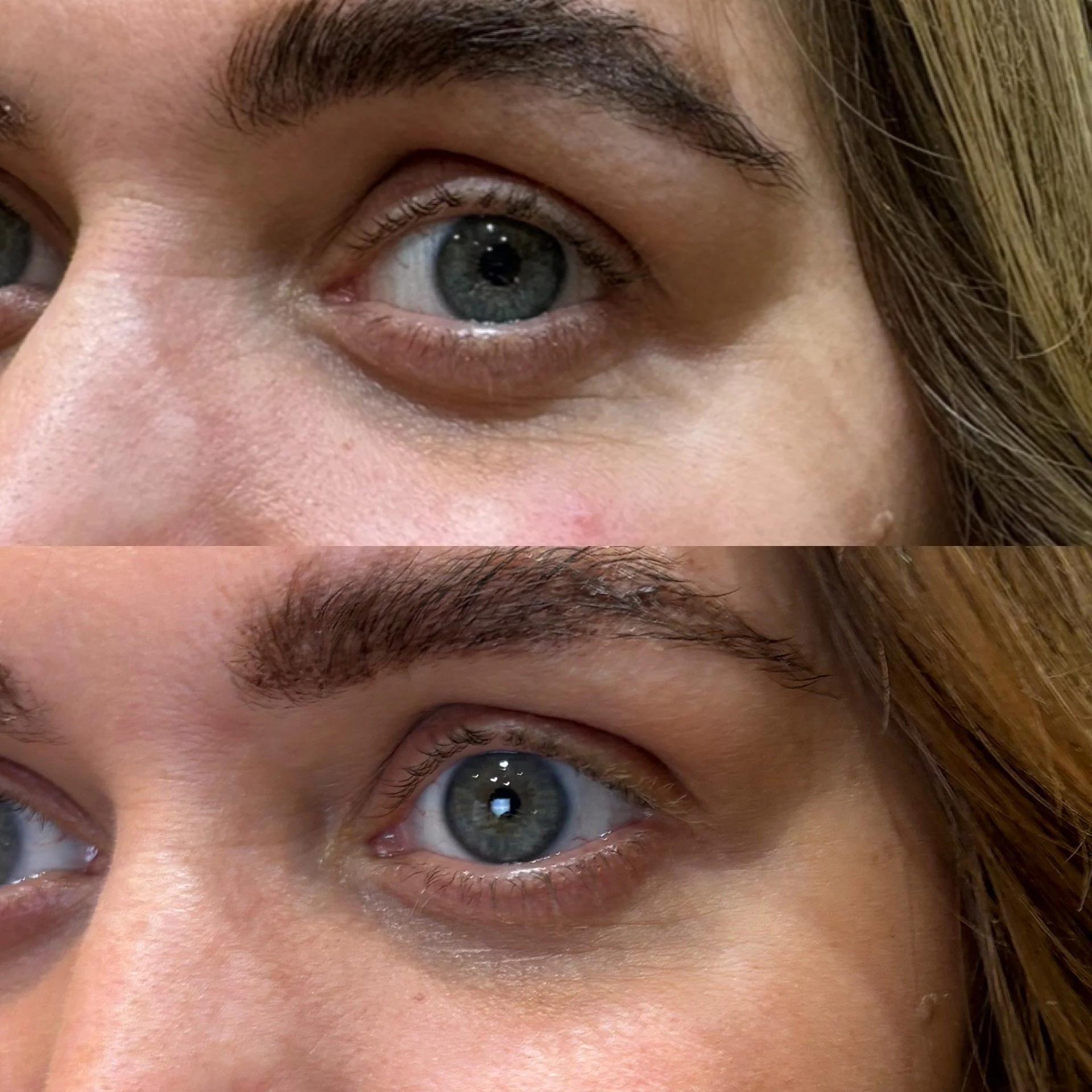
Polynucleotides have quickly become one of the most requested treatments in my clinic, and one of the most misunderstood. Patients often arrive assuming they are simply another skin booster, or confuse them with dermal filler. They are neither. As an NHS GP and aesthetic doctor in Hale, I want to explain, without the marketing language, what polynucleotides actually are, what the evidence says they can and cannot do, and who tends to benefit most.
In this article:
- What Are Polynucleotides?
- How Do They Work?
- Polynucleotides vs Fillers vs Skin Boosters
- What Can They Help With?
- What Does Treatment Involve?
- Are They Safe?
- Who Are They For?
- The Bottom Line
What Are Polynucleotides?
Polynucleotides are highly purified fragments of DNA, most commonly derived from salmon or trout. Once purified and processed for medical use, they are fully biocompatible with human tissue, which is why the safety profile in clinical use has been favourable. In my clinic I use Plinest, a polynucleotide product manufactured by the Italian company Mastelli, which is CE marked as a class III medical device and has one of the larger published safety and performance datasets among the polynucleotide brands available in the UK.
The key distinction worth understanding is this: polynucleotides do not add volume and they do not relax muscles. They work by improving the skin's own capacity to repair and regenerate itself. That single difference explains almost everything else in this article.
How Do Polynucleotides Work?
Once injected into the skin, polynucleotides act as a biostimulant. They encourage fibroblasts, the cells responsible for producing collagen and elastin, to become more active. They also improve the skin's water holding capacity, support microcirculation, and appear to have a mild anti-inflammatory effect on the surrounding tissue. Over a course of treatment, the practical result is skin that looks firmer, more hydrated and more resilient, rather than skin that looks "done".
Think of polynucleotides as improving the skin's own repair machinery, rather than adding structure or hydration from the outside.
This regenerative mechanism is also why results build gradually rather than appearing immediately, and why a course of sessions, rather than a single treatment, is needed to see the full effect.

Polynucleotides vs Dermal Fillers vs Profhilo and Skin Boosters
I am asked most often how polynucleotides compare to dermal filler and to hyaluronic acid skin boosters such as Profhilo. All three are injectable, but they work in genuinely different ways.
| Treatment | Main Action | Best For | Typical Downtime |
|---|---|---|---|
| Dermal fillers (hyaluronic acid) | Adds volume and structural support | Restoring lost volume in the cheeks, lips or jawline | Mild swelling or bruising for a few days |
| Profhilo and HA skin boosters | Delivers a high dose of hyaluronic acid for hydration | Improving hydration, elasticity and overall glow | Minimal, small blebs that settle within a day or two |
| Polynucleotides (Plinest) | Stimulates the skin's own collagen, elastin and repair processes | Improving skin quality, tone and resilience over time | Minimal, small blebs and mild tenderness for a few days |
In practice, these treatments are not competing with one another so much as answering different questions. Filler answers "where has volume been lost?" Profhilo answers "how do I get more hydration and glow?" Polynucleotides answer "how do I improve the underlying quality and resilience of my skin?" Many of my patients combine two or three of these as part of a bespoke plan, rather than relying on one treatment alone.
What Can Polynucleotides Help With?
- Fine lines and early signs of ageing, particularly around the cheeks and lower face
- Dull, tired looking skin that has lost its bounce and radiance
- Skin laxity following rapid weight loss, including changes some patients describe as Mounjaro face
- Menopausal and perimenopausal skin changes, when declining oestrogen accelerates collagen loss
- The delicate under eye area, where filler is not always the right choice
- Acne scarring and overall skin texture, often alongside microneedling
- The neck and décolletage, areas that are frequently neglected in a skincare routine
What Does Treatment Involve?
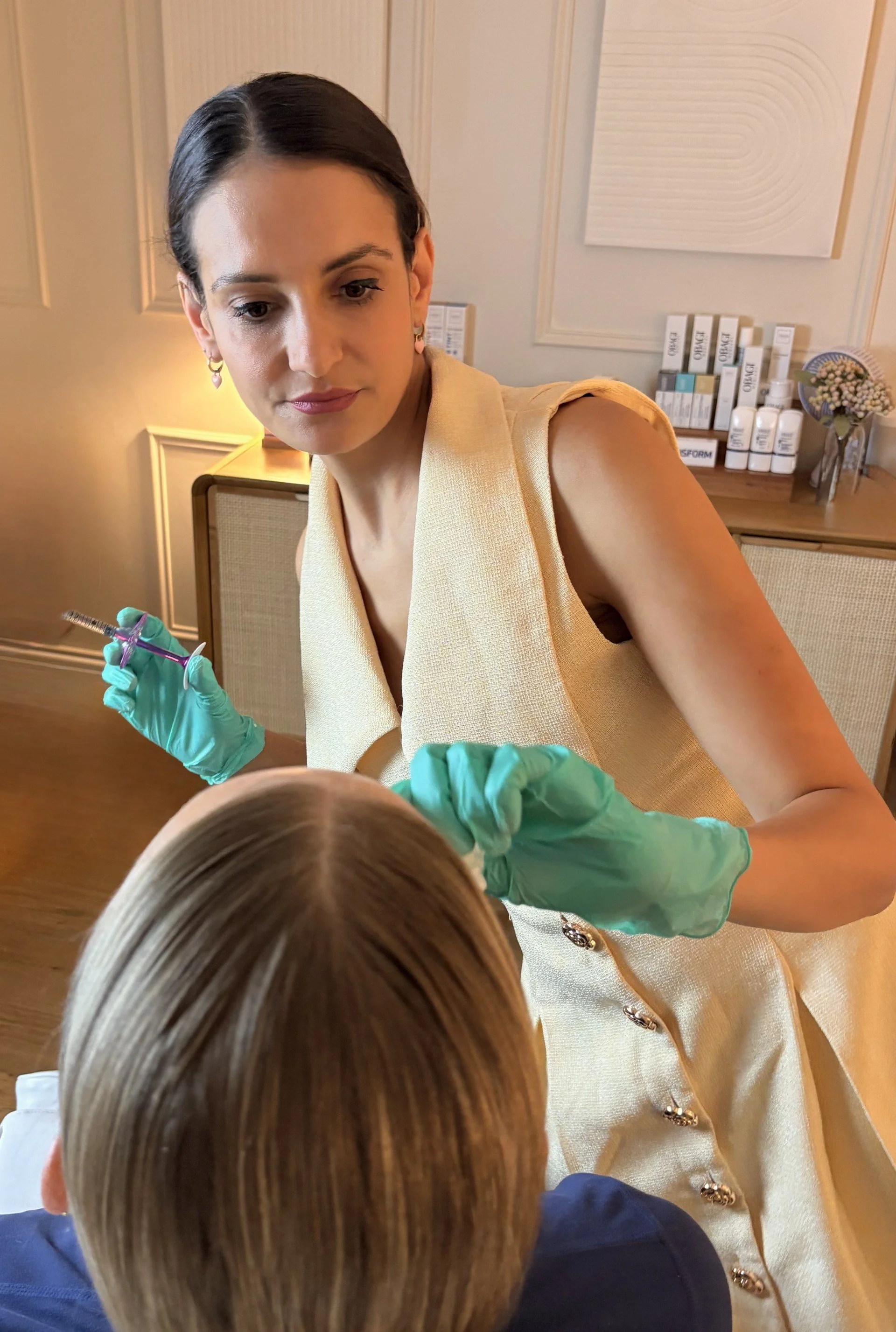
Every treatment starts with a full consultation, so I can understand your skin, your goals and your medical history before recommending anything. Polynucleotides are then injected using a very fine needle, in small, superficial injections across the treatment area. In my clinic, this is typically delivered as a course of three induction sessions spaced three to four weeks apart, with full results usually visible around three months after the course is completed. Most patients then have a maintenance session roughly every six months to sustain results.
Immediately after treatment, small raised blebs at the injection points are normal and expected. These usually settle within a few days, along with any mild swelling, tenderness or pinpoint bruising. You can read more about current pricing and what a course involves on our polynucleotides treatment page.
Are Polynucleotides Safe?
When performed by a qualified, medically regulated practitioner using a CE marked, medical grade product, polynucleotides have a good safety profile. As with any injectable treatment, there are risks, including bruising, swelling, and rarely infection or lumps, which is why choosing a doctor led clinic and having a proper consultation matters more than the product name on the box. A thorough medical history helps identify anyone for whom the treatment would not be appropriate.

Who Are Polynucleotides For?
If You're Noticing Early Signs of Ageing
If your main concern is skin quality rather than lost volume, polynucleotides are often a better starting point than filler, particularly if you want results that build gradually and look entirely natural.
If You've Experienced Rapid Weight Loss or "Mounjaro Face"
Rapid fat loss can leave skin looking thinner and less supported. Polynucleotides help rebuild the skin's own structural quality, and are often combined with Sculptra when more volume support is also needed.
If You're in Perimenopause or Menopause
Falling oestrogen accelerates collagen loss, which is one reason many women feel their skin has changed faster than expected during this stage of life. Polynucleotides directly target that collagen decline.
If You're Concerned About the Under Eye Area
The skin under the eyes is thin and delicate, and not always well suited to filler. Polynucleotides can improve crepiness and quality in this area with a lower risk profile.

The Bottom Line
Polynucleotides are not a replacement for dermal filler or anti-wrinkle injections, and they are not a quick fix. What they offer is something different: a way of improving the skin's own ability to repair and regenerate itself, with a strong safety profile and results that look like well rested, healthy skin rather than "treatment". As with any aesthetic treatment, the right choice depends on your individual skin, goals and medical history, which is why I always start with a full consultation rather than a one size fits all protocol.
Further Reading
- Why Collagen Declines, and the Treatments That Actually Stimulate It
- Why I Combine Polynucleotides With Skin Boosters for Exceptional Skin Results
- Profhilo vs Skin Boosters: Which Treatment Is Best for You?
- Polynucleotides for Menopausal and Perimenopausal Skin
- Polynucleotides in Hale, Altrincham, Treatment Page
References
- Lampridou M, et al. The Effectiveness of Polynucleotides in Esthetic Medicine: A Systematic Review. Journal of Cosmetic Dermatology, 2025.
- Polynucleotides in Aesthetic Medicine: A Review of Current Practices and Perceived Effectiveness. International Journal of Molecular Sciences, 2024.
- A Real-Life Assessment of Injectable Polynucleotides High Purification Technology in Aesthetic Medicine for Skin Rejuvenation.