Juvelook
Doctor-Led treatments in Hale, Altrincham & Cheshire
If the skin under your eyes has become thin, crepey and shadowed, and you have been told that filler is the only option or that nothing can be done, Juvelook is the treatment I now reach for at my clinic in Hale, near Altrincham. It is not a filler and it does not fill the hollow. It is a collagen stimulator, injected as a fine liquid beneath the thin skin of the lower lid, where over two to three months it thickens and smooths the skin itself so that less of the dark muscle and vessels beneath shows through.
Juvelook arrived in the UK in 2025 and very few clinics in Cheshire offer it yet. I have never offered tear trough filler and this is one of the few injectable treatments I have been happy to use around the eyes.

I am Dr Caroline Warden, an NHS GP with over nineteen years of clinical experience, an independent prescriber and a Level 7 qualified aesthetic doctor trained at Harley Academy, practising aesthetic medicine since 2017. Every Juvelook consultation, treatment and review at the clinic is carried out by me personally. I place it with a cannula, which takes about a minute for each eye, needs no local anaesthetic and feels, in most patients' words, like cool water running under the skin. The clinic was named Best Doctor Led Aesthetic Clinic in Cheshire 2026 by GHP.
Good to know
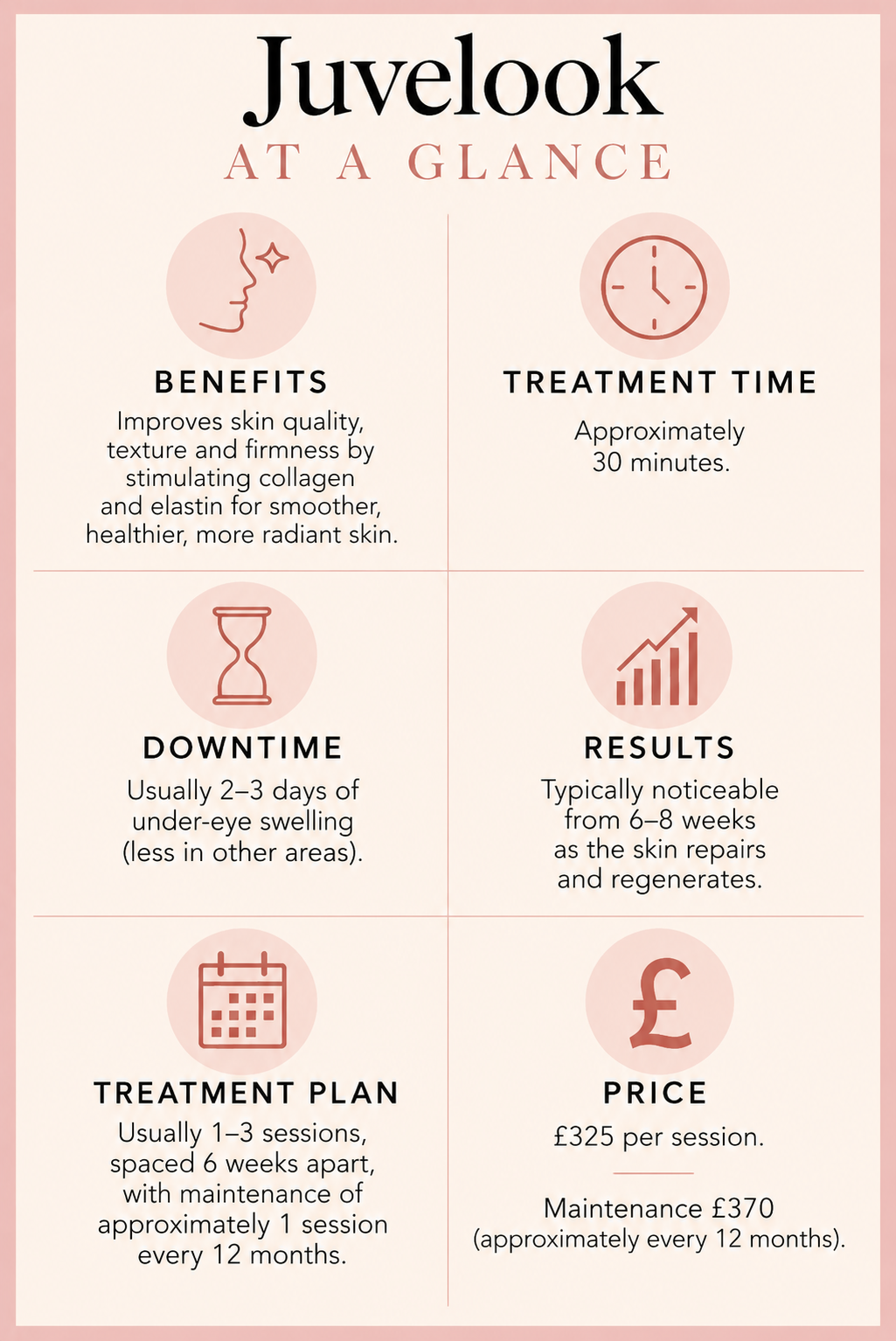
A course of two to three sessions about six weeks apart, then a single maintenance session roughly once a year. Cannula technique, about a minute per eye, no local anaesthetic needed. Expect swelling for at least one to two days. Results build over two to three months after the course. £325 per session, £370 for maintenance.
On this page:
- What is Juvelook and how does it work?
- What does the evidence show?
- What can Juvelook treat?
- Juvelook for under eyes
- Juvelook vs polynucleotides, Profhilo and tear trough filler
- Why I chose Juvelook, and why I use a cannula
- What to expect at your appointment
- Results, course and how long they last
- Safety and suitability
- Prices
- Frequently asked questions
What is Juvelook and how does it work?
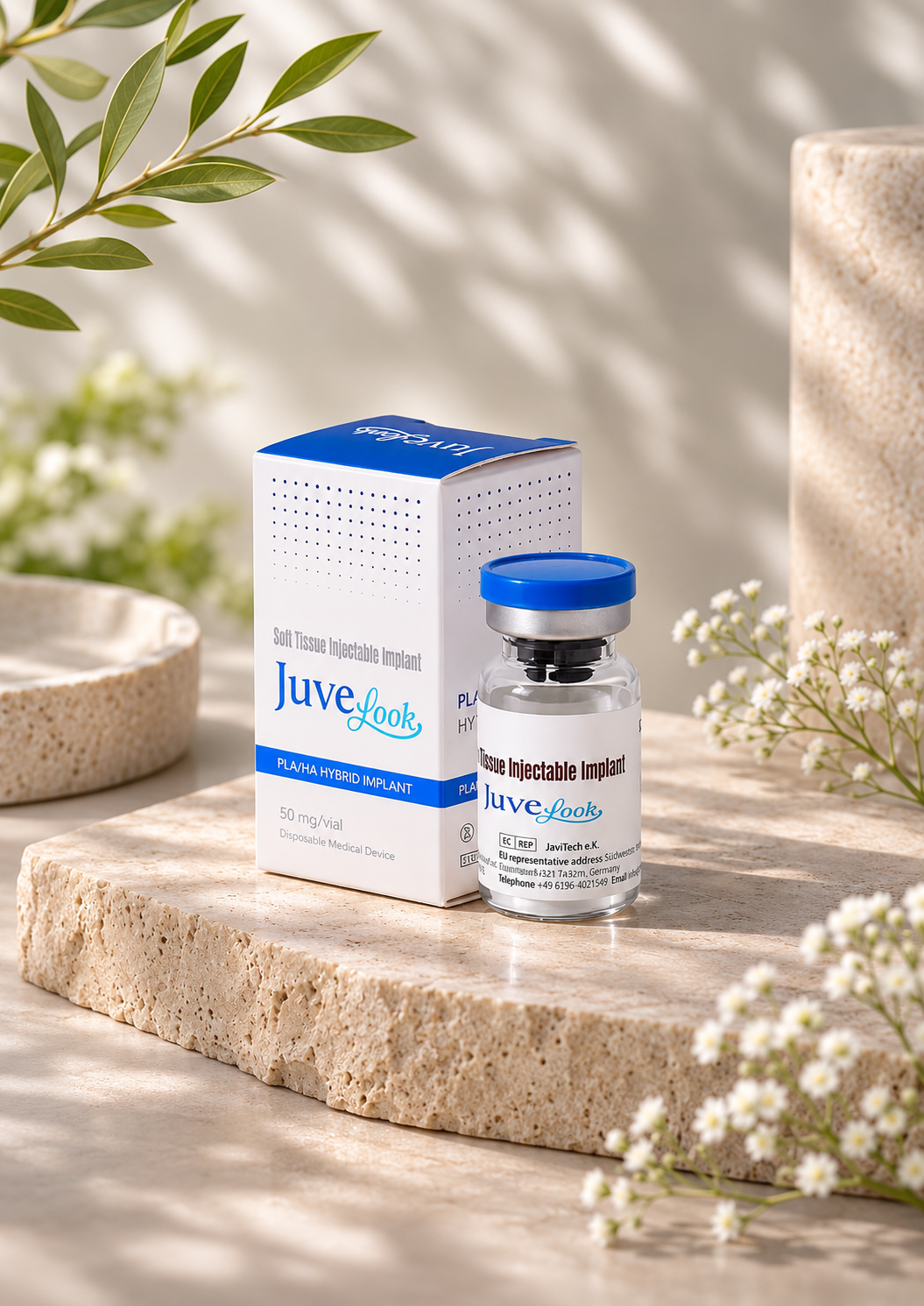
Juvelook is made by VAIM in South Korea and came to the UK in 2025 through Fillmed UK. Each vial contains 42.5 mg of poly D,L lactic acid (PDLLA) and 7.5 mg of uncrosslinked hyaluronic acid, supplied as a powder and reconstituted into a liquid before use. PDLLA is a close relative of the poly L lactic acid in Sculptra, which I have used for years: both are biodegradable polymers of lactic acid that the body treats as a gentle foreign body and responds to by laying down new collagen around each microscopic particle. PDLLA differs in being amorphous rather than crystalline, with small, smooth, porous particles, and it breaks down faster than PLLA, which is why it can be used in thin, delicate skin where a firmer, longer lasting particle would be unwise.
The hyaluronic acid in Juvelook is the free, uncrosslinked form, not the gel used in fillers. It carries the particles, hydrates the skin and helps the product spread evenly in a thin layer. So nothing is filled and no volume is added. The skin itself improves: thickness, elasticity, fine lines and the translucency that lets the tissue beneath show through. Over the following months the particles are broken down into lactic acid and cleared, and what remains is your own new collagen.
What does the evidence show?
I am enthusiastic about Juvelook and precise about what the research supports, because it is new to the UK and the published evidence is early. The main clinical study of Juvelook itself treated 16 patients aged 33 to 62 with two or three sessions, assessed by two blinded dermatologists. Fine wrinkle scores improved from a mean of 6.25 to 3.88 on a ten point scale, skin texture from 6.75 to 4.00 and uneven pigmentation from 7.38 to 4.38, and skin biopsies showed increased collagen and thicker elastic fibres in the dermis. Half the patients rated their own improvement at more than 50 per cent, temporary redness was the main side effect, and there were no serious adverse events. The study was funded by the manufacturer (Seo et al, 2024).
"Injectable dermal PDLLA could significantly rejuvenate skin without causing serious adverse events."
Seo SB, Park H, Jo JY, Ryu HJ, Journal of Cosmetic Dermatology, 2024
For the under eye area specifically the evidence comes from PDLLA more broadly. A 2025 case series in the Journal of Cosmetic Dermatology treated the lower eyelids of women aged 36 to 54 with diluted PDLLA through a cannula, a maximum of 1 ml per side, and followed them for six months: hollowness and crepiness improved, with only mild swelling and bruising that settled within 48 hours (Wan et al, 2025). An earlier series described more than 100 patients treated under the eyes with diluted PDLLA in a fanning pattern, with only mild, transient swelling, redness and bruising (Lin and Lin, 2022). A 2024 review in Polymers summarised the mechanism: PDLLA activates fibroblasts and shifts the local immune response towards repair, with new collagen peaking around twelve weeks after treatment (Lee et al, 2024).
Dr Caroline's note
Here is how I describe Juvelook to patients: a collagen stimulator with early but consistent evidence, no serious adverse events in the published studies, and results that are real, gradual and natural. What the evidence does not yet include is a large randomised trial, follow up beyond a year, or much data in fair European skin. There are also published case reports of nodules under the eye where PDLLA was placed too superficially or too concentrated, which is exactly why dilution, depth and the hands doing the injecting matter here more than anywhere else on the face. I would rather you knew all of that before you booked.

What can Juvelook treat?
Juvelook for under eyes
The skin below the eye is the thinnest on the body, with almost no fat beneath it and the dark orbicularis muscle and a dense network of vessels directly underneath. Four different things produce "dark circles": pigment in the skin, visible vessels and muscle through thin skin, a true hollow where the cheek has dropped away, and shadow cast by a puffy fat pad. Filler addresses only one of them, and in thin skin it tends to sit visibly, draw in water and produce the puffy ridge that so many people now come to me to have dissolved. Juvelook targets the second cause, the thin, crepey, translucent skin, which in my experience is the commonest one in women from their late thirties onwards.
Most tired looking eyes are a mix of two or three of these, which is why I assess in good light, stretch the skin to separate pigment from translucency and check the cheek and fat pads before I recommend anything, and why I never plan an under eye treatment from a photograph.
Juvelook vs polynucleotides, Profhilo and tear trough filler
Patients ask which is "best". They are different tools, and the right one depends on what is actually causing the change you have noticed.
Why I chose Juvelook, and why I use a cannula
Before any injectable comes into my clinic I want to know who makes it, what it contains, how it is regulated and what the evidence says. Juvelook is a CE marked medical device from an established Korean manufacturer, it is the most studied of the PDLLA and hyaluronic acid combinations, and it is the first product I have found that lets me improve the skin under the eyes without placing a gel there. I had been turning people away from under eye treatment for years, because the one thing on offer was the one thing I would not do. Juvelook changed that.
The technique matters as much as the product in this area. I use a cannula: a tiny pilot needle makes a single entry point on each side, and the fine, blunt ended cannula is then fanned beneath the skin in a thin, even layer. It avoids the vessels a needle might hit, it means two entry points rather than dozens of punctures, and it places the product at exactly the depth where it works and away from the surface where nodules form. It takes about a minute for each eye, and no local anaesthetic is needed. Beyond the scratch of the pilot needle, most patients describe the sensation as cool water running under the skin.
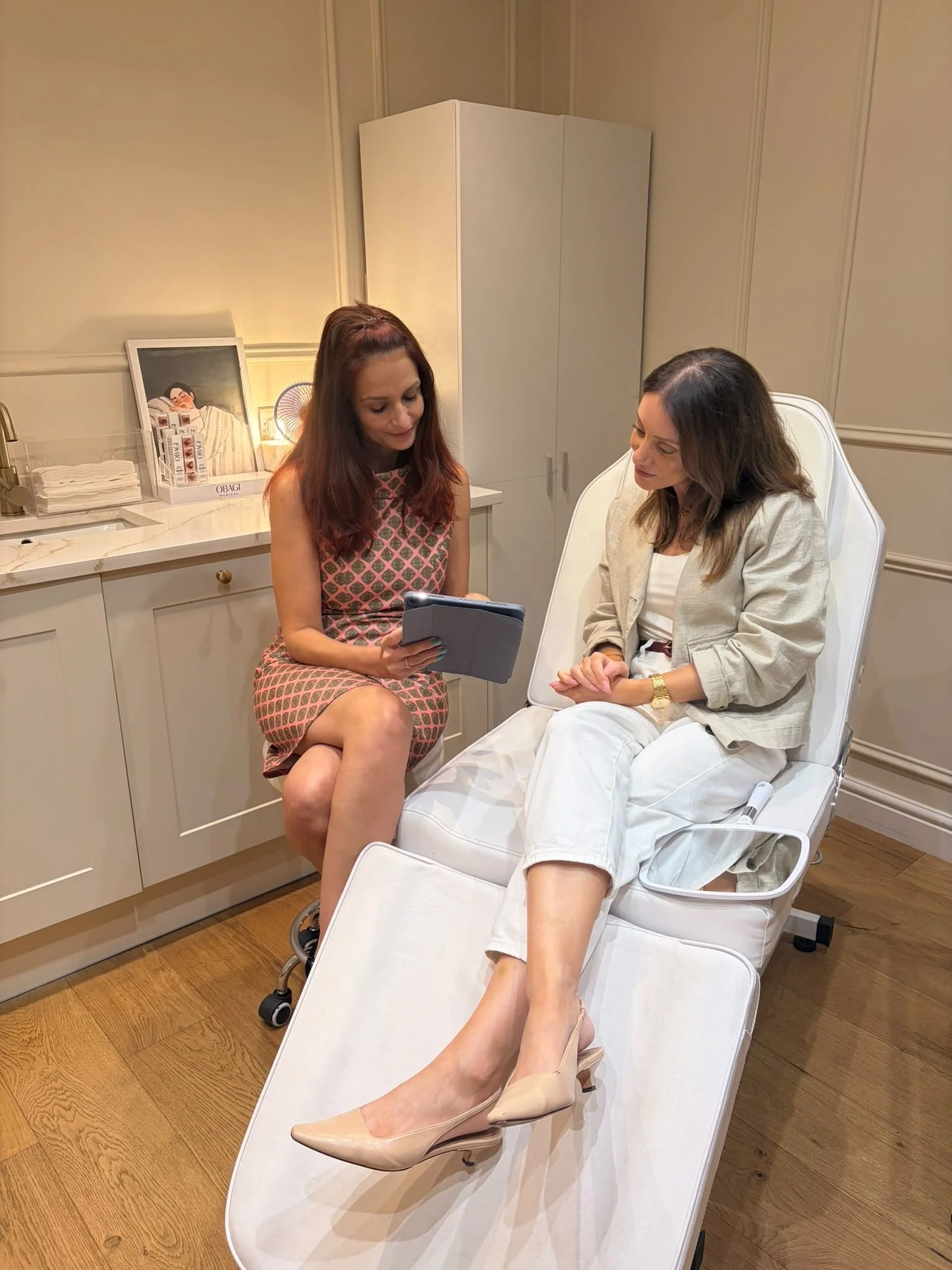
What to expect at your appointment
Good to know
Expect swelling for at least one to two days, most noticeable on the first morning, with possible bruising and small temporary bumps along the treated line that settle within days. Do not massage the area. For 48 hours avoid rubbing, strenuous exercise, heat, saunas, alcohol and make up over the entry points, and sleep with your head raised. Continue daily SPF. Plan your first session at least two weeks before an event.
Results, course and how long they last
Safety and suitability
The common effects are the ones you would expect from any injection under the eye: swelling for at least one to two days, a risk of bruising, which is higher here than anywhere else on the face because of the vessels close to the surface, and redness for a day or two. A cannula reduces but does not remove the bruising risk. Small temporary bumps along the treated line can occur and settle within days.
The uncommon risks are specific to collagen stimulators in this area. Nodules, small firm lumps appearing weeks later, have been reported after PDLLA under the eye, generally where the product was too concentrated or placed too superficially; the published cases responded to treatment but took time. I minimise that risk by diluting generously, placing the product in a thin even layer beneath the dermis rather than within it, limiting the volume per side, and asking you not to massage afterwards. As with any injectable near the eye there is a very small risk of injecting into a blood vessel, which is why I use a blunt cannula rather than a needle, inject slowly, and keep the emergency medicines to manage it in clinic. Because I am the only person who treats you, the person assessing any concern afterwards is the person who knows exactly what was placed where, and you leave with my direct number.
Juvelook is not suitable if you are pregnant or breastfeeding, have an active skin infection, a history of keloid scarring, an uncontrolled autoimmune condition or an allergy to any of the components. If you have had tear trough filler before, we assess what is still there, and sometimes dissolve it, before deciding anything. Puffy under eye bags from a fat pad are a surgical problem and I will say so.
Prices
A realistic first year is £650 to £975, then around £370 a year to maintain. Every session is carried out by me, with the dilution, depth and placement chosen for your skin rather than from a standard protocol. Prices are correct at the review date below and the price list is always current.
Frequently asked questions
Is Juvelook a filler?
No. It contains no crosslinked gel and adds no volume. It is a collagen stimulator with a small amount of free hyaluronic acid that improves the skin itself, which is why it can be used in the thin skin under the eye where I would not place filler.
Is Juvelook good for under eyes?
Yes, for thin, crepey, translucent under eye skin and fine lines. It will not fill a deep hollow, lift a fat pad or remove brown pigment, and I assess which of those you have before recommending it.
How is Juvelook different from Sculptra?
Both are lactic acid polymers that stimulate collagen. Sculptra uses poly L lactic acid placed deep to rebuild volume in cheeks and temples and lasts around two years. Juvelook uses poly D,L lactic acid in smaller, softer particles with hyaluronic acid, placed superficially to improve skin quality, and breaks down faster. They do different jobs and are often used together.

How is Juvelook different from polynucleotides?
Polynucleotides are DNA fragments that signal repair and hydration with no particles; Juvelook contains collagen stimulating particles and produces a stronger structural change in the skin. Polynucleotides suit very reactive skin or a gentler first step; Juvelook is the stronger option for thinning.
How many sessions of Juvelook do I need?
Two to three, about six weeks apart. Most people under 45 need two; thinner or more crepey skin usually needs three. Then a single maintenance session roughly once a year.
When will I see results?
A brief brightness from the hyaluronic acid in the first week or two, which fades. The real collagen response starts at around six weeks and keeps building for about three months after your final session.
How long does Juvelook last?
The collagen you build is your own and persists after the product has broken down. In practice the improvement is maintained with one session a year. Published follow up beyond a year is limited, and I will say so.
Does Juvelook hurt?
Very little, and no local anaesthetic is needed. You feel the scratch of the pilot needle at the entry point, then the cannula, which most patients describe as cool water running under the skin with some pressure. Each eye takes about a minute.
How much swelling will I have?
Expect swelling for at least one to two days, most noticeable the first morning, with possible bruising. Sleep with your head raised and avoid heat, alcohol and hard exercise for 48 hours. Plan a first session at least two weeks before an event.
Can Juvelook cause lumps?
Small temporary bumps along the treated line can occur and settle within days. Firmer nodules weeks later have been reported after PDLLA under the eye, usually with product placed too superficially or too concentrated. Generous dilution, correct depth, limited volume, a cannula and no massage afterwards are how I minimise that risk.
Can Juvelook be dissolved?
The hyaluronic acid component can be dissolved with hyaluronidase; the PDLLA particles cannot, but they break down on their own over months. This is one reason I treat conservatively over two or three sessions rather than all at once.
Can I have Juvelook with anti wrinkle injections or cheek filler?
Yes, and I often plan them together: anti wrinkle treatment for crow's feet driven by movement, cheek support where the hollow is really a cheek problem, and Juvelook for the skin. I would normally space the sessions by two weeks.
Can I have Juvelook if I have had tear trough filler before?
Often, once we have assessed what is still there. Old filler sometimes needs dissolving first so that the skin can be treated on its own terms.
Is Juvelook safe?
In the published studies the side effects were temporary redness, swelling and bruising, with no serious adverse events, but the studies are small and the UK experience is new. The area carries the same rare vascular risk as any injection near the eye, which is why I use a cannula, inject slowly and keep emergency medicines in clinic.
Who should not have Juvelook?
Anyone pregnant or breastfeeding, with an active skin infection, a history of keloid scarring, an uncontrolled autoimmune condition or an allergy to any of the components. Puffy eye bags from a fat pad need a surgical opinion rather than an injectable.
Why do so few clinics offer Juvelook?
It only reached the UK in 2025, it requires specific training and a careful technique in the under eye area, and most clinics still default to tear trough filler. I introduced it because it is the first treatment that lets me improve this area in a way I am comfortable with.
Where can I have Juvelook near Altrincham?
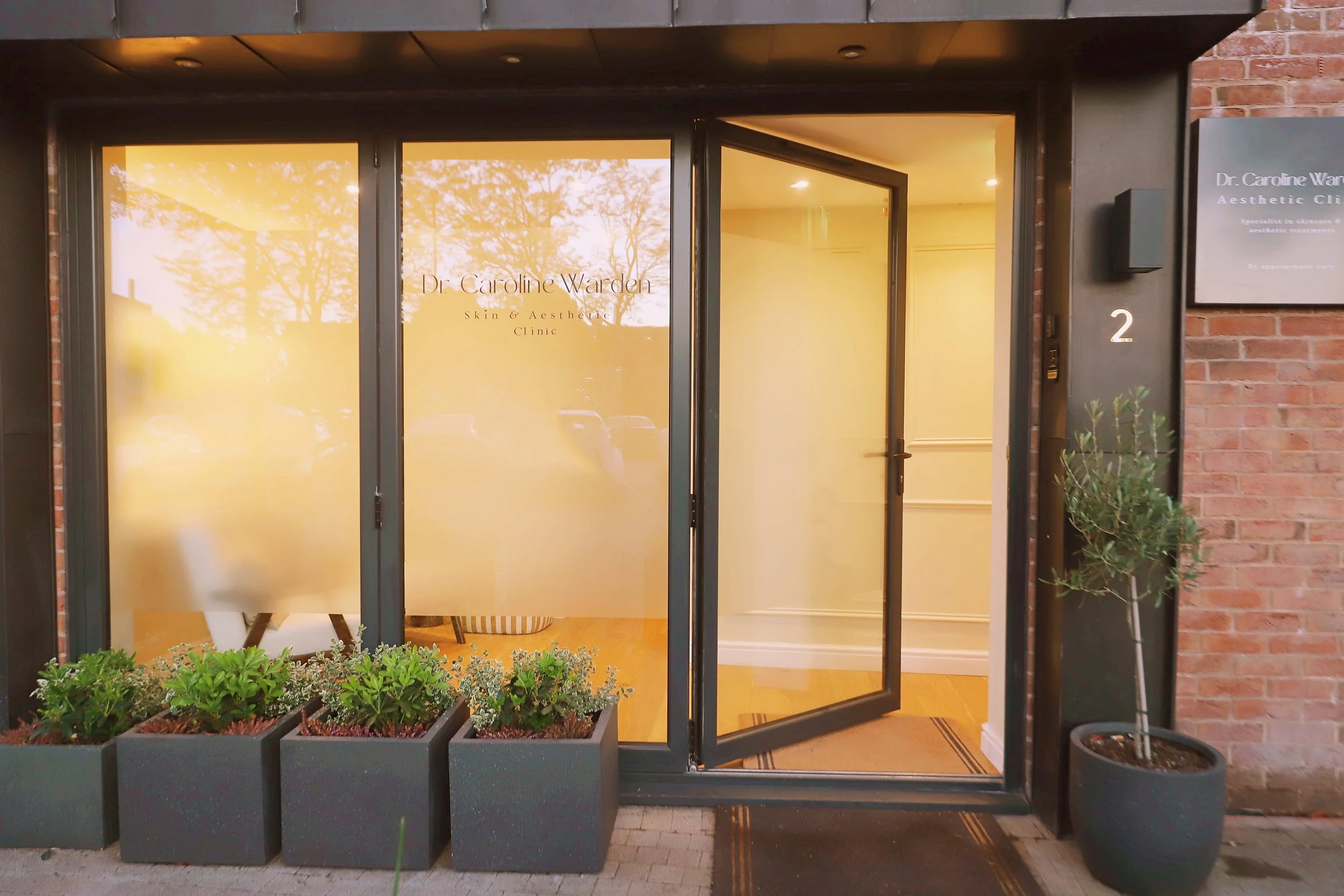
At my clinic at 2 Crown Passages in Hale village, a few minutes from Altrincham, Bowdon, Hale Barns and Timperley, with evening appointments. Every consultation and treatment is carried out by me.
Related reading
- Introducing Juvelook: what it is and why I use it under the eyes
- Under eye treatment: dark circles, hollows and crepey skin
- Why I do not offer tear trough filler
- Polynucleotides
- Sculptra
- Why do some people swell more after aesthetic treatments?
- Before and after results
Next steps
Learn more about Dr Caroline Warden Clinic
Learn more about other treatments offered
References
- Seo SB, Park H, Jo JY, Ryu HJ. Skin rejuvenation effect of the combined PDLLA and non cross-linked hyaluronic acid: a preliminary study. J Cosmet Dermatol 2024. Read the paper
- Wan J, et al. Evaluating poly-D,L-lactic acid for lower eyelid rejuvenation: efficacy and safety. J Cosmet Dermatol 2025;24(3):e70058. Read the paper
- Lin JY, Lin CY. Nonsurgical lower eyelid rejuvenation using injectable poly-D,L-lactic acid in Asian patients. J Cosmet Dermatol 2022;21(10): pages 4328 to 4331. Read the abstract
- Lee KWA, Chan LKW, Lee AWK, Lee CH, Wong STH, Yi KH. Poly-D,L-lactic acid (PDLLA) application in dermatology: a literature review. Polymers 2024;16(18):2583. Read the full paper
- Energy-based device management of nodular reaction following poly-D,L-lactic acid injection for tear trough rejuvenation. J Cosmet Dermatol 2025. Read the abstract
Written and medically reviewed by Dr Caroline Warden, NHS GP with over 19 years of clinical experience, independent prescriber and Level 7 qualified aesthetic doctor (Harley Academy). GMC 6157708. Sole practitioner at Dr Caroline Warden Skin & Aesthetic Clinic, 2 Crown Passages, Hale, Altrincham, Cheshire WA15 9GN, where every consultation, treatment and review is carried out by her personally. Juvelook is a CE marked medical device. Results vary between individuals; suitability is determined at a face to face consultation. Last reviewed: 23 November 2026.