Polynucleotides for Menopausal & Perimenopausal Skin: The Advanced Regenerative Treatment Every Woman Should Know About
Discover expert skin science insights from our award-winning holistic aesthetic clinic in Altrincham. Written by Dr Caroline Warden an NHS GP, cosmetic dermatology specialist and leading aesthetic doctor in Hale, South Manchester
Our forties and fifties bring some of the most transformative years of our lives.
We’re often balancing careers, parenting, caring for family, stressful workloads, and trying to maintain our own wellbeing. As a 41 year old GP and Aesthetic Doctor with 2 small children I know firsthand how this feels. This is one of the seasons, our bodies and faces change a lot: most noticeably our skin.
If you’ve found that your skin suddenly feels drier, thinner, duller or more tired, or if you’ve noticed increased redness, sensitivity, sagging or fine lines, you’re not imagining it. These changes are strongly linked to declining hormones as we transition through perimenopause and menopause, and they’re far more common than you may realise.
The good news is that aesthetic medicine has evolved dramatically in the last few years, and one of the most exciting treatments emerging from the world of regenerative aesthetics is polynucleotides which is a clinically proven, injectable biostimulator designed to restore and repair skin from within, rather than simply masking concerns.
This blog post explains what polynucleotides are, why they are so effective for menopausal skin, who they’re suitable for, what results to expect, and why they’re becoming a leading choice for women wanting fresh, natural rejuvenation without looking ‘done’.

Why Does Skin Change So Much During Perimenopause & Menopause?
From around age 40, oestrogen levels begin to decline gradually — and once menopause is reached, the drop becomes steep. Oestrogen is crucial for maintaining healthy skin structure and hydration because it stimulates:
Collagen and elastin production
Hyaluronic acid levels
Skin barrier strength
Blood flow and oxygenation
Inflammation control and healing
So when oestrogen falls, so can skin density, elasticity and moisture. Research shows that women can lose up to 30% of their skin collagen in the first 5 years of menopause, leading to:
* Crepey, sagging or lax skin
* Dryness and rough texture
* Loss of firmness and support
* Increased wrinkles and fine lines
* Sensitivity, redness and inflammation
* Slower healing and dull appearance
* Under-eye hollows or thinning
Many women describe this as suddenly looking older than they feel — almost overnight.
While fillers and Botox can be helpful for targeted concerns, they don’t repair the underlying health of the skin. That’s where polynucleotides are different.
What Are Polynucleotides?
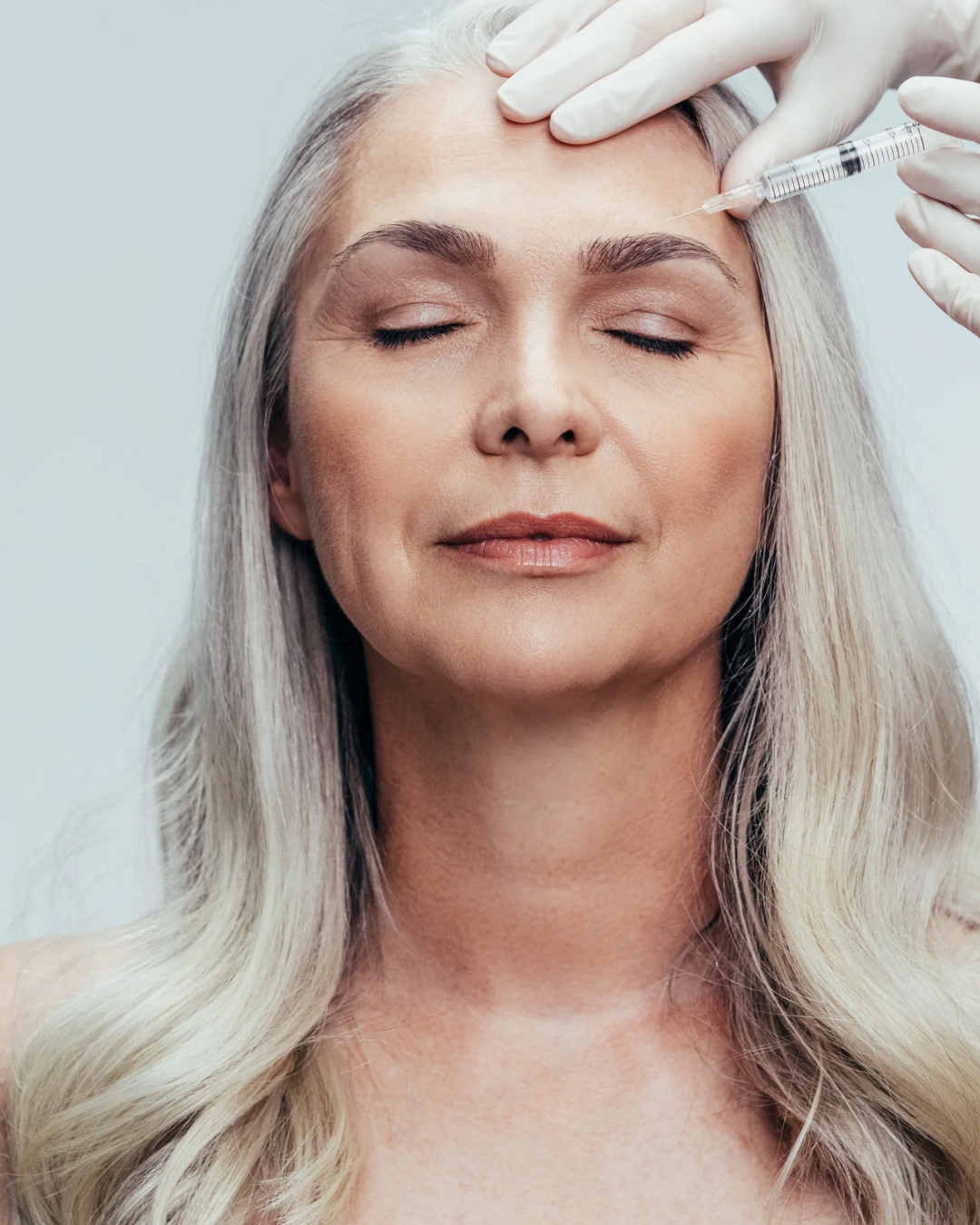
Polynucleotides (PN) are ultra-purified DNA molecules derived from salmon or trout that have been used in medicine for more than 30 years. In aesthetics, they are injected into the skin to activate a powerful regenerative response.
Unlike dermal fillers, which create volume, polynucleotides stimulate the body to repair and rebuild its own tissue, supporting genuine long-term improvement.
How do polynucleotides work?
* Increase fibroblast activity, boosting collagen & elastin
* Improve hydration by encouraging hyaluronic acid production
* Reduce inflammation, redness & sensitivity
* Enhance microcirculation and oxygenation
* Strengthen the skin barrier
* Promote cellular repair & regeneration
* Improve texture, elasticity, and glow
They’re ideal for restoring balance to compromised, inflamed, ageing, menopausal or sensitive skin
Why Polynucleotides Are Perfect for Menopausal & Perimenopausal Skin
1. They Treat the Root Cause, Not Just the Surface
Menopause changes skin from the inside out — and polynucleotides rebuild from within by regenerating fibroblasts and collagen.
2. They Strengthen the Skin Barrier
Many women in perimenopause notice sensitised or reactive skin. PN treatments restore barrier integrity, reducing redness and irritation.
3. They Are Hydrating
Polynucleotides encourage natural hydration within the dermis rather than adding synthetic gel volume.
4. They Improve Laxity, Crepiness & Fine Lines
Particularly effective under the eyes, around the mouth, jawline and neck — areas that are hard to treat well with filler alone.
5. They Create Natural-Looking Results
Perfect for women wanting subtle, refreshed skin with no obvious signs of treatment.
Who Is a Good Candidate for Polynucleotides?
You may benefit if you experience:
* Crepey or sagging skin
* Dullness or loss of radiance
* Under-eye hollows, darkness or thinning
* Redness, rosacea or sensitivity
* Fine lines & wrinkles
* Dryness or textural changes
* Slow healing or visible fatigue
They are especially popular with women who say:
“I want to look fresher but I don’t want filler or anything obvious.”
Or those who have previously had filler and want a more natural approach.

Are Polynucleotides Fish-Derived? Are They Safe?
Yes, they are derived from purified fish DNA, but undergo extensive filtration so there are no fish proteins or allergenic components in the final material.
This purification makes them:
✨ Biocompatible
✨ Safe for sensitive & reactive skin
✨ Low-inflammation
✨ Suitable for long-term use
They’ve been used in ophthalmology, wound healing and tissue repair for decades before arriving in the aesthetics industry, which gives significant clinical reassurance.
What Areas Can Be Treated With Polynucleotides?
* Under eyes (most popular)
* Cheeks & mid-face support
* Neck & décolletage
* Crepey skin on body (arms, knees, abdomen)
* Hands
* Scars & stretch marks
* Rosacea-prone areas
What Results Can You Expect?
Most patients notice:
* Healthier, more radiant skin
* Improved firmness & elasticity
* Strengthened barrier function
* Reduced fine lines & wrinkles
* Better hydration & glow
* Reduced redness and inflammation
* Brighter + smoother under-eyes
Polynucleotide timeline
A course of 3 sessions, 3–4 weeks apart, is generally recommended, with maintenance 2–3 times per year.

Polynucleotides vs Profhilo vs Dermal Fillers
Many patients combine polynucleotides with Botox or microneedling for enhanced results.
Why We Love Polynucleotides at Dr Caroline Warden Skin & Aesthetic Clinic
As women in our early forties, balancing motherhood and professional careers, we understand personally how rapidly skin can change due to hormones, stress and lifestyle. Many of our patients arrive feeling like they’ve “lost their glow” or no longer recognise themselves in the mirror.
Polynucleotides align with our clinic philosophy:
✨ **Natural but noticeable results**
✨ **Regeneration, not transformation**
✨ **Enhancing your confidence, not changing your face**
We recommend them because they improve the actual quality and health of your skin, rather than masking the symptoms of ageing.

Frequently Asked Questions
Do polynucleotides hurt?
Most patients find them a bit stingy. I use extra strong numbing cream and ultra-fine needles make it more comfortable.
Is there downtime?
Mild redness or small papules for 12–48 hours. Easily camouflaged with makeup the next day.
Can I combine them with other treatments?
Yes — they pair beautifully with microneedling, Botox, skin boosters and medical-grade skincare.
How do I know if they’re right for me?
A personalised consultation is always the best starting point.
Ready to Restore Your Skin’s Radiance?
Polynucleotides are one of the most exciting developments in aesthetics, especially for women wanting subtle rejuvenation without looking “done.” If you’re feeling the effects of perimenopause or menopause and want skin that looks as vibrant as you feel inside, we’d love to help.
👉 **Book a consultation today** at our doctor-led aesthetic clinic in **Hale, Altrincham, Cheshire**
Book in for a Consultation at your local, doctor-led, sister-run skin & aesthetics sanctuary for natural, bespoke results

Dr Caroline Warden is an experienced NHS GP and aesthetic doctor. She has been a medical doctor for over 18 years. She runs the female-led family business with her sister Louise Devereux (creative director & patient co-ordinator)
Their main Skin and Aesthetic Clinic is located in Hale, Cheshire but they also run a pop-up clinic in Disley, Stockport one evening a week.
You will only ever see and have treatments with Dr Caroline Warden.

Whether you're new to aesthetic treatments or ready to refine your routine, her bespoke skin assessments are the best place to start. Dr Caroline Warden will design a tailored plan based on your skin goals, lifestyle, and timeline.
Book your consultation at the clinic in Hale, Cheshire and experience aesthetic medicine.

You’ll be guided through your medical history, goals, and expectations so you can make an informed choice.
Where our clinics are local to:
Our flagship main Hale clinic is conveniently located for patients travelling from:
Alderley Edge, Altrincham, Bowdon, Bramhall, Hale Barns, Knutsford, Manchester, Mobberley, Sale, Timperley, Urmston, Wilmslow, Handforth, Poynton, Cheadle, Didsbury and Warrington.
Our satellite Disley clinic (Thursday evenings at Scott, Skin & Co) is ideal if you’re based in:
New Mills, High Lane, Marple, Mellor, Whaley Bridge, Strines, Chapel, Hayfield or Stockport.
