Filler Fatigue Is Real: Why "Less Filler, More Structure" Is the Biggest Shift in Aesthetics Right Now

Last updated: 24 September 2026
In this article:
- What is "filler fatigue," and is it actually true?
- Is filler use actually falling? What the data really shows
- What's really changing: from "fill the line" to "support the structure"
- What are biostimulators, and why are they at the centre of this shift?
- Does this mean filler is finished?
- Why this matters even more if you've lost facial volume from weight loss
- What does "structure-first" actually look like at my Hale clinic?
- Is this approach available near me in Hale, Altrincham or Cheshire?
- Frequently asked questions
"Filler fatigue" has become one of the most talked-about phrases in aesthetics this year. The idea is simple: after years of increasingly plump lips and cheeks, people have started reacting against the overfilled, unmistakably "done" look, and the industry is scrambling to respond. I read the actual data before writing this, because the popular version of this story, that filler is finished, isn't quite what's happening. The real shift is more specific, and more useful to understand.
What Is "Filler Fatigue," and Is It Actually True?
As a phenomenon, yes, it's genuinely real, just not in the way the phrase suggests. A 2025 systematic review in Aesthetic Surgery Journal puts it plainly: concerns over the overuse of hyaluronic acid fillers have been "associated with unnatural facial aesthetics, soft tissue migration, and filler fatigue," driving a genuine shift toward biostimulatory approaches that support tissue rather than simply fill it. That's the fatigue, a reaction to an aesthetic and a technique, not a rejection of injectables altogether.
Is Filler Use Actually Falling? What the Data Really Shows
Here's where it gets interesting. The British Association of Aesthetic Plastic Surgeons' latest annual audit, covering 2024, found that dermal filler procedures performed by their surgeon members grew by 27% on the year before, alongside a 5% rise in botulinum toxin treatments. Filler isn't disappearing from UK practice, if anything, demand accelerated. UK industry estimates put the wider non-surgical aesthetics market at around £3.6 billion, growing at roughly 8 to 9% a year.
What's actually happening, according to McKinsey's own analysis of the medical aesthetics market, is more precise: "Dermal fillers have also seen some backlash about 'filler fatigue,' largely focused on hyaluronic acid fillers, which may have resulted in some of the market softening, as well as a relative shift toward biostimulators." A relative shift, not a collapse. Biostimulators are growing fast, largely at the margin, while filler itself remains one of the most popular treatments in UK aesthetics.
What's Really Changing: From "Fill the Line" to "Support the Structure"
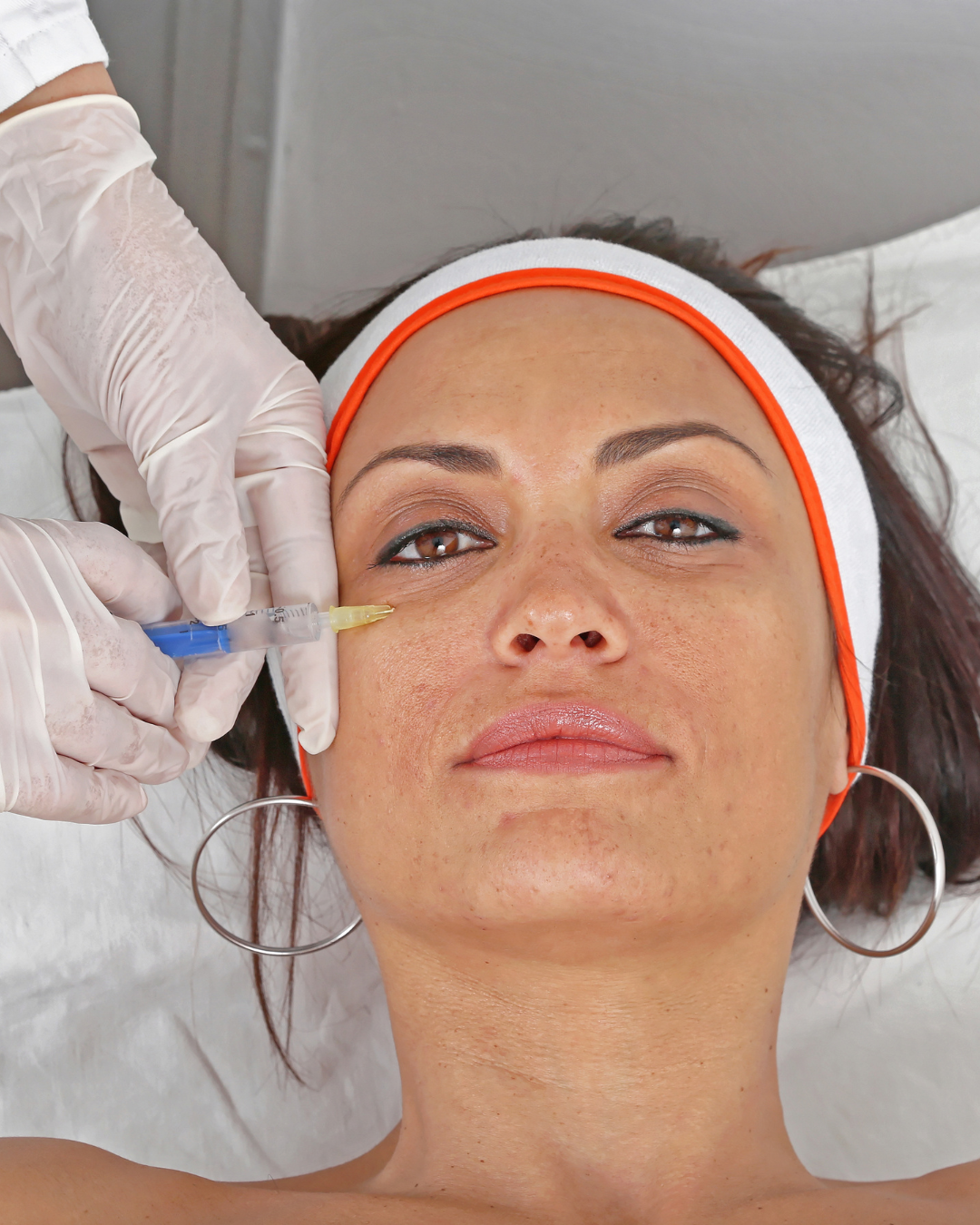
The more useful way to think about this shift isn't "filler out, biostimulators in." It's a change in the underlying question being asked. The old approach treated a line or a hollow as something to fill directly. The newer approach asks what's happening underneath, lost bone density, thinning fat pads, reduced collagen, and works on supporting that structure so the skin sits well on its own, rather than propping it up from one point.
The question has shifted from "how do I fill this line" to "why is this area losing support in the first place."
What Are Biostimulators, and Why Are They at the Centre of This Shift?
Biostimulators, Sculptra, Radiesse and polynucleotides among them, don't add volume directly the way a hyaluronic acid gel does. They encourage your own tissue to produce more collagen over weeks and months, so the change builds gradually rather than appearing all at once.

Does This Mean Filler Is Finished?
No, and I'd be doing you a disservice to pretend otherwise. Filler remains genuinely useful for precise, localised jobs, lips, a specific hollow, fine targeted contouring, and it's reversible if something needs adjusting. The shift isn't away from filler as a category, it's toward using it more selectively, often alongside a biostimulator rather than instead of one. A well planned treatment plan increasingly uses both, structure from a biostimulator, precision from a small, considered amount of filler where it's genuinely the right tool.
Why This Matters Even More If You've Lost Facial Volume From Weight Loss
This structure-first thinking is especially relevant if you've experienced facial volume loss from significant weight loss, including from GLP-1 medications like Mounjaro. That kind of volume loss tends to be broad and gradual rather than a single deepened line, which is exactly the pattern biostimulators are suited to supporting, rather than a filler chasing one fold at a time.
What Does "Structure-First" Actually Look Like at My Hale Clinic?
In practice, it means starting a consultation by asking what's actually happening to the underlying structure, rather than which line you'd like filled. For many patients that means Sculptra or Radiesse doing the majority of the work, with polynucleotides supporting skin quality alongside it, and a small amount of filler reserved for anywhere it's genuinely the more precise tool. It's a slower process than a single filler appointment, and for most patients, a more natural-looking one.
Is This Approach Available Near Me in Hale, Altrincham or Cheshire?
Yes. Structure-first, biostimulator-led treatment planning is core to how I work at my clinic in Hale, for patients from Altrincham, Bowdon, Alderley Edge, Wilmslow and across Cheshire.
Book a Consultation
If you'd like an honest opinion on whether your face would benefit more from structural support than another syringe of filler, I'd be glad to talk it through at a consultation in Hale.

Frequently Asked Questions About Filler Fatigue and Biostimulators
Is filler fatigue a real medical trend or just a social media buzzword?
Both, in a way. The backlash against an overfilled look is genuinely reshaping treatment planning, but overall filler demand is still rising slightly year on year. It's a shift in style and technique more than a rejection of the category.
Are biostimulators safer than traditional filler?
Both have well-established safety profiles when used appropriately. They carry different considerations rather than one being simply "safer," which is exactly why this is a consultation decision rather than a default choice.
Do biostimulators take longer to work than filler?
Yes, results build gradually over weeks to months, rather than the immediate change you get from filler. That trade-off is often worth it for a more natural-looking, longer-lasting result.
Can biostimulators be combined with filler?
Often, yes. Many of the best results now come from combining structural support with a small, precisely placed amount of filler, rather than choosing one approach exclusively.
Is this relevant to me if I've lost facial volume from weight loss?
Very much so. Broad, gradual volume loss from significant weight loss, including from GLP-1 medications, tends to respond well to the structural support biostimulators provide.
Are biostimulator results permanent?
Not permanent, but often longer-lasting than filler, since the collagen your skin produces remains after the product itself has broken down.
References
- British Association of Aesthetic Plastic Surgeons. Cosmetic Surgery Trends 2024: Facial Rejuvenation Surges While Men's Procedures Decline. baaps.org.uk
- Biostimulants in Aesthetic Medicine: A Systematic Review and Meta-analysis of Efficacy, Safety, and Patient Satisfaction. Aesthet Surg J. 2025. academic.oup.com/asj
- McKinsey & Company. Here to stay: an attractive future for medical aesthetics. mckinsey.com
Further Reading
- Why Collagen Declines and the Treatments That Actually Stimulate It
- Why Mounjaro Face May Be One of the Best Reasons to Consider Sculptra
- Explore Sculptra at the Clinic
- Explore Radiesse at the Clinic
- Explore Polynucleotide Treatments at the Clinic
Next Steps
Learn more about Dr Caroline Warden Clinic
Learn more about other treatments offered
Dr Caroline Warden is an NHS GP with over 19 years of clinical experience and a special interest in cosmetic dermatology, an independent prescriber, and holds a Level 7 postgraduate diploma in cosmetic injectables. She is the sole practitioner at Dr Caroline Warden Skin & Aesthetic Clinic, a female-led, family-run clinic at 2 Crown Passages, Hale, Altrincham, awarded Best Doctor Led Aesthetic Clinic in Cheshire 2026 by GHP. GMC number 6157708. This article is for information only and does not constitute individual medical advice.