Last updated: 16 November 2026
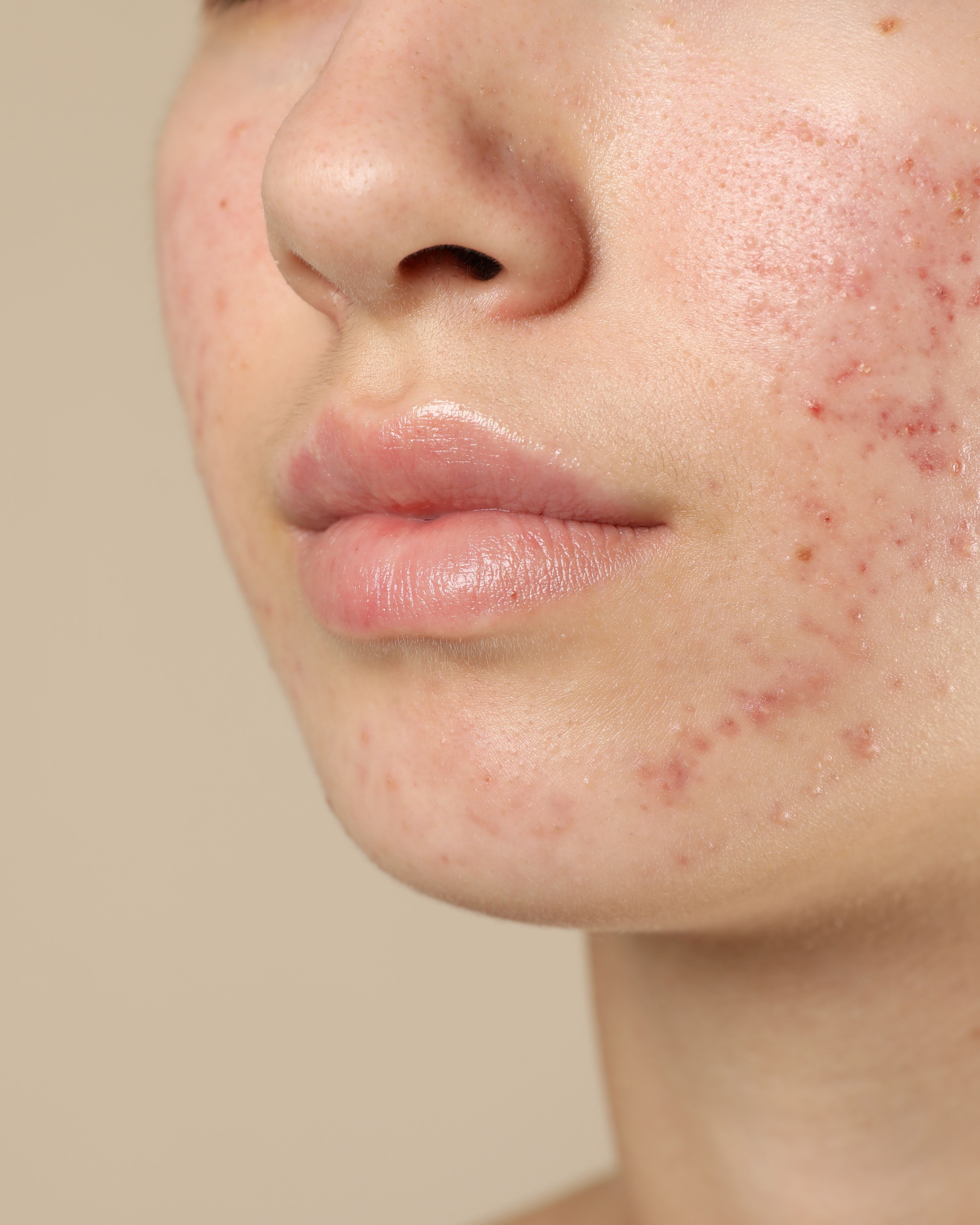
In short: Acne that arrives or returns in your thirties, sits along the jaw, chin and neck, runs deeper than teenage spots and flares in the week before a period is usually hormonal in pattern, but in most women the hormones themselves are normal; the skin has simply become more sensitive to ordinary monthly fluctuations. It is common, affecting around one woman in three at this age, and it is treatable, but not with a face wash. The first step is working out whether yours is the ordinary kind or the kind that needs hormone tests, which comes down to a few questions about your periods, hair and weight. After that, your GP has a short, evidence based list of treatments that work, from fixed combination creams to the combined pill and, since a 2023 UK trial, spironolactone. A skin clinic comes in afterwards, for the oil, marks and scars that acne leaves. I am an NHS GP who also runs a skin clinic in Hale, and this is how I approach it.
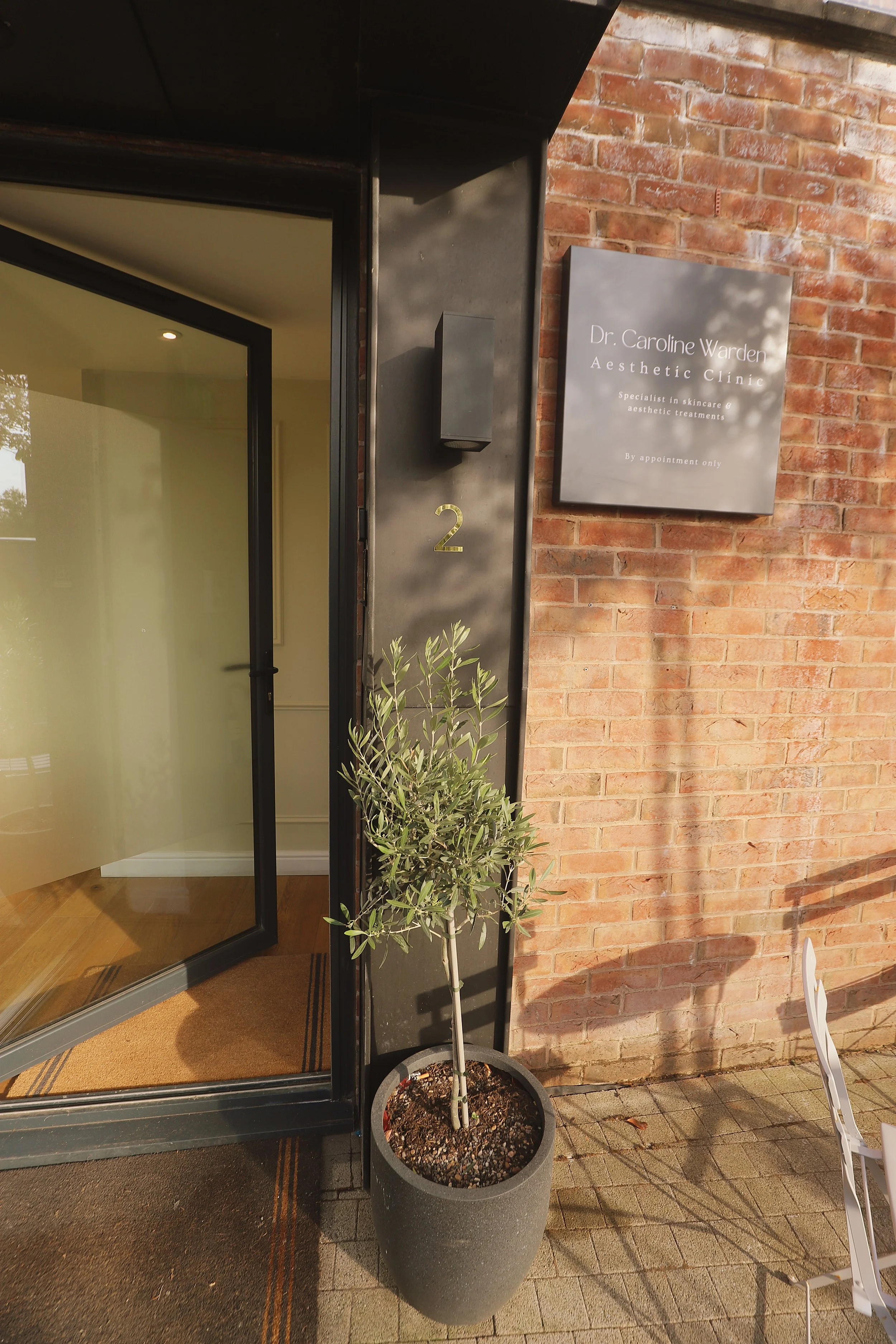
Local to Hale, Altrincham or Cheshire? I am an NHS GP and aesthetic doctor and run a GP led skin clinic in Hale village where every consultation, treatment and review is carried out by me personally, with evening appointments until 7pm on Tuesdays and Wednesdays and until 9pm on Fridays. You can book a consultation or see the price list.
The woman who sits down and says "I never had spots as a teenager and now I'm 34 and my jaw is covered" is one of the most common consultations in general practice, and one of the most badly served, because she has usually spent two years and several hundred pounds on skincare before anyone mentions that this is a medical problem with medical treatments. This guide answers the question she actually has, which is whether it is hormonal, and then explains what a good GP will do about it.
In this article:
- How common is acne in your thirties?
- Is jawline acne hormonal? What "hormonal" really means
- Why does acne start or come back in your thirties?
- When should your hormones be tested?
- What your GP can actually do: the treatments with evidence
- Spironolactone: the treatment adult women are rarely told about
- The mistakes that keep adult acne going
- The skincare that supports treatment
- Where a skin clinic fits
- Frequently asked questions
How common is acne in your thirties?
Far more common than the teenage stereotype suggests, and much more common in women than men. In a survey of 1,013 adults, 35 per cent of women in their thirties reported acne, against 20 per cent of men, and 26 per cent of women in their forties were still affected (Collier et al, 2008). Around three quarters of adult female acne is teenage acne that never fully went away; the rest begins for the first time after 25. Either way, it behaves differently from the teenage version: fewer blackheads, more deep, tender, slow healing spots, concentrated on the lower third of the face, and a strong tendency to flare before a period, which up to 85 per cent of adult women with acne report.
Is jawline acne hormonal? What "hormonal" really means
Yes, in the sense that matters, and no, in the sense most people fear. All acne is driven by androgens acting on oil glands; that is why it begins at puberty. In adult women the oil glands of the jaw, chin and neck seem to be the most androgen sensitive, which is why spots cluster there and why they track the menstrual cycle, when progesterone and a small rise in androgens in the second half of the cycle increase oil production. What most women do not need to fear is a hormone disorder: blood androgen levels are within the normal range in the majority of adult women with acne. The skin is over responding to normal signals rather than receiving abnormal ones. That distinction matters because it means most jawline acne needs acne treatment rather than hormone treatment, and because the minority who do have a hormonal cause can be picked out with a handful of questions rather than a battery of tests.
Why does acne start or come back in your thirties?

When should your hormones be tested?
Not routinely. Acne alone, even on the jawline and even if it flares with your cycle, is not an indication for blood tests, because the tests will almost always be normal and will not change treatment. Hormone tests are worth doing when acne comes with any of the following: irregular, infrequent or absent periods; coarse hair on the chin, jaw, chest or abdomen; thinning hair through the parting; dark velvety skin at the neck or armpits; difficulty losing weight; or acne that began suddenly and severely in adulthood. That pattern suggests PMOS or, rarely, something else, and the tests your GP will arrange are testosterone and SHBG with a free androgen index, thyroid function and prolactin, with HbA1c and lipids if PMOS is likely. Very rapid onset with a deepening voice or new muscle bulk is urgent and needs prompt assessment.
What your GP can actually do: the treatments with evidence
The 2021 NICE guideline on acne, updated in 2023, sets out a short list of first line treatments, and the single most useful thing to know about all of them is that they are assessed at twelve weeks, not four. Most adult women I see have abandoned at least one effective treatment at week three because it had not worked yet, or because it caused the expected early dryness.
NICE's referral criteria are worth quoting, because they are more generous than most people assume: refer when acne is "leading to scarring", when it is causing "persistent pigmentary changes", and when "acne of any severity is causing or contributing to persistent psychological distress or a mental health disorder". If your acne is affecting how you feel, that alone is a reason to ask.
Spironolactone: the treatment adult women are rarely told about
Spironolactone is a cheap blood pressure tablet that happens to block androgen receptors in the skin, and it has been used for adult female acne for decades in the United States without good trial evidence. That changed in 2023 with the SAFA trial, a UK study funded by the National Institute for Health and Care Research: 410 women aged 18 and over with persistent acne were randomised to spironolactone, 50 mg a day rising to 100 mg, or placebo for 24 weeks. By week 24, 82 per cent of women on spironolactone reported their acne had improved against 63 per cent on placebo, nearly three times as many rated the result a success, and side effects were mild (Santer et al, 2023).
"No serious adverse reactions were reported." Santer M et al, Spironolactone for adult female acne (SAFA), Health Technology Assessment report, 2024.
It remains off licence in the UK and is not yet in the NICE first line table, but it is in US and European guidelines, and for a woman in her thirties who has been round the antibiotic loop twice it is a conversation worth having with her GP. It needs reliable contraception, it is not suitable with certain kidney or potassium problems, and headaches were the one side effect more common than placebo.
The mistakes that keep adult acne going
The skincare that supports treatment
Skincare does not treat acne in the medical sense, but the wrong skincare will undo any treatment, and NICE is specific about it. Wash twice a day with a non alkaline, soap free cleanser; use only non comedogenic moisturiser, sunscreen and make up; take make up off every night; and do not pick. To that I would add: one prescription retinoid in the evening, which is the backbone of both acne treatment and the prevention of marks; a bland moisturiser applied over it to manage dryness; a daily mineral or non comedogenic SPF, because every spot heals darker in sun; and no more than one other active, if any. Adult acne skin is usually dehydrated and over treated rather than dirty, and the routine that works is boring.
Where a skin clinic fits
Active acne is a medical condition and belongs with your GP; I do not treat it at the clinic. What a clinic can do, once the acne is controlled, is deal with what it leaves behind and keep the skin in good condition between flares. At mine that means a medical grade skincare plan built around a retinoid and pigment control for oily, congested or mark prone skin; chemical peels for congestion, texture and the brown and red marks acne leaves, with the Obagi Blue Peel Radiance at £125 and the Perfect Peel at £345; and medical microneedling for true scarring once the skin has been quiet for several months, from £255 a session. If you come to me with active acne, the first thing I will do is send you back to your GP with a list of what to ask for, and the second is tell you what I can do when it has settled. You will see me, and only me, at every visit.
Takeaway: Jawline acne in your thirties is hormonal in pattern but rarely a hormone disorder; the skin is over reacting to a normal cycle, often unmasked by stopping the pill, a change of contraception, cosmetics or an over worked routine. Hormone tests are for acne with irregular periods, excess hair, thinning hair or weight change, not for acne alone. Your GP has treatments that work: a fixed combination retinoid gel, azelaic acid, a short antibiotic course alongside a topical, the combined pill, spironolactone after the 2023 SAFA trial, and referral for isotretinoin when acne scars or hurts. Give each one twelve weeks, keep the skincare boring, and let a clinic deal with the marks afterwards.
Frequently asked questions about jawline acne in your thirties
Why do I suddenly have acne at 33 when I never had it as a teenager?
Late onset acne affects a quarter to a third of adult women with acne. The usual triggers are stopping the combined pill, starting a progestogen only method, a change in skincare or cosmetics, stress, or in a minority PMOS. It is treatable with the same medicines as any acne.
Is acne on the jawline always hormonal?
It is hormonal in pattern, because the oil glands there respond most to the monthly cycle, but in most women the hormone levels are normal. "Hormonal" describes where and when it appears, not a disorder that needs correcting.
Should I have my hormones tested for acne?
Only if the acne comes with irregular periods, excess facial or body hair, thinning scalp hair, dark patches at the neck or unexplained weight gain, or if it began suddenly and severely. Acne alone does not need blood tests.
Why does my acne flare before my period?
In the second half of the cycle progesterone rises and androgen activity increases slightly, both of which increase oil production. Up to 85 per cent of adult women with acne notice a premenstrual flare, and it is more common over 30.
Will going back on the pill clear my acne?
The combined pill often helps and NICE recognises it as an option for women who want contraception. It is not a cure, it is not suitable for everyone, and it is not the answer if you are trying to conceive; the topical treatments are.
What is the best treatment for adult female acne?
There is no single best; NICE's first line is a fixed combination gel containing a retinoid, used every evening for twelve weeks. Oral antibiotics are added for moderate to severe acne, the combined pill or spironolactone for women who need a hormonal approach, and isotretinoin by referral for the rest.
What is spironolactone and can my GP prescribe it?
A blood pressure tablet that blocks androgen effects in the skin. The 2023 UK SAFA trial showed it works for persistent adult female acne with mild side effects. It is off licence in the UK, so some GPs prescribe it and others will ask dermatology; it is a reasonable thing to raise.
How long does acne treatment take to work?
Six weeks for the first improvement and twelve weeks to judge properly, for creams, antibiotics and hormonal treatments alike. Stopping earlier is the most common reason treatment "did not work".
Can diet cause jawline acne?
High glycaemic diets and skimmed milk are linked to flares in some people, but the evidence is limited and diet is rarely the whole answer. A four week trial of changes is reasonable; a restrictive diet in place of treatment is not.
Does stress cause acne?
Stress worsens existing acne in about a third of adult women, through cortisol and oil production. It is worth acknowledging but it is not a reason to delay treatment until life calms down.
When should acne be referred to a dermatologist?
When two full courses have failed, when an oral antibiotic course has failed in moderate to severe acne, when it is scarring or leaving persistent marks, or when it is causing persistent psychological distress. Ask your GP; the criteria are broader than most people think.
Can you treat my acne at the clinic?
No. Active acne is a medical condition for your GP. I can help once it is controlled: a skincare plan for oily, congested skin, peels for congestion and marks, and microneedling for scars.
How do I stop acne leaving marks?
Do not pick, wear sunscreen daily, and treat early with a retinoid, which both clears acne and speeds the fading of marks. Persistent marks are themselves a NICE referral criterion, and a clinic can treat them once the acne is quiet.
Next steps
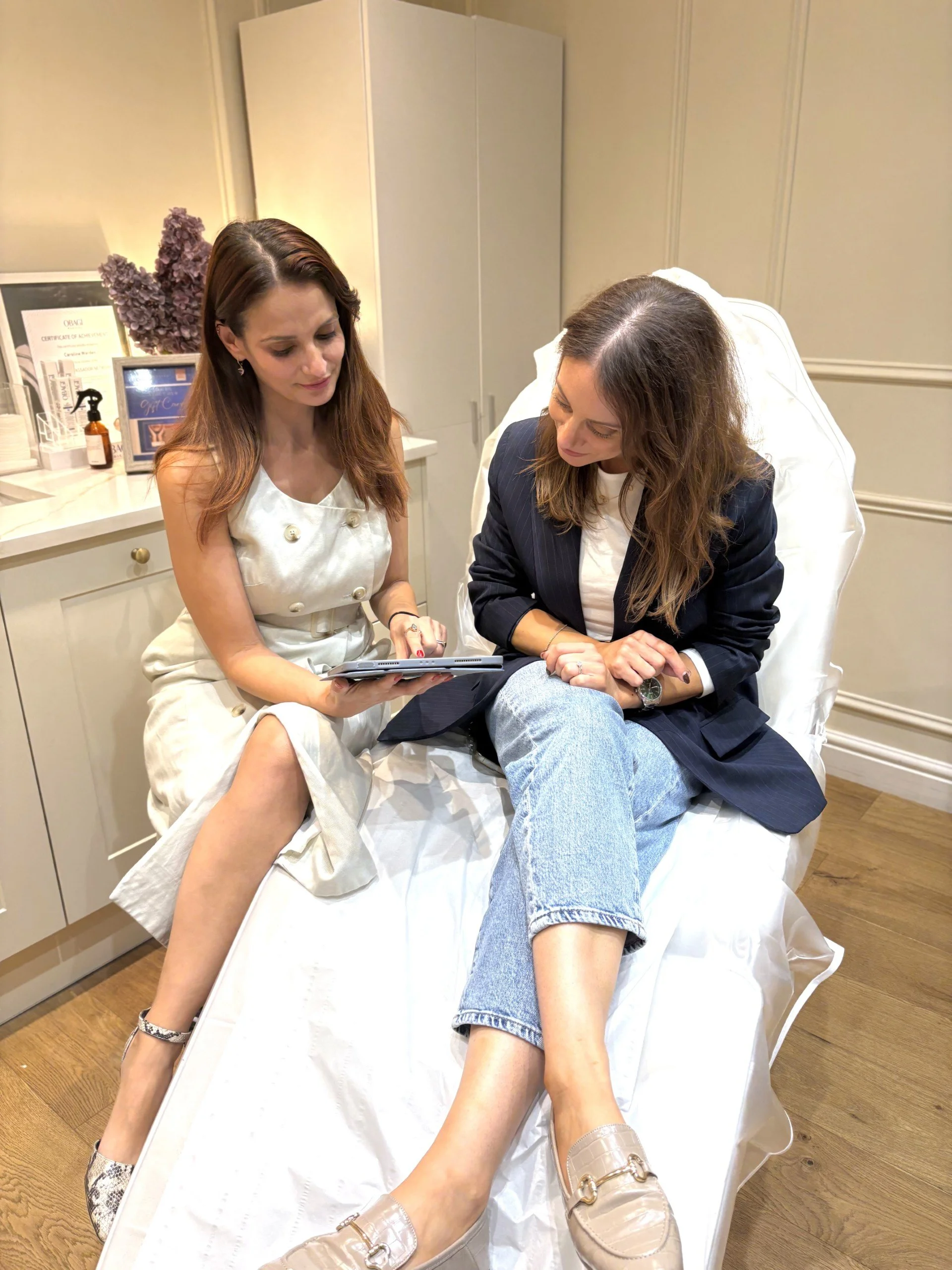
If adult acne has left your skin oily and congested, or marked and scarred, and your GP has the active acne under control, book a consultation. We will build a skincare plan and decide whether a peel or microneedling is worth it, and if what you need first is a GP appointment I will tell you exactly what to ask for. You will see me, and only me, at every visit. The consultation fee is redeemable against treatment.
Learn more about Dr Caroline Warden Clinic
Learn more about other treatments offered
Further reading
- The Best Treatments for Acne Scars
- PMOS (PCOS) and Your Skin: A GP's Guide
- The Marks Spots Leave Behind: Post Inflammatory Pigmentation
- The Gut Skin Axis: Could Your Diet Be Causing Breakouts?
- How Hormones Affect Your Skin
- Medical Grade Skincare for Oily and Acne Prone Skin
- Obagi Blue Peel Radiance for Congestion and Marks
Dr Caroline Warden (GMC 6157708) is an NHS GP with over 19 years of clinical experience, an independent prescriber, and holds a Level 7 postgraduate diploma in cosmetic injectables. She has practised aesthetic medicine since 2017 and is the sole practitioner at Dr Caroline Warden Skin & Aesthetic Clinic, 2 Crown Passages, Hale, Cheshire, WA15 9GN, where every consultation, treatment and review is carried out by her personally. Patients travel from Hale, Altrincham, Bowdon, Hale Barns, Timperley, Sale, Wilmslow, Alderley Edge, Knutsford, Didsbury and across Cheshire. The clinic was named Best Doctor Led Aesthetic Clinic in Cheshire 2026 by GHP. The clinic does not diagnose or treat acne, PMOS or any medical condition; the medicines described here are prescribed and monitored by your own GP or a dermatologist. Prescription skincare is prescribed only after a consultation. Results vary between individuals. This article is for information only and does not constitute individual medical advice.
References
- National Institute for Health and Care Excellence. Acne vulgaris: management. NICE guideline NG198, 2021, updated 2023. Read the guideline
- Collier CN, Harper JC, Cantrell WC, Wang W, Foster KW, Elewski BE. The prevalence of acne in adults 20 years and older. J Am Acad Dermatol 2008;58(1): pages 56 to 59. Read the abstract
- Zeichner JA, Baldwin HE, Cook-Bolden FE, Eichenfield LF, Fallon-Friedlander S, Rodriguez DA. Emerging issues in adult female acne. J Clin Aesthet Dermatol 2017;10(1): pages 37 to 46. Read the full paper
- Santer M, et al. Effectiveness of spironolactone for women with acne vulgaris (SAFA) in England and Wales: pragmatic, multicentre, phase 3, double blind, randomised controlled trial. BMJ 2023;381:e074349. Read the trial summary
- Santer M, et al. Spironolactone for adult female acne (SAFA): health technology assessment report. Health Technol Assess 2024. Read the report
