Anti-Ageing Mistakes Over 40 | Hale Doctor's Guide
Last updated: June 2026
In this article:
- Mistake 1: relying solely on over-the-counter skincare
- Mistake 2: skipping SPF, even in the UK
- Mistake 3: only treating wrinkles, and ignoring volume loss
- Mistake 4: using products that don't suit more mature skin
- Mistake 5: waiting until signs of ageing are advanced
- Mistake 6: ignoring the menopause connection
- Mistake 7: underestimating how lifestyle affects your skin
- So what should you actually do?
- Is this available near me in Hale, Altrincham or Cheshire?
- Frequently asked questions
As we enter our 40s, the signs of ageing often become more noticeable, fine lines, volume loss and skin laxity can creep in faster than we'd like. At my doctor-led aesthetic clinic in Hale, near South Manchester, I frequently see patients who've unknowingly made their skin's ageing process harder work than it needed to be. The good news is that it's usually never too late to course-correct. Here are the mistakes I see most often, and what actually helps instead.
Mistake 1: Relying Solely on Over-the-Counter Skincare
Good skincare is essential, but from your 40s onwards it often isn't enough on its own. Collagen production declines by around 1% a year from your mid-to-late twenties, and that decline becomes more noticeable through your 40s as the accumulated loss adds up alongside deeper structural changes in the face. Relying solely on high-street serums and moisturisers can leave your skin under-supported for what's actually happening beneath the surface.
What to do instead: consider doctor-led treatments such as microneedling with exosomes, dermal fillers for volume restoration, or medical-grade chemical peels, alongside your skincare rather than instead of it.
Mistake 2: Skipping SPF, Even in the UK
UV exposure is the leading cause of premature skin ageing, and it's present on cloudy Manchester days as much as sunny ones. Cumulative sun damage drives pigmentation, fine lines and collagen breakdown, all of which become more visible in your 40s as the effect compounds over decades.
What to do instead: make broad-spectrum SPF 30+ a daily habit, whatever the weather. Medical-grade sunscreens that double as skincare are worth considering over a purely cosmetic one.

Mistake 3: Only Treating Wrinkles, and Ignoring Volume Loss
A common misconception is that anti-ageing is just about smoothing lines. In reality, volume loss and shifting fat pads are often what make a face look older, particularly around the cheeks, jawline and under-eyes. Treating only the lines while ignoring the underlying structural change tends to give a partial, less convincing result.
What to do instead: a full-face consultation rather than a single treatment request. Strategic dermal filler placement can restore natural contour where it's genuinely needed, without it looking overdone.
Mistake 4: Using Products That Don't Suit More Mature Skin
Strong retinols, aggressive scrubs and viral skincare trends aimed at younger, more resilient skin can disrupt the barrier of skin that's already becoming thinner and less tolerant, causing inflammation that ironically makes ageing signs more visible, not less.
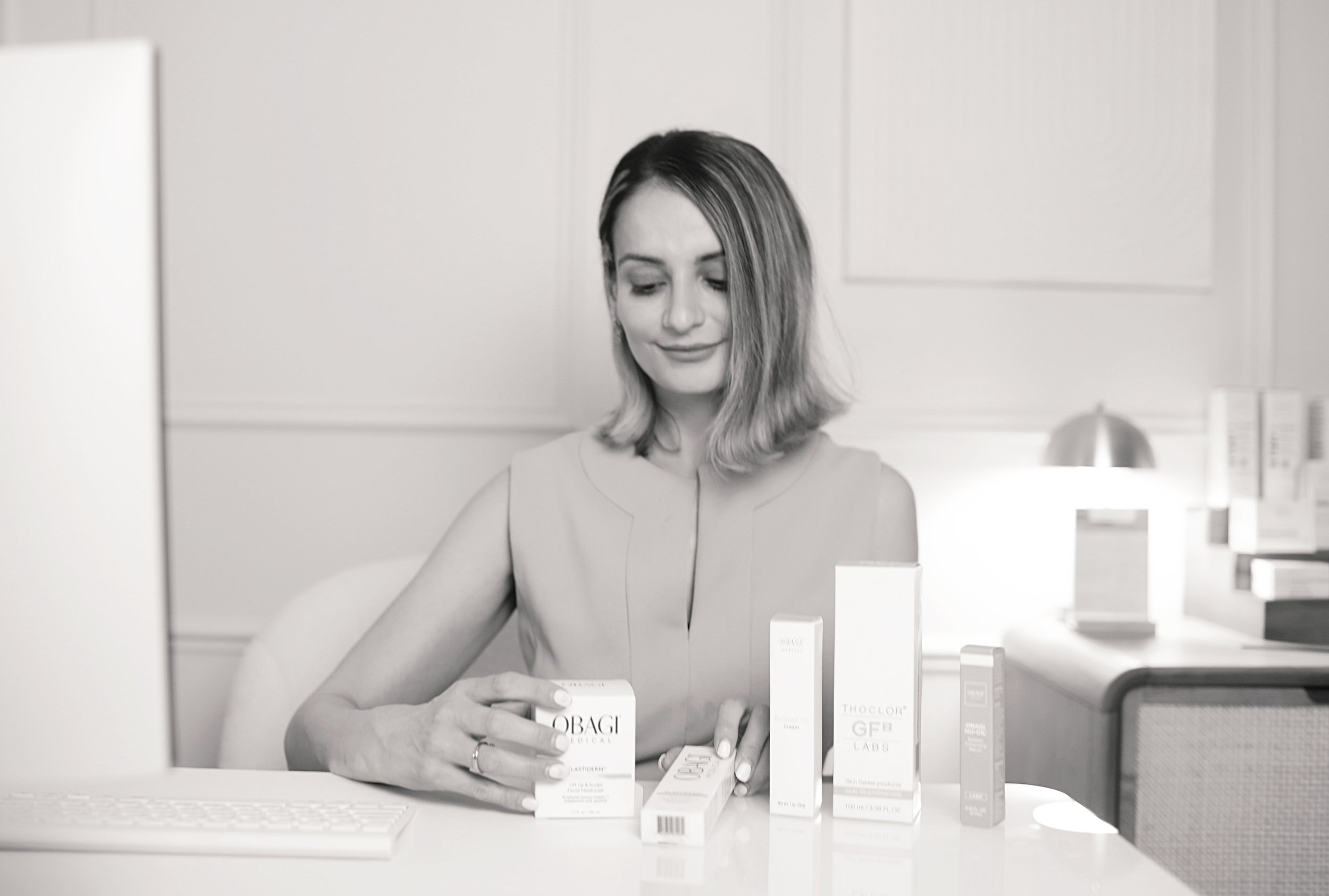
What to do instead: clinically formulated, age-appropriate skincare tailored to your actual skin, not a trend. Personalised skincare plans using medical-grade products, such as Obagi, can support collagen and hydration without the irritation a mismatched routine causes.
Mistake 5: Waiting Until Signs of Ageing Are Advanced
One thing I hear often from patients is that they wish they'd asked about something sooner, not because ageing itself needs "fixing", but because addressing a specific concern early is generally a gentler, more gradual process than trying to correct something more advanced later.
What to do instead: if something is genuinely bothering you, raise it at consultation rather than waiting. That's different from assuming you need treatment simply because you've turned 40, you don't. It's about not letting a concern you'd like addressed sit unaddressed for years by default.

Mistake 6: Ignoring the Menopause Connection
This is the one I see missed most often, including by patients themselves. Oestrogen has real effects on collagen production, skin thickness, elasticity and hydration, and as levels shift through perimenopause and menopause, some women notice their skin becoming drier, thinner or less resilient in a way that feels sudden, even though it's part of a broader hormonal picture rather than skincare failing them.
What to do instead: mention perimenopausal or menopausal symptoms at consultation if they're relevant. Your aesthetic plan can be built around what your skin is actually doing, not a generic "over 40" template, and if HRT is something you're considering, that's a separate medical conversation worth having with whoever manages your menopause care.
Mistake 7: Underestimating How Lifestyle Affects Your Skin
No treatment fully compensates for chronic poor sleep, high stress or regular alcohol, all of which have measurable effects on skin quality, inflammation and how well your skin repairs itself overnight. It's easy to focus entirely on what happens in the treatment room and overlook what's happening the rest of the week.
What to do instead: treat sleep and stress management as part of your skin plan, not separate from it. It won't replace what a good treatment plan does, but it changes how well your skin responds to everything else you're doing.
So What Should You Actually Do?
Is This Available Near Me in Hale, Altrincham or Cheshire?
Yes. I see patients working through exactly these questions at my clinic in Hale, from Altrincham, Bowdon, Alderley Edge, Wilmslow and across Cheshire. A consultation is the best place to work out which of these, if any, genuinely apply to you.
Book a Consultation
If you'd like an honest, doctor-led assessment of what's actually worth doing for your skin, I'd be glad to see you at a consultation in Hale.