
Skin, Aesthetics & Healthy Ageing Journal
Evidence-based advice from Dr Caroline Warden, NHS GP and aesthetic doctor in Hale, covering facial ageing, menopause skin, regenerative aesthetics, skincare and natural-looking aesthetic treatments.

Tretinoin: Why It Remains the Most Evidence Based Ingredient in Skincare, and What It Cannot Do
Tretinoin is the one skincare ingredient tested the way medicines are tested, with biopsy evidence that it restores collagen formation and randomised trials on lines and sun damage. A Hale GP sets out what the evidence shows, what tretinoin cannot do, who should not use it, the realistic timeline and how it fits with clinic treatments.
5 min read

Why Collagen Declines and the Treatments That Actually Stimulate It: A Doctor’s Evidence Guide
Collagen falls about 1% a year from your mid twenties and 30% in the five years after menopause. What that looks like, why fibroblasts stop working, and the treatments with biopsy evidence that they rebuild it.
4 min read
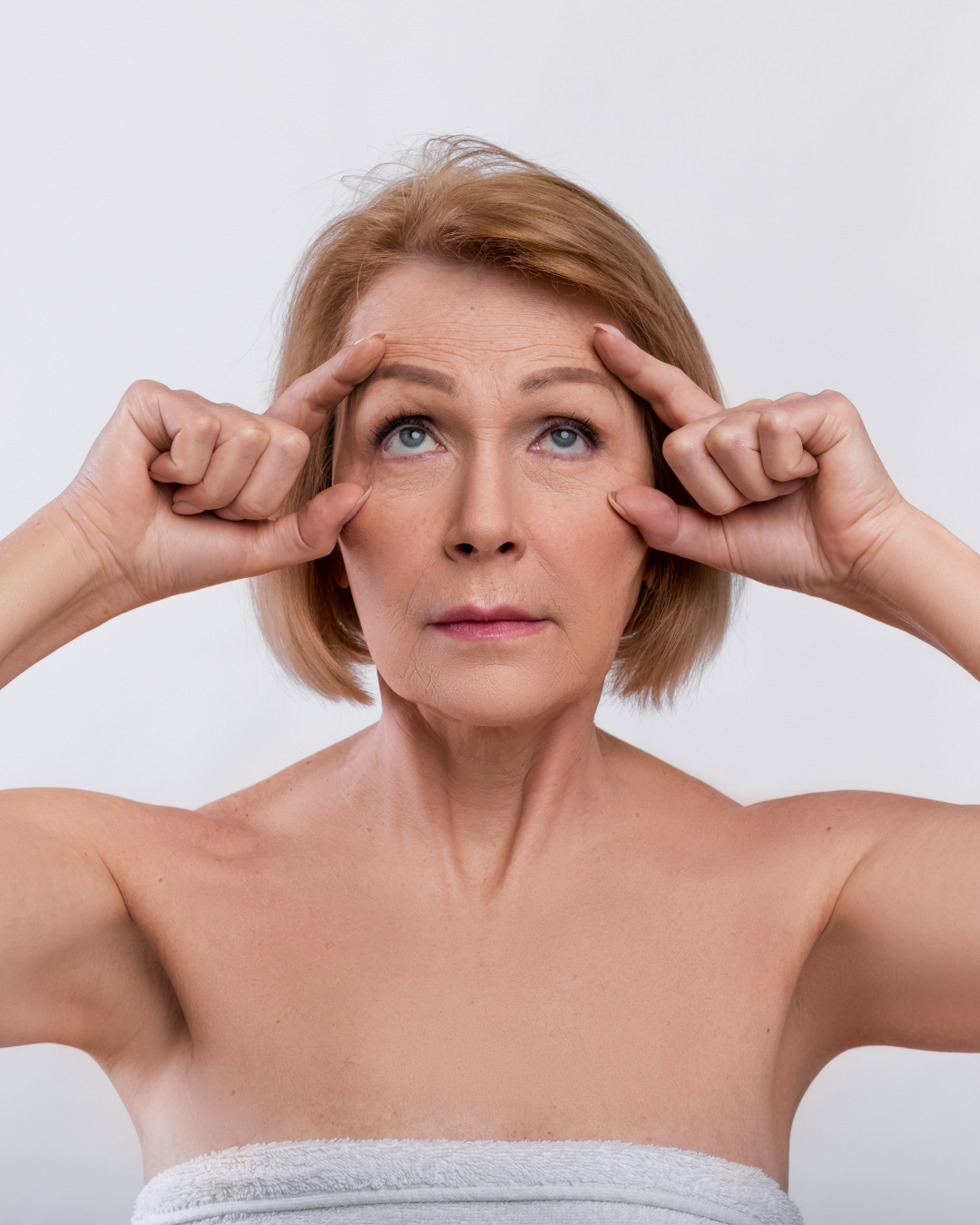
Does Facial Massage Actually Work? The Science Behind Gua Sha, Lymphatic Drainage and Face Yoga
Gua sha, jade rollers and face yoga promise sculpted jawlines and new collagen. A Hale GP and aesthetic doctor looks at the actual trials: what massage changes for a few hours, what face yoga may change with months of effort, what neither has been shown to do, and when a stone is the right tool.
5 min read

Glycation: Is Sugar Ageing Your Skin? A Doctor’s Guide to Wrinkles, Collagen and What Actually Helps
Sugar and wrinkles: what glycation really does to collagen, what the large Dutch and American studies found, why sunscreen is the best anti glycation product, and how a Hale doctor rebuilds collagen that has already been damaged.
4 min read

Collagen Banking Explained: The Long Game Approach to Ageing Well, From a Hale GP and Aesthetic Doctor
Collagen banking is not a quick fix or a store of collagen for later. A Hale GP and aesthetic doctor explains how fast collagen declines, the habits that protect it, the treatments that rebuild it, and when to start by decade.
3 min read