Collagen Banking Explained: The Long-Game Approach to Ageing Well

By Dr Caroline Warden, Skin & Aesthetic Clinic, Hale, Cheshire
“Collagen banking” has become one of the most talked-about terms in modern aesthetics. But what does it actually mean. Can you really “bank” collagen?
In truth, collagen banking isn’t about freezing your face in time or hoarding collagen for later use. It’s about preserving what you have and stimulating new collagen production in a sustainable, evidence-based way, so your skin stays resilient and supported for decades to come.
As a doctor-led clinic, I see collagen banking as a philosophy of longevity and prevention, not over-treatment, a way to help skin age gracefully, not fearfully.
Understanding Collagen: The Foundation of Youthful Skin
Collagen is the structural protein that gives skin firmness, elasticity, and density. In the dermis, type I and type III collagen act like scaffolding — supporting everything above, from your skin surface to your facial contours.
Collagen production naturally declines with age. Research commonly cites an average decline in the skin’s ability to replenish collagen of around ~1% per year as we age. (PMC)
The Main Causes of Collagen Breakdown
Intrinsic ageing
Your natural collagen-making machinery becomes less efficient over time.
Photoageing (UV damage)
UV exposure activates enzymes (including matrix metalloproteinases / MMPs) that degrade collagen fibres — making UV one of the most preventable drivers of collagen loss.
Glycation
Sugar-driven glycation contributes to stiffer, cross-linked collagen, reducing elasticity over time.
Inflammation and smoking
Smoking is associated with reduced collagen synthesis and altered extracellular matrix turnover in skin. (PubMed)
What “Collagen Banking” Really Means
Rather than a literal savings account, collagen banking is about two things:
Protecting existing collagen (so you lose less)
Stimulating new collagen formation (so you rebuild strategically)
A good collagen banking plan includes:
Daily protection: SPF + barrier support to slow collagen breakdown
Targeted stimulation: evidence-based actives and in-clinic biostimulatory treatments
Consistency: small, regular interventions for long-term gains
Think of it as compound interest for your skin, small, consistent actions that add up beautifully over years.

Step 1: Protect What You Have
Daily SPF: your most powerful collagen investment
A landmark randomised trial found that daily sunscreen use significantly slowed visible skin ageing compared with discretionary use over 4.5 years. (PubMed)
Doctor’s tip: Apply broad-spectrum SPF 30–50 daily. Use 2–3 finger lengths for face + neck. Reapply if you’re outdoors.
Topical retinoids (the evidence-backed at-home collagen support)
Topical tretinoin has human evidence supporting improved photoageing changes and collagen-related skin remodelling. (PubMed)
If you’re sensitive: start with retinal or a low-dose retinol, build slowly, and prioritise barrier support.
Nutrition and lifestyle (the boring basics that matter)

Step 2: Stimulate Collagen Formation Safely
Once your barrier is stable and your SPF habit is solid, you can consider controlled collagen stimulation in-clinic.
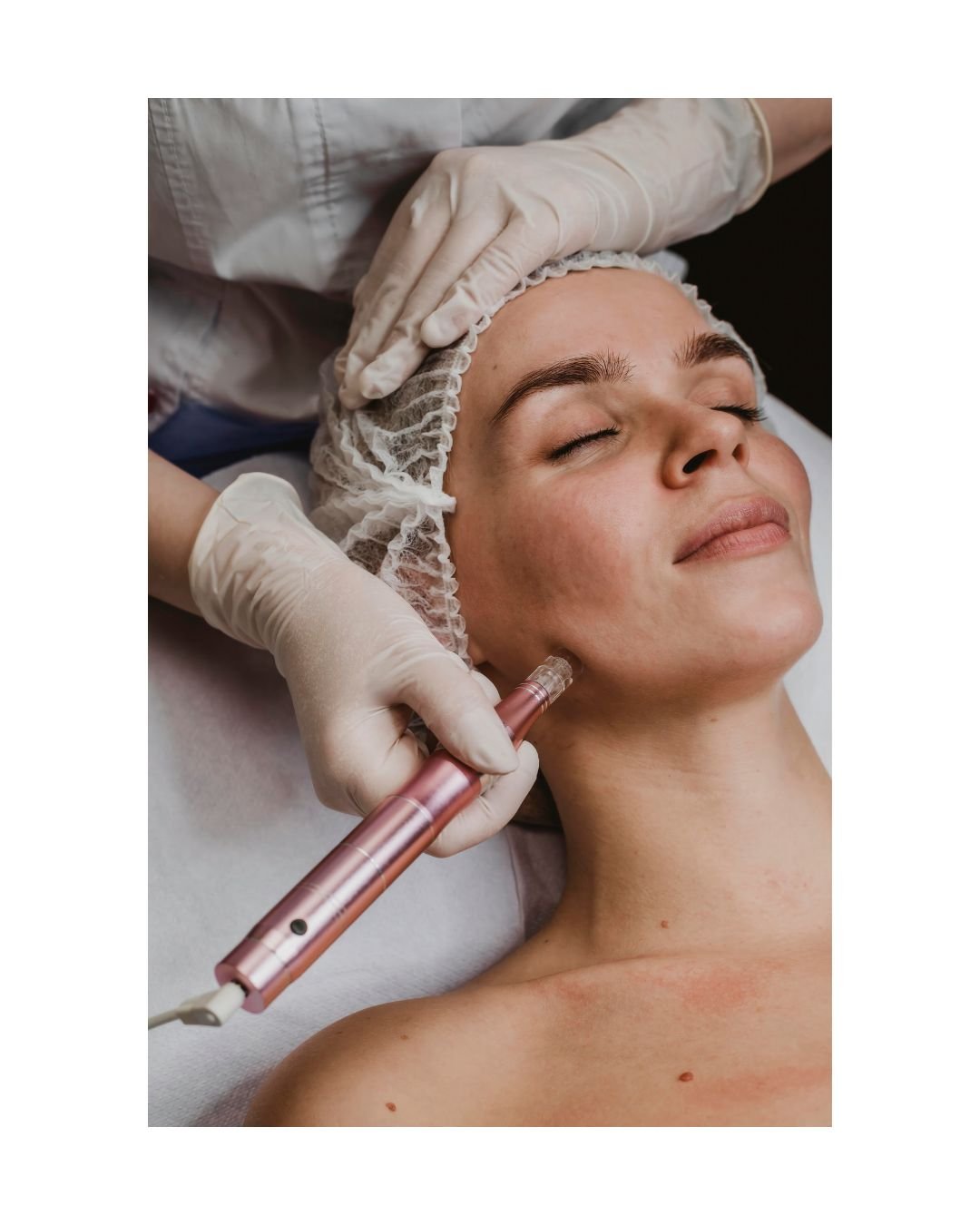
1) Microneedling (Collagen Induction Therapy)
Microneedling creates controlled micro-injuries that trigger wound healing pathways and fibroblast activation. Systematic reviews support its use for wrinkles and scarring, noting it as generally safe and effective when performed appropriately. (PubMed)
Best for: early fine lines, texture, dullness, post-acne scarring.
2) Biostimulatory injectables (collagen stimulators, not “instant fillers”)
Options such as PLLA and CaHA are designed to stimulate collagen over time (months, not days) and require careful patient selection and expert technique.
Best for: skin quality support, mild-to-moderate laxity, crepey texture.
3) Energy-based devices (laser, ultrasound, radiofrequency)
These can stimulate collagen remodelling via controlled thermal injury — but technique and device choice matter.
Important safety note: the FDA issued a safety communication (Oct 15, 2025) highlighting reports of serious complications with radiofrequency (RF) microneedling, including burns, scarring, fat loss, disfigurement and nerve damage. (U.S. Food and Drug Administration)
Best for: laxity, deeper wrinkles, texture changes — when chosen appropriately and performed by trained professionals.
Step 3: Maintain the Results
Collagen banking works best as a long-term strategy, not a one-off.
In clinic, maintenance often looks like:
A collagen-stimulating plan (e.g., microneedling courses) spaced appropriately over the year
Consistent SPF + retinoid use to preserve gains
Regular skin reviews to adjust for seasonal changes, hormones, lifestyle and skin behaviour

Case Study: “Sophie,” Age 37 (Bowdon, Cheshire)
Concerns
Early laxity, fine lines, dullness
Makeup sitting unevenly
Background
No major medical issues
Inconsistent SPF
Sensitive/reactive skin
Treatment plan
Month 0–3
Gentle cleanser, barrier moisturiser, daily SPF
Gradual retinal introduction twice weekly
Month 1–4
Three microneedling sessions (4-week intervals)
Education on barrier repair + sun protection
Month 6 review
Improved texture, glow and hydration
Fine lines softer; improved “bounce” through cheeks
Month 9–12
Maintenance: one microneedling session + consistent retinoid routine
Outcome: subtle, natural improvement — “fresh” rather than “done.”
“It’s not about changing my face — it’s about feeling confident without makeup again.”
– Sophie, age 37 (name changed)
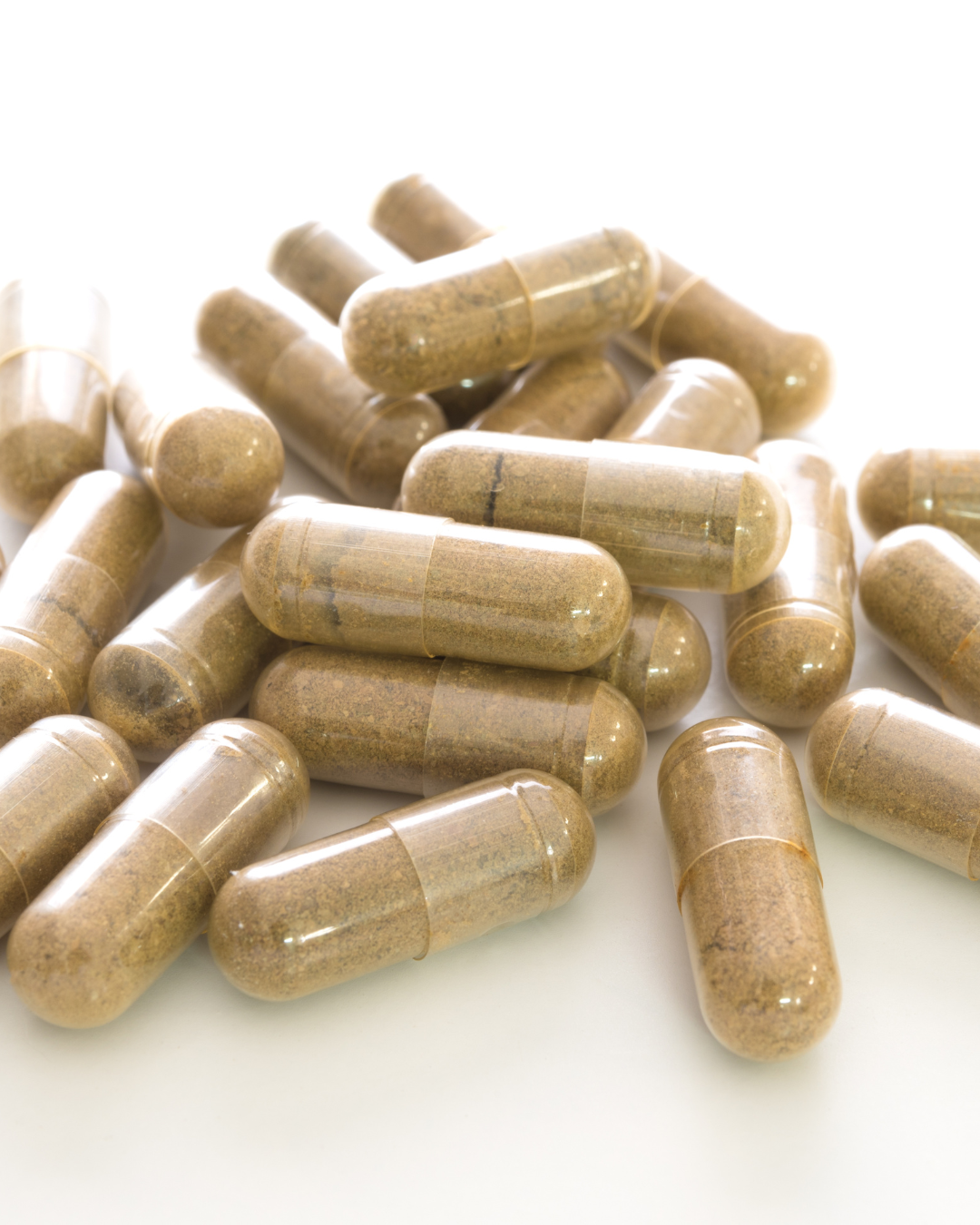
Collagen Supplements: Worth It?
Systematic reviews and meta-analyses suggest oral collagen peptides may improve hydration, elasticity, and wrinkles, but results vary and quality matters. (American Journal of Medicine)
One 2025 meta-analysis found that while overall results appeared positive, effects were not seen in subgroup analyses of trials without industry funding, suggesting funding/source bias may influence results. (PubMed)
Bottom line: collagen supplements can be a supportive “extra,” but they’re not a replacement for SPF, retinoids, and well-chosen in-clinic stimulation.
Glycation: The Hidden Collagen Enemy
Sugar-driven glycation contributes to cross-linked collagen fibres, making them more rigid and less elastic over time. The best strategy is prevention: UV protection, metabolic health, and overall diet quality (not panic-cutting everything enjoyable).
When Should You Start Collagen Banking?
20s
Focus on prevention: SPF, antioxidants, healthy habits.
30s–40s
Begin structured collagen support: retinoids + evidence-based stimulation (e.g., microneedling).
Perimenopause onwards
Adjust plans to reflect changing skin behaviour (often: increased dryness, thinner-feeling skin, reduced elasticity).
It’s never too late — or too early — to start ageing well.
What Collagen Banking Is Not
A quick fix
A guarantee against ageing
A substitute for daily SPF
About freezing expression or over-treating young skin
True collagen banking is subtle, strategic, and sustainable, combining medical science with restraint and artistry.

FAQs
1) Can you actually “store” collagen?
Not literally. Collagen banking means maintaining and stimulating collagen, not stockpiling fibres.
2) Is daily sunscreen really that important?
Yes. Daily sunscreen has trial evidence showing slower progression of visible skin ageing with consistent use. (PubMed)
3) How long before results appear?
Often 8–12 weeks for noticeable changes, with cumulative improvements over 6–12 months depending on the plan.
4) Do collagen supplements work?
Some evidence supports modest improvements, but results vary and study quality/funding may influence outcomes. (PubMed)
5) What’s the best at-home collagen support?
SPF + retinoids + vitamin C/antioxidants + barrier-first skincare.
6) Can microneedling damage skin?
When performed correctly by a trained professional, evidence supports it as safe and effective. Overuse and inappropriate settings increase risk. (PubMed)
7) What ruins collagen fastest?
UV exposure, smoking, chronic inflammation/stress, poor sleep, and frequent high glycaemic load patterns (especially if metabolic health is impaired).
8) Is collagen banking suitable for rosacea or sensitive skin?
Often yes, but it must be tailored (depths, products, pre/post care) to avoid flares.

References
Hughes MCB et al. Annals of Internal Medicine (2013) — daily sunscreen and skin ageing. (PubMed)
Griffiths CE et al. Lancet (1993) and related clinical studies — tretinoin and collagen-related changes in photoaged skin. (PubMed)
Kligman AM et al. Archives of Dermatology (1986) — topical tretinoin for photoaged skin. (PubMed)
Pullar JM et al. Nutrients (2017) — vitamin C and skin/collagen biology. (PubMed)
Knuutinen A et al. (2002) — smoking decreases collagen synthesis in skin in vivo. (PubMed)
Aust MC et al. Plastic and Reconstructive Surgery (2008) — percutaneous collagen induction therapy. (PubMed)
Ramaut L et al. (2018) systematic review — microneedling for scars/wrinkles. (PubMed)
FDA Safety Communication (Oct 15, 2025) — potential risks with RF microneedling. (U.S. Food and Drug Administration)
Myung SK et al. (2025) meta-analysis — collagen supplements; subgroup differences by funding. (PubMed)

Book in for a Consultation at your local, doctor-led, sister-run skin & aesthetics sanctuary for natural, bespoke results
Dr Caroline Warden is an experienced NHS GP and aesthetic doctor. She has been a medical doctor for over 18 years. She runs the female-led family business with her sister Louise Devereux (creative director & patient co-ordinator)
Their main Skin and Aesthetic Clinic is located in Hale, Cheshire but they also run a pop-up clinic in Disley, Stockport one evening a week.
You will only ever see and have treatments with Dr Caroline Warden.
Whether you're new to aesthetic treatments or ready to refine your routine, her bespoke skin assessments are the best place to start. Dr Caroline Warden will design a tailored plan based on your skin goals, lifestyle, and timeline.
Book your consultation at the clinic in Hale, Cheshire and experience aesthetic medicine.
You’ll be guided through your medical history, goals, and expectations so you can make an informed choice.

Where our clinics are local to:
Our flagship main Hale clinic is conveniently located for patients travelling from:
Alderley Edge, Altrincham, Bowdon, Bramhall, Hale Barns, Knutsford, Manchester, Mobberley, Sale, Timperley, Urmston, Wilmslow, Handforth, Poynton, Cheadle, Didsbury and Warrington.
Our satellite Disley clinic (Thursday evenings at Scott, Skin & Co) is ideal if you’re based in:
New Mills, High Lane, Marple, Mellor, Whaley Bridge, Strines, Chapel, Hayfield or Stockport.
