It Isn't Your Skincare. It's Your Oestrogen: A GP's Guide to Perimenopausal Skin
She is forty-seven, she has looked after her skin for twenty years, and she is describing something she cannot name.
Her skin is dry in a way it has never been dry before, and the moisturiser that worked for a decade has stopped working. She itches, particularly at night, particularly on her shins and forearms, and there is nothing to see. Her jawline has softened. She has started breaking out again at forty-seven, which feels like an insult. Her hair is coming out in the shower. And somewhere underneath all of it is a suspicion she has not said out loud, which is that she has simply started to look older, quite suddenly, and there is nothing to be done.
She has usually bought three or four new products trying to fix it.
It is almost never the skincare. It is the oestrogen.
Perimenopause is the transitional years leading up to your final period, and it typically begins in the mid-forties, although it can start earlier. During it, oestrogen does not decline in a neat downward line. It fluctuates, sometimes wildly, and then falls. And because oestrogen has real, specific, well-described jobs in the skin, the skin changes long before anybody connects the two.
This post is about what actually happens, how to tell hormonal change apart from sun damage and ordinary ageing, and what genuinely helps. I am writing it as an NHS GP as much as an aesthetic doctor, because a good deal of the answer is not aesthetic at all.
In this article
- What oestrogen actually does in your skin
- The number everyone quotes, and what it really means
- It is not just wrinkles: the symptoms nobody mentions
- Is it hormones, sun damage, or ageing?
- The conditions that change or appear in perimenopause
- What the evidence says about HRT and skin
- What actually helps, in order
- The collagen supplement question
- What I would do first
- Frequently asked questions
- References
What Oestrogen Actually Does in Your Skin
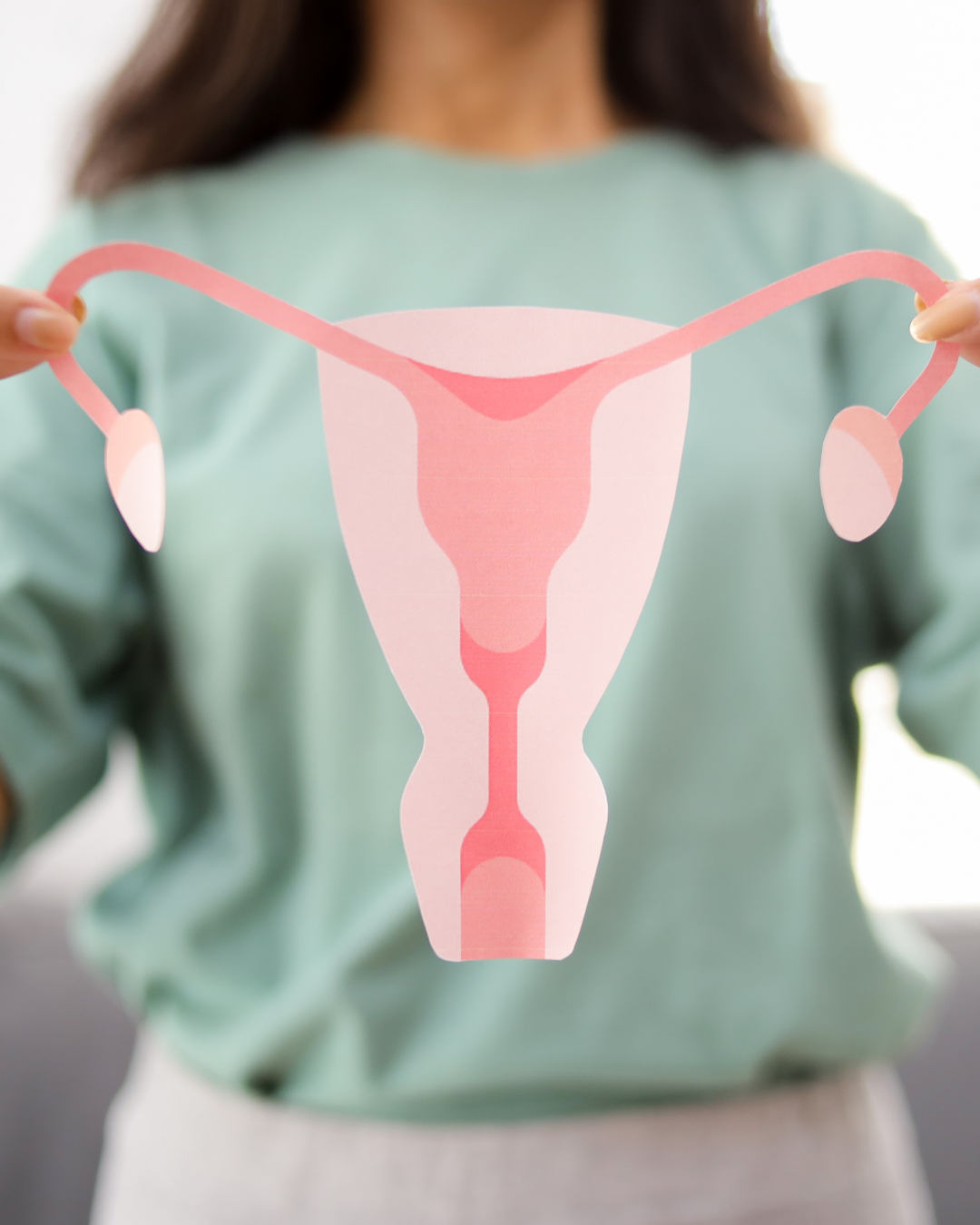
Most people know oestrogen as a reproductive hormone. Fewer know that skin is one of its target organs, with oestrogen receptors distributed through the epidermis and dermis, and that it has at least four distinct roles there.
There is a second half to this. As oestrogen falls, testosterone falls much more gradually, so the ratio between them shifts. That relative androgen excess is why some women develop adult acne and coarser facial hair in the same years they are losing firmness elsewhere. It is a genuinely unfair combination, and it is not imagined.
The Number Everyone Quotes, and What It Really Means
If you have read anything about menopause and skin, you have met this figure: women lose around 30% of their skin collagen in the first five years after menopause.
It is real, it comes from published research, and it is repeated everywhere, most enthusiastically by companies selling collagen powder. But the interesting part is not the number. It is the finding underneath it.
That collagen loss correlates more closely with how long you have been oestrogen deficient than with your chronological age.
Read that twice, because it reframes the whole problem. It means this is not simply getting older. Two women of exactly the same age, one three years past menopause and one still in early perimenopause, are not in the same position. The clock that matters here is a hormonal one, not a birthday one.
Two honest caveats, because I would rather you had them than not. The original work is decades old and the studies behind the headline figure are small by modern standards. And an average of 30% across a group is not a prediction for any individual woman. Your genetics, your sun exposure, whether you smoke and your general health all shift where you land.
What the figure is genuinely useful for is timing. The steepest part of the curve is early. That is an argument for paying attention in your forties rather than waiting until your late fifties to be alarmed.
It Is Not Just Wrinkles: The Symptoms Nobody Mentions
This is the part I most want women to read, and it comes from a small but striking 2025 survey of fifty women attending a menopause clinic.
Every single one of them reported at least one skin, hair or mucosal symptom. Not most. All fifty.
Notice what is at the top of that list. Itch, not wrinkles. Dryness, not lines. The symptoms women actually experience are largely not the ones the beauty industry talks about, which is one reason so many women assume what is happening to them is unusual.
And then the finding that made me want to write this post at all: around half of the women surveyed had been managing these symptoms entirely on their own, without ever raising them with a healthcare professional.
Not because they were dismissed. Because it had not occurred to them that dry, itchy skin at forty-eight was a menopause symptom, or that it was something a doctor would be interested in.
If you have been quietly buying different moisturisers for two years and wondering what is wrong with you, this is the sentence I would like you to take away: it is a recognised symptom, it has a cause, and it is worth mentioning.
I would add one thing the survey found that almost nothing else on the internet will tell you, because it sits outside what an aesthetics clinic normally discusses. Vulval dryness, itching and soreness were reported by more than half of the women surveyed. This is called genitourinary syndrome of the menopause, it is extremely common, it responds very well to treatment, and it is chronically under-reported because women assume it is not something you mention. It is not something I treat at the clinic, and it is absolutely something to raise with your own GP. I include it here only because leaving it out would be a strange kind of dishonesty in a piece written by a GP.
Is It Hormones, Sun Damage, or Ageing?
This is the question underneath every consultation I have on this subject, and almost nobody separates the three. They have different causes, different timelines and, importantly, different answers. Treating hormonal change with a pigmentation protocol, or sun damage with HRT, is how women spend a great deal of money going sideways.
Here is how I pull them apart.
The inner upper arm test is the most useful thing in that table. It is the one patch of skin most women have kept out of the sun for fifty years. Whatever it looks like is roughly your intrinsic ageing. Everything on your face beyond that is sun.
Most women in their late forties have all three at once, in different proportions. The point of separating them is not academic. It decides what you should spend money on first.
The Conditions That Change or Appear in Perimenopause
These are the ones that bring women to see me having assumed something has gone wrong with them.
Adult acne, arriving out of nowhere
Around 15% of women experience acne around the menopause, and for some it is the first acne of their lives. It typically sits lower on the face than teenage acne, along the jawline and chin, and it is driven by that shifting ratio between falling oestrogen and comparatively steadier testosterone rather than by anything you are doing wrong.
The practical consequence matters: it does not usually respond to the products marketed at teenagers, and aggressive drying treatments make it considerably worse in skin that is already barrier-compromised and dry.
Rosacea that starts, or worsens
Perimenopause is a common time for rosacea to appear or flare, partly through barrier impairment and partly through changes in the way blood vessels in the face behave.
There is a specific confusion worth naming here, because I see it often. Facial flushing during a hot flush and a rosacea flare are not the same thing, although they can feel identical and can occur in the same woman. One is a vasomotor symptom of menopause. The other is a chronic inflammatory skin condition that needs managing in its own right. Sorting out which you are dealing with, or accepting that you have both, changes what will actually help.
Hair thinning
Female pattern hair loss becomes considerably more common after menopause, and hair changes were reported by around half of the women in the survey above. Thinning at the crown and a widening parting behave differently from sudden diffuse shedding, and they are managed differently.
This deserves its own conversation rather than a paragraph, and I have written about the diagnosis-first approach to hair loss separately.
Skin that suddenly reacts to everything
A barrier weakened by falling ceramide and sebum production behaves like a different skin. Acids you tolerated for a decade start to sting. Retinoids you were fine on become intolerable. This is not sensitivity that has appeared from nowhere and it is not a reason to abandon active skincare, but it does mean the order and the pace have to change: barrier first, actives second, and more slowly than you are used to.
What the Evidence Says About HRT and Skin
I want to be careful and clear here, because this is the area where the internet is least reliable in both directions.
The evidence that oestrogen affects skin is genuinely good. Studies have shown measurable increases in skin collagen and dermal thickness with oestrogen therapy, along with improvements in hydration and elasticity. That is not marketing. It follows logically from what oestrogen does in the dermis, and it has been measured.
But that is not the same as saying HRT is a skin treatment, and it should not be prescribed as one. A 2025 clinician's review put it plainly: while hormone therapy is effective for many symptoms of oestrogen deficiency, its specific role as a primary or adjunctive treatment for dermatological problems needs more robust evaluation. The evidence is particularly thin for using HRT to treat menopausal hair thinning.
HRT is a decision about your health, made with your own GP, weighing your symptoms, your history and your risks. Better skin may well be a welcome side effect. It is not the reason to take it, and no aesthetic clinic should be presenting it as one.
In the UK, that conversation is guided by the NICE menopause guideline, which was updated in November 2024, and it belongs in general practice rather than in an aesthetics consultation. What I will do at the clinic is ask whether you have had that conversation, because if you have not, it may be a more useful place to start than anything I can inject.
Topical oestrogen for the face comes up frequently and I am cautious about it. There is some evidence for improvements in hydration and skin atrophy, but the long-term safety data is limited and questions about systemic absorption have not been fully settled. It is not something I recommend routinely.
What Actually Helps, In Order
The order matters more than the list. Most women arrive having started at step four.
The in-clinic options, honestly ranked for this problem
For perimenopausal skin specifically, where the complaint is thinning, crepiness and loss of firmness rather than volume loss, these are the treatments I reach for and why.
None of these replace oestrogen and none of them should be sold as though they do. What they do is stimulate the skin to rebuild some of the structural support it is losing, which is a real and worthwhile thing, described accurately.
The Collagen Supplement Question
I am asked about this constantly, so here is a straight answer.
The marketing rests almost entirely on the 30% figure above. The logic runs: you are losing collagen, so eat collagen. Unfortunately your digestive system does not work that way. Ingested collagen is broken down into amino acids and peptides like any other protein, and does not travel intact to your face.
That said, the honest position is not that supplements do nothing. Some randomised trials have found modest improvements in skin hydration and elasticity with collagen peptides, plausibly through peptide signalling rather than through supplying raw material. The effects are generally small, the studies are frequently funded by the companies selling the product, and the quality is variable.
My position: if you enjoy taking it and it fits your budget, it is unlikely to do harm. If you are choosing between a year of collagen powder and getting a proper assessment of what is actually happening to your skin, the assessment will do more.
Protein intake overall, on the other hand, genuinely matters in midlife, for muscle as much as for skin. That is worth more attention than the specific form the protein comes in.
What I Would Do First
If you recognised yourself in the first paragraph of this post, here is the order I would suggest.
Write the symptoms down, all of them, including the ones that feel unrelated. Dry skin, itch, sleep, mood, joints, cycle changes, hair, vulval symptoms. Women routinely present one symptom and leave out five, and the pattern is what makes the diagnosis obvious.
Take that list to your own GP. Not to me first. If there is a hormonal conversation to be had, it should happen there, and it may change what you need from me considerably.
Then fix the barrier and the SPF, which costs relatively little and addresses the symptoms that bother women most day to day.
Then, if firmness and skin quality are still the problem, come and see me. By that point we are treating what is actually left, rather than treating around an untreated hormonal problem.
That is a slightly unusual order for an aesthetic clinic to recommend, because three of the four steps happen somewhere other than here. It is still the right order.
Frequently Asked Questions
Can perimenopause really cause dry, itchy skin?
Yes, and it is the most commonly reported skin symptom rather than a rare one. Oestrogen supports ceramide and sebum production and the skin's water-holding capacity, so as it falls the barrier weakens and skin becomes drier and itchier. In one 2025 survey of women attending a menopause clinic, 78% reported itch and 76% reported dry skin.
At what age does perimenopause start affecting skin?
Most commonly in the mid-forties, although it can begin earlier. Skin symptoms often appear before periods change noticeably, which is one reason women do not connect the two.
Does HRT improve skin?
The evidence that oestrogen therapy increases skin collagen and dermal thickness is reasonably good, and improvements in hydration and elasticity have been measured. That is not the same as HRT being a skin treatment. It is a decision to make with your own GP based on your symptoms and your medical history, and better skin is a possible benefit rather than a reason to take it.
Is it too late if I am already through menopause?
No. The steepest collagen loss appears to occur in the early years, so acting sooner is better, but skin remains responsive to collagen stimulation, retinoids and sun protection well beyond that. The realistic aim shifts from prevention towards improvement and slowing further loss.
Why has my skin suddenly started reacting to products I have used for years?
Because the barrier has changed. Lower ceramide and sebum production means the same acid or retinoid now meets a more permeable, more reactive skin. The answer is usually to repair the barrier and reintroduce actives more slowly and at lower strength, not to abandon them.
Do collagen supplements work for menopausal skin?
Ingested collagen is digested into amino acids and does not travel intact to your skin. Some trials have found modest improvements in hydration and elasticity, possibly through peptide signalling, but effects are small and many studies are industry-funded. It is unlikely to harm you. It is not where I would spend the money first.
Why am I getting acne at forty-eight?
Because oestrogen falls faster than testosterone, so the ratio between them shifts. Around 15% of women experience acne around the menopause, often along the jawline and chin, and for some it is the first acne of their lives. Treatments aimed at teenage skin usually make it worse, because they dry out skin that is already compromised.
Is my flushing a hot flush or rosacea?
It can be either, and plenty of women have both. A vasomotor hot flush is a menopause symptom. Rosacea is a chronic inflammatory skin condition that often appears or worsens in these years. They can feel very similar, and telling them apart changes what will help, so it is worth having looked at properly.
Should I use topical oestrogen cream on my face?
There is some evidence for improvements in hydration and skin atrophy, but long-term safety data is limited and questions about systemic absorption are not fully settled. It is not something I recommend routinely.
Perimenopausal Skin Consultations in Hale, Altrincham and Cheshire
If your skin has changed in the last two or three years and none of the usual explanations fit, you are not imagining it and you are very unlikely to be unusual.
I am a practising NHS GP as well as an aesthetic doctor, and every consultation and treatment at the clinic is carried out personally by me. That means a perimenopause consultation here is a medical one first: what is hormonal, what is sun, what is ageing, what belongs with your own GP, and what is genuinely worth treating in clinic. Sometimes the honest answer is that the most useful thing I can do is tell you what to raise elsewhere.
The clinic is in Hale Village, minutes from Altrincham, and we see patients from Bowdon, Hale Barns, Wilmslow, Knutsford, Sale, Timperley, Stockport, Didsbury, Manchester and across Cheshire.
You are welcome to book a consultation, or to look at the full range of treatments first.
References
- Salih H, Schaedel Z, Hum O, DeGiovanni C. Results of a patient survey exploring skin symptoms in a menopause clinic. Post Reproductive Health. 2025;31(3):159 to 161.
- DeGiovanni C. Managing Menopausal Skin: A Clinician's Review. EMJ Dermatology. 2025;13(1):90 to 94.
- Sadur A, Asees A, Nasseri M, et al. Beyond Hot Flashes: Understanding and Treating Menopause-Associated Skin Changes. Journal of Integrative Dermatology. 2025.
- Rzepecki AK, et al. Skin, hair and beyond: the impact of menopause. Climacteric. 2022;25(5):434 to 442.
- Viscomi B, et al. Managing Menopausal Skin Changes: A Narrative Review of Skin Quality Changes, Their Aesthetic Impact, and the Actual Role of Hormone Replacement Therapy in Improvement. Journal of Cosmetic Dermatology. 2025.
- National Institute for Health and Care Excellence. Menopause: identification and management (NG23). Updated November 2024.
- DermNet NZ. Menopause and the skin.
Next steps
Learn more about Dr Caroline Warden Clinic
Learn more about other treatments offered
Written and medically reviewed by Dr Caroline Warden, MBChB, NHS GP and aesthetic doctor at Dr Caroline Warden Skin & Aesthetic Clinic, Hale, Altrincham. GMC number 6157708. Last reviewed: September 2026.
This article is general information and is not a substitute for individual medical advice. Decisions about HRT should be made with your own GP or menopause specialist.