Is Obagi Worth the Money? Medical-Grade Skincare vs the High Street, a Doctor's Honest Answer
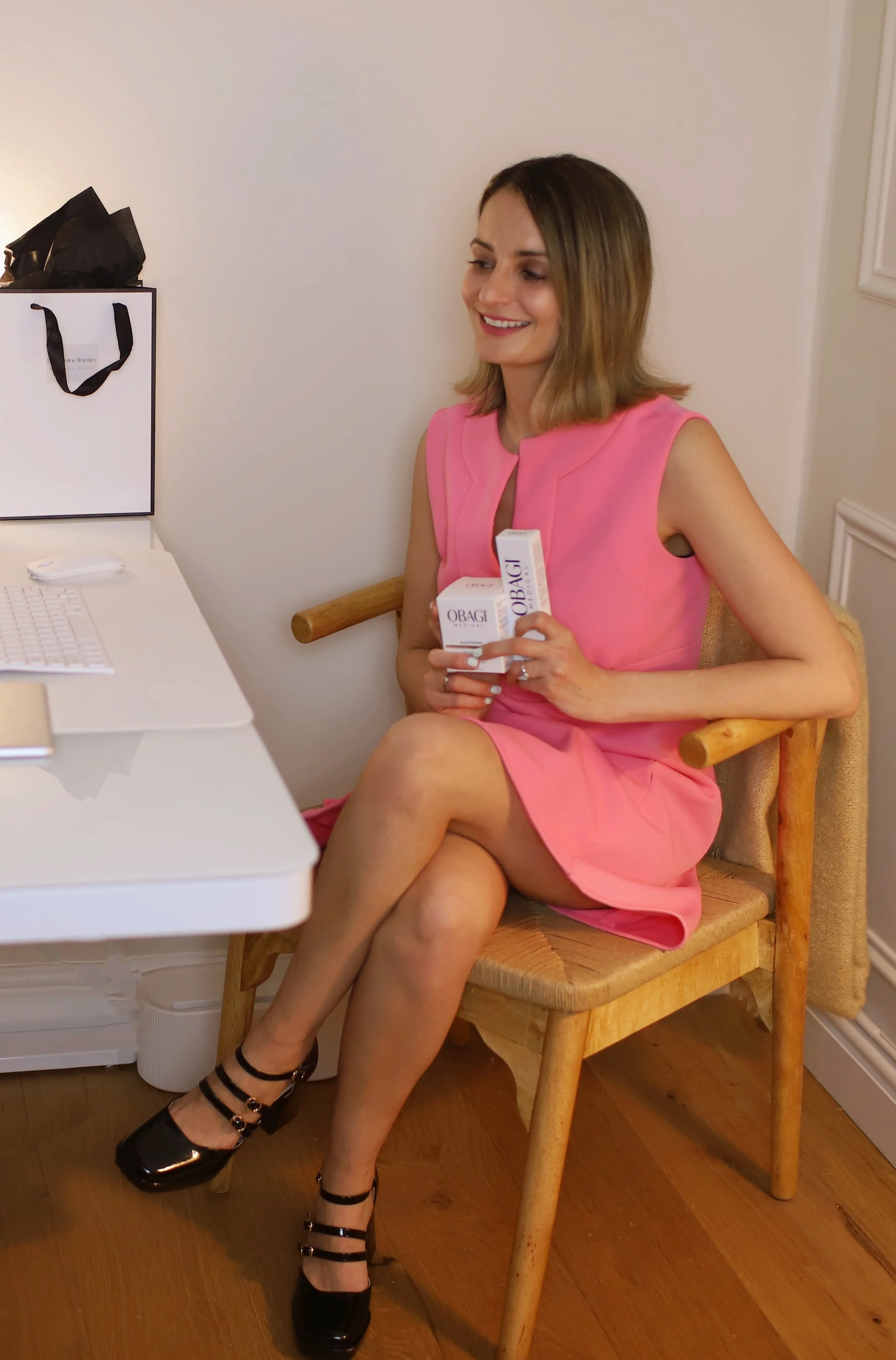
Last updated: 17 October 2026
It is one of the most honest questions patients ask me in clinic, usually slightly apologetically: "Is Obagi actually worth the money, or am I paying for the box?"
It deserves an honest answer, and the answer is not simply yes. Some of the money you spend on skincare buys you a measurable difference. Some of it buys you a nice bathroom shelf. As an NHS GP and aesthetic doctor in Hale, I spend a lot of my time helping people in Altrincham, Bowdon and across Cheshire tell those two apart, so here is how I think about it.
In this article:
- What "medical-grade" actually means (and does not mean)
- What you are really paying for with Obagi
- Where the high street is perfectly good
- The four situations where Obagi earns its price
- How to spend less and get more
- Frequently asked questions
What Does "Medical-Grade Skincare" Actually Mean?
Let's start with the uncomfortable part. In the UK, a skincare product is regulated either as a cosmetic or as a medicine. There is no third category. "Medical-grade", "clinical", "professional" and "cosmeceutical" are marketing descriptions, not regulatory ones, and consultant dermatologists have been saying so for years.
"There is no legal definition." Dr Anjali Mahto, consultant dermatologist, on the term "medical-grade", speaking to Stylist
So a product being sold through a clinic does not, by itself, make it better than one sold in a supermarket. I would rather you heard that from me than from a sceptical article online.
What the term usually signals in practice is a cluster of things: higher or more carefully chosen concentrations of active ingredients, more attention to formulation stability, brand-specific clinical studies, and supply through professionals who can tell you how to use it. Those things are real and they do matter. They are just not guaranteed by the label, which is why the question "is Obagi worth it?" has to be answered product by product and person by person rather than brand by brand.
The label "medical-grade" tells you where a product is sold. It does not tell you whether it works. For that you have to look at the formulation, the evidence and the advice that comes with it.
What Are You Actually Paying For With Obagi?
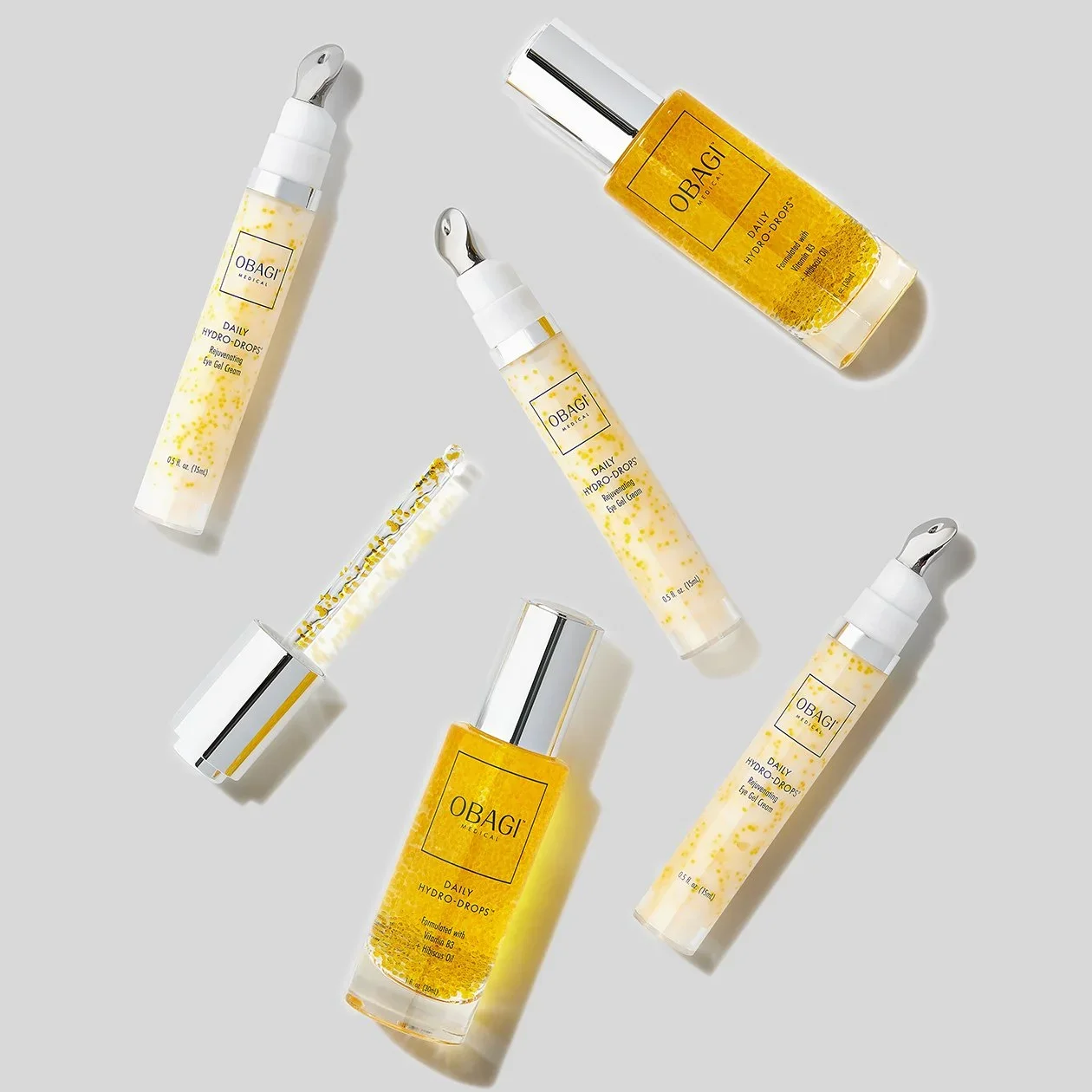
Obagi Medical is one of the core ranges at my clinic, and we are an official Obagi Ambassador clinic, so I have a clear view of what the price does and does not buy. Here is where the money goes:
Where the High Street Is Perfectly Good
I would be doing you a disservice if I pretended every step of a routine needs a clinic product. It does not. There are categories where a well-chosen high street product performs just as well, and I say so in consultations every week.
Spend on the actives. Save on the basics. Nobody ever transformed their skin with a £90 cleanser.
The Four Situations Where Obagi Earns Its Price
This is where I stop being even-handed, because there are specific problems where the difference between a high street product and an Obagi product is not marginal. It is the difference between improvement and no improvement.
1. Pigmentation, melasma and sun damage
This is the clearest case. Diffuse sun damage, melasma and post-inflammatory marks respond to a structured, multi-step programme with exfoliation, pigment regulation, retinoid activity and strict SPF working together over months. Obagi Nu-Derm is the most studied system of its kind and, in appropriate patients, the prescription-strength version includes ingredients you cannot buy over the counter. I have not seen a high street routine deliver the same change in stubborn pigmentation. For the full picture, see my pigmentation and uneven skin tone page.
2. Photoageing you actually want to change
If your goal is to improve fine lines, texture and skin quality rather than simply maintain, you need a retinoid at an effective concentration in a formulation your skin can tolerate long term. Obagi's entrapped retinol does that job well, and if you later need prescription strength, that is a conversation we can have. My retinol vs prescription retinoids post explains the difference.
3. Skin that needs rescuing from the wrong products
A surprising number of patients arrive having spent a great deal on the high street and ended up with a damaged barrier: red, stinging, flaky and duller than when they started. Here the value is not just the product but the structured reset: strip the routine back, repair the barrier with something like Obagi Rebalance, then rebuild with one active at a time. See my page on dull, tired skin and uneven texture.
4. Preparing for or maintaining clinic treatment
If you are investing in microneedling, peels, polynucleotides or Sculptra, skincare is what protects that investment. A patient on consistent retinoid, vitamin C and SPF holds the results of a collagen-stimulating treatment far better than one who is not. In that context the skincare is a small part of the overall spend and makes the expensive part work harder.
How to Spend Less on Skincare and Get More
Obagi at My Clinic in Hale
I am deliberately sceptical about skincare, and Obagi is my core range I use precisely because it holds up to that scepticism: stated concentrations, stable formulations, product-specific evidence and a range I can step up or down as a patient's skin changes. Being an Obagi Ambassador clinic means we buy direct, so what you are using is genuine and in date.
It does not mean I recommend Obagi for everyone or for every step. Some patients leave with two Obagi products and a list of what to keep from their bathroom cabinet. Some need a full Nu-Derm programme. Some need me to remove half of what they are using. Good skincare advice is about what your skin actually needs, not the size of the bag you leave with.

So, Is Obagi Worth the Money? My Verdict
For the actives that change skin, and for structured pigmentation programmes, yes. The formulation, concentration and evidence are real and the difference shows in the mirror. For cleansers, basic moisturisers and hyaluronic acid, sometimes no, and I will tell you so. And for anyone, Obagi is only worth it when the right product is chosen for the right concern and used consistently, which is why I would always rather you had an assessment first than guessed from a list online.
Obagi is worth the money when it is doing something the high street cannot. The skill is knowing which steps those are.
Frequently Asked Questions About Obagi and Medical-Grade Skincare
Is Obagi better than high street skincare?
For targeted actives such as retinol, vitamin C and pigmentation systems, generally yes, because of stated concentrations, stability and product-specific evidence. For basics such as cleansers and simple moisturisers, a well-chosen high street product is usually just as good.
Why is Obagi so expensive?
You are paying for higher active concentrations, formulation and packaging designed to keep those actives stable, clinical studies on the products themselves, and in some cases prescription-only ingredients. The price is not justified for every product in a routine, which is why I recommend mixing Obagi actives with simpler basics.
Does "medical-grade" mean a product is regulated differently?
No. In the UK a product is either a cosmetic or a medicine. "Medical-grade" is a marketing term with no legal definition. What it usually signals is professional supply and higher concentrations, but that has to be checked product by product.
Can I get the same results with cheaper products?
For mild concerns and general maintenance, often yes. For melasma, significant sun damage, stubborn pigmentation and meaningful photoageing, in my experience a structured programme such as Nu-Derm outperforms a high street routine.
Which Obagi products are most worth buying?
If you are buying only one or two, a retinoid and a well-formulated vitamin C give the most change per pound. A dedicated barrier recovery product is worth it if your skin is damaged from overuse of actives. Everything else depends on your concern.
Do I need a consultation to buy Obagi?
Many Obagi products can be bought from an authorised stockist without a consultation, but prescription-strength systems need assessment by a prescriber. Either way, a consultation means the products are chosen for your skin rather than guessed.
Is Obagi suitable for sensitive skin or rosacea?
Some products are, introduced carefully. Rosacea-prone or reactive skin needs the inflammation settling before actives are added, and sometimes a gentler product is the better choice regardless of brand. See my rosacea and redness guide.
How long does a bottle of Obagi last?
With correct, pea-sized use, most serums and retinols last two to four months. Worked out per day, the cost difference from high street products is often smaller than it looks on the shelf.
Doctor-Led Skincare Advice in Hale, Altrincham and Cheshire
If you are weighing up whether Obagi is worth it for your skin, the honest answer depends on what your skin needs, and that is what a consultation is for. At our clinic in Hale, close to Altrincham, I assess your skin type, sensitivity, pigmentation, sun damage, existing routine and the health of your barrier, then tell you which products are worth your money and which are not.
Sometimes that means Obagi. Sometimes it means keeping what you already have. Usually it means fewer products, used better.
Explore the treatment: Medical-Grade Skincare at Dr Caroline Warden Skin & Aesthetic Clinic
Further Reading
- The Real Reason Your Tretinoin Is Not Working
- Obagi Retinol 0.5 vs 1.0: Which Strength Should You Use?
- Medical-Grade Skincare in Altrincham: What It Is and Why It's Worth It
- Why You Shouldn't Buy Obagi Products Online
- Pigmentation and Uneven Skin Tone
Next steps
Learn more about Dr Caroline Warden Clinic
Learn more about other treatments offered
References
- Stylist. What is medical-grade skincare? Featuring consultant dermatologist Dr Anjali Mahto.
- Marie Claire UK. Unregulated skincare claims: what "medical-grade" and "clean" really mean.
- Mukherjee S, et al. Retinoids in the treatment of skin aging: an overview of clinical efficacy and safety. Clinical Interventions in Aging. 2006;1(4):327-348.
- Obagi Medical UK. Product and clinical information.
Written by Dr Caroline Warden, NHS GP and aesthetic doctor, Dr Caroline Warden Skin & Aesthetic Clinic, 2 Crown Passages, Hale. Last reviewed: 17 October 2026.