Why Tretinoin Remains the Closest Thing We Have to a Miracle in Skincare

The One Product I Would Take to a Desert Island
If I could choose only one skincare ingredient to use for the rest of my life, it would almost certainly be tretinoin.
That may sound like a bold statement.
After all, the skincare industry launches exciting new ingredients almost every month. There is always a new trend, a new serum or a new miracle product promising younger, brighter and firmer skin.
But despite all of that innovation, tretinoin remains the ingredient I consistently come back to.
As both an NHS GP and aesthetic doctor, it is one of the few skincare ingredients that has decades of robust scientific evidence behind it.
What Exactly Is Tretinoin?
Tretinoin is a prescription strength vitamin A derivative and belongs to a family of ingredients called retinoids.
Unlike many over the counter retinol products, tretinoin is already in its active form, meaning the skin can use it immediately without needing multiple conversion steps.
This is one of the reasons it is so effective.
Over time, tretinoin has been shown to improve:
Acne.
Fine lines.
Pigmentation.
Skin texture.
Sun damage.
Collagen production.
Overall skin quality.
If there was ever an ingredient that deserves the phrase "gold standard", it is tretinoin.
Why Dermatologists and Aesthetic Doctors Love It
One of the reasons tretinoin has remained so popular for decades is because it works on multiple aspects of skin ageing simultaneously.
Many skincare products only address one concern.
Tretinoin is different.
It encourages healthier skin cell turnover, helps regulate pigmentation, supports collagen production and improves skin texture over time.
In simple terms, it helps skin behave more like younger skin.
As we age, our skin naturally becomes slower, thinner and less efficient at repairing itself.
Tretinoin helps reverse some of those changes.
And importantly, it continues working year after year.
This is why many dermatologists describe tretinoin as an investment rather than a quick fix.
The Collagen Story
One of the things that fascinates me most about tretinoin is its effect on collagen.
Collagen is the structural protein that gives skin its firmness, support and resilience.
Unfortunately, collagen production begins declining from our mid twenties onwards.
Over time this contributes to:
Skin laxity.
Fine lines.
Loss of firmness.
Changes in facial support.
Crepey skin.
A less youthful appearance.
Tretinoin remains one of the most extensively studied topical ingredients for stimulating collagen production.
That is remarkable.
Because whilst many skincare products claim to boost collagen, very few have the scientific evidence to back those claims up.
Why Tretinoin Is Not Just for Anti Ageing
Many people assume tretinoin is only for wrinkles.
In reality, it is incredibly versatile.
I prescribe and recommend tretinoin for patients struggling with:
Acne.
Pigmentation.
Sun damage.
Uneven skin tone.
Post inflammatory marks.
Early signs of ageing.
Adult breakouts.
Perimenopausal skin changes.
In many cases, it becomes the foundation of a patient's entire skincare routine.
The Secret Nobody Talks About
The biggest secret about tretinoin is that the magic does not just happen in six weeks.
The magic continues to improve for 6-12 months.
One of the reasons people become disappointed is because they expect dramatic overnight results.
But tretinoin is more like investing for retirement than winning the lottery.
Small improvements accumulate over time.
And then one day patients look at old photographs and realise how dramatically their skin has changed.
That is when tretinoin becomes truly impressive.
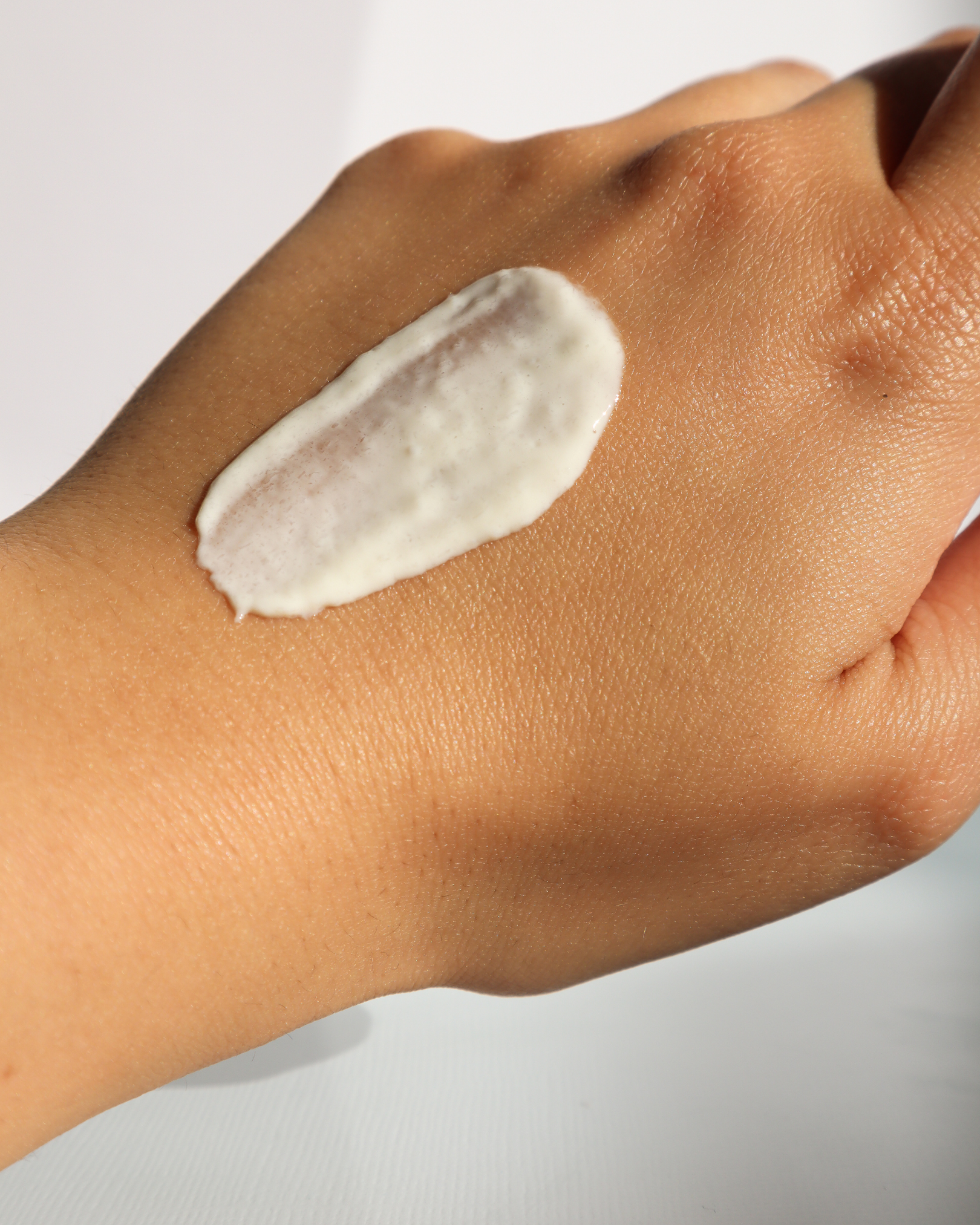
Why I Personally Prefer Obagi Tretinoin Systems
There are many tretinoin products available.
However, one of the reasons both myself and Louise are proud Obagi Ambassadors is because I think Obagi understands something many brands miss.
Tretinoin should never exist in isolation.
Successful tretinoin use depends on the entire skincare routine surrounding it.
The Obagi approach focuses on creating healthier skin overall rather than simply selling a prescription product.
This includes:
Supporting the skin barrier.
Encouraging consistency.
Improving tolerance.
Protecting the skin with SPF.
Using evidence based supporting products.
In my experience, patients who are guided properly through the process are far more likely to stay on tretinoin long term.
And long term use is where the real results happen.
Why Tretinoin Fits Perfectly With Modern Aesthetic Medicine
One of the reasons I am so passionate about regenerative aesthetics is because the industry is increasingly moving towards preserving skin quality rather than simply correcting ageing after it appears.
That means focusing on:
Collagen preservation.
Healthy ageing.
Skin longevity.
Barrier health.
Prevention.
Regeneration.
Tretinoin fits beautifully into that philosophy.
It is not about chasing perfection.
It is about helping your skin stay healthier for longer.
At our clinic in Hale, many patients are now combining tretinoin with:
Medical grade skincare.
Microneedling.
Polynucleotides.
LED therapy.
Sculptra.
Radiesse.
NAD+ skincare.
The goal is not dramatic transformation.
The goal is healthier skin.
What Results Can You Realistically Expect?
Patients often ask me whether tretinoin is worth it.
Honestly, I think it is one of the best investments you can make in your skin.
Over time, many patients notice:
Smoother texture.
Brighter skin.
Improved clarity.
More even pigmentation.
Fewer breakouts.
Healthier looking skin.
Improved fine lines.
Greater skin confidence.
Importantly, the results often continue improving.
A Case Study

Rachel, Age 44 from Bowdon
Rachel attended clinic concerned about early signs of ageing, pigmentation and occasional adult acne.
She had tried numerous skincare products over the years but felt nothing delivered meaningful long term improvement.
We built a simple routine centred around tretinoin, barrier support, SPF and medical grade skincare.
Initially, improvements were subtle.
However, after twelve months her skin looked brighter, smoother and significantly healthier.
Perhaps most importantly, she felt far more confident leaving the house without makeup.
And honestly, those are often the most meaningful results.

Frequently Asked Questions
Is tretinoin really worth it?
In my opinion, absolutely.
Very few skincare ingredients have the depth of scientific evidence that tretinoin has accumulated over decades.
How long does it take to work?
Most patients notice some improvement within a few months, but the most impressive changes often occur over six to twelve months and beyond.
Can tretinoin help with pigmentation?
Yes. Tretinoin is widely used for improving uneven pigmentation and sun damage.
Can I use tretinoin if I have acne?
Absolutely. It remains one of the most effective topical treatments available for acne prone skin.
Is tretinoin only for older patients?
Not at all. Many patients start using tretinoin in their twenties and thirties as part of a long term skin health strategy.
Why do doctors love tretinoin so much?
Because it is one of the few ingredients that consistently delivers measurable improvements in multiple aspects of skin health and ageing.

Scientific and Medical References
Tretinoin and Skin Ageing
- Topical Tretinoin for Treating Photoageing: A Systematic Review (2022)
- Tretinoin for Photodamaged Facial Skin: Systematic Review and Meta-Analysis (2025)
- Retinoids in the Treatment of Skin Ageing: An Overview of Clinical Efficacy and Safety
- An Updated Review of Topical Tretinoin in Dermatology (2025)
These reviews consistently demonstrate improvements in fine lines, pigmentation, skin texture and collagen production with long-term tretinoin use.
Acne and Pigmentation
- American Academy of Dermatology: Updated Guidelines for the Management of Acne
- Effects of Topical Retinoids on Acne and Post-Inflammatory Hyperpigmentation
- DermNet: Topical Retinoids
Topical retinoids remain a cornerstone treatment for acne and can also improve post-inflammatory pigmentation and acne marks.
Tretinoin and Collagen Production
Research shows tretinoin increases collagen production, improves skin texture and can reduce fine wrinkles when used consistently over months and years.
Professional Resources
Final Thoughts
Skincare trends come and go.
Ingredients rise and fall in popularity.
But tretinoin has remained relevant for decades for one simple reason. It works.
As both an NHS GP and aesthetic doctor, if somebody asked me to choose just one evidence based skincare ingredient for long term skin health, collagen support and healthy ageing, tretinoin would be very close to the top of the list.
The longer I work in aesthetics, the more convinced I become that beautiful skin is usually not about finding the newest product.
It is about consistently using the right ones.
And tretinoin remains one of the right ones.
Book a Consultation

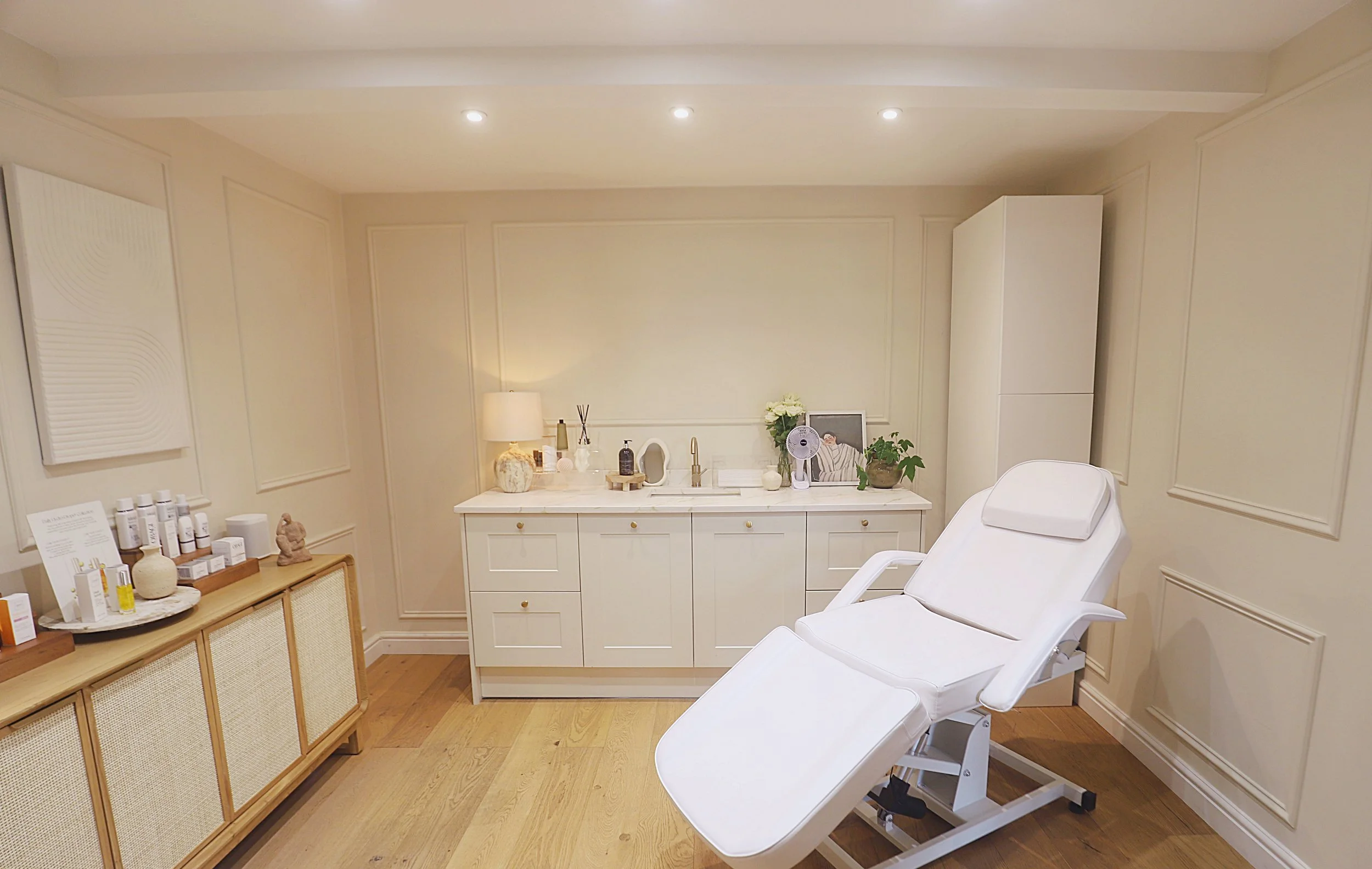
If you are interested in starting tretinoin, improving your skincare routine or building a personalised healthy ageing plan, you can book a consultation at Dr Caroline Warden Skin & Aesthetic Clinic in Hale, Cheshire.
Dr Caroline Warden is an experienced NHS GP and aesthetic doctor with a strong interest in skin longevity, regenerative aesthetics and evidence based skincare. Alongside her sister Louise Devereux, Creative Director and Patient Coordinator, they have created a female led, family run clinic focused on helping patients achieve healthy, resilient and naturally beautiful skin.
Patients travel to the clinic from Hale, Altrincham, Bowdon, Wilmslow, Knutsford, Sale and across Cheshire for personalised, doctor led skincare advice and regenerative skin treatments.
Further Reading
If you found this useful, these related articles from the clinic explore getting the most from tretinoin and supporting your skin barrier.
- Why I'm Obsessed with Tretinoin: The Gold Standard of Skincare
- Why I'm Obsessed with the New Obagi Nu Gen NAD+ Serum
- The 5 Skincare Ingredients I Would Be Careful With
- Understanding Eczema and the Skin Barrier
- The Best Moisturisers in 2026 for Healthy, Glowing Skin
Explore the approach: medical grade skincare and prescription tretinoin in Hale, Altrincham and Cheshire
