Can Acne Scars Be Removed Permanently? A GP and Aesthetic Doctor's Guide to Acne Scar Treatment in Hale, Altrincham and Cheshire
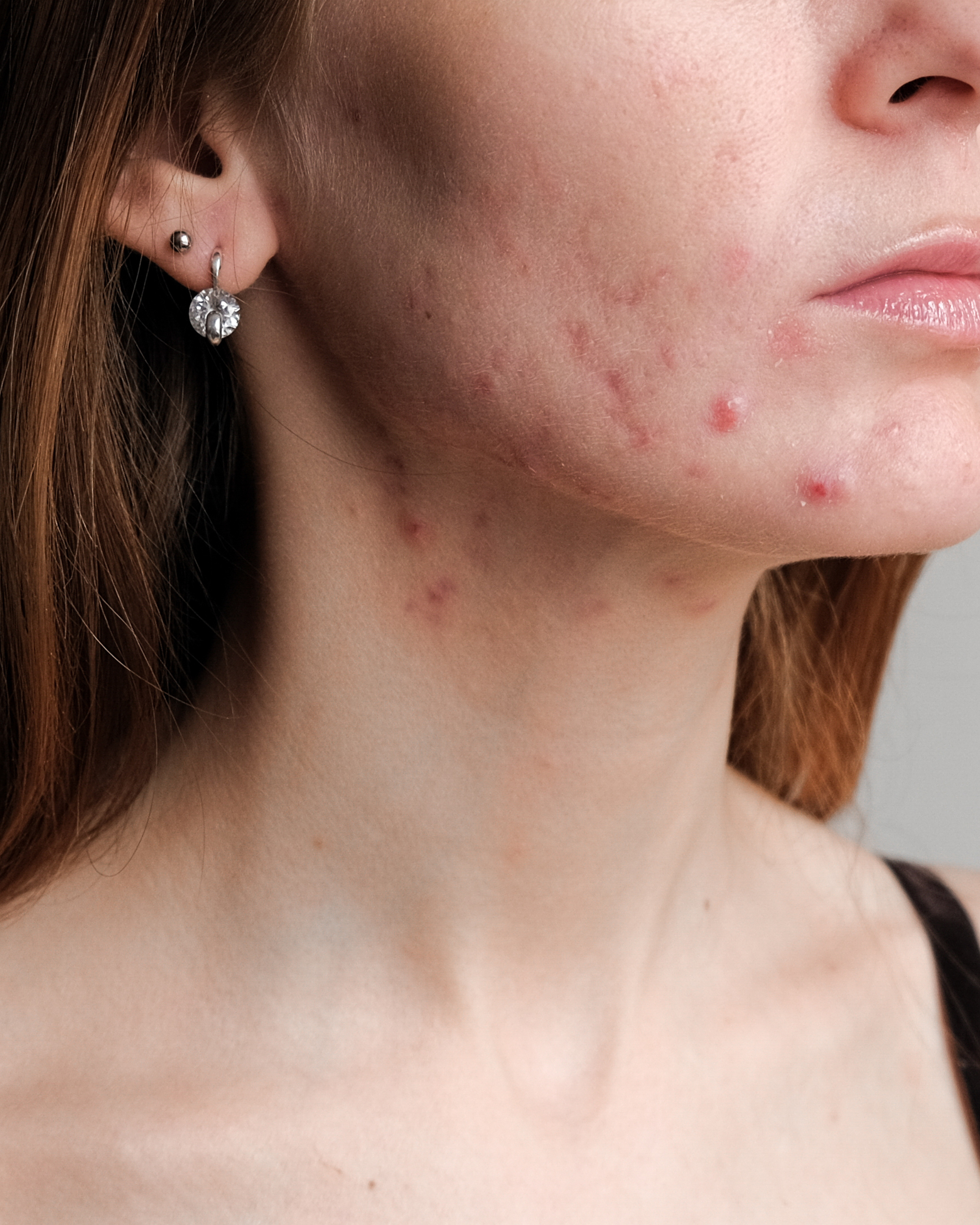
The Acne May Have Gone, But The Scars Remain
For many people, acne does not end when the breakouts stop.
As both an NHS GP and aesthetic doctor, I regularly meet patients who tell me their acne has been under control for years, yet they still feel self conscious about the scars it left behind.
One of the most common questions I hear in clinic is:
"Can acne scars be removed permanently?"
The honest answer is no.
There is currently no treatment that can completely erase acne scars.
BUT…
…modern acne scar treatments can often achieve significant improvements in skin texture, skin quality and overall appearance. Many patients experience smoother skin, increased confidence and a dramatic reduction in the visibility of their scars.
At Dr Caroline Warden Skin & Aesthetic Clinic in Hale, Cheshire, I create bespoke acne scar treatment plans using a combination of medical grade skincare, regenerative aesthetics and collagen stimulating treatments designed to improve both the skin and the confidence of the person behind it.
What Causes Acne Scars?
Acne scars develop when inflammation damages the deeper layers of the skin.
As the skin heals, collagen is produced unevenly, creating permanent changes in the skin's structure. The more severe and prolonged the inflammation, the greater the risk of long term scarring.
This is one of the reasons I am so passionate about treating acne early and effectively.
Preventing a scar is always easier than treating one.
Why I Don't Believe in One Size Fits All Acne Scar Treatment
One of the biggest mistakes I see in acne scar treatment is assuming every scar responds to the same procedure.
Some clinics recommend laser for everyone.
Others recommend microneedling for everyone.
The reality is that acne scars come in many different forms and each type behaves differently.
Rolling scars, boxcar scars, ice pick scars and tethered scars all require different approaches.
This is why I create personalised treatment plans rather than offering a single treatment package.
The most successful outcomes usually come from combining treatments that address different aspects of the scarring process.
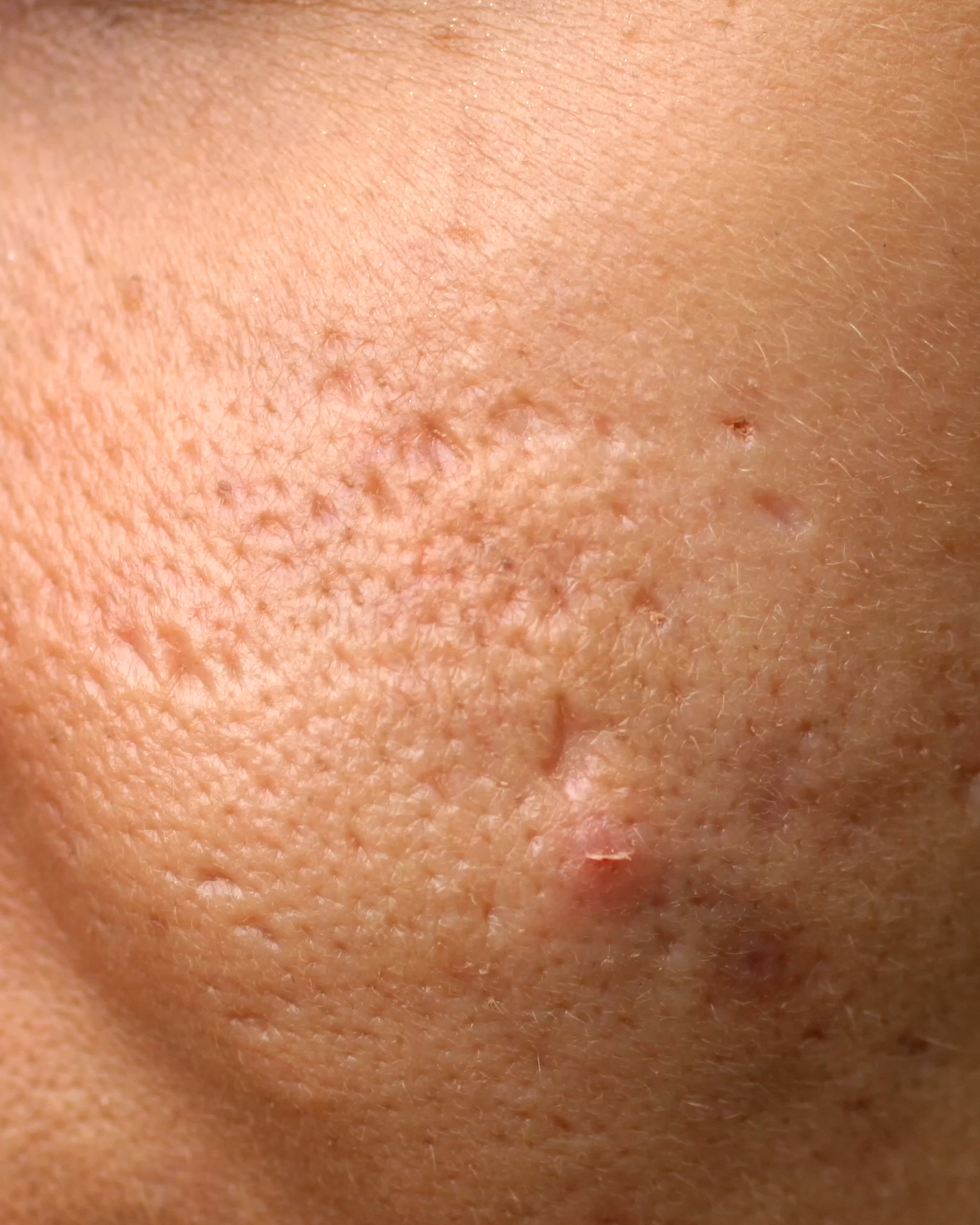
What Type of Acne Scars Do You Have?
Rolling Scars
Rolling scars are broad depressions with soft edges that create an uneven appearance across the skin. They are commonly found on the cheeks and often respond well to collagen stimulating treatments.
Boxcar Scars
Boxcar scars are wider depressions with more defined edges, creating a pitted appearance.
Ice Pick Scars
Ice pick scars are narrow but deep scars that extend into the deeper layers of the skin. They are often the most challenging scars to treat.
Tethered Scars
Some scars become attached to deeper tissues beneath the skin by fibrous bands. These bands physically pull the scar downwards, creating visible depressions that often require release before improvement can occur.

Can Acne Scars Be Removed Permanently?
Unfortunately, no treatment can completely remove acne scars.
However, this does not mean they cannot be improved.
Most patients can expect noticeable improvements in skin texture, smoothness and overall skin quality when the correct treatments are selected.
Depending on the scar type and severity, improvements of 50–80% are often achievable.
The goal is not perfection. The goal is healthier, smoother skin that allows you to feel more confident in your own skin.
Step 1: Prevent New Scars With Tretinoin
Before focusing on scar correction, it is essential to prevent new scars from forming.
Prescription strength tretinoin remains one of my favourite treatments for patients with acne prone skin.
Tretinoin increases collagen production, improves skin cell turnover, reduces blocked pores and helps prevent future breakouts.
It also helps prepare the skin for in clinic procedures and supports long term improvements in skin quality.
In my opinion, tretinoin remains one of the most underused and powerful tools available for both acne management and long term skin health.
Microneedling With Exosomes for Rolling Acne Scars
For many patients with rolling acne scars, microneedling with exosomes is one of the most effective regenerative treatments available.
Microneedling creates controlled micro injuries within the skin, triggering collagen production and tissue remodelling.
Exosomes contain signalling molecules that support skin repair, regeneration and healing.
Patients often notice:
• Smoother skin texture
• Improved skin quality
• Better skin radiance
• Reduced visibility of rolling scars
• Healthier looking skin
A course of three treatments is usually recommended for optimal results.
Subcision With Polynucleotides for Tethered Acne Scars
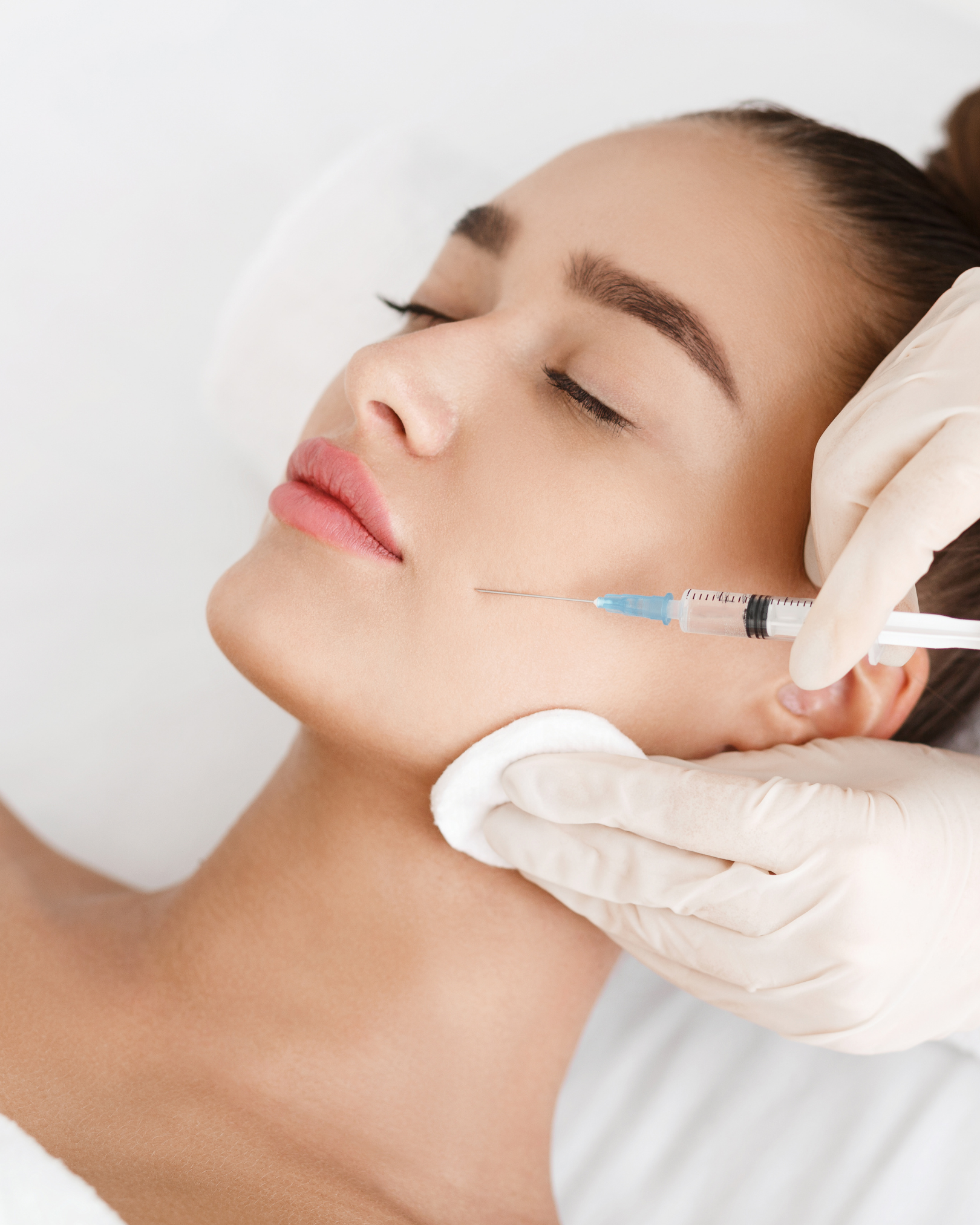
For deeper scars that are physically attached to underlying tissue, microneedling alone is often not enough.
Subcision involves releasing the fibrous bands that tether the scar downwards.
This allows the skin to lift naturally whilst stimulating new collagen production.
I often combine subcision with polynucleotides to support tissue repair and regeneration during healing.
This combination can be particularly effective for:
• Deep rolling scars
• Tethered scars
• Long standing acne scarring
The Perfect Peel for Texture and Pigmentation
Many acne patients are dealing with more than just scarring.
Post inflammatory pigmentation, uneven skin tone and dullness often contribute significantly to how the skin looks.
The Perfect Peel can help improve:
• Skin texture
• Pigmentation
• Skin brightness
• Overall skin quality
When combined with collagen stimulating treatments, it can help create a smoother, clearer and more even complexion.
What About TCA CROSS?
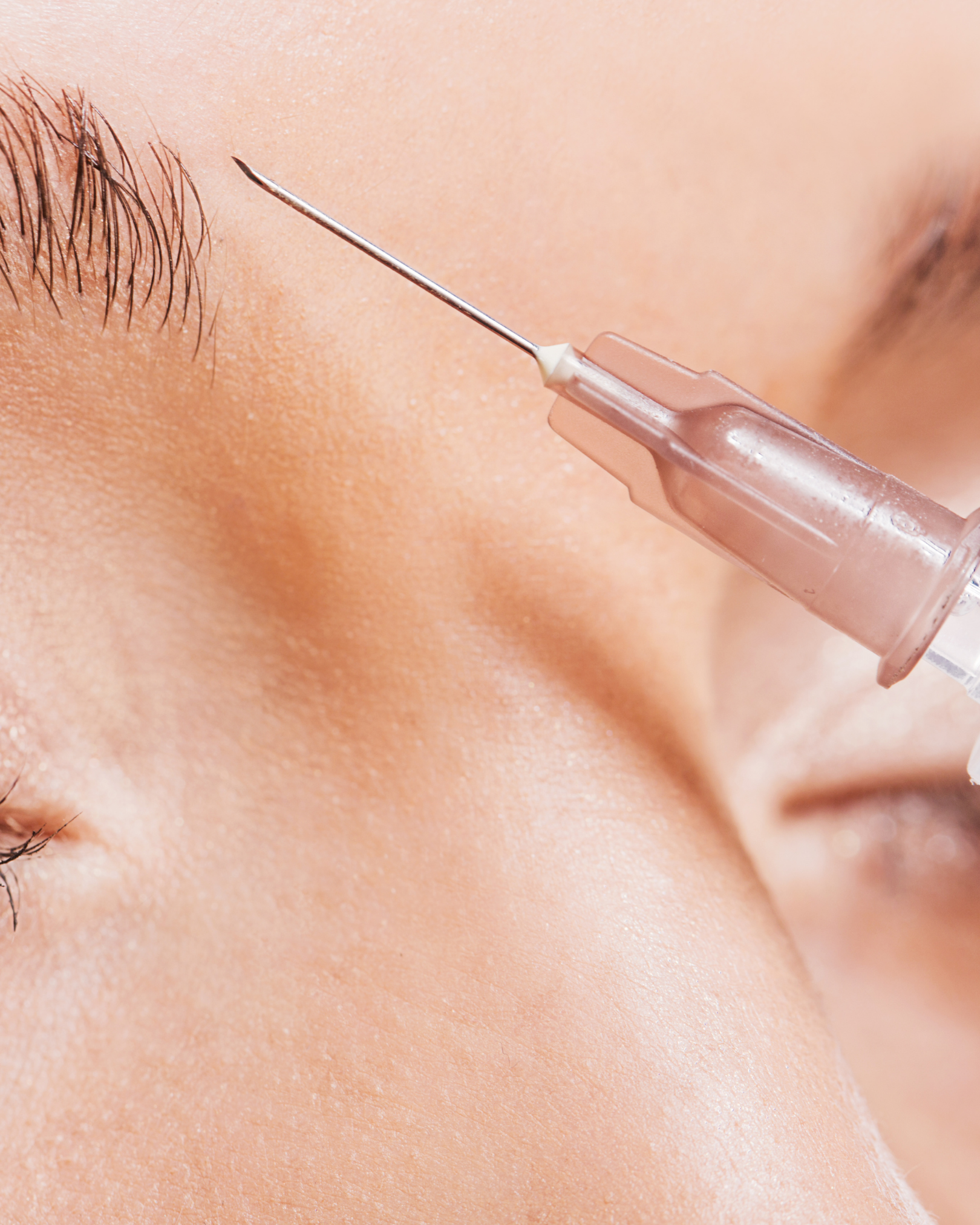
TCA CROSS (Chemical Reconstruction Of Skin Scars) involves placing high strength trichloroacetic acid directly into individual scars.
It is particularly useful for:
• Ice pick scars
• Deep narrow scars
• Certain boxcar scars
Whilst highly effective in carefully selected patients, multiple treatment sessions are often required.
What About CO2 Laser Resurfacing?
CO2 laser resurfacing is often regarded as one of the most powerful treatments for severe acne scarring.
It works by creating controlled injury within the skin to stimulate significant collagen remodelling.
Potential benefits include improved texture, scar softening and overall skin resurfacing.
However, it is also associated with more downtime, prolonged redness, a greater risk of pigmentation changes and longer recovery periods.
For this reason, it is not necessarily the best first line treatment for every patient.

Why I Focus on Regenerative Acne Scar Treatments
At my Hale clinic, I currently focus on treatments that encourage the skin to repair and regenerate itself.
These include:
• Prescription tretinoin
• Microneedling with exosomes
• Subcision with polynucleotides
• Medium depth chemical peels
These treatments can often achieve excellent improvements whilst offering less downtime and a lower risk profile than more aggressive resurfacing procedures.
How Many Acne Scar Treatments Will I Need?
Every patient is different.
A typical treatment plan may include:
• Prescription tretinoin
• Three microneedling with exosome treatments
• One to three subcision sessions
• One or more chemical peels
Results develop gradually because collagen production takes time.
Most patients continue to see improvements for several months after treatment.
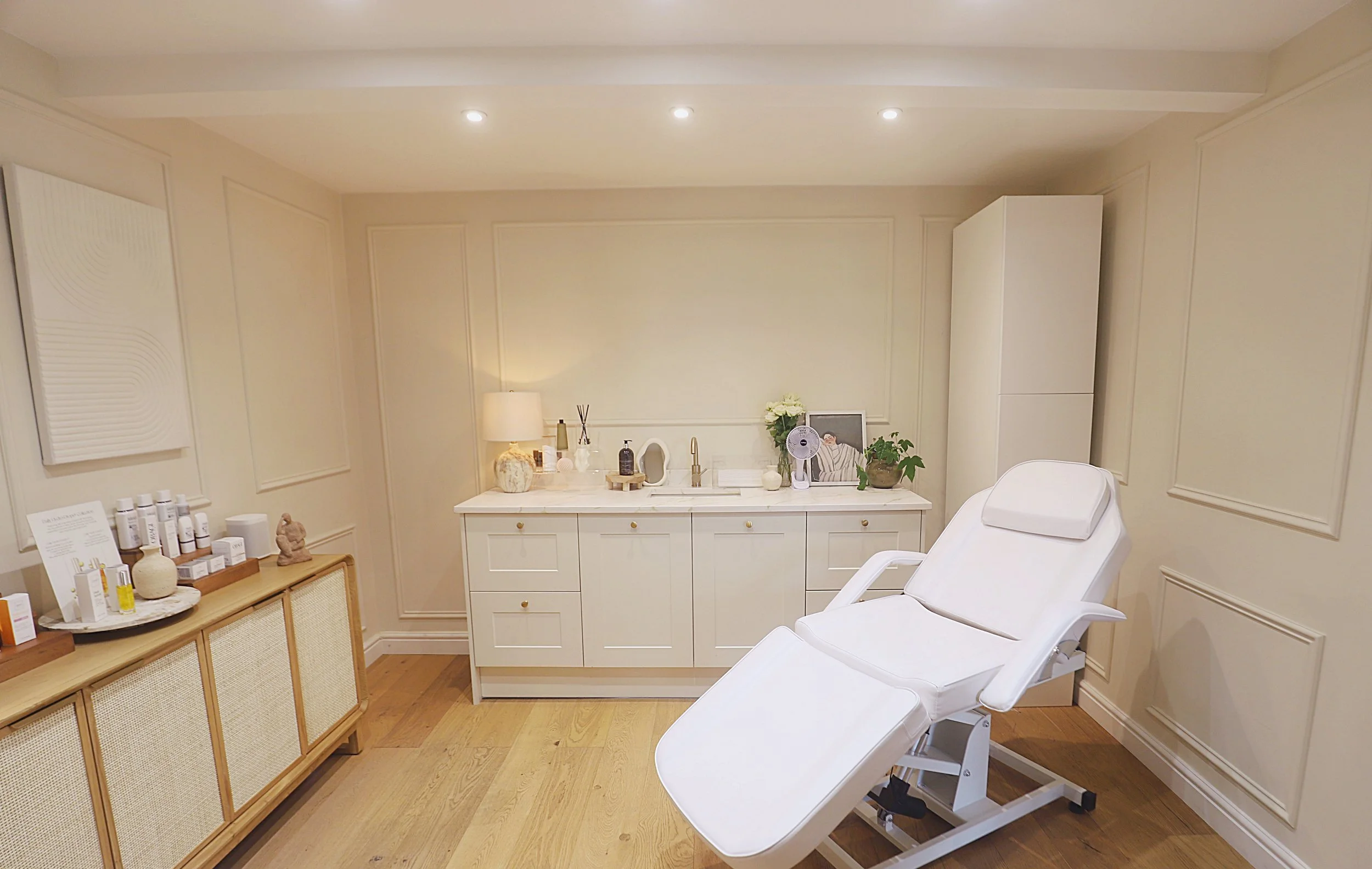
Why Patients Travel to Our Hale Clinic for Acne Scar Treatment
Patients travel from Hale, Altrincham, Bowdon, Wilmslow, Knutsford, Sale, Stockport and across Cheshire for personalised acne scar treatment plans.
As both an NHS GP and aesthetic doctor, I take a holistic approach to skin health, combining evidence based skincare, regenerative treatments and honest advice.
Every treatment plan is tailored to the individual because no two patients and no two scars are ever the same.

Frequently Asked Questions
Which acne scar treatment is best?
There is no single best treatment. Rolling scars often respond well to microneedling with exosomes, whilst deeper tethered scars may require subcision. Ice pick scars may benefit from TCA CROSS and severe scarring may occasionally require laser resurfacing.
Can acne scars be removed completely?
No. However, significant improvement is often achievable with the correct treatment plan.
Does microneedling help acne scars?
Yes. Microneedling stimulates collagen production and can improve the appearance of many acne scars.
Are exosomes good for acne scars?
Exosomes may support tissue repair, collagen stimulation and skin regeneration when combined with microneedling.
Is subcision painful?
Subcision is performed under local anaesthetic and is generally very well tolerated.
Can tretinoin improve acne scars?
Yes. Tretinoin can improve skin texture, stimulate collagen production and help prevent future breakouts.
Is CO2 laser the best acne scar treatment?
Not necessarily. Whilst it can produce excellent results, it also involves more downtime and is not suitable for every patient.
How many treatments will I need?
Most patients benefit from a course of treatments rather than a single procedure. Your plan will be tailored during consultation.

Book a Consultation
If you are struggling with acne scarring and would like an honest assessment of your treatment options, I would be delighted to help.
At Dr Caroline Warden Skin & Aesthetic Clinic in Hale, Cheshire, every treatment plan is tailored to your skin, concerns and goals.
As both an NHS GP and aesthetic doctor, I focus on evidence based treatments that improve long term skin health whilst achieving natural looking results.
Alongside my sister Louise Devereux, we have created a female led, family run clinic dedicated to helping patients feel confident in their skin again.
Book a consultation today to discuss your personalised acne scar treatment plan.