Why Choose a Small, Family Run Skin & Aesthetic Clinic in Hale?

An NHS GP and Aesthetic Doctor Explains Why Continuity, Restraint and Personal Care Can Matter More Than Clinic Size
The aesthetics industry has changed enormously over the past few years.
Large medical spa and medispa style clinics now offer extensive treatment menus, multiple practitioners, sophisticated devices and packages designed to address almost every imaginable concern.
Many larger aesthetic clinics provide excellent care and employ highly skilled professionals.
However, they are not the right environment for every patient.
Increasingly, women tell me they are looking for something smaller, calmer and more personal.
They do not necessarily want to choose from thirty treatments or move between several different practitioners.
‘‘They want to feel listened to.’’
They want honest advice from somebody who remembers their face, their skin, their medical history and the things they have previously said they do not want.
Most importantly, they want to know that they will not be encouraged to undergo more treatment simply because more treatment is available.
That is exactly why my sister Louise and I intentionally created Dr Caroline Warden Skin & Aesthetic Clinic in Hale as a small, female led and family run clinic.
We did not want it to feel like a high volume beauty business.
We wanted to create a discreet, intimate clinic where patients could build a long term relationship with the same people, receive medically led advice and feel comfortable asking questions without pressure.
Our philosophy is simple. To recommend the smallest, safest and most appropriate plan capable of addressing what genuinely bothers the patient.

The Quick Answer
A small aesthetic clinic is not automatically safer or more skilled than a large medispa.
Clinic size alone does not determine treatment quality.
However, a smaller, family run clinic may offer advantages that many patients value, including greater continuity, direct access to the treating doctor, a calmer environment, longer term treatment planning and less risk of feeling passed between multiple practitioners.
At our doctor led aesthetic clinic in Hale, every plan is based on the individual patient rather than a standard package.
Sometimes that means skincare or one carefully selected treatment. Sometimes it means waiting. Sometimes it means advising against treatment altogether.
BOOK A PERSONALISED AESTHETIC CONSULTATION
Doctor led consultations in Hale, close to Altrincham, Bowdon, Hale Barns, Wilmslow, Knutsford, Sale, Stockport and Manchester.

Bigger Does Not Automatically Mean Better, and Smaller Does Not Automatically Mean Safer
It is important to begin with balance.
A beautiful building, a long treatment menu or several advanced devices does not guarantee excellent aesthetic care.
Equally, being small or family run does not automatically make a clinic safe, ethical or clinically skilled.
Safety depends on the practitioner’s qualifications, training, anatomical knowledge, medical assessment, prescribing standards, infection control, complication planning and willingness to work within their limits.
The best clinic for you is the one where you feel properly assessed, accurately informed and under no pressure to proceed.
For some patients, that will be a large multidisciplinary clinic with access to numerous technologies and specialists.
For others, it will be a smaller clinic where they see the same practitioner consistently and value a quieter, more personal experience.
What matters is not the size of the business.
It is the quality of the judgement being applied to your face and skin.

Why Continuity Matters in Aesthetic Medicine
Aesthetic treatment should not be planned as a series of disconnected appointments.
Your face changes gradually. Your skin changes with age, hormones, health, weight, medication, lifestyle and previous treatment.
Understanding that history matters.
In a smaller clinic, continuity can be easier to maintain because the same practitioner is more likely to assess you, perform your treatment and review the outcome.
Over time, I become familiar with how a patient responds.
I know whether she tends to bruise significantly, whether her skin becomes easily inflamed, whether she prefers very subtle treatment and which areas she has repeatedly said she does not want altered.
I can compare her appearance with previous photographs and distinguish a new concern from something that has always been part of her natural anatomy.
I can also see how different treatments have interacted over time.
This reduces the temptation to treat each appointment as though the patient were arriving with a completely blank face.
Continuity allows the plan to develop gradually.
That is particularly important for patients having collagen stimulating treatments, skincare programmes or carefully staged facial rejuvenation.

Seeing the Same Practitioner Helps Protect Facial Identity
One of the most common fears patients express is:
“I do not want to stop looking like myself.”
This is entirely understandable.
When several practitioners treat the same face without a coherent plan, each may have a slightly different aesthetic preference, technique or interpretation of what needs improving.
No individual treatment may be excessive, yet the cumulative result can gradually move away from the patient’s original features.
Continuity helps reduce that risk.
When I have looked after somebody over several years, I understand what she considers natural.
For one patient, softening a strong frown may be enough.
Another may want to improve skin quality but avoid facial volume completely.
Someone else may be happy to consider collagen stimulation but remain strongly opposed to prominent cheeks or a sharply altered jawline.
These preferences are not minor details.
They are central to creating a result that still belongs to the patient.
Aesthetic medicine should not impose one practitioner’s preferred face onto every woman who enters the clinic.

A Good Consultation Should Not Feel Like a Sales Appointment
Many patients arrive at their first aesthetic consultation feeling nervous.
Some have never had treatment before.
Others have experienced an appointment where they felt that additional problems were pointed out unnecessarily or where a much larger package was recommended than they expected.
A consultation should not involve creating new insecurities.
My role is not to identify every feature that could theoretically be altered.
It is to understand what the patient herself has noticed, establish whether treatment is medically appropriate and explain the realistic options.
Sometimes a woman asks about filler when the main issue is actually dehydrated or inflamed skin.
Sometimes she requests microneedling when active rosacea should be controlled first.
Sometimes she thinks she needs several treatments because of something she has seen online, when one modest intervention would be more appropriate.
And sometimes she does not need treatment at all.
Some of my most valuable consultations end with a recommendation to wait, simplify the skincare routine or seek an opinion from another appropriately qualified professional.
An honest “no” is sometimes better aesthetic medicine than an impressive treatment plan.

Why Smaller Clinics Can Feel Less Overwhelming
A large medispa can offer considerable choice, which is valuable for patients who want access to multiple technologies in one location.
However, a very long treatment menu can also feel overwhelming.
Patients may struggle to understand the difference between several devices, injectable brands, skin boosters and treatment packages.
They may arrive knowing that they dislike how their skin feels but have no idea which procedure they are supposed to choose.
A smaller clinic can simplify that process.
The patient does not need to diagnose herself or select a treatment from a menu before she arrives.
She can describe the concern in ordinary language.
“My skin has become dry and unpredictable.”
“I look tired.”
“I have started noticing my jawline.”
“I am frightened of looking overfilled.”
The assessment should then determine whether the concern is related to skin barrier damage, rosacea, pigmentation, collagen loss, muscle movement, volume change or deeper tissue laxity.
The treatment follows the assessment.
The assessment should never be shaped around whichever machine or product the clinic happens to want to promote.

Why Restraint Often Creates the Most Natural Results
There is a cultural tendency within aesthetics to assume that more treatment produces more rejuvenation.
That is not always true.
Every face has a point beyond which additional correction stops looking fresher and begins to look altered.
The skill is not simply knowing how to inject or operate a device.
It is knowing when the face has had enough.
Subtle results often depend on small decisions:
Leaving a natural line rather than chasing it.
Treating one area and reviewing the balance before adding another.
Improving skin quality before replacing volume.
Allowing a collagen stimulator time to work before repeating treatment.
Recognising when a lower face is already heavy and should not receive more product.
Explaining when surgery would be more appropriate than repeated nonsurgical treatment.
Restraint does not mean withholding care.
It means applying treatment with a clear purpose.
At our Hale aesthetic clinic, I would rather build a plan gradually than perform several procedures simply because they can technically be combined.

Why I Focus on the Whole Face Rather Than Individual Lines
Faces do not age one wrinkle at a time.
The skin, fat, muscle, ligaments and bones all change gradually and influence one another.
A fold around the mouth may appear deeper because the cheek above it has lost support.
A tired looking eye area may relate to skin quality, pigmentation, hollowing, cheek structure or fat prolapse.
A softer jawline may involve skin laxity, facial fat, ligament changes and bone remodelling.
Treating an isolated line without considering the surrounding anatomy can produce a result that looks heavy or disconnected.
This is why I assess the whole face even when the patient asks about one feature.
That does not mean I will recommend treating the whole face.
Often, it means the opposite.
Understanding the wider anatomy helps us identify the smallest intervention most likely to create harmony.
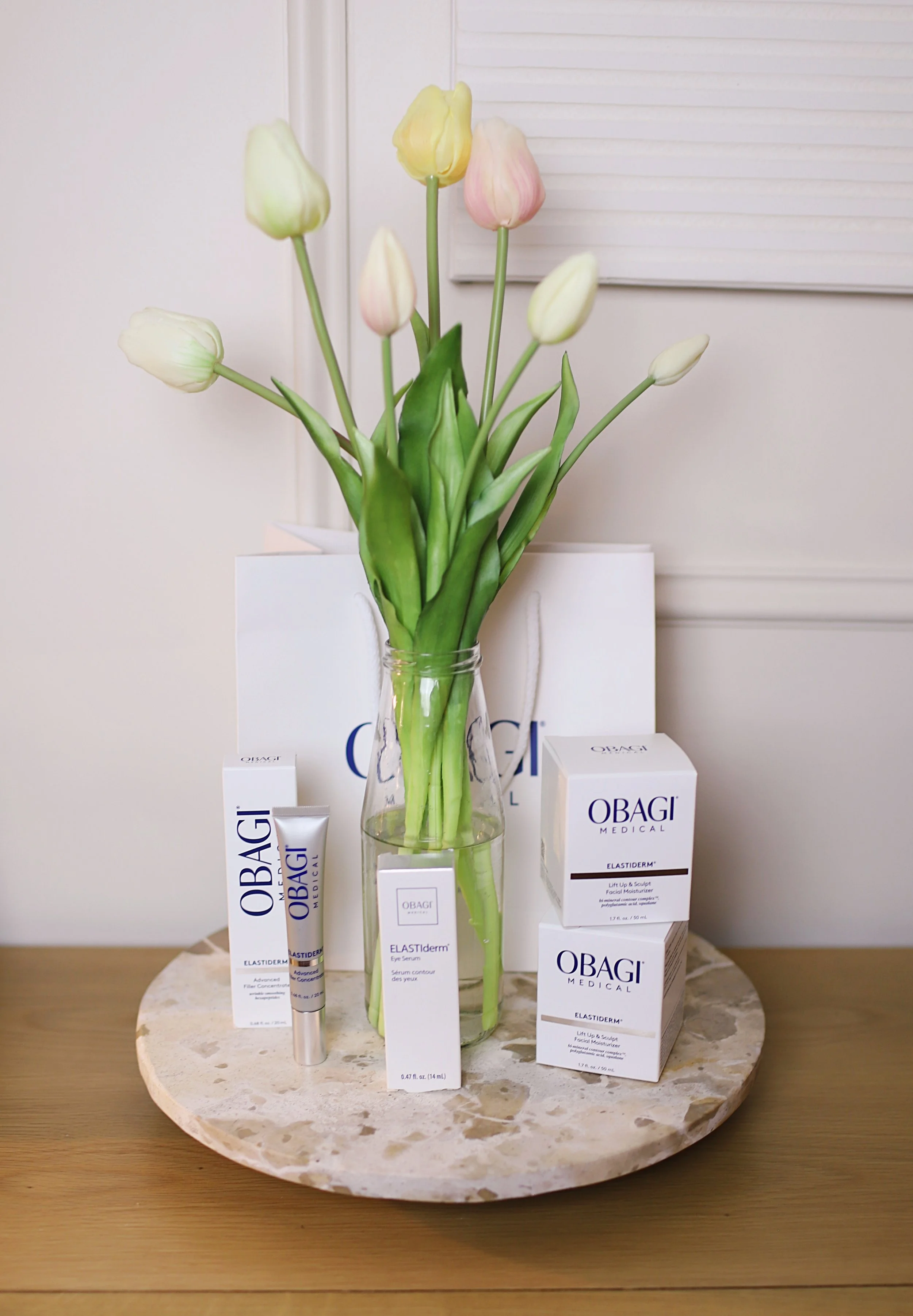
Aesthetic Medicine Is Not Only About Injectables
A common misconception is that every sign of ageing requires filler or an injectable treatment.
In reality, the health and appearance of the skin are influenced by many factors.
Skin barrier function, inflammation, rosacea, acne, ultraviolet exposure, pigmentation, hormonal change, sleep, stress and skincare can all affect how fresh or tired somebody looks.
A face with calm, hydrated and reflective skin may appear considerably healthier without any change in facial volume.
This is why our clinic places such a strong emphasis on skin health.
Depending on the concern, a plan may involve:
• Simplifying the existing skincare routine
• Supporting a damaged skin barrier
• Managing redness or rosacea
• Introducing evidence based skincare gradually
• Microneedling for selected textural concerns
• Polynucleotides for fine tissue quality
• Collagen stimulation with Sculptra or Radiesse
• Conservative filler where focal support is genuinely needed
• Natural looking treatment for expression lines following consultation
The treatment is chosen because it suits the concern, not because it is the most expensive option on a menu.
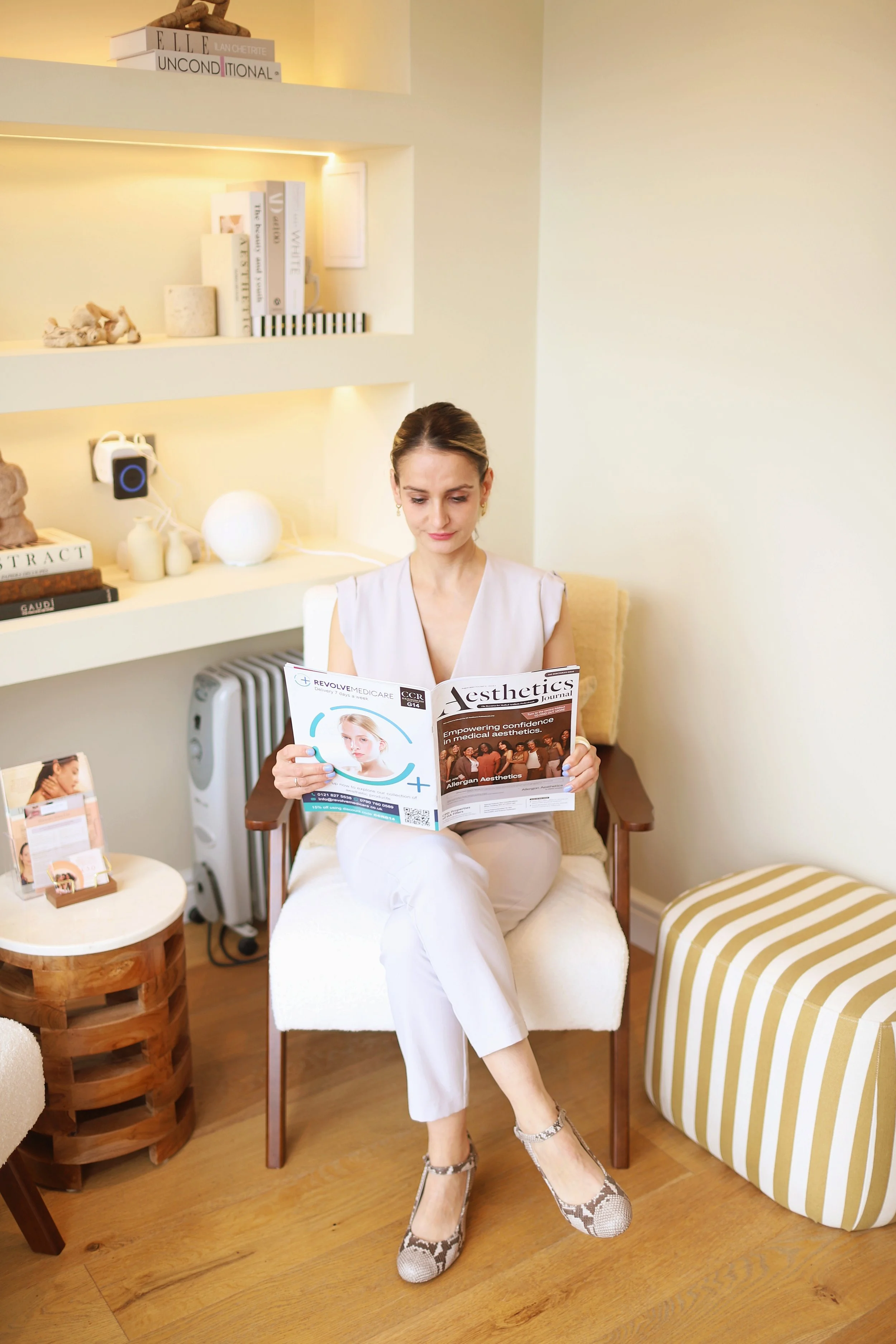
Why Skin Quality Often Matters More Than Adding Volume
Beautiful skin does not mean skin without pores, lines or normal texture.
It means skin that is calm, comfortable, appropriately hydrated and functioning well.
When the barrier is healthy and inflammation is controlled, the complexion reflects light more evenly.
Makeup may sit better. Fine dehydration lines look less pronounced and the whole face appears fresher.
Patients are sometimes surprised when I recommend focusing on skin before considering injectables.
However, adding volume to inflamed, sun damaged or poorly supported skin does not necessarily create the healthiest result.
In some patients, improving skin quality produces the change they wanted without any injectable treatment.
In others, it creates a better foundation for a small amount of carefully selected treatment later.

Why We Do Not Need to Offer Every Available Device
Devices can play an important role in aesthetic and dermatological treatment.
Lasers, energy based devices and specialist technologies may provide excellent results for selected concerns when used by appropriately trained practitioners.
A smaller clinic will not necessarily offer every technology.
I do not see that as something to conceal.
If a patient requires a treatment we do not provide, the correct response is to explain that honestly and, where appropriate, recommend that she seeks a consultation with a reputable specialist provider.
No clinic needs to perform every procedure to provide good care.
In fact, working within a defined scope is an important part of safe medical practice.
Our treatment menu is deliberately focused on the treatments that fit our experience, philosophy and patient population.
The aim is not to keep every patient within the business at all costs.
It is to help her reach the right decision.
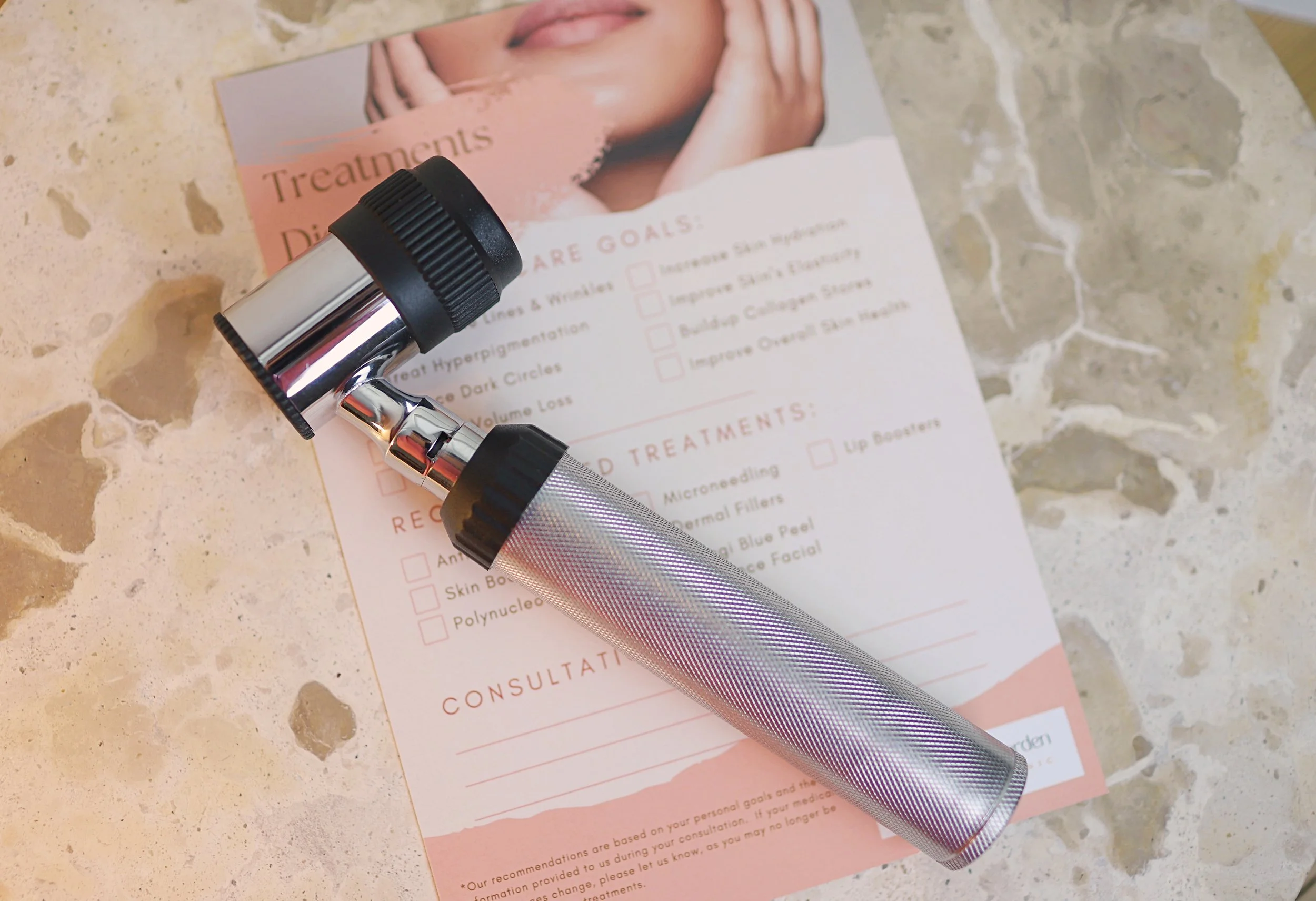
Why Being Doctor Led Matters
“Aesthetic clinic” can describe many very different types of business.
The term alone does not tell a patient who will assess her, who will perform the treatment or what medical support is available.
As an experienced NHS GP and aesthetic doctor, I approach every consultation medically.
That means considering health conditions, medication, allergies, previous procedures, healing, skin disease and whether the concern requires a different form of assessment.
It also means being clear that cosmetic treatment is still medical treatment.
Injectable and procedural treatments carry risks.
Consent should include benefits, limitations, alternatives, expected recovery and possible complications.
Being doctor led does not mean that complications can never happen.
No ethical practitioner can promise that.
It means that medical assessment and professional accountability form part of the process from the beginning.
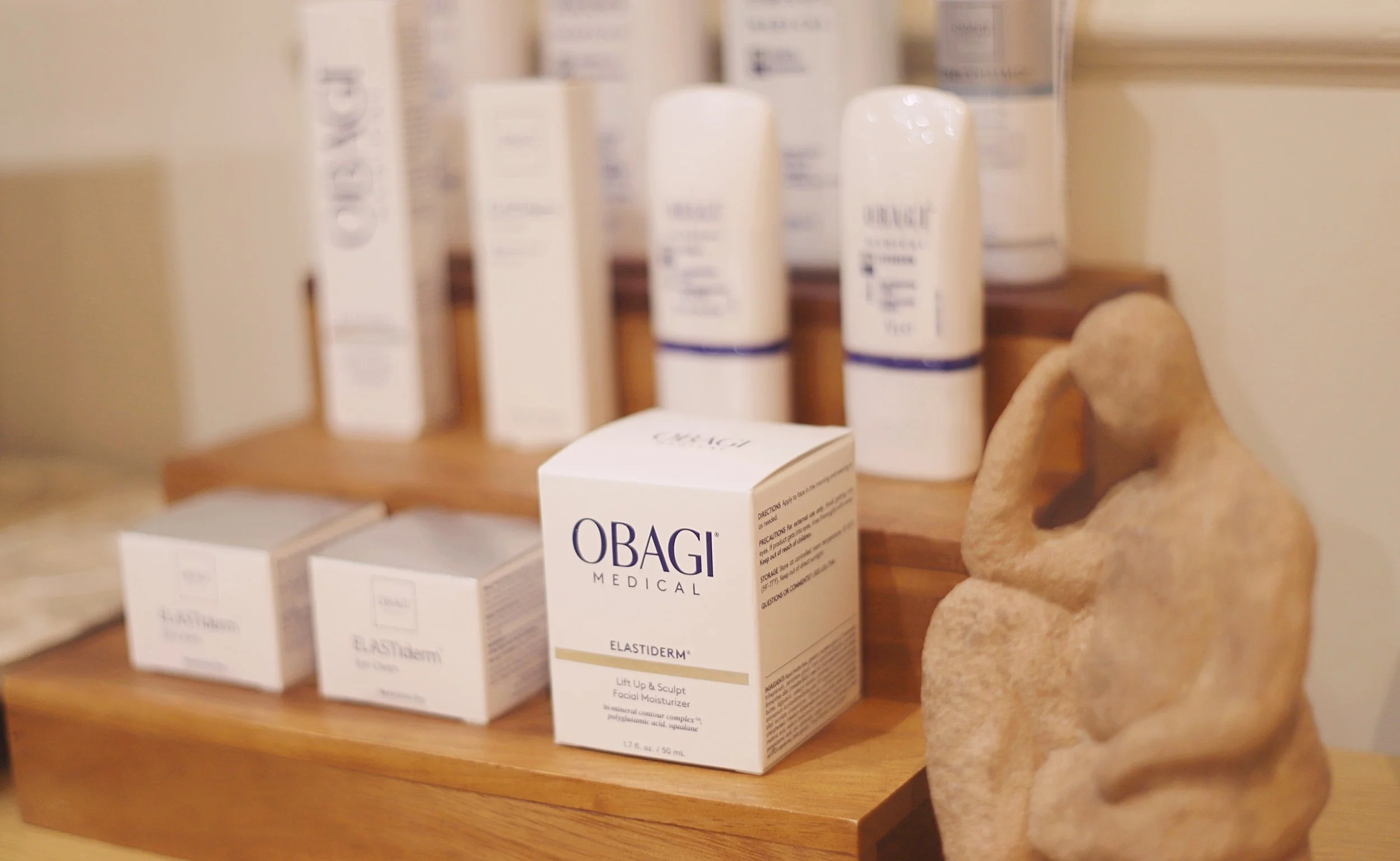
Why Being Family Run Matters to Louise and Me
Louise and I built the clinic together very intentionally.
We wanted it to feel polished and luxurious without becoming intimidating.
We wanted patients to be welcomed by somebody who knows their name, understands their treatment journey and genuinely cares whether they feel comfortable.
Louise is our Creative Director and Patient Coordinator, but her role extends far beyond administration.
She is often the first person a nervous patient speaks to and the person who helps make the whole experience feel calm and familiar.
Because we are sisters, communication within the clinic is direct and personal.
Patients are not passed through several departments.
Questions do not need to travel through a complex chain before reaching me.
This creates a sense of continuity that is difficult to manufacture.
The clinic feels like an extension of us, because it is.
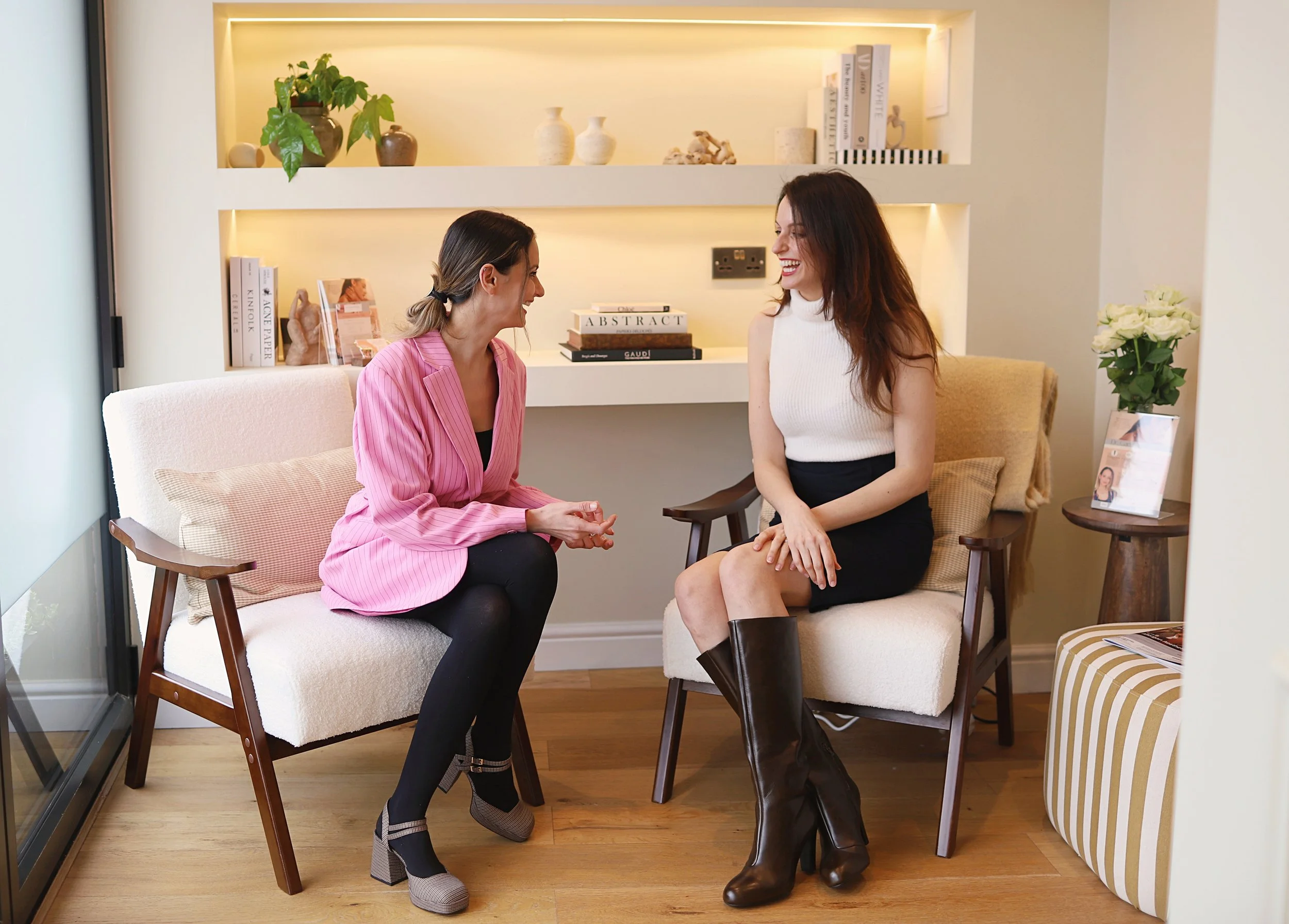
The Experience We Wanted to Create in Hale
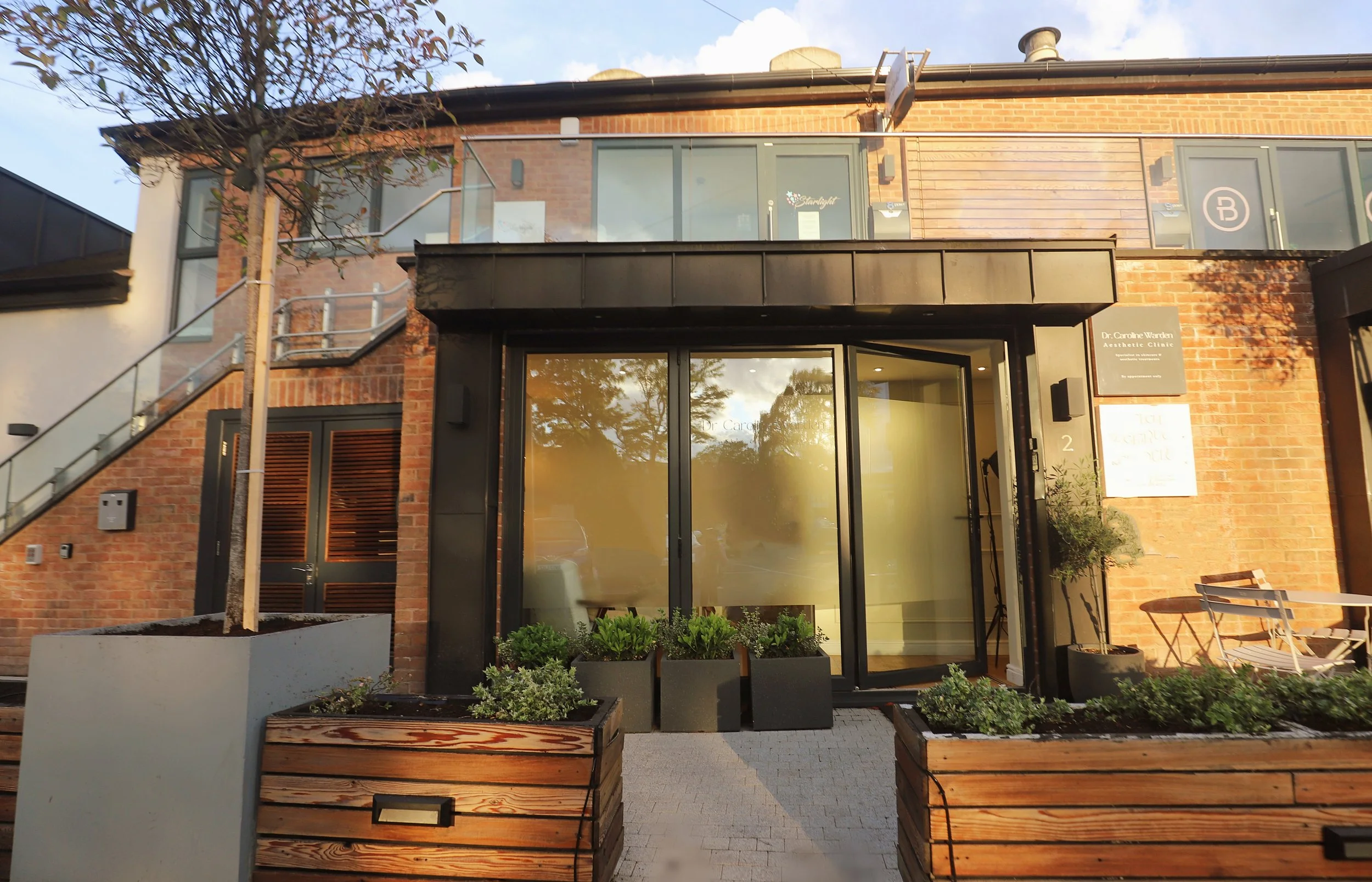
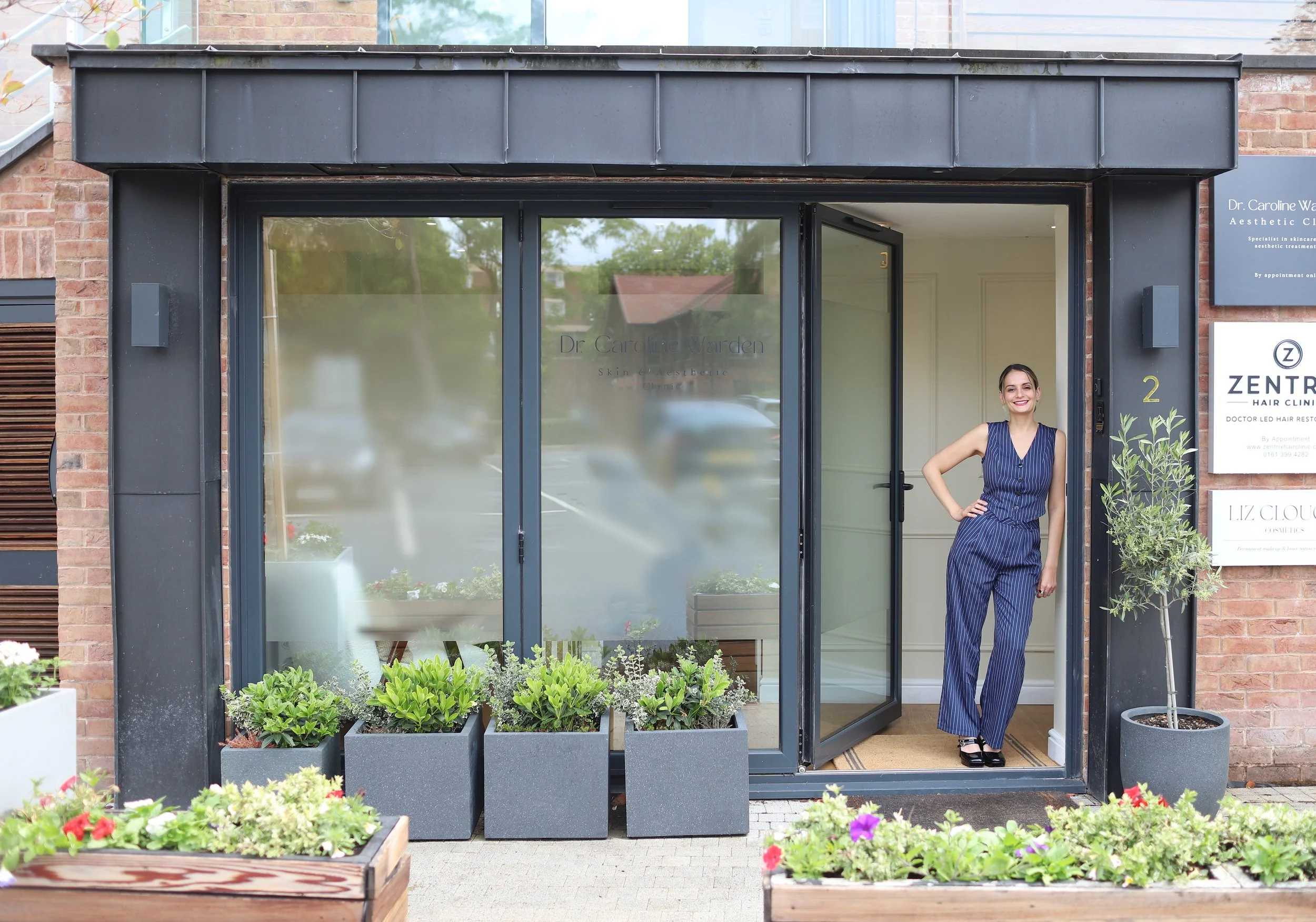
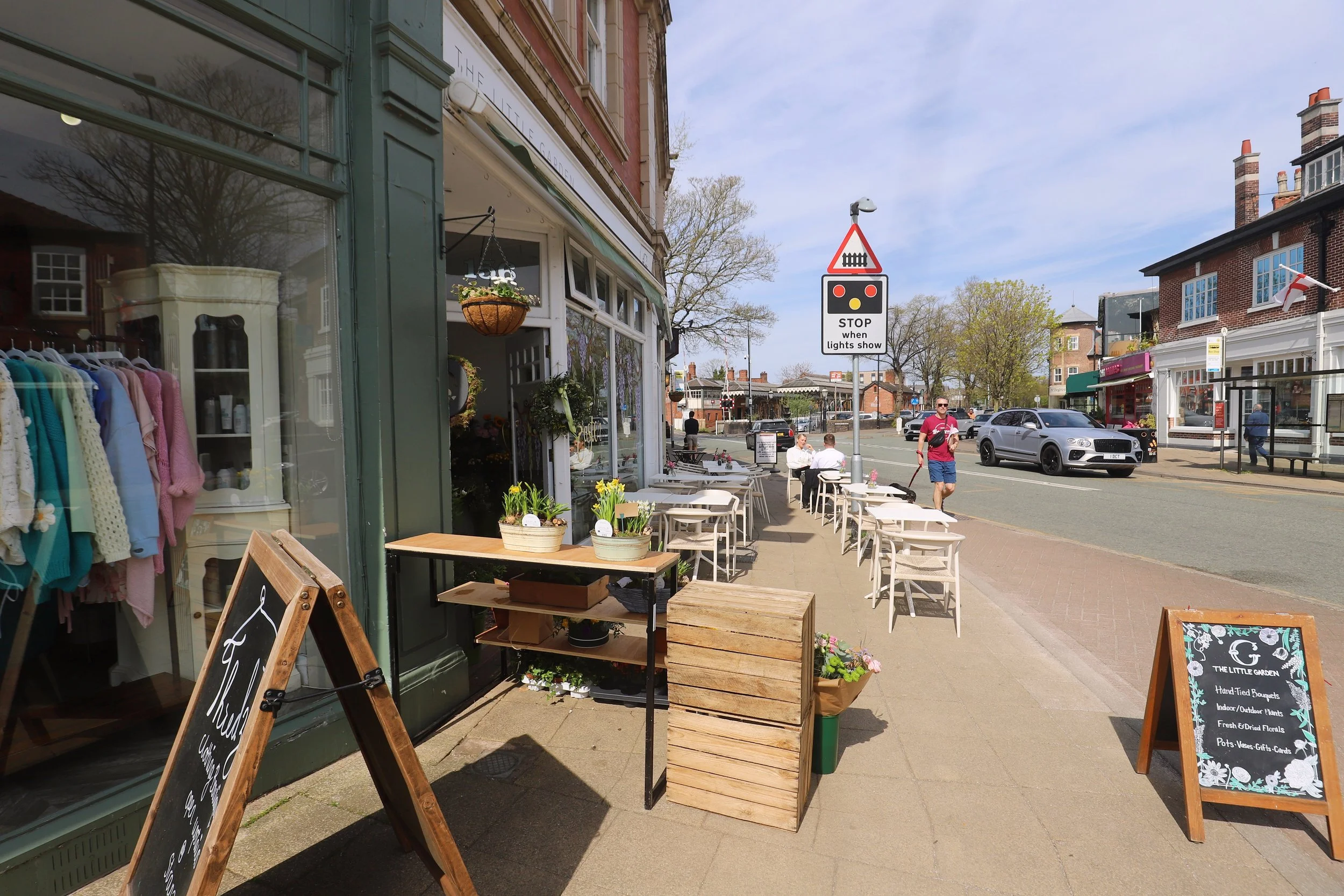
Our clinic is located in Crown Passages in the centre of Hale, close to Altrincham and accessible from Bowdon, Hale Barns, Timperley, Sale, Wilmslow, Knutsford, Alderley Edge, Stockport, Didsbury and Manchester.
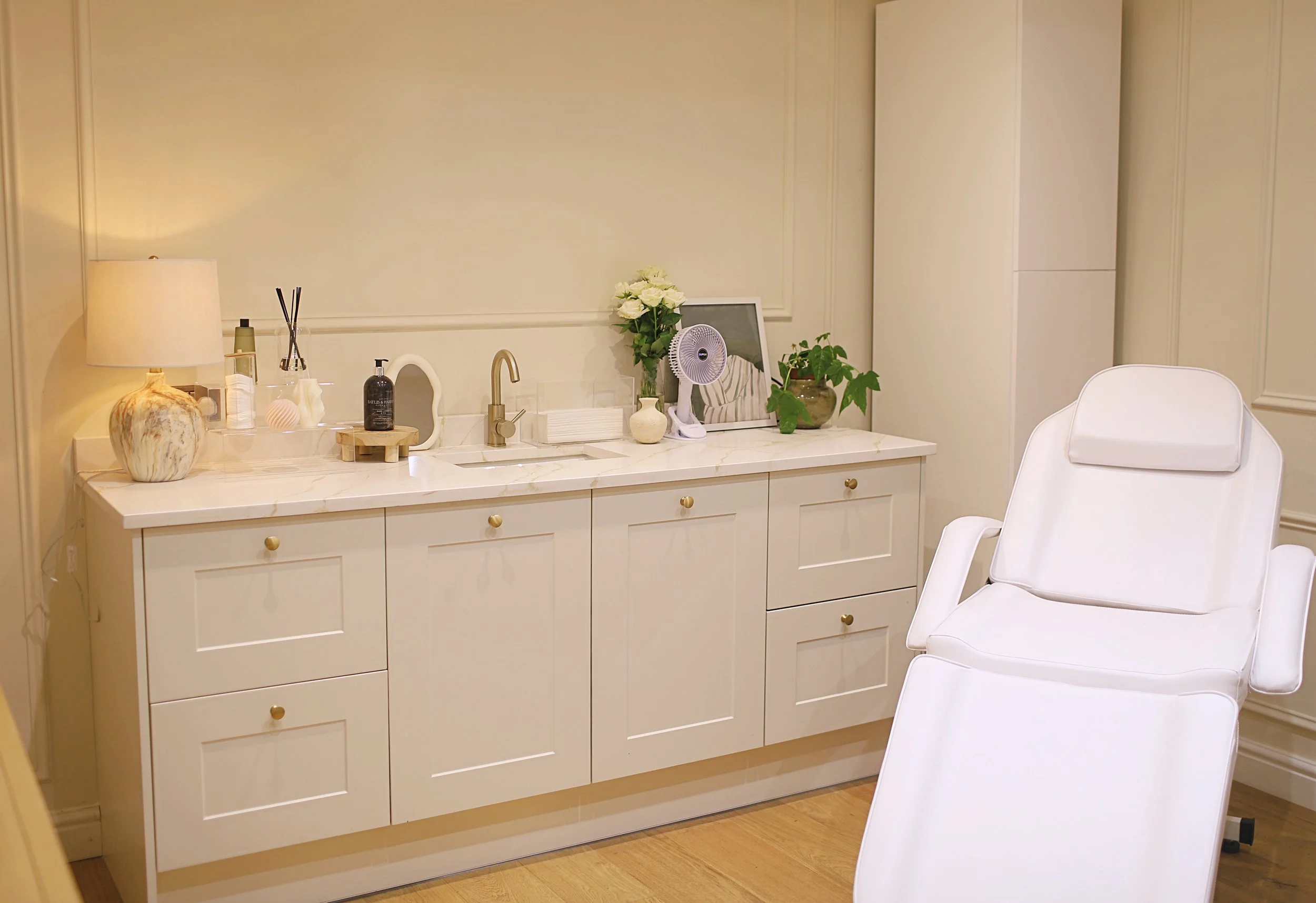
We wanted the space to feel discreet, intimate and reassuring.
Many patients are already anxious about attending.
They may worry that everybody will know why they are there or that they will be surrounded by people who appear far more experienced with aesthetic treatment.
A smaller clinic can feel less exposed.
Appointments are private and unhurried.
Patients can ask questions they might feel embarrassed asking elsewhere.
They can say they do not understand the difference between treatments.
They can admit that they are frightened of needles, bruising, looking unnatural or regretting their decision.
Those conversations are not obstacles to treatment.
They are essential parts of good consent.
Who Is a Small, Family Run Aesthetic Clinic Best Suited To?
A smaller clinic may particularly appeal to people who value continuity and want to see the same practitioner over time.
It may suit first time patients who feel intimidated by larger environments, women worried about looking overdone, patients with previous disappointing experiences and those who want a gradual long term plan rather than a dramatic transformation.
It can also suit patients whose concerns overlap.
A woman may have perimenopausal dryness, rosacea, pigmentation and early collagen loss at the same time.
She may benefit from one practitioner considering the complete picture rather than receiving isolated recommendations from several different treatment departments.
However, a smaller clinic will not be right for everyone.
Patients wanting a particular laser, surgical procedure or highly specialist technology may be better served by a larger multidisciplinary centre.
The aim is not to suggest that one clinic model is universally superior.
It is to help patients recognise which environment suits them.

What Does “Bespoke” Care Actually Mean?
The word bespoke is used frequently within aesthetics, but it should mean more than choosing between two treatment packages.
A genuinely individual plan considers:
The patient’s own priorities.
Her medical and treatment history.
The structure of her face.
The condition of her skin.
How much downtime she can realistically accept.
Her attitude towards injectables.
Her budget.
How gradually she wants to proceed.
What she does not want changed.
Two patients of the same age with the same concern may receive completely different recommendations.
One woman worried about looking tired may benefit from improving redness and skin barrier health.
Another may have significant under eye hollowing that skincare cannot correct.
A third may simply need reassurance that the feature she has noticed is normal and does not require treatment.
Bespoke care means the plan changes according to the patient.
The patient should not have to fit herself into a predetermined package.

Why Treatment Packages Are Not Always the Answer
Courses and packages can be clinically appropriate.
Microneedling, polynucleotides, skin peels and collagen stimulating treatments often require more than one session to produce their intended effect.
The concern arises when a package is recommended before the patient has been properly assessed or when she feels unable to begin unless she commits to an extensive programme.
At our Hale clinic, I explain when a course is likely to be more effective than a single treatment.
However, the number of sessions should still reflect the individual concern and response.
The existence of a package should never replace clinical judgement.
Where possible, the patient should understand why each appointment has been recommended and what we will assess before continuing.
Why Follow Up and Aftercare Matter
Aesthetic care does not end when the patient leaves the treatment room.
Aftercare, access to advice and appropriate review are important parts of the experience.
Patients need to know what is expected after treatment, what is unusual and how to contact the clinic if they are concerned.
In a smaller practice, communication can feel more direct because patients recognise the people responding to them.
They are not contacting a distant customer service department that has never met them.
This does not mean a small clinic is automatically better at aftercare.
It means the structure can support a particularly personal form of follow up when the clinic has robust systems and clear clinical responsibility.
At our clinic, continuity extends beyond the appointment itself.
Why Honest Referrals Build Trust
There are treatments and conditions we do not manage.
That is normal.
A responsible aesthetic practitioner should understand the limits of their service and refer when another professional is better placed to help.
A concerning skin lesion needs appropriate medical assessment.
Advanced facial laxity may require a surgical opinion.
Certain pigmentation, scarring or vascular concerns may be better suited to a specialist laser clinic.
A patient seeking a procedure outside my competence or treatment menu should be told that clearly.
Referring somebody elsewhere does not weaken the relationship.
It shows that the patient’s interests come before keeping every piece of business within the clinic.

The Difference Between Natural Results and No Results
Patients sometimes worry that requesting a natural result means treatment will be so subtle that it achieves nothing.
That should not be the case.
Natural treatment still needs a clear purpose and a meaningful outcome.
The distinction is that the result should remain proportionate to the patient’s features.
Softening a strong frown should not remove all expression.
Improving lip shape should not dominate the lower face.
Restoring cheek support should not create exaggerated projection.
Collagen stimulation should be given time to develop before additional treatment is added.
Natural does not mean ineffective.
It means the treatment enhances the patient without becoming the first thing other people notice.
Why We Focus on Healthy Ageing Rather Than Perfection
Ageing is not a disease and a normal face should not be treated as a collection of defects.
Most of the women I see are not asking to look twenty years younger.
They want to look less tired.
They want their skin to feel healthier.
They want to maintain confidence as their face changes.
Healthy ageing recognises that lines, movement and normal texture remain part of the face.
The objective is not perfection.
It is supporting skin health, preserving facial identity and making thoughtful choices about the changes that genuinely matter to the patient.
That may involve skincare, collagen stimulation, conservative injectables or no treatment at all.

Case Study: “I Felt as Though I Was Being Sold a Completely New Face”
Sarah, Age 46, Bowdon
Sarah attended our Hale clinic after visiting a larger medispa for advice about skin that had become dull, red and increasingly sensitive.
She had also begun noticing early changes around her lower face.
During her previous consultation, several different treatments had been discussed, including a laser course, injectable treatments and a larger facial rejuvenation package.
Those recommendations may have been appropriate options in a different context, but Sarah left feeling overwhelmed.
She was not sure which concern each treatment was intended to address or whether she needed to undertake everything at once.
By the time she came to see us, she was considering doing nothing because the process had made her anxious.
During our consultation, Sarah explained that her main concern was not actually the shape of her face.
It was that her skin looked inflamed and permanently tired.
She had mild facial redness, a disrupted skin barrier and a complicated skincare routine containing several exfoliating products.
The first stage was not an injectable treatment.
We simplified the routine, supported the skin barrier and addressed the redness.
Once her skin felt calmer and more predictable, we reviewed the remaining concerns.
Sarah still noticed some early collagen loss, but it bothered her much less once the inflammation and dryness had improved.
She chose one conservative collagen supporting treatment rather than the extensive combination she had originally believed was necessary.
Over the following months, her skin appeared calmer and healthier.
She looked refreshed, but nobody would have described her face as dramatically altered.
More importantly, Sarah felt that she understood her treatment plan.
She knew why each step had been chosen and felt comfortable deciding not to proceed with anything further.
For me, that is a successful result.
The goal was not to prove that a small clinic was superior to a large clinic.
It was to give one individual patient the pace, explanation and continuity she needed.
This is a composite case study reflecting concerns commonly discussed in clinic. It does not describe one identifiable patient. Treatment suitability and results vary.

What Happens During a Consultation at Our Hale Clinic?
Your consultation begins with a conversation about what you have noticed and what you hope to achieve.
I will ask about your medical history, medication, allergies, previous aesthetic treatments and any complications or unsatisfactory outcomes.
We will review your current skincare where relevant and assess your skin, facial anatomy and patterns of movement.
I will explain which factors may be contributing to the concern and which options are realistically capable of helping.
The discussion will include likely benefits, limitations, alternatives, downtime and material risks.
You may be advised to improve skin health first, consider one treatment, postpone a procedure or seek an opinion elsewhere.
There is no obligation to undergo treatment on the day.
The purpose of the consultation is to help you make an informed decision, not to persuade you into a package.
How to Choose an Aesthetic Clinic in Hale, Altrincham or Cheshire
Do not choose a clinic based solely on its size, décor, social media following or treatment menu.
Look at who will assess and treat you.
Check the practitioner’s qualifications, registration, training and experience.
Ask how complications are managed and how you can contact the clinic afterwards.
Look for evidence of balanced information rather than promises of guaranteed or risk free results.
A good practitioner should be comfortable discussing alternatives, including doing nothing.
The consultation should focus on your concerns rather than introducing new insecurities.
You should understand what product or procedure is being proposed, why it has been recommended and what it cannot achieve.
You should also feel able to leave and think before making a decision.
Trust your response to the environment.
Feeling rushed, confused or pressured is a valid reason not to proceed.
Why Patients Choose Dr Caroline Warden Skin & Aesthetic Clinic
Patients choose our clinic for different reasons.
Some value being treated by an experienced NHS GP and aesthetic doctor.
Some prefer the intimacy of a female led, family run clinic.
Others have previously felt overwhelmed by large treatment menus and want a slower, more measured approach.
Many are particularly concerned about natural results and want to know that restraint forms part of the treatment philosophy.
Our clinic is based in Hale, close to Altrincham, and welcomes patients from Bowdon, Hale Barns, Timperley, Sale, Wilmslow, Knutsford, Alderley Edge, Stockport, Didsbury, Manchester and across Cheshire.
We offer medical skincare advice and a focused range of skin and aesthetic treatments, including microneedling, peels, polynucleotides, collagen stimulators, conservative dermal filler and consultations for expression line treatments.
We do not promise that our clinic is right for everybody.
We promise that your advice will be personal, medically led and honest.

Frequently Asked Questions
Is a small aesthetic clinic better than a large medispa?
Not automatically. Both small and large clinics can provide excellent or poor care. The practitioner’s training, ethics, assessment and clinical judgement matter more than the size of the business.
Is a small family run aesthetic clinic safer?
Clinic size alone does not determine safety. Safety depends on the practitioner, medical assessment, infection control, product sourcing, consent, anatomy knowledge and complication planning.
Why do some patients prefer smaller aesthetic clinics?
Many patients value continuity, a calmer environment, direct communication and seeing the same practitioner consistently.
What is a medispa?
The term medispa or medical spa usually describes a clinic offering a range of aesthetic, skin and beauty treatments, sometimes delivered by a multidisciplinary team. The term itself does not guarantee a particular level of medical oversight.
Is your clinic doctor led?
Yes. Consultations and medical aesthetic treatment are led by Dr Caroline Warden, an experienced NHS GP and aesthetic doctor.
Who is Louise?
Louise Devereux is Dr Caroline Warden’s sister, Creative Director and Patient Coordinator. Together, Caroline and Louise run the female led, family run clinic in Hale.
Will I always see the same practitioner?
Medical consultations and aesthetic treatments are provided by Dr Caroline Warden, which supports continuity throughout your treatment journey.
Do small clinics offer advanced treatments?
They can. A smaller clinic may offer a focused range of treatments rather than every device or procedure available. Where another service is more appropriate, an ethical practitioner should explain this.
Do you offer laser treatment?
The clinic does not need to offer every technology to provide responsible advice. Where a laser or specialist device is likely to be more suitable, this can be discussed and the patient may be advised to seek an appropriate provider.
Will you advise me if I do not need treatment?
Yes. A consultation may result in skincare advice, a recommendation to wait, referral elsewhere or no treatment.
Will I be pressured to book a treatment package?
No. Where a course is clinically recommended, the reason and expected schedule will be explained. There is no obligation to proceed.
Can I attend only for skincare advice?
Yes. Many consultations focus on skin health, rosacea, acne, pigmentation, barrier repair or a sustainable home routine without injectable treatment.
What does natural looking aesthetic treatment mean?
Natural treatment aims to improve a specific concern while preserving expression, proportion and facial identity. It does not mean that treatment should produce no visible benefit.
Do I need filler to look fresher?
Not necessarily. Skin health, redness, pigmentation, collagen and muscle movement may all influence a tired appearance. Filler is only one possible treatment.
Why do some people look overfilled?
An overfilled appearance can develop when excessive volume is added, inappropriate areas are treated or repeated procedures occur without considering the face as a whole.
Are collagen stimulators more natural than filler?
Not automatically. Sculptra and Radiesse develop differently from hyaluronic acid filler, but all treatments require suitable patient selection and clinical restraint.
Can you help if I am frightened of looking overdone?
Yes. This is one of the most common concerns discussed during consultation. You can explain exactly what you do and do not want, and treatment can be approached gradually.
Can I have several treatments at once?
Some treatments can be combined safely in selected patients, but doing everything in one appointment is not always the best approach. A staged plan is often easier to assess.
What happens if you do not offer the treatment I need?
You will be told honestly. Where appropriate, you may be advised to consult a reputable professional who provides the relevant specialist treatment.
Do you treat men as well as women?
The clinic can assess suitable adult patients, although its environment and much of its content particularly reflect the concerns commonly raised by women.
Is the clinic suitable for first time aesthetic patients?
Yes. A smaller, private environment may feel reassuring for patients who have never undergone aesthetic treatment and want time to ask questions.
Can I book a consultation without treatment?
Yes. There is no obligation to proceed with a procedure on the day.
Where is the clinic located?
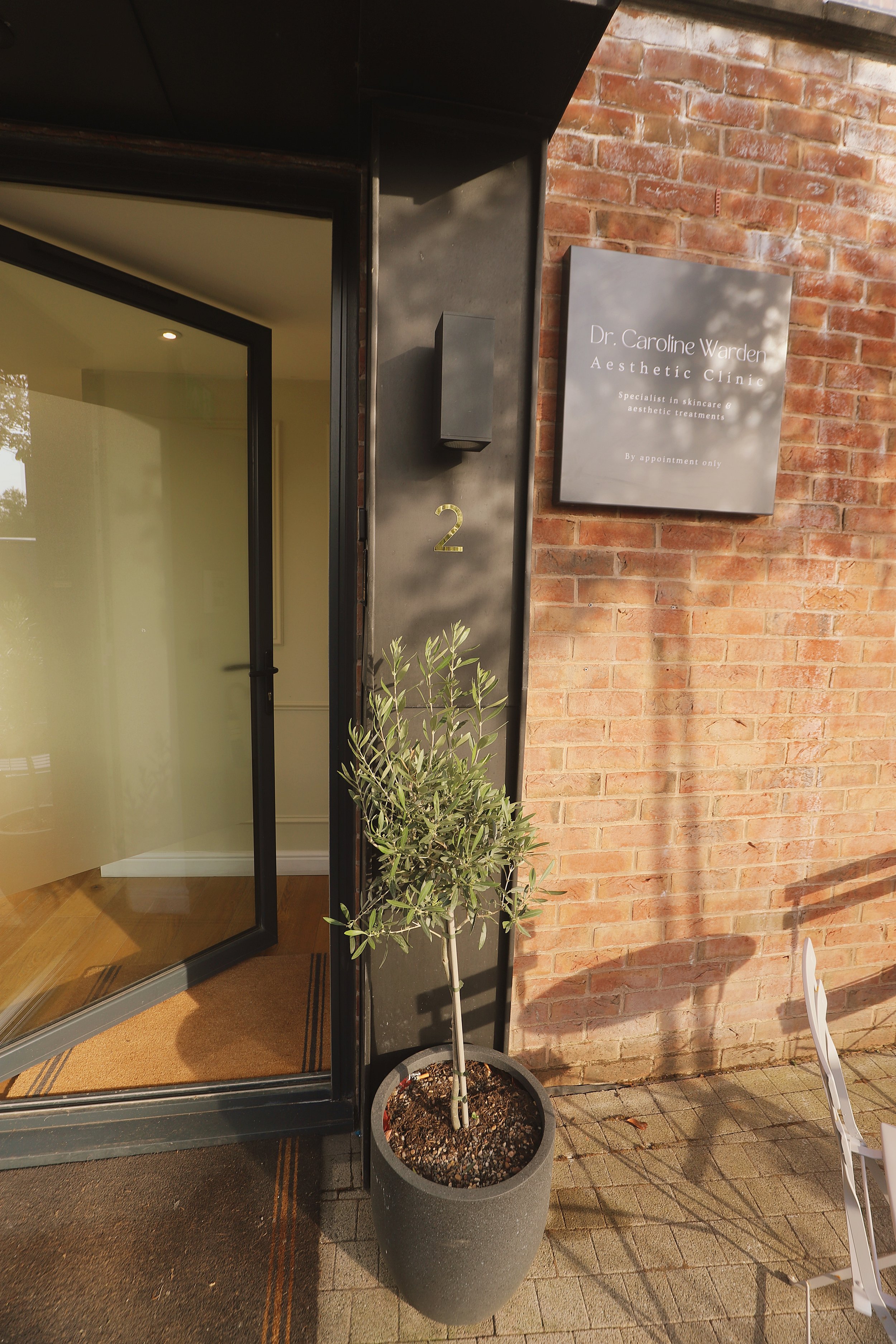
Dr Caroline Warden Skin & Aesthetic Clinic is located in Crown Passages in Hale, Cheshire, close to Altrincham.
Is there parking near the clinic?
Parking is available close to Hale village and the clinic. Check your booking information for the most current arrival and parking guidance.
Do patients travel from outside Hale?
Yes. Patients visit from Altrincham, Bowdon, Hale Barns, Timperley, Sale, Wilmslow, Knutsford, Alderley Edge, Stockport, Didsbury, Manchester and elsewhere in Cheshire.
How do I choose between clinics in Hale or Altrincham?
Compare practitioner credentials, consultation quality, treatment philosophy, continuity, aftercare and how clearly risks and limitations are explained. Do not choose based only on price or social media.
What should I bring to my consultation?
Bring details of your medication, relevant medical history, previous aesthetic procedures and the skincare products you currently use where skin concerns form part of the appointment.
How soon do I need to decide?
You do not need to make an immediate decision. Elective aesthetic treatment should be considered carefully and you are welcome to reflect before booking.
Why Choose Our Female Led, Family Run Clinic in Hale?
Louise and I created the clinic for patients who want aesthetic medicine to feel personal rather than transactional.
Our approach is grounded in continuity, medical assessment and restraint.
We take skin health seriously.
We believe that patients should understand why a treatment has been recommended and that they should feel equally comfortable deciding not to proceed.
We do not believe every line requires correction or that every woman needs an extensive treatment plan.
We believe the best outcomes begin with listening.

Book a Personalised Aesthetic Consultation
If you are looking for a doctor led aesthetic clinic in Hale where the experience feels calm, honest and individual, you are welcome to book a consultation.
At Dr Caroline Warden Skin & Aesthetic Clinic, I combine nearly 20 years of medical experience with a measured approach to skin health, regenerative aesthetics and natural looking treatment.
Alongside my sister Louise Devereux, I have created a discreet, female led and family run clinic where patients are known personally and treatment plans develop gradually.
You will not be expected to choose a procedure before attending.
We will begin with your concerns, assess what may genuinely help and explain the benefits, limitations and alternatives.
There is no obligation to proceed on the day.
Patients visit our Hale clinic from Altrincham, Bowdon, Hale Barns, Wilmslow, Knutsford, Sale, Alderley Edge, Stockport, Didsbury, Manchester and across Cheshire.
About the Author
Dr Caroline Warden
Dr Caroline Warden is an experienced NHS GP and aesthetic doctor with nearly 20 years of medical experience.
She is Medical Director of Dr Caroline Warden Skin & Aesthetic Clinic in Hale, Cheshire, where she provides doctor led skincare and natural looking aesthetic treatments alongside her sister, Louise Devereux.
Medically reviewed and edited by Dr Caroline Warden
Last reviewed: June 2026
This article provides general information and does not replace an individual medical consultation. The suitability, risks and results of aesthetic treatment vary between patients.

References and Further Reading
Professional and Regulatory Guidance
GMC: Good Medical Practice, Trust and Professionalism
GMC: Cosmetic Interventions and Maintaining Trust
ASA: Guidance on Marketing Cosmetic Interventions
ASA: Cosmetic Interventions and the CAP Code
Further Reading From Dr Caroline Warden
Why Invisible Work Is the New Aesthetic Trend
What Happens During an Aesthetic Consultation?
Sculptra in Hale, Altrincham and Cheshire
Polynucleotides in Hale, Altrincham and Cheshire
Menopause Skin Clinic in Hale, Altrincham and Cheshire
