Healthy glowing skin illustrating natural skin rejuvenation with polynucleotide treatment
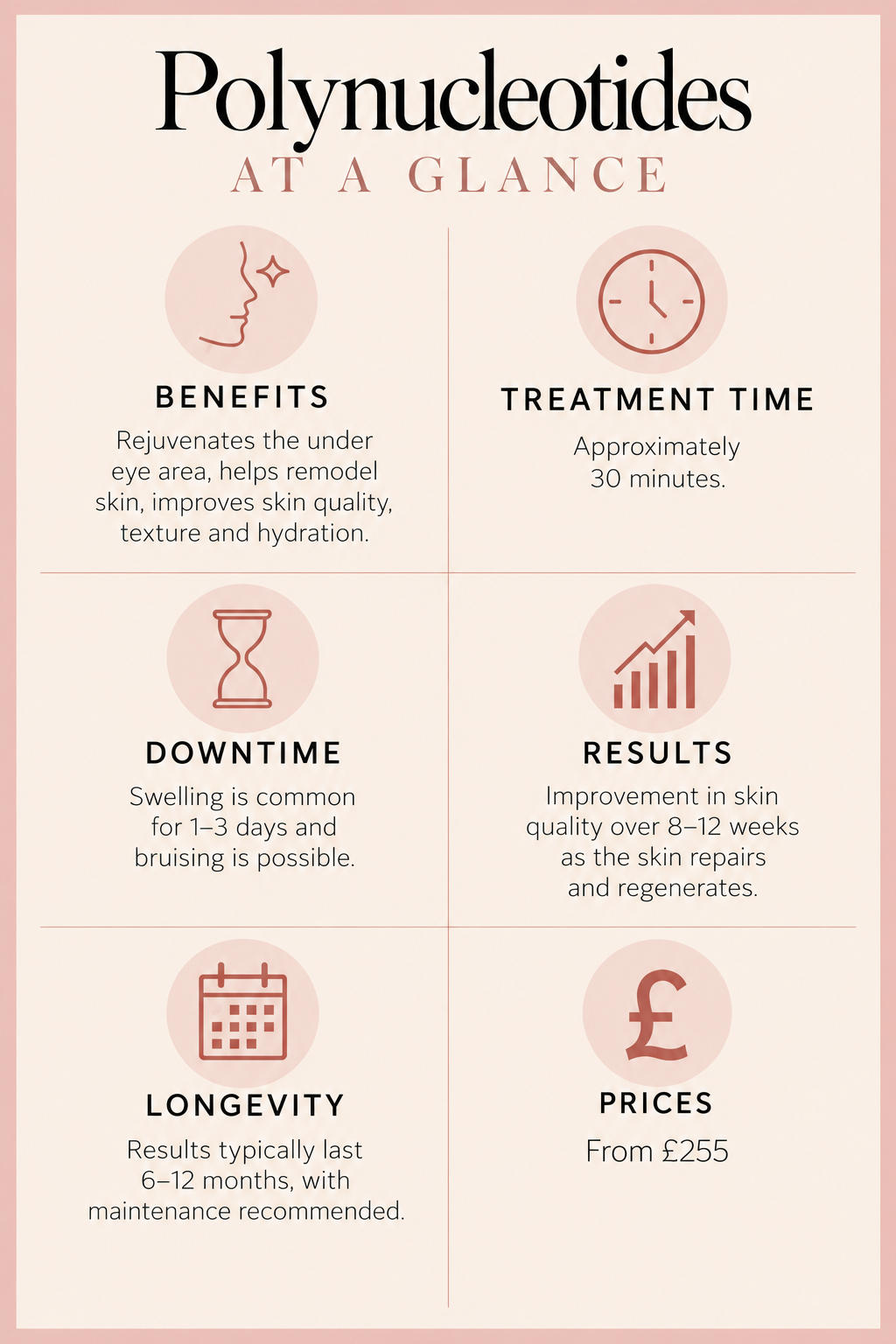
Polynucleotide treatment at a glance showing benefits, treatment time, downtime, results, longevity and prices

Polynucleotides in Hale, Altrincham & Cheshire

Plinest polynucleotide treatment for under-eye and skin rejuvenation at a doctor-led clinic in Hale

Natural Skin Regeneration for Healthier, Fresher Looking Skin

Have you started to notice that your skin looks thinner, less firm or more tired than it used to? Perhaps the skin beneath your eyes has become crepey, fine lines are more noticeable, or your complexion simply doesn't have the same freshness and resilience it once did.

Polynucleotide treatments are designed to improve the quality of the skin itself.

Rather than adding volume like dermal fillers, polynucleotides work by supporting the skin's natural regenerative processes. They are used to encourage healthier collagen and elastin production, improve hydration and support gradual improvements in skin texture, elasticity and overall skin quality.

They are particularly popular for the delicate under eye area, where traditional filler is not always the most appropriate option, but can also be used to improve skin quality across the face, neck and other carefully selected areas.

At Dr Caroline Warden Skin & Aesthetic Clinic in Hale, every polynucleotide consultation and treatment is carried out personally by Dr Caroline Warden, a practising NHS GP and aesthetic doctor.

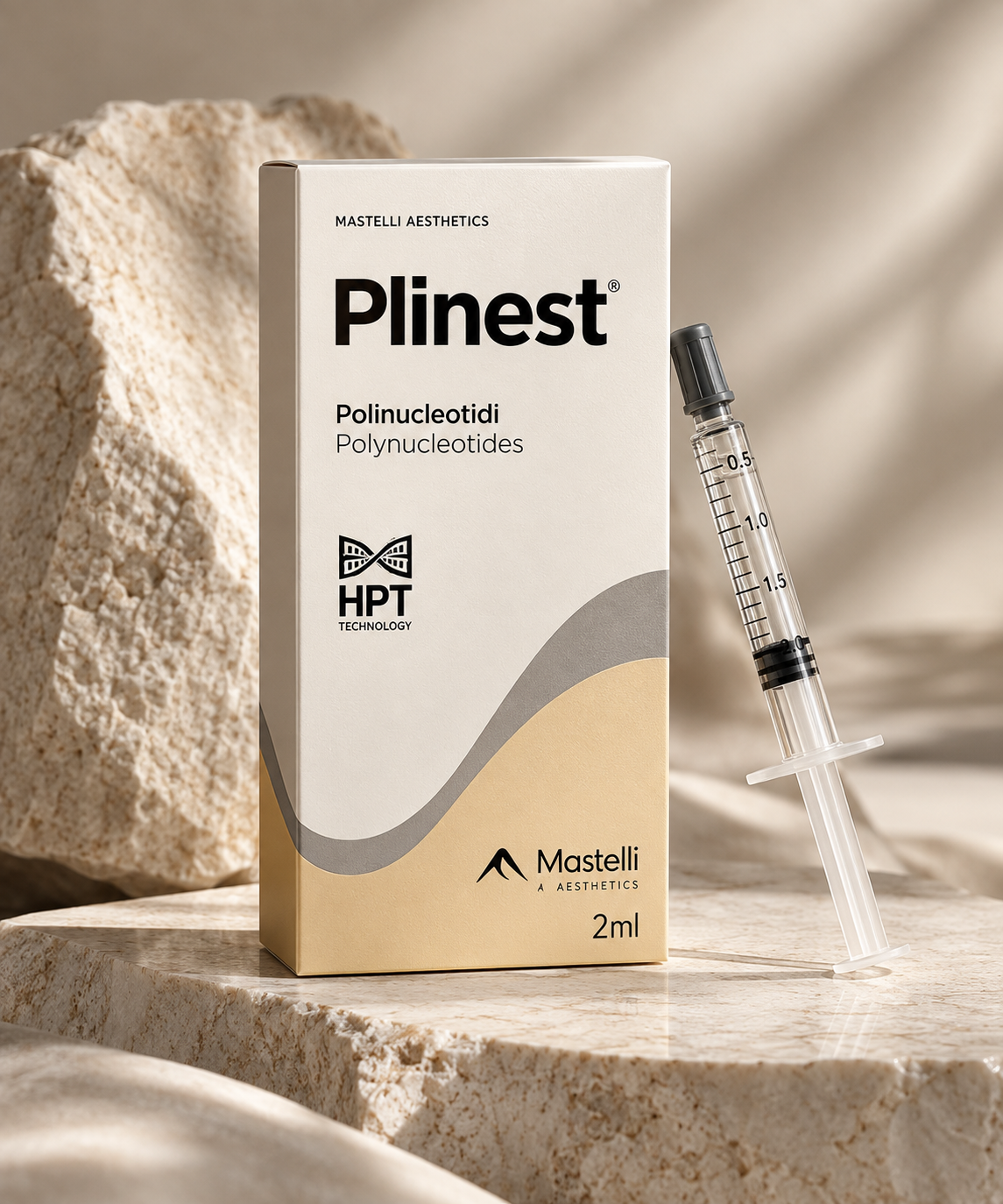
We use Plinest® by Mastelli, a Class III medical device containing Polynucleotides HPT, selected as part of our skin first approach to natural looking rejuvenation. Treatment is always tailored to your individual skin, anatomy, medical history and goals.

The aim isn't to change your face.

It's to help your skin look healthier, smoother, stronger and more refreshed, while still looking completely like you.

Aesthetic doctor in Hale discussing personalised polynucleotide treatment and skin rejuvenation

Why Are Polynucleotides Becoming So Popular?

Polynucleotides have become increasingly popular because they offer a very different approach to facial rejuvenation.

Rather than adding volume or changing facial shape, they are used to support the quality of the skin itself. For the right patient, this can mean gradual improvements in hydration, elasticity, fine lines and overall skin resilience, with results that tend to look subtle and natural.

As a doctor, I see this as part of a wider shift in aesthetic medicine towards skin health, regenerative treatments and more conservative treatment planning.

Many patients who come to see me are not looking for a dramatic change. They are more likely to say:

“My skin looks tired.”

“The skin under my eyes has become thinner and crepey.”

“I don't want filler, but I would like to look fresher.”

“I want to improve my skin without changing my face.”

These are exactly the situations where a careful medical assessment matters.

The delicate under eye area is one of the most common areas I treat with polynucleotides. The skin here is naturally thin and becomes more fragile with age, making fine lines, crepiness and loss of elasticity more noticeable.

However, not every tired-looking under eye needs the same treatment.

Some patients have volume loss. Others have pigmentation, vascular darkness, skin laxity, oedema or a combination of several factors. Polynucleotides may be appropriate for some of these concerns, but they are not a universal solution.

That is why every treatment at my Hale clinic begins with a full consultation and medical assessment. I look at your anatomy, skin quality, medical history, previous treatments and what is actually causing the concern before recommending treatment.

For suitable patients, polynucleotides can be used to improve:

  • Crepey or thinning skin

  • Fine lines

  • Reduced elasticity

  • Dull or tired-looking skin

  • Dehydrated skin

  • Uneven skin texture

  • Under eye skin quality

  • Overall facial skin quality

  • Skin quality on the neck and other suitable areas

They may be used alone or as part of a wider treatment plan alongside medical-grade skincare, microneedling or other skin treatments where appropriate.

Doctor-led consultation for polynucleotide skin rejuvenation in Hale and Altrincham

What Exactly Are Polynucleotides?

Polynucleotides are long chains of nucleotides, the building blocks of DNA, which are used in aesthetic medicine as injectable skin-rejuvenation treatments.

The polynucleotides used in products such as Plinest® are highly purified, fish-derived DNA fragments manufactured specifically for medical use. They are not stem cells, they do not alter your DNA, and they are not designed to add structural volume in the way a dermal filler does.

How Are They Different From Filler?

This distinction is important.

Dermal filler primarily replaces volume or changes contour.

Polynucleotides are used to improve skin quality.

They act as a form of biostimulation, creating an environment that supports fibroblast activity and the processes involved in skin repair and extracellular matrix renewal. Over time, this may translate into improvements in hydration, elasticity, fine lines, texture and overall skin quality.

This is why I tend to think of polynucleotides as a skin treatment rather than a filling treatment.

They are particularly useful when the concern is not simply a lack of volume, but skin that has become thinner, crepier, less elastic or generally less resilient with age.

What Does the Evidence Show?

Polynucleotides are an exciting area of regenerative aesthetic medicine, but I also think it is important to be realistic about the evidence.

Published studies have reported improvements in measures such as skin elasticity, hydration, texture, roughness and wrinkle appearance, and there is growing clinical interest in their use for facial and periocular rejuvenation.

However, the evidence base is still developing. A 2025 systematic review found encouraging results but also highlighted that the available studies were relatively small and generally of low to moderate methodological quality.

Therefore, I do not describe polynucleotides as a miracle treatment or promise that they will transform every under eye. They are one tool within aesthetic medicine, and the key is selecting the right treatment for the right patient.

That is why every polynucleotide treatment at our Hale clinic starts with a medical assessment rather than simply booking a product.

Doctor performing an injectable skin rejuvenation treatment at a medical aesthetics clinic in Hale

How Do Polynucleotides Work?

Polynucleotides are often described as a regenerative or biostimulatory treatment because, rather than simply filling a line or adding volume, they are used to support some of the biological processes involved in skin repair and renewal.

One of their key proposed actions is on fibroblasts, the cells within the dermis responsible for producing important components of the skin's supporting framework, including collagen, elastin and the extracellular matrix. Research into PN-HPT® has demonstrated effects on fibroblast activity alongside improvements in measures of skin hydration and elasticity.

Supporting Collagen and Elastin

As we age, collagen becomes fragmented, elastin becomes less organised and fibroblast activity declines. Clinically, we see this as skin becoming thinner, less elastic and more crepey, particularly in delicate areas such as beneath the eyes.

Polynucleotides are thought to create an environment that supports fibroblast activity and extracellular matrix remodelling, helping the skin gradually improve its structure and quality rather than simply masking the problem with additional volume.

Improving Hydration and Elasticity

Skin ageing is not only about wrinkles. Healthy skin should also be well hydrated, elastic and resilient.

Clinical studies of injectable polynucleotides have reported improvements in skin hydration, elasticity, texture and roughness, although results vary between studies and the overall evidence base is still developing.

This is why patients often describe the result less as looking “filled” and more as their skin appearing smoother, fresher and healthier.

A Gradual Treatment, Not an Instant Fix

Polynucleotides do not behave like dermal filler.

There is no aim to create immediate projection or replace a specific volume deficit. Instead, improvements develop gradually as the skin responds to treatment.

This is particularly useful in areas such as the under eyes, where the problem may be thin, crepey or poor-quality skin rather than a true hollow requiring volume replacement.

It is also why I always explain to patients that polynucleotides are a course of skin treatment rather than a quick fix. The aim is progressive improvement in skin quality, and results vary according to age, baseline skin quality, lifestyle and the concern being treated.

What Does This Mean for Your Skin?

For the right patient, the aim of treatment is to gradually improve:

  • Skin hydration

  • Elasticity and resilience

  • Fine lines and crepiness

  • Skin texture

  • Overall skin quality

  • The appearance of tired or ageing under eye skin

Published reviews are encouraging, particularly for improvements in wrinkles, texture and elasticity, but they also highlight that studies remain relatively small and vary considerably in treatment protocols.

That is why I prefer to describe polynucleotides as a promising evidence-based option for skin rejuvenation, rather than suggesting they can regenerate or “reverse” ageing skin.

The most important part is still choosing the right treatment for the right patient.

Patient consultation for under-eye polynucleotide treatment for crepey and ageing skin

Polynucleotides for Under Eyes

The under eye area is one of the most common reasons patients ask me about polynucleotides.

The skin around the eyes is naturally much thinner than elsewhere on the face and, as we age, it becomes more prone to fine lines, crepiness, reduced elasticity and a tired appearance. For some patients, the problem is primarily skin quality rather than a true loss of volume.

That distinction matters.

Not every under eye concern should be treated with filler.

Why Under Eyes Need Careful Assessment

What patients describe as “dark circles” or “tired eyes” can have several different causes.

These may include:

  • Thin or crepey skin

  • Fine lines and wrinkles

  • Loss of elasticity

  • Pigmentation

  • Visible blood vessels beneath thin skin

  • Tear trough hollowing or volume loss

  • Puffiness or oedema

  • Prominent fat pads

  • Shadowing caused by facial anatomy

  • A combination of several of these factors

This is why I never recommend an under eye treatment simply from a photograph or because someone has requested a particular product.

During consultation, I assess what is actually creating the tired appearance and whether improving skin quality is likely to make a meaningful difference.

When Can Polynucleotides Help?

For the right patient, polynucleotides can be particularly useful where the main concern is thin, crepey or ageing under eye skin.

Published clinical studies of periocular polynucleotides have reported improvements in measures including skin texture, wrinkles, elasticity and overall appearance. A randomised split-face trial comparing polynucleotides with hyaluronic acid in the periocular region also reported improvements with both treatments, although the wider evidence base remains relatively small.

A more recent 2026 observational study specifically examining the under eye area found improvement in under eye wrinkles and crow's feet, with the most pronounced changes seen after the second treatment. As an observational study, however, it cannot provide the same level of evidence as a large randomised controlled trial.

In suitable patients, the aim is to gradually improve:

  • Crepey under eye skin

  • Fine lines

  • Skin texture

  • Hydration

  • Elasticity and resilience

  • Overall under eye skin quality

The result should be subtle.

You should still look like yourself, just with healthier, smoother and less tired-looking skin around the eyes.

Polynucleotides Are Not Tear Trough Filler

This is one of the most important things I explain during consultation.

If your under eye concern is caused predominantly by a deep tear trough or genuine volume loss, polynucleotides will not replace that missing volume in the same way as hyaluronic acid filler.

Equally, if the problem is predominantly pigmentation, prominent vessels, significant eye bags or oedema, polynucleotides may not address the main cause.

A 2026 systematic review of under eye treatments reinforces why assessment is important: different treatments address different anatomical problems, with fillers primarily used for volume loss while treatments such as polynucleotides and microneedling are more focused on texture and fine lines.

For some patients, choosing not to inject the tear trough is the safest and most appropriate decision.

What About Dark Circles?

Polynucleotides are frequently advertised as a treatment for “dark circles”, but I think this needs more careful explanation.

Dark circles are not a single diagnosis.

If darkness is partly caused by thin skin and underlying vascular show, improving skin quality may make the area appear fresher. But pigmentation, shadowing from a deep tear trough, prominent vessels and genetic anatomy may require a completely different approach.

I therefore do not promise that polynucleotides will remove dark circles.

Instead, I assess the cause and explain realistically which part of the problem we may be able to improve and which part we may not.

A Natural Approach to Under Eye Rejuvenation

For patients who are suitable, one of the main advantages of polynucleotides is that they allow us to work on the skin itself without trying to create additional volume.

That makes them particularly appealing to patients who want subtle rejuvenation or who simply feel that the skin around their eyes has become thinner and more fragile with age.

The goal isn't to erase every line.

It is to improve the quality of the skin so the eye area looks healthier, smoother and more refreshed, while preserving your natural anatomy.

Plinest PN HPT polynucleotide injectable used for skin rejuvenation and under-eye treatment

What Areas Can Polynucleotides Treat?

Polynucleotides are most commonly associated with the under eye area, but they can also be used to improve skin quality in other carefully selected areas where the main concern is thinning, crepiness, reduced elasticity or general loss of skin resilience.

The key is choosing areas where improving the quality of the skin itself is likely to make a meaningful difference.

Under Eyes

This remains one of the most popular treatment areas.

Polynucleotides can be particularly useful where the concern is:

  • Crepey skin

  • Fine lines

  • Reduced elasticity

  • Thin or fragile skin

  • A generally tired appearance

They do not replace missing volume in the way tear trough filler does, so assessment is essential.

Face

Polynucleotides can also be used more broadly across the face to support improvements in:

  • Fine lines

  • Skin texture

  • Hydration

  • Elasticity

  • Overall skin quality

  • Dull or tired-looking skin

For some patients, the aim is not to target one isolated concern, but to improve the overall quality and resilience of the skin.

Neck

The neck is a common area for age-related skin change.

As collagen and elastin reduce over time, the skin can become thinner, crepier and less firm. Polynucleotides may be considered where the goal is to improve skin quality rather than add volume.

They can also be combined with other treatments where appropriate, particularly when there is a mixture of skin laxity, fine lines and textural change.

Décolletage

The chest is particularly vulnerable to sun damage, fine lines and loss of elasticity.

For suitable patients, polynucleotides may form part of a broader skin rejuvenation plan for the décolletage, often alongside strict sun protection and medical-grade skincare.

Other Suitable Areas

Depending on your skin concerns and anatomy, polynucleotides may also be considered for other areas where skin quality has deteriorated.

The important point is that treatment should never be based simply on what can technically be injected.

It should be based on whether the treatment is likely to improve the specific problem you are trying to address.

That is why every treatment plan at our Hale clinic is personalised following a medical consultation.

One Treatment Does Not Suit Every Area

Different areas of the face and body age in different ways.

Under eye crepiness, neck laxity, pigmentation and volume loss are not the same problem, so they should not automatically be treated in the same way.

Sometimes polynucleotides are the right option.

Sometimes another treatment, or a combination of treatments, will be more appropriate.

My role is to identify the underlying concern first and then recommend the treatment most likely to give you a safe, natural and worthwhile result.

Doctor-led Plinest polynucleotide treatment at a skin and aesthetic clinic in Hale Cheshire

Why I Use Plinest® Polynucleotides

There are now many polynucleotide products available, and they are not necessarily interchangeable.

In my clinic I use Plinest® by Mastelli, part of the PN HPT® polynucleotide range developed for intradermal skin rejuvenation. Mastelli is an established Italian biopharmaceutical company with a long history in dermatology, tissue repair and aesthetic medicine.

For me, product selection matters just as much as injection technique.

What Is PN HPT®?

PN HPT® stands for Polynucleotides High Purification Technology.

The polynucleotides are highly purified DNA fragments derived from fish and processed for medical use. Mastelli describes polynucleotides as the functional substance within its Class III intradermal medical-device range.

The aim is not to create volume like a traditional dermal filler. Instead, Plinest® is used as part of a biostimulatory approach to improving skin quality.

Why Product Quality Matters

Polynucleotides have become extremely popular, and inevitably this has resulted in a rapidly expanding number of products entering the aesthetic market.

I do not choose treatments simply because they are fashionable or inexpensive.

When introducing any injectable product into my clinic, I want to understand:

  • Who manufactures it

  • What the product actually contains

  • How it is produced and purified

  • Its medical-device status

  • The published evidence behind the technology

  • Its safety and tolerability data

  • Whether I believe it offers a worthwhile treatment for my patients

That is why I have chosen to work with the Mastelli PN HPT® range rather than routinely switching between different polynucleotide brands.

What Does the Evidence Tell Us?

There is a growing body of published research investigating PN HPT® and injectable polynucleotides for skin rejuvenation.

Studies have reported improvements in measures such as skin hydration, elasticity, texture, wrinkles and overall skin quality, and more recent real-world research has also reported favourable tolerability and improvements in signs of skin ageing.

However, I think it is important to put that evidence into context.

A systematic review of the available literature found promising improvements in wrinkles, skin texture and elasticity, but also highlighted that studies remain relatively small and that the overall quality of evidence is currently low to moderate.

So while I am enthusiastic about polynucleotides and see them as a valuable addition to regenerative aesthetic medicine, I do not present them as a miracle treatment.

Why I Chose Plinest®

I chose Plinest® because it gives me a well-established polynucleotide platform from a specialist medical manufacturer, supported by a developing body of clinical research into PN HPT® technology.

But the product is only one part of achieving a good result.

The other, equally important part is deciding who should be treated, what we are trying to improve, where the product should be placed and whether polynucleotides are actually the best option in the first place.

Private treatment room for polynucleotide treatments at a doctor-led aesthetic clinic in Hale

What Happens During a Polynucleotide Treatment?

Every polynucleotide treatment at our Hale clinic begins with a medical consultation and assessment.

Before injecting anything, I want to understand what is actually causing the concern you have noticed. This is particularly important around the eyes, where tiredness, hollowness, pigmentation, puffiness and poor skin quality can look very similar but may require completely different treatments.

Your Consultation

During your consultation I will assess:

  • Your skin quality and elasticity

  • The area you would like treated

  • Your facial anatomy

  • Your medical history and medications

  • Previous aesthetic treatments

  • Any history of allergies or reactions

  • Your current skincare routine

  • What you realistically hope to achieve

We will also discuss the benefits, limitations and potential risks of treatment.

If I do not think polynucleotides are likely to improve your particular concern, I will tell you.

Your Treatment

Once we have agreed that treatment is appropriate, the skin is thoroughly cleansed and prepared.

I use a cannula technique for my polynucleotide treatments, including the delicate under eye area. A cannula is a fine, flexible, blunt-ended instrument that allows the product to be placed carefully beneath the skin through a small entry point.

For me, this provides excellent control over product placement while minimising the number of needle entry points required.

The product is then distributed carefully through the treatment area, with the amount and technique adapted to your individual anatomy and skin quality.

The treatment itself is relatively quick, although I never rush an appointment. Time is allowed for careful assessment, treatment and aftercare advice.

Does It Hurt?

Most patients tolerate polynucleotide treatment very well.

You may feel some pressure, a slight stinging sensation or awareness of the cannula beneath the skin as the product is placed.

I do not routinely use topical numbing cream for my polynucleotide treatments. This keeps the treatment straightforward and avoids unnecessary products around the delicate eye area.

If you are particularly anxious about discomfort, please let me know during your consultation so we can discuss this.

What Will I Look Like Afterwards?

Immediately after treatment you may notice:

  • Mild redness

  • Small areas of swelling

  • Tenderness around the injection site

  • Occasionally bruising

  • Temporary puffiness, particularly beneath the eyes

These effects are usually mild and settle naturally.

Under eye swelling can sometimes appear more noticeable the following morning because the area naturally retains fluid more easily. This does not usually indicate a complication, but you will always be given clear advice about what to expect and when to contact us.

Polynucleotide Recovery Timeline

First 24 Hours

You may have mild redness, swelling or tenderness.

Small entry-point marks can occasionally be visible.

Days 1 to 3

Most swelling settles considerably during this period, although some patients experience temporary under eye puffiness.

Bruising, if it occurs, may take a little longer to resolve.

Over the Following Weeks

Unlike filler, there is not usually an immediate cosmetic transformation.

The purpose of polynucleotide treatment is to encourage gradual improvement in skin quality, so changes develop progressively as the skin responds.

Patients commonly begin to notice improvements in hydration, smoothness and overall skin quality over the following weeks, with results building through a recommended treatment course.

Aftercare

Following treatment, I generally advise patients to:

  • Avoid touching or rubbing the treated area unnecessarily

  • Avoid strenuous exercise for the remainder of the day

  • Avoid saunas, steam rooms and excessive heat immediately afterwards

  • Avoid alcohol if possible on the day of treatment

  • Avoid applying makeup directly over injection points until the skin has settled

  • Continue daily broad-spectrum SPF

  • Follow any personalised skincare advice you have been given

You will receive full aftercare instructions following your appointment.

How Many Polynucleotide Treatments Will I Need?

Polynucleotides are usually best viewed as a course of treatment rather than a single injection.

The number and spacing of treatments depends on the product being used, the area treated, your baseline skin quality and what we are trying to achieve.

A typical initial programme involves a series of treatments spaced several weeks apart, followed by maintenance treatments where appropriate.

I prefer not to prescribe an identical course to every patient.

Instead, we assess how your skin responds and build a treatment plan around your skin rather than a fixed package.

The aim is progressive, natural improvement rather than overtreatment.

Aesthetic doctor preparing an injectable polynucleotide skin treatment in Hale

When Will I See Results From Polynucleotides?

Polynucleotides are not an instant treatment.

Unlike dermal filler, where a change in volume can often be seen immediately, polynucleotides are intended to support gradual improvements in the quality of the skin.

This is something I explain carefully at consultation because realistic expectations are important.

When Do Polynucleotides Start Working?

In the first few days after treatment, any visible change is usually related to temporary swelling or hydration rather than the final result.

The improvements we are looking for develop more gradually over the following weeks as the skin responds to treatment.

Patients may begin to notice that their skin feels:

  • Better hydrated

  • Smoother

  • Slightly firmer

  • Less crepey

  • Fresher and healthier looking

These changes are often subtle initially and tend to build through a treatment course.

Clinical studies of injectable polynucleotides have reported improvements in measures including skin hydration, elasticity, roughness and texture, although the degree and timing of improvement varies between patients and treatment protocols.

Why Is a Course Usually Recommended?

Skin ageing develops gradually over many years, so I do not expect one injection to reverse it.

Polynucleotides are therefore generally used as a course of treatment, allowing us to build progressive improvements in skin quality rather than trying to achieve everything in one appointment.

The number of treatments I recommend depends on:

  • Your age

  • Baseline skin quality

  • The area being treated

  • The degree of crepiness or fine lines

  • Previous treatments

  • How your skin responds

  • The result you would realistically like to achieve

I prefer to reassess the skin as we go rather than sell every patient an identical treatment package.

When Will I See My Best Result?

For many patients, the improvement becomes more noticeable after subsequent treatments rather than immediately after the first.

The aim is not a dramatic overnight transformation.

Instead, you may gradually notice that the skin looks smoother, healthier, more hydrated and more resilient, particularly when comparing photographs taken before starting treatment.

Published research supports this gradual pattern of improvement, with benefits in skin quality documented over several weeks and months following treatment.

How Long Do Polynucleotide Results Last?

There is no single answer to this.

Longevity varies according to the product used, treatment area, initial treatment course, age, skin quality, sun exposure, smoking, skincare and the natural ageing process.

Some clinical studies of PN-HPT treatments have demonstrated improvements that remained evident at six-month follow-up, but this should not be interpreted as a guarantee that every patient's result will last exactly six months.

I therefore prefer not to promise a fixed duration.

Once your initial treatment course is complete, we can assess your result and decide whether occasional maintenance treatment is worthwhile for you.

Will I Need Maintenance Treatments?

Usually.

Polynucleotides do not stop the biological ageing process, so any improvement in skin quality will continue to be influenced by time, hormones, genetics, UV exposure, lifestyle and skincare.

Some patients choose maintenance treatment periodically to support their results, while others simply return when they begin to notice their skin changing again.

My approach is always to use the minimum treatment necessary to achieve a worthwhile result, reassessing your skin rather than treating according to a rigid timetable.

What If I Don't Notice a Difference?

Not everyone responds to aesthetic treatments in the same way.

Polynucleotides can improve skin quality in appropriately selected patients, but they cannot correct every cause of ageing, under eye darkness or facial change.

If your response is less than expected, I will reassess the area rather than simply recommending more injections.

Sometimes the reason is that another issue, such as pigmentation, volume loss, skin laxity or underlying anatomy, is contributing more to the appearance than skin quality itself.

Good aesthetic medicine is not about continuing the same treatment until something changes. It is about reassessing, understanding why and choosing the right treatment for the problem.

Doctor performing a personalised injectable skin treatment following facial and skin assessment

Polynucleotides vs Profhilo, Skin Boosters and Dermal Filler

Patients often ask whether polynucleotides are “better” than Profhilo®, skin boosters or dermal filler.

The answer is that they are different treatments designed to solve different problems.

Choosing between them should depend on what is actually causing the concern you would like to improve, rather than which treatment is currently most popular.

Polynucleotides vs Dermal Filler

Dermal filler is primarily used to replace volume, restore structure or alter facial contour.

Polynucleotides do not work in the same way. They are used to support skin quality, with studies reporting improvements in areas such as texture, wrinkles and elasticity.

This means that if your main concern is a true volume deficit, such as a significant tear trough hollow, polynucleotides will not recreate that missing volume.

However, if the issue is thin, crepey or poor quality skin, adding filler may not be the most appropriate answer.

This is particularly important around the eyes, where I assess whether the problem is related to skin quality, volume loss, pigmentation, puffiness or anatomy before recommending treatment.

Polynucleotides vs Profhilo®

Profhilo® is an injectable treatment based on hyaluronic acid and is designed to improve hydration and tissue quality rather than provide the projection associated with traditional dermal fillers. Its manufacturer describes it as a treatment aimed at skin laxity and bioremodelling.

Polynucleotides use purified DNA fragments instead of hyaluronic acid and are approached as a biostimulatory skin treatment. Published studies have reported effects on fibroblast activity, hydration and elasticity, although the evidence base remains smaller than for many established hyaluronic acid treatments.

In simple terms:

Profhilo® is particularly useful when the goal is broader hydration and improvement in skin laxity.

Polynucleotides are often chosen where the focus is on skin quality, fine lines, crepiness and delicate areas such as the under eyes.

There is overlap, and neither is universally “better”.

The right choice depends on your skin.

Polynucleotides vs Skin Boosters

Skin boosters are a broad group of injectable treatments, many of which contain hyaluronic acid, sometimes combined with other ingredients.

Their main role is usually to improve hydration, smoothness and general skin quality. Systematic review evidence supports injectable hyaluronic acid for improving several measures of facial skin quality, particularly hydration and radiance.

Polynucleotides are different because the treatment is based on purified nucleotide chains rather than hyaluronic acid alone.

There is therefore some overlap in the results patients may notice, but the biological approach is different.

For some patients I may recommend a skin booster.

For others, polynucleotides are more appropriate.

And in selected patients, carefully combining the two may allow us to address different aspects of skin quality as part of a staged treatment plan.

Which Treatment Is Best for Under Eyes?

There is no single best injectable treatment for every under eye.

If the problem is predominantly:

Crepey, thin skin: polynucleotides may be a good option.

Dehydrated skin: a carefully selected skin booster may be appropriate.

True volume loss: dermal filler may be considered in suitable patients.

Pigmentation or vascular darkness: none of these treatments may fully address the underlying cause.

Puffiness or eye bags: adding injectable product may sometimes make the appearance worse rather than better.

That is why I do not believe patients should simply book an “under eye treatment” based on social media or a product name.

The first question should always be:

What is actually causing the problem?

Only then can we decide which treatment is most likely to help.

Do I Ever Combine Treatments?

Yes, where there is a clear reason to do so.

Ageing skin rarely has just one issue. A patient may have reduced hydration, crepey under eye skin, pigmentation and collagen loss at the same time.

In these situations, the best result may come from a carefully staged combination of:

Combination treatment does not mean doing everything at once.

It means identifying each problem and choosing the simplest, safest treatment that addresses it effectively.

Which One Should I Choose?

You do not need to decide before your consultation.

My role is to assess your skin and explain which treatment I believe is most appropriate, including when I think you do not need an injectable treatment at all.

I would rather recommend less treatment and achieve a worthwhile result than add procedures simply because they are available.

NCTF 135 HA skin booster used alongside polynucleotides for hydration and skin revitalisation

Why I Combine Polynucleotides with NCTF® 135 HA

One of the advantages of a personalised treatment plan is that we do not have to rely on a single product to address every aspect of ageing skin.

In selected patients, particularly around the under eye area, I may use Plinest® polynucleotides alongside NCTF® 135 HA where I feel that improving hydration as well as supporting skin quality would be beneficial.

They are different products with different formulations, and I use them for slightly different reasons.

What Is NCTF® 135 HA?

NCTF® 135 HA is an injectable skin revitalisation treatment from FILLMED.

It contains non-crosslinked hyaluronic acid together with a polyrevitalising complex containing vitamins, amino acids, minerals, coenzymes, nucleic acids and other components.

Unlike traditional dermal filler, the hyaluronic acid in NCTF® is not intended to create facial volume or projection.

Instead, it is injected superficially into the skin to improve hydration, radiance, elasticity and overall skin quality.

It is specifically intended for treatment of the face, including the periorbital or under eye area, as well as the neck and décolletage.

Why Do I Combine NCTF® with Polynucleotides?

I think of the two treatments as addressing different, but overlapping, aspects of skin quality.

Polynucleotides are primarily used as a biostimulatory treatment, supporting the processes involved in skin repair, fibroblast activity and extracellular matrix remodelling.

NCTF® 135 HA provides non-crosslinked hyaluronic acid alongside its polyrevitalising complex, with a particular focus on hydration, radiance and superficial skin quality.

For some patients, particularly those with thin, dehydrated or crepey under eye skin, I may feel that addressing both aspects gives us a more complete treatment strategy.

In simple terms:

Plinest® supports the regenerative side of the treatment.

NCTF® supports hydration and skin revitalisation.

The aim is not to make the under eye look filled.

It is to help the skin look smoother, better hydrated, more resilient and healthier.

What Does the Evidence Show?

NCTF® 135 HA has been studied independently as an injectable skin revitalisation treatment. Clinical research has reported improvements in measures including wrinkles, hydration and facial radiance following a course of treatment.

There is also evidence supporting polynucleotides independently for improvements in skin quality and periocular rejuvenation.

However, it is important to be precise: there is currently much stronger evidence for these products individually than there is evidence proving that my specific combination of Plinest® and NCTF® is superior to either treatment used alone.

Using them together in selected patients is therefore based on their complementary properties, the individual patient's skin and my clinical judgement, rather than a claim that everyone needs both.

Doctor-led medical assessment before polynucleotide treatment at Hale aesthetic clinic

Are Polynucleotides Safe?

Polynucleotides are generally well tolerated in appropriately selected patients, and published studies have predominantly reported mild, temporary injection site reactions rather than serious complications.

However, they are still an injectable medical treatment, and no injectable procedure is completely without risk.

This is why every patient I treat has a medical consultation first. Safety is not simply about which product is being used. It also depends on patient selection, anatomy, injection technique, medical history and recognising when not to treat.

What Are the Common Side Effects?

The most common effects are related to the injection itself and may include:

  • Redness

  • Swelling or puffiness

  • Tenderness

  • Bruising

  • Mild itching or sensitivity

  • Small temporary injection marks

  • Temporary unevenness or swelling beneath the eyes

These effects are usually mild and settle spontaneously. Published studies of periocular polynucleotides have similarly reported predominantly mild and transient local reactions, with serious adverse events uncommon in the available clinical literature.

The under eye area can swell more noticeably than other parts of the face because the tissues around the eyes are naturally prone to retaining fluid. I discuss this before treatment so that patients know what is normal and can plan appointments around important events.

Are Serious Complications Possible?

Any treatment that involves breaking the skin carries potential risks including infection, bleeding, inflammation and an allergic or hypersensitivity reaction.

Published experience with highly purified injectable polynucleotides has so far demonstrated a favourable safety profile, but the evidence base remains considerably smaller than that available for longer established injectable treatments.

I therefore avoid describing polynucleotides as “risk free”.

You will be given clear aftercare instructions and information about the symptoms that should prompt you to contact the clinic.

This is one of the reasons I specifically ask about allergies during your medical history rather than assuming that an injectable skin treatment is suitable for everyone.

Can I Have Polynucleotides During Pregnancy or Breastfeeding?

I do not perform elective polynucleotide treatments during pregnancy or breastfeeding.

There is insufficient safety evidence in pregnant and breastfeeding women to justify an elective cosmetic injectable treatment during this period.

Treatment can simply be reconsidered once pregnancy and breastfeeding have finished.

Who May Not Be Suitable for Polynucleotide Treatment?

Treatment may need to be postponed or avoided if you have:

  • A known hypersensitivity to fish or any ingredient within the product

  • An active skin infection or inflammation in the treatment area

  • An active cold sore close to the proposed treatment site

  • Pregnancy or are currently breastfeeding

  • Certain significant or active medical or immune-mediated conditions

  • A medical condition that affects healing

  • A previous significant reaction to an injectable treatment

If you take anticoagulants, antiplatelet medicines or other medication that increases bruising or bleeding, please tell me at consultation. These medicines should never be stopped simply to have an aesthetic treatment. Instead, I will assess whether treatment is appropriate for you and discuss the increased likelihood of bruising where relevant.

What If I Have an Autoimmune Condition?

Having an autoimmune condition does not mean I make a blanket decision from a website checklist.

The diagnosis, current disease activity, medication, immune suppression and reason for treatment all matter.

Some patients may not be suitable for treatment, while others require an individual risk assessment.

This is exactly the type of situation where I believe being assessed by a doctor who understands your wider medical history is important.

Why Medical Assessment Matters

Aesthetic medicine should never be separated from medicine.

Before treating you, I consider not only the skin in front of me, but your:

  • Medical history

  • Allergies

  • Medications

  • Previous procedures

  • Skin condition

  • Anatomy

  • Risk factors

  • Expectations

Occasionally, the safest decision is not to treat.

My priority is not simply performing a polynucleotide treatment. It is making sure that any treatment I recommend is appropriate, proportionate and medically sensible for you.

Injectable skin rejuvenation treatment illustrating polynucleotide therapy

What Happens to Polynucleotides in the Body?

This is something patients increasingly ask me, particularly when they have heard polynucleotides described online as “salmon DNA”.

The important point is that the injected polynucleotides do not become part of your own DNA and do not alter your genetic material.

They are extracellular DNA fragments used locally within the skin. After injection, they are gradually broken down by naturally occurring enzymes called nucleases into smaller nucleotide and nucleoside components. Related research on PDRN shows that these breakdown products can then enter normal cellular nucleotide pathways and be reused or further metabolised by the body.

Do Polynucleotides Stay in the Skin Permanently?

No.

Polynucleotides are biodegradable, rather than a permanent implant or filler material.

What is less certain is exactly how long injectable aesthetic polynucleotides remain within human skin before they are completely degraded.

This is an important distinction because the pharmacokinetics of polynucleotides themselves are still relatively poorly characterised. Recent laboratory research specifically notes that the precise half-life and dermal residence time of PN have not yet been definitively established.

So I would not tell a patient that the product remains for a specific number of days or months because we simply do not have strong enough human pharmacokinetic evidence to make that claim.

If the Product Is Broken Down, Why Can the Results Last Longer?

The product itself and the biological response it triggers are not the same thing.

Polynucleotides appear to interact with pathways involved in inflammation, tissue repair and extracellular matrix remodelling. Experimental work suggests that their biological effects can persist while collagen synthesis and skin remodelling continue, even as the injected material itself is being degraded.

This helps explain why treatment is designed to stimulate a gradual skin response rather than simply leave material permanently beneath the skin.

Can Polynucleotides Change My DNA?

No evidence suggests that aesthetic polynucleotide injections integrate into or rewrite your own genetic code.

They are fragments of DNA that remain outside your chromosomes and are ultimately broken down enzymatically.

They should therefore not be confused with gene therapy, stem cell treatment or genetic modification.

Is There a Risk of Polynucleotides Building Up in the Body?

There is currently no evidence that appropriately administered polynucleotides permanently accumulate within the tissues.

Their molecular structure is biodegradable and susceptible to enzymatic breakdown.

However, because injectable polynucleotides are still a relatively developing area of aesthetic medicine, long-term human pharmacokinetic data are more limited than for some older injectable treatments.

I think it is important to be open about that rather than simply saying that we know everything about what happens to the product long term.

What About Long-Term Safety?

Published clinical experience to date is reassuring, with reported adverse effects generally being temporary injection-site reactions such as swelling, redness and bruising.

But polynucleotides are still a newer area of aesthetic medicine, and the volume of long-term evidence is not comparable with treatments that have been studied for several decades.

For that reason, my approach is deliberately conservative.

I use a well-established medical product, treat only when there is a clear indication, avoid unnecessary injections and review the skin's response before recommending further treatment.

The aim is never to inject more simply because we can. It is to use the minimum treatment necessary to achieve a worthwhile improvement in skin quality.

Illustration of DNA molecules representing the nucleotide building blocks used in polynucleotide treatments

Polynucleotide FAQs

Are Polynucleotides Worth It?

For the right patient, I think polynucleotides can be a very useful treatment, particularly when the concern is thin, crepey skin, fine lines or declining skin quality rather than loss of facial volume.

They are not a miracle treatment and they cannot correct every cause of ageing or tired looking under eyes. The important part is identifying what is actually causing your concern first.

Published research is encouraging, with reported improvements in wrinkles, texture and elasticity, but the evidence base is still developing.

How Many Polynucleotide Treatments Will I Need?

Polynucleotides are usually performed as a course rather than a single treatment.

The number of treatments I recommend depends on your age, baseline skin quality, treatment area and how your skin responds.

I prefer to reassess your skin during treatment rather than automatically prescribing exactly the same package to everyone.

When Will I See Results?

Polynucleotides are a gradual treatment.

You may begin to notice improvements in hydration, smoothness and skin quality over the weeks following treatment, with the result building through your treatment course.

This is very different from dermal filler, where an immediate change in volume may be visible.

How Long Do Polynucleotide Results Last?

There is no reliable single duration that applies to every patient.

Some published PN HPT® studies have demonstrated improvements that remained evident at six months, but longevity varies according to the treatment area, initial skin quality, treatment course, age, lifestyle, skincare and natural ageing.

I therefore prefer to assess each patient's results individually rather than promise that treatment will last a specific number of months.

Do Polynucleotides Add Volume?

No. Polynucleotides are not used like conventional dermal fillers to create projection or replace significant volume loss.

Their primary role is improving skin quality.

If your concern is caused by genuine volume loss, another treatment may be more appropriate.

Are Polynucleotides Good for Under Eyes?

The under eye area is one of the areas where polynucleotides are particularly interesting.

For suitable patients, they may help improve fine lines, crepey texture and overall skin quality around the eyes. A randomised split face trial has demonstrated improvements in periocular skin following polynucleotide treatment.

They will not, however, correct every cause of tired looking eyes.

Do Polynucleotides Get Rid of Dark Circles?

Not necessarily.

Dark circles can result from pigmentation, visible blood vessels, thin skin, tear trough hollowing, shadowing, puffiness or genetics.

If poor skin quality is contributing, polynucleotides may improve part of the problem. If the darkness is predominantly pigmentary or structural, a different approach may be required.

This is why I assess the cause before recommending treatment.

Are Polynucleotides Better Than Tear Trough Filler?

Neither treatment is universally better.

They do different things.

Polynucleotides focus on skin quality.

Tear trough filler is primarily used to correct appropriately selected volume deficiency.

Modern reviews of under eye rejuvenation similarly emphasise matching the treatment to the underlying anatomical problem rather than using a single treatment for every patient.

Are Polynucleotides the Same as Profhilo®?

No.

Profhilo® is based on hyaluronic acid, while polynucleotides are purified DNA fragments.

Both can be used as part of a skin quality treatment plan, but they have different compositions and are selected according to the patient's skin and treatment goals.

Can I have polynucleotides if I have a fish allergy?

Plinest® polynucleotides are derived from fish DNA and undergo a highly purified manufacturing process. Although this purification substantially removes the proteins and other impurities associated with the original fish material, the manufacturer's instructions list known hypersensitivity or previous allergic reactions to fish-derived products as a contraindication.

For this reason, I do not recommend Plinest® treatment if you have a confirmed fish allergy. Please let me know about any food or medication allergies during your consultation so that we can discuss alternative treatments if necessary.

What Are “Salmon DNA Injections”?

This is the social media nickname commonly given to polynucleotides.

Polynucleotides are purified DNA fragments derived from fish and manufactured specifically for medical use. They are not raw fish tissue and they do not change your own DNA. Mastelli confirms that the polynucleotides used within its medical devices are DNA fragments obtained from fish sources.

What Happens to Polynucleotides After They Are Injected?

Polynucleotides are biodegradable rather than permanent implants.

They are gradually broken down within the body rather than remaining indefinitely beneath the skin.

They do not integrate into your chromosomes or genetically modify your cells.

Does Polynucleotide Treatment Hurt?

They can sting but most patients tolerate treatment well.

With my cannula technique you may feel some pressure, stinging or awareness of the cannula beneath the skin as the product is placed.

How Much Downtime Is There?

Downtime is generally relatively short, although you should expect the possibility of swelling, redness, tenderness and bruising after any injectable treatment.

Under eye puffiness can occasionally be more noticeable, particularly the following morning.

Can I Have Polynucleotides During Pregnancy or Breastfeeding?

I do not perform polynucleotide injections during pregnancy or breastfeeding.

There is insufficient safety evidence to justify an elective cosmetic injectable treatment during this period, so treatment can simply be reconsidered afterwards.

Can Polynucleotides Be Combined With NCTF®?

Yes, in selected patients.

I often combine Plinest® polynucleotides with NCTF® 135 HA, particularly where under eye skin is both crepey and dehydrated.

The two products are different. I use polynucleotides primarily as a biostimulatory skin treatment, while NCTF® provides non crosslinked hyaluronic acid and a polyrevitalising complex to support hydration and superficial skin quality.

What Age Should You Start Polynucleotide Treatments?

There is no ideal age.

Some younger patients develop genetically thin or crepey under eye skin, while other patients maintain excellent skin quality much later in life.

The indication for treatment should be what I see clinically and what is bothering you, rather than your age alone.

Can Polynucleotides Replace Good Skincare?

No. Injectable treatments cannot replace the fundamentals of healthy skin.

Daily sun protection, appropriate skincare, avoiding smoking and managing relevant skin conditions remain important regardless of which aesthetic treatments you choose.

Polynucleotides should be viewed as one part of a wider approach to long term skin health, not a substitute for it.

How Do I Know if Polynucleotides Are Right for Me?

You do not need to work that out before your appointment.

During consultation I will assess your skin quality, anatomy, medical history and the underlying cause of the concern you would like to improve.

If I think polynucleotides are likely to provide a worthwhile improvement, I will explain why.

If I think another treatment would be more appropriate, or that you do not need treatment at all, I will tell you that too.

Doctor-led skin consultation for polynucleotide treatment in Hale Cheshire

Why Choose Dr Caroline Warden for Polynucleotide Treatment?

Polynucleotides are only one part of achieving a good result.

The more important questions are whether they are the right treatment for you, what is actually causing the concern and how treatment should be tailored to your individual anatomy and skin.

Every consultation and polynucleotide treatment at Dr Caroline Warden Skin & Aesthetic Clinic is carried out personally by Dr Caroline Warden, a practising NHS GP and aesthetic doctor with over 20 years of medical experience.

There is no one size fits all protocol.

Before recommending treatment, I consider your skin quality, facial anatomy, medical history, medications, previous treatments and what you realistically hope to improve.

This is particularly important around the eyes. What appears to be a simple “tired under eye” can actually be caused by very different things, including thin skin, pigmentation, visible vessels, volume loss, puffiness, prominent fat pads or a combination of several factors.

Treating the wrong problem with the wrong injectable rarely produces the best result.

A Skin First Approach

My approach to aesthetic medicine has always been skin first.

Rather than automatically reaching for filler or trying to change facial shape, I prefer to consider whether improving the health and quality of the skin itself could produce a more natural result.

For some patients that means polynucleotides.

For others it may mean medical grade skincare, NCTF® 135 HA, Profhilo®, microneedling or simply leaving the area alone.

And sometimes the most appropriate medical advice is that an injectable treatment will not meaningfully improve the concern.

I am completely comfortable saying that.

Personally Treated by the Same Doctor

Unlike larger clinics where you may see different practitioners at different appointments, every consultation, treatment and review is carried out personally by Dr Caroline.

This gives genuine continuity of care and allows your treatment plan to evolve according to how your skin actually responds, rather than following a predetermined package.

Our aim is not to perform as many treatments as possible.

It is to achieve a worthwhile improvement using the simplest and most appropriate treatment plan for you.

Doctor Led Polynucleotides in Hale, Altrincham & Cheshire

Our boutique, appointment only clinic is located in Hale, Cheshire, close to Altrincham and easily accessible from Bowdon, Hale Barns, Timperley, Sale, Wilmslow, Alderley Edge, Knutsford, Stockport, Didsbury, Manchester and across Cheshire and Greater Manchester.

The clinic provides a calm and private environment where appointments are never rushed and there is always time to discuss your concerns properly.

Book a Polynucleotide Consultation in Hale

You do not need to know which product or treatment you need before booking.

Your consultation is an opportunity to understand why your skin has changed, what can realistically be improved and which treatment is most appropriate.

During your appointment we will:

  • Assess your skin and facial anatomy

  • Review your medical history and medications

  • Discuss what is causing the concern

  • Explain whether polynucleotides are likely to help

  • Consider alternative treatments where appropriate

  • Discuss realistic results, risks and downtime

  • Create a personalised treatment plan if treatment is appropriate

There is no pressure to proceed with treatment.

If polynucleotides are not the right option for you, I will tell you.

Good aesthetic medicine starts with the right diagnosis, not the latest treatment.

Book a consultation

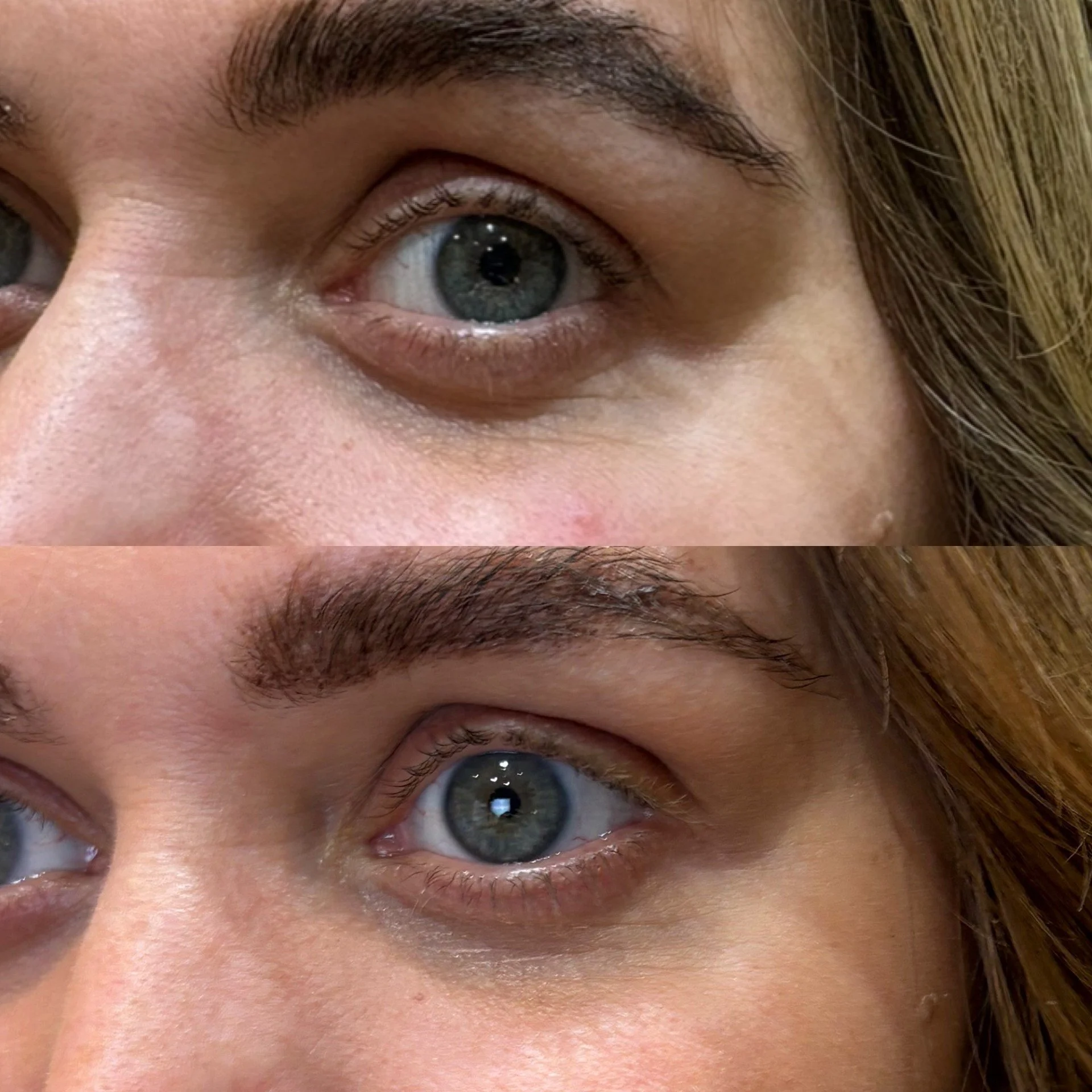
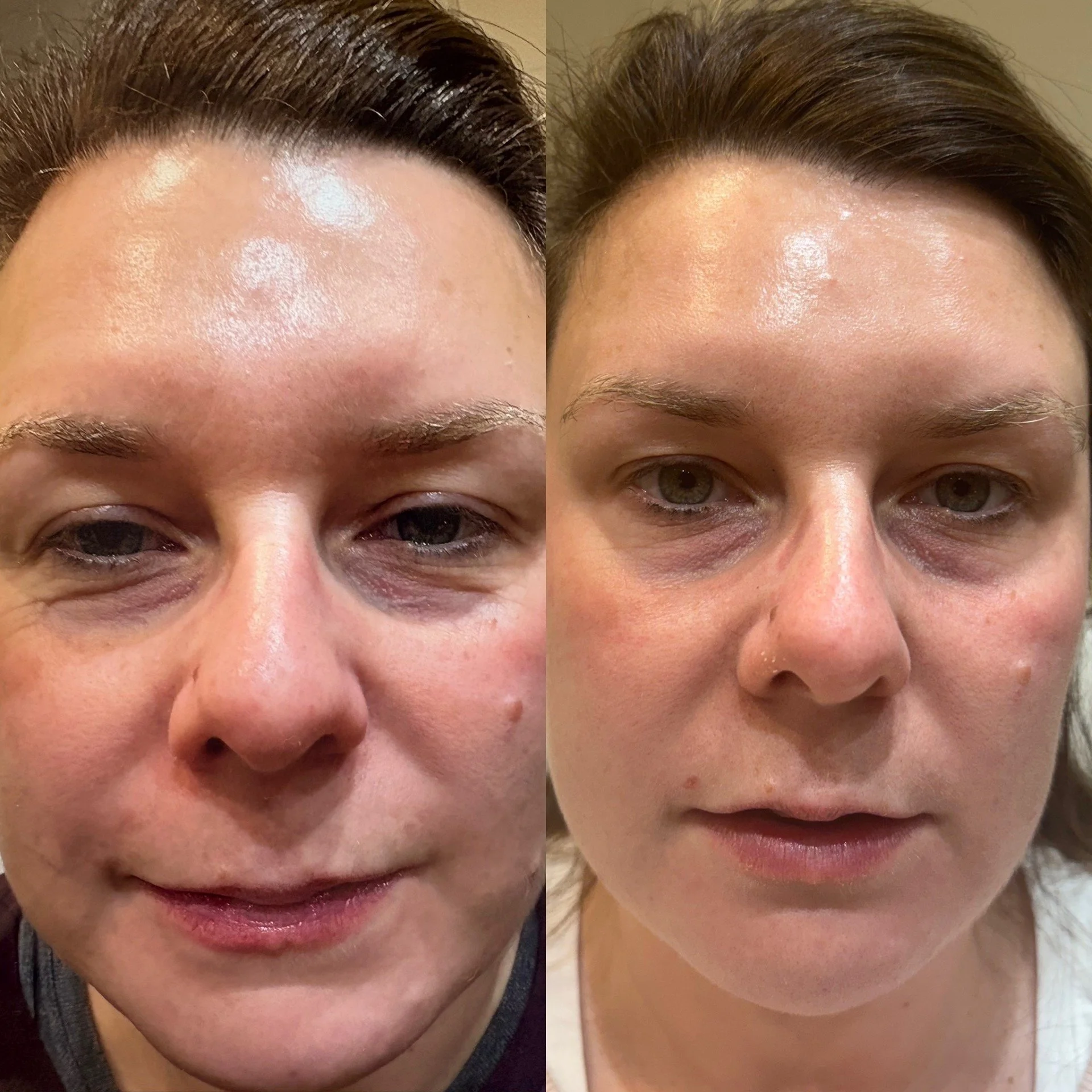
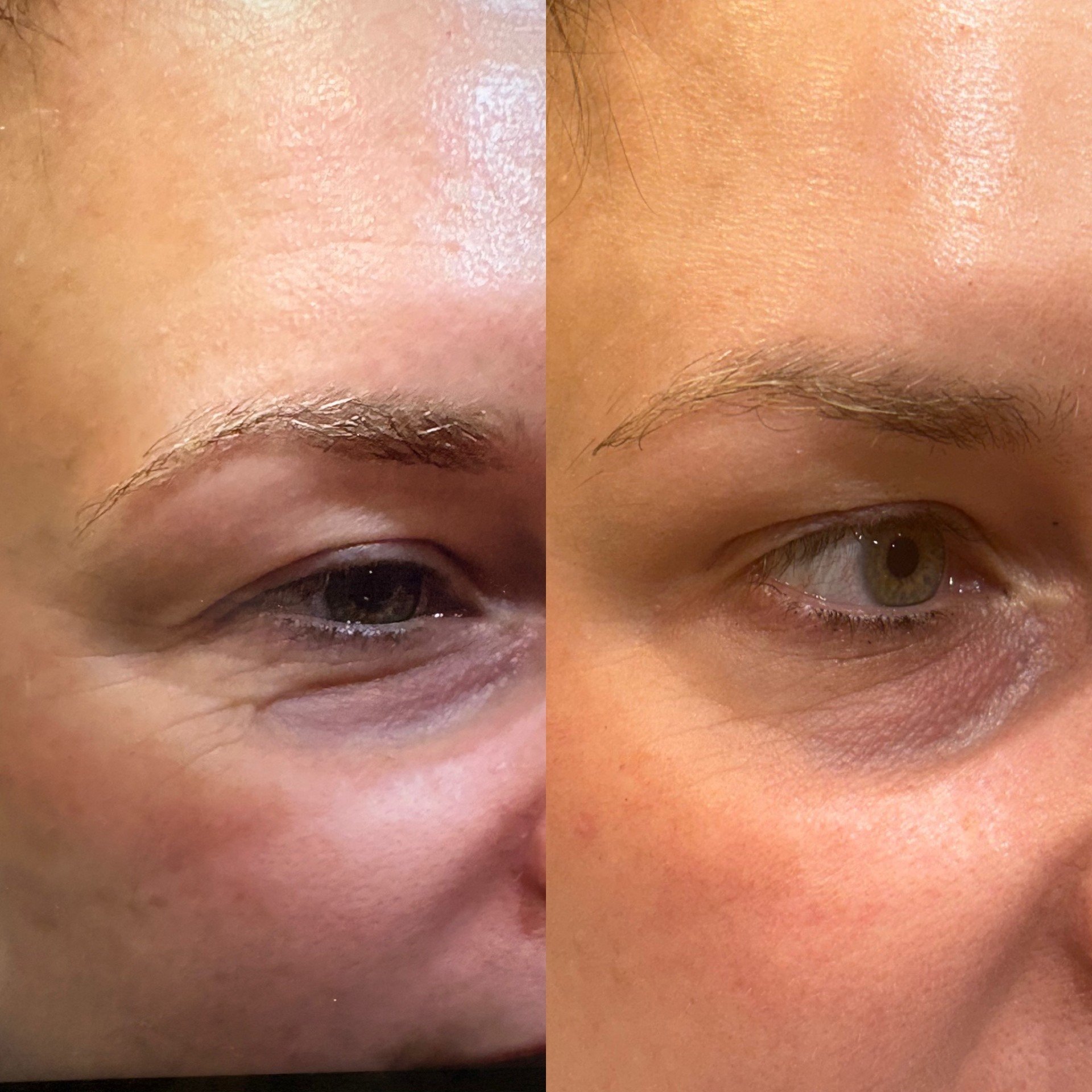
My Own Polynucleotides + NCTF® Under Eye Results

Jessica’s Polynucleotides + NCTF Before and afters for under eyes
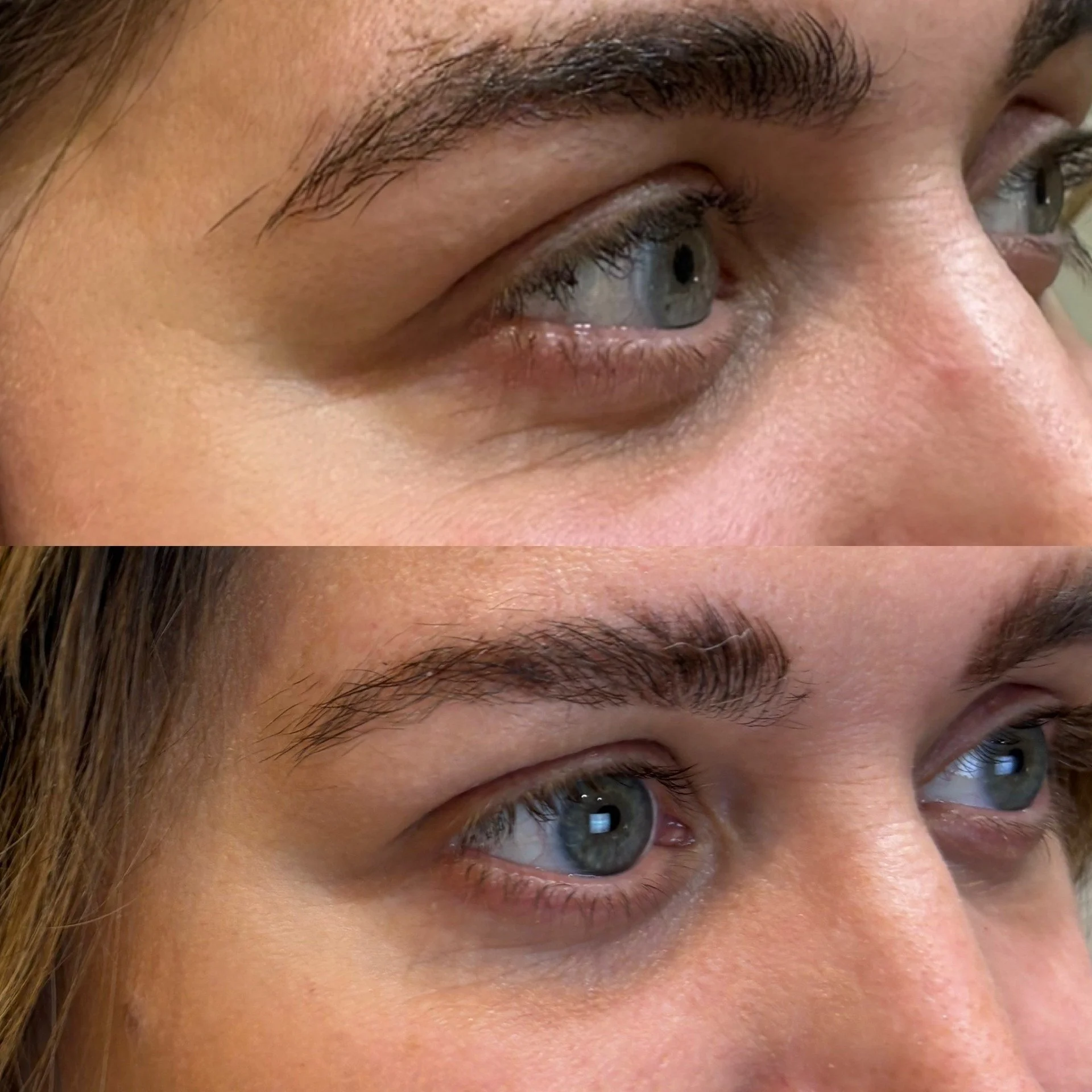
Under-eye polynucleotide and NCTF before and after showing improvement in crepey skin from a side view
Under-eye polynucleotide and NCTF before and after showing improvement in skin texture beneath the eyes
Close-up before and after under-eye polynucleotide treatment showing smoother skin and fine line improvement

Helen’s Polynucleotides + NCTF Before and afters for under eyes
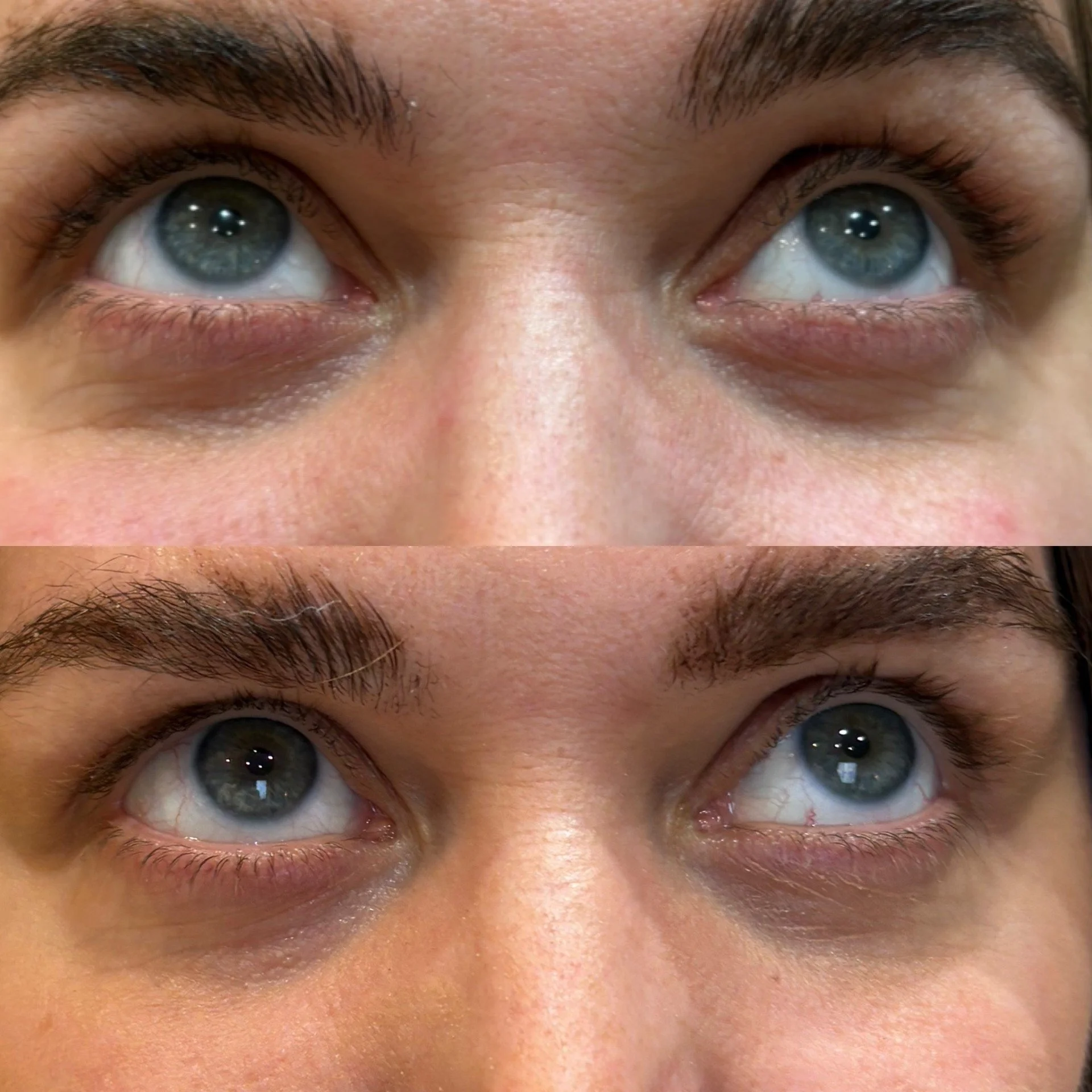
Polynucleotide and NCTF under-eye treatment before and after showing improvement in ageing under-eye skin
Close-up under-eye polynucleotide before and after showing improvement in fine lines and skin texture

Polynucleotides Price List

3 Introductory treatments every 3 - 4 weeks‍ ‍

£255 per session

Add Skin Booster to session for £40

Single maintenance treatment recommended approx every 6 months‍ ‍

£295

Add Skin Booster to session for £40

*New Cellular Treatment Factor (NCTF) is a skin booster and a unique blend of over 50 active ingredients including vitamins, amino acids, minerals, and antioxidants, formulated to improve the overall health of the skin.

Waiting area at Dr Caroline Warden Skin and Aesthetic Clinic in Hale Cheshire