Cosmeticorexia: Why Children Do Not Need Retinol, Acids, and 12 Step Skincare Routines
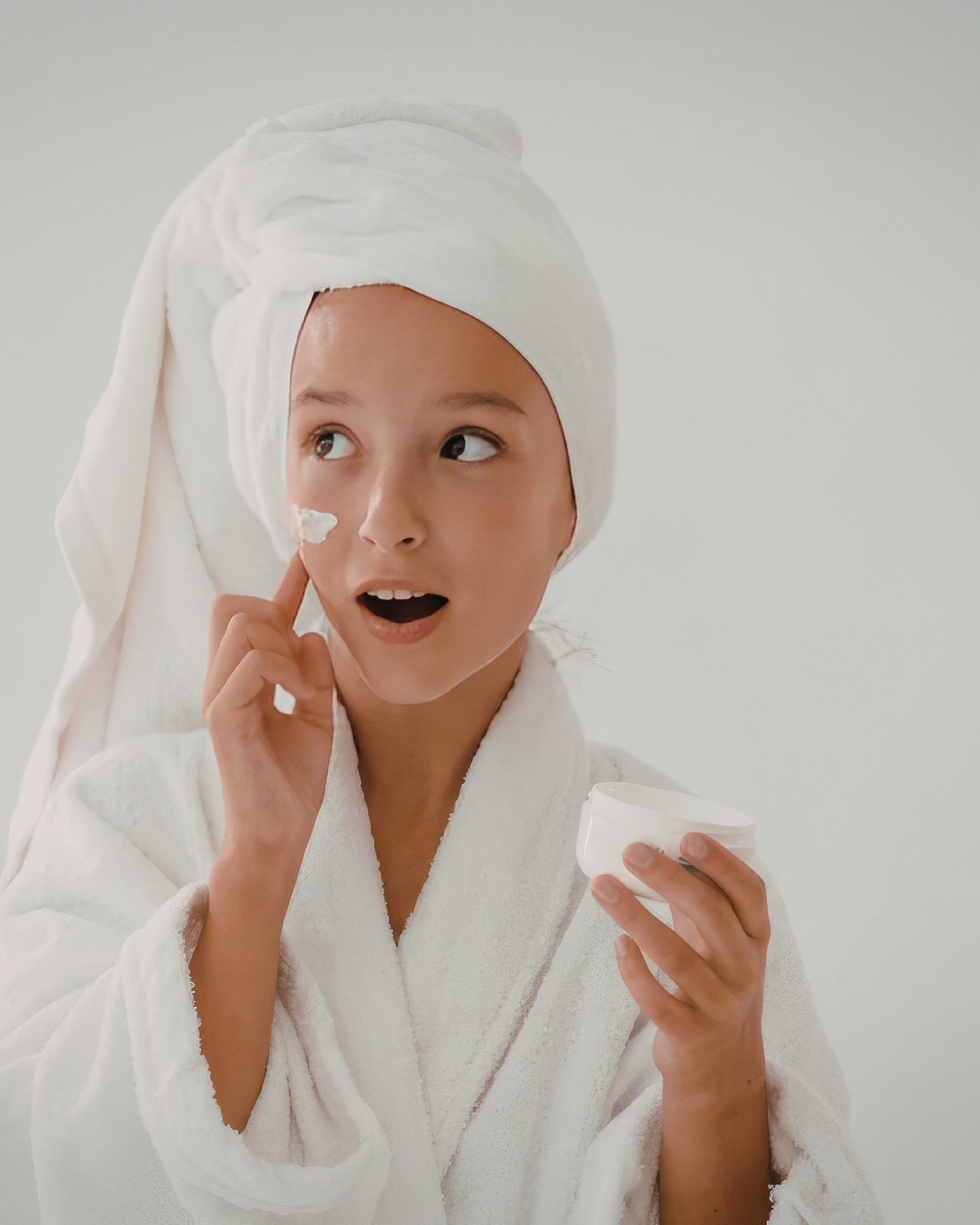
A worrying new trend is emerging.
Children as young as eight are now following elaborate skincare routines, spending hundreds of pounds on products, and becoming increasingly anxious about achieving “perfect” skin.
The phenomenon has become so widespread that it now has a name:
Cosmeticorexia.
Recently highlighted by the BBC, cosmeticorexia describes an unhealthy obsession with skincare, beauty products, and appearance amongst children and teenagers. While social media often portrays skincare as harmless self care, the reality is that many young people are using products that their skin simply does not need. (Mumsnet)
As a doctor working in skin health and aesthetics, this is a trend that genuinely concerns me.
The Problem With Children’s Skin
Children already have what most adults are desperately trying to achieve.
Their skin naturally has:
• Excellent collagen production
• Fast cell turnover
• Strong hydration levels
• Minimal sun damage
• Little or no loss of elasticity
In other words, they already possess the skin qualities that many anti ageing products are designed to improve.
Using powerful active ingredients before they are needed is not helping their skin.
In some cases, it may actually be harming it.
Why Retinol Is Not For Most Children
One of the most concerning trends is the increasing use of retinol by pre teens.
Retinol can be an excellent ingredient when used appropriately in adults.
However, for most children it offers no benefit whatsoever.
Potential problems include:
• Skin irritation
• Dryness
• Redness
• Increased sensitivity
• Damage to the skin barrier
• Increased sun sensitivity
Children do not need anti ageing products because they are not experiencing ageing.
The marketing of these ingredients towards young audiences is deeply worrying.
Social Media Is Driving The Trend
Many children are now consuming hours of beauty content every week.
TikTok, YouTube Shorts, Instagram Reels and influencer culture have created a world where skincare is no longer simply about healthy skin.
It has become a hobby, a status symbol, and for some, an obsession.
Children are being exposed to:
• Morning routines
• Evening routines
• Product hauls
• Sephora shopping videos
• Influencer recommendations
• Unrealistic beauty standards
The result is a generation becoming increasingly focused on perceived flaws that often do not exist.
The Mental Health Impact
The greatest concern is not the skincare itself.
It is what sits underneath it.
When an eight year old believes their skin needs fixing, improving, correcting, brightening, tightening, or preventing wrinkles, we should ask ourselves where those beliefs are coming from.
Childhood should not be spent worrying about pores, pigmentation, fine lines, collagen loss, or ageing.
Yet increasingly, these conversations are happening years before they should.
Research continues to show that excessive social media exposure can negatively affect self esteem, body image, and confidence in young people.
Skincare is simply becoming another expression of that wider issue.

What Children Actually Need
For most children, a sensible skincare routine is remarkably simple.
A gentle cleanser.
A basic moisturiser if required.
Daily SPF.
That is usually enough.
If a child has acne, eczema, rosacea, or another genuine skin condition, they should seek advice from a healthcare professional rather than social media.
The answer is not usually a basket full of expensive products.

A Doctor’s Perspective
As someone who spends every day helping adults improve their skin, I find it incredibly sad that children are becoming preoccupied with skincare before they have even reached their teenage years.
Healthy skin is important.
Skin confidence is important.
But childhood is important too.
Children do not need retinol.
They do not need acids.
They do not need anti ageing products.
What they need is protection from the sun, a healthy lifestyle, and the freedom to be children.
Perhaps the most powerful skincare advice we can give the next generation is this:
Your skin does not need fixing.
It is already doing exactly what it is supposed to do.
Frequently Asked Questions
What is cosmeticorexia?
Cosmeticorexia describes an unhealthy obsession with skincare, beauty products, and appearance, particularly amongst children and teenagers influenced by social media trends.
Is retinol safe for children?
In most cases, retinol is unnecessary for children and may cause irritation, dryness, redness, and skin barrier disruption.
What skincare should a 10 year old use?
Most children only require a gentle cleanser, moisturiser if needed, and daily SPF.
Can too much skincare damage young skin?
Yes. Excessive use of active ingredients can disrupt the skin barrier, causing irritation, sensitivity, and inflammation.
Is social media influencing children’s skincare habits?
Yes. TikTok, Instagram and YouTube have played a major role in promoting complex skincare routines and expensive beauty products to increasingly younger audiences.

Case Study
A mother recently asked whether her 11 year old daughter should start using retinol after seeing influencers online recommend it.
The answer was simple.
No.
Instead, we focused on a gentle cleanser, moisturiser and SPF.
Six months later, her skin remained healthy, balanced and irritation free.
Sometimes the best skincare is knowing when not to add another product.
Book a Consultation
Dr Caroline Warden Skin & Aesthetic Clinic is a female led, family run clinic in Hale, Cheshire, founded by GP and aesthetic doctor Dr Caroline Warden alongside her sister Louise Devereux. We believe in evidence based skincare, natural results, and helping patients understand what their skin genuinely needs, not simply what social media tells them to buy. To book a consultation, visit our Hale clinic and discover a personalised approach to healthy, confident skin.
Further Reading
If you found this useful, these related articles from the clinic explore using skincare wisely, and why more is not better.
- The 5 Skincare Ingredients I Would Be Careful With
- Why You Shouldn't Shop for Skincare at Sephora
- Understanding Eczema and the Skin Barrier
- Medical-Grade Skincare: What It Is and Why It's Worth It
- Why I'm Obsessed with Tretinoin: The Gold Standard of Skincare