Why Some Women Feel They Have Aged Overnight

An NHS GP and Aesthetic Doctor in Hale, Cheshire, Explains the Sudden Facial and Skin Changes of Perimenopause and Menopause
One of the most emotionally charged things women say to me in clinic is:
“I feel as though I have aged overnight.”
Often, they are in their forties or early fifties. They may feel healthier, more confident and more settled in themselves than they did ten years ago, yet the face looking back at them suddenly feels unfamiliar.
Their skin appears thinner and drier. Fine lines that were once barely noticeable seem more established. Their cheeks look flatter, the lower face feels heavier and the jawline no longer looks as defined.
Makeup sits differently. Skincare products that worked beautifully for years suddenly sting. Their face may appear permanently tired, even after a good night’s sleep.
As an NHS GP and aesthetic doctor with nearly 20 years of medical experience, I hear variations of this story every week from women visiting Dr Caroline Warden Skin & Aesthetic Clinic in Hale from Altrincham, Bowdon, Wilmslow, Knutsford, Sale, Stockport, Manchester and across Cheshire.
‘‘The first thing I want women to understand is that they are not imagining it.’’
‘‘The second is that they have not failed to look after themselves.’’
For many women, the feeling of ageing suddenly is closely linked to the hormonal changes of perimenopause and menopause. These changes can affect collagen, hydration, skin thickness, elasticity, inflammation and the way the skin repairs itself.
At the same time, ordinary age related changes continue within the facial fat, ligaments and bones supporting the face.
Ageing has not truly happened overnight, but several changes can become visible at once. That is what makes the experience feel so dramatic.

The Quick Answer
Perimenopause and menopause do not literally make you age overnight.
However, changing oestrogen levels may affect skin hydration, collagen, elasticity and barrier function at the same time that normal changes in facial fat, ligaments and bone support are becoming more visible.
The combination can make the face appear drier, flatter, less supported and more tired over a relatively short period.
Why Does Ageing Suddenly Become More Noticeable During Perimenopause?
Facial ageing develops gradually across many years. However, perimenopause can create a point at which several biological and lifestyle changes begin to overlap.
Oestrogen levels fluctuate and eventually decline. The skin may become less efficient at retaining moisture. Collagen support reduces. The skin barrier becomes more vulnerable and facial tissues may begin to feel less supported.
At the same time, many women are coping with disrupted sleep, increased stress, altered body composition and demanding work or family responsibilities. These factors can affect how rested, radiant and resilient the skin appears.
This is why a woman may look at photographs taken only two years apart and feel shocked by the difference.
It is rarely one wrinkle or one isolated change.
It is the overall impression of the face.
The skin may look less luminous. The cheeks may appear flatter. Shadows around the eyes and mouth become more noticeable. The lower face feels heavier and the neck less firm.
The combination can make someone feel that she has suddenly crossed an invisible line into looking older.
BOOK A SKIN CONSULTATION TO DISCUSS THE MENOPAUSE CHANGES IN HALE, ALTRINCHAM
Personalised, doctor led skin and facial ageing consultations in Hale, Cheshire, close to Altrincham and easily accessible from Bowdon, Wilmslow, Knutsford, Sale, Stockport and Greater Manchester.

The Menopausal Collagen Shift
Collagen is one of the main structural proteins responsible for skin strength, firmness and support.
We naturally begin losing collagen long before menopause. However, oestrogen plays an important role in skin physiology, including collagen production, moisture retention, wound healing and skin thickness.
As oestrogen declines, visible skin changes may become more noticeable. Research has associated menopause with reduced dermal collagen, thinner skin, increased dryness, reduced elasticity and greater wrinkling.
You may have seen claims that women lose around 30 per cent of their skin collagen during the early postmenopausal years.
That figure comes from older studies and should not be interpreted as an exact prediction for every woman. Collagen loss varies according to age, genetics, ultraviolet exposure, smoking, nutrition, health and many other factors.
The broader evidence is more important than one headline statistic.
Menopause can have a meaningful effect on the structure, hydration and behaviour of the skin.
In clinic, women often notice this as a loss of bounce.
The skin does not spring back in quite the same way. Fine lines remain visible for longer after smiling. The lower face looks less supported and areas such as the neck, jawline and around the mouth begin to change.
In my opinion, this loss of structural support is one of the main reasons women feel they have suddenly aged, yet it remains poorly explained in many discussions about menopause.

Why Your Face May Look Different, Not Simply Older
Facial ageing is not just about the surface of the skin.
Our faces are built from several layers, including bone, ligaments, fat, muscle and skin. Each layer changes with time.
Bone gradually remodels. Facial fat compartments change in volume and position. Ligaments become less supportive. Collagen and elastin decline. The skin becomes thinner and less resilient.
This can alter the balance of the face.
Women may notice flattening through the cheeks, hollowing around the temples or eyes, early jowling, a softer jawline or more prominent folds around the mouth.
A very common comment is:
“I do not necessarily think I look dramatically older. I just do not look like myself.”
I think this is an incredibly accurate description.
Often, what women are noticing is not simply more lines. It is a subtle change in facial architecture.
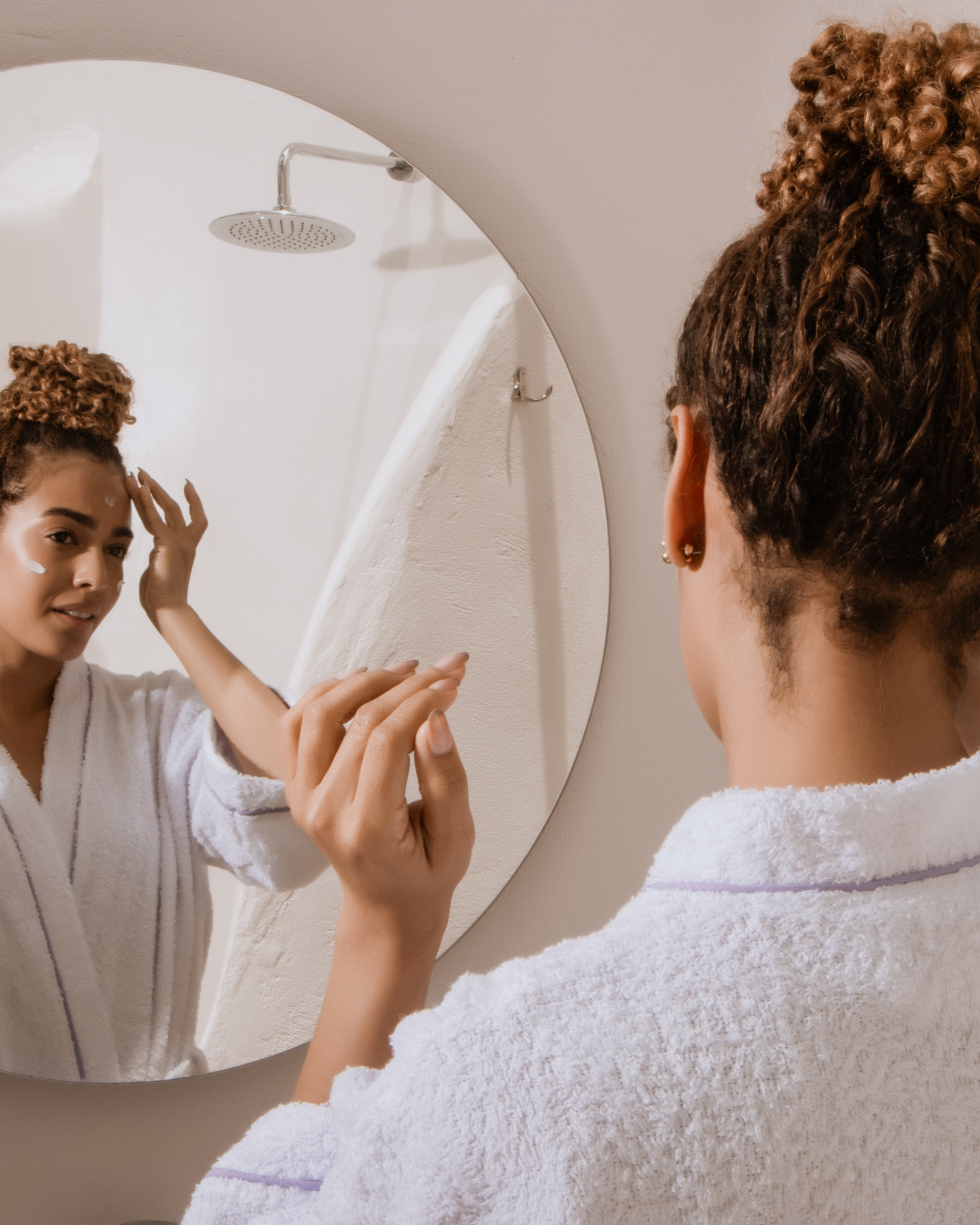
Why Your Cheeks May Appear Flatter
The cheeks are supported by bone, fat compartments, ligaments and skin.
With age, the bones of the face gradually remodel and facial fat changes in volume and position. Reduced collagen and ligament support may make these changes more visible.
The cheeks can appear flatter even when body weight remains stable.
This change can also affect neighbouring areas. Reduced mid face support may make the under eye region appear more hollow, deepen shadows around the mouth and contribute to a heavier looking lower face.
This is one reason good aesthetic assessment should consider the face as a whole.
Simply filling every line or hollow without understanding its cause can produce heaviness rather than natural rejuvenation.
Why the Jawline Can Become Softer
Jowls and jawline changes do not result from one single muscle or one isolated pocket of fat.
They develop through a combination of skin laxity, collagen loss, ligament changes, altered facial fat and gradual bone remodelling.
As the mid face becomes less supported and the tissues of the lower face change, the jawline may lose its previously smooth definition.
Women often notice this first in photographs, side profiles or downward lighting.
Skincare can improve the quality and hydration of the skin over the jawline, but it cannot physically reposition significantly descended tissue.
Collagen stimulating treatments may improve support in suitable patients, but substantial laxity may only be fully corrected with surgery.
Being honest about those limitations is an important part of ethical aesthetic medicine.

Why Your Eyes May Look Permanently Tired
A tired appearance is not always caused by tiredness.
The skin around the eyes is naturally thin. Declining collagen and hydration can make it appear finer and more crepey.
Changes in cheek support may make the under eye area look more hollow, while pigmentation and visible blood vessels can deepen shadows.
Sleep disruption during perimenopause may make all of this more noticeable.
However, women may continue to feel they look tired even after their sleep improves because the concern is not always caused by tiredness itself.
It may reflect a combination of skin quality, hollowing, pigmentation and reduced facial support.
No single eye cream can correct all of these factors.
The most appropriate treatment depends on what is creating the tired appearance.
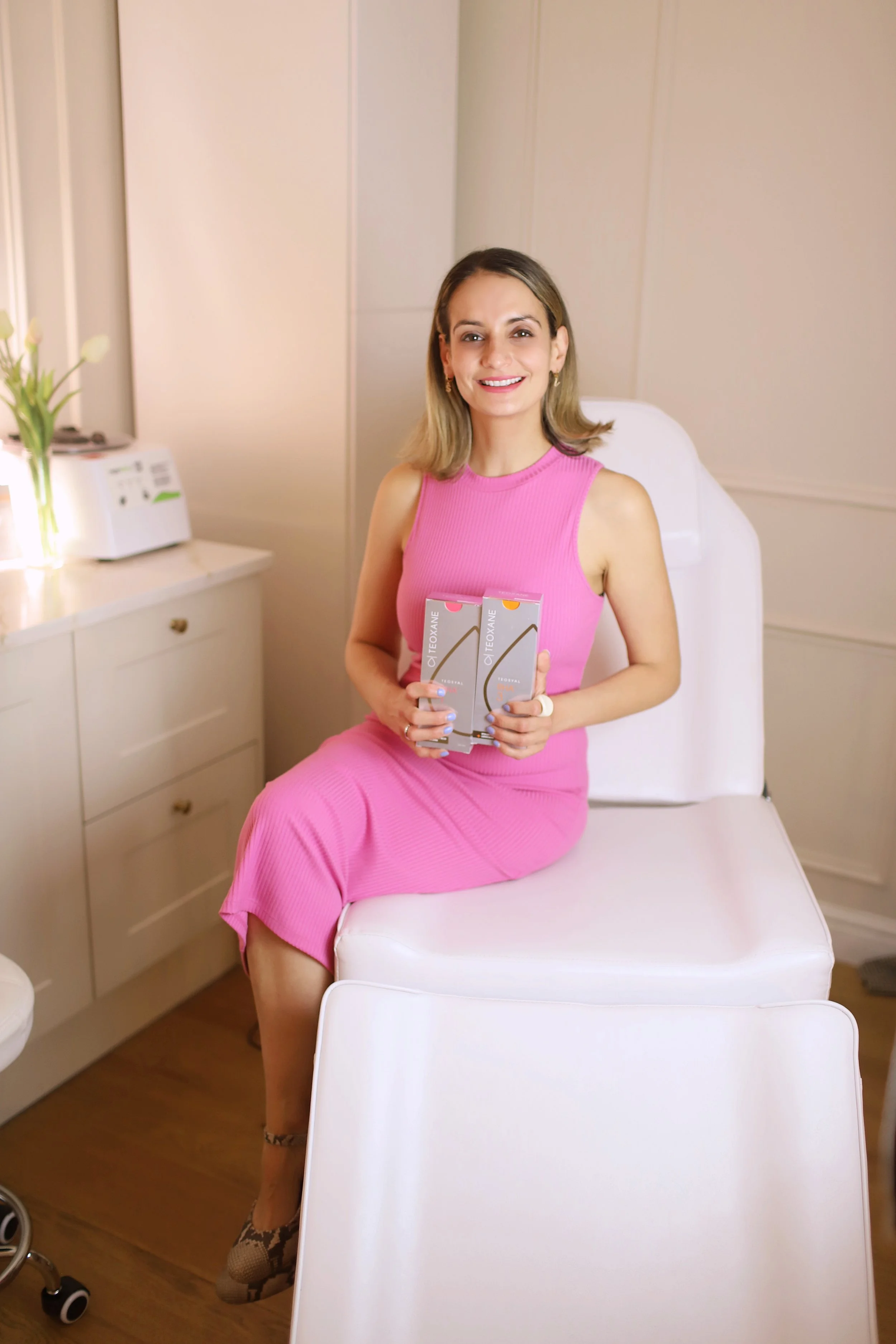
My View as an NHS GP and Aesthetic Doctor
One of the biggest mistakes I see is women blaming themselves for these changes.
They assume they have not used the right products, protected their skin well enough or spent enough money on skincare.
They respond by buying stronger acids, more serums, higher strength retinoids and increasingly complicated routines.
Unfortunately, this can make perimenopausal skin significantly worse.
A skin barrier that is already becoming drier and less resilient may not tolerate constant exfoliation or multiple active ingredients. The result can be redness, burning, rosacea flare ups and a face that looks more inflamed rather than more youthful.
I frequently tell patients that they do not necessarily need more skincare.
They need a better understanding of what their skin now requires.
That may mean simplifying the routine, restoring the barrier, using daily broad spectrum SPF and then introducing evidence based active ingredients in a controlled way.
It may also mean recognising that no cream can single handedly replace deeper facial support or fully reverse structural ageing.
Skincare remains extremely important, but it works best when expectations are realistic and the plan reflects the biology of the skin.
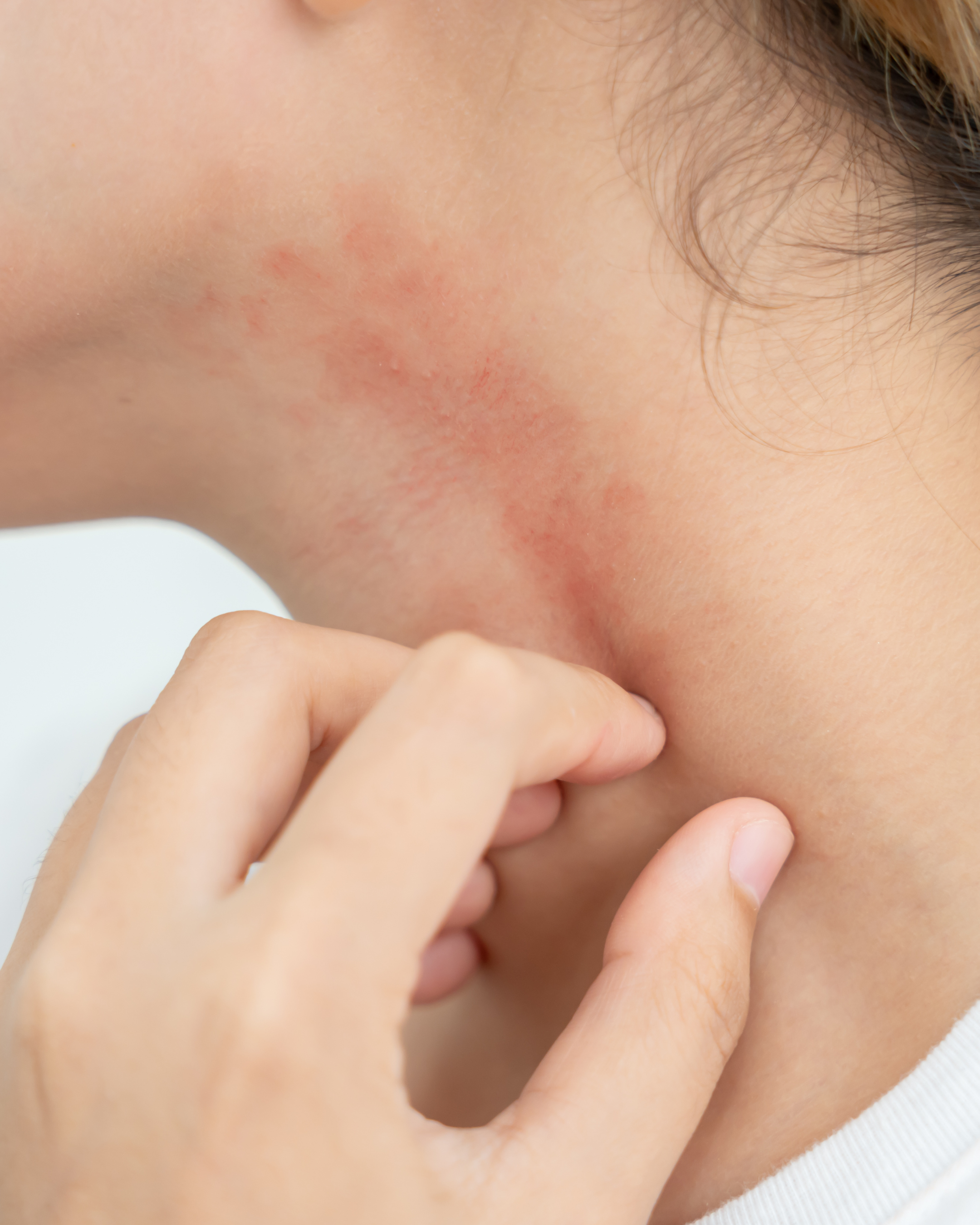
Why Perimenopausal Skin Can Suddenly Feel Dry and Sensitive
Dry and itchy skin are recognised symptoms of perimenopause and menopause.
Declining oestrogen may affect natural oils, hydration and skin barrier function. Skin that once felt balanced can suddenly feel tight after cleansing or uncomfortable by the end of the day.
Women also often report that products they have used for years begin to sting.
This can be confusing and may lead them to believe they have developed multiple allergies. An allergy is possible, but frequently the skin barrier has simply become less resilient.
Once the barrier is compromised, fragrance, acids, scrubs and previously tolerated products may cause burning or redness.
Repairing the barrier is often the first step before stronger skincare or in clinic treatments are considered.
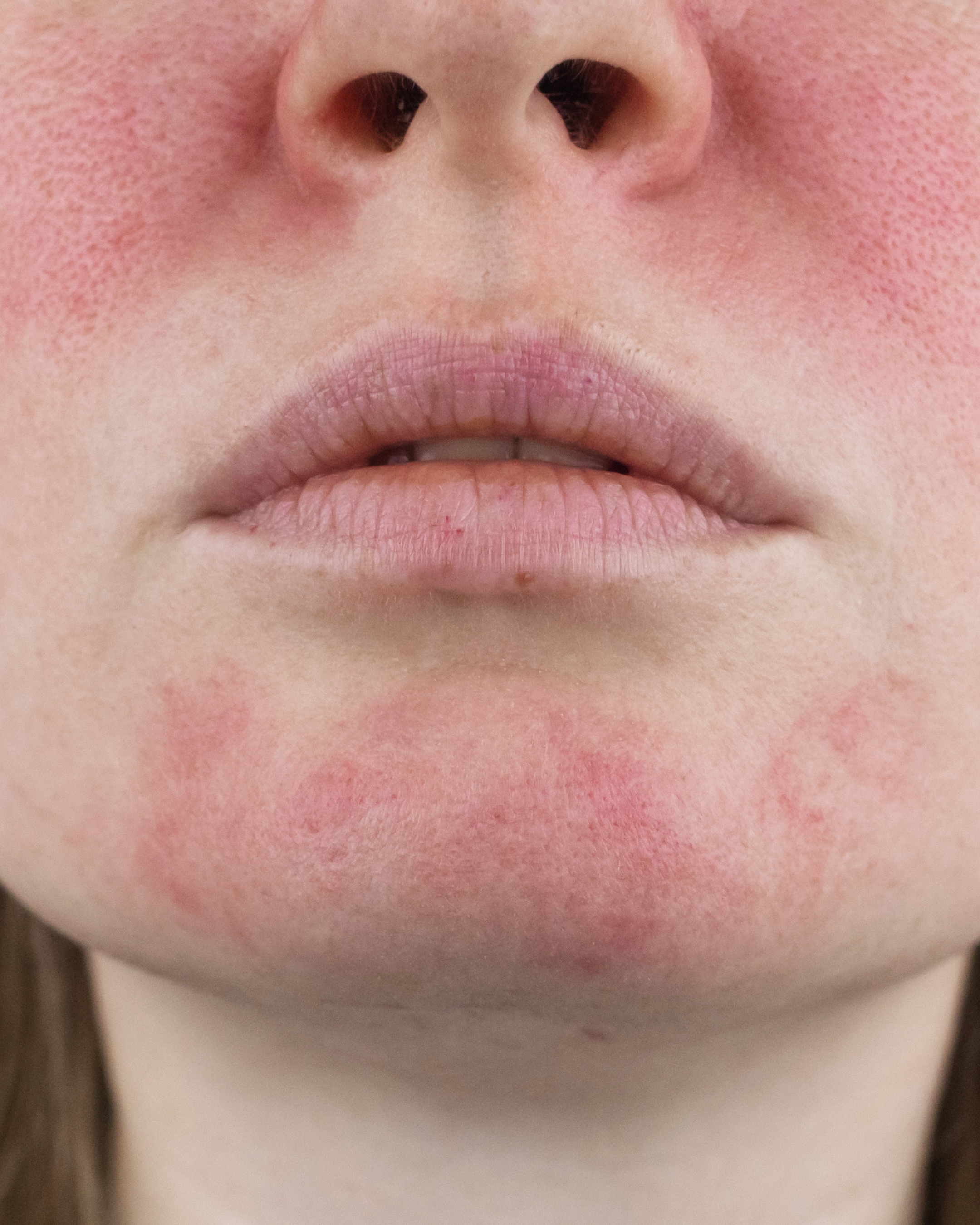
Why Menopause Can Worsen Rosacea and Facial Redness
Many women first notice facial flushing or rosacea during their forties and fifties.
Hormonal fluctuations, hot flushes, stress, disturbed sleep and increased skin sensitivity may all contribute to redness becoming more noticeable.
Some women develop persistent redness across the cheeks. Others notice flushing after wine, exercise, hot drinks or warm environments. Small inflammatory bumps may appear and be mistaken for adult acne.
At our clinic in Hale, it is not unusual for a woman to attend asking for an anti ageing treatment when the first priority is actually calming rosacea and repairing the skin barrier.
Treating inflammation first usually creates a healthier and safer foundation for everything that follows.

Why You May Develop Dryness and Adult Acne Together
One of the more frustrating experiences of perimenopause is developing spots and dry skin at the same time.
Hormonal fluctuations may contribute to adult acne, particularly around the chin and jawline, while the skin barrier becomes drier and increasingly sensitive.
Women may then respond to the acne with stronger acids, harsh cleansers or frequent exfoliation.
This can reduce oil temporarily while making dryness, redness and sensitivity worse.
A balanced plan needs to address both problems.
The solution may involve gentle cleansing, appropriate moisturisation, prescription treatment where clinically suitable and careful introduction of active skincare.
Not every red bump is acne. Rosacea, perioral dermatitis and folliculitis can resemble acne and require different treatment.
Can HRT Reverse Menopausal Facial Ageing?
Hormone replacement therapy can be enormously beneficial for appropriately selected women experiencing troublesome menopausal symptoms.
Some research suggests that menopausal hormone therapy may support aspects of skin hydration, thickness, elasticity and collagen.
However, HRT should not be started solely as a cosmetic treatment and it is not a facelift in tablet, gel or patch form.
Some women notice that their skin feels more comfortable, less dry and more resilient after starting suitable HRT. That may be a welcome additional benefit.
However, HRT will not completely reverse established wrinkles, restore all lost facial volume or lift significant skin laxity.
I think it is most helpful to view HRT as one part of a wider healthy ageing strategy.
Decisions about HRT should be based on a woman’s overall symptoms, health, individual risks and preferences following an appropriate medical discussion with her GP or menopause clinician.
What Can Genuinely Help Menopausal Skin?
The most effective approach is usually layered, staged and personalised.
The foundation should be gentle cleansing, suitable moisturisation and daily broad spectrum SPF. Protecting the collagen you still have is just as important as trying to stimulate more.
Prescription skincare may be considered for appropriate patients. Topical tretinoin has a strong evidence base in photoageing, but it requires medical assessment and should be introduced carefully, particularly where skin is sensitive or rosacea prone.
The aim is not to make the skin peel aggressively.
It is to create a routine that can be maintained consistently over months and years.
For patients concerned about texture and general skin quality, microneedling with exosomes may be considered after assessing the skin barrier and any active inflammation.
Microneedling has an established biological rationale for stimulating repair and collagen remodelling. The clinical evidence for commercial topical exosome products continues to develop, so claims should remain realistic.
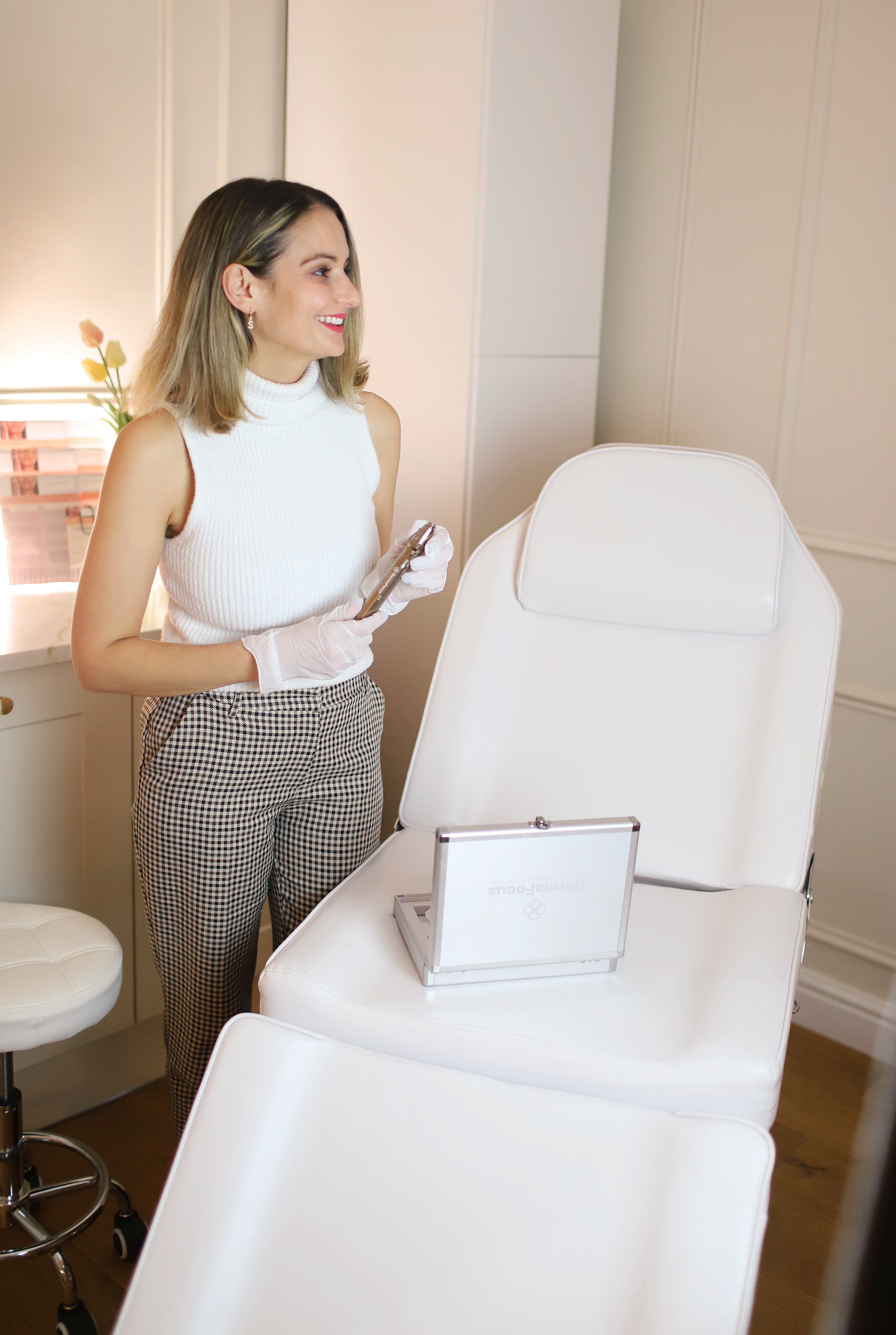
Polynucleotides in Hale and Altrincham may be considered where hydration, fine crepey skin and tissue quality are the main concerns. They are not fillers and should not be presented as a replacement for significant structural support or surgery.
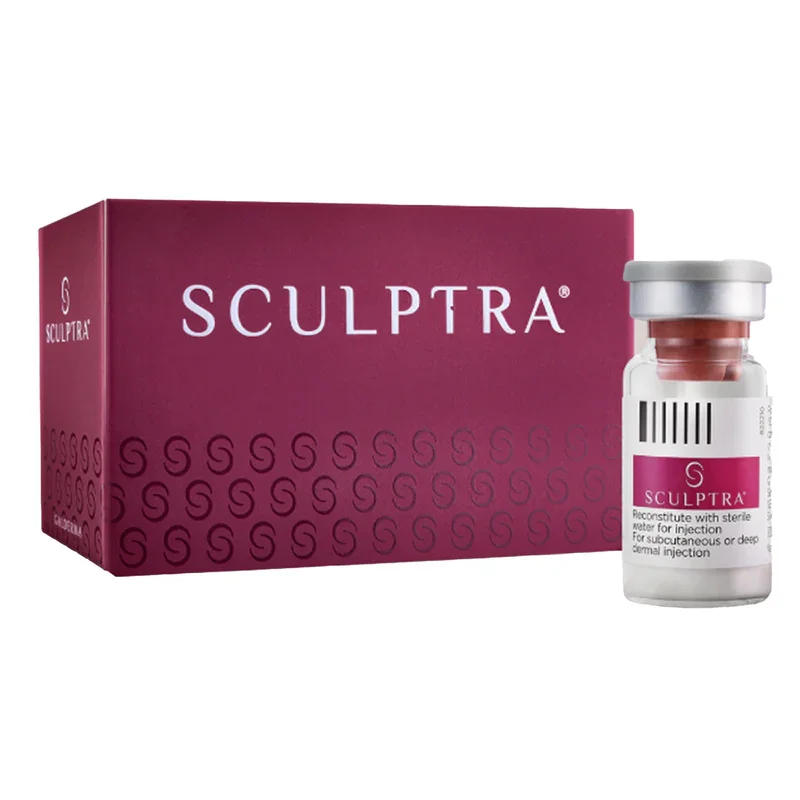
For deeper collagen loss and a more depleted appearance, Sculptra collagen stimulation in Hale and Cheshire may be appropriate for selected patients.
Sculptra works gradually by stimulating collagen production and may be helpful for women who feel their face has become flatter or less supported.
Radiesse may be considered when more immediate structural support or improvement in tissue firmness is desired. The appropriate treatment depends on facial anatomy, skin quality, medical history and the result the patient hopes to achieve.
I do not believe every menopausal woman needs injectable treatment.
Sometimes the best plan is a simpler routine, prescription skincare and time. Sometimes rosacea needs to be treated first. Sometimes a regenerative treatment can create a meaningful improvement.
The value of a consultation lies in deciding what is genuinely appropriate rather than simply recommending the newest or most expensive treatment.
Menopause Skin Consultations in Hale, Cheshire
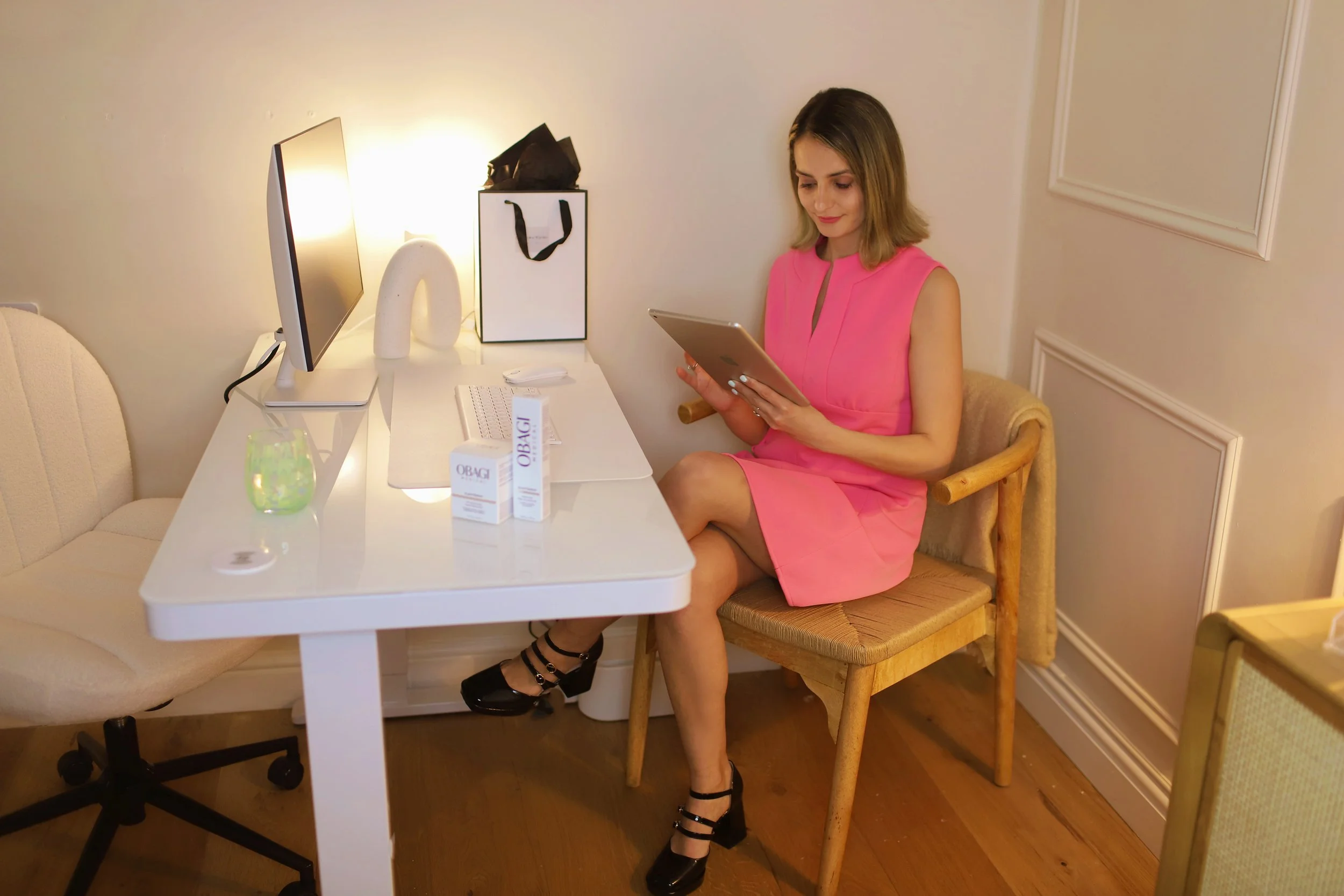
At Dr Caroline Warden Skin & Aesthetic Clinic in Hale, I offer personalised consultations for women experiencing dryness, sensitivity, rosacea, loss of glow, collagen decline and changes in facial support during perimenopause and menopause.
Our clinic is located in Crown Passages in Hale, close to Altrincham and within easy reach of Bowdon, Hale Barns, Timperley, Sale, Wilmslow, Knutsford, Alderley Edge, Stockport, Didsbury and South Manchester.
The consultation is not simply an appointment to choose an injectable treatment.
We review your current skincare, skin barrier, redness, pigmentation, facial anatomy, medical history, medication and the specific changes affecting your confidence.
Some women need a simpler skincare routine or careful consideration of prescription skincare.
Others may benefit from rosacea treatment, microneedling with exosomes, polynucleotides or deeper collagen stimulation.
Some do not need treatment at all.
The purpose of the consultation is to understand what has changed and create a realistic, medically led plan rather than offering every woman the same menopause treatment package.

What Happens During a Menopause Skin Consultation?
Your consultation begins with a detailed discussion about what has changed, what is bothering you and what you hope to improve.
I will review your current skincare, medical history, medication, allergies, menopausal symptoms and previous treatments.
Your skin barrier, redness, pigmentation, texture, collagen loss and facial support will then be assessed.
I will explain which concerns may respond to skincare, which may benefit from an aesthetic treatment and which cannot realistically be corrected without surgery.
You will receive an individual plan rather than a standard menopause package.
There is no obligation to undergo treatment on the day.
The consultation may still be valuable when the final recommendation is to simplify your routine, treat inflammation first, seek advice from your own GP or avoid a procedure altogether.
Case Study: Feeling as Though She Had Aged in Two Years
Rebecca, Age 49, Altrincham
Rebecca attended our Hale clinic because she felt that her appearance had changed dramatically over the previous two years.
She was working full time, exercising regularly and generally felt well. However, when she looked in the mirror, she felt her face appeared permanently tired.
Her skin had become dry and reactive. Her usual vitamin C serum had started stinging and she had responded by adding more exfoliating products, hoping to restore her glow.
Instead, her skin became redder and increasingly uncomfortable.
She had also noticed flatter cheeks, early jowling and a softer jawline. What upset her most was not any individual line.
It was the feeling that she no longer recognised herself.
During consultation, we discussed how perimenopause, declining collagen, disrupted skin barrier function and early rosacea could all be contributing.
The first stage was deliberately simple.
We stopped the unnecessary exfoliation, supported the skin barrier and introduced daily SPF consistently. Her redness was assessed and addressed, allowing the skin to become calmer.
Once the inflammation had settled, we gradually introduced appropriate skincare and discussed whether a collagen stimulating treatment could help address the deeper changes in facial support.
Over the following months, Rebecca noticed that her skin felt more comfortable, looked brighter and behaved more predictably.
The gradual collagen support helped her face look fresher without changing her features or making her look obviously treated.
She told me that the most important part of the process was finally understanding why everything had changed.
She had not suddenly let herself go.
Her skin had entered a different biological stage and needed a different strategy.
This is exactly the type of result I value.
Not turning somebody into a different person, but helping her feel at home in her face again.
This case study has been anonymised and some nonclinical details have been changed to protect patient confidentiality. Individual suitability, treatment response and results vary.

Is It Possible to Look Like Yourself Again?
This is the question sitting beneath many consultations.
Most women are not asking to look 25.
They do not want a frozen forehead, exaggerated cheeks or an entirely different face.
They want to look less depleted. Less tired. Healthier. More like themselves.
In many cases, meaningful improvement is possible.
The best outcomes usually come from understanding which changes are taking place, treating the skin with more respect and building a plan that combines prevention, evidence based skincare and carefully selected treatments.
There is no single product or procedure that fixes menopausal facial ageing.
However, there is a great deal we can do when the plan is thoughtful, realistic and individual.

Frequently Asked Questions
Why do I suddenly look older in my forties?
Many women notice more visible change during their forties because perimenopause can affect hydration, skin thickness, elasticity and barrier function. Facial fat, bone and ligament support also continue to change with age, so several features may become noticeable at the same time.
Does menopause make your face age faster?
Menopause is associated with declining oestrogen, which may contribute to dryness, thinning, reduced elasticity and collagen loss. It does not cause all facial ageing, but it may accelerate or reveal changes that were already developing.
Can you really lose 30 per cent of your collagen during menopause?
The commonly quoted figure comes from older research suggesting substantial collagen loss during the early postmenopausal years. It should not be treated as an exact prediction for every woman. Genetics, sun exposure, smoking, health and normal ageing also influence collagen.
Why has my face changed shape during perimenopause?
Age related changes in facial fat, bone, ligaments, collagen and skin elasticity may affect facial contours. Weight change can also make these changes more noticeable.
Why has my jawline changed during perimenopause?
A softer jawline may result from reduced skin elasticity, collagen loss, changes in facial fat, ligament laxity and gradual bone remodelling. It is rarely caused by one factor alone.
Does menopause cause jowls?
Menopause may make jowling more visible because declining collagen and elasticity occur alongside ordinary changes in facial fat, ligaments and bone support. It is not the sole cause.
Why do I look tired even after sleeping well?
Loss of facial support, under eye hollowing, thinner skin, dehydration and pigmentation can all create a tired appearance. Sleep disruption may worsen it, but tired looking features are not always corrected by more sleep.
Why has my skin suddenly become so dry?
Oestrogen supports skin hydration and barrier function. As levels fluctuate and decline, the skin may become less effective at retaining moisture, leading to dryness, tightness and itching.
Why do my skincare products suddenly sting?
A less resilient skin barrier allows irritants to affect the skin more easily. Strong acids, fragrance, scrubs and retinoids introduced too quickly may then cause burning or redness, even when they were previously tolerated.
Can perimenopause cause rosacea?
Perimenopause does not necessarily cause rosacea directly, but hormonal fluctuations, hot flushes and increasing skin sensitivity may reveal or worsen rosacea symptoms in susceptible women.
Can menopause cause adult acne?
Hormonal fluctuations may contribute to acne, particularly around the chin and jawline. Some women experience acne alongside dryness and sensitivity, which requires a balanced treatment plan.
Will HRT make me look younger?
HRT may improve skin hydration, comfort and possibly aspects of collagen or skin thickness in some women. It will not fully reverse facial ageing, replace lost facial support or act as an alternative to surgery. HRT should be prescribed for appropriate menopause related indications, not purely for cosmetic purposes.
Does prescription tretinoin still work after menopause?
Topical tretinoin remains one of the best researched treatments for photoageing. However, prescription treatment requires medical assessment and menopausal skin may need slower introduction and greater barrier support.
What is the best treatment for menopausal skin?
There is no single best treatment. Some women primarily need barrier repair and a more suitable skincare routine. Others may benefit from microneedling, polynucleotides, Sculptra, Radiesse or a carefully combined plan. The right option depends on the type and depth of change.
Can Sculptra help menopausal facial ageing?
Sculptra may help suitable patients experiencing collagen loss, flatter cheeks, reduced facial support or a more depleted appearance. Results develop gradually and cannot reproduce a surgical facelift.
Can polynucleotides help menopausal skin?
Polynucleotides may help improve hydration, fine crepey texture and general tissue quality. They are generally more appropriate for skin quality concerns than significant facial laxity or volume loss.
Is microneedling good for menopausal skin?
Microneedling may stimulate repair and collagen remodelling and can improve texture, fine lines, pores and selected acne scars. It should be planned around skin sensitivity, medical history and any active inflammation.
Can skincare lift jowls?
Skincare can improve the quality, hydration and appearance of the skin, but it cannot physically reposition significantly descended tissue.
Do I need aesthetic treatment because I am menopausal?
No. Treatment is entirely optional. Some women want a clearer skincare plan, some choose a carefully selected procedure and others decide that no treatment is necessary.
What is the difference between a menopause skin consultation and an ordinary facial?
A menopause skin consultation at our Hale clinic is medically led and considers skin barrier health, rosacea, acne, pigmentation, medication, current skincare and facial anatomy.
It is not a beauty facial or a standard treatment package. Recommendations are based on your concerns, clinical assessment and individual suitability.
Where can I get advice about menopausal skin in Hale or Altrincham?
Dr Caroline Warden offers personalised skin and aesthetic consultations at her female led, family run clinic in Hale, Cheshire, just minutes from Altrincham.
Patients visit from Bowdon, Wilmslow, Knutsford, Sale, Alderley Edge, Stockport, Didsbury, Manchester and across Cheshire for doctor led advice on menopause related skin changes and healthy ageing.
Is your Hale clinic convenient for patients travelling from Manchester and Cheshire?
Yes. Dr Caroline Warden Skin & Aesthetic Clinic is based in Crown Passages in Hale, close to Altrincham and within easy reach of Bowdon, Hale Barns, Timperley, Sale, Wilmslow, Knutsford, Stockport, Didsbury and Greater Manchester.
Can I book a consultation without committing to treatment?
Yes. There is no requirement to undergo a procedure on the day. The consultation is designed to provide clarity, assessment and an individual plan. Some patients leave with skincare advice alone.

Book a Menopause Skin Consultation
If your face or skin has changed during perimenopause or menopause, you do not need to keep choosing products and treatments through trial and error.
At Dr Caroline Warden Skin & Aesthetic Clinic in Hale, Cheshire, I combine nearly 20 years of medical experience with my work as an NHS GP and aesthetic doctor to help women understand what has changed and what may genuinely help.
Every consultation begins with listening.
We assess your current skincare, skin barrier, redness, pigmentation, collagen loss and facial support before recommending a personalised plan.
That plan may involve simplifying your skincare, considering appropriate prescription skincare, managing rosacea or discussing regenerative treatments such as microneedling with exosomes, polynucleotides, Sculptra or Radiesse.
You will never be pressured into treatment and there is no expectation to undergo a procedure on the day.
Alongside my sister Louise Devereux, Creative Director and Patient Coordinator, I have created a female led, family run clinic focused on honest advice, evidence based care and subtle results that help women look healthier, more rested and more like themselves.
Patients visit our Hale clinic from Altrincham, Bowdon, Hale Barns, Wilmslow, Knutsford, Sale, Alderley Edge, Stockport, Didsbury, Manchester and across Cheshire.

About the Author
Dr Caroline Warden
Dr Caroline Warden is an experienced NHS GP and advanced aesthetic doctor with nearly 20 years of medical experience.
She is Medical Director of Dr Caroline Warden Skin & Aesthetic Clinic in Hale, Cheshire, where she provides evidence based skincare consultations and natural looking aesthetic treatments alongside her sister, Louise Devereux.
Medically reviewed and edited by Dr Caroline Warden
Last reviewed: June 2026
This article provides general educational information and does not replace an individual medical consultation. Treatment suitability, benefits, risks and results vary between patients.
Further Reading
If this resonated, these related articles from the clinic explore why menopausal change can feel so sudden, and what genuinely helps.
- Menopause and Facial Ageing Explained
- Menopause and Your Face: What Changes and What Genuinely Helps
- The Best Aesthetic Treatments for Menopausal Skin
- Why "Looking Tired" Isn't a Personal Failing
Explore the treatments: Sculptra collagen stimulation for structure and polynucleotide skin regeneration for skin quality, in Hale, Altrincham and Cheshire
Next steps

References and Further Reading
Scientific and Medical References
NHS: Menopause and Perimenopause
NHS: Symptoms of Menopause and Perimenopause
NHS: Treatment for Menopause and Perimenopause
NHS: Things You Can Do to Help Menopause and Perimenopause
American Academy of Dermatology: Caring for Your Skin During Menopause
Managing Menopausal Skin Changes: A Narrative Review
Skin Ageing and Menopause: Implications for Treatment
The Effects of Oestrogen, Menopause and Hormone Replacement Therapy on the Skin
The Effect of Menopause on the Skin and Other Connective Tissues
