The Best Aesthetic Treatments for Menopausal Skin

An NHS GP and Aesthetic Doctor’s Guide to Choosing the Right Treatment for Dryness, Collagen Loss, Fine Lines, Jowls and Facial Ageing
One of the most common questions women ask me during consultations is:
“What is the best treatment for menopausal skin?”
It sounds like a simple question.
In reality, there is no single best treatment because menopausal skin does not change in one single way.
One woman may be struggling with dryness, burning and rosacea.
Another may be concerned about fine crepey skin around her eyes.
Someone else may feel that her cheeks have flattened, her jawline has softened and her whole face looks less supported.
These concerns may all appear during perimenopause or menopause, but they are not the same problem. They arise at different levels of the skin and face, which means they require different treatments.
As an NHS GP and aesthetic doctor with nearly 20 years of medical experience, I believe this distinction is essential.
A moisturiser cannot restore deeper facial support.
Botox cannot treat dry skin.
Polynucleotides cannot reproduce a facelift.
Sculptra is not designed to remove pigmentation.
Microneedling should not be performed on actively inflamed or severely compromised skin.
The most effective treatment is not necessarily the newest, strongest or most expensive option.
It is the treatment that matches what has actually changed.
Why Does Menopausal Skin Need a Different Approach?
Oestrogen influences several aspects of skin health, including hydration, collagen production, elasticity, thickness and repair.
As oestrogen fluctuates during perimenopause and declines around menopause, the skin may become drier, thinner, less resilient and more reactive.
At the same time, ordinary facial ageing continues.
The bones of the face gradually remodel. Facial fat compartments change. Ligaments become less supportive and cumulative sun exposure becomes increasingly visible.
This means menopausal facial ageing is rarely just about wrinkles.
Women may notice a combination of dryness, pigmentation, redness, enlarged pores, reduced elasticity, flatter cheeks, jowls and a less defined jawline.
When several changes appear together, it is understandable to want one treatment that fixes everything.
Unfortunately, no such treatment exists.
A thoughtful plan usually combines good skin health, prevention and carefully selected procedures rather than relying on one dramatic intervention.
The First Step Is Identifying What Is Actually Bothering You
When a woman tells me that her skin has “aged”, I ask her what she means.
Does it feel dry and uncomfortable?
Does it look dull?
Has rosacea become more noticeable?
Are fine lines the main concern?
Does the under eye skin look thinner?
Has the lower face become heavier?
Do the cheeks feel flatter?
Has significant weight loss changed the face?
These questions matter because the word “ageing” can describe very different concerns.
A patient whose skin burns when she applies moisturiser does not need to begin with Sculptra.
A woman with significant jowling is unlikely to achieve the change she wants from a skin booster alone.
Someone concerned mainly about frown lines may benefit from Botox, but Botox will not rebuild collagen throughout the face.
A medically led consultation should separate these issues and explain which treatment works at which level.
My Opinion: Menopausal Women Are Often Offered Too Much Treatment Too Quickly
I think aesthetic medicine sometimes responds to menopausal facial ageing with unnecessary urgency.
Women are told that their collagen is disappearing, their face is dropping and they need to act immediately.
This language can make an entirely normal biological stage feel like a cosmetic emergency.
Many women then arrive believing they need Botox, filler, Sculptra, polynucleotides, a peel and a completely new skincare routine all at once.
I rarely think that is the best place to start.
Before recommending treatment, I want to understand the patient’s skin, health, facial anatomy and expectations.
If the skin is red, peeling and inflamed, the immediate priority is restoring the barrier.
If rosacea is active, that may need treatment before microneedling.
If the concern is a deeply descended lower face, a realistic conversation about the limits of nonsurgical treatment is more valuable than selling several injectable procedures.
Good aesthetic medicine should reduce confusion, not create more insecurity.
Treatment One: Skin Barrier Repair
Skin barrier repair is not the most glamorous treatment on this list, but for many menopausal women it is the most important.
The skin barrier helps retain water and limit exposure to irritants.
When it becomes compromised, the face may feel dry, tight, itchy, hot or unusually sensitive. Products that were previously comfortable may sting and makeup may cling to rough areas.
A damaged barrier may be worsened by exfoliating cleansers, strong acids, fragranced products, aggressive home peels and retinoids introduced too quickly.
In these circumstances, adding another procedure can make matters worse.
The initial plan may involve simplifying the routine, using a gentle cleanser, supporting the barrier with an appropriate moisturiser and applying broad spectrum SPF consistently.
Once the skin is calm and resilient, active skincare and procedures are more likely to be tolerated successfully.
Who Is Barrier Repair Best For?
Barrier repair should usually come first if your skin is burning, persistently peeling, unusually red, reacting to most products or feeling painfully tight after cleansing.
It is also essential when eczema, dermatitis or rosacea may be contributing.
How Long Does Barrier Repair Take?
Some improvement may occur within a few weeks, although severely irritated skin can take longer.
The aim is not merely to hide dryness under a thick cream.
It is to remove unnecessary irritation and help the skin function normally again.
Treatment Two: Daily Broad Spectrum SPF
Sun protection is not an aesthetic procedure, but it remains one of the most effective ways to protect menopausal skin.
Ultraviolet exposure contributes to collagen breakdown, pigmentation, rough texture and premature ageing.
Daily broad spectrum SPF helps protect the collagen you still have and reduces further cumulative sun damage.
I often explain to patients that stimulating collagen without protecting it makes little sense.
You do not need to avoid daylight or live in fear of the sun.
However, consistent sunscreen is a fundamental part of any serious healthy ageing plan.
Who Is SPF Best For?
Everyone.
It is particularly important if pigmentation, rosacea, tretinoin use or collagen stimulating procedures form part of your plan.
Treatment Three: Prescription Tretinoin
If I could choose one topical treatment for long term skin ageing, it would be prescription tretinoin.
Tretinoin has decades of evidence supporting its use in photoageing. It can improve fine lines, uneven pigmentation, rough texture and collagen over time.
However, menopausal skin often needs to be introduced to tretinoin more slowly than younger, oilier skin.
There is no benefit in forcing nightly use if the result is burning, persistent redness and a damaged barrier.
Your face does not need to peel dramatically for tretinoin to work.
A small amount used consistently at a tolerable frequency over several years is often far more valuable than an aggressive routine that is abandoned after one month.
What Can Tretinoin Improve?
Tretinoin may help improve fine lines, rough texture, sun related pigmentation, blocked pores and aspects of skin quality.
It can also form part of a long term strategy for women experiencing both adult acne and ageing.
What Can Tretinoin Not Do?
It cannot replace lost facial fat, rebuild bone, lift significant jowls or reproduce the effect of surgery.
Its strength lies in improving the skin itself.
Why I Often Recommend Obagi Tretinoin
As Obagi Ambassadors, Louise and I value the structured way Obagi prescription skincare can be incorporated into a medically supervised plan.
The benefit is not simply the brand name.
It is having a prescription product selected at an appropriate strength, introduced carefully and supported by a wider routine designed for the patient.
Tretinoin is powerful, but better results do not come from using it as aggressively as possible.
They come from using it correctly and consistently.
Treatment Four: Medical Grade Skincare
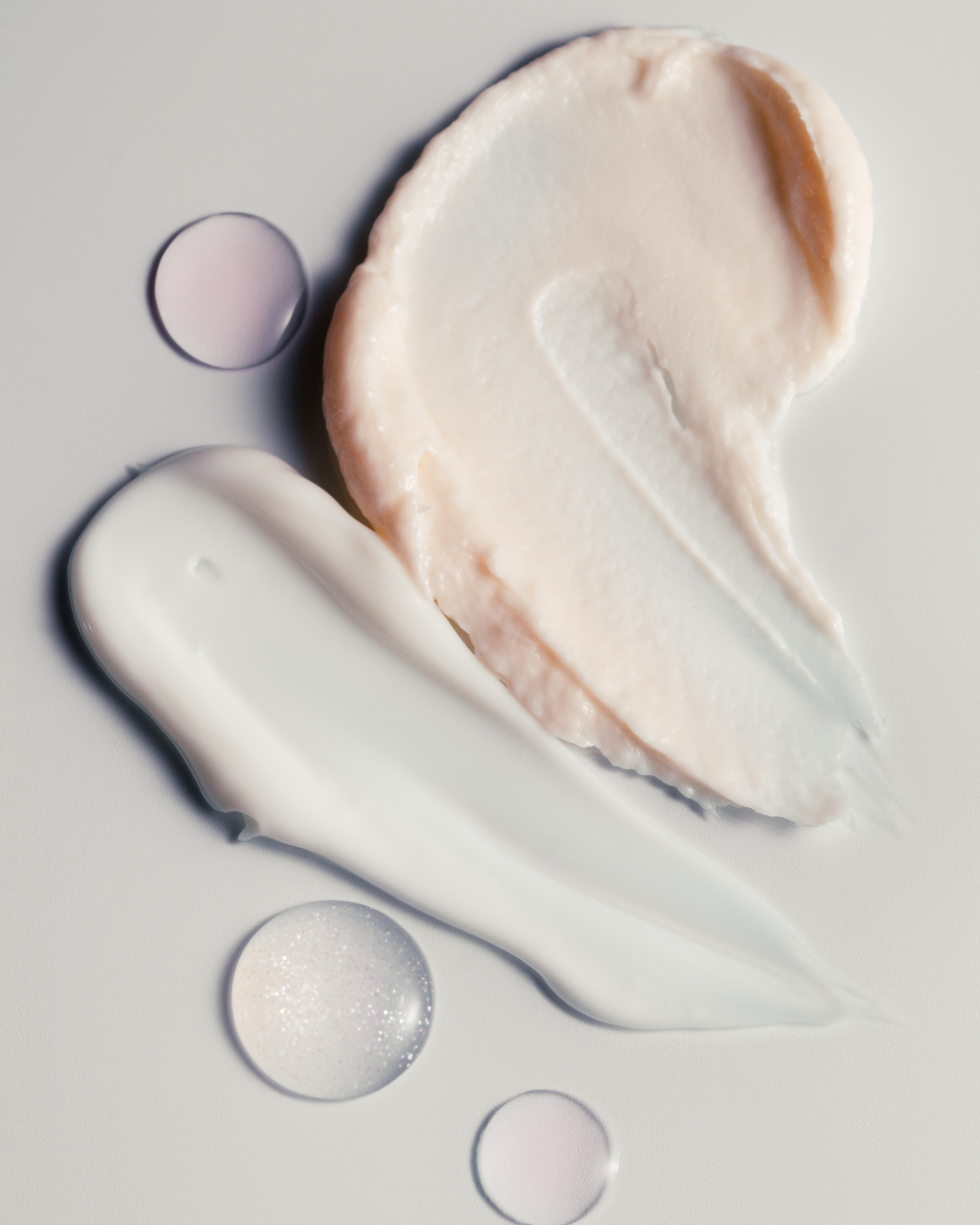
Medical grade skincare should not mean buying a large number of expensive products.
Its value lies in selecting evidence based ingredients and appropriate formulations for the patient’s actual concerns.
A menopausal skincare plan may include a gentle cleanser, barrier supporting moisturiser, SPF, prescription tretinoin, antioxidants or targeted treatments for redness, acne or pigmentation.
The routine should remain manageable.
A product that sits unused in a bathroom cupboard has no clinical value, no matter how advanced its formulation appears.
Who Is Medical Grade Skincare Best For?
It can benefit women concerned about dryness, pigmentation, adult acne, fine lines, redness and long term skin maintenance.
It is also important before and after many in clinic treatments.
Can Skincare Replace Aesthetic Treatment?
Sometimes skincare alone is enough to achieve the change a woman wants.
However, it cannot fully correct deeper volume loss, tissue descent or significant facial laxity.
Honesty about these limits prevents women wasting money on products that cannot reasonably produce the requested result.
Treatment Five: Botox for Menopausal Expression Lines
Botulinum toxin can soften dynamic lines caused by repeated muscle movement.
It is commonly used for frown lines, forehead lines and crow’s feet.
For some women, softening a strong frown or heavy upper face creates a fresher and less tired appearance.
Natural treatment should preserve expression.
The objective is not to freeze every muscle or remove all visible signs of age.
Who Is Botox Best For?
Botox is most appropriate when movement related lines are the main concern.
It may be particularly helpful when a strong frown makes the face look worried, tense or tired.
What Can Botox Not Treat?
Botox does not improve dry skin, restore cheek volume, treat pigmentation or lift significant lower facial laxity.
It should be viewed as one tool within a broader plan.
Treatment Six: Microneedling With Exosomes
Microneedling creates controlled micro injuries in the skin, stimulating repair and collagen remodelling.
It may improve texture, fine lines, enlarged pores, acne scarring and overall skin quality.
At our Hale clinic, microneedling is often combined with a carefully selected exosome product.
Exosomes contain signalling components that are increasingly being studied for their role in tissue communication and repair.
However, the evidence base for aesthetic exosome products is still developing.
I believe it is important to discuss this honestly rather than presenting exosomes as a proven miracle treatment.
The quality, origin and handling of the product matter, and claims should remain proportionate to the available evidence.
Who Is Microneedling With Exosomes Best For?
It may suit women concerned about dull texture, fine lines, enlarged pores, rolling acne scars or a general decline in skin quality.
It is often performed as a course rather than a one off treatment.
Who Should Avoid Microneedling?
It is not appropriate over active infection, significant inflammation, uncontrolled rosacea or a severely compromised barrier.
Some patients with a history of abnormal scarring may also require additional caution or an alternative approach.
Treatment Seven: Polynucleotides
Polynucleotides are injectable regenerative treatments used to support tissue quality, hydration and repair.
They are often selected for fine, crepey skin, particularly around the eyes, or for patients who want a subtle improvement without obvious volume.
Polynucleotides are not dermal fillers.
They do not create large cheeks, replace substantial facial volume or lift a significantly descended lower face.
Their value lies in improving the condition and resilience of the tissue.
Who Are Polynucleotides Best For?
They may be helpful when the primary concern is thin, crepey, dehydrated or tired looking skin.
The under eye area is a common indication when the issue relates to skin quality rather than a deep tear trough or prominent fat prolapse.
How Many Polynucleotide Treatments Are Needed?
A course is usually recommended, followed by maintenance according to the patient’s response and goals.
Results tend to be gradual and subtle.
Treatment Eight: Skin Boosters
Skin boosters are injectable treatments designed mainly to improve hydration and skin quality rather than dramatically change facial shape.
Different products contain different formulations, so the term “skin booster” is broad.
Some patients notice better hydration, luminosity and fine texture.
However, skin boosters cannot replace substantial volume or provide the degree of structural change expected from collagen stimulators, filler or surgery.
Who Are Skin Boosters Best For?
They may suit women whose main concerns are dehydration, fine surface lines and loss of radiance.
Can Skin Boosters Replace HRT?
No.
HRT is a medical treatment used for appropriate menopausal symptoms and health considerations.
A skin booster acts locally within the skin and cannot reproduce the systemic effects of hormone therapy.
Treatment Nine: Chemical Peels
Chemical peels can improve aspects of pigmentation, rough texture, acne and dullness by encouraging controlled exfoliation and renewal.
The depth and formulation of the peel matter.
A superficial peel is very different from a medium or deep peel.
For menopausal skin, stronger is not automatically better.
A peel performed on already inflamed, rosacea prone or barrier damaged skin may cause significant irritation.
Who Are Peels Best For?
Carefully selected peels may help patients concerned about uneven pigmentation, acne, rough texture or lack of radiance.
What Can Peels Not Do?
They cannot restore deeper facial support or lift significant jowls.
They work mainly on the skin’s surface and superficial layers.
Treatment Ten: LED Light Therapy
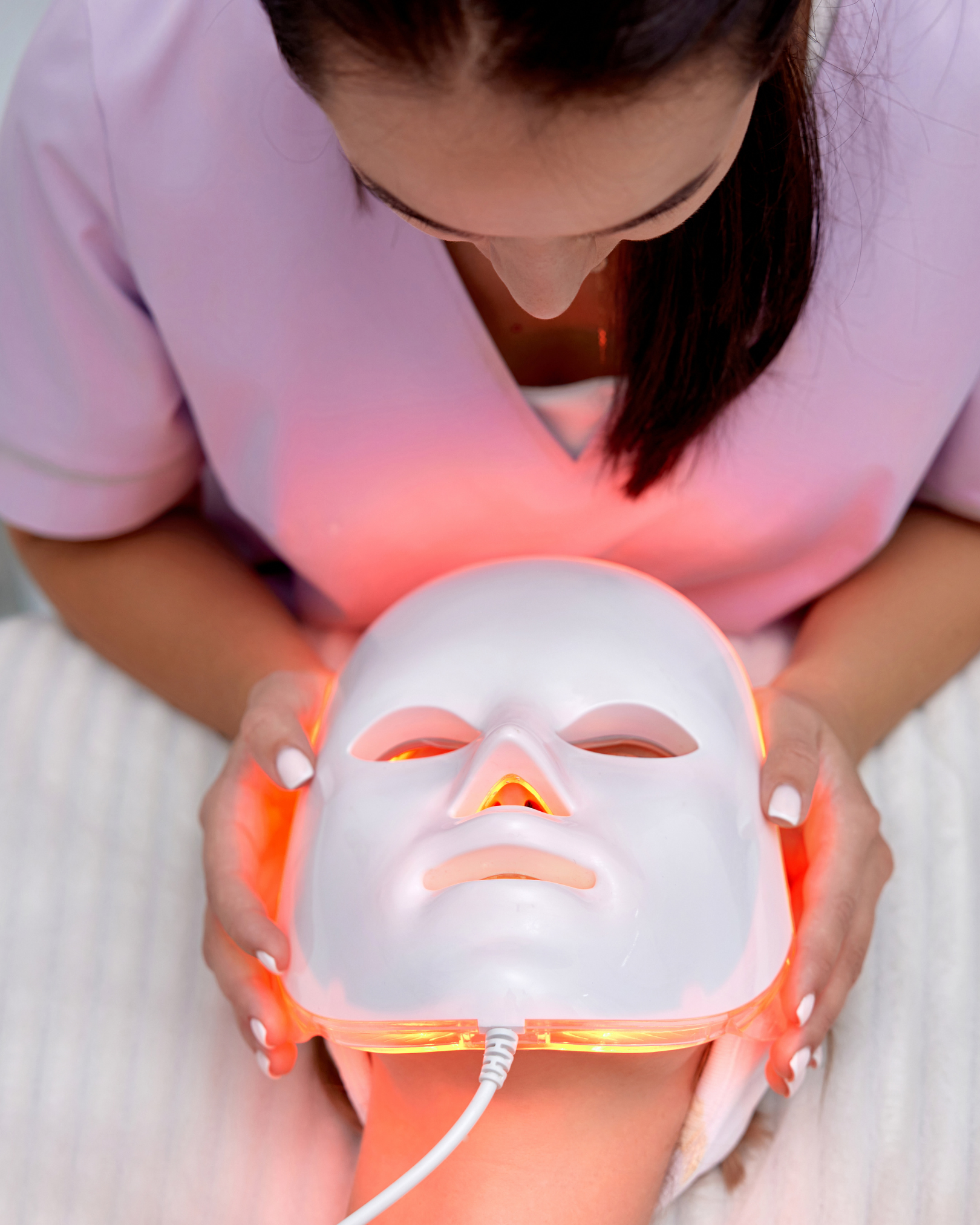
LED light therapy is a noninvasive option that may help support healing and reduce inflammation in selected patients.
It does not lift the face or replace lost volume.
Its role is generally supportive rather than transformative.
For women with reactive or inflamed skin, LED may form part of a broader plan alongside barrier repair and appropriate medical treatment.
Who Is LED Best For?
It may be considered for patients seeking a gentle treatment with minimal downtime, particularly where inflammation or recovery support is a priority.
How Do You Know Which Treatment You Actually Need?
The answer comes from identifying the dominant concern.
Dry, burning or reactive skin usually requires barrier repair first.
Persistent redness may need rosacea assessment and treatment.
Fine movement lines may respond to Botox.
Crepey skin and dehydration may suit polynucleotides or a skin booster.
Texture and enlarged pores may respond to microneedling.
Global collagen loss and a depleted face may be better suited to Sculptra.
Jawline or lower facial support may sometimes suit Radiesse.
Significant tissue descent may require a surgical opinion.
Many women have more than one concern, but that does not mean everything needs to be treated simultaneously.
A staged plan usually produces a more natural and understandable result.
Treatment Eleven: Sculptra for Menopausal Facial Ageing
Sculptra is a poly L lactic acid collagen stimulating injectable.
It works differently from traditional hyaluronic acid filler.
Rather than creating an immediate final shape, Sculptra encourages the body to produce collagen gradually over the months following treatment.
This makes it particularly appealing to women who feel that their face has become flatter, less supported or more depleted during menopause.
The cheeks may appear less full, the lower face heavier and the skin less firm.
Sculptra does not simply fill one line.
It is often used as part of a more global approach to collagen loss and facial support.
Why I Like Sculptra for Suitable Menopausal Patients
Many women tell me that they do not want to look “filled”.
They want to look fresher, healthier and more like themselves.
Because Sculptra develops gradually, friends and family may notice that the patient looks well without being able to identify why.
The treatment can support facial structure and skin quality without creating the abrupt visual change associated with poorly planned filler.
However, subtle does not mean risk free.
Sculptra requires appropriate patient selection, careful placement, correct preparation and realistic aftercare.
It is not suitable for every face or every medical history.
What Can Sculptra Improve?
Sculptra may help improve global facial collagen, flatter cheeks, reduced support, skin quality and a depleted appearance.
It is also increasingly considered for patients who have experienced significant facial change following weight loss.
What Can Sculptra Not Do?
Sculptra cannot replace a surgical facelift or reliably correct substantial skin excess.
It is not the best choice for every isolated line or for patients who want an immediate final result.
How Many Sculptra Treatments Are Needed?
Most patients require a planned course rather than one treatment.
The number of vials and sessions depends on age, anatomy, degree of collagen loss and desired outcome.
Results develop over several months and can last considerably longer than many traditional fillers.
Treatment Twelve: Radiesse for Support and Skin Firmness
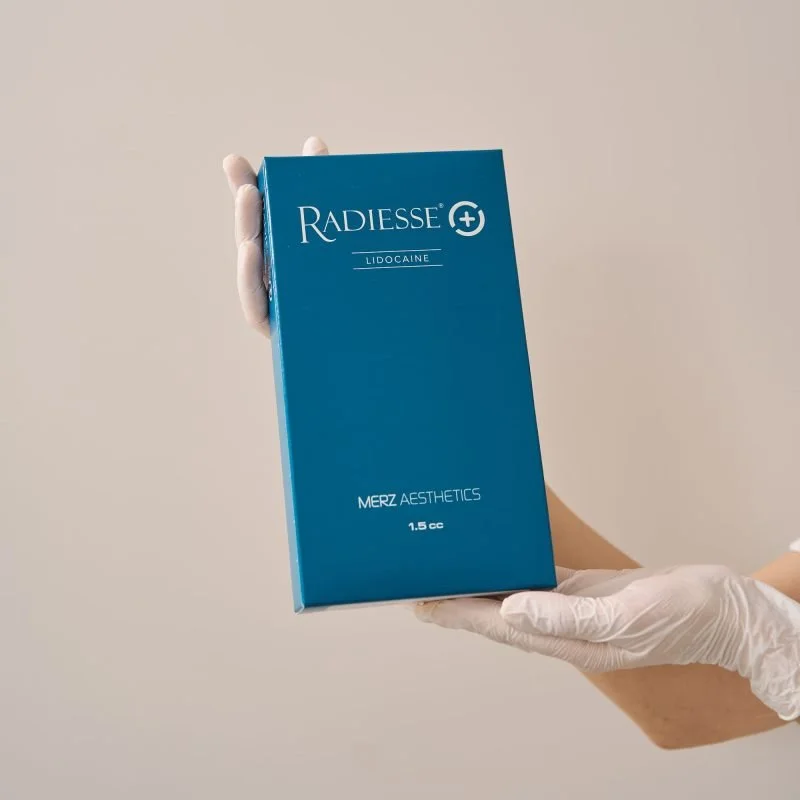
Radiesse is an injectable treatment made from calcium hydroxylapatite.
It provides some immediate support from its gel carrier while also stimulating longer term collagen production.
This makes it different from Sculptra, which is generally more gradual from the outset.
Radiesse may be particularly useful where the patient wants more definition or structural support around areas such as the jawline, chin or lower face.
What Is Hyperdilute Radiesse?
When Radiesse is diluted, the emphasis shifts away from creating projection or contour and towards improving skin firmness and tissue quality.
Hyperdilute Radiesse may be considered for areas of crepey or lax skin on the face, neck, décolletage, arms or above the knees.
It is not a moisturiser and does not provide an instant skin tightening effect.
Improvement relies partly on gradual collagen and elastin remodelling.
Sculptra or Radiesse: Which Is Better for Menopausal Skin?
Neither treatment is universally better.
Sculptra is often chosen for gradual, more global facial collagen support.
Radiesse may be preferred where some immediate contour or more targeted structural support is desirable.
The choice depends on anatomy, skin thickness, facial shape, treatment history and the patient’s goals.
Some patients may benefit from a staged combination, while others are better suited to only one treatment.
Treatment Thirteen: Conservative Dermal Filler
Dermal fillers can be extremely useful when used conservatively and for the correct indication.
They may restore focal volume loss, improve facial balance or provide support to carefully selected areas.
The problem is not filler itself.
The problem arises when filler is used as the answer to every feature of menopausal ageing.
Repeatedly adding volume to a face with significant laxity or poor skin quality can create heaviness and distortion.
I prefer to use filler sparingly.
Sometimes a small amount placed in the correct anatomical area is more effective than several syringes used to chase every shadow.
Who Is Filler Best For?
Filler may help when there is a specific area of volume loss or structural deficiency that can be improved safely and predictably.
When Is Filler Not the Best Choice?
It may be unsuitable when the face is already heavy, there is significant tissue descent or the requested correction would require excessive product.
Skin health and collagen stimulation may need to be addressed first.
Treatment Fourteen: Treatments for Menopausal Neck Ageing
The neck often ages differently from the face.
Its skin is thinner, contains fewer oil glands and may have received less consistent sun protection.
Women may notice crepey texture, horizontal lines, laxity or vertical muscle bands.
The treatment depends on the cause.
Prescription skincare and SPF may improve surface quality.
Microneedling, polynucleotides or hyperdilute Radiesse may support texture and firmness in selected patients.
Botulinum toxin may help certain patterns of muscle activity.
However, significant skin excess or advanced neck laxity may require surgery.
No injectable treatment should be marketed as reproducing a surgical neck lift.
Treatment Fifteen: When Surgery Is the Best Treatment
This is an important section because aesthetic treatment pages often avoid discussing surgery.
Nonsurgical treatments can produce beautiful improvements, but they have limits.
A facelift or neck lift physically repositions tissues and removes excess skin.
No injectable, cream or microneedling device can fully reproduce that effect.
For women with substantial jowling, marked neck laxity or significant tissue descent who want a major lift, surgical referral may be the most honest recommendation.
This does not mean nonsurgical treatment has failed.
It means the patient’s goal and anatomy require a different type of intervention.
Some women do not want surgery and are happy with a subtler improvement.
Others would rather invest in one surgical procedure than continue spending money on treatments unlikely to achieve their desired result.
A good consultation should help clarify that choice.
Which Treatments Work Best for Specific Menopausal Concerns?
Dry, Tight or Sensitive Skin
Begin with barrier repair, gentle cleansing, moisturisation and daily SPF.
Assess for rosacea, eczema, dermatitis or another medical cause before adding procedures.
Dullness and Loss of Glow
Medical grade skincare, tretinoin, vitamin C, selected peels or microneedling may help, depending on the condition of the barrier and presence of pigmentation or inflammation.
Fine Lines
Tretinoin, Botox for movement related lines, microneedling and selected regenerative treatments may be considered.
Crepey Under Eye Skin
Polynucleotides, carefully selected skincare and occasionally microneedling may help skin quality.
Deep hollowing or prominent fat prolapse requires a different assessment.
Enlarged Pores and Rough Texture
Tretinoin, salicylic acid in suitable patients, microneedling and carefully selected peels may be helpful.
Adult Acne
Treatment may involve tretinoin, azelaic acid, salicylic acid, prescription medication and barrier support.
The plan should avoid stripping already dry menopausal skin.
Persistent Redness or Rosacea
Gentle skincare, daily SPF, trigger management and prescription treatment may be required.
Aggressive peels or microneedling should be avoided until inflammation is controlled.
Flat Cheeks or Global Facial Depletion
Sculptra may suit selected patients who want gradual collagen support.
Conservative filler may be appropriate where focal volume replacement is needed.
Soft Jawline or Early Jowls
Radiesse, Sculptra, Botox in selected patterns or carefully placed filler may help, depending on the cause.
Significant laxity may require surgery.
Menopausal Neck Laxity
Skincare, microneedling, polynucleotides or hyperdilute Radiesse may improve skin quality.
Advanced tissue descent requires realistic discussion about surgical options.
The Treatments I Would Not Automatically Recommend
I would not automatically recommend an aggressive peel to a woman with active rosacea and a damaged barrier.
I would not use filler simply because a patient has reached menopause.
I would not promise that polynucleotides will lift significant jowls.
I would not describe Sculptra or Radiesse as a facelift replacement.
I would not prescribe a complicated ten step routine to someone whose skin is already burning.
I would not perform microneedling simply because the skin looks dull without first assessing why.
And I would not recommend any procedure simply because it is popular online.
The right treatment should follow diagnosis and assessment, not fashion.
Why Combination Treatment Does Not Mean Doing Everything
Combination treatment can be extremely effective because facial ageing occurs at several levels.
For example, a patient may benefit from tretinoin for skin quality, Botox for strong frown lines and Sculptra for global collagen support.
However, combination treatment should not mean performing all of those treatments on the same day.
A staged plan allows us to assess response, manage risk and avoid overwhelming the patient or her face.
It also makes financial sense.
Women can prioritise the concern that matters most and decide whether further treatment is genuinely worthwhile.
Case Study: “I Had No Idea Which Treatment I Needed”
Laura, Age 50, Altrincham
Laura attended Dr Caroline Warden Skin & Aesthetic Clinic in Hale after spending months researching menopause skin treatments online.
She had read about Botox, Profhilo, polynucleotides, microneedling, Sculptra, Radiesse and dermal filler.
The more she researched, the less certain she became.
She arrived with a long list of treatments and told me:
“I know something has changed, but I have no idea what I actually need.”
Laura’s main concerns were dry, reactive skin, a tired appearance, flatter cheeks and a softer jawline.
She had also developed redness across the centre of her face and occasional inflammatory bumps.
Her current routine included an exfoliating cleanser, glycolic toner, vitamin C, retinol, a peptide serum and a home peel.
Despite investing heavily in skincare, her face felt tight and uncomfortable.
During consultation, we separated her concerns.
The burning, redness and inflammatory bumps were related to rosacea and barrier disruption.
The tired appearance reflected a combination of skin quality and reduced mid face support.
The jawline change involved collagen loss and ordinary structural ageing.
Laura did not need every treatment she had researched.
She needed the correct sequence.
We began by simplifying her skincare, supporting the barrier and managing the rosacea.
Once her skin was calm, prescription tretinoin was introduced gradually and she began using daily SPF consistently.
Several months later, her complexion was more comfortable and even, but she still felt that her face looked depleted.
We discussed filler, Sculptra and Radiesse, including the benefits and limitations of each.
Because Laura wanted gradual global improvement and was particularly worried about looking overfilled, a course of Sculptra was selected.
The treatment developed over several months.
Her cheeks looked better supported, her skin appeared firmer and the transition into the lower face became softer.
We did not attempt to remove every line.
We did not add large amounts of filler.
We treated the inflammation first, improved the daily routine and then addressed deeper collagen loss.
Laura later told me that the most valuable part of the process was understanding why each treatment had been recommended.
She no longer felt she was choosing from an overwhelming menu.
She had a plan.
My Preferred Treatment Philosophy for Menopausal Skin
I believe the best menopausal aesthetic treatment should help a woman look well without making her look obviously treated.
The aim is not to erase her age or turn menopause into something shameful.
It is to support skin health, restore proportion where appropriate and help the reflection in the mirror feel more familiar.
That usually means doing less than social media suggests.
It means treating inflammation before injecting.
It means protecting collagen before trying to stimulate more.
It means using filler sparingly and recognising when a procedure cannot achieve the requested result.
It also means understanding that choosing no treatment is a valid decision.

Frequently Asked Questions
What is the best aesthetic treatment for menopausal skin?
There is no universal best treatment. The right option depends on whether the main concern is dryness, redness, pigmentation, fine lines, crepey skin, collagen loss, volume loss or tissue laxity.
What should I treat first?
Active inflammation, rosacea and barrier damage should usually be addressed before elective procedures. Healthy skin provides a safer and more predictable foundation.
What is the best treatment for dry menopausal skin?
A gentle cleanser, suitable moisturiser and daily SPF usually provide the foundation. Persistent dryness may require assessment for rosacea, eczema, dermatitis or another medical cause.
What is the best treatment for menopausal wrinkles?
Movement related lines may respond to Botox. Fine surface lines may improve with tretinoin, microneedling or skin quality treatments. Deeper folds require assessment of volume and structural support.
What is the best treatment for menopausal jowls?
The answer depends on severity and cause. Sculptra, Radiesse, selected Botox patterns or conservative filler may help early changes. Significant jowling may require surgery.
What is the best treatment for crepey skin?
Tretinoin, microneedling, polynucleotides or hyperdilute Radiesse may be considered depending on the area, skin condition and degree of laxity.
What is the best treatment for menopausal under eyes?
Treatment depends on whether the problem is thin skin, pigmentation, hollowing, swelling or fat prolapse. Polynucleotides may help skin quality but cannot correct every under eye concern.
Can Botox improve menopausal skin?
Botox can soften movement related lines and create a more rested upper face. It does not improve hydration, pigmentation or deeper collagen loss.
Is microneedling good for menopausal skin?
Microneedling may improve texture, enlarged pores, fine lines and collagen. It should not be performed over active infection, uncontrolled rosacea or a severely damaged barrier.
Are exosomes good for menopausal skin?
Exosomes are increasingly used alongside microneedling to support recovery and regenerative signalling. The evidence is still developing and claims should remain realistic.
Are polynucleotides worth it during menopause?
They may be helpful for fine crepey skin, hydration and tissue quality. Results are subtle and they do not replace significant volume or lift major laxity.
Are skin boosters good for menopause?
Skin boosters may improve hydration and fine texture. They are not a substitute for HRT and do not provide major structural lifting.
Is Sculptra the best treatment for menopausal facial ageing?
Sculptra can be an excellent option for selected women with global collagen loss and reduced facial support. It is not suitable for every patient or every concern.
Is Radiesse better than Sculptra?
Neither is universally better. Sculptra is often used for gradual global collagen restoration, while Radiesse can provide more immediate focal support with collagen stimulation.
Can Sculptra and Radiesse be combined?
They may be combined within a staged plan in appropriately selected patients because they can address different goals. More treatment is not automatically better.
Is filler safe for menopausal faces?
Filler can be used safely and naturally when the patient is suitable and the product is placed conservatively by an appropriately qualified clinician. Excessive treatment can create heaviness.
Will filler make me look puffy?
It should not when used appropriately, but puffiness and distortion are more likely when excessive volumes are used or filler is asked to correct significant laxity.
Can tretinoin improve menopausal skin?
Yes. Tretinoin can improve photoageing, fine lines, texture, pigmentation and collagen. Sensitive menopausal skin often needs a gradual introduction.
Is vitamin C good for menopausal skin?
A suitable vitamin C product can provide antioxidant support and may help uneven tone. Acidic formulations can irritate a compromised barrier.
Can chemical peels improve menopausal skin?
Selected peels may help pigmentation, dullness, acne and rough texture. They should be chosen carefully, particularly where rosacea or sensitivity is present.
Can LED therapy improve menopausal skin?
LED may support healing and reduce inflammation in selected patients. It should be viewed as supportive rather than a replacement for structural treatment.
Can HRT replace aesthetic treatment?
No. HRT is a medical treatment for appropriate menopause related indications. It may support aspects of skin health but will not correct every feature of facial ageing.
Can aesthetic treatments replace HRT?
No. Aesthetic treatments act locally and cannot reproduce the systemic effects or wider health considerations of hormone treatment.
Can aesthetic treatments replace a facelift?
No. Nonsurgical treatments can improve skin quality, support and contour but cannot fully reproduce surgical lifting.
How do I avoid looking overfilled?
Choose a practitioner who assesses the whole face, uses filler conservatively, explains alternatives and is comfortable advising against treatment.
How many treatments will I need?
This depends entirely on the treatment. Skincare requires ongoing consistency. Microneedling, polynucleotides and collagen stimulators are usually performed as planned courses.
How long do results take?
Botox generally develops over days to two weeks. Skin barrier changes may improve over weeks. Microneedling and collagen stimulating results develop over several months.
Do I need several treatments at once?
Usually not. A staged plan is easier to tolerate, safer to assess and often produces more natural results.
What treatments have the least downtime?
Skincare, LED and many injectable treatments have relatively limited downtime, although bruising, swelling or irritation remain possible. Microneedling and peels involve more visible recovery.
What is the most natural looking treatment?
Natural results depend more on assessment, dose, placement and restraint than on the name of the treatment. Sculptra, Radiesse, Botox, filler and skin treatments can all look natural when used appropriately.
When should I consider surgery?
Surgery may be more appropriate where significant skin excess or tissue descent is present and the desired degree of lifting cannot be achieved nonsurgically.
How do I know whether I need Sculptra, Radiesse or filler?
A facial assessment is required. Sculptra generally provides gradual collagen stimulation, Radiesse combines support with collagen stimulation and filler provides targeted volume or contour.
Can I have aesthetic treatment while taking HRT?
HRT does not automatically prevent aesthetic treatment. Your full medical history, medication and individual risks should be reviewed before proceeding.
Where can I get advice about menopausal skin in Hale or Altrincham?
Dr Caroline Warden offers personalised menopause skin and aesthetic consultations at her female led, family run clinic in Hale, Cheshire, close to Altrincham.
Do you see patients from outside Cheshire?
Yes. The clinic welcomes patients from Manchester and across the UK. Prescription skincare and injectable procedures require appropriate assessment and may require an in person consultation.
Why Choose Dr Caroline Warden for Menopausal Skin Treatment?
Menopausal skin sits at the intersection of women’s health, skin health, anatomy and aesthetic medicine.
Medical context matters.
As an NHS GP and aesthetic doctor with nearly 20 years of medical experience, I consider far more than the appearance of the skin.
Hormonal symptoms, medication, sleep, stress, weight change, rosacea, acne and general health may all be relevant.
My role is not to sell every woman the same menopause treatment package.
It is to understand what has changed, explain the options honestly and recommend only what is likely to add genuine value.
Sometimes that means skincare alone.
Sometimes the priority is treating rosacea or barrier damage.
Sometimes regenerative treatment can produce a meaningful improvement.
And sometimes the most honest advice is that surgery would be required to achieve the requested result.
Alongside my sister Louise Devereux, Creative Director and Patient Coordinator, I have created a discreet, female led, family run clinic focused on continuity of care, honest advice and natural results.
Book a Consultation
If your skin or face has changed during perimenopause or menopause, you do not have to choose treatments through trial and error.
At Dr Caroline Warden Skin & Aesthetic Clinic in Hale, Cheshire, every consultation begins with listening.
We assess your skin barrier, redness, pigmentation, facial anatomy, collagen loss, muscle movement, medical history and current skincare before discussing whether treatment is appropriate.
Your personalised plan may involve barrier repair, medical grade skincare, prescription tretinoin, rosacea treatment, Botox, microneedling with exosomes, polynucleotides, Sculptra, Radiesse or carefully placed dermal filler.
There is no expectation to proceed with a procedure on the day and you will never be pressured into treatment.
The aim is not to make you look twenty years younger.
It is to help you look healthier, more rested and more like yourself.
Patients visit our Hale clinic from Altrincham, Bowdon, Wilmslow, Knutsford, Sale, Alderley Edge, Stockport, Manchester and across the UK.
Book a consultation to explore a personalised, medically led approach to menopausal skin and facial ageing.

References and Further Reading
Scientific and Medical References
NHS: Menopause and Perimenopause
NHS: Symptoms of Menopause and Perimenopause
NHS: Treatment for Menopause and Perimenopause
British Menopause Society: Recommendations on HRT in Menopausal Women
American Academy of Dermatology: Caring for Your Skin During Menopause
The Effects of Oestrogen, Menopause and Hormone Replacement Therapy on the Skin
Skin Ageing and Menopause: Implications for Treatment
Revisiting the Effects of Menopause on the Skin
Application of Poly L Lactic Acid for Facial Rejuvenation
Systematic Review of Collagen Biostimulators in Aesthetic Medicine
Evaluation of the Biostimulatory Effects of Injectable Collagen Stimulators
Further Reading
If you found this useful, these related articles from the clinic explore menopausal skin and each of these treatments in more depth.
- Menopause and Facial Ageing Explained
- Is Microneedling Good for Menopause Skin?
- Polynucleotides for Menopausal and Perimenopausal Skin
- The Best Skincare Ingredients During Menopause
- Sculptra Explained: How Collagen Stimulation Supports Natural Facial Ageing
Explore the treatment: Sculptra collagen stimulation in Hale, Altrincham and Cheshire