How Alcohol Is Influencing Your Skin This Christmas (Without the Lecture!)

Discover expert skin science insights from our award-winning holistic aesthetic clinic in Altrincham. Written by Dr Caroline Warden an NHS GP, cosmetic dermatology specialist and leading aesthetic doctor in Hale, South Manchester
December in Hale, Altrincham usually means one thing: fizz is flowing.
Work dos, Christmas markets, family catch-ups, New Year’s Eve… it all adds up. And just so we’re clear from the start:
I’m not here to tell you not to drink. What I am here to do, as a doctor and aesthetic practitioner, is help you understand how alcohol is influencing your skin over the festive period so you can make informed choices, be a bit kinder to yourself, and know how to support your skin if you do enjoy a drink.

A quick reality check: alcohol & your health (no shame, just facts)
In the UK, current guidance suggests that to keep health risks low, it’s safest not to drink more than 14 units of alcohol per week, spread over three or more days and there’s no level of drinking that’s completely “risk free”.
That doesn’t mean you “can’t” go above that at a Christmas party; life is more nuanced than that. But it’s useful context, especially if:
* You notice your skin is always worse in December and January
* You’re also managing issues like rosacea, acne, eczema or psoriasis
* You’re investing in treatments (like microneedling, peels or injectables in Hale) and want to protect your results
Think of this as information, not judgement. Let’s look at what’s actually happening to your skin when you drink.

1. Dehydration, dullness & that “morning-after” face
Alcohol is a diuretic, which means it encourages your body to lose more fluid than you take in. That doesn’t just affect your brain and mouth – it affects your skin too. Dehydration can leave the skin looking:
* Dull
* Flaky or rough in patches
* More lined or “crêpey”, especially around the eyes
Some sources suggest even a couple of drinks a day may be enough to visibly dehydrate the skin and make fine lines more apparent.
To make things more confusing, dehydration can also lead to fluid retention, so you wake up:
* Puffy around the eyes
* A bit “swollen” in the face
* With rings or socks feeling tighter than usual
If you’re already prone to dryness, common in colder, centrally heated Manchester winters, alcohol can exaggerate that.
What helps:
* A big glass of water between each drink
* Hydrating, barrier-supportive skincare (think ceramides, glycerin, hyaluronic acid)
* Avoiding falling asleep in your make-up, even after a night in Altrincham bars!
2. Redness, flushing & rosacea flare-ups
Alcohol dilates blood vessels, which is why so many people notice flushed cheeks or a red nose after a few drinks. For some, this is temporary and mild. But if you already have sensitive or rosacea-prone skin, alcohol, especially red wine – can be a powerful trigger for:
* Sudden flushing
* Persistent redness
* Visible thread veins (telangiectasia) on the cheeks and nose
Alcohol doesn’t cause rosacea, but it can definitely worsen existing rosacea and make flares more frequent or more intense.
If you’re already coming to see me in Hale for redness, rosacea or “I just always look flushed”, it’s worth noticing:
* Are certain drinks worse (e.g. red wine vs clear spirits)?
* Do you flush more when you drink and also get hot (pub fires, dancing)?
* Does your skin stay “angry” for days afterwards?
What helps:
* Spacing drinks out and alternating with water
* Avoiding hot, spicy food + alcohol if you know you flush
* Sticking to your prescribed skincare, especially anything aimed at calming redness
* Booking your microneedling, exosomes or peels away from big drinking nights so we’re not irritating already inflamed skin

3. Breakouts, inflammation & flare-ups of existing skin conditions
Alcohol influences several hormonal and immune pathways in the body. It can:
* Raise levels of cortisol, a stress hormone linked to increased oil production and breakouts
* Increase overall inflammation, which can aggravate conditions like acne and rosacea
* Weaken the immune system, making the skin less able to defend itself(
For people with psoriasis, regular heavy drinking is associated with more severe disease and more frequent flares.
You might notice that, after a big weekend:
* Spots appear in areas you don’t usually break out
* Existing acne feels more inflamed and sore
* Eczema, psoriasis or seborrhoeic dermatitis gets itchier or more active
That doesn’t mean you “caused” your skin condition by drinking, these are complex diseases with lots of triggers, but alcohol can be one of the things nudging it in the wrong direction.
What helps:
* Avoid sleeping in make-up or SPF
* Keep your routine simple and gentle; don’t punish your skin with harsh scrubs
* If you know a condition flares badly with alcohol, we can work a real life plan around your social calendar in clinic, not perfection, just better choices

4. Sleep, hormones and premature ageing
Alcohol often helps you fall asleep quickly, but it fragments the quality of your sleep. especially the deeper, restorative stages. Poor-quality sleep is closely linked with:
* Increased cortisol (again), which can break down collagen and slow skin repair(
* Worsening of inflammatory conditions like eczema and rosacea
* A duller, more tired appearance the next day
Over time, chronic poor sleep and high cortisol are associated with accelerated ageing. more fine lines, loss of elasticity and overall “weathered” skin.
If your December looks like this:
* Late nights in Manchester or Altrincham
* More alcohol than usual
* Less sleep, more sugar and more stress
…it’s completely understandable that your skin doesn’t look its best by January.
What helps:
* Aiming for a couple of early, alcohol-free nights each week
* Keeping a basic, soothing PM routine by the bed (cleanser + barrier cream) for nights you’re exhausted
* Planning your skin treatments in Hale for the New Year as a reset: microneedling, peels, or a structured medical skincare plan

5. Short-term vs long-term: how quickly does skin rebound when you cut back?
Here’s the hopeful part: your skin is incredibly responsive when you give it a bit of help.
When people cut back on alcohol or take a proper break, they often report:
* Less puffiness and a more defined jawline
* Brighter, more even skin tone
* Fewer random breakouts
* Better tolerance of active skincare (like retinoids and acids)
Case studies and personal accounts of “sober skin” consistently mention clearer, plumper, more glowing skin within weeks of stopping alcohol, largely due to improved hydration, reduced inflammation and better sleep.
You absolutely don’t need to be teetotal to see benefits. Even:
* Swapping a few drinks for low- or no-alcohol options
* Having more drink-free days in a week
* Avoiding “two nights on the trot”
can give your skin more space to recover.

6. How to be kind to your skin and still enjoy festive drinks
This is the part I care about most for my patients in Hale, Altrincham, realistic, choices that work in your actual life.
Before you go out
* Hydrate well during the day, think water and hydrating foods
* Use a barrier-supporting moisturiser and SPF (yes, even in winter; UV still plays a role in redness and ageing)
* If you’re using strong actives (like prescription retinoids or Obagi systems), consider easing off on the night of a big event to avoid over-irritating the skin
While you’re out
* Alternate alcoholic drinks with sparkling water and lime
* Be mindful of super-sugary mixers (cocktails + fizzy drinks) these can contribute to inflammation and breakouts as well as extra calories
* If certain drinks always make you flush or trigger a flare (e.g. red wine and rosacea), it may be worth minimising those specifically
When you get home
If you can only manage three steps, make them:
1. Remove make-up and SPF (micellar or gentle cleanser – no scrubbing)
2. Apply a simple hydrating, non-irritating moisturiser
3. Drink a big glass of water before bed
Your half-asleep skin routine is still better than no routine at all.
In the days after
* Prioritise sleep – proper, boring, 7–9 hours where possible and regular hours
* Keep skincare simple and soothing for a few days
* Book or plan treatments that support repair and collagen e.g. microneedling with exosomes, gentle peels, polynucleotides or skin boosters at my Hale clinic, once the festive whirlwind has eased

FAQ: Alcohol & Your Skin This Christmas
1. Does alcohol cause bad skin?
Alcohol isn’t usually the sole cause of skin problems, but it can worsen underlying issues such as acne, rosacea, eczema and psoriasis by increasing inflammation, disrupting hormones, dehydrating the skin and reducing sleep quality.
If your skin always flares after drinking, it’s a sign that alcohol is one of your personal triggers not that you’re doing anything “wrong”.
2. Is one type of alcohol better for my skin than another?
All alcohol is dehydrating, but some drinks bring extra issues – for example, sugary cocktails can contribute to inflammation and breakouts. Red wine is particularly known for triggering flushing and rosacea in some people.
If you’re experimenting, pay attention to:
* How you feel after wine vs spirits vs beer
* What happens to your skin over the next 24–48 hours
* Whether it’s the amount, the type, or the situations (heat, stress, food) that make the biggest difference
3. How long does it take for my skin to improve if I cut back?
Everyone is different, but many people notice:
* Less puffiness and better tone in a few days
* Brighter, clearer skin within 2–4 weeks
* Longer-term improvements in fine lines and overall texture over several months, especially if you combine lifestyle changes with good skincare and, where appropriate, in-clinic treatments.
4. I have rosacea – should I avoid alcohol completely?
Not necessarily, but it’s worth being strategic and observant. Many people with rosacea find that certain drinks (especially red wine) are much more triggering than others, and that spacing drinks out, avoiding hot rooms and spicy food, and drinking plenty of water makes a real difference.
If flares are severe or distressing, we can look at medical treatment options and a tailored skin plan in clinic, and you may decide to reduce or avoid alcohol as part of that.
5. Can I drink alcohol around the time of my skin treatments?
For most treatments (like Botox, fillers, microneedling and peels), I usually recommend:
* Avoiding heavy drinking 24 hours before and after
* Being mindful that alcohol can increase bruising and flushing
* Giving your skin a few calm, well-hydrated days both sides of stronger procedures
We’ll always go through personalised pre- and post-treatment advice at your consultation
6. I’m worried I’m relying on alcohol more than I’d like – who can I talk to?
If cutting down feels hard, or alcohol is affecting your relationships, mood, work or health, it’s really important to reach out – without shame. Your GP, local NHS alcohol services and charities like Alcohol Change UK and Drinkaware offer confidential information and support.
Looking after your skin is one part of looking after you, and that includes your relationship with alcohol.
Thinking about a post-Christmas skin reset?
If you’re in Hale, Altrincham, South Manchester or the surrounding Cheshire area, and you’ve noticed your skin is:
* Duller and more uneven after the festive season
* Redder, more reactive or more breakout-prone
* Not matching the effort you’re putting into your skincare
a doctor-led skin consultation in Hale can help you reset.
I’ll talk honestly (and non-judgementally) about your lifestyle, including alcohol, and build a realistic plan using:
* Medical-grade skincare
* Treatments like microneedling with exosomes, chemical peels, polynucleotides and skin boosters
* Simple, sustainable tweaks you can actually live with
You can still enjoy a few fizzy wines, and support your skin at the same time!
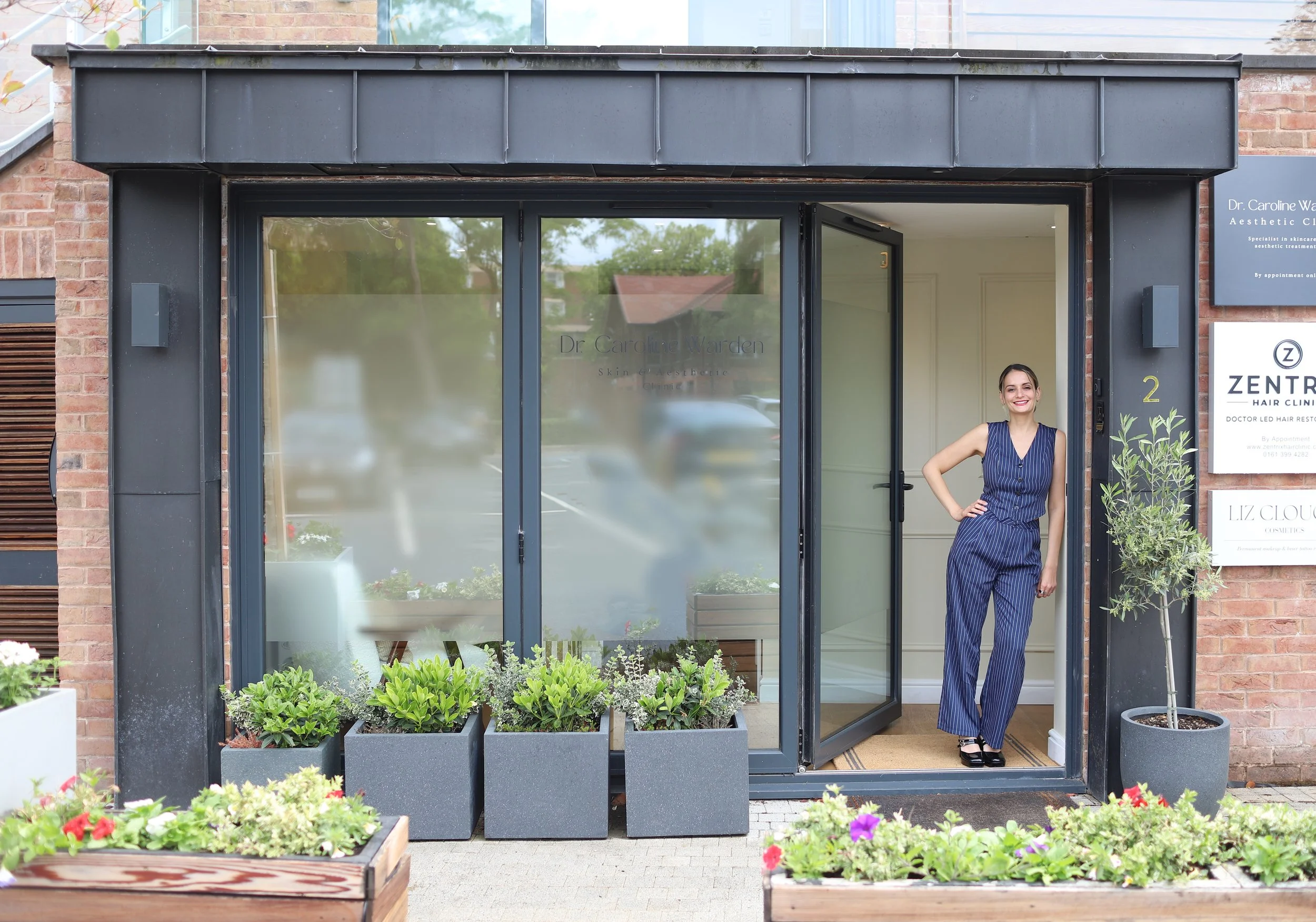
Book in for a Consultation at your local, doctor-led, sister-run skin & aesthetics sanctuary for natural, bespoke results
Dr Caroline Warden is an experienced NHS GP and aesthetic doctor. She has been a medical doctor for over 18 years. She runs the female-led family business with her sister Louise Devereux (creative director & patient co-ordinator)
Their main Skin and Aesthetic Clinic is located in Hale, Cheshire but they also run a pop-up clinic in Disley, Stockport one evening a week.
You will only ever see and have treatments with Dr Caroline Warden.
Whether you're new to aesthetic treatments or ready to refine your routine, her bespoke skin assessments are the best place to start. Dr Caroline Warden will design a tailored plan based on your skin goals, lifestyle, and timeline.
Book your consultation at the clinic in Hale, Cheshire and experience aesthetic medicine.
You’ll be guided through your medical history, goals, and expectations so you can make an informed choice.

Where our clinics are local to:
Our flagship main Hale clinic is conveniently located for patients travelling from:
Alderley Edge, Altrincham, Bowdon, Bramhall, Hale Barns, Knutsford, Manchester, Mobberley, Sale, Timperley, Urmston, Wilmslow, Handforth, Poynton, Cheadle, Didsbury and Warrington.
Our satellite Disley clinic (Thursday evenings at Scott, Skin & Co) is ideal if you’re based in:
New Mills, High Lane, Marple, Mellor, Whaley Bridge, Strines, Chapel, Hayfield or Stockport.
References- alcohol and it’s effect on skin
1. UK alcohol guidance
NHS – Drink less alcohol (low-risk drinking guidelines)
2. Alcohol and your skin
Medical News Today – How does alcohol affect your skin?
3. Alcohol, acne & inflammation
Healthline – Does alcohol cause acne?
Medical News Today – Does alcohol cause acne?
4. Alcohol as a rosacea trigger
National Rosacea Society – Red wine named top alcohol trigger
American Academy of Dermatology – Does drinking cause rosacea?
