Why Men and Women Age Differently: The Science Behind Facial Ageing

Doctor-led skin advice for Hale, Altrincham & South Manchester
Life isn’t fair and this difference is not simply perception. There are real biological, hormonal and structural factors that influence how male and female faces age over time.
Understanding these changes can help explain why ageing appears different between men and women, and why modern aesthetic treatments increasingly focus on restoring a natural, healthy appearance rather than dramatically changing how someone looks.
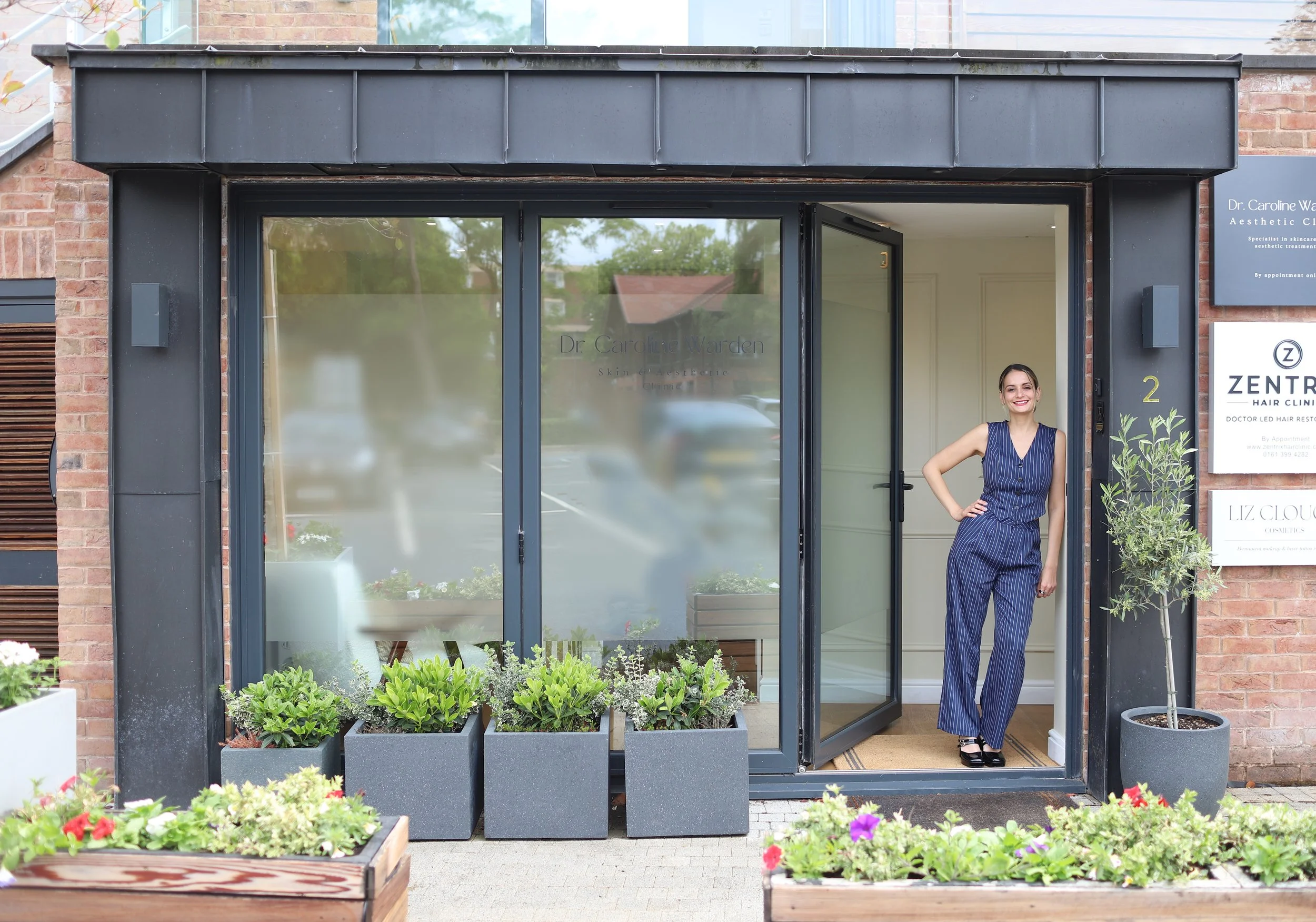
At a doctor-led aesthetic clinic in Hale, Cheshire, these are topics we discuss regularly with patients who are curious about how ageing affects the face and what can be done to maintain healthy skin and facial balance.

Chronological Age vs Perceived Age
Age is usually measured chronologically, meaning the number of years a person has lived. However, how old someone appears is influenced by many additional factors including:
Skin structure
Hormones
Genetics
Lifestyle
Facial anatomy
This is why two people of the same age can look very different.
Research in psychology and dermatology shows that people tend to judge age based on several key facial ageing signals, including:
Skin texture and pigmentation
Wrinkles and fine lines
Facial volume and contour
Eye area appearance
Facial expression and brow position
When these features change, a person may appear older or more tired even though their chronological age has not changed.

Hormonal Changes and Female Skin Ageing
One of the main reasons women often appear to age differently from men in their mid-fifties is menopause.
Menopause usually occurs between the ages of 45 and 55 and involves a significant drop in oestrogen levels. Oestrogen plays a vital role in maintaining skin health and structure.
Oestrogen helps support:
Collagen production
Skin thickness
Hydration levels
Elasticity
Blood flow to the skin
When oestrogen levels decline, these supportive effects reduce.
Studies suggest that women may lose up to 30% of their skin collagen within the first five years after menopause, after which collagen loss continues gradually over time.
This can lead to:
Thinner skin
Increased fine lines
Reduced elasticity
Changes in skin quality
Men also experience hormonal changes with age, but testosterone declines much more gradually. As a result, men typically do not experience the same rapid structural skin changes associated with menopause.

Differences in Male and Female Skin Thickness
Male and female skin are structurally different.
Male skin is generally thicker and contains more collagen. On average, male skin can be approximately 20–25% thicker than female skin.
This increased thickness provides stronger structural support, which can mean:
Wrinkles may appear later in life
Skin may remain firmer for longer
However, when wrinkles do develop in men, they may appear deeper or more pronounced.
Women, with naturally thinner skin, often develop fine lines earlier, particularly in areas with frequent movement such as around the eyes and mouth.
Facial Volume Loss and Fat Distribution
Facial ageing is not only about wrinkles. One of the most important drivers of facial ageing is changes in facial volume.
The face contains several fat pads beneath the skin that create youthful contours and support facial structure.
These fat pads help maintain the natural curves of the:
Cheeks
Temples
Jawline
Under-eye area
As we age, these fat pads gradually shrink and shift position.
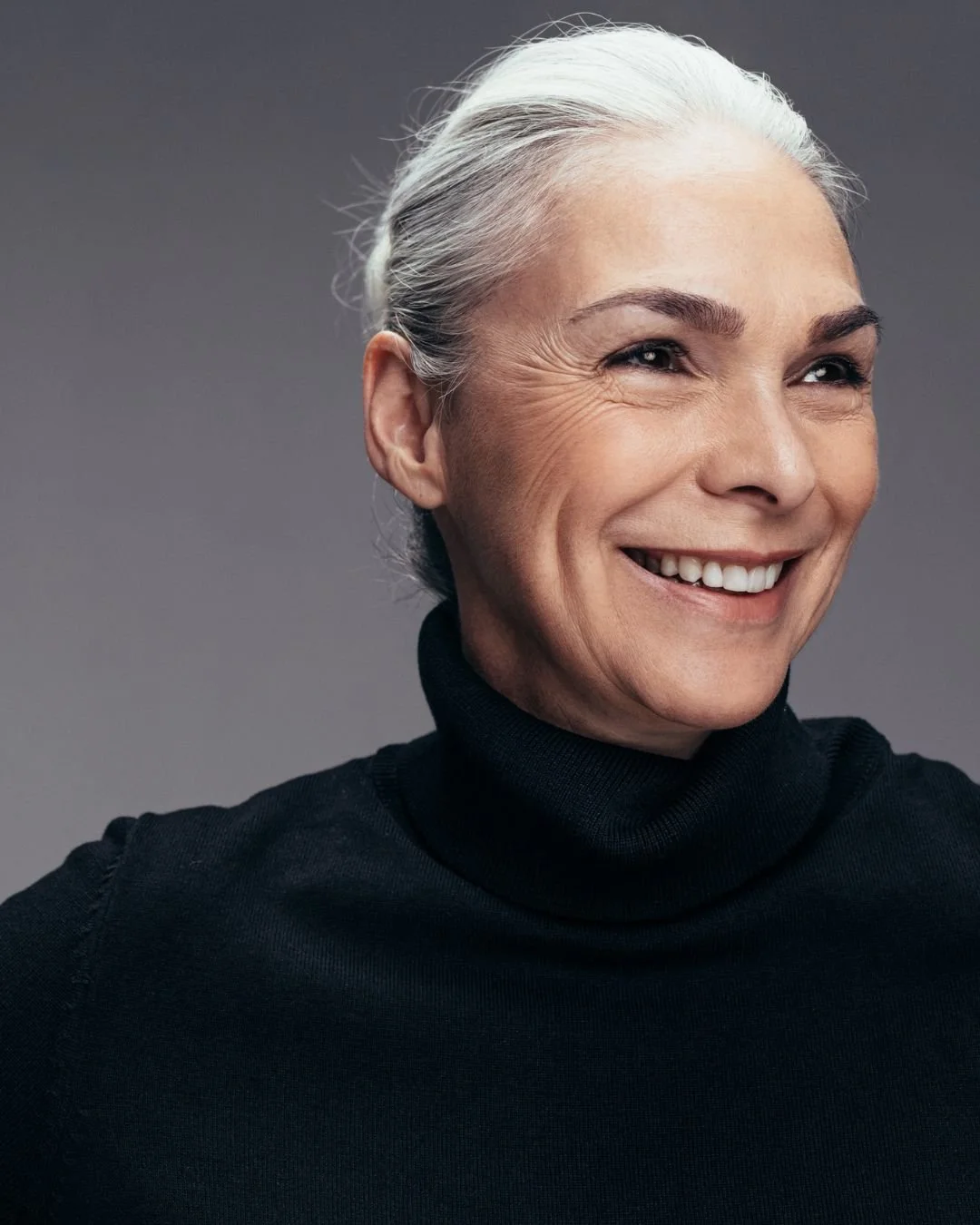
In women, facial volume loss often becomes more noticeable after menopause. Common areas affected include:
The cheeks
The temples
The under-eye area
The jawline
Loss of volume in these areas can create shadows and hollowing, which may make the face appear tired.
Men also experience facial volume changes, but the pattern can differ slightly. Men often retain certain areas of facial fullness longer, which can help preserve facial structure.
The Role of Bone Structure in Facial Ageing
Bone structure also plays a key role in how the face ages.
Men generally have:
Larger facial bones
Stronger brow ridges
More defined jawlines
Prominent cheekbones
Because the facial skeleton acts as the framework supporting the skin and soft tissues, stronger bone structure can sometimes maintain facial support for longer.
In women, bone density gradually decreases with age, particularly after menopause. This can subtly alter facial proportions and contribute to soft tissue changes in the lower face.
Facial Movement and Wrinkle Formation
Facial muscles also influence how ageing appears.
Every time we smile, frown, squint or raise our eyebrows, the muscles beneath the skin contract. Over time, these repeated movements can create dynamic lines.
Common examples include:
Forehead lines
Frown lines between the eyebrows
Crow’s feet around the eyes
Initially, these lines only appear during movement. However, over time they can become visible even when the face is at rest.
Men and women often use facial muscles slightly differently when expressing emotion, which can influence where lines develop most prominently.

Sun Exposure and Skin Ageing
Sun exposure is one of the most significant external causes of skin ageing.
Ultraviolet radiation from sunlight damages collagen and elastin, the proteins responsible for skin strength and elasticity.
Over time this can contribute to:
Wrinkles
Pigmentation changes
Rough skin texture
Loss of skin elasticity
Historically, men often experienced more occupational sun exposure, particularly in outdoor professions. This can sometimes lead to coarser skin texture.
However, women may notice ageing changes more visibly due to the hormonal and structural factors already discussed.
Using daily broad-spectrum sun protection is one of the most effective ways to slow visible skin ageing.
Why We Perceive Some Faces as Older
The way we perceive age is not purely biological. Psychology also plays an important role.
Humans are highly sensitive to subtle facial signals. Small changes in skin quality, facial expression and the eye area can significantly influence how old someone appears.
Research suggests that people often associate certain facial cues with tiredness or stress, rather than age alone.
These include:
Heavy brows
Deep frown lines
Under-eye shadows
Dull skin
These features can make someone appear more fatigued even if they are otherwise healthy.
For this reason, many modern aesthetic treatments aim not to make someone look dramatically younger, but simply more refreshed and well-rested.

Modern Aesthetic Treatments Focus on Natural Results
In the past, aesthetic treatments were often associated with dramatic changes. Today, the approach has shifted significantly.
Most patients now want to look like themselves, just more rested and confident.
Subtle treatments can help soften the facial signals that make people appear tired while preserving natural expression.
Examples include:
Botox to soften strong frown lines or forehead movement
Skin treatments that improve texture and radiance
Collagen-stimulating treatments that support long-term skin quality
The goal is always natural enhancement rather than obvious alteration.
At a doctor-led aesthetic clinic, careful assessment of facial structure and ageing patterns helps ensure treatments are personalised and balanced.
Why Everyone Ages Differently
Although general patterns exist, ageing varies greatly between individuals.
Factors that influence how the face ages include:
Genetics
Lifestyle
Sun exposure
Diet
Stress levels
Skincare habits
Two people of the same age can therefore look very different.
This is why a personalised consultation is an essential part of aesthetic medicine. Understanding each patient’s facial structure and goals helps create a treatment plan that maintains natural harmony.
Ageing Gracefully and Confidently
Ageing is a natural part of life. Many people simply want to look as healthy and vibrant as they feel.
Small improvements in skin quality, facial balance and facial expression can help restore confidence without changing the character of the face.
The modern philosophy of aesthetic medicine focuses on subtle, thoughtful treatments that respect natural beauty.

FAQs
Why do women appear to age faster than men?
Women often experience more rapid skin changes around menopause due to a decline in oestrogen. This hormone plays an important role in maintaining collagen production, skin thickness and hydration. When oestrogen levels drop, skin can become thinner, less elastic and more prone to fine lines, which can make ageing changes appear more noticeable.
At what age does collagen loss begin?
Collagen production begins to gradually decline from the mid-twenties. From around the age of 30, the body produces less collagen each year. For women, collagen loss can accelerate significantly during menopause, with studies suggesting up to 30% of skin collagen may be lost within the first five years.
What are the first signs of facial ageing?
The earliest signs of facial ageing often include:
Fine lines around the eyes
Changes in skin texture
Reduced skin radiance
Mild loss of facial volume
Subtle changes in brow or eyelid position
These changes develop gradually and are influenced by genetics, lifestyle and sun exposure.
Can aesthetic treatments help slow visible skin ageing?
Modern aesthetic treatments focus on supporting skin health and maintaining natural facial balance. Treatments such as Botox, collagen-stimulating treatments and medical-grade skincare can help soften expression lines, improve skin quality and support collagen production while maintaining natural facial expressions.
What is the most important factor in preventing premature skin ageing?
Daily sun protection is one of the most effective ways to protect the skin. Ultraviolet (UV) radiation breaks down collagen and elastin, which are essential for maintaining skin firmness and elasticity. Consistent use of broad-spectrum SPF can significantly reduce premature ageing caused by sun damage.

Book a Consultation in Hale, Cheshire
If you are curious about subtle aesthetic treatments designed to help you look refreshed rather than altered, you are welcome to book a consultation at our female doctor-led, family-run clinic in Hale, Cheshire.
Dr Caroline Warden, an experienced GP and aesthetic doctor, works alongside her sister Louise Devereux to provide personalised, evidence-based treatments in a calm and intimate clinic setting.
Our approach focuses on natural results that enhance your features while preserving the expressions and character that make your face uniquely yours.
You might also enjoy reading:
• Understanding the Triangle of Youth
• Why your face changes in your 40s
• Polynucleotides for menopausal skin