When Should You Start Botox?
One of the most common questions patients ask during aesthetic consultations is surprisingly simple:
“When should I start Botox?”
Many people assume Botox is something you only consider once lines become very visible. Others worry that starting too early may somehow accelerate ageing.
The truth is more nuanced.
Botox, also called anti wrinkle injections, can be used both to soften existing expression lines and to help prevent deeper wrinkles from forming over time. Understanding how this works can help you decide when treatment might be appropriate for your face.
At our female doctor led aesthetic clinic in Hale, near Altrincham and across Cheshire, many consultations involve discussing whether Botox is the right treatment, and whether the timing feels appropriate.
How wrinkles actually form
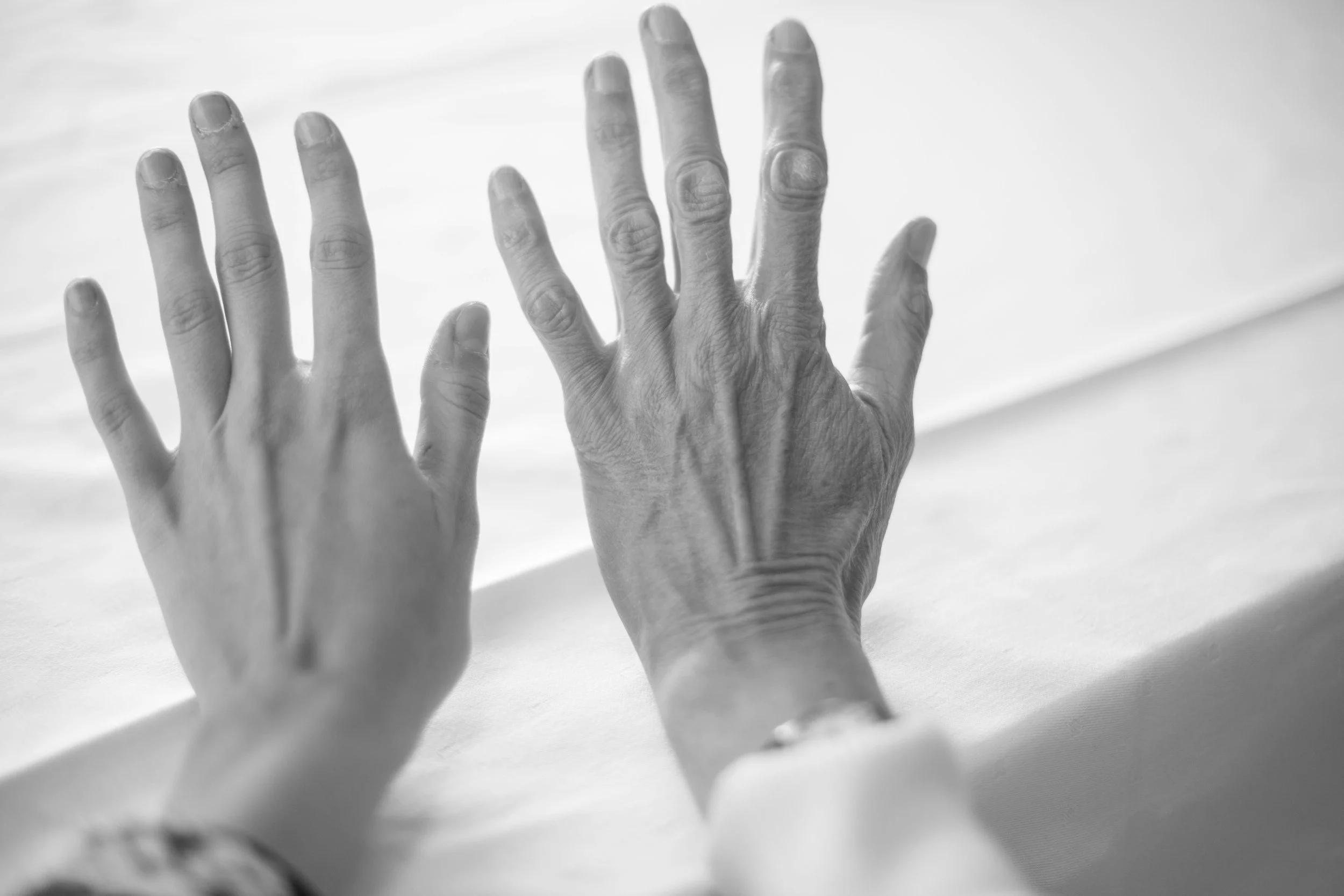
Wrinkles develop through a combination of factors, but one of the most important is repeated muscle movement.
Every time we frown, raise our eyebrows, or smile, facial muscles contract and fold the skin. When we are young, the skin springs back quickly.
As collagen gradually declines with age, skin becomes less elastic and lines begin to persist, even when the face is at rest.
This is why certain areas tend to develop lines earlier than others.
Common areas include:
• frown lines between the brows
• horizontal forehead lines
• crow’s feet around the eyes
What Botox does, and what it does not do
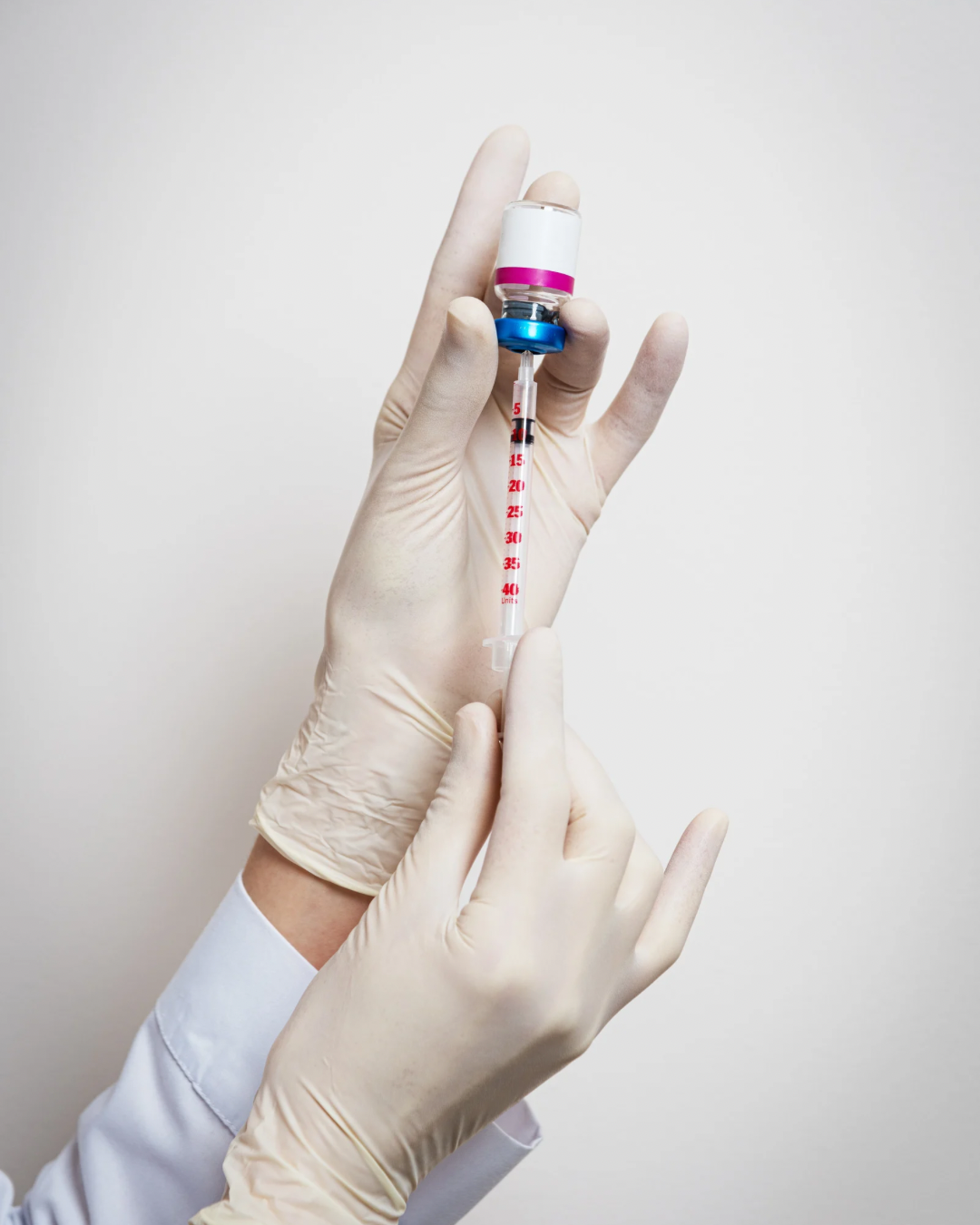
Botox works by relaxing specific muscles that create expression lines. It reduces the strength of repeated contractions, which means the skin is folded less.
Botox does not fill the skin, it does not add volume, and it does not replace skincare. It is best thought of as a treatment for muscle driven lines.
When performed well, it should soften lines and create a rested look, while still allowing natural facial expression.
Preventative Botox explained
Preventative Botox refers to using small doses earlier in life to reduce repetitive movement that contributes to wrinkle formation.
The aim is not to freeze the face or remove expression. Instead, it gently reduces the strength of the muscle contractions that, over time, can etch lines more deeply into the skin.
By softening movement, the skin experiences less folding and lines may develop more slowly.
This approach is sometimes called baby Botox, where very small doses are used to maintain natural expression.
What age do people usually start Botox
There is no single correct age to start Botox.
Many patients first consider treatment somewhere between their late twenties and early forties, but the right time depends more on your facial movement and skin behaviour than your age.
For example:
• some people develop strong frown lines in their twenties
• others may not notice significant lines until their late thirties
• skin quality and muscle strength vary widely between individuals
A key factor is whether expression lines are beginning to linger at rest, rather than disappearing fully once your face relaxes.
Signs you might consider Botox
Patients often start thinking about Botox when they notice:
• frown lines that remain visible even when relaxed
• forehead lines that deepen when raising the eyebrows
• crow’s feet becoming more noticeable in photos
These changes are normal and part of ageing. Botox can soften these lines and help prevent them from becoming more deeply etched over time.
Starting later is also completely fine
It is important to emphasise that Botox is not something you must start early for it to work.
Many patients begin Botox in their forties or later and still see excellent results.
If lines are already more established, Botox can still soften them by reducing the muscle activity that created them. Depending on skin quality, additional treatments such as skin boosters, microneedling, collagen supporting treatments, and a medical grade skincare plan can also support brightness, texture, and resilience alongside Botox.
Will Botox make me look frozen
A common concern is looking frozen or unnatural.
In reality, well performed Botox should not dramatically change how your face looks. The goal is to reduce excessive muscle tension while preserving natural movement.
Most patients want friends to say, you look well, or you look rested, without it being obvious why. Subtlety is always the aim.
Botox as part of a wider approach to ageing well
Facial ageing is not caused by muscle movement alone. Collagen loss, skin quality, pigment, hydration, and structural changes all play a role.
For this reason, Botox is often one part of a broader plan that may include:
• skincare that supports barrier and hydration
• collagen supporting treatments
• skin boosters for skin quality
• lifestyle factors, especially daily SPF
A personalised consultation can help determine which treatments, and what timing, makes sense for you.
Case study, deciding when to start Botox
This is a composite example based on common consultations, details are anonymised.
A 32 year old woman booked a consultation because she was noticing a persistent frown line after long work days, and it was starting to show in photos. She did not want to look frozen and was worried that starting Botox would mean being “stuck with it forever”.
Assessment showed strong frown muscle activity and early lines that were beginning to linger at rest. Forehead movement was compensating slightly. Skin quality was good overall.
Plan agreed:
• conservative, low dose Botox to the frown only, to soften tension while keeping expression
• a two week review to check balance and make a tiny adjustment only if needed
• advice on skincare and daily SPF to support long term skin health
Outcome:
At review she still had natural movement, but far less frowning tension. The lingering line looked softer, and she felt her face looked calmer without looking different. She chose a light maintenance plan spaced out to her preference.
Key takeaway:
The decision was based on muscle activity and early resting lines, not age, and the best result came from a conservative plan.

Frequently asked questions
What is the best age to start Botox
There is no best age. The right time depends on your facial movement and whether expression lines are starting to linger at rest. Many people consider Botox from their late twenties to early forties, but it is individual.
What is preventative Botox
Preventative Botox uses small doses to reduce repetitive muscle movement that contributes to wrinkle formation over time. It aims to keep expression natural while reducing excessive creasing.
Is baby Botox the same as preventative Botox
Baby Botox often describes a low dose, subtle approach. It can be used preventatively, or simply for patients who want softer, more natural movement.
How do I know if I need Botox
If you notice lines that remain visible when your face is relaxed, especially frown lines, forehead lines, or crow’s feet, Botox may help. A consultation is the best way to assess suitability.
Can starting Botox too early make ageing worse
No, Botox does not accelerate ageing. If you stop, muscle activity returns gradually to baseline and your skin continues to age naturally. A conservative approach is best if you are unsure.
Can I start Botox in my forties or fifties
Yes. Many patients start Botox later and still achieve excellent results. Botox can soften established expression lines, and can be combined with skin quality treatments if needed.
How long does Botox last
Most people find results last around 3 to 4 months, but this varies with dose, area treated, and individual metabolism. Reviews are usually advised around two weeks after treatment.
Will Botox make me look frozen
Not when done well. The goal is to reduce excessive muscle tension while keeping natural expression. Conservative dosing and tailored placement are key.
Do I need a consultation before Botox
Yes. Botox is a prescription only medicine and should be prescribed after a proper consultation that covers your medical history, medications, goals, risks, and expected outcomes.
What else helps wrinkles besides Botox
Skincare, daily SPF, collagen supporting treatments like microneedling, and skin boosters can improve skin quality and reduce the appearance of fine lines. Ageing is multi factor, so a combined plan often works best.
Book a consultation
Book in for a consultation at your local, female doctor led, family run skin and aesthetics sanctuary for natural, bespoke results.
Dr Caroline Warden is an experienced NHS GP and aesthetic doctor. She has been a medical doctor for over 18 years. She runs the female led family business with her sister, Louise Devereux, creative director and patient co ordinator.
You will only ever see, and have treatments with, Dr Caroline Warden.
Whether you are new to aesthetic treatments or ready to refine your routine, her bespoke skin assessments are the best place to start. Dr Caroline Warden will design a tailored plan based on your skin goals, lifestyle, and timeline.
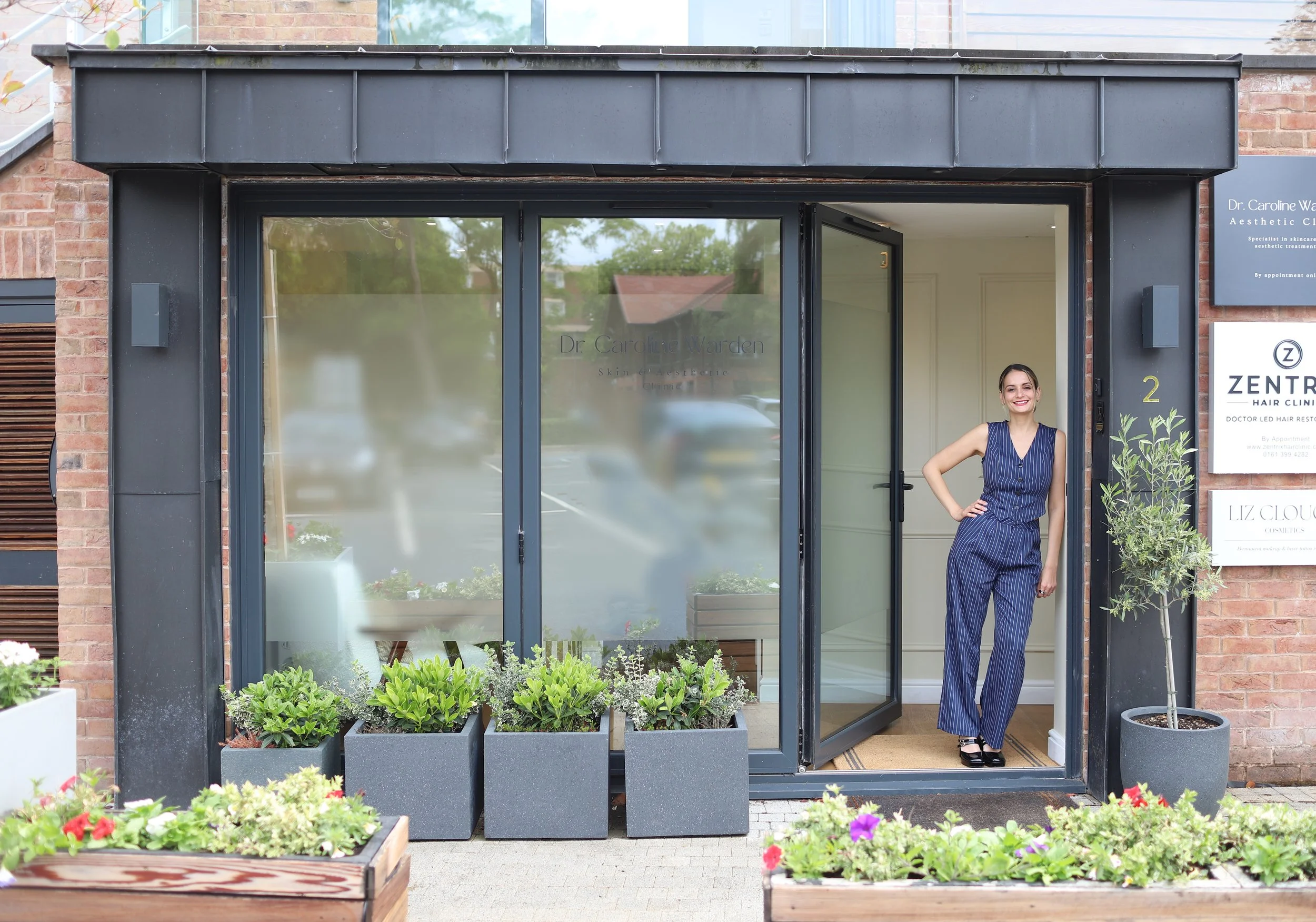
Book your consultation at the clinic in Hale, Cheshire and experience aesthetic medicine.
You will be guided through your medical history, goals, and expectations, so you can make an informed choice.
The Hale clinic is conveniently located for patients travelling from Alderley Edge, Altrincham, Bowdon, Bramhall, Hale Barns, Knutsford, Manchester, Mobberley, Sale, Timperley, Urmston, Wilmslow, Handforth, Poynton, Cheadle, Didsbury, and Warrington.
