Skin Boosters in Facial Aesthetics: Natural Hydration, Glow & Skin Quality (Hale, Cheshire)
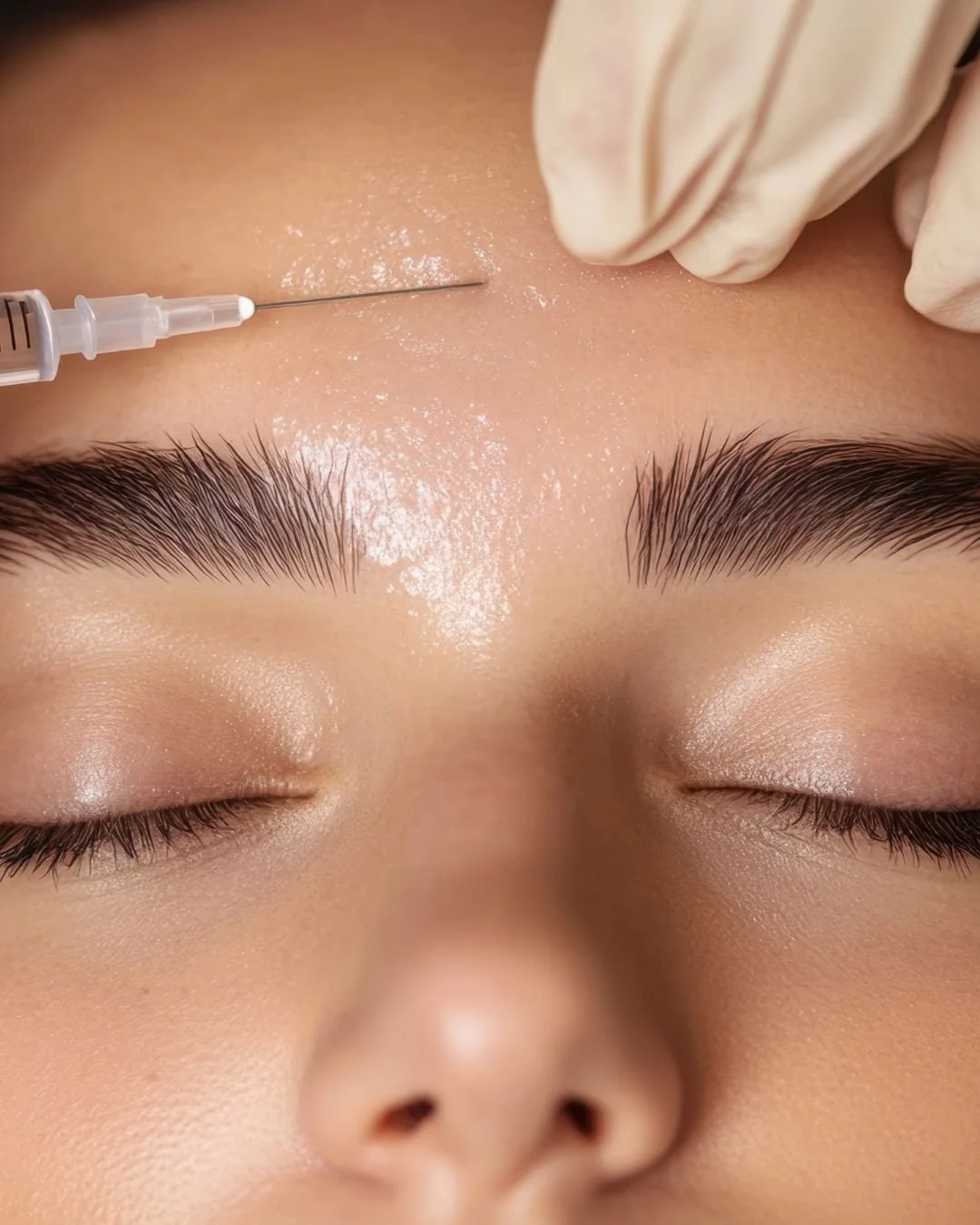
Doctor-led skin advice for Hale, Altrincham & South Manchester
Feeling confident in your skin isn’t about perfection or changing your face. The best facial aesthetics should help you look well-rested, hydrated and naturally radiant, like you, on your best day.
Skin boosters are one of my go-to treatments for subtle, confidence-boosting improvement in skin quality, not facial shape.
What Are Skin Boosters?
Skin boosters are injectable treatments designed to improve skin quality (hydration, texture, elasticity and luminosity) rather than add volume or restructure features. Most are based on hyaluronic acid (HA)a molecule naturally found in skin that helps bind water and support suppleness.
Unlike dermal filler used to shape cheeks or lips, skin boosters are placed more superficially and in smaller deposits to support overall skin condition. (PMC)
What Makes Skin Boosters Different From Dermal Filler?
Skin boosters focus on:
Hydration and glow
Fine texture changes
Skin smoothness and “crepey” quality
Subtle softening of fine lines
They do not replace treatments for:
Significant volume loss (structural filler)
Heavy laxity (often needs skin tightening devices or surgery)
Deep static lines (may need combination treatment)
A good consultation is about choosing the right tool for your skin—not forcing one trendy option.
The Science: Do Skin Boosters Actually Work?
The evidence overall supports measurable improvements in skin hydration and quality, though studies vary in design and size.
A systematic review found injectable HA formulations improved facial skin quality outcomes including hydration, firmness, radiance/brightness, texture and elasticity. (PMC)
Clinical studies of intradermal HA (often described as “hydrofilling” or “microinjections”) show improvements in surface roughness and skin rejuvenation. (PMC)
Specific products used as “skin quality” injectables have published data showing improvements lasting months in skin smoothness/hydration. (Taylor & Francis Online)
HA “hybrid complex” approaches (e.g., for laxity/roughness) also have published clinical evaluations, including neck skin. (PMC)
My honest take: the science is encouraging, but results are usually refined and gradual, not dramatic. The best outcomes come when skin boosters are part of a bigger plan (SPF, skincare, lifestyle, and, when needed, other aesthetic treatments).
Benefits Patients Love (And What They Really Mean)
Deep, long-lasting hydration
HA attracts and holds water in the skin, helping it look fresher and more luminous. (PMC)
Improved texture and elasticity
Many patients describe smoother skin and better “bounce” over time, consistent with published skin-quality outcomes. (PMC)
Softer fine lines (not frozen, not filled)
Skin boosters won’t “freeze” movement or replace filler, but hydrated, healthier skin can make fine lines look less obvious—especially on the cheeks and around the mouth/neck.
Subtle, natural-looking results
This is why skin boosters are so popular: people tend to say you look well, not “done”.
Who Are Skin Boosters Best For?
Skin boosters can suit many ages and skin types, but they’re especially helpful if you:
Feel your skin looks dull, tired or dehydrated
Want natural results with minimal change to facial structure
Prefer a doctor-led, skin-health-first approach
Want a gentle entry point into facial aesthetics
They’re often less satisfying if your main concern is lifting or significant volume loss—in those cases, we usually discuss alternatives or a combined plan.
Common Treatment Areas
Skin boosters are commonly used for:
Face (cheeks, lower face, peri-oral lines)
Neck
Décolletage
Hands
Area choice depends on skin thickness, laxity and your goals.

What to Expect at Dr Caroline Warden Skin & Aesthetic Clinic (Hale)
Treatment is typically quick and minimally disruptive:
Small injections placed into targeted areas using fine needles
Mild redness, bumps or bruising can occur
Most people return to normal activities shortly afterwards
You may notice early hydration, but the best results usually evolve over the following weeks.
How Many Sessions Will I Need?
This depends on the product and your starting point, but commonly:
An initial course (often 2 sessions, around 4 weeks apart)
Maintenance every few months depending on skin goals and response
I’m always transparent here: lower maintenance usually means subtler results, and vice versa.

Risks, Safety & Why Injector Skill Matters
Most people do well, but injectables are still medical procedures. Common side effects include:
Bruising, swelling, tenderness
Small lumps/bumps temporarily
Rarely infection or inflammatory reactions
A very rare but serious risk with any injectable HA product is vascular occlusion, which requires prompt recognition and treatment. This is why I’m firm about treatment being performed by appropriately trained medical professionals with proper protocols. (PMC)

My Doctor-Led Opinion: Are Skin Boosters Worth It?
For the right patient, yes, absolutely.
Skin boosters are most “worth it” when:
Your goal is skin quality, not facial reshaping
You understand results are subtle and cumulative
You’re happy with a skin-health plan, not a one-off fix
They’re not the right choice if:
You want lifting/reshaping as the main outcome
You expect one treatment to “reverse” years of skin ageing
You’re not committed to SPF/skincare (because that’s the foundation)
If you want a natural, refreshed look without changing your features, skin boosters can be one of the most elegant options in modern facial aesthetics.
FAQs
Do skin boosters add volume?
Not in the way structural filler does. The aim is hydration and skin quality, not reshaping.
How long do results last?
Varies by product, skin and lifestyle. Many people notice benefits for months, with maintenance tailored to goals. (Taylor & Francis Online)
Is there downtime?
Usually minimal—often mild swelling or small bumps that settle quickly.
Can I combine skin boosters with other treatments?
Yes. They often pair beautifully with skincare, peels, lasers/light treatments, and (when appropriate) anti-wrinkle injections or carefully chosen filler.
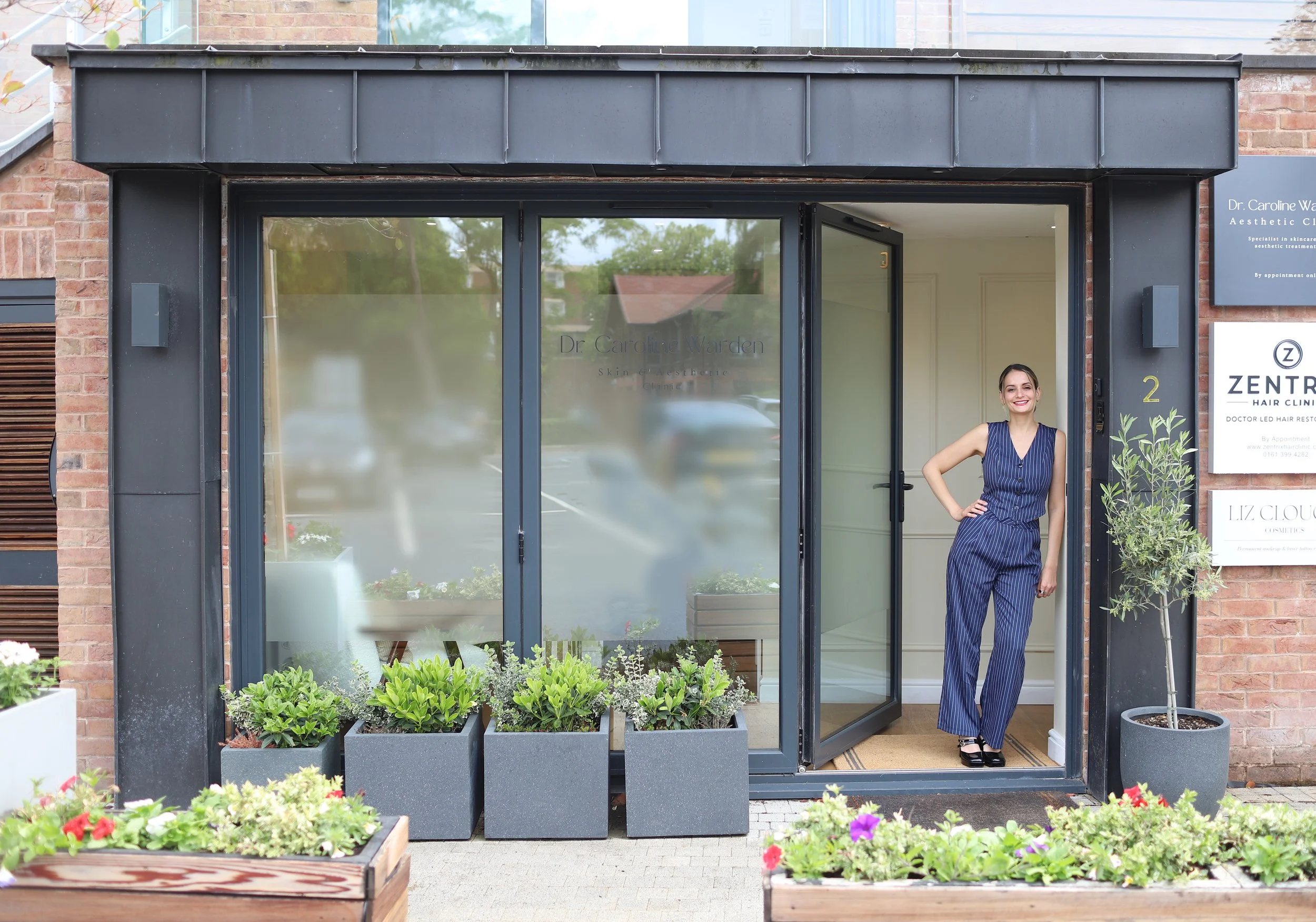
Book in for a Consultation at your local, female doctor-led, family-run skin & aesthetics sanctuary for natural, bespoke results
Dr Caroline Warden is an experienced NHS GP and aesthetic doctor. She has been a medical doctor for over 18 years. She runs the female-led family business with her sister Louise Devereux (creative director & patient co-ordinator)
You will only ever see and have treatments with Dr Caroline Warden.
Whether you're new to aesthetic treatments or ready to refine your routine, her bespoke skin assessments are the best place to start. Dr Caroline Warden will design a tailored plan based on your skin goals, lifestyle, and timeline.
Book your consultation at the clinic in Hale, Cheshire and experience aesthetic medicine.
You’ll be guided through your medical history, goals, and expectations so you can make an informed choice.
Where the clinic is local to:
The Hale clinic is conveniently located for patients travelling from:
Alderley Edge, Altrincham, Bowdon, Bramhall, Hale Barns, Knutsford, Manchester, Mobberley, Sale, Timperley, Urmston, Wilmslow, Handforth, Poynton, Cheadle, Didsbury and Warrington.

References and further reading
Systematic review (injectable HA & skin quality): https://pmc.ncbi.nlm.nih.gov/articles/PMC10082573/
Intradermal HA “hydrofilling” study (Restylane Vital): https://pmc.ncbi.nlm.nih.gov/articles/PMC4439586/
Microinjection HA-based gel filler trial (PubMed): https://pubmed.ncbi.nlm.nih.gov/37705328/
Juvéderm Volite clinical experience (PMC): https://pmc.ncbi.nlm.nih.gov/articles/PMC8493242/
Profhilo neck laxity/roughness study (PMC): https://pmc.ncbi.nlm.nih.gov/articles/PMC9509274/
