IV Peptides, The Next Frontier in Regenerative Aesthetics? A doctors honest opinion
If you are searching for advanced skin treatments in Hale or Altrincham, you may have come across the growing conversation around IV peptides.
From social media to longevity clinics, peptides are being positioned as the future of regenerative medicine. But what does that actually mean, and more importantly, are they safe, effective, and appropriate within a medical aesthetic setting?
As a doctor led aesthetic clinic based in Hale, Cheshire, we are often asked about emerging treatments like this. In this guide, I will explain what IV peptides are, how they work, what the current evidence says, and whether they have a place in modern aesthetic medicine.
What Are Peptides?
Peptides are short chains of amino acids, essentially small proteins, that act as signalling molecules in the body.
They help regulate key biological processes including:
Collagen production
Inflammation
Wound healing
Cellular repair
Hormonal signalling
In aesthetics, peptides are not new. We already use them in topical skincare and injectable treatments such as polynucleotides and skin boosters.
However, IV peptide therapy takes this a step further by delivering peptides directly into the bloodstream.
What Is IV Peptide Therapy?
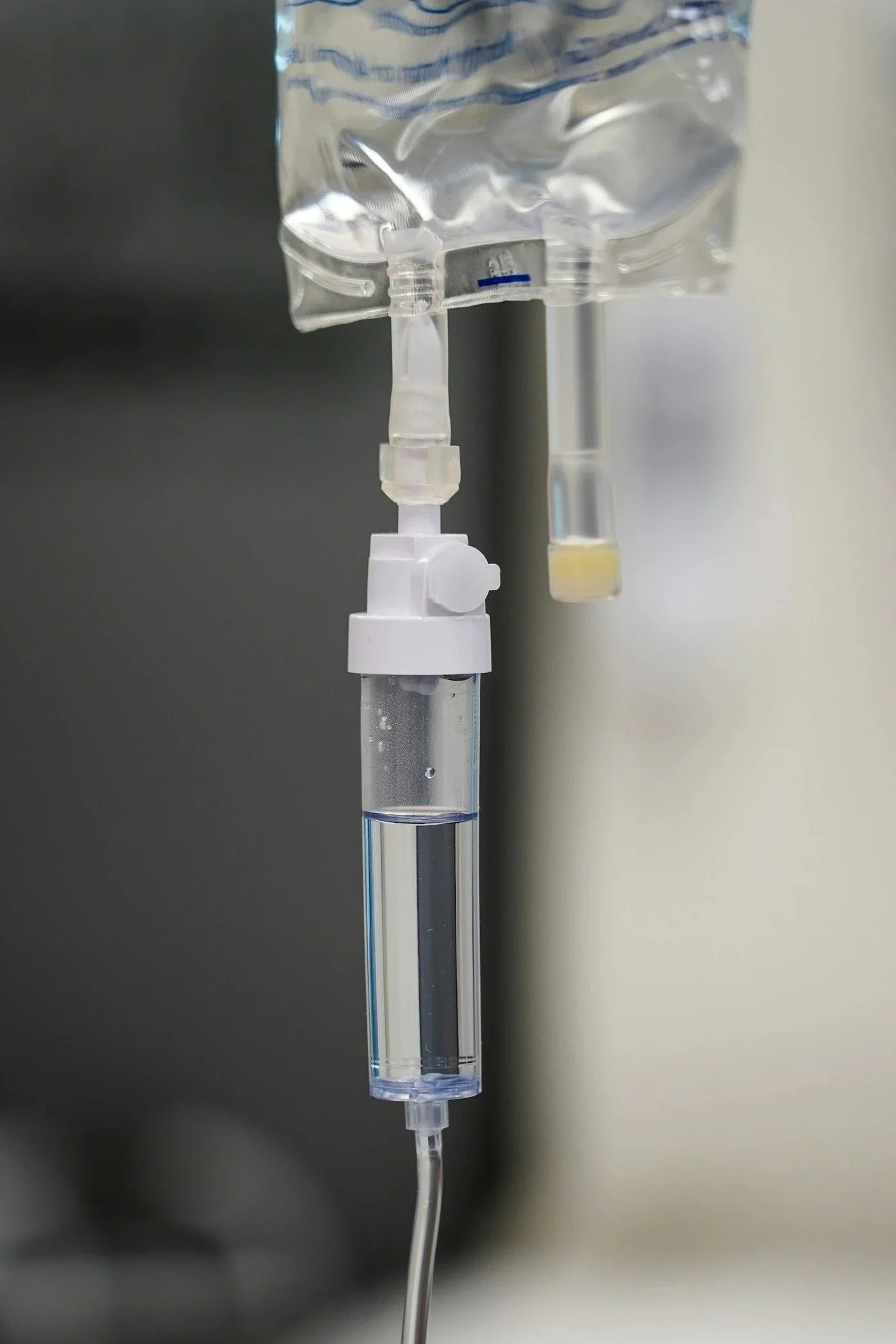
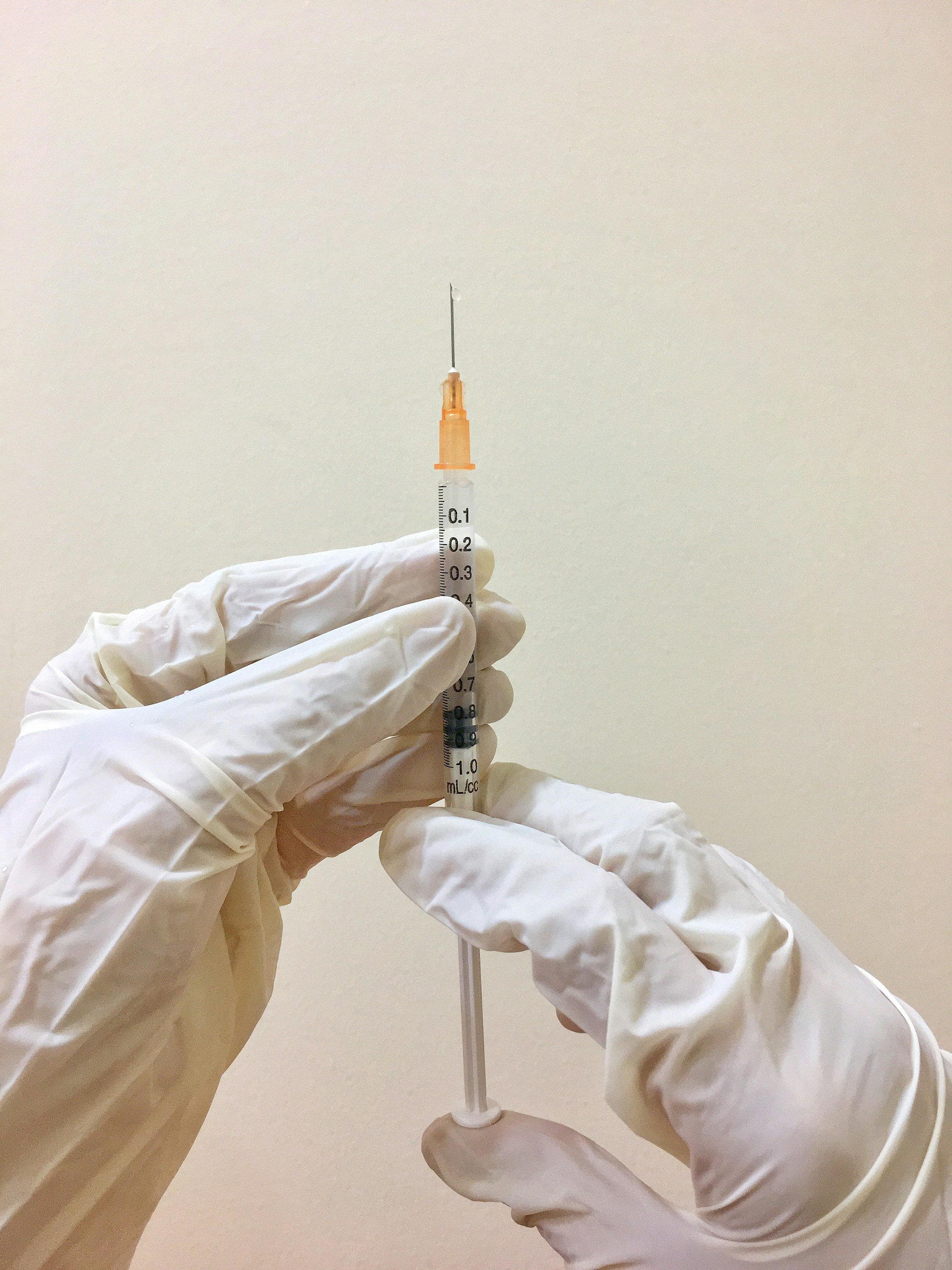
IV peptide therapy involves administering specific peptides intravenously with the aim of achieving systemic effects.
Unlike topical or local injectable treatments, IV delivery means peptides circulate throughout the body rather than targeting one specific area.
Common claims associated with IV peptides include:
Improved skin quality and collagen production
Faster healing and recovery
Reduced inflammation
Enhanced energy and wellbeing
Anti ageing effects at a cellular level
This is why they are often discussed alongside longevity medicine.
How Do Peptides Work in the Skin?
Many peptides work by acting as cellular messengers.
For example:
Some stimulate fibroblasts to produce collagen and elastin
Others reduce inflammatory signalling pathways
Some promote angiogenesis and tissue repair
This is one of the reasons peptides have become so popular in regenerative aesthetics.
However, it is important to distinguish between:
👉 Local targeted treatments such as microneedling with exosomes or polynucleotides
👉 Systemic treatments such as IV peptide therapy
The evidence base for these two approaches is very different.
The Evidence, What Does Science Actually Say?
While peptides themselves are widely studied, high quality clinical evidence for IV peptide therapy in aesthetics is still limited.
Some peptides, such as BPC 157 and thymosin beta 4, have shown promise in preclinical and early human studies for wound healing and tissue repair.
For example:
Research suggests BPC 157 may accelerate healing and reduce inflammation
Thymosin beta 4 has been studied for its role in angiogenesis and tissue regeneration
However:
👉 Much of this data comes from animal studies or small scale trials
👉 There is a lack of large, well controlled clinical trials in aesthetic medicine
👉 Long term safety data is still evolving
This means we cannot currently position IV peptides as a gold standard treatment in aesthetics.
Are IV Peptides Regulated in the UK?
This is a very important point, especially for patient safety.
In the UK:
Many peptides are not licensed medicines
Some are used off label
Others are supplied through compounding pharmacies or online sources
This creates a significant variation in:
Quality
Dosing
Safety standards
As a doctor, this is where caution is essential.
At our Hale clinic, we prioritise evidence based, regulated treatments sourced from authorised pharmacies.
IV Peptides vs Treatments We Already Use
Patients often ask how IV peptides compare to treatments we already offer.
Polynucleotides
These are injectable DNA fragments that stimulate tissue repair locally.
Strong emerging evidence
Targeted delivery
Excellent safety profile
Skin Boosters such as NCTF
These deliver vitamins, amino acids, and hyaluronic acid directly into the skin.
Hydration and glow
Subtle collagen stimulation
Well established safety
Microneedling with Exosomes
This enhances skin regeneration using growth factors and signalling molecules.
Localised, controlled treatment
Increasing clinical support
Minimal systemic exposure
👉 These treatments are targeted, measurable, and supported by clinical experience
IV peptides, in contrast, are systemic and less predictable
Case Style Example
A typical patient we see in clinic:
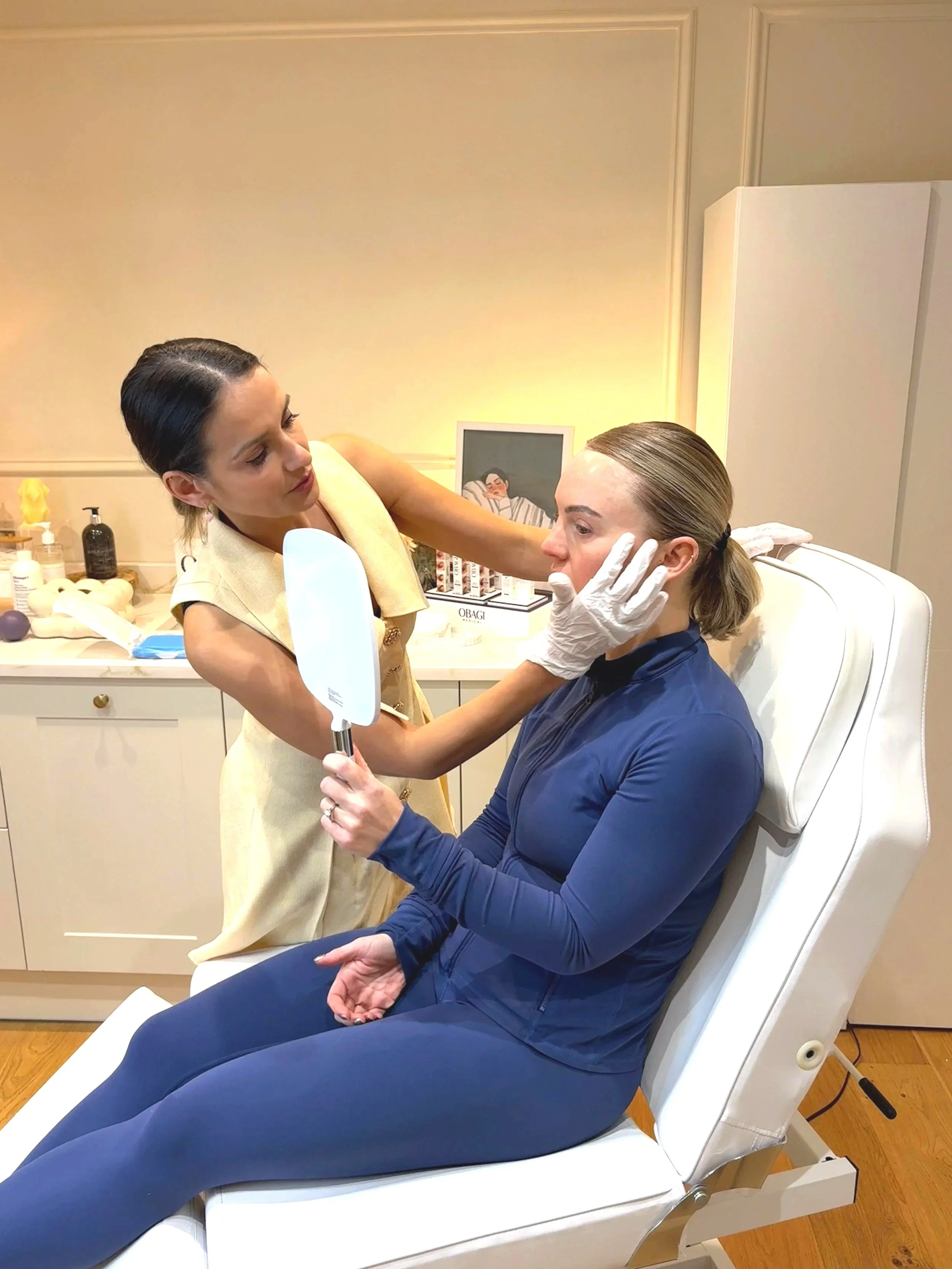
A woman in her 40s from Altrincham, feeling that her skin looks tired and less resilient, despite good skincare.
She may have read about IV peptides promising full body rejuvenation.
In clinic, we would discuss:
Her skin concerns in detail
Her tolerance for treatments
Her preference for evidence based options
In most cases, we would recommend:
Polynucleotides for regeneration
Skin boosters for hydration
Medical grade skincare for long term results
This approach is predictable, safe, and tailored
Do IV Peptides Work for Anti Ageing?
This is the key question.
The theory is compelling:
👉 Improve cellular signalling
👉 Enhance repair mechanisms
👉 Reduce inflammation
However, in practice:
Results are difficult to measure objectively
Outcomes are often reported rather than clinically proven
Effects may vary significantly between individuals
At present, we simply do not have enough robust evidence to recommend IV peptides as a primary anti ageing treatment.

A Doctor Led Perspective
As a doctor led clinic, our role is not to chase trends, but to interpret them safely.
IV peptides are:
Scientifically interesting
Potentially promising
Not yet fully validated in aesthetics
There may be a future role for peptides in systemic regenerative medicine.
But right now, the strongest results in aesthetics still come from:
Precision
Localised treatments
Evidence based protocols
FAQs About IV Peptides
Are IV peptides better than skin boosters?
Not necessarily. Skin boosters target the skin directly with proven outcomes. IV peptides are systemic and less predictable.
Can IV peptides improve skin quality?
Possibly, but current evidence is limited and inconsistent compared to established treatments.
Are peptides safe?
Some peptides are well studied, but IV use in aesthetics is not yet fully regulated or standardised.
Why are peptides so popular right now?
They are part of the wider trend towards longevity and regenerative medicine.
Do you offer IV peptides in clinic?
At present, we prioritise treatments with stronger clinical evidence and established safety profiles.
Final Thoughts
IV peptides represent an exciting area of medical research, but they are not yet a replacement for well established aesthetic treatments.
If you are considering advanced skin treatments in Hale, Altrincham, or Cheshire, the most effective approach is still a personalised, doctor led plan based on proven techniques.

References
Core peptide biology + regenerative mechanisms
https://pmc.ncbi.nlm.nih.gov/articles/PMC11468004/
Review of bioactive peptides in skin regeneration, includes angiogenesis and wound healing pathwayshttps://pmc.ncbi.nlm.nih.gov/articles/PMC8228050/
Review of thymosin beta 4, systemic regenerative effects and tissue repair potential
BPC-157 mechanistic and preclinical evidence
https://pmc.ncbi.nlm.nih.gov/articles/PMC6271067/
Demonstrates fibroblast proliferation and growth hormone receptor upregulation, key for healinghttps://pmc.ncbi.nlm.nih.gov/articles/PMC11426299/
Review showing enhanced healing across soft tissues, including tendon and vascular effectshttps://pmc.ncbi.nlm.nih.gov/articles/PMC12567428/
Mechanistic paper on angiogenesis and nitric oxide pathways, central to regeneration
Modern reviews and limitations
https://pmc.ncbi.nlm.nih.gov/articles/PMC12446177/025 review highlighting therapeutic potential but major gaps in clinical evidence
https://www.arthroscopyjournal.org/article/S0749-8063(24)00667-4/fulltext
Notes lack of robust clinical trials and regulatory concernshttps://pmc.ncbi.nlm.nih.gov/articles/PMC12313605/
Emerging sports medicine data, mostly preclinical with limited human outcomes
Ready to Explore Regenerative Skin Treatments?

At Dr Caroline Warden Skin and Aesthetic Clinic in Hale, we offer bespoke, doctor led consultations focused on natural, evidence based results.
If you are curious about treatments such as polynucleotides, skin boosters, or microneedling with exosomes, we would be delighted to guide you.
Book your consultation today and begin your personalised skin journey with a clinic that prioritises safety, science, and subtle results.