Why “Looking Tired” Isn’t a Personal Failing — And How Modern Aesthetic Medicine Supports Women

Expert skin science insights an award-winning holistic aesthetic clinic in Altrincham. Written by Dr Caroline Warden, NHS GP, cosmetic dermatology specialist
If you’ve ever caught your reflection and thought, “I look exhausted,” then immediately followed it with “What’s wrong with me?” I want to gently challenge that.
“Looking tired” is not a character flaw. It’s not a lack of effort, discipline, or self-care. For many women in Hale, Altrincham, and across South Manchester, it’s a completely understandable response to real life: demanding jobs, caregiving, perimenopause, poor sleep, stress, screens, and the mental load of keeping everything moving.
Modern facial aesthetics, done conservatively and ethically, can support women who want to look more like themselves again: rested, softer, and less “strained” in the face. And crucially, it can do this without changing your identity.
This article explains what “tired-looking” often means clinically, why it happens, where anti-wrinkle injections (also known as wrinkle reduction injections) can help, and includes a case study and a practical FAQ.

“Tired-looking” is usually a combination of biology, expression, and stress
When women say they look tired, they often mean one (or more) of the following:
Expression lines that read as “concerned” or “overworked” (frown lines, forehead lines, crow’s feet)
Tension patterns in the upper face (habitual frowning, squinting, jaw clenching)
Skin dullness and uneven tone
Under-eye changes (shadowing, hollowness, pigmentation, fluid shifts)
Drooping or heaviness in the brow area (often worsened by fatigue and screen work)
None of these are moral issues. They’re physiology.
And the emotional reality matters too: the “tired face” often shows up during periods where women are carrying a lot, professionally and personally. There’s increasing recognition in the research world of how cognitive/emotional labour disproportionately affects women and how chronic stress can affect wellbeing.
The cultural pressure: women are expected to look “fine” even when they’re not
Many women tell me they feel they have to look:
calm, capable, friendly, energetic
…even when they’re stretched thin.
So when the face starts signalling something else, fatigue, stress, low mood it can feel exposing. Not because you owe anyone a polished appearance, but because the world can respond differently to women who look tired: more scrutiny, less patience, fewer “you look great!” moments.
That’s why reframing matters:
Wanting to look less tired isn’t “vain.”
Often, it’s a desire to look how you feel on your best days: present, confident, and well.
Where anti-wrinkle injections fit (and what they actually do)
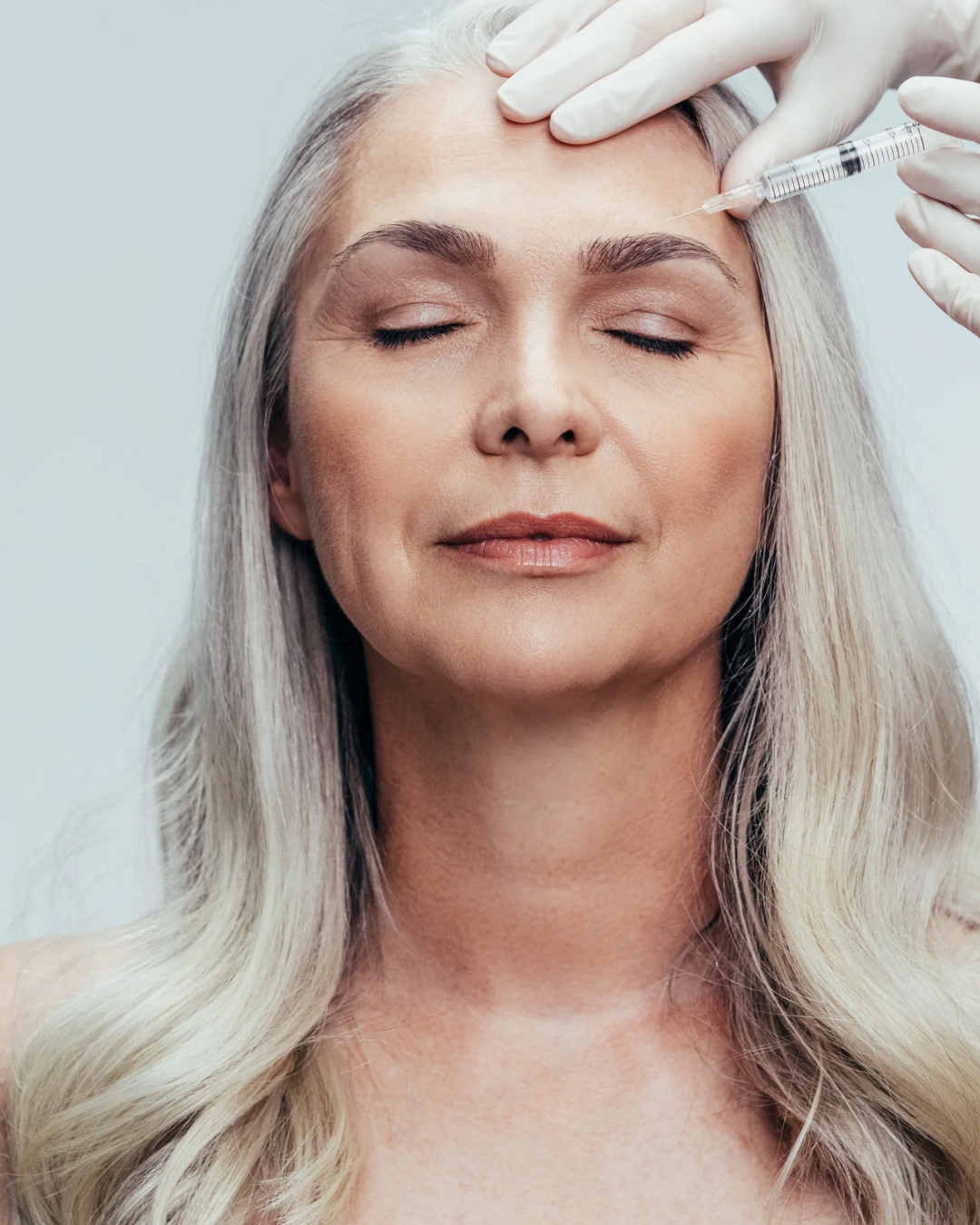
Anti-wrinkle injections typically refer to botulinum toxin type A treatments (often called “Botox” in everyday language). They’re designed to soften lines that are caused primarily by muscle movement, often called expression lines.
Mechanism, in simple terms:
A very small amount is injected into specific facial muscles
It reduces the muscle’s ability to contract strongly
This softens the appearance of wrinkles created by repeated movement (like frowning or squinting)
This is well described in UK patient-facing medical information about cosmetic botulinum toxin use.
What the evidence says
High-quality evidence supports botulinum toxin type A as more effective than placebo for improving glabellar (frown) lines, with effects commonly assessed around 4 weeks after treatment.
Randomised controlled trial data also supports both efficacy and an acceptable safety profile when used appropriately for upper-face lines.
What it’s not
It’s not “freezing your face” when done properly
It’s not meant to erase every line
It’s not a substitute for sleep, stress support, or skincare
It shouldn’t be used to chase perfection
In a doctor-led setting, the goal is usually softening tension and restoring balance, so you still look like you.
Modern aesthetic medicine is moving toward “supported women,” not “perfect faces”
In a luxury aesthetic clinic, the value isn’t “more treatment.” It’s:
time to talk properly
careful facial assessment
conservative dosing
precise placement
and a plan that makes sense for your lifestyle
Done well, wrinkle reduction injections can help the face stop broadcasting stress when you’re already doing your best.
And there’s also emerging discussion around psychosocial outcomes of minimally invasive procedures, some studies report improvements in appearance satisfaction and aspects of wellbeing, although evidence quality varies and expectations matter hugely.

Case study: “I’m not unhappy — I just look like I am” (Hale / Altrincham / South Manchester)
Patient (details anonymised): “A”, late 30s, professional role in South Manchester, school-age children, high workload, lots of screen time.
Presenting concern
She booked in saying:
“Everyone keeps asking if I’m okay. I am okay. I just look permanently stressed.”
What she meant clinically was:
strong frown pattern even at rest
early forehead lines from constant “brow-lift” compensation
tiredness around the eyes from squinting + screen work
skin looking dull from disrupted sleep
The consultation approach
We clarified goals:
She didn’t want to look “done”
She wanted to look softer and more rested
She wanted to keep her expressiveness (important for her work)
We also explored motivations and expectations because that strongly influences satisfaction.
Treatment plan (conservative)
Small-dose anti-wrinkle injections in the frown area, with careful balancing so she didn’t feel heavy
Optional light treatment in the forehead only if needed at review (to avoid the “flat forehead / heavy brow” effect)
A simple, evidence-based skin plan to support glow and barrier function (cleanser, moisturiser, SPF, and a gentle active)
Outcome
At follow-up, her words were:
“I just look calmer. People have stopped asking if I’m stressed. And I still look like me.”
That’s the goal. Not “younger.” Not “different.” Just less tension written across the face.
Why local women choose this in Hale and Altrincham
In areas like Hale and Altrincham, many women are balancing demanding careers, family responsibilities, social visibility, and a packed calendar. Looking tired can affect confidence in:
client-facing work
leadership roles
photos and events
everyday self-perception
A well-run skin clinic or doctor-led aesthetics practice can offer a supportive, ethical space to talk openly—without judgement—and choose subtle options.
Safety, regulation, and choosing a clinic you trust
Because these are medical treatments, provider quality matters.
In the UK, professional guidance for patients emphasises appropriate consultation, aftercare, and the importance of being treated by properly trained practitioners using licensed products.
If you’re considering wrinkle reduction injections locally, look for:
clear consultation process
realistic outcomes (no overpromising)
transparency about risks/side effects
a plan that prioritises natural movement and facial harmony
FAQ: Looking tired, anti-wrinkle injections, and “is this right for me?”
1) Why do I look tired even when I’m sleeping?
“Tired-looking” often reflects facial muscle tension (frowning/squinting), stress patterns, screen habits, skin dullness, and sometimes hormonal changes not just sleep.
2) What areas do anti-wrinkle injections treat?
Commonly: frown lines (glabella), forehead lines, crow’s feet. These are expression-related lines and are frequently studied in clinical trials and reviews.
3) How long do wrinkle reduction injections take to work?
Typically, early effects can start in a few days, with full effect around 2 weeks, which is reflected in UK patient information guidance.
4) Will I look frozen?
Not if it’s planned properly. Most women in clinic want to look refreshed, not different. Conservative dosing and correct muscle selection are key.
5) Are anti-wrinkle injections evidence-based?
Yes, systematic review evidence shows botulinum toxin type A improves glabellar lines more than placebo at around 4 weeks, though side effects (like eyelid droop) can be more common than placebo.
6) What are the common risks?
Temporary bruising, headache, asymmetry, or eyelid/brow heaviness can occur; more specific risks depend on the area treated. A proper consultation should cover this clearly.
7) Is this “giving in” to pressure?
It depends on your motivation. If it’s coming from self-respect, autonomy, and a desire to feel more like yourself, it can be a healthy choice. If it’s driven by external pressure or distress, a good clinic will slow down and explore that with you.
Book in for a Consultation at your local, doctor-led, sister-run skin & aesthetics sanctuary for natural, bespoke results
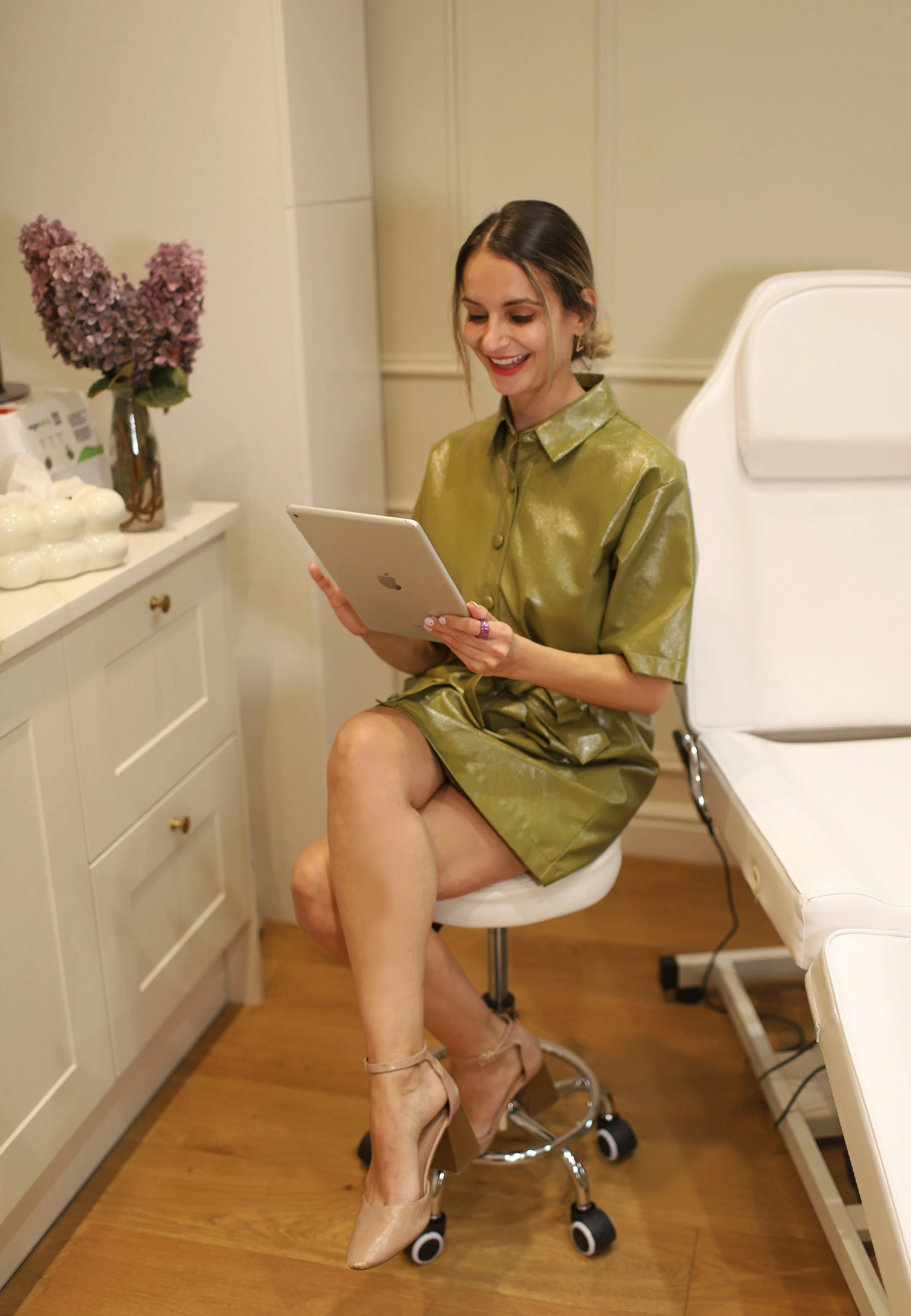
Dr Caroline Warden is an experienced NHS GP and aesthetic doctor. She has been a medical doctor for over 18 years. She runs the female-led family business with her sister Louise Devereux (creative director & patient co-ordinator)
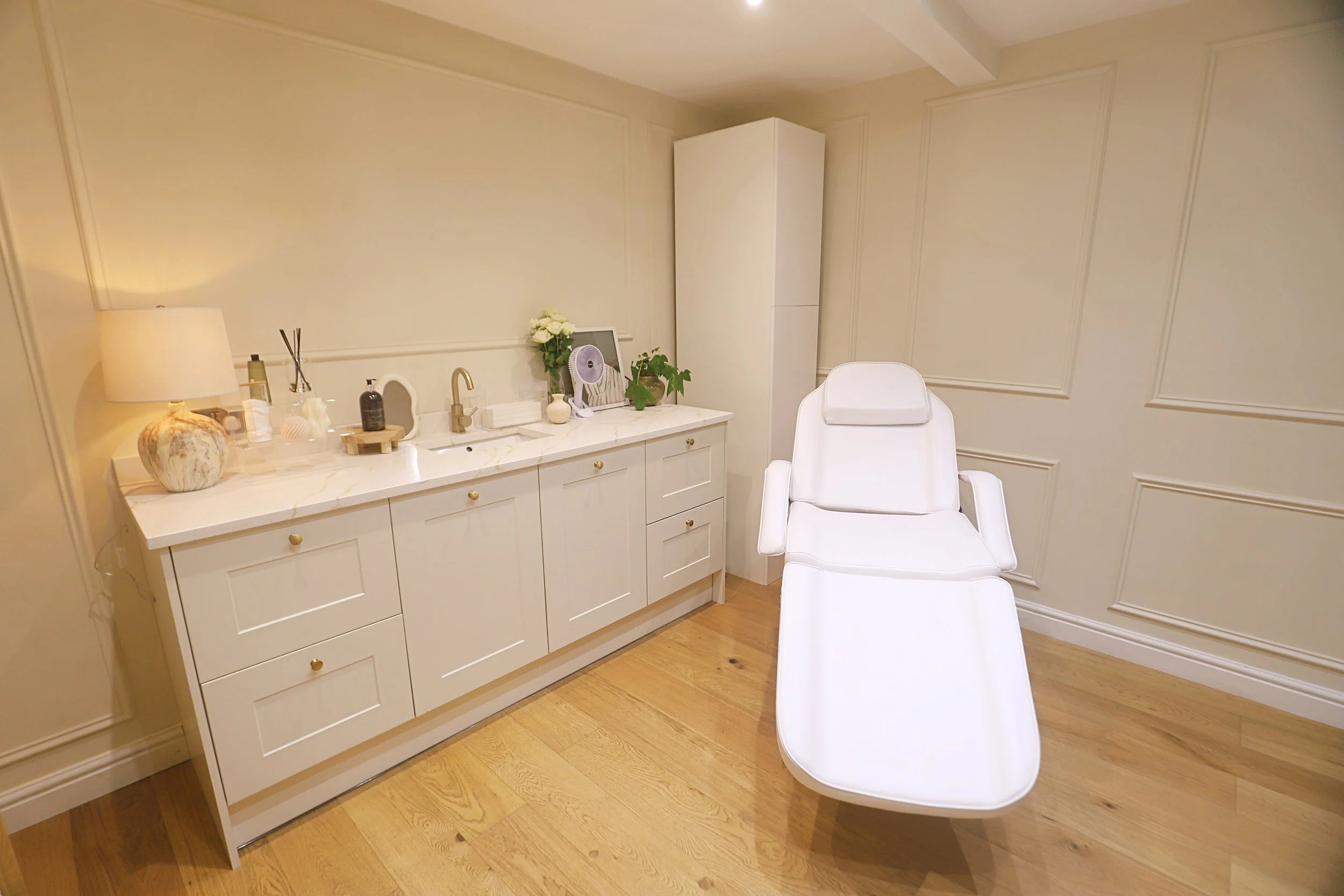
Their main Skin and Aesthetic Clinic is located in Hale, Cheshire but they also run a pop-up clinic in Disley, Stockport one evening a week.
You will only ever see and have treatments with Dr Caroline Warden.
Whether you're new to aesthetic treatments or ready to refine your routine, her bespoke skin assessments are the best place to start. Dr Caroline Warden will design a tailored plan based on your skin goals, lifestyle, and timeline.
Book your consultation at the clinic in Hale, Cheshire and experience aesthetic medicine.
You’ll be guided through your medical history, goals, and expectations so you can make an informed choice.
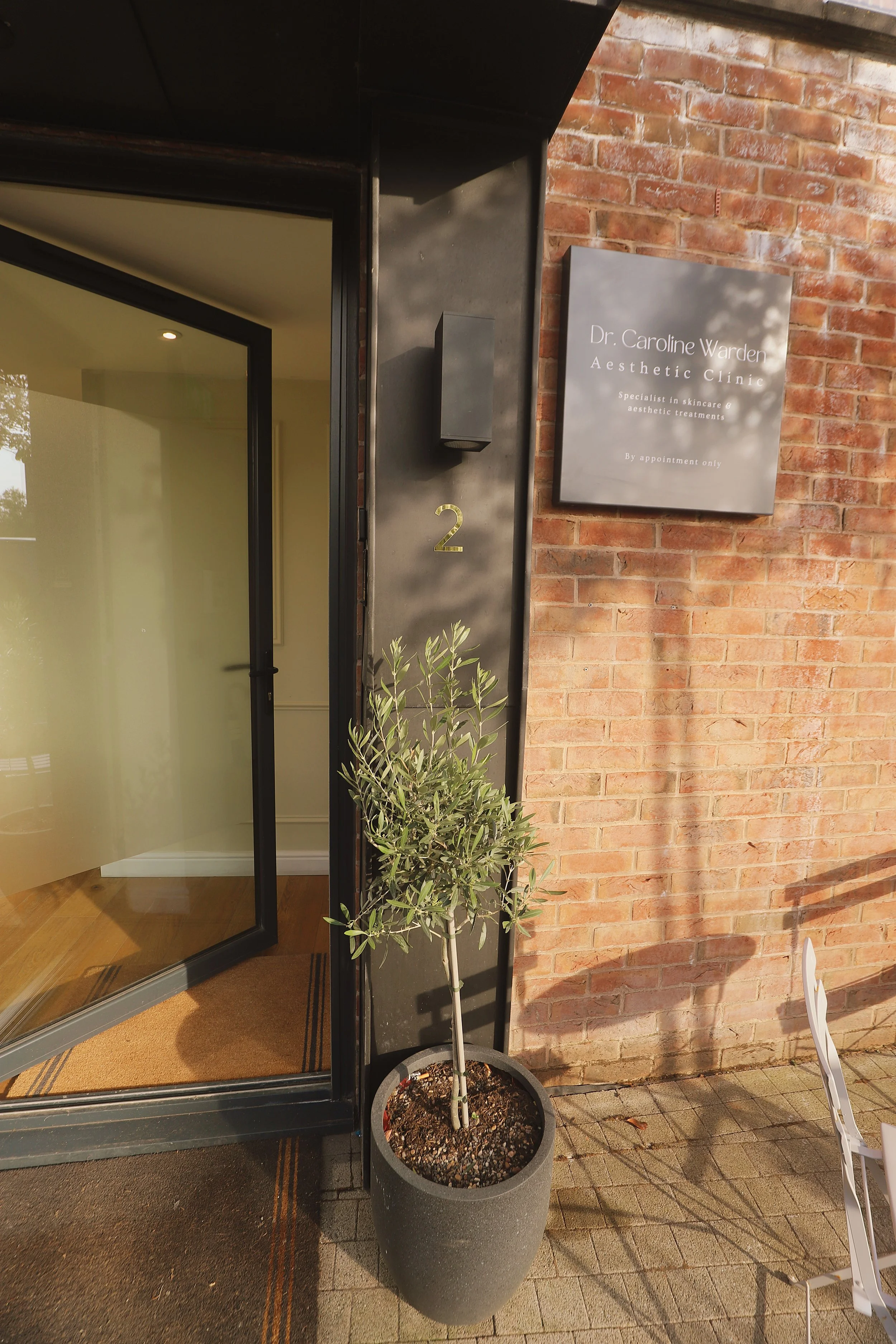
Where our clinics are local to:
Our flagship main Hale clinic is conveniently located for patients travelling from:
Alderley Edge, Altrincham, Bowdon, Bramhall, Hale Barns, Knutsford, Manchester, Mobberley, Sale, Timperley, Urmston, Wilmslow, Handforth, Poynton, Cheadle, Didsbury and Warrington.
Our satellite Disley clinic (Thursday evenings at Scott, Skin & Co) is ideal if you’re based in:
New Mills, High Lane, Marple, Mellor, Whaley Bridge, Strines, Chapel, Hayfield or Stockport.
References and further reading
Quantifying the mental load + gender gap (2025) – Barigozzi et al., Beyond Time: Unveiling the Invisible Burden of Mental Load (IZA DP PDF)
https://www.econstor.eu/bitstream/10419/320506/1/dp17912.pdfWomen more affected by depression (WHO, updated 2025) – Depressive disorder (depression)
https://www.who.int/news-room/fact-sheets/detail/depressionStress physiology → skin barrier disruption (review, 2025) – Bobok et al., Stress-Induced Changes of the Skin: A Narrative Review (PMC)
https://pmc.ncbi.nlm.nih.gov/articles/PMC12681996/Sleep restriction delays skin barrier recovery (2018) – Smith et al., Impact of sleep restriction on… skin barrier recovery (PubMed)
https://pubmed.ncbi.nlm.nih.gov/28912361/Late bedtime harms skin barrier/structure (2022) – Shao et al., Regular Late Bedtime Significantly Affects the Skin… (PMC)
https://pmc.ncbi.nlm.nih.gov/articles/PMC9188400/Sleep–skin axis overview (2025) – Sadur et al., The Sleep–Skin Axis: Clinical Insights and Therapeutic Considerations (MDPI)
https://www.mdpi.com/2673-6179/5/3/13Psychosocial outcomes after cosmetic procedures (systematic review, 2013) – Imadojemu et al., JAMA Dermatology (PubMed)
https://pubmed.ncbi.nlm.nih.gov/24068036/Nonsurgical aesthetics + emotional impact (review, 2022) – Hoffman, Look Better, Feel Better, Live Better? (PMC)
https://pmc.ncbi.nlm.nih.gov/articles/PMC9122280/Quality of life + nonsurgical medical aesthetics (2024) – Hemsworth et al., Nonsurgical Medical Aesthetics and Patient Quality of Life (ASJ Open Forum)
https://academic.oup.com/asjopenforum/article/doi/10.1093/asjof/ojae096/7849867Skincare intervention → improved self-image/positive emotion (2023) – Nagae et al., Impact of skin care on body image of aging people (PMC)
https://pmc.ncbi.nlm.nih.gov/articles/PMC9900263/
