Sculptra Explained: How Collagen Stimulation Can Support Natural Facial Ageing

An NHS GP and Aesthetic Doctor in Hale, Cheshire, Explains How Sculptra Works, Who It May Suit and What Results You Can Realistically Expect
There has been a noticeable change in the conversations I am having with patients about facial ageing.
Increasingly, women are not asking for dramatic transformation or obvious volume.
They are saying:
“I still want to look like myself.”
“I want to look less tired.”
“My face feels flatter and less supported.”
“I am frightened of looking overfilled.”
These are thoughtful and entirely reasonable concerns.
Most patients who visit our doctor led aesthetic clinic in Hale are not trying to erase every line or appear twenty years younger. They want to look healthier, fresher and more rested while retaining the expressions and features that make them recognisably themselves.
This is one reason Sculptra has attracted so much interest.
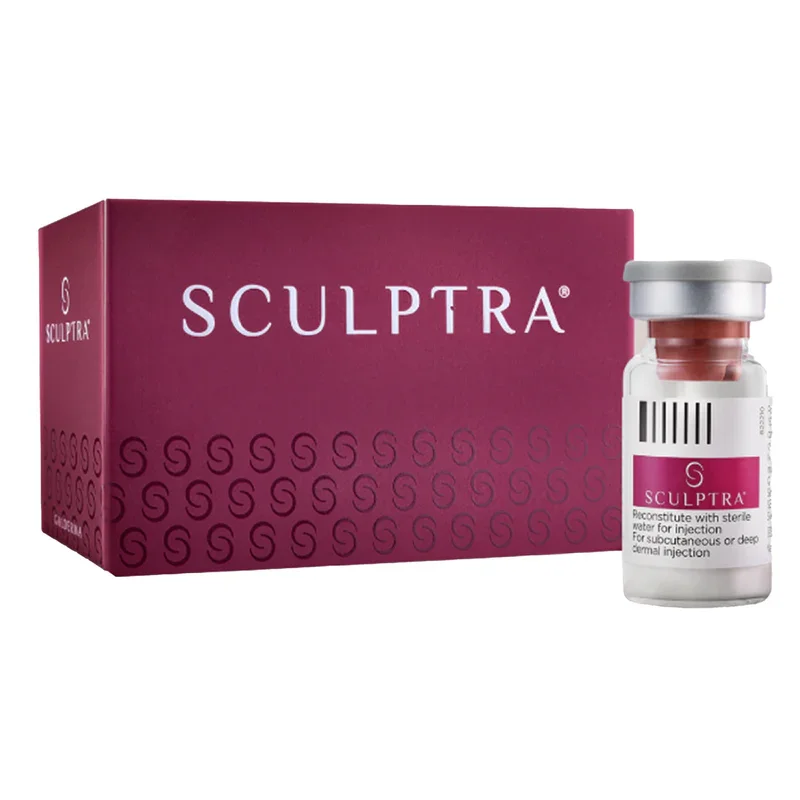
Sculptra is an injectable collagen biostimulator made from poly L lactic acid. Rather than creating an immediate final shape, it encourages a gradual tissue response and collagen production over the weeks and months following treatment.

The change develops progressively. There is no single overnight transformation and the aim is not to create an obviously filled face.
For appropriately selected patients, Sculptra may improve broader facial support, cheek wrinkles, skin firmness and a depleted appearance while preserving natural movement and facial identity.
However, it is not a miracle treatment, a replacement for surgery or the correct option for every face.
The quality of the consultation, patient selection, anatomical assessment, treatment planning and management of expectations are just as important as the product itself.
At Dr Caroline Warden Skin & Aesthetic Clinic in Hale, Cheshire, every Sculptra plan begins with understanding what has changed and whether collagen stimulation is genuinely the most appropriate treatment.
The Quick Answer
Sculptra is a gradual injectable collagen stimulating treatment containing poly L lactic acid.
It may suit adults experiencing broader facial volume loss, flatter cheeks, cheek wrinkles, reduced support or a depleted appearance through ageing or significant weight loss.
Unlike hyaluronic acid filler, it does not create an immediate final contour. The temporary fullness seen immediately after treatment is largely caused by treatment fluid and swelling. This settles before gradual collagen related improvement develops.
A planned course is commonly required, often delivered over several months.
Results vary, and Sculptra cannot remove excess skin, reverse every sign of ageing or reproduce a surgical facelift.
What Is Sculptra?
Sculptra is an injectable implant containing microparticles of poly L lactic acid, often shortened to PLLA.
Poly L lactic acid is a biocompatible and biodegradable synthetic material that has been used in different medical applications for many years.
Once Sculptra has been appropriately prepared and placed within a suitable tissue plane, the initial treatment fluid gradually disperses.
The remaining PLLA particles create a controlled local tissue response. Cells involved in healing and tissue maintenance contribute to gradual collagen deposition and remodelling around the treated area.
The PLLA itself is eventually broken down by the body.
The visible improvement therefore does not come from permanent particles simply remaining underneath the skin indefinitely.
It comes from the tissue response stimulated over time.
This is why Sculptra is usually described as a collagen biostimulator rather than a conventional immediate filler.

How Does Sculptra Work?
Collagen is one of the main structural proteins supporting the skin and underlying tissues.
It contributes to strength, firmness and the extracellular framework that helps the skin maintain its structure.
Collagen production and organisation change gradually with age. Ultraviolet exposure, smoking, genetics, hormonal changes, illness and weight loss may all influence how these changes become visible.
As facial support declines, patients may notice:
• Flatter cheeks
• More visible cheek wrinkles
• Temple hollowing
• Deeper shadows around the mouth
• Reduced skin firmness
• Early lower facial heaviness
• A more depleted or tired appearance
Sculptra is designed to stimulate gradual collagen production within appropriately selected areas.
This does not mean that every area of volume loss can or should be treated with Sculptra.
Nor does it mean that all features of facial ageing are caused by collagen loss alone.
Facial ageing also involves changes within bone, fat compartments, ligaments, muscle and skin.
The most natural results come from understanding which layers have changed and matching the treatment to the correct problem.

Is Sculptra a Dermal Filler?
Sculptra is often grouped within the broader category of injectable fillers because it can improve facial volume and contour.
However, it behaves differently from a traditional hyaluronic acid filler.
Hyaluronic acid filler provides immediate physical volume in the area where it is placed.
This makes it particularly useful when precise shape or focal structural support is required, for example within a carefully selected chin, lip or cheek treatment.
Sculptra creates a slower response through collagen stimulation.
The final result is therefore not visible immediately after the appointment.
This does not make one treatment automatically better or more natural than the other.
Hyaluronic acid filler can look extremely natural when used conservatively and for the correct indication.
Sculptra can also look unnatural if used excessively, placed too superficially or selected for an unsuitable patient.
The product does not replace clinical judgement.

Why Has Sculptra Become So Popular?
Patients have become increasingly aware that repeated attempts to fill every line or shadow can create heaviness.
They are looking for approaches that improve tissue quality and support without dramatically altering the proportions of the face.
Sculptra fits naturally into this conversation because its effects develop gradually.
Instead of leaving the clinic with a complete final correction, the patient sees the result emerge over the following months.
Friends or colleagues may notice that she looks healthier or particularly well without being able to identify one obvious change.
This subtlety is appealing, but it should not be confused with guaranteed natural results.
The treatment still requires restraint, anatomical knowledge and appropriate follow up.

The History of Sculptra
Sculptra is not a new treatment.
Poly L lactic acid injectables were introduced in Europe in the late 1990s and became particularly important in the treatment of facial lipoatrophy associated with HIV and older antiretroviral medication.
Facial lipoatrophy could cause significant hollowing and changes in appearance, with a considerable psychological and social impact.
Poly L lactic acid provided a way of gradually improving facial volume through a tissue response rather than relying solely on the immediate fillers available at the time.
Over subsequent years, its use expanded within aesthetic medicine.
Today, Sculptra is discussed increasingly within the context of collagen stimulation, skin quality, facial support and natural looking rejuvenation.
Its history is important because it reminds us that this is not a newly invented social media treatment.
However, decades of use do not mean that it is risk free or appropriate for everybody.

What Facial Changes Can Sculptra Potentially Improve?
Sculptra may be considered where the concern involves broader facial depletion or reduced support rather than one small isolated line.
Depending on anatomy, authorised indications and individual assessment, areas discussed may include:
• Lateral cheek support
• Cheek wrinkles and facial depressions
• Temple hollowing
• Selected areas of broader facial volume loss
• Reduced support following significant weight loss
• A generally depleted or tired appearance
The aim is not to inject every area listed.
A responsible treatment plan identifies where collagen stimulation is most likely to create a harmonious improvement and where the product should not be placed.
Sculptra is not routinely used within the red portion of the lips.
Treatment close to the eyes requires particular caution because the thin tissue can increase the risk of visible or palpable lumps.
The under eye region is not a routine Sculptra treatment area at our clinic.

What Can Sculptra Not Treat?
Sculptra does not treat every cause of an ageing or tired looking face.
It does not directly treat:
• Rosacea or persistent facial redness
• Active acne
• Pigmentation or sunspots
• A damaged skin barrier
• Dynamic forehead or frown lines
• Significant eye bags or fat prolapse
• Marked excess skin
• Advanced jowling requiring surgical repositioning
• A need for precise immediate lip, chin or jaw contour
A patient may have several concerns at the same time.
For example, flatter cheeks may coexist with rosacea, pigmentation and dehydration.
Injecting Sculptra without addressing the health of the skin may leave the most visible concern untreated.
Aesthetic treatment should therefore be planned as part of a wider assessment, not selected because one product is currently fashionable.

Can Sculptra Lift the Face?
Sculptra does not physically pull the face upwards.
Any lifting effect is indirect.
By improving collagen and support within carefully selected facial areas, the cheeks may appear firmer and the transition into the lower face may look softer.
Some patients describe feeling less heavy or more supported.
However, this is not the same as surgically repositioning facial tissues.
A facelift can lift and reposition descended tissues and remove excess skin.
Sculptra cannot reproduce that result.
The treatment may be most satisfying for patients with mild to moderate facial depletion, early support loss and realistic expectations.
Patients with substantial laxity may be disappointed if they expect an injectable procedure to create a surgical degree of lifting.

What Is the Sculptra Lifting Protocol?
The phrase “Sculptra lifting protocol” is widely used online, but there is no single universally standardised protocol performed identically by every clinician.
It usually describes an anatomy led approach in which Sculptra is placed strategically within selected lateral and supporting facial areas.
The intention is to improve broader collagen support rather than chase every individual fold.
A line around the mouth may appear deeper because the tissues above it have changed.
Repeatedly treating the line itself without considering the rest of the face can create heaviness.
A strategic approach considers the relationship between the temples, cheeks and lower face.
However, the word “lifting” should not be interpreted as a guarantee of tissue repositioning.
A more medically accurate description is:
Strategic Sculptra treatment designed to improve collagen support and create a gradual lifting effect in suitable patients.

Can Sculptra Help Jowls?
Sculptra may soften the appearance of early jowling in some patients by improving support within the cheek and lateral face.
It does not directly remove a jowl.
Jowls develop through a combination of skin laxity, collagen loss, changes in fat, ligament support and facial bone.
Improving one component may create a visible benefit, but it cannot correct every cause.
Where the lower face is already heavy, adding injectable product into unsuitable areas may make the face appear heavier rather than more defined.
This is why the whole face must be assessed.
Patients with advanced jowling, significant loose skin or a desire for a clearly lifted jawline may benefit more from discussing surgical options.

Can Sculptra Improve the Jawline?
Sculptra may indirectly improve how the jawline appears by strengthening broader facial support and improving skin firmness.
It is not primarily a sharp jawline contouring product.
Where a patient needs precise chin projection or immediate definition along the jaw, carefully selected hyaluronic acid filler or another structural treatment may be more appropriate.
The correct option depends on the anatomy, tissue quality and desired result.
Can Sculptra Improve Skin Quality?
Clinical studies have reported improvements in cheek wrinkles and measures of skin quality, firmness and radiance following treatment.
Patients may notice that the skin appears healthier or more resilient as collagen remodelling develops.
However, Sculptra does not replace daily skin care.
It cannot protect the skin from ultraviolet exposure, treat active inflammation or repair a damaged barrier by itself.
Daily broad spectrum sunscreen, suitable moisturisation and evidence based skincare remain important.
For some patients, improving the skin barrier, redness or pigmentation will create more visible benefit than beginning with an injectable treatment.

Sculptra After Significant Weight Loss
Significant weight loss can produce health benefits while also changing the face.
As facial fat reduces, underlying changes in collagen, skin laxity and structural support may become more visible.
Patients may notice hollow cheeks, flatter temples, increased laxity or a more tired appearance.
Online, this is often described as “Mounjaro face” or “Ozempic face”.
The medicines themselves are not directly ageing the face.
Rather, significant or rapid fat loss can reveal facial depletion that was previously less visible.
Sculptra may be considered for selected patients where the concern involves broad facial support and collagen loss.
However, it is not automatically the correct treatment for everybody who has lost weight.
Some patients require focal filler.
Some may benefit from skincare or time for weight stabilisation.
Others have enough loose skin that surgery is more likely to deliver the change they want.
Treatment is usually best planned once weight is relatively stable.

Sculptra During Perimenopause and Menopause
Many women begin noticing more rapid facial change during their forties and fifties.
Changes in oestrogen may affect skin hydration, collagen, thickness and elasticity, while normal changes in facial fat, ligaments and bone continue.
The cheeks may appear flatter and the lower face less supported.
Sculptra may be considered where broader collagen loss and facial depletion are contributing to the concern.
It does not treat menopause itself and it is not automatically appropriate because a woman has reached a particular age.
A woman experiencing mainly dryness, rosacea or pigmentation may benefit more from a skin focused plan.
Treatment should be based on anatomy and the individual concern, not age alone.

Who May Be Suitable for Sculptra?
Sculptra may appeal to patients who:
• Have broader facial volume loss or reduced cheek support
• Prefer gradual rather than immediate change
• Are concerned about looking overfilled
• Want improvement in collagen support rather than treatment of one small line
• Understand that several sessions or vials may be required
• Accept that results develop over several months
• Have realistic expectations about nonsurgical treatment
Age alone does not determine suitability.
A younger patient following significant weight loss may have more depletion than an older patient with naturally strong facial support.
The treatment plan should reflect the face rather than a formula based on decades of age.
Who May Not Be Suitable for Sculptra?
Sculptra may be unsuitable or require postponement where there is:
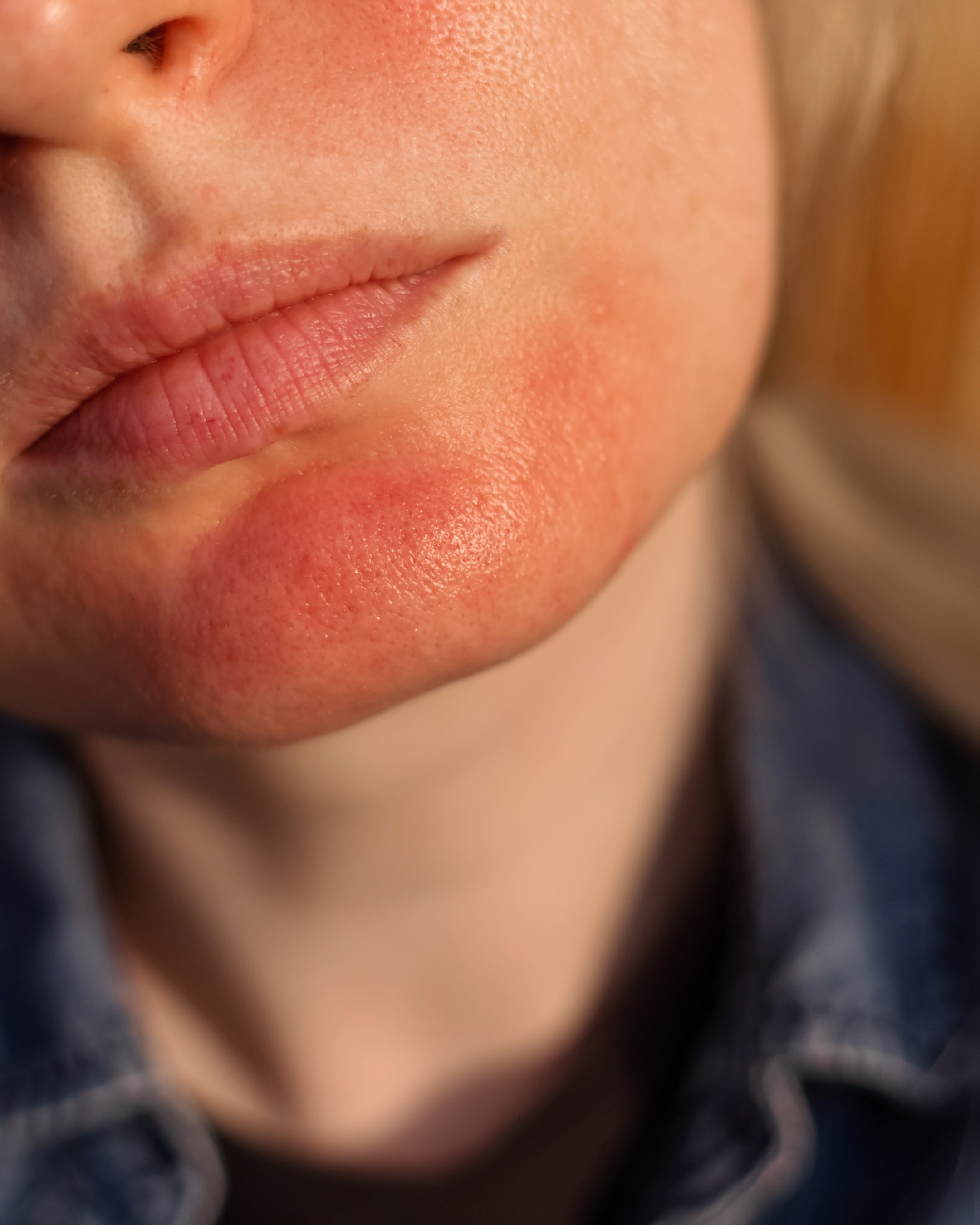
• Active skin infection, inflammation or an untreated eruption near the planned area
• Known hypersensitivity to the product components
• A history of severe allergies or anaphylaxis requiring further assessment
• A tendency towards keloid or hypertrophic scarring
• Pregnancy or breastfeeding
• Unrealistic expectations
• Significant loose skin where a surgical lift is expected
• A medical condition or medicine affecting healing, immunity or bleeding risk
• Previous implants or injectable products requiring further clarification
A full medical history and examination are essential.
Suitability cannot be confirmed through photographs or social media messages alone.
What Are the Risks of Sculptra?
Sculptra is an elective injectable medical procedure and is not risk free.
Expected short term reactions include:
• Swelling
• Tenderness
• Redness
• Bruising
• Pain or stinging
• Minor bleeding
• Temporary unevenness caused by swelling
Papules, palpable lumps and nodules can occur.
Some may appear weeks or months after treatment and may persist or require further management.
Other recognised complications include infection, inflammation, asymmetry, contour irregularity, pigmentation changes, granuloma or foreign body reactions.
As with other facial injectable treatments, accidental injection into or around a blood vessel can cause vascular occlusion, skin injury and tissue necrosis.
Rare but serious complications reported with facial injectables include visual impairment, blindness and stroke.
These complications are uncommon, but they must be discussed openly.
Risk can be reduced through appropriate patient selection, anatomy knowledge, sterile technique, correct preparation and conservative placement.
It cannot be reduced to zero.
Can Sculptra Be Dissolved?
Sculptra is not a hyaluronic acid filler.
It cannot be dissolved using hyaluronidase in the same straightforward way as a hyaluronic acid product.
This is one reason conservative treatment and staged reassessment are so important.
The aim should never be to create the maximum possible correction in one appointment.
It is safer to allow the tissue response to develop before deciding whether further treatment is needed.

My View as an NHS GP and Aesthetic Doctor
I am interested in Sculptra because it can support a more gradual and measured approach to facial rejuvenation.
I do not believe every shadow should be filled or every line removed.
I also do not believe that every woman over 40 needs collagen stimulating injections.
Some patients need better skincare.
Some need rosacea or acne treatment.
Some would benefit from a small amount of precisely placed hyaluronic acid filler.
Others have enough tissue laxity that surgery is the only option likely to achieve their desired result.
Sculptra becomes valuable when a patient’s anatomy, concerns and expectations match what the treatment can realistically provide.
The aim is not to convince everybody to have Sculptra.
It is to determine whether gradual collagen stimulation is the right tool for that particular face.
Sculptra Versus Hyaluronic Acid Filler
Sculptra and hyaluronic acid filler can both improve facial volume and balance, but they should not be treated as interchangeable products.
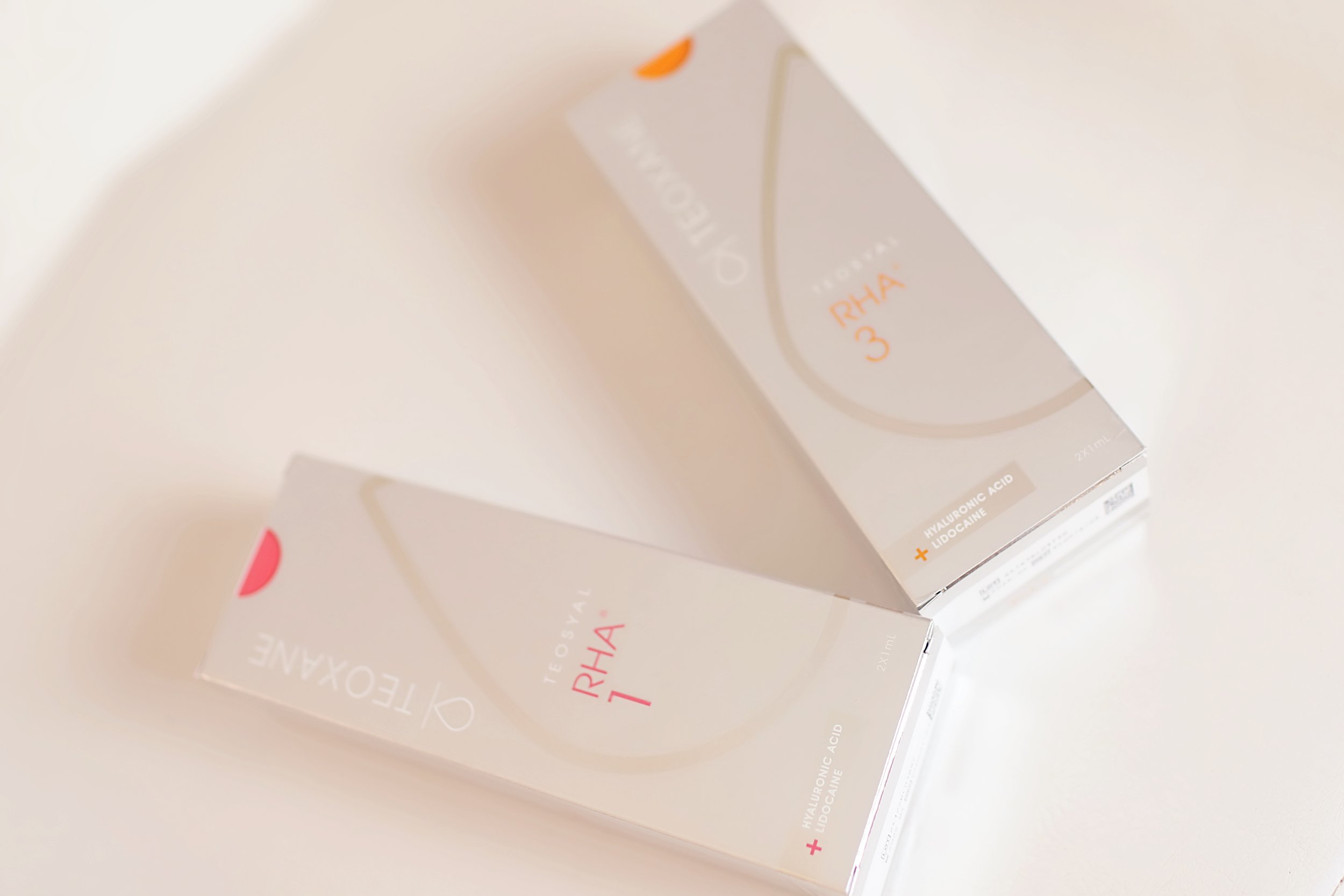
Hyaluronic acid filler provides immediate volume.
It can be placed with precision to support a specific feature, such as the chin, lip, cheek or jawline, where clinically appropriate.
Sculptra creates a broader and slower response through collagen stimulation.
It may be more suitable where the face looks globally depleted rather than where one small feature requires precise correction.
The best treatment depends on the concern.
Using filler for broad facial depletion may require a greater volume than is desirable.
Using Sculptra when the patient wants immediate lip definition or sharp chin projection will not meet the treatment goal.
Some patients may benefit from both within a carefully staged plan.
More treatments do not automatically create a better outcome.
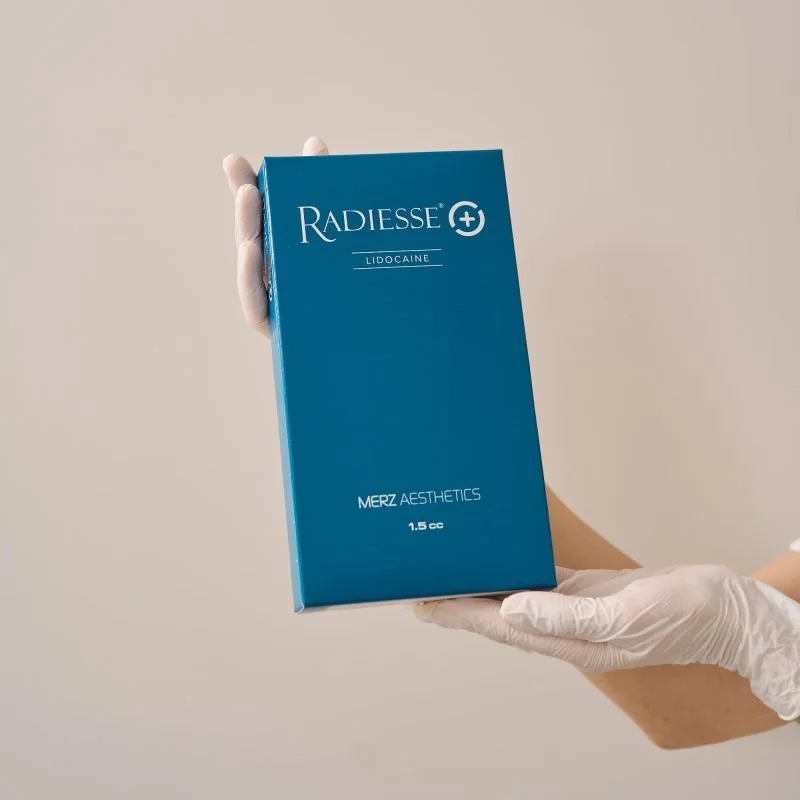
Sculptra Versus Radiesse
Sculptra contains poly L lactic acid.
Radiesse contains calcium hydroxylapatite particles suspended within a gel carrier.
Both are collagen stimulating injectables, but they behave differently.
Sculptra generally develops more gradually and may be selected for broader facial collagen support.
Radiesse provides some immediate support from the gel carrier and may be chosen where more focal structure or contour is required.
When diluted, Radiesse may also be used with greater emphasis on tissue quality and firmness.
Neither is universally better.
The correct treatment depends on the patient’s anatomy, skin thickness, area of concern, desired speed of improvement and treatment history.

Sculptra Versus Polynucleotides
Polynucleotides are usually selected to improve fine tissue quality, hydration and crepey skin.
They are commonly considered around areas such as the under eyes, where the primary concern relates to the condition of the skin rather than significant volume loss.
Sculptra works at a deeper level and is generally used for broader collagen support and facial depletion.
Polynucleotides cannot replace substantial facial volume or lift significant laxity.
Sculptra is not normally used as a delicate under eye skin treatment.
They serve different purposes and may occasionally form part of a staged plan.
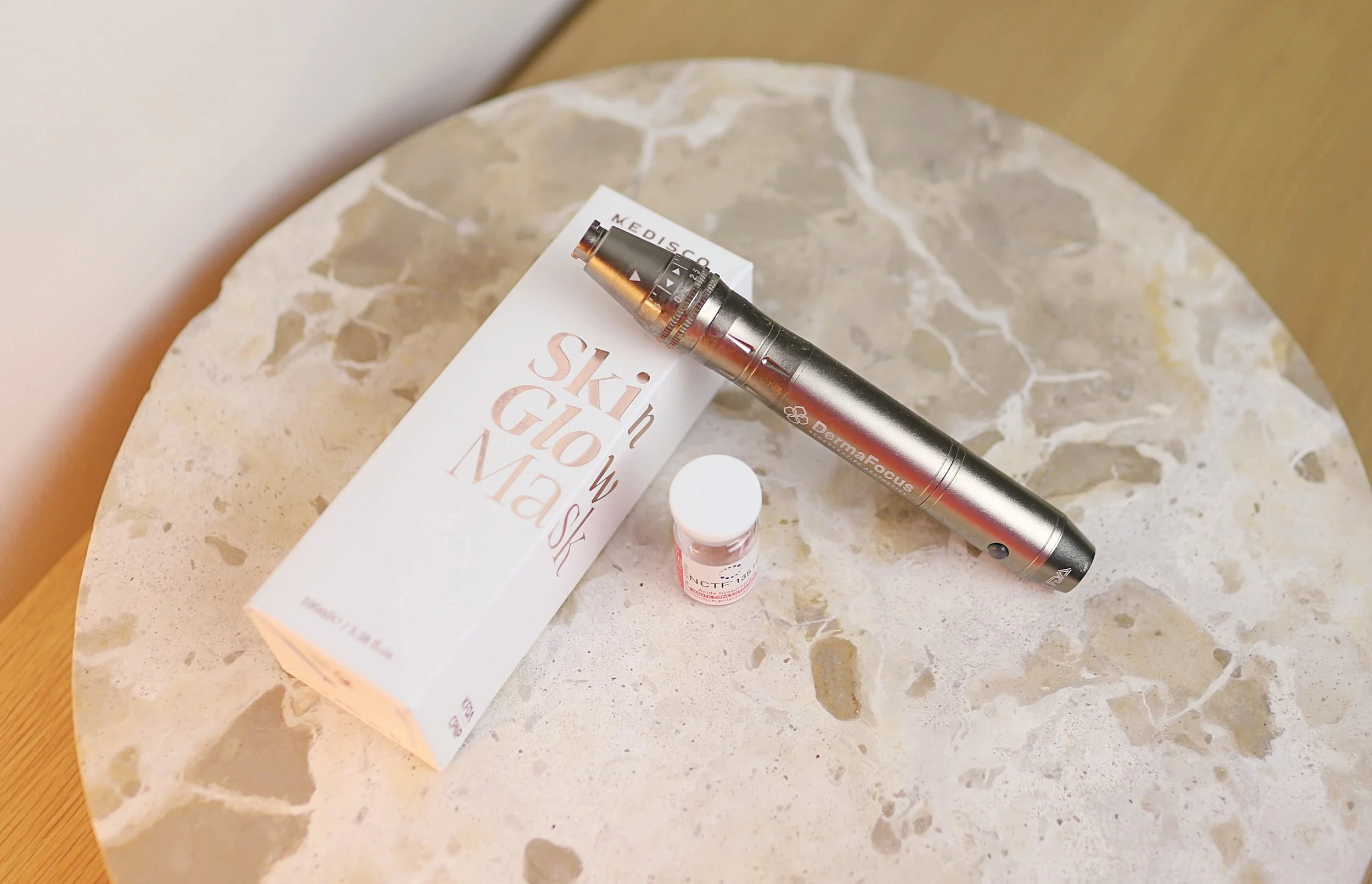
Sculptra Versus Microneedling
Microneedling creates controlled microinjuries within the skin to stimulate repair and collagen remodelling.
It may help texture, fine lines, enlarged pores and selected acne scars.
Sculptra is an injectable treatment used for deeper collagen stimulation and facial support.
A patient concerned mainly about rough texture and visible pores may benefit more from microneedling.
A patient with flatter cheeks and broader facial depletion may be more suited to Sculptra.
Combining treatments is not necessary simply because both stimulate collagen.
The decision should follow an assessment of which layer is creating the concern.
Sculptra Versus a Facelift
Sculptra and facelift surgery are not equivalent.
A facelift can reposition descended facial tissues and remove excess skin.
Sculptra cannot do this.
Sculptra may improve collagen, cheek support and skin quality in suitable patients, but the result is subtler and develops gradually.
The useful question is not whether Sculptra is “as good” as surgery.
It is whether the patient wants and requires the degree of lifting that only surgery can provide.
A woman with early facial depletion and mild lower facial heaviness may be very satisfied with a gradual Sculptra result.
A patient with significant jowls and loose neck skin who wants a clearly lifted jawline is unlikely to achieve that outcome through Sculptra alone.
An honest consultation should explain this before treatment is undertaken.

How Many Sculptra Treatments Will I Need?
Most patients require a planned course rather than one isolated session.
The manufacturer commonly describes a series of approximately three sessions delivered over several months, although the individual plan varies.
The number of appointments and vials depends on:
• Facial anatomy
• Degree of volume loss
• Surface area being treated
• Skin and tissue quality
• Age and previous treatment
• Desired outcome
• Response to the initial treatment
The widely repeated rule of “one vial per decade of age” is too simplistic.
A treatment plan should not be calculated purely from a patient’s age.
At our Hale clinic, a common approach may involve two vials initially followed by reassessment and a further vial several weeks later.
This is not a fixed package and will not suit everybody.

Is One Vial of Sculptra Enough?
One vial may be appropriate for a limited treatment area, a subtle concern or maintenance in a previously treated patient.
Broader facial rejuvenation commonly requires more than one vial.
The correct question is not how little or how much product can technically be used.
It is what treatment plan is capable of producing a meaningful result without creating unnecessary cost or risk.
When Will I See Results?
The initial swelling and fullness seen immediately after treatment are not the final result.
They are caused mainly by treatment fluid, local anaesthetic where used and the normal inflammatory response to injections.
This temporary fullness settles.
The collagen related improvement then develops gradually over the following weeks and months.
Some patients begin noticing change after the first month.
A more complete result is usually assessed several months after the planned course has been completed.
Sculptra is not appropriate for somebody who requires a final result before an event the following week.

How Long Does Sculptra Last?
Clinical evidence supports improvement lasting up to approximately two years in some patients.
This does not mean every patient will maintain the same degree of change for exactly two years.
Longevity is influenced by:
• Treatment amount
• Area treated
• Age and tissue quality
• Individual biological response
• Lifestyle and ultraviolet exposure
• Ongoing weight change
• Natural ageing
Maintenance may be considered after the initial result has fully developed and been reviewed.
The aim should not be to inject automatically at fixed intervals without reassessing the face.

How Much Does Sculptra Cost in Hale?
At the time of publication, Sculptra treatment at Dr Caroline Warden Skin & Aesthetic Clinic is priced at:
One vial: £495
Two vials: £950
Prices may change and the appropriate treatment plan is determined after consultation.
A course represents a greater initial investment than one syringe of traditional filler.
However, Sculptra is designed as a gradual collagen stimulation programme rather than a single immediate correction.
It is not helpful to compare Sculptra with surgery purely on price.
A facelift produces a different type and degree of correction, with different risks, scars and recovery.
Treatment should be selected according to anatomy and goals, not simply which option costs less.

Does Sculptra Hurt?
Discomfort varies between patients and treatment areas.
Local anaesthetic may be added to the prepared product where clinically appropriate, and additional comfort measures may be used.
Patients commonly describe pressure, stinging or a deep aching sensation rather than severe pain.
Tenderness may continue for several days.
Sculptra should not be advertised as painless.
Your comfort will be considered throughout, but individual pain tolerance varies.
Is There Downtime?
Most patients experience some swelling, tenderness, redness or bruising after treatment.
The face may look temporarily fuller because of the fluid used to prepare the product.
This usually reduces over the following days.
Many patients return to normal daily activities quickly, but visible swelling or bruising can occur.
It is therefore more accurate to describe Sculptra as having relatively limited downtime rather than no downtime.
Allow time before important social or professional events.

What Happens After Treatment?
You will receive individual aftercare instructions following your appointment.
The treated areas may be massaged during the procedure to distribute the product appropriately.
You may also be asked to massage the area at home according to the current product guidance and the instructions given by your clinician.
Avoid excessive ultraviolet exposure, sunbeds and extreme temperatures until the initial swelling and redness have settled.
Contact the clinic urgently if you develop:
• Unusual or rapidly escalating pain
• Marked blanching or discolouration
• Increasing heat, redness or signs of infection
• New visual symptoms
• Sudden weakness, speech disturbance or other stroke symptoms
• Any rapidly worsening or unexpected reaction
Do not rely on generic social media aftercare in place of the advice provided for your own procedure.

Case Study: “I Wanted Support, Not a Different Face”
Rebecca, Age 50, Bowdon
Rebecca attended Dr Caroline Warden Skin & Aesthetic Clinic in Hale because she felt that her face had become noticeably flatter and less supported over the previous three years.
She was particularly aware of changes through the lateral cheeks and early heaviness around the lower face.
Her weight was stable and she felt well, but photographs made her feel that she looked persistently tired.
She told me:
“I do not want large cheeks or a completely different face. I just feel that everything has started to drop.”
Rebecca had previously been advised to consider several syringes of hyaluronic acid filler.
She was not opposed to filler, but she worried that replacing every hollow immediately would make her look heavy or alter her natural proportions.
During consultation, we assessed her skin quality, cheek support, temple region, facial balance and degree of lower facial laxity.
There was some focal volume loss, but the broader concern was gradual collagen decline and reduced support through the lateral face.
We discussed the differences between filler, Sculptra and surgical treatment.
I explained that Sculptra would not remove her early jowls or reproduce a facelift.
The aim would be a gradual improvement in support and skin quality rather than a dramatic lift.
Rebecca chose a staged Sculptra treatment plan.
The temporary fullness and swelling after each appointment settled over several days.
Gradual changes then developed over the following months.
Her cheeks appeared better supported and the transition into the lower face looked softer.
She retained her normal movement and facial identity.
Friends did not ask whether she had undergone cosmetic treatment.
They commented that she looked rested and particularly well.
Rebecca described feeling more comfortable in photographs and said that the improvement felt believable rather than artificial.
This represents the type of Sculptra outcome I value.
The result was not a surgical transformation and every line remained natural.
The treatment addressed the change that genuinely bothered her without overwhelming the rest of her face.
This is a composite case study reflecting concerns commonly discussed in clinic. It does not describe one identifiable patient. Individual suitability, treatment plans and results vary.

Why I Prefer a Staged Approach
Sculptra develops gradually.
Treating conservatively and reviewing the face after collagen has had time to respond is safer than trying to create a dramatic correction immediately.
A staged approach allows us to decide whether further treatment is genuinely required.
Sometimes the initial course creates enough improvement.
Sometimes another vial may be appropriate.
Sometimes a small amount of hyaluronic acid filler can address a remaining focal concern more precisely.
Sometimes no further treatment is needed.
Knowing when to stop is an important part of aesthetic medicine.
What Happens During a Sculptra Consultation?
Your consultation begins with a detailed discussion about what has changed and what you hope to improve.
I will review:
• Your medical history
• Medication and allergies
• Previous injectable treatments
• Any complications or unsatisfactory outcomes
• Recent or ongoing weight change
• Skin conditions and facial inflammation
• Your expectations and tolerance for gradual change
Your skin quality, facial proportions, volume distribution and degree of tissue laxity will be assessed.
We will discuss whether Sculptra is appropriate, how many sessions or vials may be required and what alternatives exist.
You will also be given clear information about risks, recovery and the fact that Sculptra cannot be dissolved like hyaluronic acid filler.
There is no obligation to proceed with treatment on the day.

Sculptra Consultations in Hale, Altrincham and Cheshire
Dr Caroline Warden Skin & Aesthetic Clinic is located in Crown Passages in the heart of Hale, close to Altrincham.
Patients visit us from Bowdon, Hale Barns, Timperley, Sale, Wilmslow, Knutsford, Alderley Edge, Stockport, Didsbury, Manchester and across Cheshire.
Every medical consultation and treatment is personally carried out by Dr Caroline Warden, an experienced NHS GP and aesthetic doctor with nearly 20 years of medical experience.
Dr Caroline is the sole treating practitioner, providing continuity throughout consultation, treatment and review.
The clinic is female led and family run alongside Caroline’s sister Louise Devereux, Creative Director and Patient Coordinator.
The clinic was named Best Doctor Led Aesthetic Clinic 2026, Cheshire in the GHP Healthcare and Pharmaceuticals Awards.
Our approach is gradual, medically led and focused on helping patients look fresher and better supported without losing their facial identity.
We do not believe every patient needs Sculptra.
Where filler, skincare, another collagen treatment or surgical assessment is more appropriate, this will be discussed honestly.

Frequently Asked Questions
What is Sculptra?
Sculptra is an injectable collagen biostimulator containing poly L lactic acid. It encourages a gradual tissue response and collagen production rather than creating an immediate final result.
Is Sculptra a filler?
It is sometimes categorised broadly as an injectable filler or implant, but it behaves differently from hyaluronic acid filler. Its main effect develops gradually through collagen stimulation.
Does Sculptra add volume?
It may gradually improve facial volume and support as the tissue response develops. It does not create the same immediate, precise volume as hyaluronic acid filler.
Does Sculptra look natural?
It can produce natural looking results because the improvement develops gradually. However, natural results depend on suitable patient selection, conservative treatment and appropriate placement.
Will Sculptra make me look overfilled?
That is not the intended outcome. Excessive treatment, poor placement or inappropriate patient selection can still create heaviness or an unnatural appearance.
Can Sculptra lift my face?
It may create a subtle lifting effect by improving collagen and support within selected areas. It does not physically reposition tissues like a surgical facelift.
Does Sculptra help jowls?
Sculptra may soften early jowling in some patients by improving cheek and lateral facial support. It cannot remove advanced jowls or excess skin.
Can Sculptra sharpen the jawline?
It may improve the appearance of the jawline indirectly, but it is not primarily an immediate jaw contouring product.
Can Sculptra treat temples?
Sculptra may be considered for temple hollowing in appropriately selected patients. The temple is anatomically complex and requires careful assessment and technique.
Can Sculptra be used under the eyes?
The thin under eye region carries an increased risk of visible or palpable lumps and is not a routine Sculptra treatment area at our clinic.
Can Sculptra be injected into the lips?
Sculptra is not used within the red portion of the lips.
Can Sculptra help skin quality?
Clinical studies have reported improvement in cheek wrinkles, firmness and aspects of skin quality. It does not replace sunscreen, skincare or treatment of inflammatory skin conditions.
Is Sculptra good after weight loss?
It may suit selected patients with broad facial depletion or reduced support after significant weight loss. Weight should ideally be relatively stable before planning the final treatment course.
Does Mounjaro directly age the face?
No. Significant fat loss may reveal facial hollowing, collagen decline and laxity that were previously less visible.
Is Sculptra suitable during menopause?
It may be considered where facial depletion and collagen loss are relevant concerns. It does not treat menopause itself and is not automatically appropriate because of age.
How many Sculptra sessions will I need?
Many patients require a course delivered over several months. The manufacturer commonly describes approximately three sessions, but the individual plan varies.
How many vials will I need?
This depends on anatomy, treatment area, volume loss and goals. Age alone should not determine the number of vials.
Is one vial enough?
One vial may suit a limited area or selected maintenance treatment. Broader facial treatment often requires more than one vial.
When will I see results?
Collagen related changes develop gradually over weeks and months. The immediate post treatment fullness is temporary and is not the final result.
How long does Sculptra last?
Results may last up to approximately two years in some patients. Longevity varies and ageing continues.
Does Sculptra work immediately?
No. Initial fullness is mainly due to fluid and swelling. The intended collagen related improvement develops gradually.
Is Sculptra painful?
Patients may experience pressure, stinging or tenderness. Local anaesthetic and comfort measures may be used where appropriate.
What is the downtime?
Swelling, redness, tenderness and bruising can occur for several days. Visible bruising or swelling is possible, so treatment should not be described as having no downtime.
What are Sculptra nodules?
Nodules are palpable or visible lumps that may develop after treatment. Some can have a delayed onset and may require further assessment or management.
Can Sculptra cause vascular occlusion?
Yes. As with other facial injectables, inadvertent vascular injection can cause occlusion, tissue injury and rare serious complications, including visual impairment or stroke.
Can Sculptra be dissolved?
No. It is not a hyaluronic acid filler and cannot be dissolved with hyaluronidase in the same straightforward way.
Can I have Sculptra if I have rosacea?
Stable rosacea does not automatically exclude treatment, but active inflammation, infection or an eruption in the planned area should be controlled first.
Can I have Sculptra if I form keloid scars?
A history or tendency towards keloid or hypertrophic scarring may make treatment unsuitable and requires careful assessment.
Can I have Sculptra during pregnancy or breastfeeding?
Safety has not been established, so elective treatment is generally postponed during pregnancy and breastfeeding.
Is Sculptra safe?
Sculptra has an established clinical history, but it is not risk free. Suitability, consent, anatomical knowledge, technique and aftercare all matter.
Is Sculptra better than filler?
Neither is universally better. Filler provides immediate precise volume, while Sculptra creates gradual collagen stimulation. The correct option depends on the concern.
Is Sculptra better than Radiesse?
Neither is automatically better. Sculptra is generally more gradual and global, while Radiesse can provide more immediate focal support alongside collagen stimulation.
Can Sculptra replace a facelift?
No. It cannot remove excess skin or reposition descended tissues. It may suit patients seeking a more modest nonsurgical improvement.
What age is best for Sculptra?
There is no ideal age. Suitability depends on anatomy, collagen loss, health and goals rather than a number.
How much does Sculptra cost in Hale?
At the time of publication, prices are £495 for one vial, £950 for two vials and £1,300 for three vials. The appropriate plan is determined after consultation.
Where can I have Sculptra near Altrincham?
Dr Caroline Warden provides doctor led Sculptra consultations and treatment at her family run clinic in Hale, Cheshire, close to Altrincham.
Do patients travel from outside Hale?
Yes. Patients visit from Bowdon, Wilmslow, Knutsford, Sale, Alderley Edge, Stockport, Didsbury, Manchester and across Cheshire.
Do I have to undergo treatment during my consultation?
No. The consultation is an opportunity to assess suitability and discuss risks, alternatives and likely outcomes. There is no obligation to proceed.

Book a Sculptra Consultation
If your cheeks have become flatter, your face feels depleted or you have noticed a loss of support after ageing or significant weight loss, Sculptra may be worth considering.
The first step is a detailed medical and facial assessment.
At Dr Caroline Warden Skin & Aesthetic Clinic in Hale, Cheshire, every Sculptra plan is personalised according to your anatomy, skin quality, medical history and goals.
Sculptra will never be presented as a guaranteed facelift alternative or a treatment that everybody needs.
Where it is appropriate, the aim is gradual collagen stimulation and a subtle improvement that helps you look fresher, healthier and more like yourself.
Patients visit our Hale clinic from Altrincham, Bowdon, Hale Barns, Wilmslow, Knutsford, Sale, Alderley Edge, Stockport, Didsbury, Manchester and across Cheshire.

About the Author
Dr Caroline Warden
Dr Caroline Warden is an experienced NHS GP and aesthetic doctor with nearly 20 years of medical experience.
She is Medical Director and sole treating practitioner at Dr Caroline Warden Skin & Aesthetic Clinic in Hale, Cheshire.
The female led and family run clinic focuses on skin health, regenerative aesthetics and natural looking treatment, alongside Caroline’s sister Louise Devereux.
Medically reviewed and edited by Dr Caroline Warden
Last reviewed: June 2026
This article provides general educational information and does not replace an individual medical consultation. Treatment suitability, risks, results and longevity vary between patients.
Further Reading
If you found this useful, these related articles from the clinic explore Sculptra, biostimulators and collagen stimulation in more depth.
- Why Sculptra May Be One of the Best Treatments for Mounjaro Face
- The Sculptra Lifting Protocol
- Why I Am Bringing Biostimulators to My Clinic
- What's "Ozempic Face" or "Mounjaro Face" and What You Can Do About It
- Why Collagen Declines and the Treatments That Actually Stimulate It
Explore the treatment: Sculptra collagen stimulation in Hale, Altrincham and Cheshire
Next steps

Scientific, Product and Regulatory References
Galderma: Sculptra Instructions for Use
Galderma: Sculptra Product Information
Effectiveness and Safety of Sculptra Poly L Lactic Acid Injectable Implant
Efficacy and Safety of Poly L Lactic Acid in Facial Aesthetics, A Systematic Review
Randomised Study of Injectable Poly L Lactic Acid and Long Term Nasolabial Fold Correction
Poly L Lactic Acid for Facial Lipoatrophy Associated With HIV
