What Actually Works for Under Eye Ageing, a doctor led guide for natural results in Hale, Cheshire
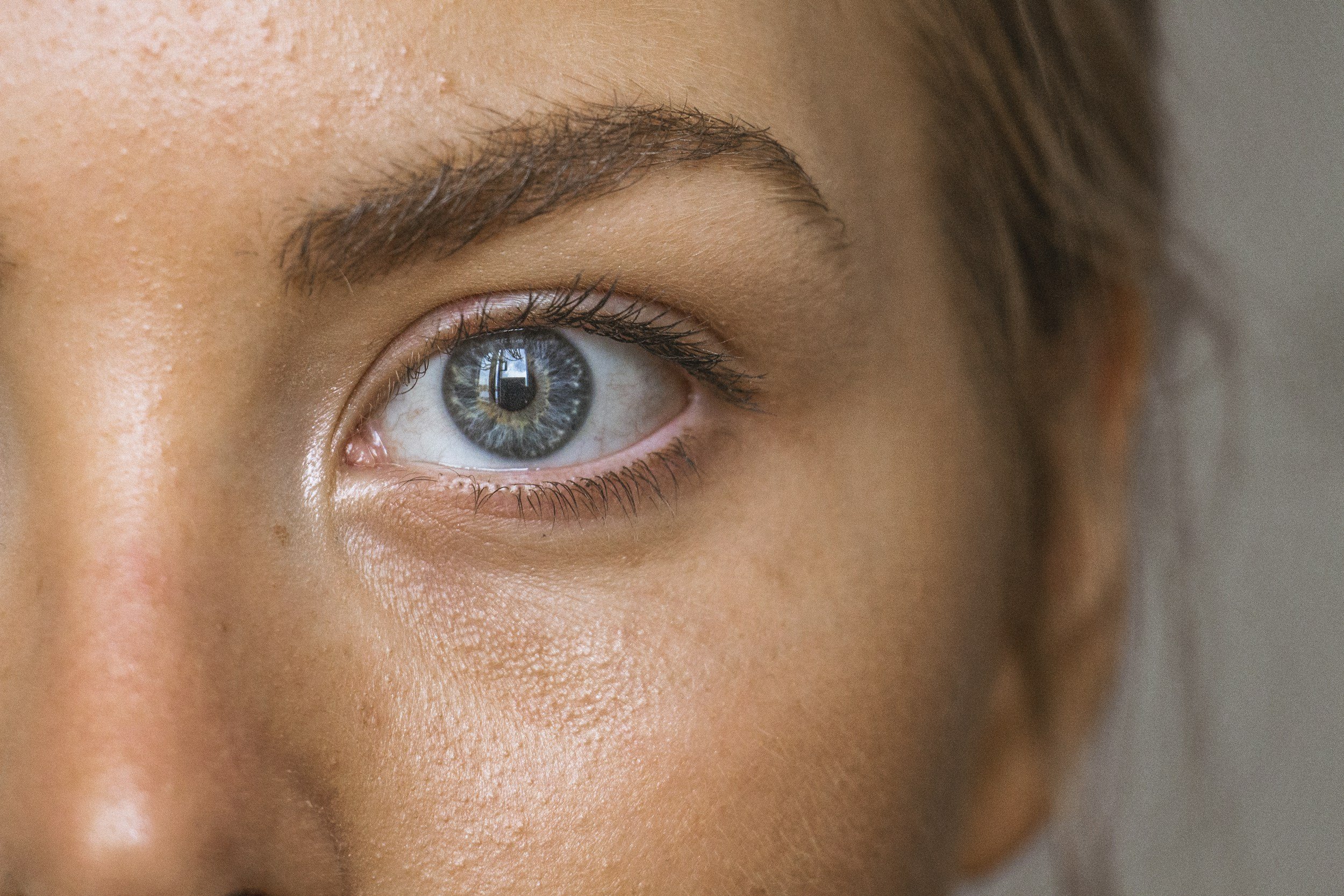
Under eye ageing is one of the most common concerns patients bring to aesthetic consultations.
Many people notice changes in this area earlier than expected. The skin beneath the eyes can become thinner, darker, more crepey, and the face can start to look tired even when you feel well rested.
Patients often ask the same question,
What actually works for under eye ageing?
There is a huge amount of confusing advice online, from miracle creams to aggressive procedures. In reality, the under eye area is delicate and complex. Treating it well requires understanding the cause of ageing in this part of the face.
At our female doctor led aesthetic clinic in Hale, many patients travel from Altrincham, Wilmslow and across Cheshire for advice about under eye concerns. In this article we explain why the under eye area ages, what treatments can genuinely help, and how to approach it conservatively for elegant, natural results.

Why the under eye area ages so quickly
The skin beneath the eyes is some of the thinnest skin on the body, with less collagen, less oil production, and more visible underlying structures.
Under eye ageing usually involves a combination of factors, and the right treatment depends on which factor is dominant for you.
Skin thinning and collagen decline
Collagen levels decline steadily from our thirties onwards. As collagen reduces, the under eye skin can become thinner and more fragile. This can make blood vessels more visible, which can contribute to the appearance of dark circles.
Volume loss and shadowing
As we age, fat pads in the mid face and under eye area can shift and shrink. This can create hollowing, often described as a tear trough. The hollow itself is not always the issue, it is the shadowing it creates under certain lighting, particularly overhead lighting.
Pigmentation and inflammation
Some patients develop darker pigmentation under the eyes. This may be genetic, related to sun exposure, or associated with inflammation, rubbing, allergies, eczema, or sensitive skin.
Fluid retention and puffiness
Fluid can collect under the eyes, especially if lymphatic drainage is sluggish or if there is a tendency to puffiness on waking. In these cases, adding volume is not always the answer, and can sometimes make swelling look worse.

What a proper under eye assessment should include
Because under eye concerns vary so much, a personalised assessment matters.
In consultation we typically explore,
• whether the concern is hollowing, pigmentation, thin skin, crepey texture, puffiness, or a combination
• your skin quality, hydration, and barrier health
• your medical history, allergies, sinus congestion, rubbing, and lifestyle factors
• what you have already tried, and what your priorities are, such as minimal downtime or maximal improvement over time
This is what helps us choose the most effective treatment plan, and avoid the common mistake of using the wrong treatment for the wrong problem.
Treatments that actually help under eye ageing
There is no single best treatment for everyone. The best results come from matching the treatment to the cause, then improving the area gradually.
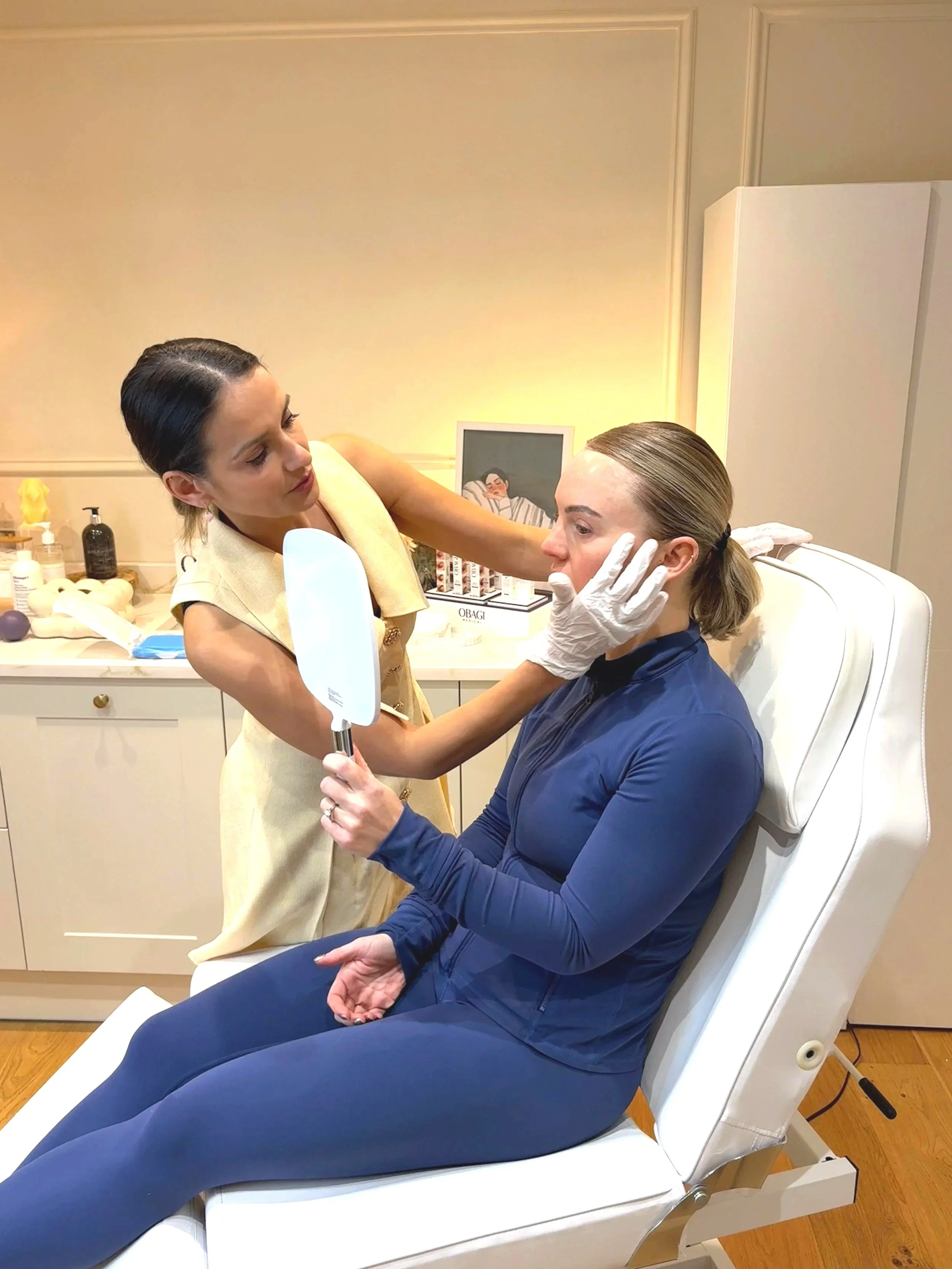
Polynucleotides for under eyes
Polynucleotides are one of the most exciting developments in regenerative aesthetic medicine. These injectable treatments can support skin repair and collagen production, which makes them particularly useful for delicate areas such as under the eyes.
Patients often choose a course of treatments spaced several weeks apart to gradually improve the area.
Common benefits include,
• improved skin quality and resilience
• increased hydration
• subtle tightening
• smoother texture and less crepiness
Read more about polynucleotides
Microneedling for crepey under eye skin
Microneedling stimulates collagen by creating tiny controlled micro injuries in the skin. When performed carefully around the under eye area, it can improve texture and help reduce crepey skin.
Patients often notice improvements in,
• skin thickness
• fine lines
• overall brightness and smoothness
Microneedling can also be combined with regenerative add ons, such as exosome based serums, to support skin quality and glow.
Read more about Microneedling with exosomes
Skin boosters for hydration and fine lines
Skin boosters can improve hydration and elasticity by delivering hyaluronic acid within the skin. They can be particularly helpful for under eye fine lines, dryness, and dullness, when puffiness is not the main issue.

Why I do not believe in tear trough filler
I understand why tear trough filler is so popular online. In theory it sounds simple, add a little volume, reduce shadowing, look fresher.
In real life, the under eye area does not behave like that.
The under eye is a high risk, high finesse area with delicate skin, complex anatomy, and a tendency towards fluid retention. In my experience, this is one of the areas where filler can look good initially, then cause problems months later, even when placed by skilled injectors.
Here is why I take a cautious stance, and why I avoid tear trough filler in favour of regenerative, skin quality focused treatments.
The under eye holds fluid easily
Hyaluronic acid attracts water. Under the eyes, where lymphatic drainage is already delicate, this can increase puffiness over time. Many patients who want under eye filler actually have a fluid retention component, and adding filler can make the area look heavier, not fresher.
Results can change with time, lighting, and lifestyle
Under eyes are sensitive to sleep, alcohol, salt, allergies, and hormonal change. A result that looks fine in clinic lighting can look different in daylight, photos, or after a poor night of sleep. This is one reason patients can feel unsure about the outcome, even if the filler was placed conservatively.
It is very easy to over treat, even with small amounts
The difference between subtle improvement and visible puffiness can be tiny. Under eye filler is not forgiving. A small excess can create a swollen look, or a change in contour that reads as unnatural.
Dissolving is not always straightforward
Many people assume filler can simply be dissolved and everything returns to normal. In reality, dissolving may take more than one session, and it is not always predictable. This is one reason I prefer treatments that improve the tissue itself, rather than adding gel to a delicate area.
It can distract from the real solution
Often the under eye looks tired because of a combination of thin skin, collagen loss, and mid face support. In these cases, improving skin quality, supporting collagen, and addressing lifestyle and inflammation can produce a more natural result than adding volume under the eye.
What I prefer instead
For most patients, I prefer a gradual plan focused on,
• polynucleotides to support repair and improve skin quality
• microneedling, sometimes with an exosome based add on, to support collagen
• skin boosters where appropriate, especially for fine lines and dehydration
• medical grade skincare, SPF, and barrier support
• honest discussion about what is realistic, and when surgical opinion may be more appropriate for significant bags
If you have been told you need tear trough filler, it does not mean you have no options. It simply means it is worth having a careful assessment to confirm the true cause of the concern, and whether a regenerative approach would suit you better.

Treatments that often disappoint, and why
Patients are often frustrated after trying approaches that promise dramatic change but deliver very little.
Eye creams alone
Some eye creams can improve hydration and temporarily plump the area, but they rarely create meaningful structural change. If the main issue is skin thinning, collagen loss, or volume related shadowing, you often need treatments that stimulate collagen and improve tissue quality.
Aggressive procedures
Very aggressive treatments can irritate delicate under eye skin, worsen sensitivity, and create prolonged downtime. For many patients, a gradual regenerative plan is safer and more effective.
Case study, a natural approach to under eye tiredness
This is a composite example based on common consultations, details are anonymised.
A patient in her late thirties attended the clinic because she felt her under eyes looked darker and slightly hollow. She said makeup was no longer disguising the shadows and she looked tired in photos, even when sleeping well.
On assessment, the main issues were mild shadowing combined with thinning, slightly crepey skin. Puffiness was not a major feature, but she did occasionally retain fluid after salty meals and poor sleep.
Instead of using tear trough filler, we started with a regenerative plan designed to improve skin thickness and quality first.
Treatment plan
• a course of polynucleotide injections under the eyes, spaced several weeks apart
• microneedling to support collagen stimulation and improve crepey texture
• a skincare plan focused on hydration, barrier support, and daily SPF
• review and reassessment after the course to decide if further support was needed
Outcome
Over several months the under eye skin became smoother and brighter. Shadowing looked softer because the tissue quality improved and the area reflected light better. The most important outcome was that the improvement looked completely natural, she looked fresher, not different.
Key takeaway,
Under eye concerns often respond best to gradual skin quality improvement, rather than immediately adding volume under the eyes.
The importance of conservative under eye treatment
The under eye area is one of the most delicate areas of the face.
Rather than trying to transform it in a single appointment, it is often better to build results gradually. Conservative treatments planned thoughtfully over time tend to produce the most elegant outcomes, especially for patients who want natural looking results.

Frequently asked questions
What causes dark circles under the eyes
Dark circles can be caused by thin skin with visible blood vessels, pigmentation, volume related shadowing, inflammation from rubbing or allergies, or a combination. A consultation helps identify what is driving the problem for you.
What is best for crepey under eye skin
Crepey under eye skin often improves with collagen supporting treatments such as microneedling and regenerative injectables like polynucleotides, plus hydration focused skincare.
Are polynucleotides good for under eyes
Polynucleotides can be excellent for the under eye area because they support skin quality, elasticity, and repair. Results are gradual and usually best as a course.
Why do some clinics avoid tear trough filler
Because the under eye area is prone to fluid retention and subtle contour issues, filler can sometimes create puffiness or an unnatural look over time. Many clinicians prefer regenerative treatments that improve the tissue itself.
Can microneedling be done under the eyes
Yes, when performed carefully and appropriately. The technique and depth matter because the skin is delicate. It can help with texture, fine lines, and brightness.
Do exosomes help the under eye area
Exosome based serums are often used as an advanced add on alongside microneedling, aiming to support overall skin quality. Suitability depends on your skin and treatment plan.
How long do under eye treatments last
It depends on the treatment. Collagen supporting treatments often build results over months and can be long lasting with maintenance. Results vary between individuals.
Can skincare alone fix under eye ageing
Skincare can support hydration and barrier health, and it can help pigment for some patients, but significant structural change often requires collagen supporting treatments and regenerative approaches.

Book in for a consultation at your local, female doctor led, family run skin and aesthetics sanctuary for natural, bespoke results.
Dr Caroline Warden is an experienced NHS GP and aesthetic doctor. She has been a medical doctor for over 18 years. She runs the female led family business with her sister, Louise Devereux, creative director and patient co ordinator.
You will only ever see, and have treatments with, Dr Caroline Warden.
Whether you are new to aesthetic treatments or ready to refine your routine, her bespoke skin assessments are the best place to start. Dr Caroline Warden will design a tailored plan based on your skin goals, lifestyle, and timeline.
Book your consultation at the clinic in Hale, Cheshire and experience aesthetic medicine.
You will be guided through your medical history, goals, and expectations, so you can make an informed choice.
The Hale clinic is conveniently located for patients travelling from Alderley Edge, Altrincham, Bowdon, Bramhall, Hale Barns, Knutsford, Manchester, Mobberley, Sale, Timperley, Urmston, Wilmslow, Handforth, Poynton, Cheadle, Didsbury, and Warrington.
