Does Menopause Make You Look Older?
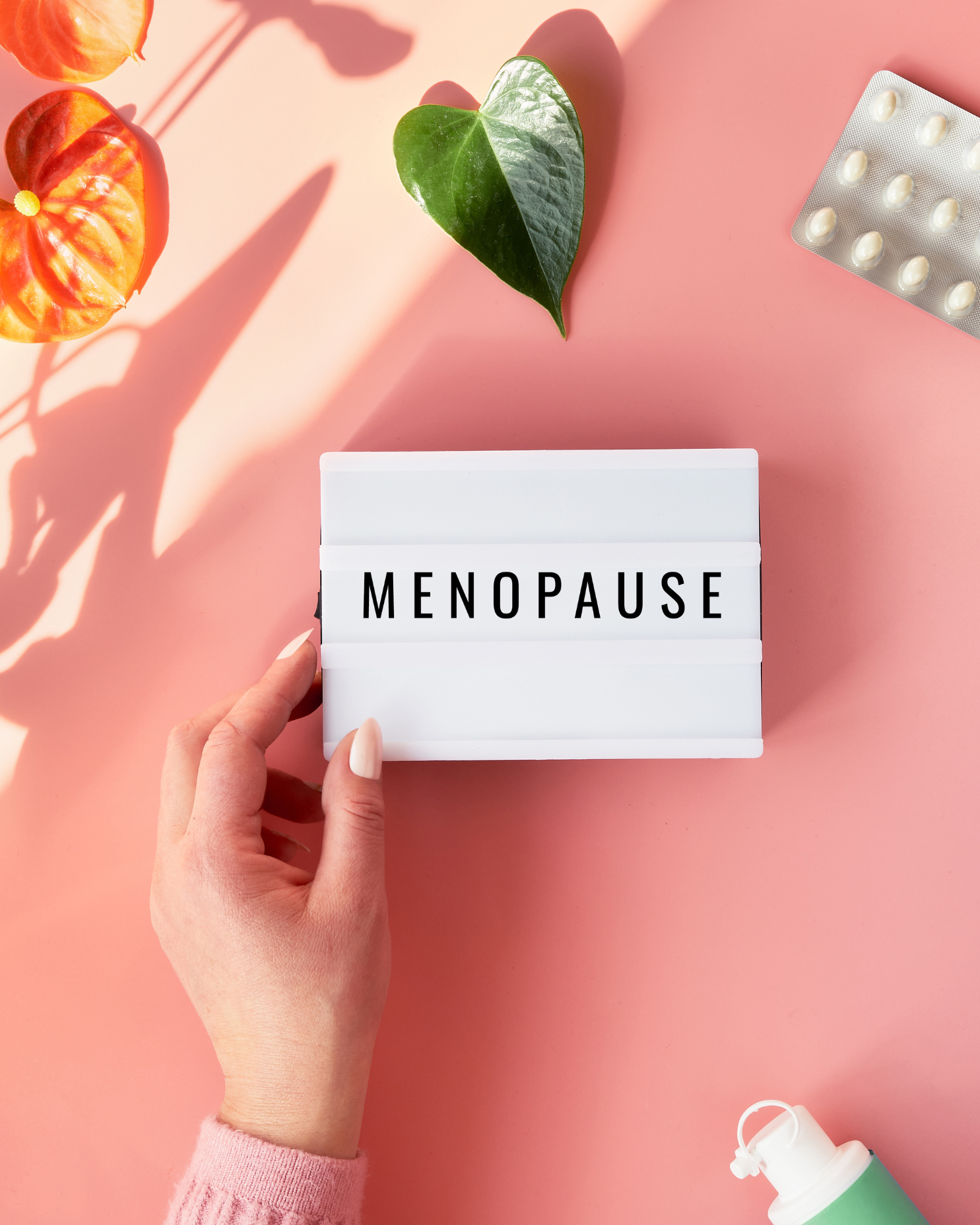
An NHS GP and Aesthetic Doctor Explains Why Your Face and Skin Can Change During Perimenopause and Menopause
One of the most difficult things women say to me during consultations is:
“I feel as though menopause has suddenly made me look old.”
They may feel well in themselves. They may be exercising, eating healthily and becoming more confident in many areas of their lives.
Yet the face looking back at them seems unfamiliar.
Their skin appears thinner and drier. Fine lines are more obvious. Their cheeks look flatter, the jawline feels softer and the lower face may seem heavier.
Their eyes appear tired even after a reasonable night’s sleep. Makeup no longer sits in the same way and products they have used for years suddenly feel irritating.
Some women describe looking at a photograph and feeling shocked by how quickly they seem to have changed.
As an NHS GP and aesthetic doctor with nearly 20 years of medical experience, I hear this regularly from women in their forties and fifties.
The first thing I want women to understand is that they are not imagining these changes.
The second is that menopause has not suddenly made them unattractive or erased who they are.
Facial ageing is complex. It reflects genetics, sun exposure, lifestyle, bone structure, facial fat, collagen, skin quality and the passage of time.
However, perimenopause and menopause can accelerate or reveal some of these changes because oestrogen has an important influence on the skin.
Ageing has not truly happened overnight.
But when several changes become visible at once, it can certainly feel that way.
Does Menopause Really Age Your Face?
The honest answer is that menopause can contribute to facial ageing, but it is not the sole cause.
Oestrogen supports collagen production, skin moisture, elasticity, thickness and repair.
As oestrogen fluctuates during perimenopause and declines after menopause, the skin may become drier, thinner, less elastic and less resilient.
At the same time, the deeper structures of the face continue to age.
Facial bones remodel gradually. Fat compartments change in volume and position. Ligaments become less supportive and muscle activity continues to influence expression lines.
Menopause does not create all of these processes, but declining oestrogen can make their effects more visible.
This is why many women do not simply notice another wrinkle.
They notice that the balance and character of their whole face has changed.

Why Does It Feel as Though You Have Aged Overnight?
This is one of the most common questions I hear.
In reality, biological ageing has usually been progressing quietly for many years.
However, during perimenopause, several changes may begin to overlap.
The skin retains less moisture.
Collagen support reduces.
Fine lines become more established.
Sleep may be disrupted by night sweats, anxiety or frequent waking.
Rosacea may become more noticeable.
Facial fat and bone continue to change.
Weight may increase, decrease or redistribute.
When these processes occur together, the overall effect can feel sudden.
A woman may compare photographs taken only two years apart and struggle to understand why her face looks so different.
Often, there is no single dramatic feature.
It is the combined impression of drier skin, flatter cheeks, darker shadows, reduced jawline definition and a more tired resting expression.
The Emotional Impact of Looking Older Than You Feel
Menopausal facial ageing is sometimes dismissed as vanity.
I do not think that is fair.
Our faces are closely connected to our identity. When the reflection in the mirror no longer seems to represent how we feel inside, that disconnect can be genuinely upsetting.
Many women tell me they are not trying to look 25.
They do not want to erase every line or become a different person.
They simply want to look healthier, less tired and more like themselves.
Some feel guilty for caring about their appearance when they have more important responsibilities.
Others worry they will be judged for considering aesthetic treatment.
In my opinion, there is nothing superficial about wanting to feel comfortable in your own face.
The important thing is that any treatment decision comes from an informed, healthy place rather than fear, pressure or unrealistic expectations.
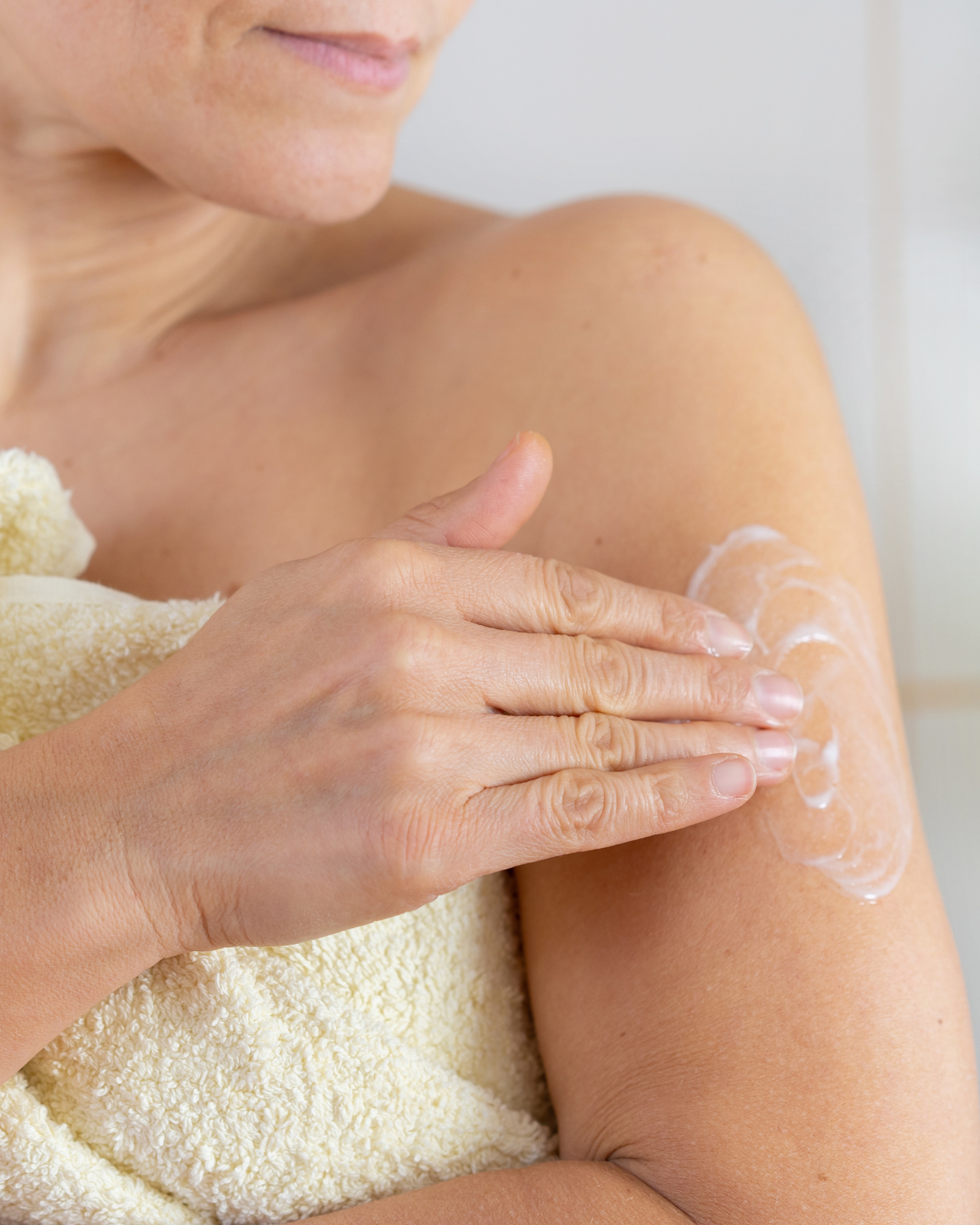
What Does Oestrogen Do for the Skin?
Oestrogen receptors are found throughout the skin.
Oestrogen influences fibroblasts, the cells responsible for producing collagen and other components of the supporting dermal matrix.
It also affects hydration, barrier function, wound healing, elasticity and skin thickness.
As levels decline, women may notice that the skin becomes less plump and less able to retain moisture.
The skin may recover more slowly from irritation and tolerate active ingredients less easily.
Fine lines can appear deeper because the skin is both less hydrated and less supported.
The complexion may look duller, while redness, pigmentation and visible blood vessels become more noticeable.
This is one reason a skincare routine that worked beautifully at 35 may no longer be appropriate at 48.
The skin has changed biologically.
The Menopausal Collagen Shift
Collagen is one of the main structural proteins responsible for the strength and firmness of the skin.
We begin losing collagen long before menopause, but declining oestrogen can accelerate or expose that process.
You may have heard the claim that women can lose around 30 percent of their skin collagen during the first five years following menopause.
This figure should not be treated as an exact prediction for every woman. The underlying research is older, and individual collagen loss is influenced by age, genetics, sun exposure, smoking, nutrition and general health.
However, the broader scientific evidence is consistent.
Menopause is associated with reduced skin collagen, thickness, moisture and elasticity.
In everyday terms, women may notice less bounce in the skin, increasing crepiness, more visible wrinkles and a loss of facial support.
The jawline becomes softer. The cheeks appear flatter and the neck may age more noticeably.
In my experience, collagen loss is one of the most important reasons women feel they suddenly look older, yet it is often poorly explained.
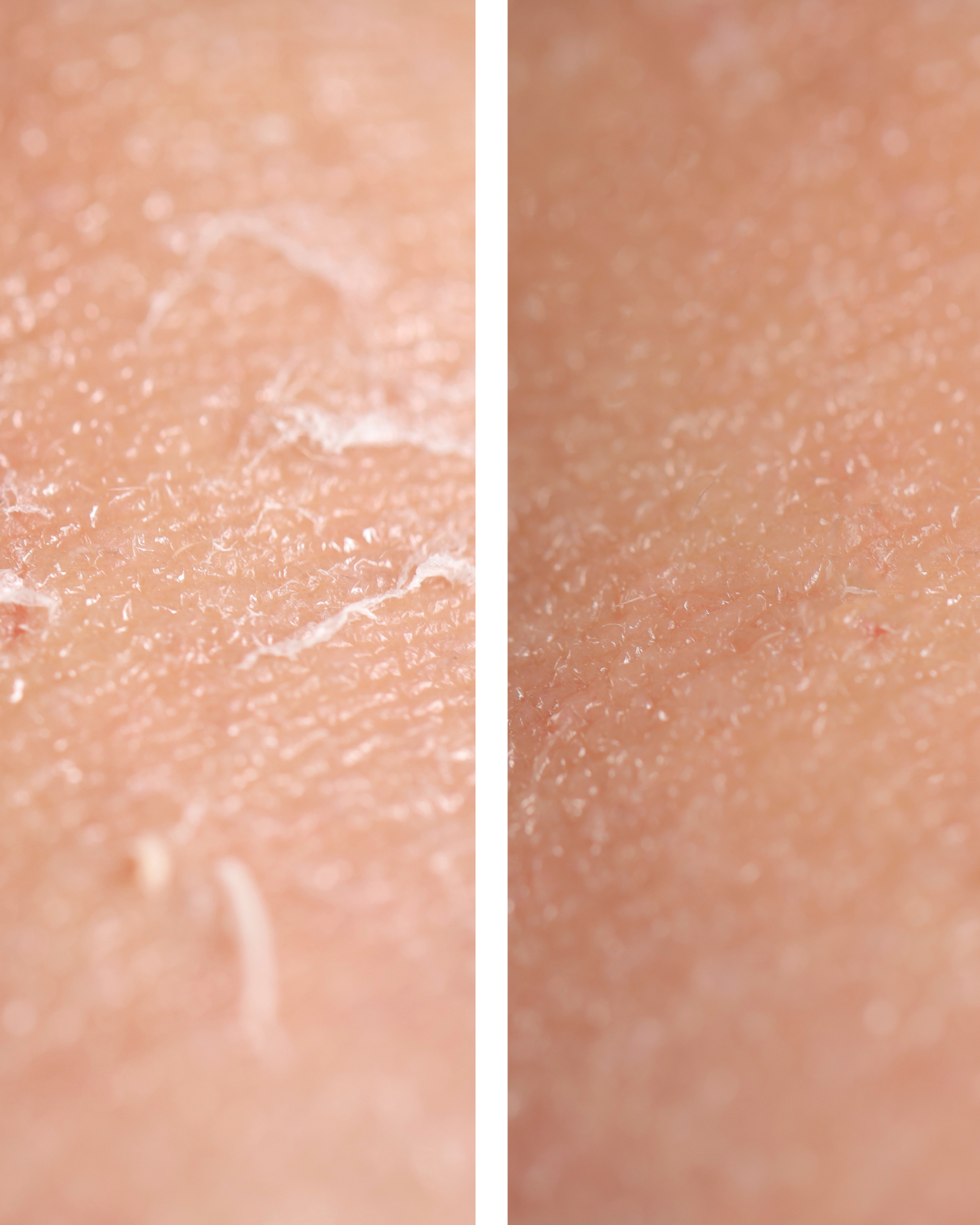
Why Your Skin May Look Thinner and More Wrinkled
Skin thickness naturally reduces with age.
Declining oestrogen can contribute to further thinning of the epidermis and dermis.
Thinner skin tends to show underlying blood vessels, pigmentation and shadows more easily. It may bruise more readily and become more vulnerable to environmental damage.
Fine lines around the eyes, mouth and cheeks may become increasingly visible.
Dryness can exaggerate them further.
This does not mean every newly visible line requires an injectable treatment.
Sometimes improving hydration, barrier function and sun protection makes the whole face appear healthier.
However, established wrinkles and deeper structural changes cannot be fully reversed by moisturiser alone.
Why Your Cheeks May Look Flatter
The middle third of the face is supported by bone, fat, ligaments, muscle and skin.
As we age, the bones gradually remodel and facial fat compartments change in volume and position.
Collagen loss and reduced ligament support make these changes more apparent.
The cheeks may appear flatter even if your body weight has not changed.
When cheek support reduces, neighbouring areas can also look different.
The under eye region may seem more hollow. The folds between the nose and mouth become more noticeable and the lower face can appear heavier.
This is why chasing one line with filler without considering the wider face can sometimes produce an unnatural result.
Good aesthetic assessment looks at the relationships between different areas rather than treating each line as an isolated defect.
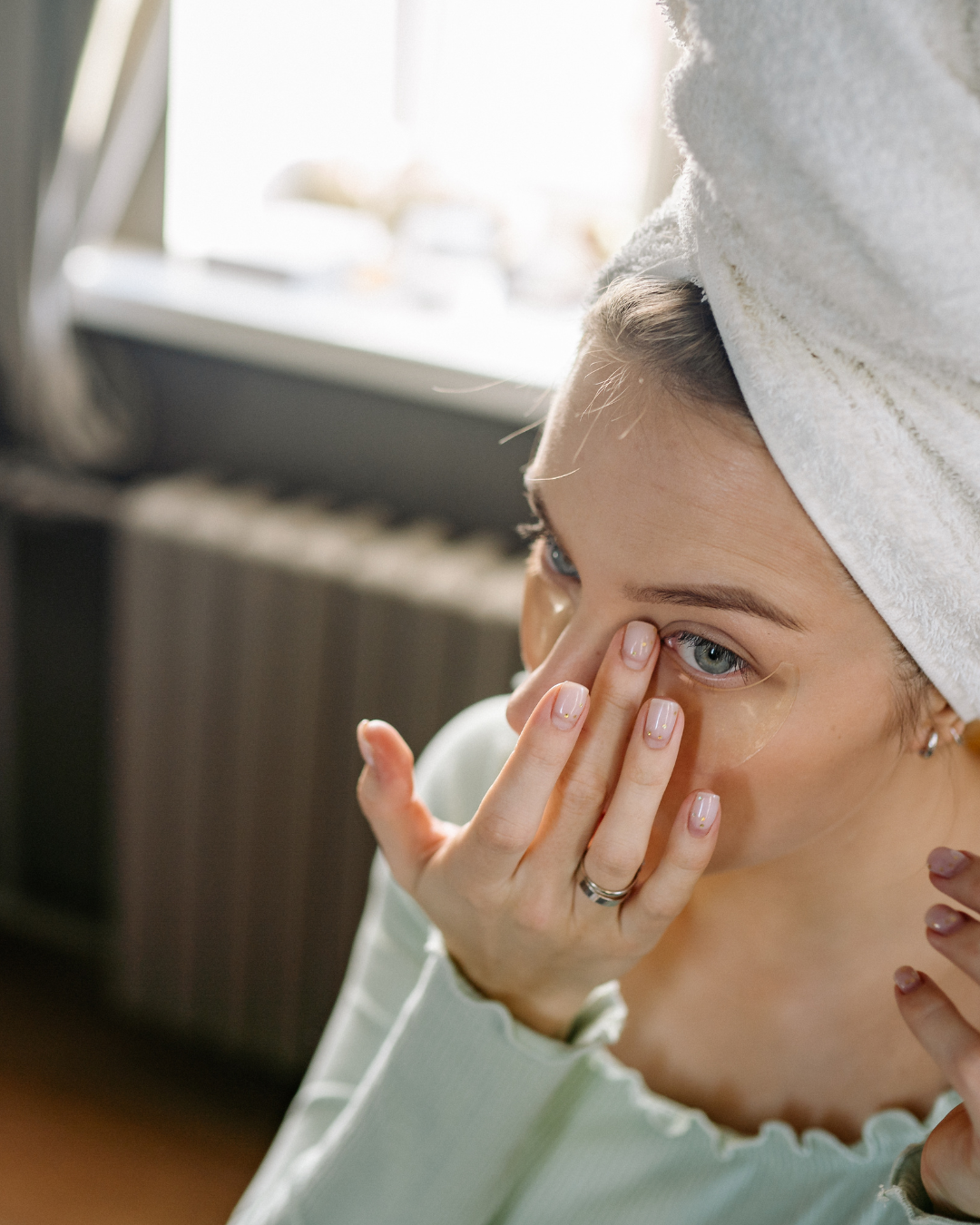
Why Your Eyes Can Look Permanently Tired
The skin around the eyes is naturally thin.
During menopause, reduced collagen and hydration can make it appear finer and more crepey.
Changes in cheek support may deepen the hollow beneath the eyes, while pigmentation and visible blood vessels contribute to dark shadows.
Sleep disruption can make everything worse.
However, some women continue to look tired even after their sleep improves.
This is because the appearance may be caused by anatomy and tissue quality rather than tiredness itself.
No single eye cream can correct thin skin, pigmentation, hollowing and fat prolapse simultaneously.
The appropriate treatment depends on what is actually creating the concern.
For some women, skincare or polynucleotides may help skin quality. For others, no injectable treatment is appropriate and a surgical opinion may be more honest.
Why Menopause Can Make Jowls More Noticeable
Jowls develop through a combination of skin laxity, collagen loss, ligament changes, shifting facial fat and altered bone support.
They are not caused by one muscle or one isolated pocket of tissue.
As the mid face becomes less supported and the lower face grows heavier, the jawline loses its smooth continuity.
Women often first notice this in profile photographs or in downward lighting.
A small shadow beside the chin becomes more obvious. The corners of the mouth may look heavier and the face can seem less defined.
Skincare can improve the quality of the skin overlying the jawline, but it cannot physically reposition significantly descended tissue.
Treatments such as Sculptra or Radiesse may improve support in suitable patients, while dermal filler can sometimes refine specific areas.
However, substantial laxity may only be fully addressed through surgery.
Being clear about those limitations is essential.
Why Your Neck May Suddenly Look Older
The neck often receives less skincare and sun protection than the face, despite being exposed to similar ultraviolet damage.
Its skin is relatively thin and contains fewer oil glands.
This makes dryness, crepiness and horizontal lines particularly noticeable when collagen and elasticity decline.
Muscle activity, fat distribution and structural support also affect the neck.
There is no single best treatment.
Some women mainly need SPF and prescription skincare. Others may benefit from microneedling, polynucleotides or hyperdilute Radiesse.
Where there is significant skin excess or muscle banding, surgery may be the only treatment capable of delivering a substantial correction.
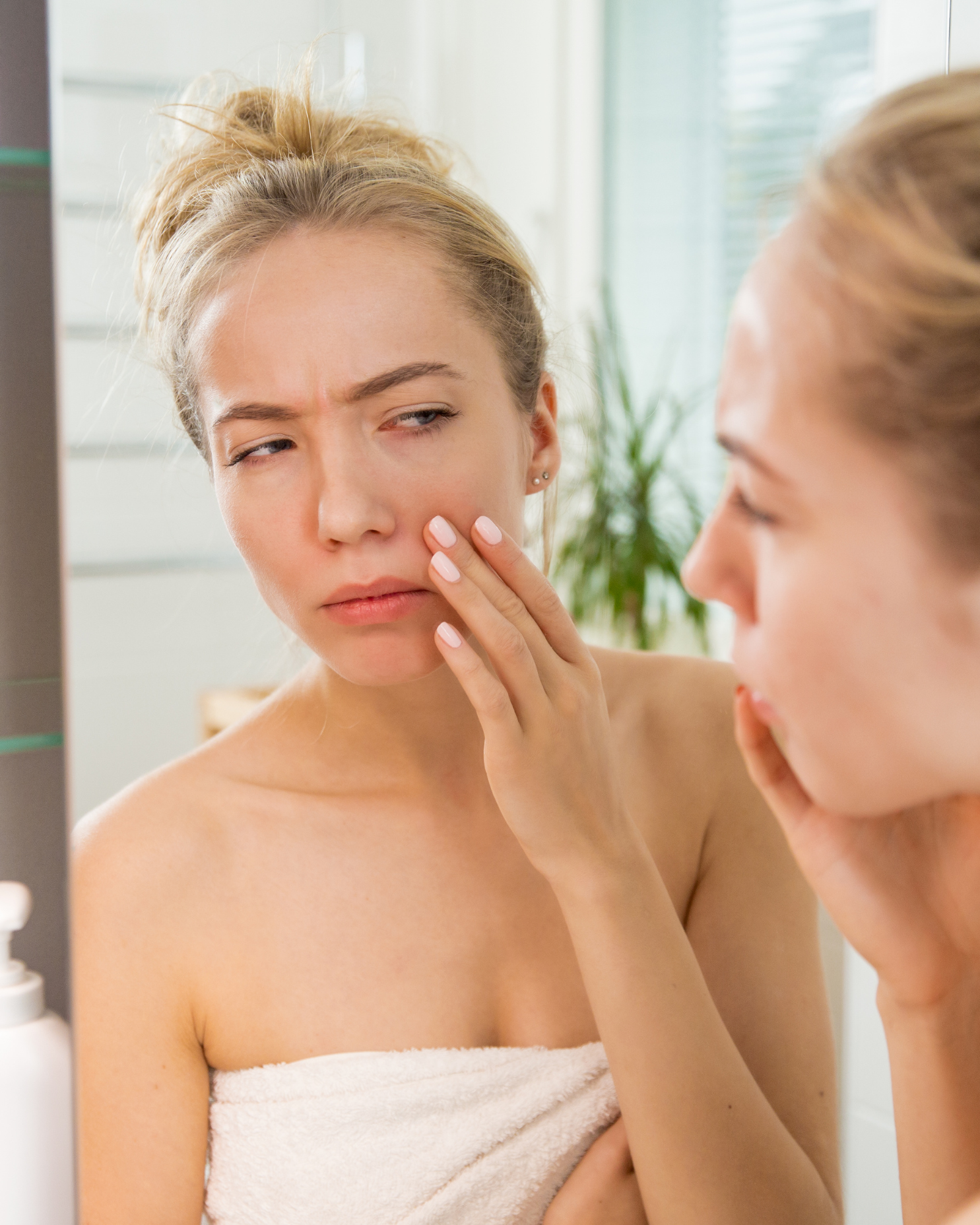
Can Menopause Change the Shape of Your Face?
Menopause does not instantly reshape the face, but facial shape can change during the same stage of life.
Age related bone remodelling, altered fat compartments, collagen loss and changing soft tissue support all influence facial contours.
Weight change can amplify this.
Some women gain weight during perimenopause and notice more fullness through the lower face.
Others lose weight and develop greater hollowing through the cheeks and temples.
Significant weight loss can be beneficial for metabolic health while making underlying facial ageing more visible.
This is sometimes called “Mounjaro face” or “Ozempic face”, although the medication itself is not directly ageing the face.
Fat loss reveals collagen depletion, laxity and reduced support that may previously have been less noticeable.
Menopause, Dryness and a Damaged Skin Barrier
Dry and itchy skin are recognised menopausal symptoms.
However, many women experience more than simple dryness.
Their skin becomes unpredictable.
Products that were previously comfortable start to sting. The face feels tight after cleansing and moisturiser seems to provide only temporary relief.
Declining oestrogen can affect the skin’s ability to retain moisture and maintain its protective barrier.
Unfortunately, this often happens at the same time that women begin using stronger acids, retinoids and home peels in an attempt to reverse visible ageing.
The combination can produce burning, redness and persistent inflammation.
Chronically irritated skin often looks older rather than younger.

My Opinion as an NHS GP and Aesthetic Doctor
I believe women are too often encouraged to treat menopause as a cosmetic emergency.
They are told that their face is “dropping”, their collagen is disappearing and they need immediate intervention.
That type of language creates fear.
Ageing is not a medical failure and menopause is not a disease that needs to be erased from the face.
At the same time, I do not think women should be dismissed when facial changes genuinely affect their confidence.
The answer lies in honest, proportionate advice.
When a patient attends my clinic, I do not begin by listing everything I could treat.
I ask what she has noticed and how it makes her feel.
I assess whether the main concern is skin quality, inflammation, pigmentation, collagen loss, muscle movement, structural ageing or a combination of several factors.
Sometimes the best recommendation is a simpler skincare routine.
Sometimes we need to treat rosacea before doing anything else.
Sometimes a regenerative treatment can create a meaningful improvement.
And sometimes the requested result cannot realistically be achieved without surgery.
A medically led consultation should give women clarity, not more insecurities.
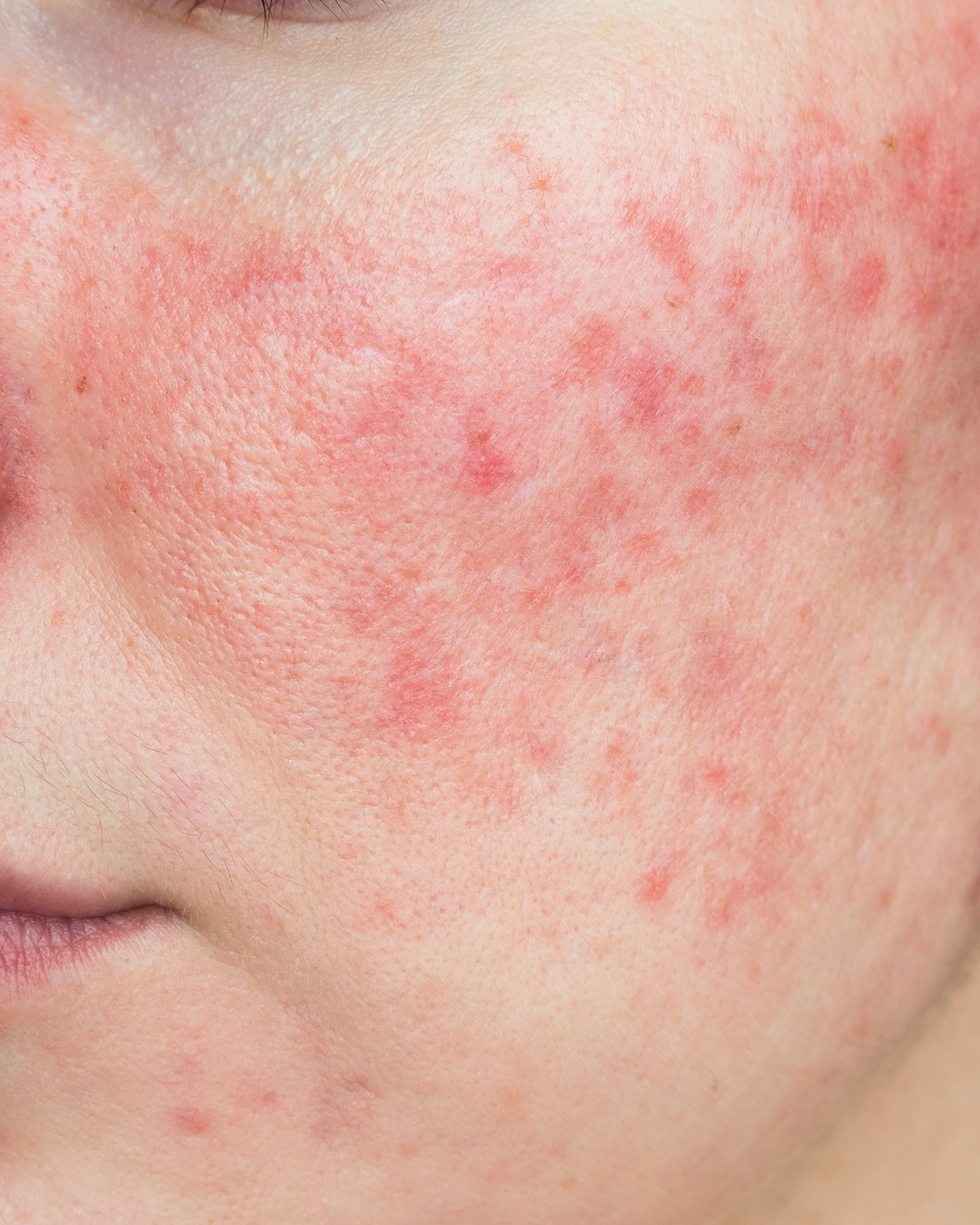
Menopause, Rosacea and Facial Redness
Many women notice more flushing and redness during perimenopause.
Some develop rosacea for the first time, while others find an existing condition becomes more difficult to control.
Hormonal fluctuations, hot flushes, increased sensitivity, stress and disrupted sleep may all contribute.
Rosacea can cause persistent redness, burning, visible vessels and inflammatory bumps that resemble adult acne.
At Dr Caroline Warden Skin & Aesthetic Clinic in Hale, I regularly meet women requesting anti ageing treatment when the immediate priority is actually calming inflammation.
Treating rosacea and rebuilding the skin barrier can make the complexion look healthier before an injectable treatment is even considered.
Menopause, Adult Acne and Enlarged Pores
One of the more frustrating aspects of perimenopausal skin is the combination of wrinkles, dryness and acne.
As oestrogen declines, androgen hormones may have a relatively greater influence, contributing to chin and jawline breakouts.
Changes in elasticity and collagen can also make pores look more visible.
Women often respond with drying acne products and aggressive exfoliation.
This may reduce oil temporarily while making sensitivity and barrier damage worse.
A balanced plan can address acne without stripping the skin.
Depending on the individual, that might include gentle cleansing, azelaic acid, carefully prescribed treatment, suitable moisturisation and gradual use of tretinoin.
Does Menopause Affect How Makeup Looks?
Yes.
Foundation may begin settling into lines, clinging to dry patches or appearing heavier than it used to.
This can make women feel that they suddenly need more coverage when the real issue is changing texture and hydration.
Improving skin barrier health often helps makeup sit more smoothly.
Many patients tell me that one of the most satisfying results of treatment is not that they look younger.
It is that they feel comfortable wearing less makeup again.

Can HRT Stop You Looking Older?
Hormone replacement therapy may support certain aspects of skin health in appropriately selected women.
Research suggests menopausal hormone therapy may improve collagen content, skin thickness, elasticity and hydration, although study quality varies and more high quality evidence is needed.
HRT should not be started solely as an anti ageing treatment.
The decision should be based on a woman’s wider menopausal symptoms, health, individual risks and personal preferences following an appropriate medical assessment.
Some women taking suitable HRT notice that their skin feels more comfortable, hydrated and resilient.
That can be a welcome additional benefit.
However, HRT cannot restore all lost facial volume, erase established sun damage, remove significant jowls or replace a thoughtful skincare routine.
It may help create a better biological environment for the skin.
It is not a facelift in a patch, gel or tablet.
What Can Genuinely Help Menopausal Facial Ageing?
There is no single best treatment for menopausal facial ageing because different changes occur at different levels of the face.
Skincare works mainly on the surface and within the skin.
Microneedling stimulates repair and collagen remodelling.
Polynucleotides focus on hydration and tissue quality.
Botulinum toxin reduces selected patterns of muscle movement.
Sculptra and Radiesse stimulate collagen at deeper levels.
Dermal fillers replace volume or provide targeted support.
Surgery repositions descended tissues and removes excess skin.
These treatments are not interchangeable.
The most natural results come from identifying which layer has changed and selecting the least invasive treatment capable of addressing it.
Begin With Healthy Skin
Before considering injectable or regenerative treatment, I want the skin itself to be functioning well.
If the face is burning, peeling, inflamed or covered in active rosacea, that needs attention first.
A sensible foundation usually includes gentle cleansing, appropriate moisturisation and daily broad spectrum SPF.
Strong exfoliating acids, scrubs and home peels may need to be reduced while the skin barrier recovers.
The value of this stage should not be underestimated.
Calm, hydrated skin reflects light more evenly and can make the whole face look healthier.
It also allows evidence based active ingredients to be introduced more successfully.

Daily SPF Remains Essential
Ultraviolet exposure is one of the most significant external drivers of premature skin ageing.
It contributes to collagen breakdown, pigmentation, rough texture and uneven tone.
Daily broad spectrum SPF helps protect the collagen you still have and limits further visible sun damage.
This may sound less exciting than an injectable treatment, but it is one of the most important steps in any healthy ageing plan.
There is little value in investing in collagen stimulation while continuing to expose the skin to avoidable ultraviolet damage.
Prescription Tretinoin
If I could choose one topical ingredient for long term healthy ageing, it would be prescription tretinoin.
Tretinoin has decades of evidence supporting its use in photoageing. It can improve fine lines, uneven pigmentation, texture and collagen over time.
However, menopausal skin often needs a slow and careful introduction.
Your face does not need to peel aggressively for tretinoin to work.
Persistent redness and burning are not signs that treatment is more effective.
A small amount used consistently several times a week may be far more valuable than forcing nightly use, damaging the barrier and giving up after one month.
Tretinoin cannot restore lost bone or fat and will not lift significant jowls.
Its strength lies in improving the quality and behaviour of the skin over time.

Vitamin C and Evidence Based Skincare
A well formulated vitamin C product can support antioxidant protection and improve the appearance of uneven tone.
Other ingredients may be selected to address acne, pigmentation, redness or barrier function.
Medical grade skincare should not mean simply buying the most expensive range.
Its value lies in using appropriate evidence based formulations in a routine designed for the individual.
As Obagi Ambassadors, Louise and I are passionate about helping patients use active skincare intelligently.
The goal is not to own twelve products.
It is to use the right products, in the right order, at a frequency the skin can tolerate consistently.
Microneedling With Exosomes
Microneedling creates controlled micro injuries within the skin, stimulating repair and collagen remodelling.
It may help improve texture, fine lines, enlarged pores and acne scarring.
Exosome products are increasingly used alongside microneedling to support recovery and regenerative signalling.
The evidence base for aesthetic exosomes remains developing, so products should be selected carefully and claims should remain realistic.
For suitable patients, a course of microneedling with exosomes can improve skin quality without adding volume or altering facial features.
It is not the correct first treatment for actively inflamed or severely compromised skin.
Polynucleotides
Polynucleotides are injectable regenerative treatments used to support hydration, tissue repair and skin quality.
They are often selected for fine, crepey skin, particularly around the eyes, or for patients who want subtle improvement without obvious volume.
They should not be described as a replacement for filler, collagen stimulators or surgery.
Their value lies in improving the condition and resilience of the tissue.
For women whose main concerns are dehydration and fine textural change rather than substantial laxity, they may form part of a measured treatment plan.
Sculptra for Menopausal Facial Ageing
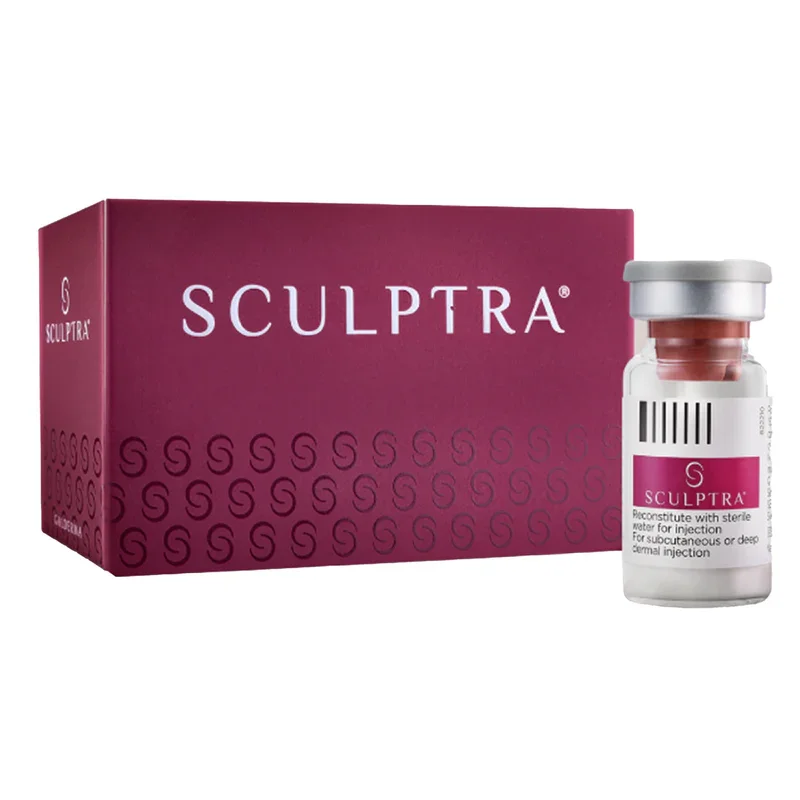
Sculptra is a poly L lactic acid collagen stimulating injectable.
Unlike traditional hyaluronic acid filler, it does not aim to create an immediate final shape.
It stimulates the body’s own collagen production over the months following treatment.
Sculptra may be particularly useful for women who feel their face has become flatter, depleted or less supported.
Results develop gradually and can therefore look extremely natural.
The aim is not to produce exaggerated cheeks or an obviously treated face.
It is to rebuild some of the collagen support that has declined with age.
Sculptra is not suitable for everyone and cannot reproduce a surgical facelift.
However, for carefully selected patients who prefer gradual regenerative improvement, it can be an elegant option.
Radiesse for Support and Skin Firmness
Radiesse is a calcium hydroxylapatite injectable that combines some immediate structural support with longer term collagen stimulation.
It may be useful around the jawline, chin and lower face where definition and support are required.
When hyperdiluted, Radiesse can be used with a greater focus on skin firmness and tissue quality rather than volume.
Sculptra and Radiesse are both collagen stimulators, but they behave differently.
Sculptra is often selected for gradual, more global collagen restoration.
Radiesse may be preferred when more immediate contour or targeted structural support is desired.
The choice should be based on anatomy and goals rather than which treatment is most fashionable.
What About Dermal Fillers?
Dermal fillers remain extremely useful when used conservatively and for the correct indication.
They can replace focal volume loss, support specific facial areas and improve balance.
The problem occurs when filler is used as the answer to every feature of ageing.
Repeatedly adding volume to a face with laxity or poor skin quality can create heaviness and distortion.
I prefer to use filler sparingly and strategically.
Sometimes a small amount placed in the correct anatomical area achieves more than several syringes used to chase individual lines.
For many menopausal patients, improving skin quality and collagen support first creates a more natural foundation.

Can Botox Make You Look Less Tired?
Botulinum toxin can soften expression lines caused by muscle movement, including forehead lines, frown lines and crow’s feet.
It can make the upper face appear more rested and prevent some dynamic lines from becoming more deeply established.
However, it does not improve dry skin, restore facial volume or lift significant laxity.
Natural Botox should preserve expression.
The aim is not to freeze every muscle or remove all evidence of age.
It is to soften selected patterns of movement while respecting the balance and character of the face.
Can Aesthetic Treatment Replace a Facelift?
No.
A facelift physically repositions tissues and removes excess skin.
No injectable, skincare product or device can fully reproduce that result.
Sculptra, Radiesse, dermal filler and skin treatments can improve support, texture or contour in suitable patients, but they should not be promoted as equivalent to surgery.
That does not mean nonsurgical treatment lacks value.
Many women do not want or need a facelift.
They want a subtle improvement, limited downtime and a result that helps them look healthier without changing their identity.
The key is understanding what each option can realistically achieve.
The Best Treatment Is Not Always the Most Treatment
When women feel they have suddenly aged, it is understandable that they want to correct everything immediately.
They may arrive requesting Botox, filler, Sculptra, a peel and a completely new skincare routine.
I rarely think doing everything at once is the best strategy.
We first need to identify what is genuinely contributing to the concern.
Is the skin inflamed?
Is rosacea present?
Is pigmentation making the complexion look older?
Is the main issue collagen loss, muscle activity or tissue descent?
Is the current skincare routine helping or causing further irritation?
A staged plan allows us to prioritise.
We may begin with barrier repair and control of redness.
Next, we establish a realistic skincare routine.
Only then do we consider whether a procedure is likely to add meaningful value.
This approach is usually safer and far more likely to produce a believable result.
Case Study: “I Did Not Want to Look Younger, I Wanted to Look Like Me”
Amanda, Age 51, Manchester
Amanda attended Dr Caroline Warden Skin & Aesthetic Clinic in Hale because she felt that menopause had made her look significantly older over the previous three years.
She had always looked after her skin and maintained a healthy lifestyle.
However, she noticed increasing dryness, flatter cheeks, a softer jawline and lines around her eyes and mouth.
Her greatest concern was that she looked permanently exhausted.
She told me:
“I do not want to look younger than I am. I just want to look like me again.”
Amanda had attended another clinic where a substantial volume of dermal filler had been proposed.
She was worried that this would make her look puffy or alter the natural shape of her face.
During our consultation, we examined the face as a whole rather than treating each line separately.
Her skin barrier was compromised by excessive exfoliation. She had mild rosacea, cumulative sun damage and a degree of global collagen loss.
There was some volume loss, but filling every hollow would not have addressed the whole picture.
The first stage was deliberately conservative.
We simplified her skincare, introduced daily SPF consistently and focused on calming the redness.
Once the barrier was more stable, prescription tretinoin was introduced gradually.
Amanda then completed a course of microneedling with exosomes to support texture and overall skin quality.
After allowing time for the skin to improve, we discussed the remaining concern: reduced facial support.
A course of Sculptra was chosen to stimulate collagen gradually rather than immediately filling multiple areas.
The improvement developed over several months.
Her complexion appeared calmer and more even. Her cheeks looked better supported and the transition into the lower face became softer.
She still had natural lines, expression and features that were entirely her own.
Her colleagues did not ask whether she had undergone aesthetic treatment.
They commented that she looked rested and well.
For Amanda, that was the outcome she had wanted.
This case represents my preferred approach to menopausal facial ageing.
We did not try to remove every sign of age.
We identified the changes that genuinely bothered her and addressed them gradually, without overwhelming the face.
Does Looking Older Mean You Need Treatment?
Absolutely not.
Ageing is not a condition that requires correction.
Some women understand why their skin and face have changed and feel reassured without wanting any treatment.
Others decide that a better skincare routine is enough.
Some choose one carefully selected procedure, while others prefer a longer term regenerative plan.
The right decision is personal.
A good consultation should increase understanding and confidence, even if the patient decides not to proceed.
Can You Slow the Visible Effects of Menopause?
You cannot stop ageing, but you can influence some of the factors that affect how the skin ages.
Daily sun protection helps reduce further collagen breakdown and pigmentation.
Avoiding smoking protects both skin and general health.
Exercise, balanced nutrition, adequate protein and good sleep support wellbeing.
Evidence based skincare can improve skin quality and carefully selected treatments may address collagen loss, expression or structural change.
The most effective strategy is rarely one dramatic procedure.
It is usually the cumulative effect of sensible daily habits and occasional treatment chosen for the right reason.

Frequently Asked Questions
Does menopause make you look older?
Menopause can contribute to visible ageing because declining oestrogen affects collagen, hydration, elasticity and skin thickness. It is not the only cause, as genetics, sun exposure, weight change and normal ageing also matter.
Why do I suddenly look older during perimenopause?
Several changes may become noticeable together, including dryness, collagen loss, altered facial support, disrupted sleep and increased inflammation. This can make ageing feel sudden.
Can menopause change your face shape?
Menopause does not instantly reshape the face, but hormone related skin changes occur alongside changes in bone, fat and ligaments that can alter facial contours over time.
Why have my cheeks become flat?
Age related changes in facial fat, collagen, bone and ligament support can reduce cheek projection. Weight loss may make this more noticeable.
Why does my face look tired all the time?
Thinner skin, under eye hollowing, pigmentation, dehydration, reduced cheek support and poor sleep can all contribute.
Does menopause cause jowls?
Menopause may make jowls more noticeable through declining collagen and elasticity, but jowls also involve facial fat, ligaments and bone structure.
Does menopause make your jawline disappear?
The jawline may become softer because of skin laxity, changes in facial fat, reduced support and bone remodelling.
Can HRT make you look younger?
Some women notice improvements in hydration, comfort and skin quality. HRT will not fully reverse facial ageing and should not be prescribed solely for cosmetic reasons.
Can HRT prevent wrinkles?
HRT may support collagen and skin thickness in some women, but it cannot prevent all wrinkles or reverse cumulative sun damage.
Will HRT lift my face?
No. HRT does not physically reposition descended facial tissues.
Why has my skin become dry and sensitive?
Declining oestrogen can affect moisture retention and barrier function. Overuse of active skincare, rosacea and eczema can contribute.
Why has my makeup stopped looking good?
Dryness, rough texture and reduced elasticity can cause makeup to settle into lines or cling to dehydrated areas.
Can menopause cause adult acne?
Yes. Hormonal fluctuations can contribute to adult acne, particularly around the chin and jawline.
Can menopause worsen rosacea?
Yes. Some women experience increased flushing, redness and sensitivity during perimenopause and menopause.
Is tretinoin good for menopausal skin?
Tretinoin can improve photoageing, texture, pigmentation and collagen in suitable patients. It should be introduced gradually where the skin is sensitive.
What is the best skincare for menopausal skin?
A gentle cleanser, suitable moisturiser and daily broad spectrum SPF provide the foundation. Additional active ingredients should be selected according to individual concerns.
What is the best treatment for menopause facial ageing?
There is no universal best treatment. Depending on the concern, options may include skincare, Botox, microneedling, polynucleotides, Sculptra, Radiesse, filler or surgery.
Is Sculptra good for menopause related ageing?
Sculptra may be suitable for women with collagen loss, flatter cheeks and reduced facial support who want gradual, natural looking improvement.
Is Radiesse suitable for menopausal skin?
Radiesse may provide targeted support and collagen stimulation. Hyperdilute Radiesse can focus more on skin firmness and tissue quality.
Do polynucleotides help menopausal skin?
Polynucleotides may improve hydration, fine crepey texture and tissue quality, but they do not replace substantial volume or lift significant laxity.
Does microneedling work for menopausal skin?
Microneedling may improve texture, fine lines and collagen remodelling. A course of treatments is usually recommended.
Can Botox make me look less tired?
Botox can soften frown lines, forehead lines and crow’s feet, but it does not correct dryness, hollowing or significant skin laxity.
Will filler make me look puffy?
Conservative, anatomically appropriate filler should not automatically look puffy. Heaviness is more likely when excessive product is used or filler is used to treat unsuitable concerns.
Can I combine different treatments?
Yes. Different treatments address different aspects of facial ageing and may be combined within a staged plan when clinically appropriate.
Can skincare alone lift jowls?
No. Skincare can improve the skin overlying the jawline but cannot physically reposition significantly descended tissue.
When should I consider surgery?
Surgery may be appropriate when significant tissue descent or skin excess is present and the desired degree of lifting cannot realistically be achieved nonsurgically.
Do I need aesthetic treatment because I am menopausal?
No. Treatment is entirely optional. Understanding the changes may be enough, and many women choose skincare or no intervention.
Where can I get advice about menopause facial ageing in Hale or Altrincham?
Dr Caroline Warden offers personalised skin and aesthetic consultations at her female led, family run clinic in Hale, Cheshire, close to Altrincham.
Do you see patients from outside Cheshire?
Yes. The clinic welcomes patients from Manchester and across the UK. Injectable treatment and prescription skincare require appropriate assessment and may require an in person consultation.
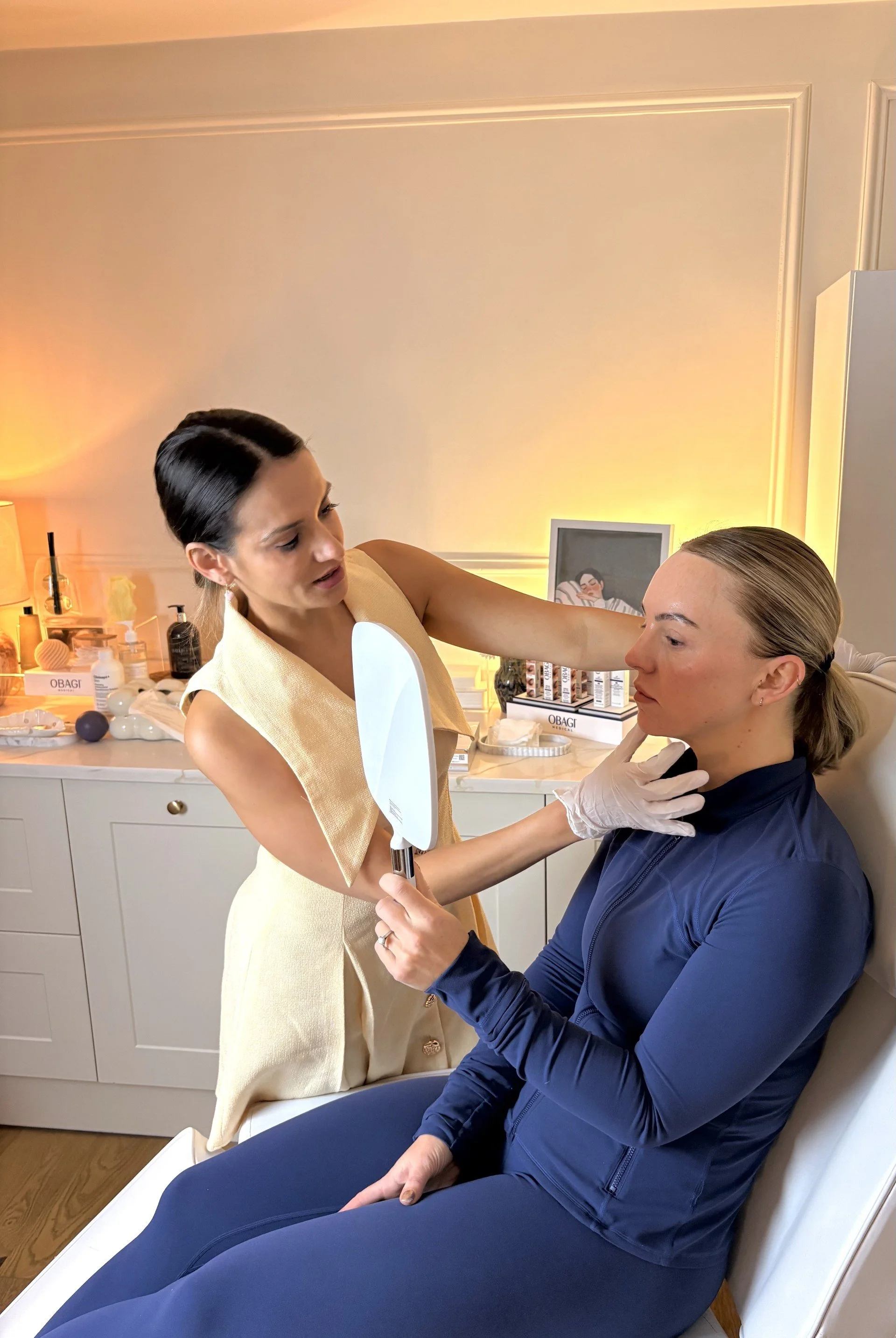
Why Choose Dr Caroline Warden?
Menopausal facial ageing sits at the intersection of women’s health, skin health, anatomy and aesthetic medicine.
Medical context matters.
As an NHS GP and aesthetic doctor with nearly 20 years of medical experience, I consider far more than lines and wrinkles.
Hormonal symptoms, medication, weight change, sleep, stress, rosacea, skincare and general health may all be relevant.
My role is not to sell every woman a standard menopause treatment package.
It is to understand what has changed, explain the options honestly and recommend only what is likely to add genuine value.
Sometimes that means skincare alone.
Sometimes the priority is treating rosacea or barrier damage.
Sometimes a regenerative treatment can produce a meaningful improvement.
And sometimes the most honest advice is that surgery would be required to achieve the requested result.
Alongside my sister Louise Devereux, Creative Director and Patient Coordinator, I have created a discreet, female led, family run clinic focused on honest advice, continuity of care and natural results.

Book a Consultation
If menopause has changed how you feel about your face or skin, you do not have to navigate those changes through trial and error.
At Dr Caroline Warden Skin & Aesthetic Clinic in Hale, Cheshire, every consultation begins with listening.
We assess your skin health, facial anatomy, collagen loss, muscle movement, current skincare and treatment goals before discussing whether treatment is appropriate.
Your personalised plan may involve barrier repair, medical grade skincare, prescription tretinoin, rosacea management, Botox, microneedling with exosomes, polynucleotides, Sculptra, Radiesse or carefully placed dermal filler.
There is no expectation to proceed on the day and you will never be pressured into treatment.
The aim is not to make you look twenty years younger.
It is to help you look healthier, more rested and more like yourself.
Patients visit our Hale clinic from Altrincham, Bowdon, Wilmslow, Knutsford, Sale, Alderley Edge, Stockport, Manchester and across the UK.

References and Further Reading
Scientific and Medical References
NHS: Menopause and Perimenopause
NHS: Symptoms of Menopause and Perimenopause
NHS: Treatment for Menopause and Perimenopause
NHS: Things You Can Do to Help Menopause and Perimenopause
British Menopause Society: Recommendations on HRT in Menopausal Women
American Academy of Dermatology: Caring for Your Skin During Menopause
Managing Menopausal Skin Changes: A Narrative Review
Skin Ageing and Menopause: Implications for Treatment
The Effects of Oestrogen, Menopause and Hormone Replacement Therapy on the Skin
Revisiting the Effects of Menopause on the Skin
Skin Rejuvenation in Women Using Menopausal Hormone Therapy
Menopause and the Skin: Cosmeceuticals and New Innovations
Further Reading From Dr Caroline Warden
Menopause and Facial Ageing Explained
Why Some Women Feel They Have Aged Overnight
Why Does Skin Change During Perimenopause?
Why Has My Skin Lost Its Glow During Menopause?
Why Is My Face Suddenly Dry at 45?
Rosacea or Sensitive Skin? How to Tell the Difference
Sculptra in Hale, Altrincham and Cheshire
Polynucleotides in Hale, Altrincham and Cheshire
SEO Title
Does Menopause Make You Look Older? An NHS GP Explains
Meta Description
Does menopause make you look older? NHS GP and aesthetic doctor Dr Caroline Warden explains collagen loss, dry skin, jowls, facial volume changes and what can genuinely help.
URL Slug
/does-menopause-make-you-look-older
Blog Excerpt
Many women feel that their face changes rapidly during perimenopause and menopause. NHS GP and aesthetic doctor Dr Caroline Warden explains how declining oestrogen can affect collagen, skin hydration, facial support, jowls, redness and the eye area, and explores the evidence based skincare and aesthetic treatments that may help.
Primary Category
Menopause
Secondary Category
Healthy Ageing
Suggested Tags
Menopause and Ageing, Does Menopause Make You Look Older, Menopause Facial Ageing, Perimenopause Face Changes, Menopause Skin, Collagen Loss Menopause, Menopause Jowls, Menopause Jawline, Facial Ageing After 40, Menopause Aesthetic Treatments, Tretinoin Menopause, Sculptra Menopause, Radiesse Menopause, Polynucleotides Menopause, Menopause Hale, Menopause Cheshire, Dr Caroline Warden.
Replace each temporary /journal link with the article’s exact published URL. Add links from every related menopause article back to this page, as this should become one of the main pillar pages in your menopause skin cluster.
