How to Prepare for Anti-Wrinkle Injections: A Doctor's Pre-Treatment Guide
Last updated: August 2026
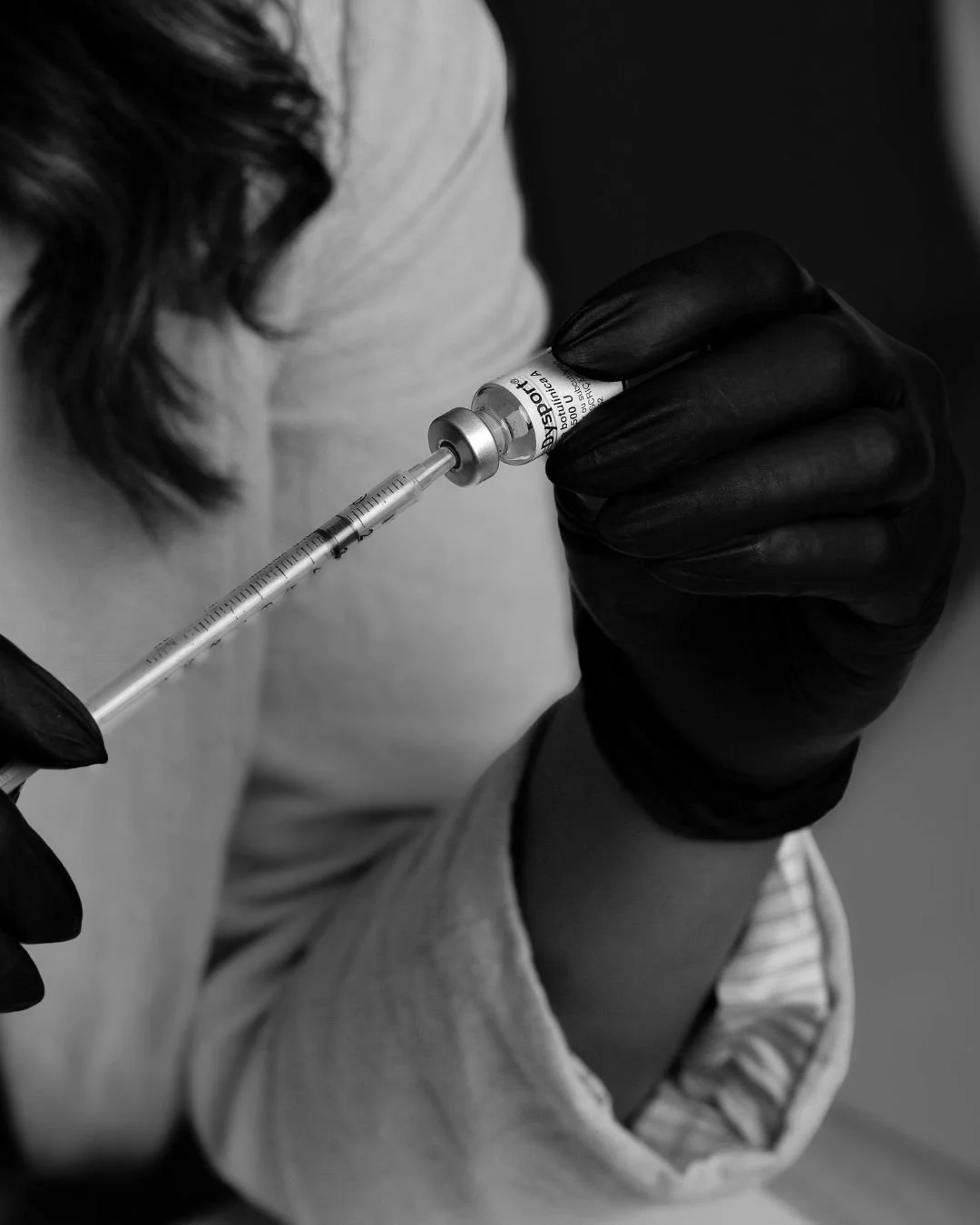
Almost everything written about anti-wrinkle injections concerns what happens afterwards. Very little covers the fortnight beforehand, which is odd, because that is where most of what determines your experience is actually decided.
Whether you bruise. Whether the treatment is appropriate for you at all. Whether you are pleased at two weeks or wishing you had said something at the consultation. Whether you have a visible mark in your sister's wedding photographs.
This guide covers the preparation side properly: what genuinely reduces bruising and how long beforehand, what your prescriber needs to know, who should not have treatment, how far ahead of an event to book, and what should happen on the day.
Aftercare has its own article, because most of the aftercare advice people are handed has never been tested and that deserved a piece of its own. It is linked at the end.
An important note on the law. Botulinum toxin products are prescription-only medicines in the UK. That means a qualified prescriber must assess you in person before treatment. A prescriber who has never met you cannot lawfully prescribe for you, and remote prescribing for these treatments is not acceptable practice. If nobody has taken a medical history from you, something is wrong.
Key Takeaways
| Question | Short answer |
|---|---|
| How far ahead of an event should I book? | Two to three weeks minimum. Bruising can happen with perfect technique, and results take two weeks to settle |
| What actually reduces bruising? | Stopping non-essential aspirin a week before, NSAIDs five days, and vitamin E, ginkgo and garlic supplements two weeks before |
| Should I stop my prescribed medication? | No. Never, without the advice of the doctor who prescribed it. This is the single most important line on this page |
| Does arnica work? | Popular, low risk, and not well supported by evidence |
| Can I have treatment if I am pregnant? | No. It is avoided in pregnancy and breastfeeding |
| What should the consultation cover? | Full medical history, medication, how your face actually moves, and what you are hoping for in your own words |
| When should I judge the result? | Two weeks. Not before |
In This Article
- Why preparation matters more than aftercare
- What a proper consultation should involve
- What to tell your prescriber, and why it matters
- Reducing bruising: what the evidence supports, with timings
- The medication warning that matters most
- What does not reduce bruising
- How far ahead of an event to book
- Who should avoid treatment, or needs extra care
- What happens on the day
- The timeline of results
- What is normal, and what is not
- When to seek urgent help
Why Preparation Matters More Than Aftercare
This runs against most of what you will read, so here is the reasoning.
The evidence base for aftercare instructions is remarkably thin. Very few of the rules people are handed after treatment have ever been tested in a trial, and a large study of patients given almost no restrictions at all found no increase in complications.
Preparation is different, because it affects things that are genuinely within your control:
| What preparation affects | How much you influence it |
|---|---|
| Whether the treatment is appropriate for you at all | Entirely, by giving an accurate history |
| Whether your prescriber knows about a relevant condition or medication | Entirely. They only know what you tell them |
| Your bruising risk | Substantially, with a fortnight's notice |
| Whether you have a mark on the day of an event | Entirely, through timing |
| Whether you get the result you actually wanted | Largely, by describing it properly at consultation |
What a Proper Consultation Should Involve
Not a two-minute chat before the needle. A consultation is a clinical assessment, and it is the part of the appointment that most determines your outcome.
The medical side
- Full medical history, including any neurological or neuromuscular condition
- All medication, prescribed and over the counter, plus every supplement
- Allergies, and any previous reaction to any injectable treatment
- Pregnancy, trying to conceive, or breastfeeding
- Previous treatments: what, where, when, how you responded, and what you disliked
- Any history of a heavy brow or drooping lid, from treatment or otherwise
- Recent illness or infection, and any active skin infection or cold sore at the site
The assessment side
- Watching your face move. At rest, raising your brows, frowning, smiling. Muscle strength and pattern vary enormously and cannot be assessed from a still face
- Noting your existing asymmetry. Everyone has some. Documenting it beforehand is what stops it being blamed on treatment afterwards
- Assessing your brow position, which determines how conservatively the forehead should be treated
- Photographs, ideally, so that at two weeks you are comparing against reality rather than memory
The conversation
The most useful question anyone can ask you is what "natural" means to you, because it means quite different things to different people. Some want lines softened with full movement kept. Others want movement substantially reduced. Both are reasonable. They require different doses, and the mismatch between them is behind a great many disappointed patients.
Say what is actually bothering you, in your own words. "I look angry in photographs" is far more useful to your injector than "I'd like my elevens done", because it tells them what you are trying to achieve rather than what you think you should ask for.

Reducing Bruising: What the Evidence Supports
Bruising is the most common side effect of any injection, and while it cannot be eliminated, the risk can genuinely be reduced. This is one area where there is published guidance with actual timings.
| What to stop | How far ahead | Only if medically appropriate |
|---|---|---|
| Aspirin taken for pain, not prescribed for your heart | 1 week | Yes. See the warning below |
| Anti-inflammatories such as ibuprofen | 5 days | Yes, if you are taking them for something that can wait |
| High-dose vitamin E | 2 weeks | Yes |
| Ginkgo biloba | 2 weeks | Yes |
| Garlic supplements | 2 weeks | Yes |
| Fish oil and omega-3 supplements | 2 weeks is reasonable | Yes |
| Alcohol | 24 hours | Yes |
| Strenuous exercise immediately beforehand | On the day | Yes |
Those timings are drawn from published guidance on minimising bruising after cosmetic injectables, which also notes that pressure and a cold compress applied immediately after injection help, and that there is no measurable difference in bruising between the needle gauges typically used.
The Medication Warning That Matters Most
I am giving this its own heading because a badly worded blog post could genuinely harm someone here.
Do not stop any prescribed medication in order to have a cosmetic treatment. Not aspirin, not clopidogrel, not warfarin, not a DOAC, not an antidepressant. Not any of it.
Aspirin prescribed after a heart attack, a stent or a stroke is preventing another one. Anticoagulants are preventing clots. Stopping either for a cosmetic appointment risks something far worse than a bruise, and no aesthetic treatment is worth that.
Medications that increase bruising risk and which you should declare but not stop include aspirin, clopidogrel, warfarin, dabigatran and other direct oral anticoagulants, enoxaparin, dipyridamole, and some antidepressants in the SSRI group.
What to do instead:
- Tell your prescriber at the consultation. Bring a list, or a photograph of your repeat prescription
- Accept a higher bruising risk as the price of a medication that is protecting you. It is a good trade
- Allow more time before any event, because you are more likely to mark
- If you genuinely want to know whether something can be paused, ask the doctor who prescribed it. Not your injector, and not the internet
Only stop something over the counter, taken for a reason that can wait. A paracetamol is a perfectly good substitute for ibuprofen for a few days. Your cardiologist's aspirin is not optional.
What Does Not Reduce Bruising
Worth covering, because a great deal is sold on this promise.
| Commonly suggested | Honest assessment |
|---|---|
| Arnica, oral or topical | Enormously popular. The evidence is weak and inconsistent, and a 2025 review in Dermatologic Surgery was written specifically because the claims made for it online have run well ahead of the data. Low risk, so no reason not to if you want to. Just do not rely on it |
| Bromelain supplements | Same picture. Some supportive data, far from conclusive |
| Vitamin K cream | Some limited evidence. Not a reason to change your plans |
| Pineapple, in any quantity | Pleasant. Not a treatment |
| "Bruise-free" technique claims | Nobody can guarantee this. Anyone claiming otherwise is telling you something they cannot know |
The two things that genuinely reduce your bruising risk are stopping non-essential blood-thinning substances with enough notice and booking far enough ahead that a bruise does not matter. Everything else is optimisation at the margins.
How Far Ahead of an Event Should You Book?
This is the question I am asked most often and where I see the most avoidable distress.
| Situation | Book at least | Why |
|---|---|---|
| Your first ever treatment, before a significant event | 6 weeks | You do not yet know how you respond. This allows a review and adjustment before the day |
| Routine treatment before an event | 2 to 3 weeks | Results settle at two weeks, and any bruise has cleared |
| Your own wedding | 3 months, then a final treatment 3 to 4 weeks before | Establish how you respond well in advance. Never experiment close to the day |
| Holiday with a lot of sun | 2 weeks, and take proper sun protection | Bruising and sun exposure do not combine well |
| Photographs next week | Do not book | Wait. The one thing worse than a line in a photograph is a bruise in a photograph |
If someone offers to fit you in two days before a wedding, that is a reason to be wary of them, not a convenience.
Who Should Avoid Treatment, or Needs Extra Care
This is always an individual assessment, which is precisely why the consultation exists. Broadly:
| Situation | Position |
|---|---|
| Pregnancy, breastfeeding or trying to conceive | Treatment is avoided |
| Neuromuscular disorders, including myasthenia gravis, Lambert-Eaton syndrome and motor neurone disease | Avoided, or only with specialist input. These conditions affect how the body responds |
| Previous adverse reaction to any botulinum toxin product | Avoided unless the reaction is properly understood |
| Active infection, inflammation or a cold sore at the intended site | Postpone until it has resolved |
| Certain antibiotics, particularly aminoglycosides | Declare. These can affect neuromuscular transmission |
| Bleeding disorders or anticoagulation | Not a barrier, but a reason for a fuller discussion and more time before events |
| Unrealistic expectations, or treatment sought for someone else's benefit | A reason to pause and talk it through properly |
| Feeling pressured, or in the middle of an acute life crisis | A reason to wait. It will still be available in three months |
None of that list is a judgement. It is what a proper assessment is for, and a practitioner who never declines anybody is not assessing anybody.
What Should Happen on the Day
| Stage | What to expect |
|---|---|
| Before you arrive | Come without heavy make-up if convenient. If you are wearing it, the area will be cleansed thoroughly anyway |
| Review | Your goals confirmed, your history checked, and any change since last time discussed |
| Assessment | Your face watched in movement, not just at rest |
| The plan | Areas, approach and expected outcome explained before anything happens, including what it will not achieve |
| Consent | Proper consent, with time for questions and no sense of being hurried |
| Photographs | Optional, and genuinely useful at your two-week review |
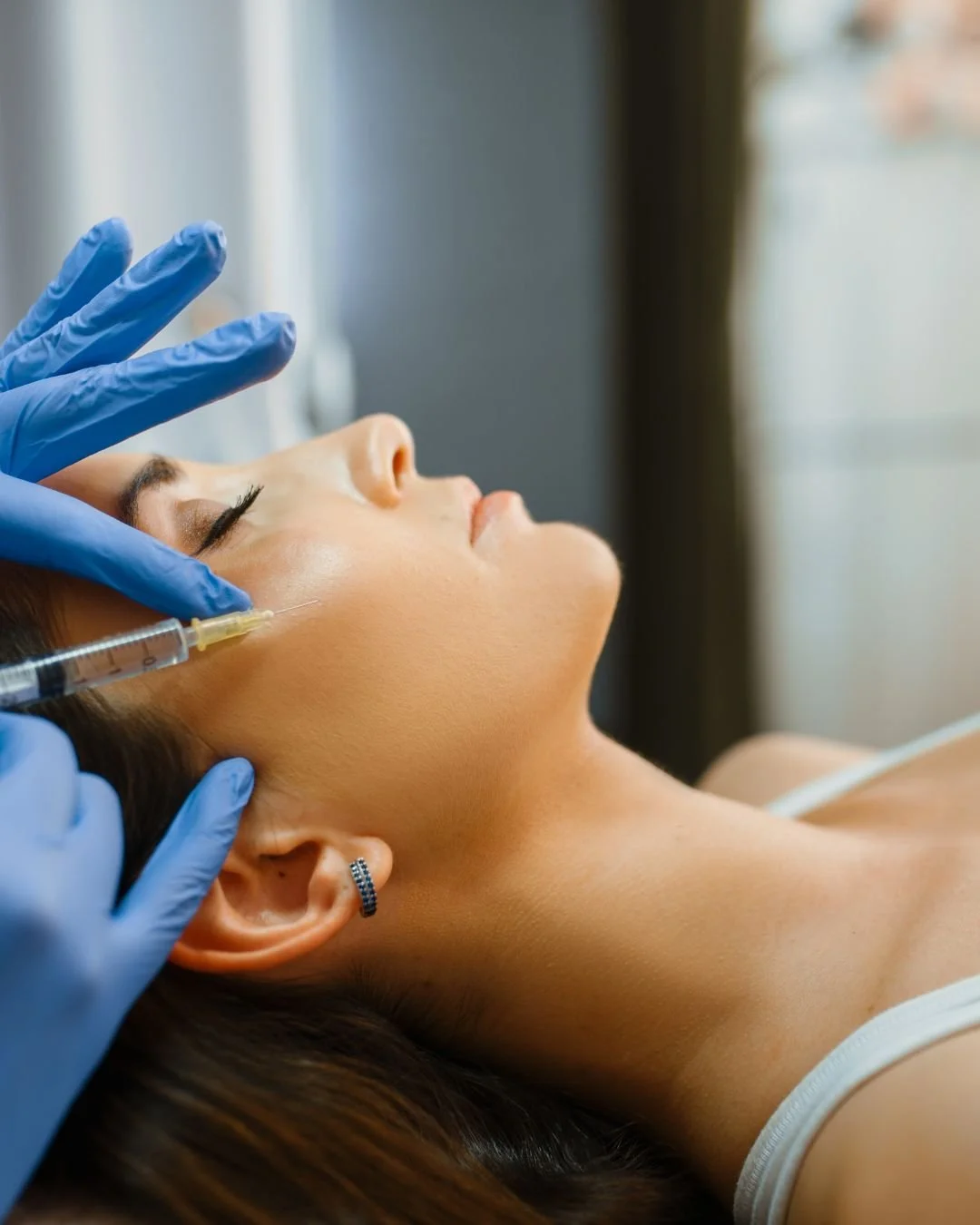
| The injections | Fine needles, usually quick. Most people find it far less uncomfortable than expected |
| Immediately after | Pressure applied to injection points. A cold compress if helpful |
| Before you leave | Clear aftercare, a named contact, and a review appointment at two weeks |
If any of those stages is missing, particularly the assessment, the explanation of limits, or the review appointment, that tells you something useful about the service you are receiving.
The Timeline of Results
| When | What to expect |
|---|---|
| Immediately | Small raised bumps at injection points, settling within roughly 30 to 60 minutes. Mild redness and tenderness. Occasionally a short-lived headache |
| Days 1 to 2 | Nothing visible. Any bruise, if you get one, will appear now |
| Days 3 to 5 | Movement begins to soften. The first sign anything is happening |
| Days 7 to 10 | Developing. Asymmetry at this stage is common and usually resolves. Do not panic |
| Days 10 to 14 | The result. This is when to judge it, and when any refinement should be considered |
| Weeks 3 to 12 | Steady effect for most people |
| Months 3 to 4 | Gradual return of movement. Individual and dose dependent |
The commonest cause of unnecessary anxiety is judging a result at day seven. It is not finished. Wait until fourteen days, then say what you think, honestly, at your review.
Aftercare, in Brief
Aftercare has its own article, because most of the rules people are handed have never been tested and that deserved proper examination. The short version:
- Do not rub or massage the treated areas for the first few hours. This is the one that matters most, and even it rests on mechanism rather than trial data
- Normal facial expression is entirely fine. You do not need to hold your face still
- Staying upright for a couple of hours is reasonable precaution, not proven necessity. If you fall asleep on the sofa, nothing is ruined
- Skip facials, face massage and hands-on treatments for a day or two
- Apply make-up gently rather than pressing or buffing
The full explanation, including which of the standard rules have any evidence behind them, is linked at the end of this article.
What Is Normal, and What Is Not
| Common and usually temporary | Contact your clinic | Seek urgent medical help |
|---|---|---|
| A small bruise at an injection point | Asymmetry that is still there at two weeks | Difficulty breathing |
| Mild swelling or tenderness for a day | A heavy or uncomfortable brow | Difficulty swallowing |
| A short-lived headache | A drooping upper eyelid | Difficulty speaking |
| Small bumps settling within an hour | Spreading redness, warmth or increasing pain | Muscle weakness away from the treated area |
| Slight unevenness at day seven | Anything that worries you | Widespread hives, facial or throat swelling, wheeze, faintness |
The urgent column relates to rare effects associated with spread of toxin beyond the treated area, and to allergic reaction. They are uncommon. Do not wait to see whether they settle. Seek medical help the same day, and tell whoever sees you exactly what treatment you have had and when.
What I Can and Cannot Help With
| What this clinic does | What belongs with your GP or urgent care |
|---|---|
| Consultations for lines and wrinkles, with a full assessment | Any difficulty breathing, swallowing or speaking. This is an emergency |
| Explaining what treatment can and cannot achieve for you | Advice about whether your prescribed medication can be paused |
| Review appointments and adjustment of the plan | Signs of infection or severe allergic reaction |
| Declining treatment when it is not the right answer | Anything that is not purely cosmetic |
On the medication point in particular: I am a practising NHS GP, but I am not your GP, and I do not have your records in front of me. Questions about pausing anything you have been prescribed belong with the clinician who prescribed it.
Frequently Asked Questions
How long before treatment should I stop supplements?
Two weeks for vitamin E, ginkgo biloba, garlic and omega-3 or fish oil. Five days for anti-inflammatories such as ibuprofen taken for something that can wait. Never stop anything prescribed.
Can I have treatment if I take blood thinners?
Usually yes, but you must declare it, you should expect a higher chance of bruising, and you should leave more time before any event. Do not stop the medication.
Should I avoid alcohol beforehand?
Ideally for 24 hours. Alcohol dilates blood vessels and makes bruising a little more likely. It is a small effect and worth doing anyway.
How long before a wedding should I have treatment?
If it is your own wedding, start three months ahead so you know how you respond, then have your final treatment three to four weeks before. Never try anything new close to the day.
Does arnica actually work?
The evidence is weak and inconsistent, and the claims made for it online run well ahead of the data. It is low risk, so there is no strong reason not to use it if you want to. Just do not plan around it.
Should I come with a clean face?
It is convenient but not essential. The area will be cleansed thoroughly before treatment regardless.
Can I exercise before my appointment?
Avoid anything strenuous immediately beforehand, since raised blood flow makes bruising marginally more likely. A normal day is fine.
What if I have a cold sore?
Postpone if it is active and anywhere near the intended treatment area. Mention any history of cold sores at your consultation.
Can I have treatment while breastfeeding?
It is avoided in breastfeeding as well as pregnancy. It will still be there when you are ready.
How much should I expect to be asked at a consultation?
A lot. Full medical history, every medication and supplement, previous treatments, and what you are actually hoping for. A short consultation is not an efficient one.
What if I change my mind at the consultation?
Then you change your mind, and nothing happens. A consultation is an assessment, not a commitment, and any clinic that makes you feel otherwise has told you something important about itself.
When should I judge whether it worked?
At fourteen days, and not before. Judging at day seven is the single commonest cause of unnecessary worry, and of top-ups that were never needed.
Related Reading
- Anti-Wrinkle Injection Aftercare: Which Rules Are Real and Which Are Folklore
- Frozen Foreheads, Heavy Brows and Spock Arches: Why Injections Sometimes Look Wrong
- Your First Appointment, Step by Step
- What Happens During an Aesthetic Consultation
- How to Choose an Aesthetic Clinic Safely
- Consultations for Lines and Wrinkles at Dr Caroline Warden Clinic
References
- Hamman MS, Goldman MP. Minimizing bruising following fillers and other cosmetic injectables. J Clin Aesthet Dermatol. 2013;6(8):16-18.
- Santorelli A, Salti G, Cavallini M, et al. Are post-care recommendations following upper-face botulinum toxin treatment scientifically necessary? A retrospective study based on 5000 patients. Toxins. 2025;17(8):372.
- Myth versus reality: a review of social media claims and scientific evidence for Arnica montana in postinjectable procedures. Dermatol Surg. 2025.
- General Medical Council. Remote prescribing of high-risk medicines.
About the Author
Dr Caroline Warden is a practising NHS GP and aesthetic doctor with nearly twenty years of clinical experience, an independent prescriber, and holder of a Level 7 postgraduate diploma in cosmetic injectables. She is Medical Director and sole practitioner at Dr Caroline Warden Skin & Aesthetic Clinic, 2 Crown Passages, Hale, Altrincham, a family-run clinic she runs with her sister Louise, seeing patients from Hale, Hale Barns, Bowdon, Altrincham, Timperley, Sale, Alderley Edge, Wilmslow, Knutsford, Bramhall, Cheadle and across Cheshire and South Manchester. You will only ever see and be treated by Dr Caroline Warden. GMC number 6157708.