Baby Botox: A Doctor’s Honest Opinion on Low-Dose Anti-Wrinkle Injections
Doctor-led skin advice for Hale, Altrincham & South Manchester
If you’ve searched Instagram, TikTok or Google for anti-wrinkle injections, you’ve probably seen the term Baby Botox. It’s often marketed as a softer, more natural alternative to Botox BUT what does it actually mean medically?
As a doctor-led aesthetic clinic, it’s important to separate science from marketing.
What Is Baby Botox? (Medical Definition)
Baby Botox is not a different product.
It uses the same botulinum toxin type A as standard treatments.
The difference is:
Lower doses
More conservative injection patterns
A focus on softening movement rather than fully immobilising muscles
Clinically, Baby Botox is best described as low-dose, anatomically tailored botulinum toxin, not a separate treatment category.
Why Is It Called “Baby Botox”?
From a medical standpoint, it isn’t.
“Baby Botox” is a marketing term, popular because it:
Sounds less intimidating
Appeals to patients wanting natural results
Performs well on social media and search engines
What actually determines results is:
Facial anatomy
Muscle strength
Injection depth and placement
Dose selection
The name is irrelevant, the injector’s judgement is not.
The Science Behind Low-Dose Botulinum Toxin
Botulinum toxin works by blocking acetylcholine release at the neuromuscular junction, reducing muscle contraction and therefore dynamic wrinkles.
This mechanism is dose-independent, the biology is the same at low or standard doses.
📚 Scientific references:
Low-dose treatments:
Reduce muscle activity without freezing
Preserve expression
Soften lines rather than erase them
This approach is supported in patients with early dynamic lines and preventative goals.
Does Baby Botox Prevent Wrinkles?
To a degree, yes.
Dynamic wrinkles form from repeated muscle movement. Over time, these can become static.
Reducing muscle activity early:
Decreases repetitive skin folding
May slow progression to permanent lines
However, Botox alone is not enough. Long-term skin ageing is also influenced by:
UV exposure (SPF is essential)
Genetics
Skin quality and collagen loss
Botox works best as part of a long-term skin strategy, not a standalone fix.
Who Is Baby Botox Suitable For?
Suitable Patients
20s–early 30s with early dynamic lines
First-time Botox patients
Patients prioritising natural movement
Preventative or maintenance treatments
Less Suitable Patients
Deep static wrinkles
Very strong facial musculature
Patients expecting dramatic correction
Those seeking a “one-and-done” result
Age alone is not the deciding factor, muscle activity and expectations are.
Baby Botox vs Standard Botox: Which Is Better?
Neither is better, they serve different purposes.
Baby Botox
Softer, more natural movement
Subtle refresh
Often described as “looking well”
Standard Dosing
Stronger correction
Better for established lines
Often needed as ageing progresses
Many patients naturally move from low-dose to standard dosing over time.
My Honest Doctor Opinion on Baby Botox
Baby Botox is not a gimmick, but the term is marketing-driven.
When done properly, it is simply:
Careful, conservative botulinum toxin dosing based on anatomy and long-term facial balance.
Problems arise when:
The term is used to oversimplify treatment
Dose is prioritised over anatomy
Patients aren’t properly assessed
The skill and judgement of the injector matters far more than how the treatment is branded.
Can Baby Botox Be Combined With Other Treatments?
Yes, and often should be.
Common combinations:
Medical-grade skincare
Skin boosters or polynucleotides
Chemical peels
Laser or light-based treatments
Combination approaches usually give more natural, longer-lasting results.
Key Takeaways
Baby Botox is not a different product
It is a low-dose dosing strategy
The science behind it is well established
Best for early intervention and natural results
Injector expertise matters more than the label
A consultation is essential

Baby Botox FAQs
1) What is Baby Botox?
Baby Botox is a “light-touch” approach to anti-wrinkle injections using smaller, carefully placed doses to soften movement lines while keeping expressions looking natural.
2) Is Baby Botox the same as Micro Botox?
They’re often confused. “Baby Botox” usually means lower-dose, targeted muscle relaxation. “Micro Botox” sometimes refers to very superficial tiny droplets used more for skin texture/oiliness, technique can vary by injector.
3) How is Baby Botox different from regular Botox?
The product is the same (botulinum toxin is a prescription medicine). The difference is the dose and strategy: Baby Botox uses less and focuses on subtle softening rather than strong restriction.
4) Does Baby Botox look more natural?
For many people, yes because it’s designed to reduce harsh creasing while preserving facial movement. The goal is a refreshed look, not a frozen one.
5) What areas can Baby Botox treat?
Common areas include frown lines (11s), forehead lines, and crow’s feet. Depending on your facial movement, other areas may be suitable but it should always be tailored after assessment.
6) Who is a good candidate for Baby Botox?
It’s ideal if you want subtle results, you’re new to anti-wrinkle injections, or you have early dynamic lines (lines that appear with expression). It can also suit those who prefer a lighter, more flexible look.
7) At what age should you start Baby Botox?
There’s no “right” age. It’s more about your muscle activity, skin quality, and goals. Some people start in their late 20s/30s, others much later an assessment matters more than a number.
8) Is Baby Botox “preventative Botox”?
It can be used as part of a preventative strategy by reducing repetitive creasing that may contribute to deeper lines over time. That said, results vary, and skincare/SPF and lifestyle still matter.
9) How long does Baby Botox last?
Typically 8–12 weeks, sometimes longer or shorter depending on dose, metabolism, and the area treated. With Baby Botox, some people notice it wears off a little sooner than full-dose treatments.
10) When will I see results?
You may start to notice changes in 3–5 days, with full results usually around 10–14 days.
11) Will Baby Botox still stop wrinkles?
It’s designed to soften dynamic lines rather than completely remove all movement. If you want stronger smoothing, we can adjust the plan, many patients build gradually.
12) How much does Baby Botox cost in the UK?
Pricing varies by clinic and area. While Baby Botox may use fewer units, you’re still paying for medical expertise, safe prescribing, and precision technique, so it isn’t always dramatically cheaper.
13) What are the side effects of Baby Botox?
Most are mild and temporary: small bumps, redness, tenderness, or bruising at injection points. Less common risks include headache, asymmetry, or eyelid/brow heaviness—which is why injector skill and assessment are key.
14) What if I stop having Baby Botox, will I look worse?
No. If you stop, your muscles gradually return to normal activity and your lines return to how they would have looked anyway. You won’t “rebound” worse because of treatment.
15) How often should you have Baby Botox?
Many people repeat treatment every 3–4 months, but Baby Botox can be more flexible. A review at 2 weeks is often recommended to assess balance and tweak if needed.
16) Can Baby Botox be combined with other treatments?
Yes, often with skin boosters, microneedling, polynucleotides, peels, and medical-grade skincare. Combining muscle relaxation with skin-quality treatments can give a more “fresh” result.
17) How do I prepare for Baby Botox and what’s the aftercare?
Common advice: avoid alcohol and intense exercise around your appointment, don’t rub the area afterwards, and follow your clinician’s guidance on makeup, heat, and workouts for the first 24 hours.
18) Is Baby Botox safe, and who should I go to?
Botulinum toxin is a prescription-only medicine. Choose a medical prescriber/doctor-led clinic with a proper consultation, regulated products, and clear aftercare and review pathways.

Book in for a Consultation at your local, female doctor-led, family-run skin & aesthetics sanctuary for natural, bespoke results
Dr Caroline Warden is an experienced NHS GP and aesthetic doctor. She has been a medical doctor for over 18 years. She runs the female-led family business with her sister Louise Devereux (creative director & patient co-ordinator)
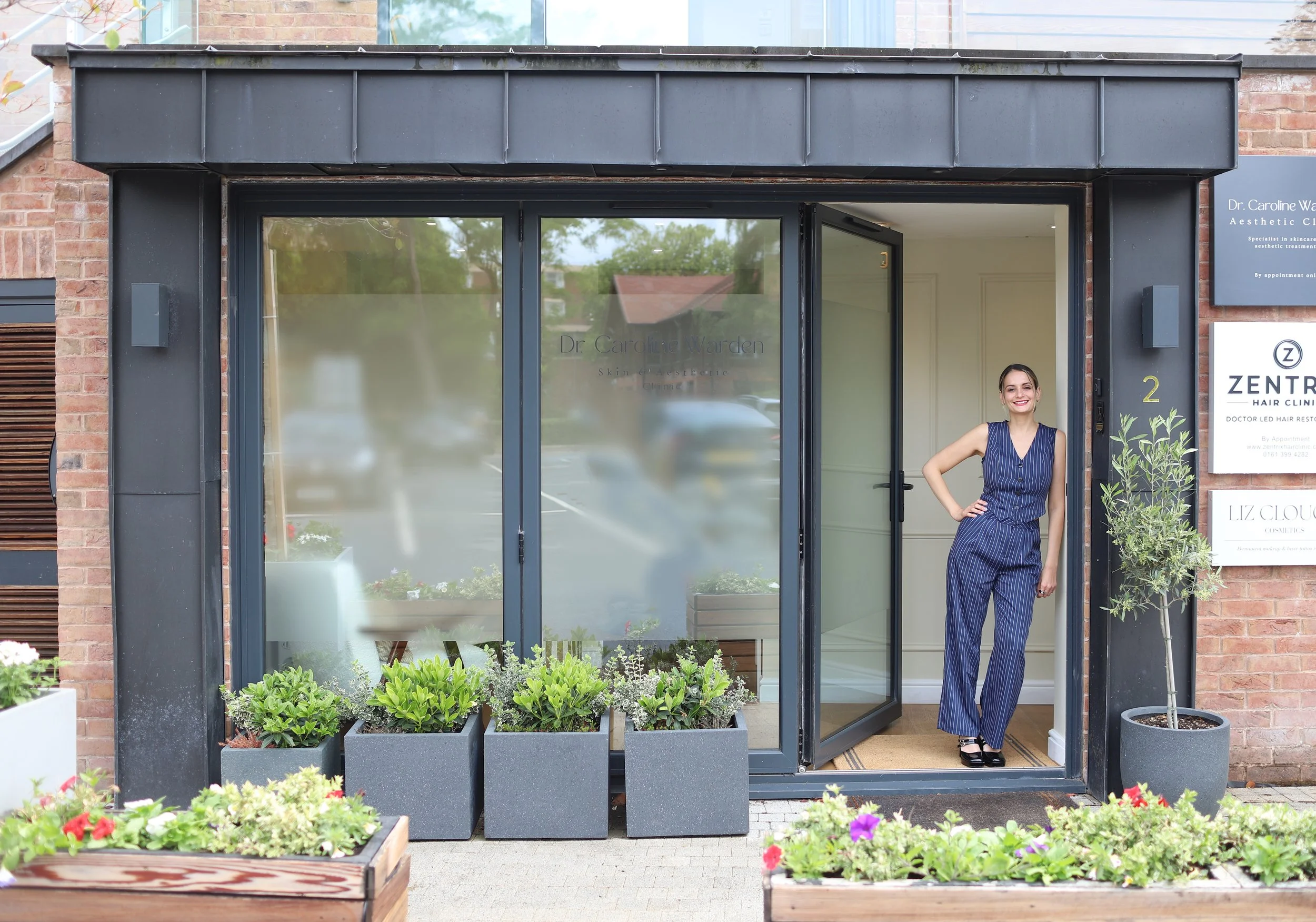
Their main Skin and Aesthetic Clinic is located in Hale, Cheshire but they also run a pop-up clinic in Disley, Stockport one evening a week.
You will only ever see and have treatments with Dr Caroline Warden.
Whether you're new to aesthetic treatments or ready to refine your routine, her bespoke skin assessments are the best place to start. Dr Caroline Warden will design a tailored plan based on your skin goals, lifestyle, and timeline.
Book your consultation at the clinic in Hale, Cheshire and experience aesthetic medicine.
You’ll be guided through your medical history, goals, and expectations so you can make an informed choice.
Where our clinics are local to:
Our Hale clinic is conveniently located for patients travelling from:
Alderley Edge, Altrincham, Bowdon, Bramhall, Hale Barns, Knutsford, Manchester, Mobberley, Sale, Timperley, Urmston, Wilmslow, Handforth, Poynton, Cheadle, Didsbury and Warrington.
