“Has My Face Fallen?” — How Mid-Face & Cheek Filler Can Restore Support

Doctor-led skin advice for Hale, Altrincham & South Manchester
It’s one of the most common things I hear in clinic, usually said half-jokingly while someone gently lifts their cheeks in the mirror:
“I just feel like my face has… fallen.”
If you’ve noticed your cheeks look flatter, your lower face feels heavier, or your nasolabial folds seem deeper, you’re not imagining it. This change is slow, structural, and very normal and the good news is that, when done properly, mid-face (cheek) filler can restore support, balance and freshness without changing who you are.
At my doctor-led clinic in Hale, Cheshire (with patients visiting from Altrincham and across South Manchester), cheek filler is never about sharp, “trendy” cheekbones. It’s about rebuilding the framework that keeps the face looking light and supported.
What People Mean When They Say “My Face Has Fallen”
Most patients aren’t truly asking for “more volume.” They’re describing a feeling and a shift in proportions:
The face looks tired or heavier
Cheeks look flatter
Makeup doesn’t sit the same
The lower face looks more prominent (even if your weight hasn’t changed)
Nasolabial folds feel deeper
The jawline looks less defined
This isn’t just gravity. It’s often loss of support higher up.
The Mid-Face: The Hidden Support of the Face
The mid-face includes:
The cheek/malar region
The area under the eyes (lid-cheek junction)
The structural “support” above the lower face
In youth, the mid-face is typically:
Well supported (not bulky)
Smooth and light-reflective
Balanced with the lower face
Over time, the face changes at multiple layers:
Fat compartments change (volume shifts and repositioning)
Bone remodels (including areas of the cheek/maxilla)
Skin gradually loses elasticity
The result is less “internal scaffolding,” so the face can look flatter above and heavier below. (This is why people often feel their appearance has changed “suddenly,” even though the process is gradual.)
Why Treating the Mid-Face Often Softens Folds Without Filling Them
A common mistake (and a common source of overfilled results) is chasing lines directly:
filling nasolabial folds heavily
filling marionette lines in isolation
treating the jawline first without addressing support above
Very often, folds are the effect, not the cause.
When we restore support in the mid-face, we can often:
soften folds indirectly
improve under-eye shadowing
rebalance the face (upper vs lower)
create a subtle “lift” effect that looks believable, not pulled
What Cheek Filler Should Not Do
Let’s be clear about what I don’t aim for:
❌ Over-projected cheekbones
❌ A “pillow face” or widened mid-face
❌ Sharp or artificial contours
❌ Trend-led sculpting that changes your identity
If cheek filler makes you look noticeably different or less recognisable, it’s doing too much.
What Natural Mid-Face Restoration Does Do
When cheek/mid-face filler is done well, patients usually notice:
✔ A fresher look (not a fuller one)
✔ The lower face looks lighter
✔ Makeup sits better
✔ Softer shadows under the eyes
✔ Better profile balance
✔ People say “you look well” — not “have you had filler?”
The goal is support and harmony, not visible volume.

Why Cheek Filler Can Look “Too Much” on Some People
Unnatural results usually happen when:
the wrong area is treated
too much product is used (often over multiple “top ups”)
product is placed too superficially
facial shape, gender differences, or movement are ignored
the face is treated as separate parts rather than one structure
Cheek filler is powerful—so it must be done with restraint.
My Doctor-Led Approach: Restore the Framework First
When I plan mid-face filler, I’m not thinking: “Where can we add volume?”
I’m thinking: “Where has the face lost support?”
That often means:
small volumes placed in strategic support points
deeper placement where appropriate (for structure rather than puffiness)
respecting your natural cheek shape
treating the face as a whole (not chasing one line)
Sometimes, once mid-face support is restored:
you need less filler overall
you don’t need to treat folds directly
the result ages better and looks more like “you”
Is Cheek Filler a “Lift”?
It’s not a surgical facelift but it can provide structural support.
By restoring volume where it naturally used to sit, the face can regain:
internal support
better tissue positioning
improved balance between upper and lower face
Done correctly, it looks subtle and believable.
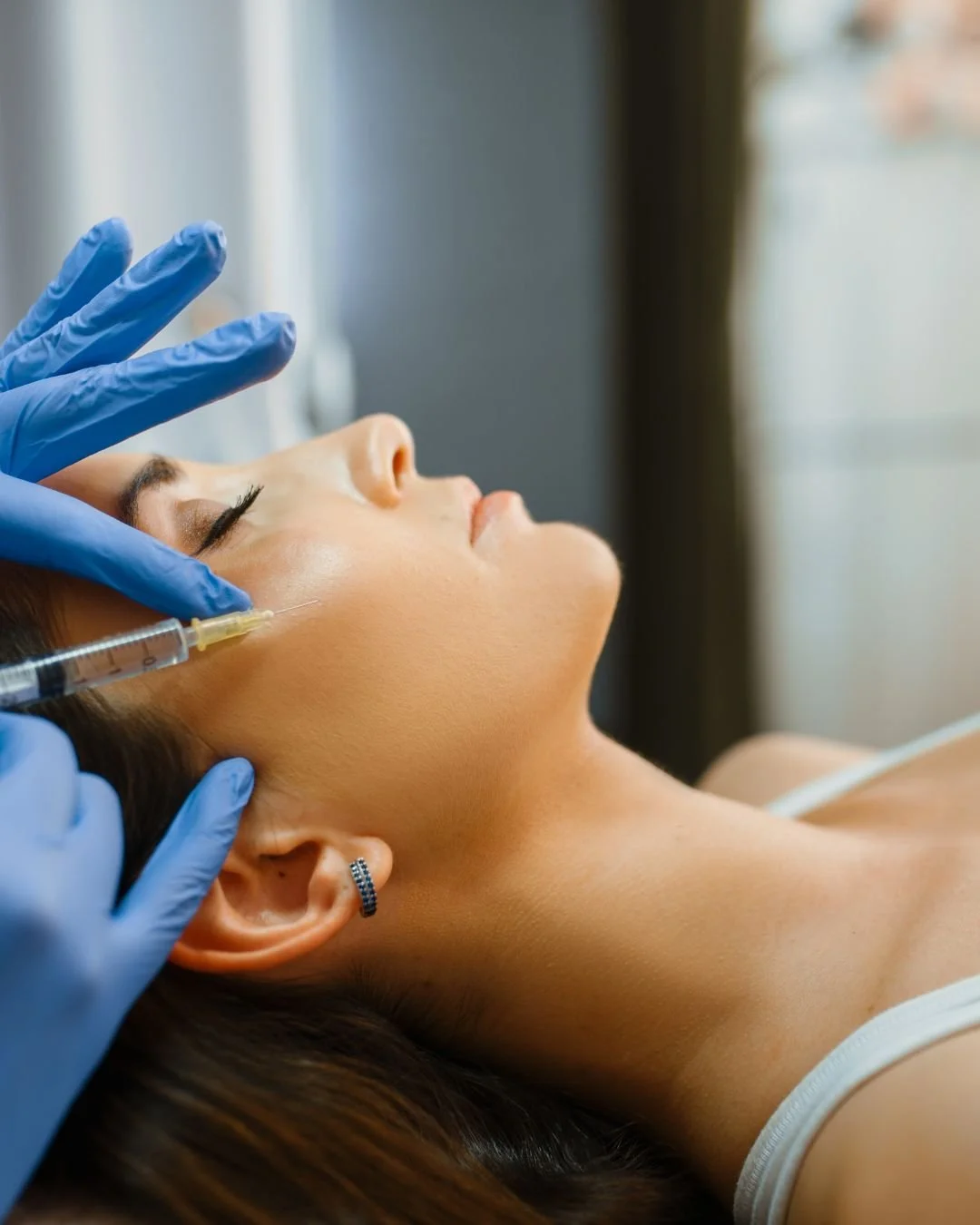
Who Is Mid-Face & Cheek Filler Best For?
Mid-face restoration can be particularly helpful if you:
feel your face looks “dropped”
notice flatter cheeks or a heavier lower face
want folds softened without directly filling them
want a natural result that supports long-term ageing
want to look fresher without looking “done”
It’s not about age—it’s about structure.
Why I’m Conservative With Cheek Filler (And Why That’s a Good Thing)
Cheek filler sets the tone for the entire face.
Overdoing it can:
throw proportions off
widen or heavify the face
create an “inflated” look that’s hard to undo aesthetically (even if dissolvable)
Under-treating thoughtfully—and reassessing once settled—almost always looks better.
Mid-Face & Cheek Filler in Hale, Altrincham & South Manchester
At my clinic in Hale, cheek filler is:
anatomy-led
conservative
tailored to your facial structure
focused on natural ageing support, not trends
If you’ve been wondering “has my face fallen?”, a structured mid-face assessment is often the most useful first step—especially if you’re travelling from Altrincham or South Manchester and want a calm, medical environment with careful follow-up.
Learn more about dermal fillers in Hale
Book a consultation

Frequently Asked Questions (FAQ)
Will cheek filler make my face look wider?
Not when it’s placed correctly and conservatively. Excess volume, superficial placement, or “chasing projection” are typical reasons cheeks look wider.
Can cheek filler help nasolabial folds?
Often, yes—indirectly. Supporting the mid-face can soften folds without overfilling the fold itself.
Will I look different?
You should look refreshed, not changed. If people immediately clock you’ve had filler, it’s usually too much or in the wrong place.
Does cheek filler help under-eye tiredness?
It can help with shadowing and the lid-cheek transition in selected patients, but it depends on anatomy. Some under-eye concerns are better treated with alternative approaches.
How long does cheek filler last?
Longevity varies by product, placement, and your metabolism. In general, the mid-face often holds longer than lips because there’s less constant movement.
Can cheek filler migrate?
Migration risk in the mid-face is generally low when the right product, depth, and volumes are used—and when unnecessary frequent top-ups are avoided.
What’s the downtime?
Most people have mild swelling and possible bruising for a few days. Big events should ideally be avoided for 2 weeks.
Is it safe?
Dermal fillers are widely used, but all injections carry risk. In a medical clinic, you should expect robust consent, complication preparedness (including access to hyaluronidase for HA fillers), and clear aftercare pathways.
Who shouldn’t have cheek filler?
We usually avoid treatment during pregnancy/breastfeeding, with active infection, or when certain medical factors make injections higher risk. A proper consultation is essential.

Final Thoughts
If you’ve been thinking “has my face fallen?” you’re not alone, and you’re not vain.
Ageing is structural before it’s superficial.
When structure is gently restored, the face doesn’t look filled, it looks supported.
Scientific References

Facial ageing “inside out” (bones, fat compartments, soft tissue): https://pmc.ncbi.nlm.nih.gov/articles/PMC8438644/
Facial fat compartments (anatomy + implications): https://pubmed.ncbi.nlm.nih.gov/17519724/
Midfacial fat compartment changes with ageing (CT study): https://pubmed.ncbi.nlm.nih.gov/21915077/
Injection guidance for midface volume deficiency (expert guideline): https://academic.oup.com/asj/article/42/8/920/6510088
Midface HA filler safety/efficacy review (recent): https://pmc.ncbi.nlm.nih.gov/articles/PMC12566132/
HA filler vascular occlusion management guideline (safety/complications preparedness): https://pmc.ncbi.nlm.nih.gov/articles/PMC8211329/
=== BLOG COPY END ===
