Aesthetic Doctor vs Aesthetic Practitioner: Why It Matters for Your Face
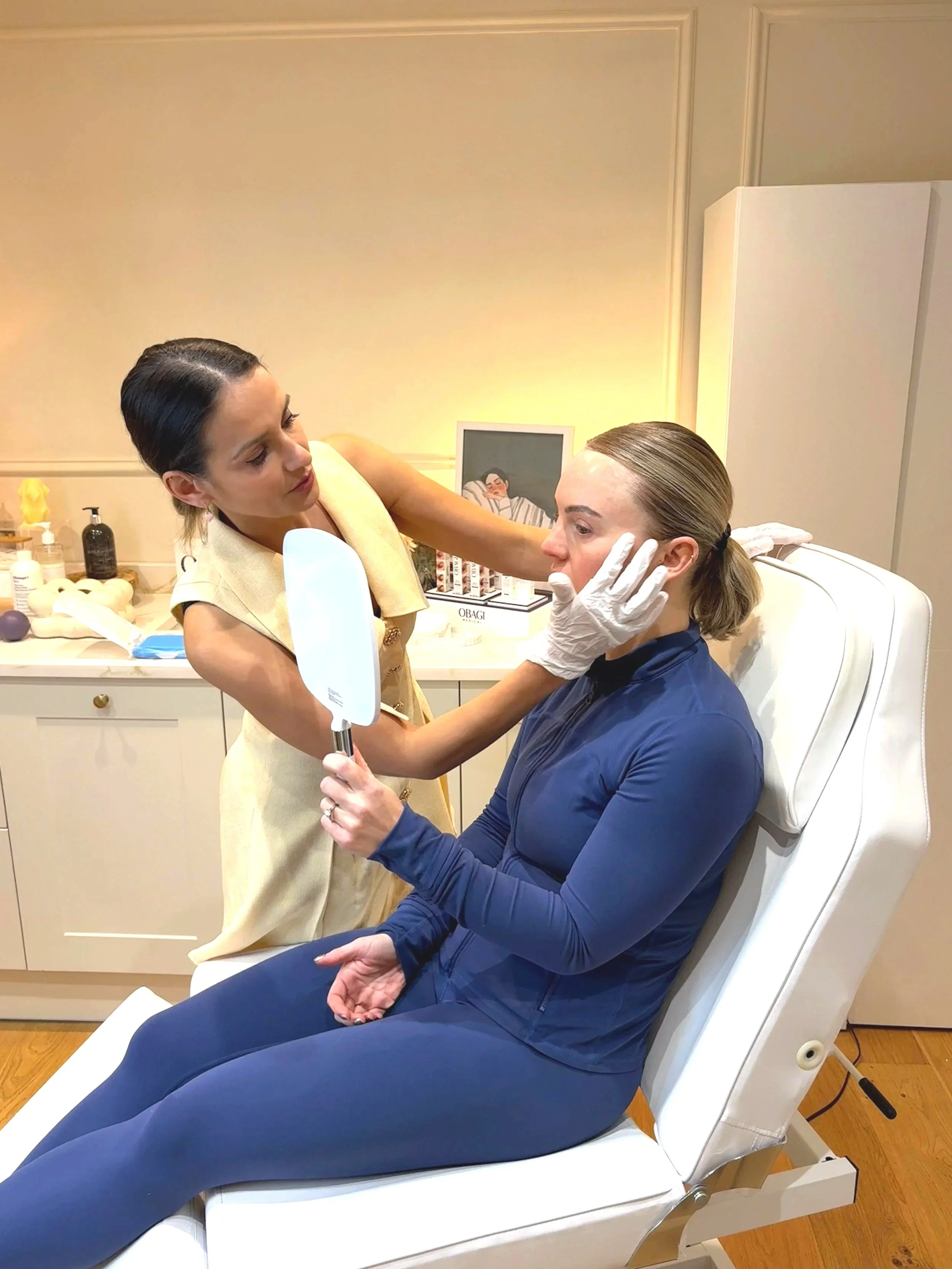
Doctor-led skin advice for Hale, Altrincham & South Manchester
The aesthetic industry has grown rapidly over the past decade but regulation hasn’t kept pace. As a result, patients are often left confused by titles such as aesthetic practitioner, injector, or aesthetic clinician, without fully understanding what those terms actually mean.
One of the most important (and often overlooked) decisions you can make before undergoing aesthetic treatment is who performs it.
So what’s the difference between an aesthetic doctor and an aesthetic practitioner, and why does it matter so much for your face, your safety, and your long-term results?
The Unregulated Reality of Aesthetic Medicine
In the UK, aesthetic medicine is not currently regulated in the same way as many other medical fields. This means that:
Non-medical individuals can legally train in injectables
Titles are not protected
Skill level, anatomical knowledge, and complication management vary widely
For patients, this creates a confusing and sometimes unsafe landscape.
Understanding the difference between an aesthetic doctor and an aesthetic practitioner isn’t about elitism, it’s about medical training, accountability, and risk management.

What Is an Aesthetic Doctor?
An aesthetic doctor is a fully qualified medical doctor who has:
Completed medical school
Undertaken years of clinical training
Practised medicine in regulated healthcare settings
Added aesthetics as a specialised field of practice
This background brings with it:
Advanced understanding of anatomy and physiology
Experience managing medical emergencies
Strong diagnostic skills
Ethical and professional accountability
Aesthetic doctors are regulated by the General Medical Council (GMC) and are held to strict professional and legal standards.
What Is an Aesthetic Practitioner?
The term aesthetic practitioner is broad and non-specific. It may include:
Beauty therapists
Non-medical injectors
Some practitioners are highly skilled and conscientious. However, others may have completed only short training courses before treating patients independently.
The key issue is that:
Training standards are inconsistent
Medical oversight may be limited or absent
Prescribing rights vary
Emergency management experience is often minimal and they aren’t legally allowed to hold stock of emergency drugs
The title alone does not tell you enough.
Why Medical Training Makes a Difference in Aesthetics
1. Facial Anatomy Is Complex and Variable
The face is not a flat surface. It contains:
Blood vessels
Nerves
Muscles
Fat compartments
Bone
These structures vary between individuals and change with age.
Aesthetic doctors are trained to understand anatomy in three dimensions, not just from diagrams. This reduces the risk of complications such as vascular occlusion, nerve injury, or asymmetry.
2. Diagnosis vs “Treating What You See”
Aesthetic practitioners often treat what they see, a line, a fold, or an area of volume loss.
Aesthetic doctors are trained to ask why that change has occurred:
Is it muscle-related?
Structural?
Skin-based?
Hormonal or inflammatory?
This diagnostic approach leads to:
More natural results
Fewer unnecessary treatments
Better long-term outcomes
3. Understanding Risk, Not Just Technique
Every aesthetic treatment carries risk, no matter how subtle or “routine” it appears.
Doctors are trained to:
Recognise early signs of complications
Manage adverse events calmly and effectively
Make decisions under pressure
Know when not to treat
This matters enormously when something doesn’t go to plan.

Complications: When Expertise Really Counts
While complications are rare, they can be serious.
These may include:
Vascular occlusion
Infection
Nerve damage
Vision loss (in extremely rare cases)
Delayed inflammatory reactions
Aesthetic doctors:
Have a deep understanding of pathophysiology
Are trained in emergency management
Can escalate care appropriately and quickly
This is not about fear-mongering, it’s about preparedness.

Prescribing & Product Safety
Many injectable treatments are prescription-only medicines.
Doctors:
Can prescribe independently
Understand drug interactions
Are trained in pharmacology
Are accountable for product choice and dosing
In contrast, non-prescribing practitioners often rely on remote prescribers they may never have met, adding an extra layer of risk.
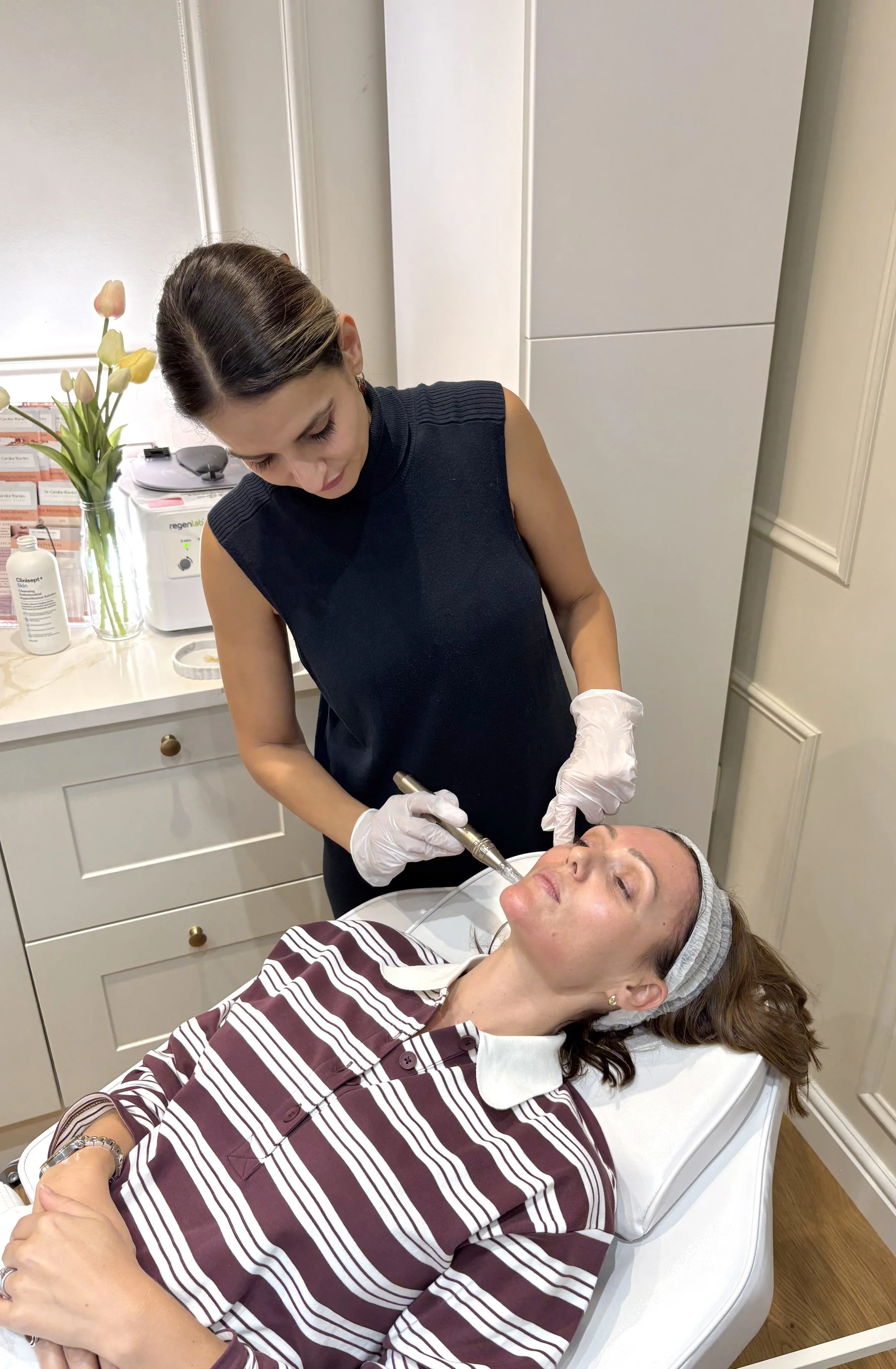
Ethics, Boundaries & Saying “No”
One of the most important differences patients notice in a doctor-led clinic is the willingness to say no.
Doctors are trained to:
Work within ethical frameworks
Prioritise patient wellbeing over profit
Avoid overtreatment
Recognise body dysmorphia or unrealistic expectations
A consultation should never feel like a sales appointment, and it shouldn’t result in treatment if it isn’t appropriate.
Why “Subtle” Results Require More Expertise, Not Less
There’s a common misconception that subtle, natural results are easier to achieve.
In reality:
Subtle outcomes require precise dosing
Deep anatomical knowledge
Conservative judgement
Long-term planning
Overtreatment is often the result of poor assessment, not too much skill.

Accountability & Regulation
Aesthetic doctors:
Are regulated by the GMC
Must maintain revalidation
Are accountable for their decisions
Carry appropriate medical indemnity
This level of accountability protects patients and raises professional standards.
Why Many Patients Travel for Doctor-Led Aesthetic Care
Many patients choose to travel to see an aesthetic doctor because they value:
Safety and medical expertise
Honest consultations
Bespoke treatment plans
Long-term facial health
In my clinic in Altrincham, many patients travel from across Greater Manchester because they want reassurance, expertise, and subtle, ethical results.
Questions You Should Ask Before Booking Any Aesthetic Treatment
Regardless of who you choose, always ask:
What is your professional background?
How long have you been practising aesthetics?
What training have you completed?
How do you manage complications?
Who prescribes your products?
A reputable practitioner or doctor will welcome these questions.

The Bottom Line: Why It Matters for Your Face
Your face is not a training ground.
Aesthetic treatment alters anatomy, expression, and skin integrity, often permanently. Choosing a medically trained professional reduces risk, improves outcomes, and ensures that decisions are made with your long-term wellbeing in mind.
Aesthetic medicine done well should enhance confidence quietly and safely — not announce itself.
Final Thoughts
Aesthetic doctors and aesthetic practitioners are not interchangeable.
While many practitioners provide excellent care, a doctor-led approach offers:
Deeper anatomical understanding
Medical diagnostic skills
Strong ethical boundaries
Higher levels of accountability
If you’re considering aesthetic treatment and want honest advice, safety-led care, and results that still look like you, choosing a doctor-led consultation is an important first step.
If you’d like to book a medical aesthetic consultation or simply discuss whether treatment is right for you, you’re very welcome to get in touch.

FAQs
What is the difference between an aesthetic doctor and an aesthetic practitioner in the UK
An aesthetic doctor is a medically qualified doctor regulated by the GMC, an aesthetic practitioner is a broad, unprotected title that can include non medical providers. The difference matters because training standards, prescribing rights, and complication management can vary widely.
Is aesthetic medicine regulated in the UK
Aesthetic medicine is not regulated in the same way as many other medical fields in the UK. Titles are not protected, and training pathways are inconsistent, so patients need to check qualifications, oversight, and safety protocols carefully.
Can non medical people legally do Botox and fillers in the UK
In the UK, non medical individuals can legally train to provide injectable aesthetic treatments in some settings. Some injectables are prescription only, which means prescribing and product supply should follow appropriate medical and legal processes.
What does doctor led aesthetics mean
Doctor led aesthetics usually means your assessment, treatment plan, and prescribing are overseen by a qualified doctor. It also implies clearer accountability, medical governance, and the ability to recognise and manage complications promptly.
Why is facial anatomy knowledge so important for injectables
The face contains blood vessels, nerves, muscles, fat compartments, and bone, and these vary between individuals. Strong anatomical knowledge helps reduce risks such as vascular occlusion, nerve injury, asymmetry, and poor long term outcomes.
What complications can happen with dermal fillers and anti wrinkle injections
Possible complications include bruising, infection, asymmetry, ptosis, vascular occlusion, delayed inflammatory reactions, and in extremely rare cases, vision loss. A thorough consultation, correct technique, and a clear complication plan reduce risk.
What is vascular occlusion and why is it serious
Vascular occlusion is when filler inadvertently blocks a blood vessel, reducing blood supply to the skin or deeper tissues. It can cause pain, blanching, mottling, ulceration, and scarring if not recognised and treated quickly.
Do aesthetic practitioners have to be regulated by the GMC
Only doctors are regulated by the GMC. Other practitioners may be regulated by different bodies, or may not have a statutory regulator, so it is important to ask about professional registration, insurance, and clinical governance.
Who can prescribe Botox and other prescription only aesthetic medicines
Prescription only medicines must be prescribed by an appropriate prescriber, such as a doctor, dentist, or nurse prescriber, depending on scope and regulation. If a clinic relies on remote prescribing, ask how the consultation, prescribing decision, and product supply are handled.
Are remote prescribers safe for aesthetics
Remote prescribing can be compliant when done correctly, but standards vary. Ask whether the prescriber performs a proper consultation, whether they know your medical history, how they handle contraindications, and what happens if you need urgent review.
How do I check if an aesthetic doctor is qualified and registered
You can ask for their GMC number and verify it on the GMC register. You can also ask about clinical background, years in practice, aesthetics training, indemnity cover, and how complications are managed.
What questions should I ask before booking Botox or fillers
Ask about professional background, qualifications, years of experience, products used and where they are sourced, prescribing arrangements, complication protocol, aftercare, review policy, and who you contact urgently if you have a concern.
Why do subtle and natural looking results require expertise
Natural results usually require precise dosing, balanced facial assessment, and conservative judgement. The aim is to soften overactive movement or restore harmony without changing identity, which often needs more planning, not less.
Will a doctor always refuse treatment if it is not appropriate
A doctor led consultation should include the option of saying no, especially if expectations are unrealistic, the risk is too high, or the treatment is unlikely to help. Ethical practice prioritises long term wellbeing over quick sales.
Is it safer to have injectables done in a medical clinic rather than a salon
A medical setting often offers stronger governance, prescribing oversight, infection control standards, and clearer escalation pathways. That said, you should still assess the individual clinician, training, and safety systems, not just the venue.
Do I need a consultation before injectables
Yes, a proper consultation is essential. It should cover your goals, facial assessment, medical history, medications, contraindications, risks, alternatives, costs, downtime, and aftercare, plus a clear plan for review.
What aftercare and follow up should a reputable clinic offer
You should receive written aftercare guidance, expected timelines, red flag symptoms, and a clear route for urgent contact. Many clinics also offer a review appointment, often around two weeks for anti wrinkle treatments.
Why do patients travel for doctor led aesthetic care
Patients often travel for reassurance, medical expertise, honest assessments, and subtle results. Many prefer a clinician who can assess the whole picture, plan long term, and manage complications if they arise.
How do I choose a safe injector in the UK
Choose someone with transparent qualifications, regulated products, a proper consultation, documented consent, a complication plan, appropriate indemnity, and clear aftercare. If a provider dismisses risks or rushes you, that is a red flag.
Is an aesthetic practitioner always unsafe
Not necessarily, many practitioners provide excellent care. The key is to verify training, regulation, prescribing arrangements, product sourcing, and complication management, rather than relying on a title alone.

Book in for a Consultation at your local, female doctor-led, family-run skin & aesthetics sanctuary for natural, bespoke results
Dr Caroline Warden is an experienced NHS GP and aesthetic doctor. She has been a medical doctor for over 18 years. She runs the female-led family business with her sister Louise Devereux (creative director & patient co-ordinator)
You will only ever see and have treatments with Dr Caroline Warden.
Whether you're new to aesthetic treatments or ready to refine your routine, her bespoke skin assessments are the best place to start. Dr Caroline Warden will design a tailored plan based on your skin goals, lifestyle, and timeline.
Book your consultation at the clinic in Hale, Cheshire and experience aesthetic medicine.
You’ll be guided through your medical history, goals, and expectations so you can make an informed choice.
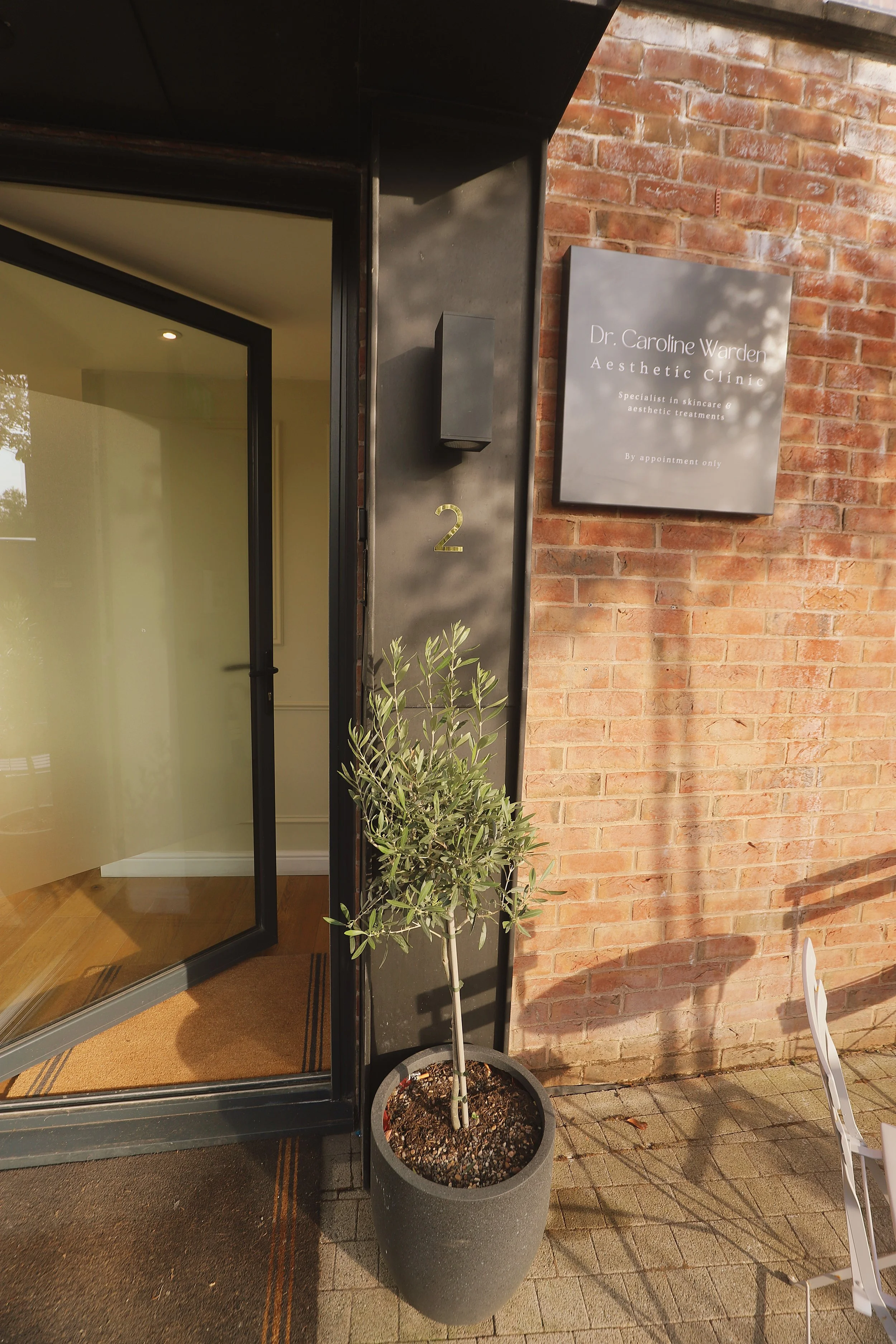
Where the clinic is local to:
The Hale clinic is conveniently located for patients travelling from:
Alderley Edge, Altrincham, Bowdon, Bramhall, Hale Barns, Knutsford, Manchester, Mobberley, Sale, Timperley, Urmston, Wilmslow, Handforth, Poynton, Cheadle, Didsbury and Warrington.
