The Best Skincare Ingredients During Menopause
An NHS GP and Aesthetic Doctor’s Evidence Based Guide to Dryness, Sensitivity, Fine Lines, Pigmentation, Acne and Collagen Loss
One of the most common questions women ask me during skin consultations is:
“What skincare ingredients should I actually be using during menopause?”
It sounds like a simple question, but the answer depends on what your skin is doing now.
Some women reach their forties and notice that previously balanced skin has suddenly become dry, tight and reactive. Products they have used for years begin to sting. Foundation settles into fine lines and the complexion looks duller.
Other women develop chin and jawline breakouts at exactly the same time as dryness, sensitivity and facial ageing.
Many respond by buying more products.
A stronger retinol is added for wrinkles. An exfoliating toner is introduced for dullness. Hyaluronic acid is layered underneath vitamin C, niacinamide, peptides and a facial oil.
Yet the more products they use, the less comfortable their skin becomes.
As an NHS GP and aesthetic doctor with nearly 20 years of medical experience, I regularly meet women who are using individually reasonable ingredients in combinations that their skin can no longer tolerate.
The problem is not always the individual product.
It is often the strength, frequency, formulation or number of active ingredients being applied to a skin barrier that has become less resilient.
There is no universal menopause skincare routine.
The best ingredients depend on whether your main concern is dryness, sensitivity, rosacea, adult acne, pigmentation, enlarged pores, fine lines or collagen loss.
For most women, the aim should be to protect the skin barrier, limit further sun damage, support collagen and treat specific concerns without overwhelming the skin.
The Quick Answer
The most useful skincare ingredients during menopause usually include broad spectrum sunscreen, an appropriate retinoid, barrier supporting lipids such as ceramides, hydrating ingredients such as glycerin, and carefully selected actives including vitamin C, niacinamide or azelaic acid.
However, you do not need all of them.
A simple routine containing a gentle cleanser, effective moisturiser, broad spectrum SPF and one carefully chosen active ingredient will often outperform a complicated routine that leaves the skin red, tight or persistently inflamed.
Why Does Skin Change During Perimenopause and Menopause?
Oestrogen influences several aspects of skin health, including moisture retention, collagen production, elasticity, skin thickness and repair.
As oestrogen fluctuates during perimenopause and declines around menopause, many women notice that their skin becomes drier, thinner or more sensitive.
The skin barrier may also become more vulnerable.
The outer layer of the skin contains a carefully organised mixture of lipids, including ceramides, cholesterol and fatty acids. These help reduce water loss and protect the skin from irritants.
Research has identified differences in the ceramide profile of postmenopausal skin, including lower levels and shorter ceramide chains. These changes may contribute to impaired barrier function and reduced moisture retention.
At the same time, ordinary ageing and cumulative sun exposure continue.
Pigmentation becomes more visible. Collagen gradually declines. Fine lines become more established and pores may appear larger as the surrounding skin becomes less firm.
This creates a difficult combination.
Women often want stronger active ingredients to address ageing, but their skin may tolerate those ingredients less easily than it once did.
The answer is not necessarily to abandon active skincare.
It is to use it more intelligently.
My Opinion: Most Menopause Skincare Routines Are Too Complicated
I think many women are being encouraged to use far too much.
A typical routine may contain an exfoliating cleanser, acid toner, vitamin C, niacinamide, hyaluronic acid, retinol, peptides, facial oil and a weekly home peel.
Every ingredient may have a reasonable purpose when considered alone.
The problem is the cumulative routine.
The skin does not know that every product was expensive or highly recommended. It simply experiences repeated exposure to exfoliating acids, solvents, fragrance and active ingredients.
If your face is constantly burning, peeling or painfully tight, your routine is not functioning well for your skin.
Healthy skin should not feel as though it is being stripped and rebuilt every day.
In my experience, the best skincare routines during menopause are usually simpler than women expect.
They contain a small number of effective products used consistently.
The foundation is often a gentle cleanser, an effective moisturiser, broad spectrum sunscreen and one or two carefully selected active ingredients.
Everything else should earn its place.

1. Broad Spectrum Sunscreen
If you are serious about protecting menopausal skin from premature ageing, daily sunscreen is the foundation.
Ultraviolet radiation contributes to collagen breakdown, wrinkles, pigmentation, rough texture and uneven tone.
During menopause, when collagen and skin resilience may already be declining, protecting the skin from further ultraviolet damage becomes even more important.
Daily SPF does not reverse established facial ageing.
It helps prevent avoidable worsening.
This distinction matters.
There is limited value in investing in active skincare or collagen stimulating treatments while continuing to expose the skin to unprotected ultraviolet radiation.

Which Sunscreen Should You Use?
Choose a broad spectrum sunscreen offering at least SPF 30, although I commonly favour SPF 50 for women concerned about pigmentation, rosacea or photoageing.
The formulation should suit your skin.
Dry menopausal skin may prefer a moisturising cream, while combination or acne prone skin may tolerate a lighter fluid.
The best sunscreen is not necessarily the most expensive one. It is the product that provides suitable protection and that you are willing to apply generously and consistently.
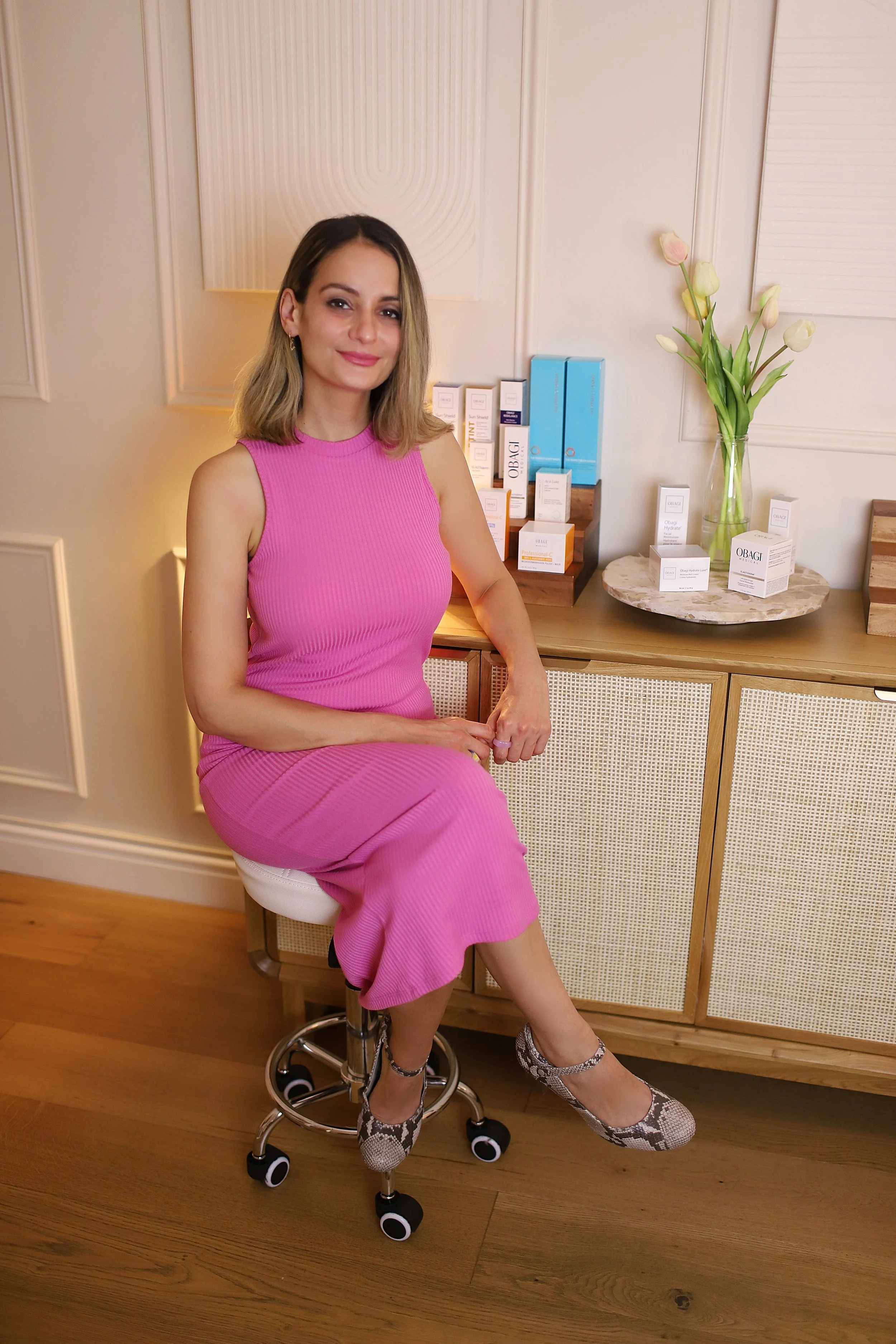
I personally recommend the Obagi tinted SPFs
Do You Need SPF During Winter?
UVA radiation, which contributes to skin ageing, is present throughout the year.
Its intensity changes with the season, location and weather, but making sunscreen part of your daily routine creates consistency.
Daily use also matters when you are using retinoids, pigmentation treatments or undergoing procedures that can temporarily increase sensitivity.
Can SPF Improve Existing Menopausal Skin?
Sunscreen will not remove existing wrinkles or pigmentation by itself.
However, reducing ongoing ultraviolet damage can help prevent further deterioration and supports the benefits of the rest of your skincare plan.
In my opinion, it remains one of the most effective and undervalued products in any healthy ageing routine.
2. Retinoids, Including Retinol, Retinal and Prescription Retinoic Acid
Retinoids are a family of vitamin A derivatives used for acne, pigmentation, texture and signs of photoageing.
The terms are often used interchangeably, but they are not identical.
Retinol is a cosmetic ingredient that undergoes several conversion steps before becoming active retinoic acid within the skin.
Retinal, sometimes called retinaldehyde, requires fewer conversion steps and may be more potent than retinol, depending on the formulation.
Tretinoin is retinoic acid itself and is a prescription only medicine in the UK.
Prescription tretinoin has one of the strongest evidence bases among topical treatments for photoageing. Studies have reported improvement in fine wrinkling, mottled pigmentation, sallowness and rough texture with long term use.
However, stronger does not automatically mean better for every woman.
The most appropriate retinoid is the one that suits your skin, medical history and tolerance and that you can use consistently.

Is Retinol or Tretinoin Better During Menopause?
Prescription tretinoin is more potent and has stronger clinical evidence for photoageing, but it also has greater potential to cause irritation.
A cosmetic retinol or retinal product may be more appropriate for women with very sensitive skin, those who do not require prescription treatment or those who are not suitable for tretinoin.
The decision should not be driven by the belief that the strongest possible product must create the best result.
A gentler retinoid used consistently may be considerably more useful than a high strength prescription that repeatedly inflames the skin and is eventually abandoned.
How Should a Retinoid Be Introduced?
Menopausal skin may require a slower and more cautious introduction.
Prescription products should be used according to the individual instructions provided by the prescriber.
The skin barrier may need to be stabilised before treatment begins. Frequency can then be adjusted according to tolerance, rather than forcing nightly application immediately.
Some women benefit from applying moisturiser before or after their retinoid.
Several other active ingredients may need to be reduced while the skin adapts.
Your face does not need to peel dramatically for a retinoid to work.
Persistent burning, cracking and inflammation are not evidence of better collagen production. They are signs that the routine requires review.

What Can Retinoids Improve?
Depending on the product and the individual, retinoids may help improve fine lines, rough texture, blocked pores, acne, uneven pigmentation and some features of photoaged skin.
What Can Retinoids Not Do?
No topical retinoid can replace lost facial fat, rebuild bone, reposition significantly descended tissue or reproduce the effect of a facelift.
Retinoids can improve the quality and behaviour of the skin.
They cannot correct every anatomical layer of facial ageing.
An Important Note About Prescription Treatment
Prescription retinoids should only be supplied following an appropriate clinical assessment.
The purpose of a skincare consultation is to understand your skin and discuss suitable options. It is not to guarantee or promote one particular prescription medicine.
3. Ceramides, Cholesterol and Fatty Acids
Ceramides are lipids naturally found within the outer layer of the skin.
Alongside cholesterol and fatty acids, they help form the organised barrier that keeps moisture inside and limits exposure to irritants.
This barrier may become less effective during and after menopause.
A moisturiser containing barrier supporting lipids can therefore be particularly useful when the skin feels dry, tight, flaky or unusually sensitive.
Ceramides may also help support women who are gradually introducing a retinoid or recovering from excessive exfoliation.
Are All Ceramide Moisturisers the Same?
No.
The complete formulation matters.
Ceramides work within a wider mixture of humectants, emollients and occlusive ingredients. A product containing ceramides is not automatically ideal if it also contains fragrance or another ingredient that irritates your skin.
Packaging, stability and the ratio of barrier lipids may also influence performance.
Can Ceramides Reduce Wrinkles?
Ceramides primarily support barrier function and hydration.
Improved hydration can soften the appearance of fine dehydration lines, but ceramides do not provide the same collagen related effects as a prescription retinoid.
Their value is foundational.
A healthy skin barrier allows the skin to look more comfortable and tolerate other active ingredients more successfully.
4. Glycerin
Glycerin is a humectant, which means it helps attract and retain water within the outer layers of the skin.
It is not new or particularly glamorous, but it is one of the most useful ingredients in moisturising skincare.
Many women focus entirely on hyaluronic acid while overlooking glycerin.
In a well formulated moisturiser, glycerin can improve hydration and comfort. It often works best alongside emollients and occlusive ingredients that reduce water loss.
Is Glycerin Suitable for Sensitive Menopausal Skin?
Glycerin is generally well tolerated, although the complete product formulation remains important.
A suitable moisturiser containing glycerin may be more useful than layering several separate hydrating serums.
5. Hyaluronic Acid
Hyaluronic acid is another humectant that helps bind water.
Topically applied hyaluronic acid can improve surface hydration and temporarily make fine dehydration lines appear softer.
However, it is frequently over marketed.
Topical hyaluronic acid cannot reproduce the effect of an injectable dermal filler, rebuild bone or restore substantial loss of facial volume.
It is a hydrating skincare ingredient.
Why Can a Hyaluronic Acid Serum Feel Insufficient?
Very dry skin needs more than a humectant alone.
A lightweight serum may provide temporary hydration without supplying enough emollient or occlusive support to reduce water loss.
If your skin feels tight after using a hyaluronic acid serum, the issue may be the overall formulation or the absence of a suitable moisturiser on top, rather than hyaluronic acid itself drawing moisture out of the skin.
If your moisturiser already contains glycerin or hyaluronic acid, you may not need a separate hydrating serum.
6. Squalane and Other Emollients
Emollients soften the skin and help fill the spaces between surface skin cells.
Squalane is a lightweight emollient that can reduce roughness and support comfort without feeling as heavy as some traditional facial oils.
It may be helpful for dry or barrier compromised menopausal skin.
Other useful emollient ingredients can include certain plant derived oils, shea butter and lipid rich cream bases, depending on the individual formulation.
Is Squalane Suitable for Acne Prone Skin?
Many people with acne prone skin tolerate squalane well, but no ingredient is universally suitable.
Squalane does not treat the hormonal drivers of acne. Its role is to provide moisturising support without necessarily creating a heavy or greasy finish.

7. Vitamin C
Vitamin C is an antioxidant involved in collagen synthesis and protection from oxidative stress.
Topical formulations may help improve aspects of uneven pigmentation and photoaged skin, although clinical results depend heavily on the specific form, concentration, stability and delivery system.
Not every serum labelled “vitamin C” performs in the same way.
Which Form of Vitamin C Is Best?
L ascorbic acid is the most extensively studied form of topical vitamin C.
However, it requires an acidic formulation and may sting reactive or rosacea prone skin.
Vitamin C derivatives can be more stable or gentler, although their conversion and evidence vary.
The most appropriate product depends on your skin sensitivity and the concern being addressed.
Can Vitamin C Replace Sunscreen?
No.
Vitamin C may provide additional antioxidant support, but it does not replace broad spectrum sunscreen.
The products address different aspects of environmental skin damage.
Why Does Vitamin C Sting?
An acidic vitamin C serum may sting when the skin barrier is compromised or rosacea is active.
This does not mean you need to force the skin to tolerate it.
If your face is burning or persistently inflamed, the priority should be restoring barrier health before adding another active ingredient.
8. Niacinamide
Niacinamide is a form of vitamin B3 found in many cleansers, moisturisers and serums.
Research suggests that topical niacinamide may support barrier function, reduce transepidermal water loss and improve aspects of uneven pigmentation, redness and visible skin ageing.
This can make it useful during menopause, when women may experience a combination of dryness, pigmentation, redness and increased oiliness or acne.
Is More Niacinamide Better?
Not necessarily.
Very high percentage products are often marketed as though concentration alone determines efficacy.
Higher strengths may increase stinging or flushing in some women.
A moderate concentration within a well formulated moisturiser or serum may be sufficient.
You may not need an additional niacinamide serum if it is already present in several products within your routine.
Is Niacinamide Good for Rosacea?
Niacinamide may support barrier function and help reduce some features of inflammation.
However, rosacea is a medical skin condition and may require prescription treatment.
Niacinamide should not be presented as a cure.
9. Azelaic Acid
Azelaic acid is an established dermatological ingredient with evidence supporting its use in acne and papulopustular rosacea. It may also help post inflammatory pigmentation and uneven tone.
This can make it particularly useful during perimenopause, when some women experience adult acne, facial redness and increased sensitivity simultaneously.
Is Azelaic Acid Gentler Than Other Acids?
Azelaic acid behaves differently from exfoliating alpha hydroxy acids.
Many women with sensitive or rosacea prone skin tolerate it well, but it can still cause tingling, dryness or irritation, particularly during the early stages of use.
It should be introduced thoughtfully and not layered immediately with several other potentially irritating ingredients.
Prescription strengths require appropriate assessment and prescribing.
10. Salicylic Acid
Salicylic acid is a beta hydroxy acid that can penetrate into oily pores.
It may help blackheads, congestion, acne and the appearance of enlarged pores.
This can be useful for women who develop oilier areas or jawline breakouts during perimenopause.
However, salicylic acid may also increase dryness or irritation.
Who Should Use Salicylic Acid Carefully?
Women with very dry, sensitive or rosacea prone skin should not assume that daily salicylic acid is necessary.
Targeted or lower frequency use may be more appropriate.
Combining salicylic acid aggressively with a retinoid or another exfoliating acid can overwhelm the barrier.
11. Alpha Hydroxy Acids
Alpha hydroxy acids include glycolic, lactic and mandelic acid.
They exfoliate the surface of the skin and may improve rough texture, dullness and aspects of uneven pigmentation.
Lactic acid also has humectant properties and may be better tolerated by some women with dry skin.
Glycolic acid has a smaller molecular size and penetrates efficiently, but it may also be more irritating.
Are Exfoliating Acids Essential During Menopause?
No.
They can be useful, but they are optional.
A woman already using a retinoid may not need a strong acid toner several times a week.
Repeated exfoliation is one of the most common causes of dryness and sensitivity I see during menopause skincare consultations.
The routine should be designed around your skin rather than trying to include every evidence based ingredient simultaneously.
12. Peptides
Peptides are short chains of amino acids used in many cosmetic products.
The category is broad. Different peptides are designed to influence different signalling pathways or support skin conditioning.
Some peptide formulations may improve the appearance of fine lines or support hydration.
However, the clinical evidence is more variable and generally less established than the evidence for sunscreen and topical retinoids.
Peptides can be useful supportive ingredients, particularly for women unable to tolerate stronger actives.
I would not place them above sunscreen, barrier support or a suitable retinoid within an evidence based routine.
13. Growth Factors and Regenerative Serums
Growth factor products are designed to provide or influence signalling proteins involved in skin communication and repair.
This is an evolving area of skincare.
Some formulations have interesting early evidence, but products differ substantially in source, concentration, stability and clinical data.
Growth factor serums should be considered optional additions rather than replacements for the established foundations of sunscreen, moisturisation and appropriate retinoid use.
What About NAD Skincare?
Nicotinamide adenine dinucleotide, or NAD+, is involved in cellular energy metabolism, DNA repair and several processes associated with ageing.
Interest in topical NAD related skincare has increased.
As an Obagi Ambassador clinic, Louise and I are interested in skincare innovation, including newer formulations. However, no product should be recommended simply because it is new or heavily marketed.
Ingredients I Would Use With Caution
There is no universal list of ingredients that every menopausal woman must avoid.
However, several products are frequently overused.
Strong glycolic acid, repeated home peels, abrasive scrubs, high frequency salicylic acid and multiple retinoid products can all contribute to barrier damage when combined carelessly.
Fragrance and essential oils may irritate women with eczema, contact allergy, rosacea or highly reactive skin.
The issue is rarely that one ingredient is bad for everyone.
The important questions are:
Is it appropriate for your skin?
Is the concentration suitable?
Is the formulation tolerable?
How frequently are you applying it?
What else are you using at the same time?
The Products Menopausal Skin Does Not Automatically Need
You do not automatically need a separate eye cream, neck cream, hyaluronic acid serum, peptide serum, facial oil and weekly peel.
You may enjoy these products and some may be useful.
However, marketing categories are not the same as medical necessity.
A suitable moisturiser can often be used around the orbital bone and over the neck, provided the formulation is tolerated and used according to its instructions.
A simple routine containing an effective moisturiser, daily SPF and one suitable active ingredient may outperform a much longer collection of weaker or irritating products.
The best routine is one you understand and can use consistently without damaging your skin.
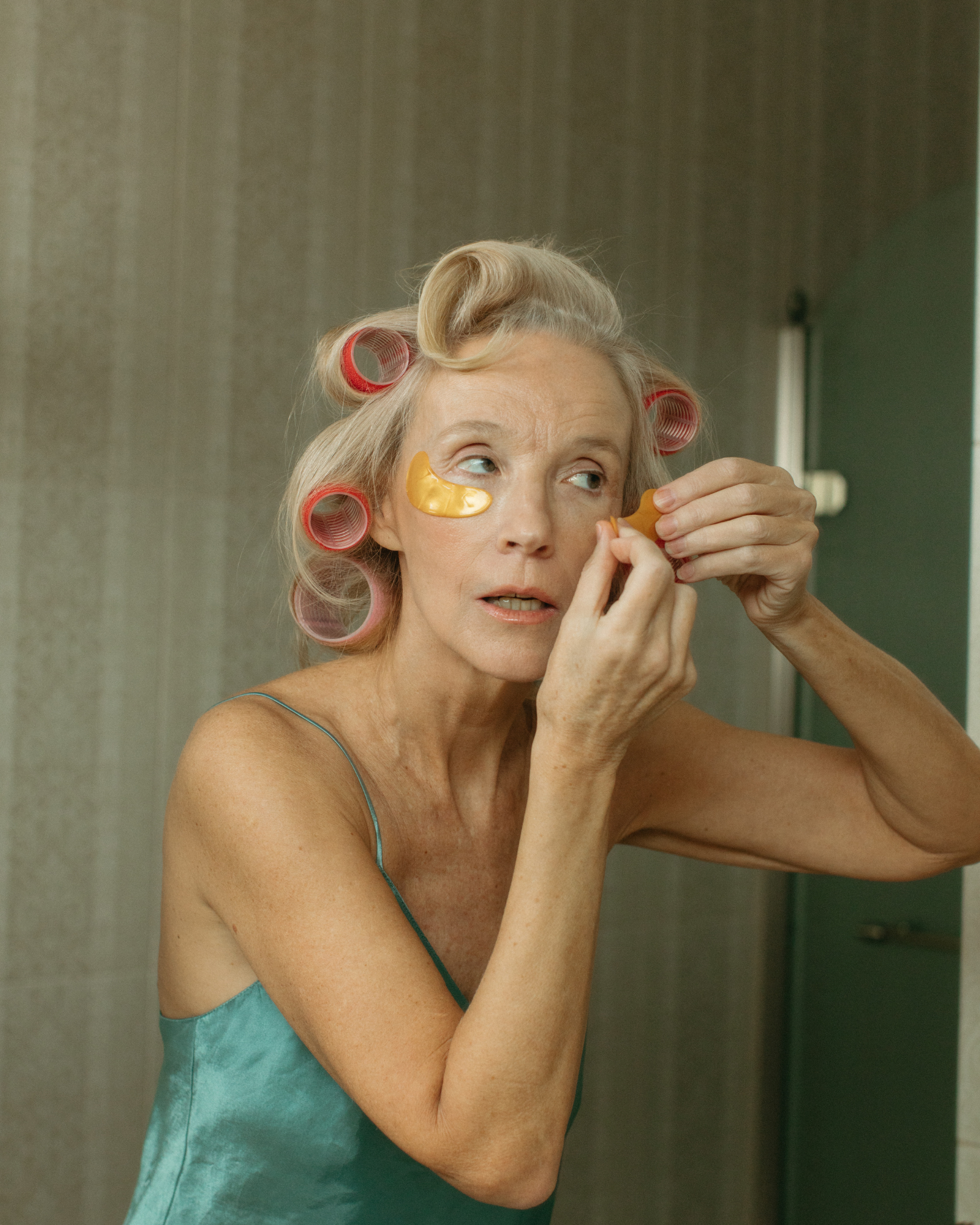
How to Build an Effective Menopause Skincare Routine
A good menopause skincare routine does not need to contain every ingredient discussed in this article.
It needs to address your dominant concerns while protecting barrier health.
For many women, a simple morning and evening structure is enough.
A Simple Morning Routine
Begin with a gentle cleanser or simply rinse the skin, depending on your skin type, personal preference and what you applied the previous evening.
Follow with one targeted active ingredient if needed.
This might be vitamin C for antioxidant support and uneven tone, niacinamide for barrier support, or azelaic acid where acne or rosacea is being appropriately managed.
Apply a suitable moisturiser if your sunscreen is not sufficiently hydrating.
Finish with broad spectrum sunscreen.
SPF is not the glamorous part of an anti ageing routine, but it protects every other investment you make in your skin.
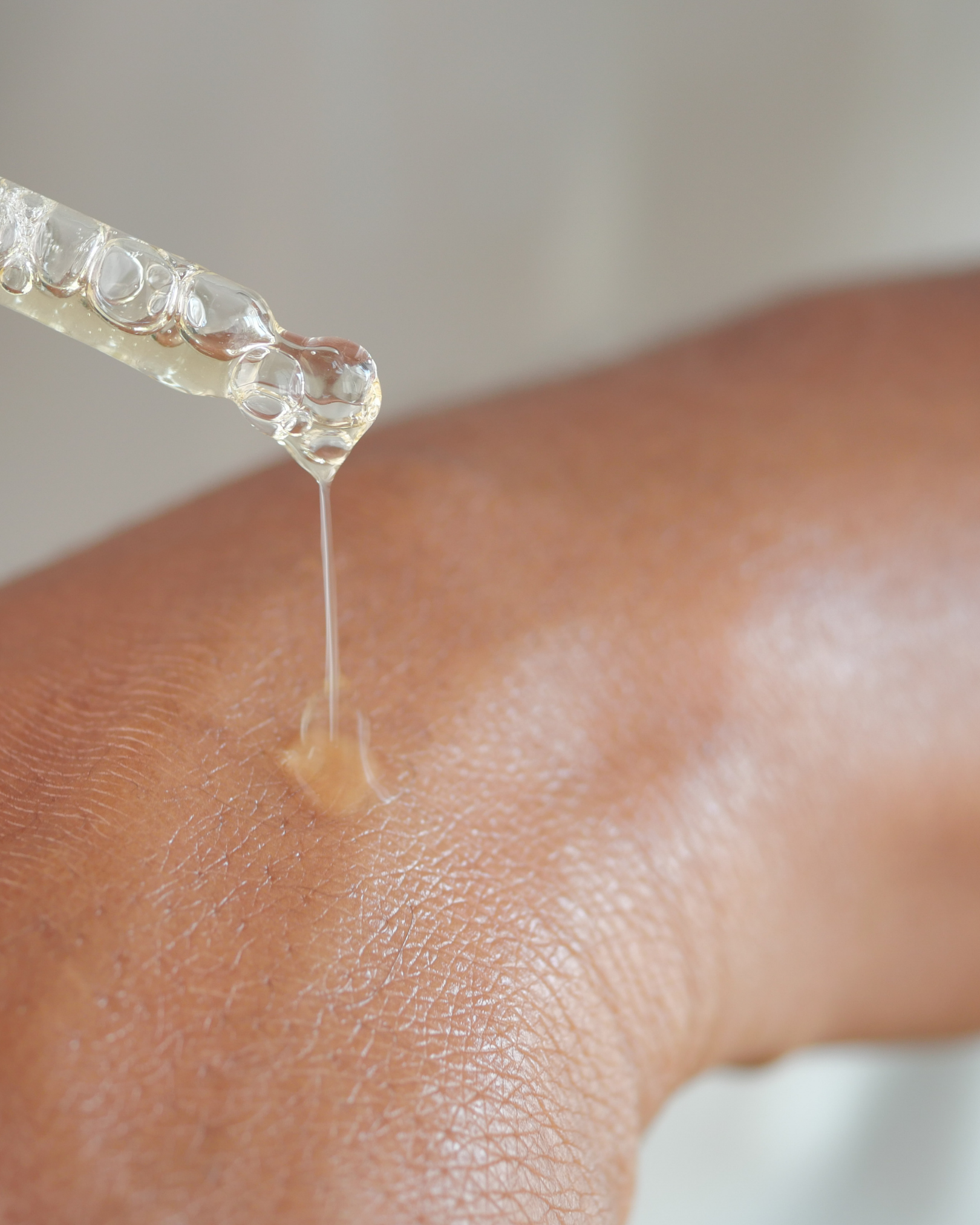
A Simple Evening Routine
Remove makeup, sunscreen and environmental debris with a gentle cleanser.
Apply your chosen active ingredient on the nights advised.
If a prescription retinoid forms part of your plan, follow the instructions provided by your prescriber.
On other nights, use a barrier supporting moisturiser or another targeted product according to your individual plan.
You do not need to exfoliate every evening.
The skin needs time to recover and maintain its protective barrier.
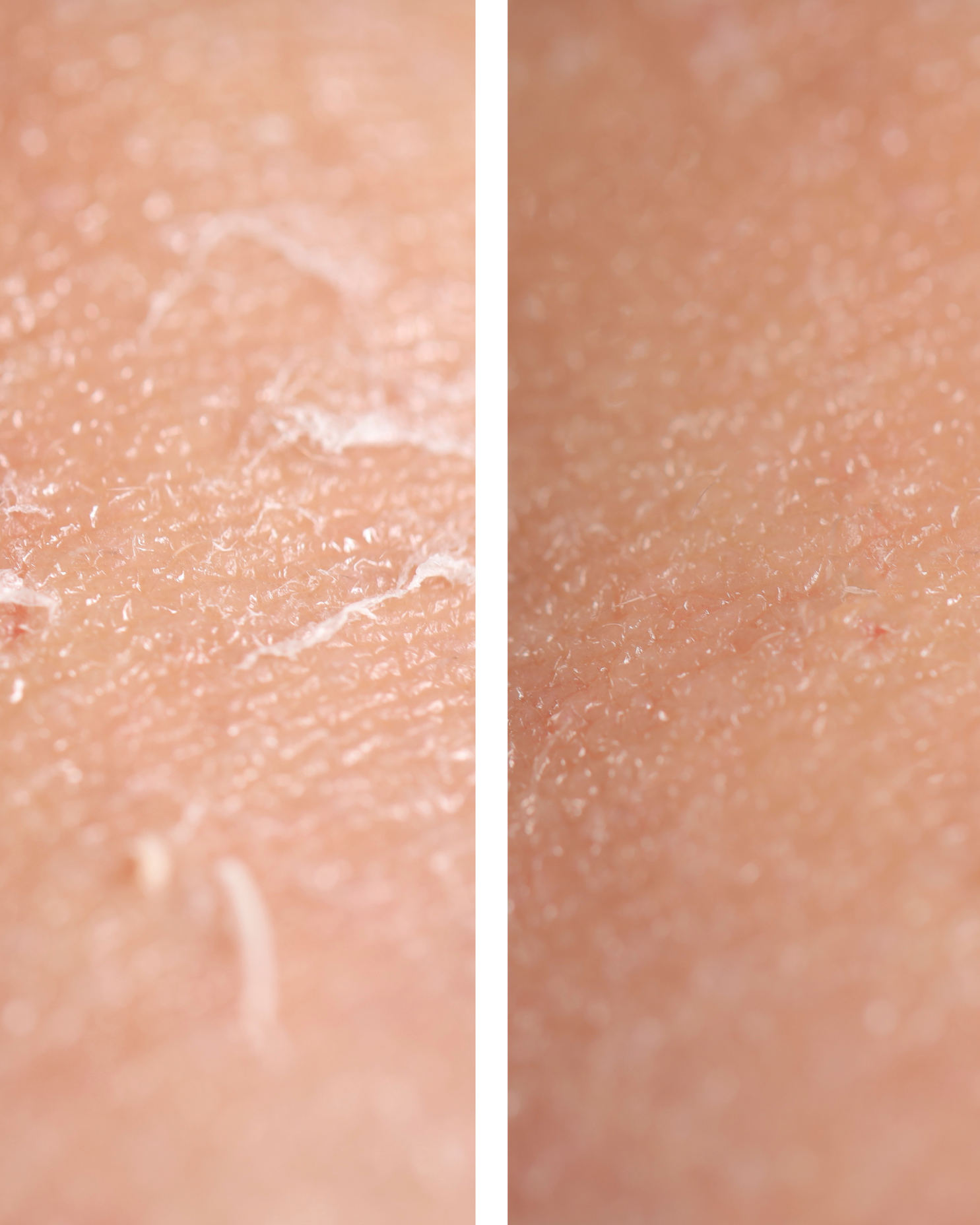
The Best Routine for Dry Menopausal Skin
Very dry menopausal skin usually needs a gentle cleanser, a moisturiser containing humectants and barrier supporting lipids, and a comfortable sunscreen.
Ingredients such as glycerin, ceramides, cholesterol, fatty acids, squalane and appropriate occlusives may help.
If the skin is burning or persistently peeling, active acids and retinoids may need to be reduced or temporarily paused while the barrier recovers.
Once the face feels comfortable, active ingredients can be reconsidered gradually.
Dry skin is common during menopause, but not every new episode of dryness should automatically be attributed to hormones.
Persistent, severe or widespread dryness may require medical assessment.
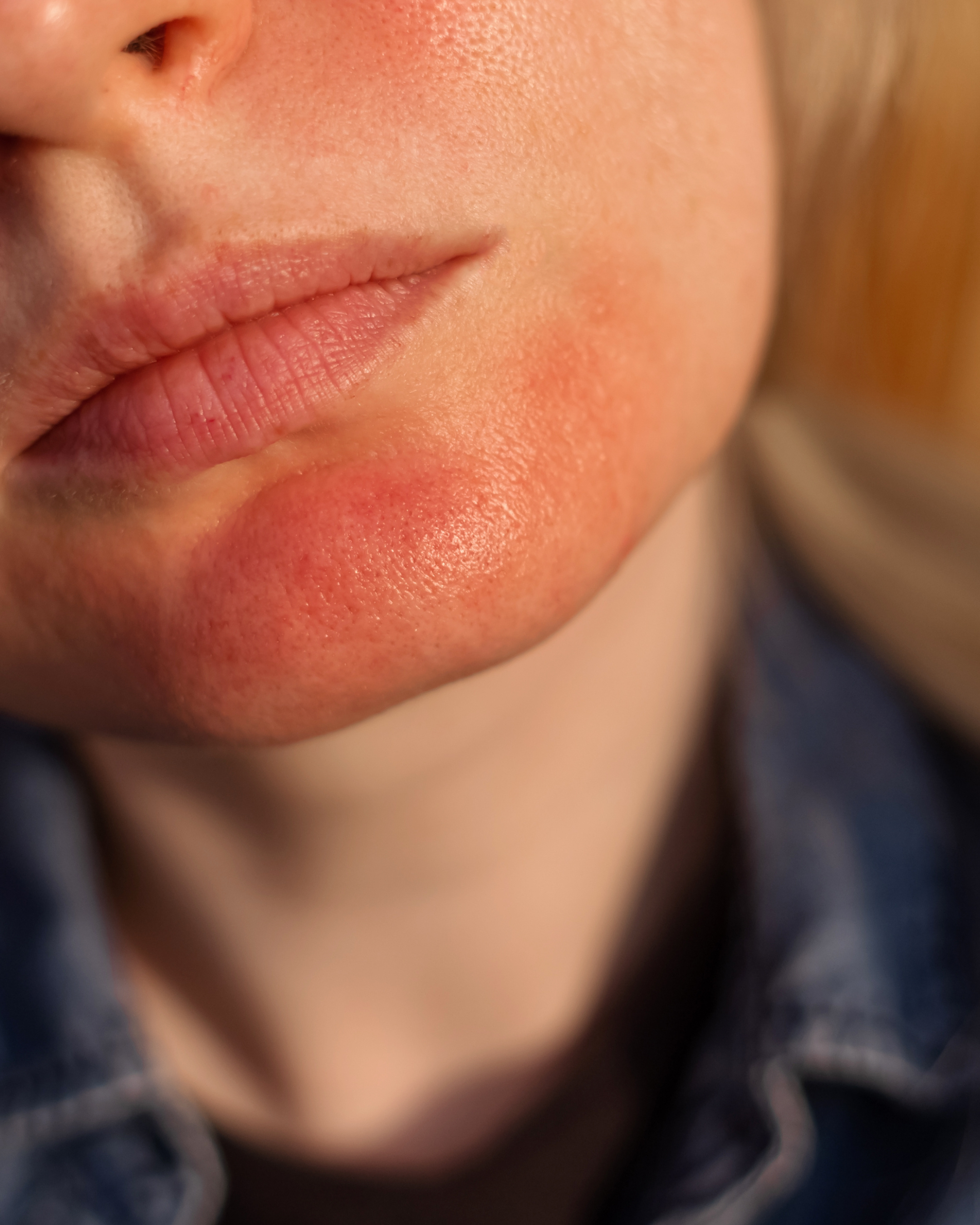
The Best Routine for Sensitive, Red or Rosacea Prone Skin
Persistent redness, flushing or burning may indicate rosacea, barrier damage, eczema, contact dermatitis or another inflammatory condition.
A gentle cleanser, fragrance free moisturiser and daily sunscreen usually provide the foundation.
Niacinamide or azelaic acid may help some patients, although even normally well tolerated ingredients can sting severely inflamed skin.
Prescription rosacea treatment may be more appropriate than repeatedly purchasing products labelled for sensitive skin.
If water and moisturiser both sting, the answer is unlikely to be another stronger serum.
The skin may need assessment and a period of recovery.
The Best Routine for Menopausal Acne
Menopausal acne often affects the chin and jawline.
The skin may be oily in these areas while remaining dry and sensitive elsewhere.
Depending on the individual, useful ingredients can include an appropriate retinoid, azelaic acid, salicylic acid or benzoyl peroxide.
Prescription treatment may be required for persistent, painful or scarring acne.
The routine needs to control breakouts without stripping the entire face.
It is also important not to assume that every facial bump is acne.
Rosacea, perioral dermatitis and folliculitis can produce similar appearances but require different management.
The Best Routine for Pigmentation and Uneven Tone
Daily broad spectrum sunscreen is essential.
Vitamin C, retinoids, niacinamide, azelaic acid and carefully selected exfoliating acids may help different forms of uneven pigmentation.
However, the type of pigmentation matters.
Solar lentigines, post inflammatory pigmentation and melasma do not behave identically.
Pigmentation that is changing rapidly, irregular, bleeding or clinically uncertain should be medically assessed rather than treated cosmetically.
A personalised plan is more likely to succeed than layering several brightening products without understanding the diagnosis.
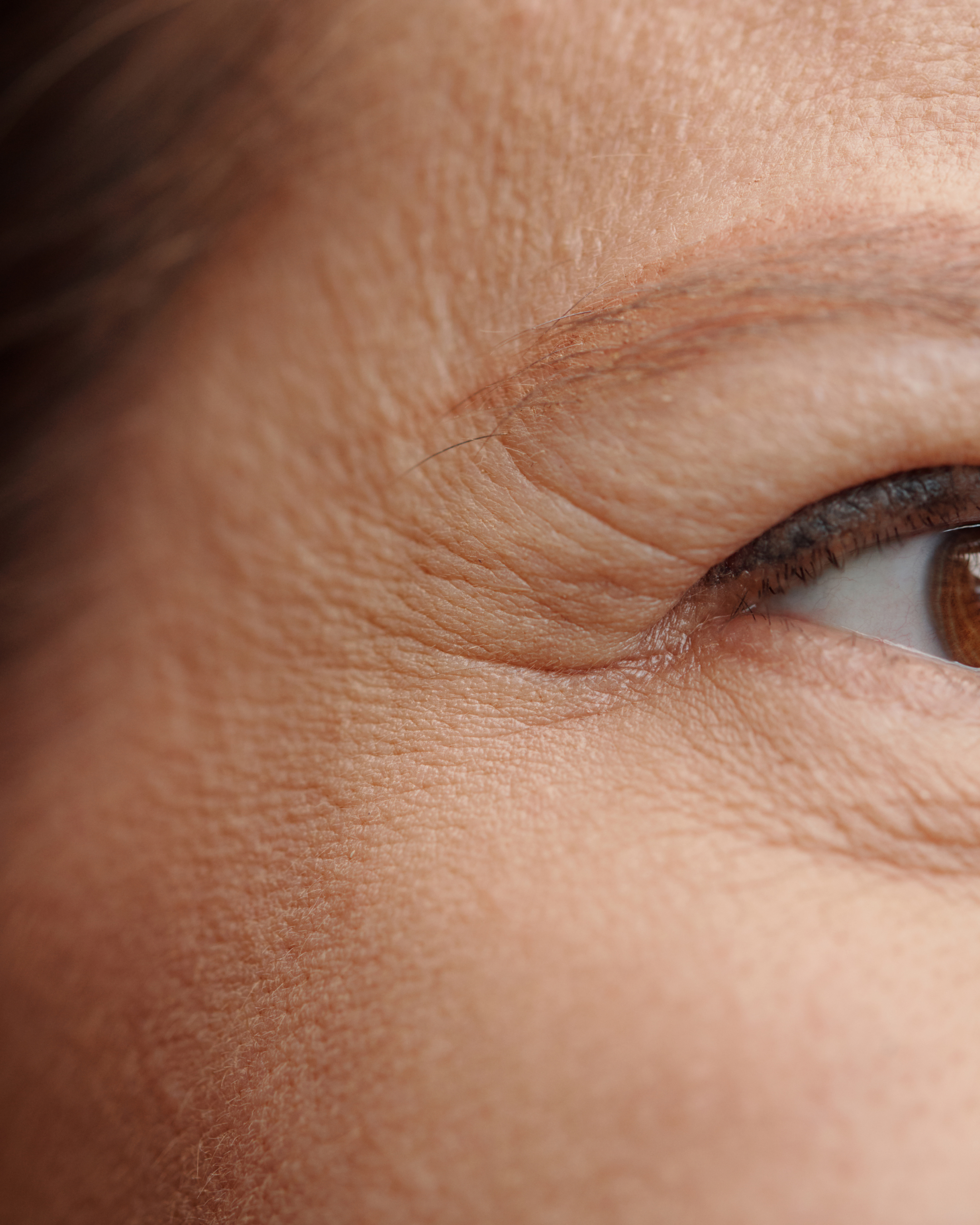
The Best Ingredients for Fine Lines
Daily sunscreen and an appropriate retinoid provide the strongest topical foundation for many women.
Vitamin C may add antioxidant support, while moisturising ingredients can soften the appearance of dehydration lines.
Peptides may provide more modest supportive benefits.
Deep expression lines may respond more predictably to an appropriate aesthetic consultation, while lines caused by loss of facial support or tissue descent cannot be corrected fully with skincare.
Skincare can improve skin quality.
It cannot address every structural cause of a wrinkle.
The Best Ingredients for Enlarged Pores
Pores are normal anatomical structures and cannot be permanently removed.
Their appearance can be influenced by oil production, acne, genetics, sun damage and reduced collagen around the pore opening.
Retinoids, salicylic acid and niacinamide may reduce their visibility in suitable patients.
Professional treatments such as microneedling may also be considered once the skin is healthy and stable.
The routine should avoid drying the face so severely that texture and pore shadows become more obvious.
What Should You Avoid Combining?
There are relatively few absolute rules that apply to every person, but several combinations commonly cause unnecessary irritation.
Introducing a prescription retinoid, strong vitamin C, glycolic acid and salicylic acid simultaneously makes it almost impossible to identify which product is helping or harming the skin.
Frequent exfoliating acids alongside a retinoid may be excessive for dry or sensitive menopausal skin.
Home peels should not be layered casually on top of an already intensive routine.
The safer principle is to introduce one active ingredient at a time.
Allow the skin to adapt before adding another.
A routine should be adjusted according to tolerance rather than copied from a social media timetable.
How to Use a Retinoid Without Overwhelming Your Skin Barrier
Retinoid irritation is common, but severe and persistent irritation should not be accepted as inevitable.
Begin with the product and frequency recommended for your individual skin.
Use only the advised amount.
Avoid applying it too close to the eyelids, lips and corners of the nose unless specifically instructed.
A moisturiser may be applied before or after the retinoid where appropriate.
Avoid introducing several exfoliating products simultaneously.
Increase frequency according to tolerance and clinical guidance, not ambition.
The objective is long term consistency.
A sustainable routine is more valuable than aggressive treatment followed by months of barrier repair.
Can You Use Vitamin C With a Retinoid?
Many women use vitamin C in the morning and a retinoid in the evening.
However, this does not mean both need to be introduced at the same time.
If your skin is sensitive, introduce one new active product and allow time to assess its effect before adding another.
Can You Use Niacinamide With a Retinoid?
Niacinamide is commonly included within routines containing retinoids because of its potential barrier supporting properties.
It may be present within a moisturiser rather than used as a separate serum.
There is usually no need to pursue the highest available concentration.
Why More Expensive Does Not Automatically Mean Better
Price does not reliably predict clinical efficacy.
Packaging, fragrance, branding and marketing can all increase cost without improving the biological performance of the formulation.
At the same time, formulation quality does matter.
An unstable vitamin C product or an unpleasant sunscreen that is never applied offers little value, even if the headline ingredient has supporting evidence.
The correct questions are:
Does this formulation contain an appropriate ingredient?
Is the concentration suitable?
Is it stable?
Can my skin tolerate it?
Will I use it consistently?
What Does “Medical Grade Skincare” Actually Mean?
The phrase “medical grade skincare” does not have one universally regulated definition.
It should not be treated as an automatic guarantee that a product is superior.
Medically supervised skincare can still be valuable when it gives a patient access to appropriate prescription treatment, structured review and a routine built around clinical assessment.
It also provides accountability.
If the skin becomes irritated, the plan can be reviewed and adjusted rather than the patient continuing alone and assuming that more peeling must mean better results.
At Dr Caroline Warden Skin & Aesthetic Clinic in Hale, skincare consultations focus on the complete routine.
We assess what you are already using, identify unnecessary duplication and discuss which evidence based ingredients may suit your skin.
Sometimes the improvement comes from adding one carefully selected ingredient.
Sometimes it comes from stopping four others.
What Skincare Cannot Do
Skincare can improve hydration, texture, pigmentation, acne, barrier health and certain features of photoageing.
It cannot replace facial fat, rebuild bone or physically reposition significantly descended tissue.
It cannot reproduce a surgical facelift.
It cannot guarantee that every pore, line or area of pigmentation will disappear.
This does not diminish the value of a good skincare routine.
It simply allows women to spend money on products with realistic expectations.

When Should Dry or Changing Skin Be Medically Assessed?
Menopause is a common cause of skin change, but it should not become a catch all explanation for every new symptom.
Seek medical advice if dryness or itching is severe, widespread or persistent, particularly when accompanied by other unexplained symptoms.
A changing mole, persistent non healing area, bleeding lesion or new irregular patch should be assessed rather than treated with cosmetic skincare.
Marked facial swelling, signs of infection or a severe reaction to a product may require prompt medical advice.
Persistent acne, rosacea or dermatitis may also benefit from diagnosis and appropriate treatment rather than continued product experimentation.

Menopause Skincare Consultations in Hale, Cheshire
At Dr Caroline Warden Skin & Aesthetic Clinic in Hale, I offer personalised consultations for women whose skin has become dry, sensitive, red, acne prone or unpredictable during perimenopause and menopause.
The clinic is based in Crown Passages in Hale, close to Altrincham and easily accessible from Bowdon, Hale Barns, Timperley, Sale, Wilmslow, Knutsford, Alderley Edge, Stockport, Didsbury, Manchester and across Cheshire.
A consultation is not simply an appointment to purchase a collection of products.
We review your current routine, medical history, medication, allergies, menopausal symptoms and the changes you have noticed.
Your skin barrier, redness, pigmentation, texture, acne and wider facial concerns are assessed before a plan is recommended.
Sometimes the right plan involves a simpler cleanser and moisturiser.
Sometimes rosacea or acne needs to be addressed.
Sometimes a suitable cosmetic retinoid is sufficient.
Where clinically appropriate, prescription treatment may be discussed following an individual assessment.
There is no obligation to buy a complete product range or undergo an aesthetic treatment.

What Happens During a Skincare Consultation?
Your consultation begins with a detailed discussion about what has changed and what you hope to improve.
Please bring a list or photographs of the products you currently use, including cleansers, serums, moisturisers, prescription creams and sunscreens.
We will look for duplicated active ingredients, likely irritants and gaps within the routine.
I will explain which concerns may respond to skincare, which may require medical treatment and which are caused by deeper facial changes that topical products cannot correct.
You will receive a personalised plan designed to be effective, understandable and realistic.
Case Study: “I Was Using Every Good Ingredient, but My Skin Looked Worse”
Julie, Age 49, Cheshire
Julie attended our Hale clinic because her skin had become dry, red and persistently uncomfortable during perimenopause.
She had researched skincare extensively and believed she was using all the correct ingredients.
Her morning routine included a foaming cleanser, a strong vitamin C serum, niacinamide and sunscreen.
In the evening she used glycolic acid, retinol, a peptide serum and a fragranced facial oil.
Twice a week she performed a home peel.
On paper, many of these ingredients appeared reasonable.
In practice, the complete routine was overwhelming her skin.
Her face felt tight after cleansing. Moisturiser stung and makeup clung to dry areas around her nose and mouth.
She had also developed persistent cheek redness and intermittent inflammatory bumps.
Julie assumed she needed a stronger moisturiser.

During her consultation, it became clear that she had significant barrier disruption alongside features suggestive of early rosacea.
The first stage was not adding another product.
We simplified the routine.
The foaming cleanser, frequent glycolic acid, home peel and fragranced facial oil were stopped.
She began using a gentle cleanser, a barrier supporting moisturiser and daily broad spectrum sunscreen.
Her redness was assessed and managed, and the skin was allowed to settle.
Once her face felt comfortable, one evidence based active ingredient was introduced gradually. An antioxidant product was considered later, after the barrier had become resilient enough to tolerate it.
Over the following months, Julie’s redness reduced and her skin felt softer and more predictable.
Fine lines appeared less obvious because the skin was hydrated rather than chronically inflamed.
Makeup sat more smoothly and she no longer felt the need to cover her complexion heavily.
The most important lesson was that Julie had not necessarily chosen bad ingredients.
She had chosen too many active ingredients for the skin she had at that stage of life.
Her results improved when her routine became simpler, more structured and more sustainable.
This is a composite case study reflecting concerns commonly discussed in clinic. It does not describe one identifiable patient. Individual suitability and results vary.

My Preferred Skincare Philosophy During Menopause
Menopausal skin does not need punishment.
It does not need to be stripped, peeled or forced into constant renewal.
It needs protection, hydration and carefully selected stimulation.
The strongest routine is not the one containing the highest percentages or the greatest number of products.
It is the routine that addresses your concerns and that you can use consistently without causing persistent inflammation.
For many women, the best long term plan contains a gentle cleanser, a barrier supporting moisturiser, daily broad spectrum sunscreen and one appropriate active ingredient.
Vitamin C, niacinamide, azelaic acid or pigmentation treatments can then be added when they have a clear purpose.
Your routine should remain simple enough that you understand what every product is doing.

Frequently Asked Questions
What are the best skincare ingredients during menopause?
The most useful ingredients depend on your concerns. Broad spectrum sunscreen, an appropriate retinoid, ceramides, glycerin, niacinamide, vitamin C, azelaic acid and suitable moisturising ingredients are among the most useful options.
What is the single best anti ageing skincare ingredient during menopause?
No ingredient works in isolation. Daily sunscreen is essential for preventing additional photoageing. For suitable women, retinoids have some of the strongest evidence for improving fine lines, pigmentation and texture.
Is retinol or tretinoin better during menopause?
Tretinoin is a prescription medicine with stronger evidence and greater potency, but it also has a greater potential to irritate. Retinol or retinal may be more suitable for some women. The correct choice depends on the individual skin and clinical assessment.
Can a clinic advertise prescription tretinoin?
A clinic may provide balanced educational information and promote a consultation service, but prescription only medicines cannot be advertised directly to the general public. Suitability for any prescription product must be determined after assessment.
Is tretinoin too strong for menopausal skin?
Not necessarily, but it may require slower introduction and additional barrier support. It is not suitable for everyone and should be used according to the prescriber’s instructions.
Does tretinoin thin the skin?
Tretinoin may initially cause surface dryness, peeling or irritation. Long term research in photoaged skin supports dermal collagen remodelling rather than harmful thinning when it is appropriately used.
Do I need to use a retinoid every night?
No. Frequency depends on the product, strength, skin tolerance and clinical advice. Consistent use at a tolerable frequency is more important than forcing nightly application.
What ingredients help very dry menopausal skin?
Ceramides, glycerin, cholesterol, fatty acids, squalane, hyaluronic acid and suitable occlusive ingredients may help improve comfort and reduce moisture loss.
Are ceramides good for menopausal skin?
Yes. Ceramides form part of the natural skin barrier and can be particularly useful when the skin is dry, sensitive or adapting to active ingredients.
Is hyaluronic acid enough for dry skin?
Often not. Hyaluronic acid is a humectant, but very dry skin may also require emollient, lipid and occlusive support from a suitable moisturiser.
Is glycerin better than hyaluronic acid?
They are both useful humectants and can work well together. Glycerin is often included in effective moisturisers and should not be overlooked simply because hyaluronic acid is more heavily marketed.
Is niacinamide good for menopausal skin?
Niacinamide may support barrier function, pigmentation and aspects of redness or oil regulation. Moderate concentrations are often sufficient.
Can niacinamide irritate the skin?
Yes. Higher strength formulations can cause stinging or flushing in some women. More is not always better.
Is vitamin C good for menopausal skin?
A well formulated vitamin C product may provide antioxidant support and help uneven tone. Formulation, stability and tolerance matter.
Why does vitamin C sting my face?
L ascorbic acid formulations are acidic and may sting when the skin barrier is damaged or rosacea is active. The product may need to be paused or replaced.
Can vitamin C and a retinoid be used together?
They can form part of the same overall routine, often at different times of day. Sensitive skin usually benefits from introducing one active product at a time.
Is azelaic acid good for menopausal acne?
Azelaic acid has evidence for acne and papulopustular rosacea and may also help post inflammatory pigmentation. It can still cause initial tingling or dryness.
Is salicylic acid good during menopause?
It may help blackheads, oiliness, congestion and acne. It can be drying, so use should reflect the condition of the skin barrier.
Is glycolic acid good for menopausal skin?
Glycolic acid may improve texture and pigmentation in suitable patients. Frequent or strong use can worsen dryness, irritation and rosacea.
Do menopausal women need to exfoliate?
Not necessarily. Some women benefit from carefully selected exfoliation, while others achieve better results by reducing acids and allowing the skin barrier to recover.
Are peptides worth using?
Peptides may provide supportive cosmetic benefits, but the evidence varies between products. They are optional rather than foundational.
Does NAD skincare reverse skin ageing?
Current research into NAD related skincare is interesting, but clinical evidence remains limited. It should not be described as reversing menopause or replacing established treatments.
What ingredients should sensitive menopausal skin avoid?
There is no universal banned list. However, fragrance, essential oils, abrasive scrubs, frequent strong acids and multiple retinoids commonly worsen reactive skin.
Is fragrance bad for menopausal skin?
Not everybody reacts to fragrance, but it can be an irritant or allergen. Fragrance free products may be preferable for women with eczema, allergy, rosacea or very sensitive skin.
What is the best cleanser during menopause?
A gentle cleanser that removes makeup and sunscreen without leaving the face tight or sore is usually preferable.
Do I need to cleanse in the morning?
Not always. Some women with very dry skin prefer rinsing in the morning and cleansing thoroughly in the evening.
What is the best moisturiser during menopause?
The best moisturiser restores comfort, supports the barrier and suits your skin type. Useful ingredients may include ceramides, glycerin, fatty acids and squalane.
What is the best SPF for menopausal skin?
Choose a broad spectrum SPF 30 or higher that you are willing to use consistently. SPF 50 is often preferred where photoageing, pigmentation or rosacea is a concern.
Can skincare lift menopausal jowls?
No. Skincare can improve the overlying skin but cannot physically reposition significantly descended tissue.
Can skincare replace Sculptra or dermal filler?
No. These treatments work at different anatomical levels. Skincare primarily improves the skin, while injectable treatments may address deeper collagen or structural concerns in suitable patients.
Can skincare improve enlarged pores?
Retinoids, salicylic acid and niacinamide may reduce their appearance. Pores are normal structures and cannot be permanently removed.
Can skincare improve crepey under eye skin?
Hydration, sun protection and a suitable gentle retinoid may help fine texture. Strong active ingredients should not be applied close to the eyes without appropriate guidance.
How long does menopause skincare take to work?
Hydration and comfort may improve within days or weeks. Changes in pigmentation, texture and photoageing generally require several months of consistent treatment.
Should I replace my entire routine at once?
Usually not. Introducing changes gradually makes it easier to identify what is helping and what may be causing irritation.
Why has my old skincare routine stopped working?
Your skin may have become drier, thinner or more sensitive through a combination of hormonal change, ageing and environmental exposure. The products may not be inherently bad, but they may no longer suit your skin.
Can I book a skincare consultation without having aesthetic treatment?
Yes. A consultation can focus entirely on skin health and your home routine. There is no obligation to have an injectable or procedural treatment.
What is the difference between a skincare consultation and a facial?
A doctor led skincare consultation considers your medical history, medication, skin conditions, existing products and the possibility of prescription treatment. It is an assessment and planning appointment rather than a beauty facial.
Where can I get menopause skincare advice in Hale or Altrincham?
Dr Caroline Warden offers personalised menopause skin and skincare consultations at her female led, family run clinic in Hale, Cheshire, close to Altrincham.
Do you see patients from outside Cheshire?
Yes. The clinic welcomes patients from Manchester and further afield. Prescription treatment requires appropriate medical assessment and may require an in person consultation.

Why Choose Dr Caroline Warden for Menopause Skincare?
Menopausal skin sits at the intersection of women’s health, dermatology, skincare and aesthetic medicine.
Medical context matters.
As an NHS GP and aesthetic doctor with nearly 20 years of medical experience, I consider your health, medication, menopausal symptoms, rosacea, acne, pigmentation and existing routine before recommending products.
My role is not to sell every patient the longest or most expensive programme.
It is to identify what your skin needs, remove unnecessary irritation and create a routine you can use consistently.
Sometimes that means introducing one carefully selected active ingredient.
Sometimes it means addressing rosacea first.
Sometimes the most effective change is stopping several products and allowing the barrier to recover.
Alongside my sister Louise Devereux, Creative Director and Patient Coordinator, I have created a discreet, female led, family run clinic focused on honest advice, evidence based skincare and natural looking results.

Book a Menopause Skincare Consultation
If your skin has become dry, sensitive, acne prone or unpredictable during perimenopause or menopause, you do not need to continue buying products through trial and error.
At Dr Caroline Warden Skin & Aesthetic Clinic in Hale, Cheshire, every consultation begins with a review of your skin, health, current products and goals.
Your personalised plan may involve barrier repair, a cosmetic retinoid, antioxidant skincare, rosacea management, acne treatment, pigmentation care or discussion of prescription options where clinically appropriate.
There is no expectation to purchase a long list of products or proceed with an aesthetic procedure.
The aim is to create a clear and sustainable routine that supports healthier skin over the long term.
Patients visit our Hale clinic from Altrincham, Bowdon, Hale Barns, Wilmslow, Knutsford, Sale, Alderley Edge, Stockport, Didsbury, Manchester and across Cheshire.

About the Author
Dr Caroline Warden
Dr Caroline Warden is an experienced NHS GP and aesthetic doctor with nearly 20 years of medical experience.
She is Medical Director of Dr Caroline Warden Skin & Aesthetic Clinic in Hale, Cheshire, where she provides doctor led skincare consultations and natural looking aesthetic treatments alongside her sister, Louise Devereux.
Medically reviewed and edited by Dr Caroline Warden
Last reviewed: June 2026
This article provides general educational information and does not replace an individual medical consultation. The suitability of skincare ingredients and prescription treatment varies between patients.

References and Further Reading
Scientific and Medical References
NHS: Symptoms of Menopause and Perimenopause
American Academy of Dermatology: Caring for Your Skin During Menopause
American Academy of Dermatology: Retinoid or Retinol?
Managing Menopausal Skin Changes: A Narrative Review
Menopause Induces Changes to the Stratum Corneum Ceramide Profile
The Effects of Oestrogen, Menopause and Hormone Replacement Therapy on the Skin
Topical Tretinoin for Treating Photoageing: A Systematic Review
Topical Vitamin C and the Skin: Mechanisms of Action and Clinical Applications
Mechanistic Basis and Clinical Evidence for Topical Niacinamide
A Systematic Review of Azelaic Acid for Rosacea, Acne and Melasma
The Efficacy of Ceramide Containing Moisturisers
Cosmeceuticals for Anti Ageing: A Systematic Review
Further Reading From Dr Caroline Warden
Menopause Skin Clinic in Hale, Altrincham and Cheshire
Does Menopause Make You Look Older?
Why Some Women Feel They Have Aged Overnight
