The Best Moisturisers in 2026 for Healthy, Glowing Skin

Expert skin science insights an award-winning holistic aesthetic clinic in Altrincham. Written by Dr Caroline Warden, NHS GP, cosmetic dermatology specialist
If there’s one skincare product I’d want most patients in Hale, Altrincham and South Manchester to get right, it’s their moisturiser.
Not because moisturiser is “basic” but because the right one can:
Reduce dryness and tightness
Calm sensitivity and redness
Support the skin barrier (so you tolerate actives and treatments better)
Improve the look of texture and fine lines simply by optimising hydration
And the wrong one? It can sting, clog, pill under SPF, or just sit there doing very little.
This guide explains what makes a moisturiser genuinely “good”, how to choose one for your skin type, and where Obagi fits in because it’s one of the ranges I frequently see patients do well with when they need reliable hydration without guesswork.
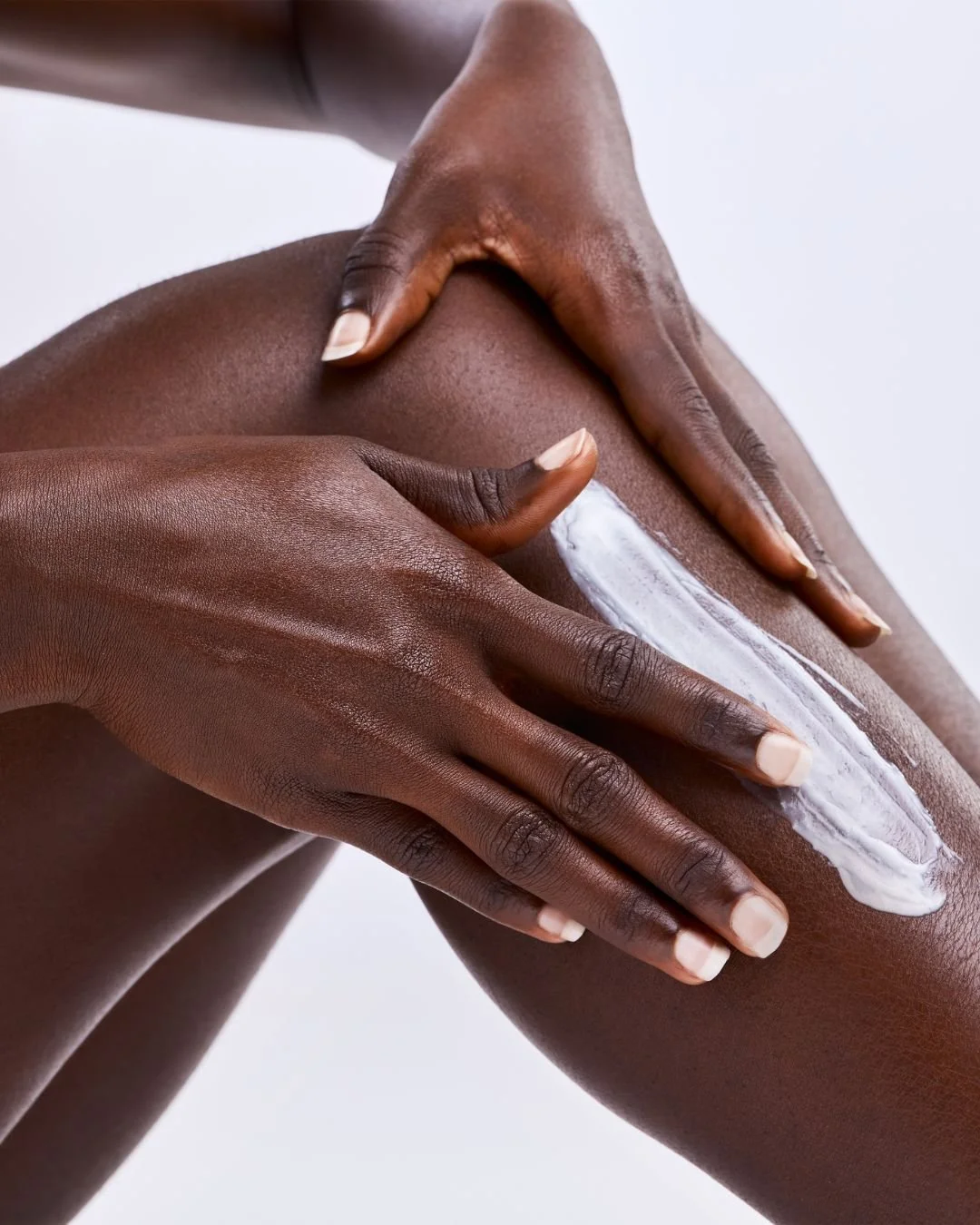
What a moisturiser is actually doing (the science in plain English)
Your skin’s outer layer (the stratum corneum) is designed to keep water in and irritants out. When the barrier is compromised, water escapes more easily (known as transepidermal water loss, or TEWL) and skin becomes tight, reactive, flaky or inflamed.
A well-formulated moisturiser helps in three main ways:
1) Humectants: “water magnets”
These pull water into the outer skin layers.
Glycerin
Hyaluronic acid
Panthenol
Urea (also gently softens rough skin)
2) Emollients: “skin smoothers”
These fill in the gaps between skin cells and make texture feel softer.
Squalane
Fatty alcohols (e.g., cetearyl alcohol)
Plant oils/butters (in the right formulation)
3) Occlusives: “seals”
These create a protective film to reduce TEWL.
Petrolatum
Dimethicone
Mineral oil
Waxes
Key point: the best moisturisers usually combine all three — hydrate + smooth + seal — in a balance that suits your skin.
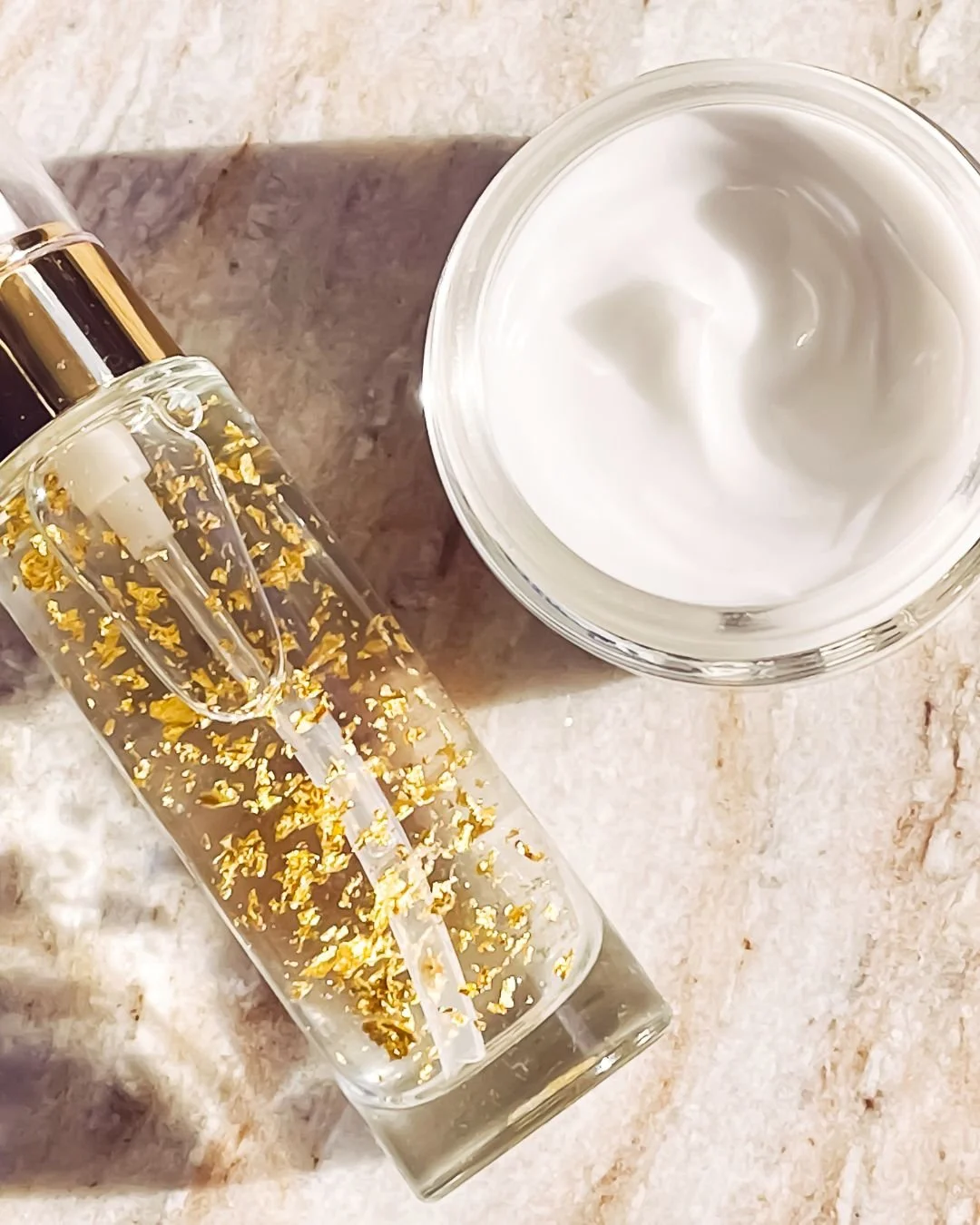
What makes a moisturiser “the best”?
“The best moisturiser” is the one you’ll use consistently and that matches your barrier needs.
A great moisturiser usually:
Supports barrier lipids (ceramides/cholesterol/fatty acids)
Hydrates + seals (humectant + emollient + occlusive balance)
Is non-irritating (ideally fragrance-free for sensitive/eczema-prone skin)
Layers well under SPF and makeup
Fits your skin type (dry vs oily vs acne-prone)
Choose your moisturiser by skin type
If you’re dry, tight, or flaky
Look for:
Ceramides + cholesterol + fatty acids
Glycerin
A richer texture (cream/balm)
Optional: a small amount of occlusive at night (especially on dry patches)
Pro tip (especially in winter in Hale/Altrincham): apply moisturiser to slightly damp skin after cleansing.
If you’re oily or combination (but still dehydrated)
Yes — oily skin can still be dehydrated and barrier-stressed.
Look for:
Lightweight lotion/gel-cream
Glycerin, hyaluronic acid, niacinamide
Non-greasy emollients like squalane
Avoid:
Overly heavy balms across the whole face (unless used sparingly on dry areas)
If you’re acne-prone
Barrier damage can make acne worse because irritated skin is more inflamed and reactive.
Look for:
Non-fragranced
Lightweight, non-greasy
Niacinamide (often helpful for calming and oil balance)
Remember: your acne treatment can be brilliant, but if your barrier is compromised, you’ll struggle to tolerate it consistently.
If you’re sensitive, rosacea-prone, or eczema-prone
This is where moisturiser choice matters most.
Look for:
Fragrance-free
Barrier lipid support
Soothing ingredients (e.g., oat, panthenol, allantoin)
Minimal “extras”
If your skin is in a flare (stinging, burning, sudden redness), a short barrier reset often works better than adding more actives.
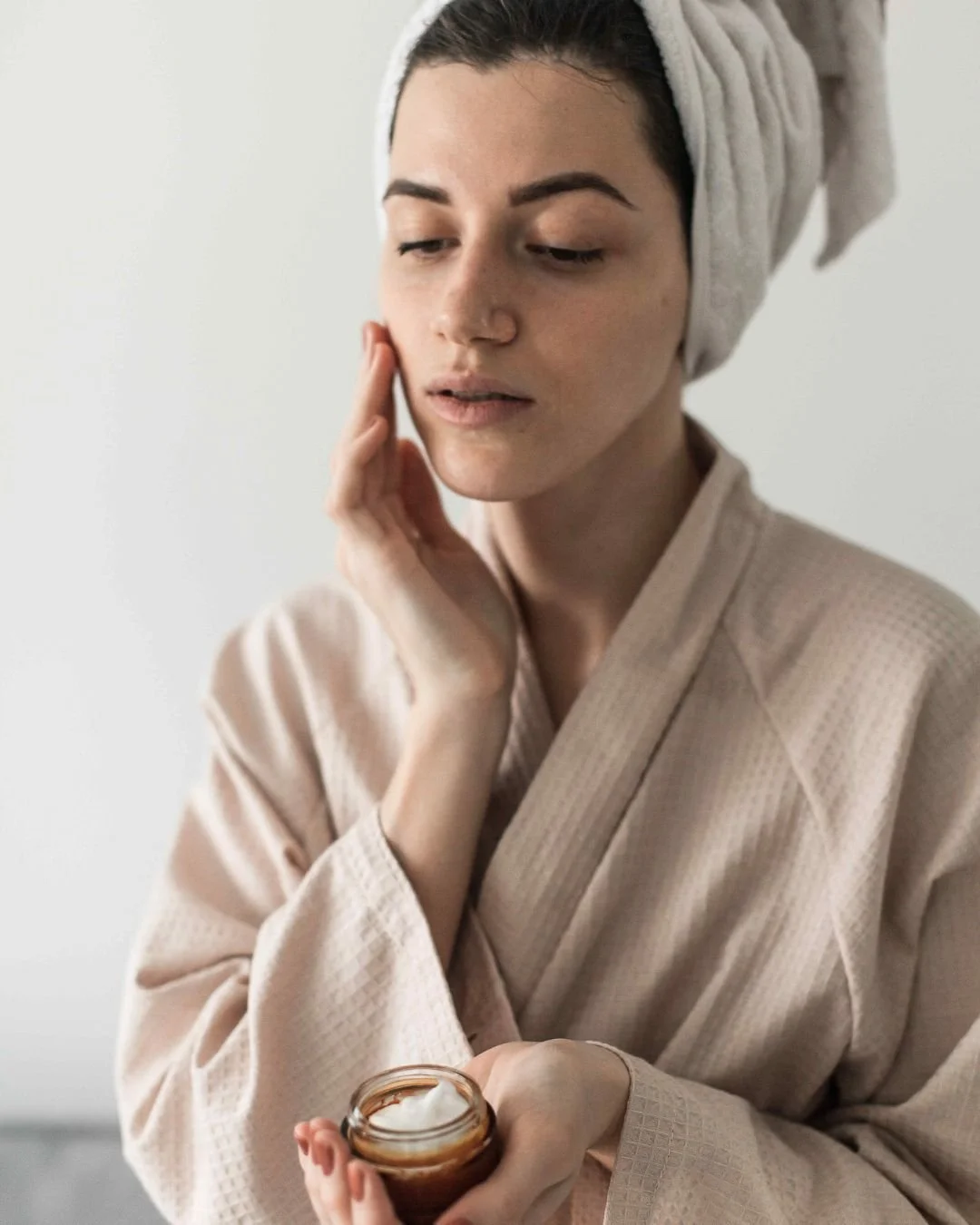
Where Obagi fits in (and which Obagi moisturiser suits which skin)
Obagi is often described as “medical-grade” skincare. What I like about Obagi’s hydration options is that they’re clearly positioned by skin need, from lightweight daytime hydration to richer night support and barrier-focused recovery.
Obagi Hydrate® Facial Moisturizer (lightweight daily hydration)
Best for:
Normal/combination skin
“Tight but not truly dry” skin
People who hate heavy creams
How I’d use it:
AM under SPF, or PM if you want something simple and light.
Obagi Hydrate Luxe® (richer, more nourishing)
Best for:
Dry skin
Winter skin (central heating + low humidity)
Mature skin needing comfort + bounce
Anyone on retinoids who feels flaky/irritated
How I’d use it:
PM moisturiser, especially during colder months, or 2–3 nights/week if you’re combination.
Obagi Rebalance Skin Barrier Recovery Cream (barrier-first recovery)
Best for:
Sensitised, compromised barrier
Redness-prone, over-exfoliated “everything stings” skin
Post-procedure support (as advised by your practitioner)
How I’d use it:
A 2–4 week barrier reset or around treatment plans depending on your skin.
Obagi Daily Hydro-Drops™ (hydration + glow)
Best for:
Dehydrated skin that feels dull
People who love a lighter, glowy feel under moisturiser/SPF
How I’d use it:
Under moisturiser and SPF in the morning, or as a hydrating step at night.
A quick “best moisturiser” cheat sheet
Dry + sensitive: barrier-focused cream + consider a richer night moisturiser
Oily but dehydrated: lightweight lotion/gel-cream + glycerin/niacinamide
Using retinoids: richer PM moisturiser + build retinoid use slowly
Barrier impaired: pause actives temporarily and prioritise barrier recovery
How to use moisturiser properly (this is where results happen)
The order that works
Cleanse (gently)
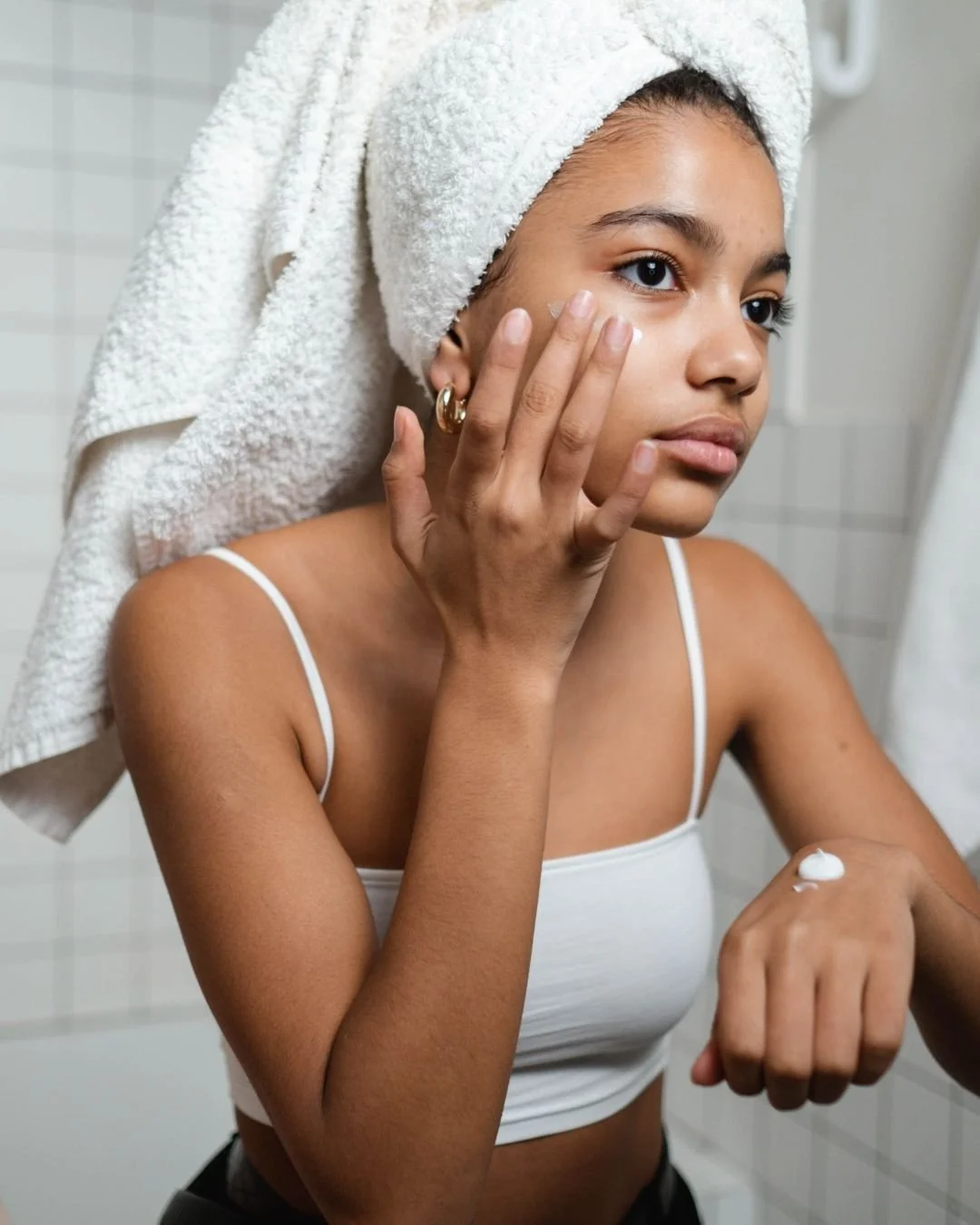
Apply moisturiser to slightly damp skin
SPF in the morning
How much?
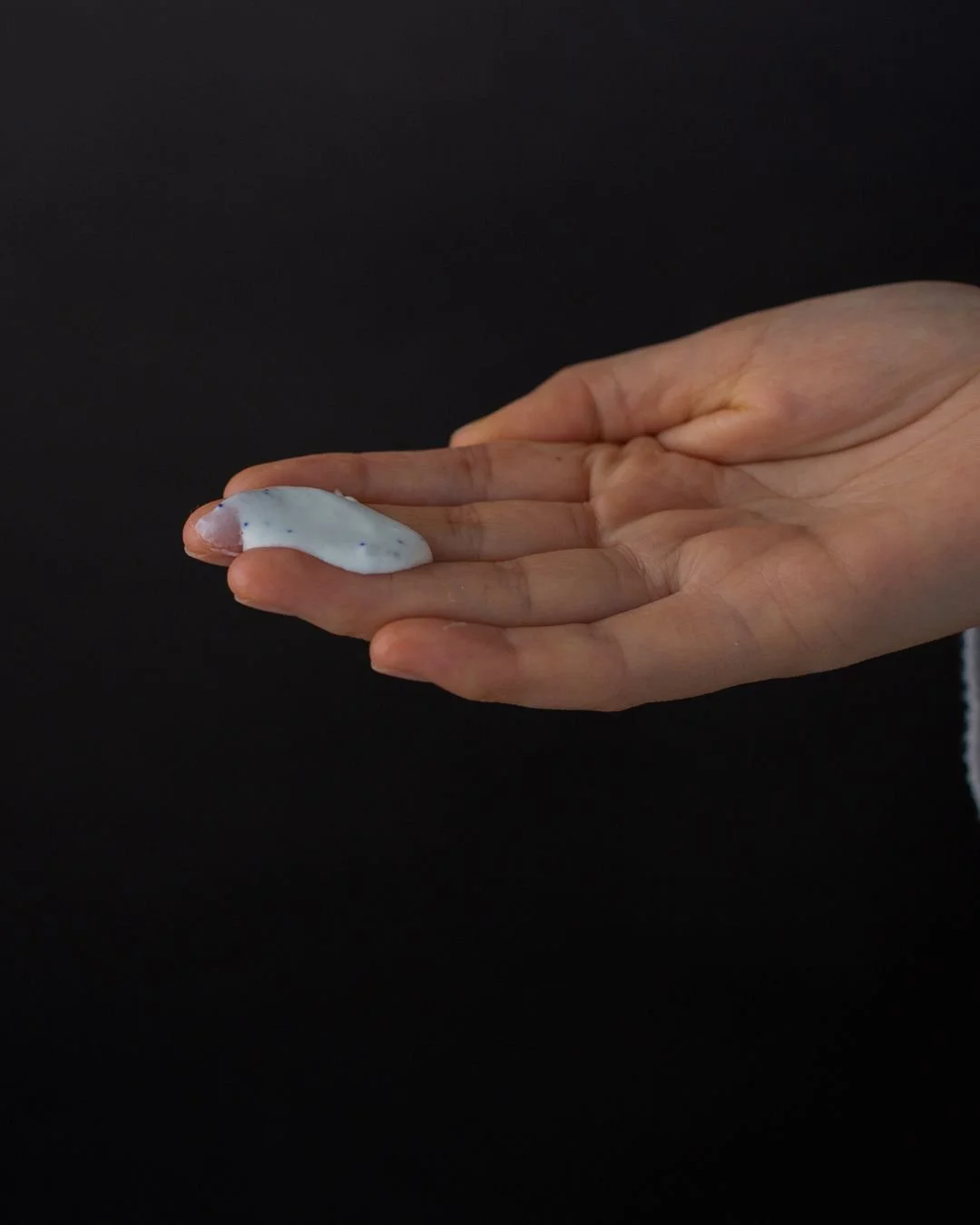
Face + neck: roughly a 1–2 pea amount (more if very dry, less if oily)
Consistency beats quantity
If you’re very dry at night
Add a tiny amount of an occlusive on top in dry patches (not always full-face if you’re acne-prone).
If you’re using actives (retinoids/acids)
Moisturiser can reduce irritation and improve consistency
Consider “buffering” (moisturiser before retinoid) if you’re sensitive
Build frequency slowly
Local advice: Hale / Altrincham / South Manchester skin often needs seasonal switching
A common mistake I see locally is using the same texture year-round.
Winter
Richer moisturiser
More barrier support
Less exfoliation
Summer
Lighter textures
More diligent SPF habits
Careful actives if you’re in the sun
If your skin fluctuates month to month, it’s rarely “random” — it’s usually barrier + environment.
Case study: A winter barrier reset (anonymised patient example)
Background
A patient in South Manchester presented mid-winter with:
Stinging after cleansing
Patchy, flaky makeup wear
Increased redness after adding stronger skincare (more exfoliation + a new retinoid)
What we found
This was classic barrier disruption, not a need for more actives.
The plan (4 weeks)
Weeks 1–2: Barrier reset
Pause acids and retinoid temporarily
Switch to a gentle cleanser
Use a barrier recovery moisturiser consistently (AM/PM)
SPF every morning
Weeks 3–4: Reintroduce one active
If stinging settled: reintroduce retinoid 1–2 nights/week
Continue barrier moisturiser on non-retinoid nights
Outcome (patient-reported)
Within a couple of weeks, the patient reported:
Less tightness and stinging
Calmer redness
SPF and makeup sitting more smoothly
Note: results vary. Persistent redness, eczema, or acne should be assessed professionally.

FAQs
Do I need moisturiser if I have oily skin?
Often, yes. Oily skin can be dehydrated. Choose a lightweight, non-greasy moisturiser rather than skipping it.
Should moisturiser go before or after serum?
Typically: cleanse → serum (optional) → moisturiser → SPF (AM).
Why does my moisturiser sting?
Stinging often suggests a compromised barrier or sensitivity to fragrance/actives. Simplify and focus on barrier repair.
Can moisturiser cause breakouts?
It can if it’s too heavy for your skin type. Acne-prone skin usually does best with lighter textures and fragrance-free formulas.
What’s the difference between Obagi Hydrate and Hydrate Luxe?
Hydrate: lightweight, daily hydration
Hydrate Luxe: richer, more nourishing, ideal for dry/winter/retinoid users
Where do Obagi Daily Hydro-Drops fit in a routine?
Use it after cleansing, before moisturiser, then SPF in the morning.
How long should I try a moisturiser before deciding it works?
If it suits you, comfort can improve quickly, but give it 2–4 weeks for more noticeable barrier and texture benefits (unless it irritates or breaks you out).
What moisturiser is best after treatments (microneedling/peels)?
Follow your practitioner’s guidance. Usually you’ll want something fragrance-free, soothing, and barrier-supportive, and you may need to pause actives temporarily.
Final thought
The “best moisturiser” isn’t the most expensive, it’s the one that matches your skin barrier needs and that you’ll use every day. Obagi is a standout because it offers clear options: lightweight daily hydration (Hydrate), richer overnight support (Hydrate Luxe), and barrier recovery (Rebalance).
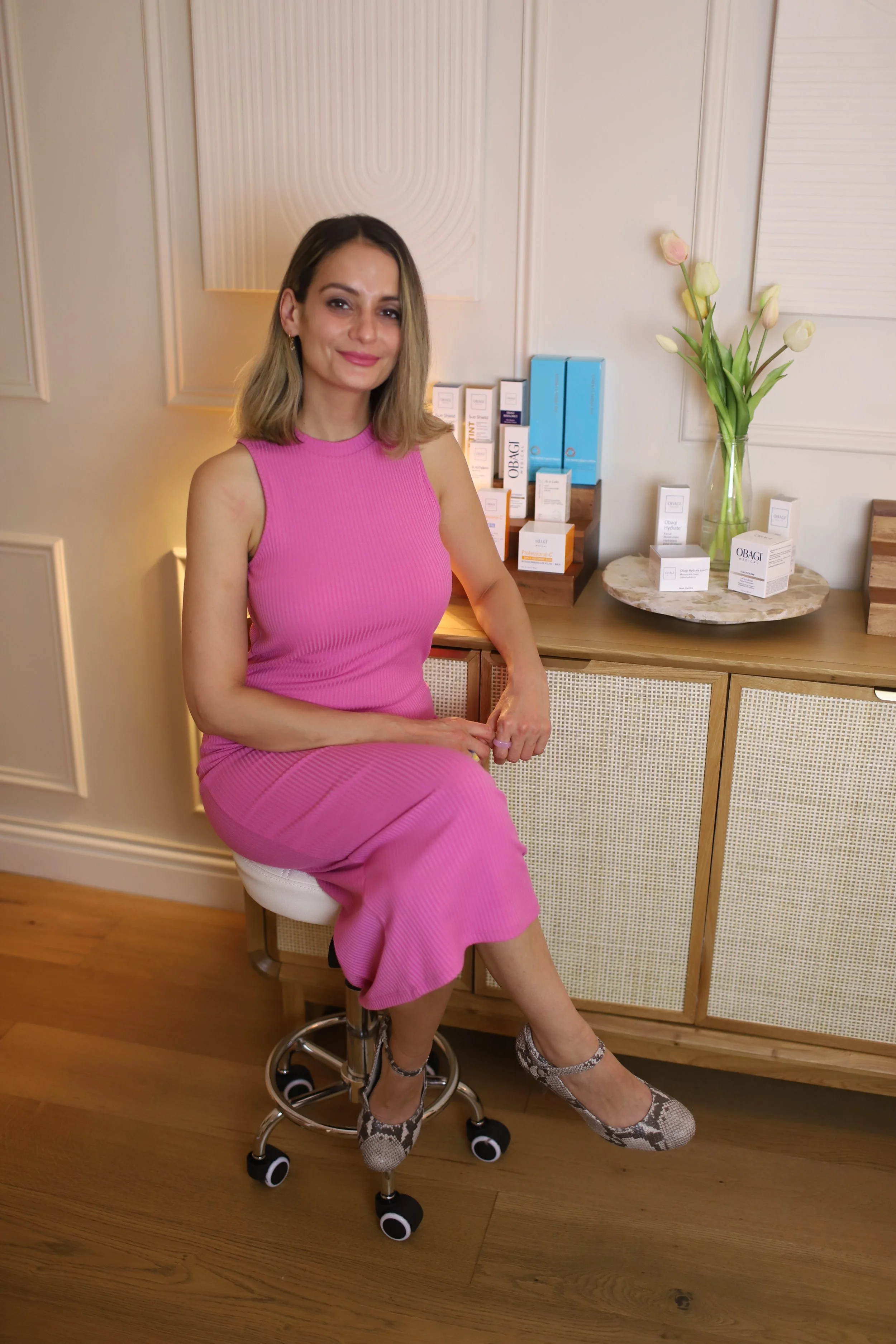
Book in for a Consultation at your local, doctor-led, sister-run skin & aesthetics sanctuary for natural, bespoke results
Dr Caroline Warden is an experienced NHS GP and aesthetic doctor. She has been a medical doctor for over 18 years. She runs the female-led family business with her sister Louise Devereux (creative director & patient co-ordinator)
Their main Skin and Aesthetic Clinic is located in Hale, Cheshire but they also run a pop-up clinic in Disley, Stockport one evening a week.
You will only ever see and have treatments with Dr Caroline Warden.
Whether you're new to aesthetic treatments or ready to refine your routine, her bespoke skin assessments are the best place to start. Dr Caroline Warden will design a tailored plan based on your skin goals, lifestyle, and timeline.
Book your consultation at the clinic in Hale, Cheshire and experience aesthetic medicine.
You’ll be guided through your medical history, goals, and expectations so you can make an informed choice.
Where our clinics are local to:
Our flagship main Hale clinic is conveniently located for patients travelling from:
Alderley Edge, Altrincham, Bowdon, Bramhall, Hale Barns, Knutsford, Manchester, Mobberley, Sale, Timperley, Urmston, Wilmslow, Handforth, Poynton, Cheadle, Didsbury and Warrington.
Our satellite Disley clinic (Thursday evenings at Scott, Skin & Co) is ideal if you’re based in:
New Mills, High Lane, Marple, Mellor, Whaley Bridge, Strines, Chapel, Hayfield or Stockport.
