
Expert skin science insights an award-winning holistic aesthetic clinic in Altrincham. Written by Dr Caroline Warden, NHS GP, cosmetic dermatology specialist
There’s an invisible burden many women carry every day not just in their minds, but on their skin, posture, expression.
It’s called the mental load: the often unspoken, constantly shifting responsibility of organising, caring, doing, for family, home, work, relationships, and more.
Over time, this load shows up in subtle physical signs: stress lines, dull or uneven skin tone, fatigue under the eyes, tight facial muscles. For many women around Hale, Altrincham and South Manchester, their reflection in the mirror starts to feel like a mask of responsibilities, not a reflection of how they feel inside.
That’s where aesthetic medicine, done with care and integrity, can shift from “vanity” to self-preservation: a way to honour yourself, restore balance, and reclaim a sense of self not in spite of your life, but because of it.
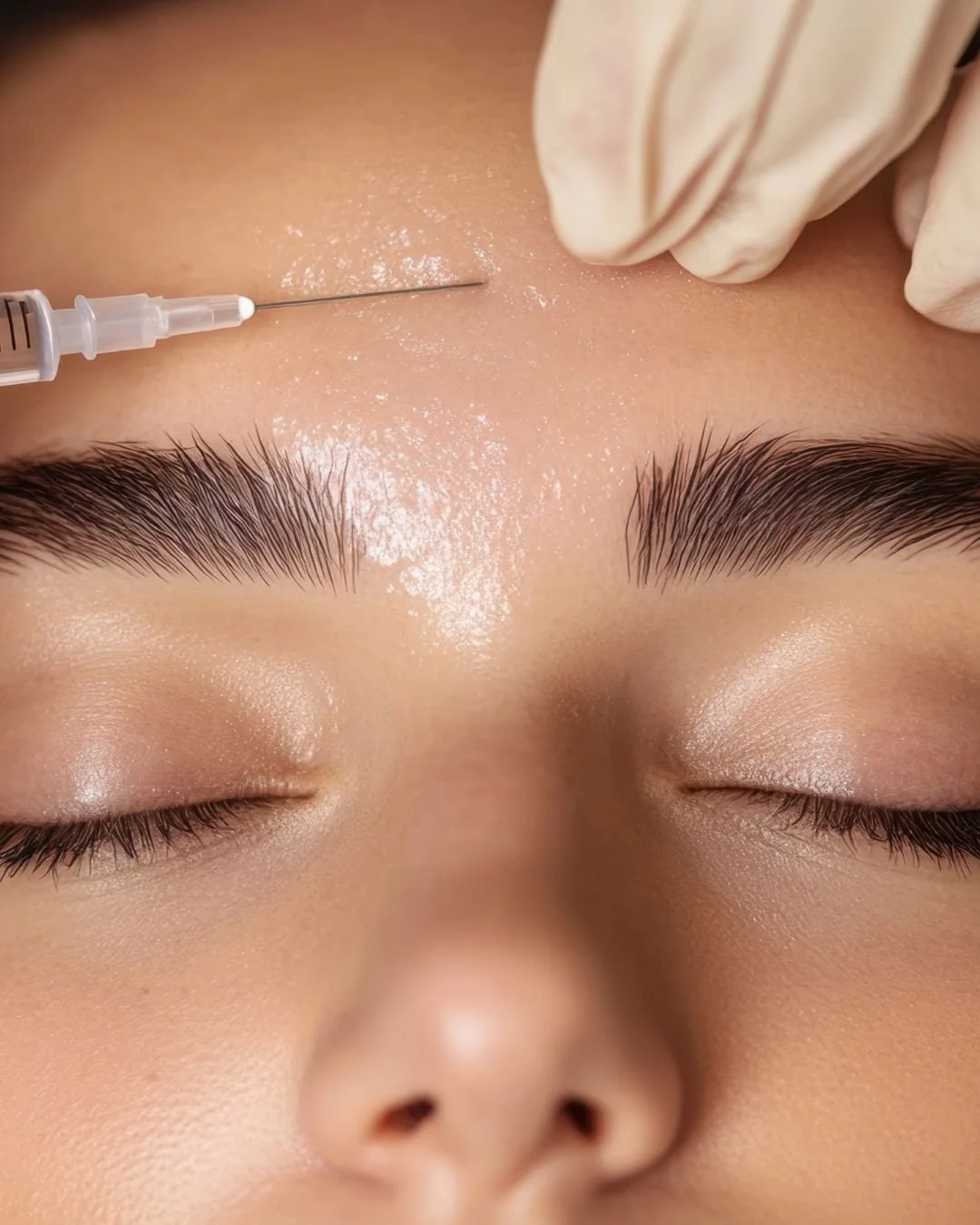
What is the “mental load,” and why does it matter for skin and wellbeing?
In recent psychological social science, the concept of “mental load” refers to the continuous cognitive and emotional labour involved in managing homes, relationships, families, work and more. A 2025 paper quantifying mental load found that women are significantly more likely than men to bear this burden, especially when juggling paid work with domestic and caregiving responsibilities.
This persistent mental load causes emotional fatigue, stress, and often leads to decreased mental wellbeing. Research consistently shows women are at greater risk of anxiety, depression, and lowered self-esteem compared with men partly due to disproportionate mental and emotional labour.
It’s hardly surprising, then, that women under chronic stress or high responsibility often experience skin changes. Stress affects sleep, sleep affects regeneration; stress hormones impact skin barrier, hydration, collagen production. Over time, skin can look tired, sallow, uneven, a map of emotional burden
That’s why, for many women, skincare and aesthetic treatments aren’t about chasing an ideal. They’re about maintaining dignity, softness, and keeping yourself in view, even when life is busy.

Aesthetic treatments aren’t selfish — they can support mental health
There’s growing evidence that aesthetic and cosmetology practices (when approached responsibly) SUPPORT self-esteem, emotional well-being, and quality of life.
A recent review showed that many people report improved psychosocial wellbeing after aesthetic procedures, including better mood, self-confidence, and social ease.
Even simpler skincare routines,once dismissed as “superficial” have shown positive effects on self-image and confidence. In a 2023 study, a skin-care intervention (topical or dermatological care) was associated with improved cutaneous self-image and modest gains in self-esteem over three months.
The act of skincare, cleansing, moisturising, caring, can also be psychologically grounding. A recent piece highlighted how the sensory experience of skincare (texture, smell, absorption) can itself improve mood and emotional wellness.
In essence: when treated as self-care rather than self-critique, skincare or aesthetic medicine becomes a ritual of respect, self-kindness, and mental nourishment.

The difference between “restorative” and “transformative” aesthetic interventions
Not all aesthetic procedures carry the same psychological weight, and the reasons we choose them matter. Studies tend to show better mental-health and satisfaction outcomes from “restorative” or subtle procedures (skin rejuvenation, injectables, non-invasive care) than from major transformational surgeries.
Restorative treatments tend to restore a sense of self, a realigned version of “you, but well”— rather than promising a completely new identity. This is especially important when the mental load is high: what many women actually crave is not a dramatic transformation, but relief, clarity, and reconnection with themselves.
Real-life story: “I don’t feel like me anymore” — a Hale / South Manchester case study

Laura (anonymised): “L” — aged mid-40s, working mother in South Manchester with a demanding full-time job, family responsibilities, and long care commute.
The mental load: L was juggling children’s school runs, groceries, elder parent support, work deadlines, and barely any time for herself. Months of sleepless nights and stress culminated in frequent tiredness, pale dull skin, dark under-eye circles, and “that slack jaw, exhausted face” that so many women recognise.
She told me: “I hardly recognise myself in the mirror. I look worn out — not because I feel old, but because I’ve been running on empty.”
Step 1: Consultation & psychological check-in
At our Hale clinic, we started not with a treatment plan, but with a conversation.
We explored:
what she was hoping to feel (not dramatic change; just more energy, more like herself)
what pressures she was under (work, family, sleep)
whether she had any unrealistic hopes (no — she just wanted to look well, not different)
This small but intentional pause is crucial: studies show that expectation-setting and motivation clarity significantly influence psychological outcomes after aesthetic procedures.
Step 2: A gentle, skin-first plan
Rather than jumping into aggressive procedures, we prioritised skin health + recovery + subtle rejuvenation, composed of:
Medical-grade skincare: gentle but effective cleanser, barrier-support moisturiser, antioxidant serum, daily SPF
Lifestyle support: advice on sleep hygiene, stress-management, mindful skincare ritual (self-care rather than self-scrutiny)
Non-surgical aesthetic treatment: a single course of minimally invasive microneedling for overall skin glow and tone; optional gentle chemical peel for dullness
Outcome: 12 weeks later
L came back smiling. She said:
“My skin feels like my face again. I don’t look like a tired mum, I look like me. People say I look ‘refreshed.’ I feel like I have energy I thought I lost.”
She also reported improved mood, more confidence at work, less self-consciousness on video calls — a subtle but powerful shift in how she viewed herself.
This is what aesthetic medicine can do when used as self-preservation, not perfection.

Why this matters for women in Hale, Altrincham & South Manchester
In busy suburban and commuter areas like Hale, Altrincham and greater South Manchester, women often live at the crossroads of multiple roles, partner, mother, daughter, employee, caregiver. The mental load is rarely acknowledged, but often very real.
By framing aesthetic treatments as ethical self-care, not indulgence we offer a space where women can reconnect with themselves, restore balance, and feel respected by their own skin and body.
As more women see aesthetic medicine not as a “luxury for the vain,” but as self-preservation in a demanding life, the industry shifts toward compassion, agency, and authenticity.
What science says: Aesthetic medicine can be good for the mind (when done right)
Finding Implication for Aesthetic / Skincare + Mental Wellness
Cosmetic treatments (non-surgical) linked to improved psychosocial wellbeing, self-esteem, quality of life.
Treatments done with realistic expectations can support emotional health and a positive self-image.
Consistent medical-grade skincare improved cutaneous self-image (and modestly self-esteem) over several months.
Daily self-care rituals can have grounding, confidence-boosting effects beyond appearance.
The sense of control over appearance/an ageing process promotes psychological wellbeing.
Choosing treatments purposefully can feel empowering — a conscious act of self-respect.

What to ask (and how to approach) when you consider aesthetic treatment for wellbeing
When you walk into a clinic, consider these questions, they help differentiate self-preserving care from pressure-driven trends:
Is the goal restoration of your natural look (e.g. glow, vitality, feeling rested), rather than transformation?
Are treatments accompanied by medical-grade skincare or lifestyle guidance or are they a one-off “quick fix”?
Does the practitioner give you time to discuss motivations, expectations, and emotional context?
Are you making the decision for you, not for others, social media or perceived pressure?
A clinic that encourages honest conversation, not just glossy before-and-afters understands the deeper value of aesthetic medicine.
FAQ — Getting Real About Aesthetics, Mental Load & Self-Care
Q1. Isn’t wanting aesthetic treatment just vanity?
Not necessarily. When motivation stems from self-care, self-respect, and mental wellbeing and not from pressure, social comparison or unrealistic ideals, aesthetic treatment becomes a compassionate choice, not vanity.
Q2. Do treatments really improve mental health or self-esteem?
Yes — there is growing evidence that non-surgical aesthetic procedures and consistent skincare are associated with improvements in psychosocial wellbeing, self-image, and quality of life.
Q3. What’s safer — big transformations or gentle rejuvenation?
Gentle, restorative, skin-first treatments tend to have better psychological outcomes. Dramatic changes often require more psychological adjustment.
Q4. Can skincare alone help with mental load?
Yes — even consistent, science-based at-home skincare can boost self-image, confidence, and mood. The act of caring for your skin becomes a form of self-connection and self-respect.
Q5. How should I choose a clinic in Hale / Altrincham / South Manchester to support this self-care journey?
Look for clinics that:
Offer thorough, honest consultations — not upselling.
Combine in-clinic treatments with medical-grade skincare plans.
Respect your individuality and lifestyle.
View aesthetic medicine as part of wellbeing, not perfection.
Such as Dr Caroline Warden Skin & Aesthetic Clinic!
Final thought
For many women, especially those carrying the weight of family, work, caregiving, and emotional labour, aesthetic treatments aren’t indulgence. They’re an act of preservation: a moment reclaiming softness, clarity, dignity.
If you’ve been juggling roles for so long that you don’t recognise your own reflection anymore, know this: choosing to care for your skin, and your sense of self, is a valid, powerful act of self-love. You deserve that care, and you deserve to feel like you again.
Enhancing Natural Beauty with Confidence
At the Caroline Warden clinic, we believe that looking your best should feel natural, personal and give you confidence in your appearance above all else. Our anti wrinkle injections are an excellent option for anyone seeking a refreshed and revitalised look: allowing you to address the signs of ageing in a measured, elegant way while preserving the expressions and features that make you unique. By choosing this treatment, you are investing in a subtle transformation that enhances your confidence and wellbeing every day.
For further information on our anti-wrinkle injections or any of the other professional aesthetic treatments we offer, please get in touch. We’re here to help you take the first steps towards feeling confident in your appearance.
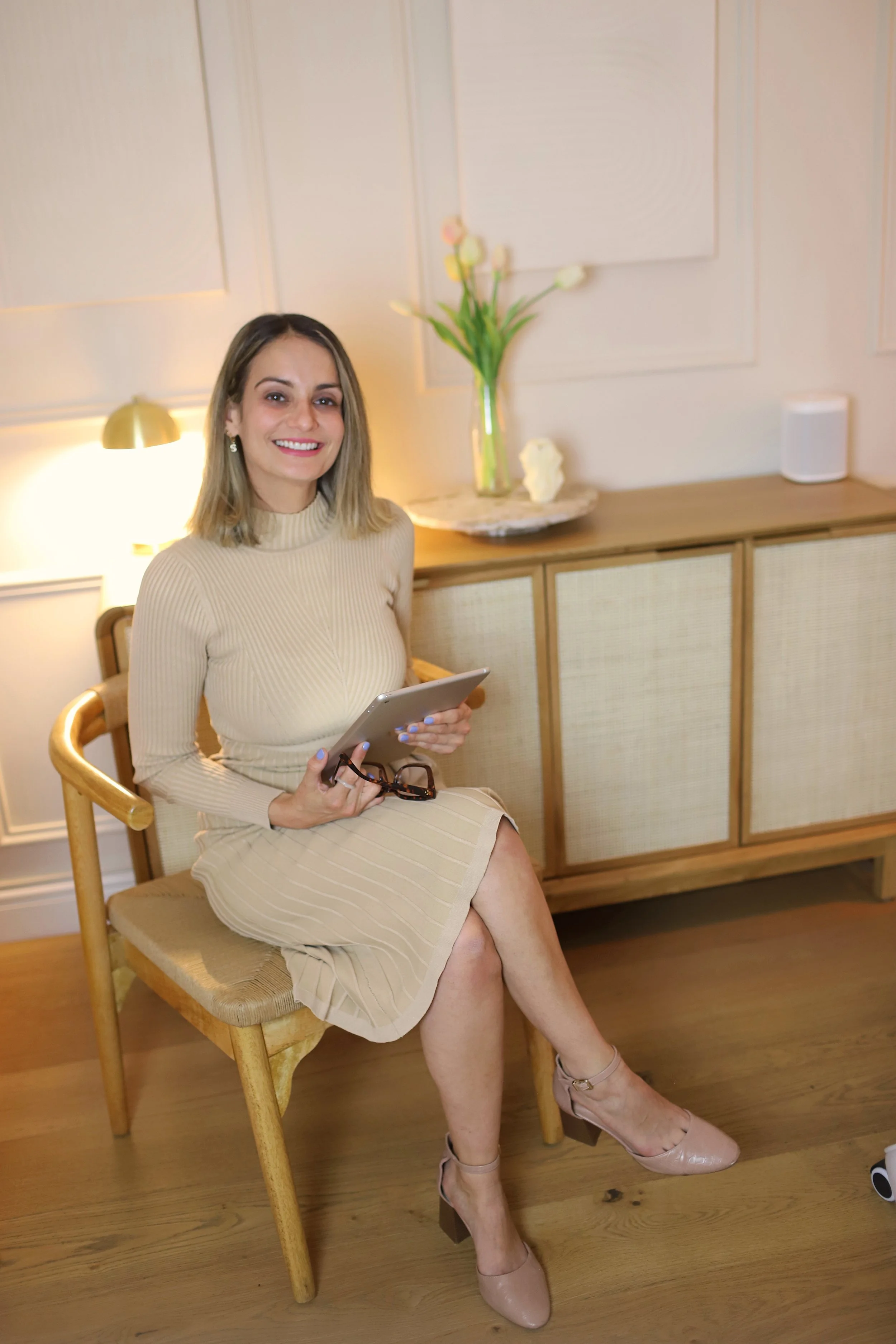
Book in for a Consultation at your local, doctor-led, sister-run skin & aesthetics sanctuary for natural, bespoke results
Dr Caroline Warden is an experienced NHS GP and aesthetic doctor. She has been a medical doctor for over 18 years. She runs the female-led family business with her sister Louise Devereux (creative director & patient co-ordinator)
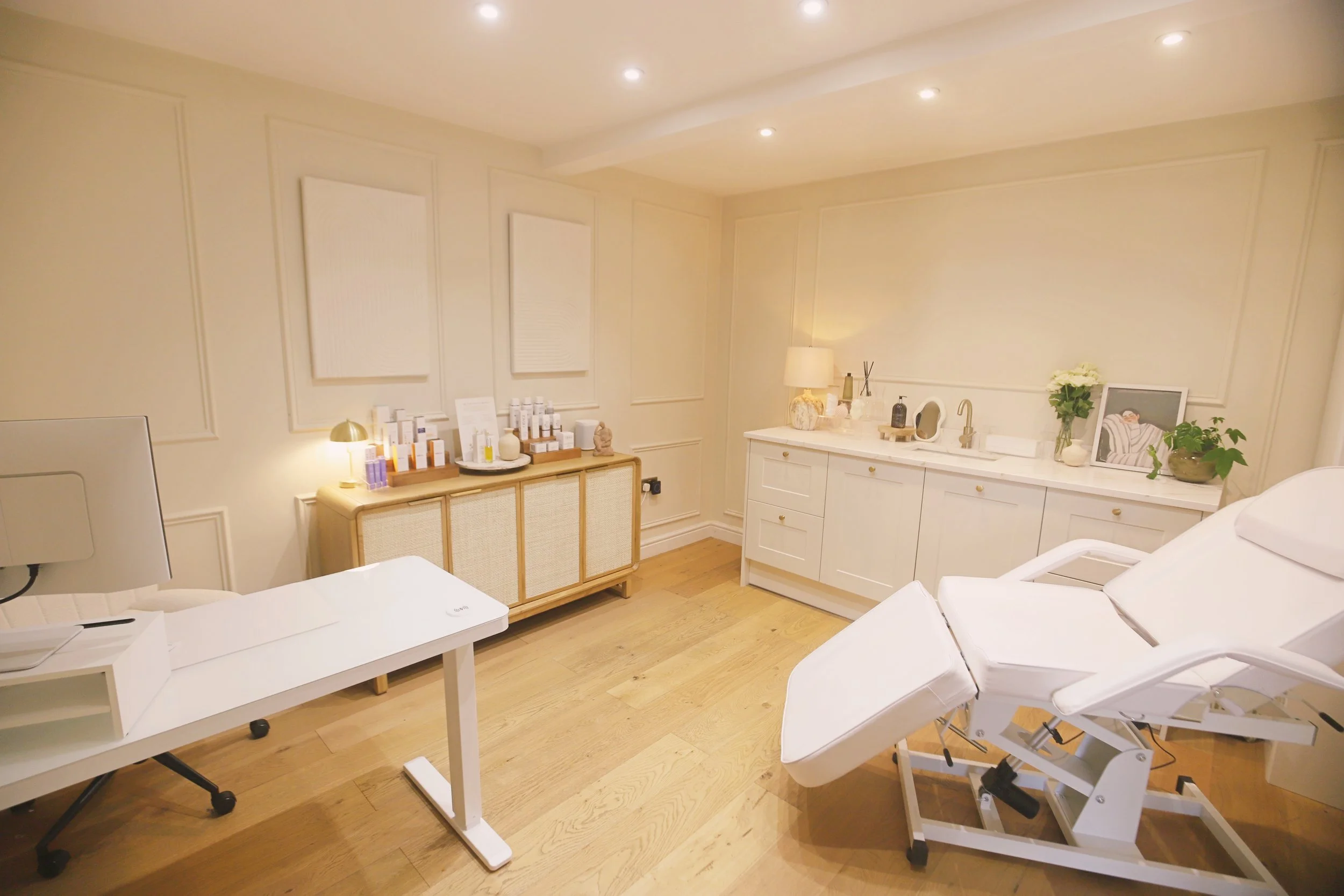
Their main Skin and Aesthetic Clinic is located in Hale, Cheshire but they also run a pop-up clinic in Disley, Stockport one evening a week.
You will only ever see and have treatments with Dr Caroline Warden.
Whether you're new to aesthetic treatments or ready to refine your routine, her bespoke skin assessments are the best place to start. Dr Caroline Warden will design a tailored plan based on your skin goals, lifestyle, and timeline.
Book your consultation at the clinic in Hale, Cheshire and experience aesthetic medicine.
You’ll be guided through your medical history, goals, and expectations so you can make an informed choice.
Where our clinics are local to:
Our flagship main Hale clinic is conveniently located for patients travelling from:
Alderley Edge, Altrincham, Bowdon, Bramhall, Hale Barns, Knutsford, Manchester, Mobberley, Sale, Timperley, Urmston, Wilmslow, Handforth, Poynton, Cheadle, Didsbury and Warrington.
Our satellite Disley clinic (Thursday evenings at Scott, Skin & Co) is ideal if you’re based in:
New Mills, High Lane, Marple, Mellor, Whaley Bridge, Strines, Chapel, Hayfield or Stockport.
References and Further Reading
Women more affected by depression (WHO, updated 2025) – Depressive disorder (depression)
https://www.who.int/news-room/fact-sheets/detail/depressionStress physiology → skin barrier disruption (review, 2025) – Bobok et al., Stress-Induced Changes of the Skin: A Narrative Review (PMC)
https://pmc.ncbi.nlm.nih.gov/articles/PMC12681996/Sleep restriction delays skin barrier recovery (2018) – Smith et al., Impact of sleep restriction on… skin barrier recovery (PubMed)
https://pubmed.ncbi.nlm.nih.gov/28912361/Late bedtime harms skin barrier/structure (2022) – Shao et al., Regular Late Bedtime Significantly Affects the Skin… (PMC)
https://pmc.ncbi.nlm.nih.gov/articles/PMC9188400/Sleep–skin axis overview (2025) – Sadur et al., The Sleep–Skin Axis: Clinical Insights and Therapeutic Considerations (MDPI)
https://www.mdpi.com/2673-6179/5/3/13Psychosocial outcomes after cosmetic procedures (systematic review, 2013) – Imadojemu et al., JAMA Dermatology (PubMed)
https://pubmed.ncbi.nlm.nih.gov/24068036/Nonsurgical aesthetics + emotional impact (review, 2022) – Hoffman, Look Better, Feel Better, Live Better? (PMC)
https://pmc.ncbi.nlm.nih.gov/articles/PMC9122280/Quality of life + nonsurgical medical aesthetics (2024) – Hemsworth et al., Nonsurgical Medical Aesthetics and Patient Quality of Life (ASJ Open Forum)
https://academic.oup.com/asjopenforum/article/doi/10.1093/asjof/ojae096/7849867Skincare intervention → improved self-image/positive emotion (2023) – Nagae et al., Impact of skin care on body image of aging people (PMC)
https://pmc.ncbi.nlm.nih.gov/articles/PMC9900263/
