The Botox Aftercare Myth Everyone Repeats: Do You *Really* Need to Stay Upright (and Stop Pulling Faces)?
Do You Really Need to Stay Upright After Botox?
Evidence-informed aftercare (and the “rules” that are mostly clinic folklore)
Expert skin science insights from an award-winning holistic aesthetic clinic in Altrincham.
Written by Dr Caroline Warden, NHS GP & Cosmetic Dermatology / Aesthetic Doctor
You’ve just had anti-wrinkle injections (botulinum toxin treatment)… and you’re handed a list of rules:
“Don’t lie down for 4 hours.”
“Don’t bend over.”
“Don’t pull facial expressions.”
“Don’t touch your face.”
Some aftercare is genuinely sensible. But two of the most common “rules” staying upright and avoiding facial expressions are far less evidence-based than most people realise.
Let’s separate science, sensible caution, and old clinic folklore.
Note: “Botox®” is a brand name for botulinum toxin. In clinic, you may hear “anti-wrinkle injections” or “botulinum toxin” used more often.
Why are we told to stay upright after Botox?
The worry behind the “stay upright” rule is usually migration the idea that toxin could move from where we injected it and weaken a nearby muscle (classically, a heavy brow or a droopy eyelid).
But Botox doesn’t behave like ink in water!
When we talk about Botox affecting nearby muscles, the more accurate concept is diffusion — tiny local spread from the injection point — and research suggests this is influenced far more by:
Dose
Dilution and injection volume
Precision and placement
…than by gravity.
The actual evidence for “stay upright for 4 hours”
Here’s the honest truth: there’s very little direct clinical trial evidence proving that staying upright for hours after cosmetic botulinum toxin improves outcomes or prevents complications.
A large 2025 multicentre retrospective study looked at 5,014 upper-face botulinum toxin patients and specifically notes that there are no clinical trials assessing the impact of common post-treatment recommendations such as remaining upright.
Read: Are Post-Care Recommendations Following Upper-Face Botulinum Toxin Treatment Scientifically Necessary? (PMC)
Even more interesting: in that study, patients followed only a supervised 10-minute “immediate precaution” protocol, and among roughly 4,000 patients who attended follow-up, the authors reported no cases of upper eyelid ptosis, with overall side effects around 6% and high satisfaction.
Same paper: PMC retrospective study (2025)
A separate 2018 review of post-treatment advice also concluded there’s no published evidence supporting instructions like avoiding lying down or bending down after botulinum toxin.
Read: Post-treatment advice following botulinum toxin injections (The PMFA Journal)
So why do many clinics still advise it?
Because it’s a low-effort, low-risk precaution and nobody wants the “what if” of a preventable droop.
And to be fair: major medical sources still do advise avoiding lying down for a short window (often 2–4 hours) as a precaution to reduce unwanted spread.
Read: Botox injections – Mayo Clinic
My clinical take: staying upright is reasonable belt-and-braces advice, but it’s best described as precautionary, not “proven”.
Now for the plot twist: “Don’t pull faces after Botox”
This one is genuinely fun, because the evidence doesn’t neatly support the usual warning.
A randomized controlled crossover trial (JAAD, 2019) investigated whether post-injection facial exercise changes onset time after botulinum toxin for forehead/glabella lines.
Read abstract: Effect of postinjection facial exercise… (PubMed)
While the full text isn’t freely accessible everywhere, reputable summaries of the study report that a brief facial exercise regimen may hasten the visible onset of results.
Summary: Dermatology Advisor article
So the blanket instruction “avoid facial expressions” is… at best, oversimplified.
What I actually tell patients
Normal facial expressions are fine.
Gentle movement of treated muscles is unlikely to harm results and may help onset slightly.
What you should avoid is anything that puts pressure on the area or rubs/massages it aggressively in the early period.
The aftercare rule that does make sense: don’t rub or massage
Even when the upright rule is debated, the “don’t rub/massage” advice is consistently recommended.
Why? Because direct pressure and massage could theoretically encourage diffusion into nearby muscles and can also irritate injection sites (and make bruising more likely).
This is reflected in mainstream medical guidance for example, Cleveland Clinic’s advice is essentially “touch yes, rub no” to avoid moving product from where it was placed.
Read: Botox aftercare – Cleveland Clinic
Mayo Clinic similarly advises not rubbing/massaging treated areas and includes short-term avoidance of lying down as a precaution.
Read: Botox injections – Mayo Clinic
Evidence-informed Botox aftercare (the realistic version)
If you want a practical approach that matches what we know:
For the first few hours
Avoid rubbing, massaging, or pressing firmly on treated areas (including facial tools, heavy makeup application, or tight headwear).
If you can stay upright for a short period, that’s fine — but if you accidentally recline, don’t panic.
For the first 24–48 hours
Keep skincare gentle: cleanse softly, pat dry, avoid harsh actives on the area if you’re sensitive.
Skip facials and face massages.
Facial expressions
You don’t need to “freeze” your face.
Gentle movement is unlikely to harm results and may even speed onset slightly.
Read: JAAD trial abstract (PubMed)
When should you contact your practitioner urgently?
Most side effects are mild and temporary (small bumps, tenderness, light bruising, headache).
But seek urgent medical help if you experience:
difficulty breathing
difficulty swallowing
difficulty speaking
signs of a severe allergic reaction (widespread hives, facial/throat swelling, wheeze, faintness)
(These are rare, but important.)

FAQ (because everyone asks)
Will lying down ruin my Botox?
There’s no strong trial evidence that a short lie-down “ruins” Botox. The upright advice is more precaution than proof, and newer data suggests extended restrictions may not be necessary.
Read: PMC 2025 retrospective study
Do I need to avoid facial expressions?
No. Normal movement is fine. There’s even evidence suggesting post-injection facial exercise may slightly speed onset.
Read: PubMed – randomized controlled crossover trial
What’s the one thing that really matters?
Don’t rub or massage the area right after treatment — and choose an injector who knows anatomy, dosing and placement (because that’s what most strongly influences outcomes).
Background reading: Diffusion of Botulinum Toxins (PMC)
References (clickable)
Post-treatment advice following botulinum toxin injections – The PMFA Journal
Effect of postinjection facial exercise on time of onset… – PubMed
Botox Aftercare: The Do’s, Don’ts and Don’t-Worry-About-Its – Cleveland Clinic
Enhancing Natural Beauty with Confidence

At the Caroline Warden clinic, we believe that looking your best should feel natural, personal and give you confidence in your appearance above all else. Our anti wrinkle injections are an excellent option for anyone seeking a refreshed and revitalised look: allowing you to address the signs of ageing in a measured, elegant way while preserving the expressions and features that make you unique. By choosing this treatment, you are investing in a subtle transformation that enhances your confidence and wellbeing every day.
For further information on our anti-wrinkle injections or any of the other professional aesthetic treatments we offer, please get in touch. We’re here to help you take the first steps towards feeling confident in your appearance.
Learn more about anti-wrinkle injections here
Book in for a Consultation at your local, doctor-led, sister-run skin & aesthetics sanctuary for natural, bespoke results
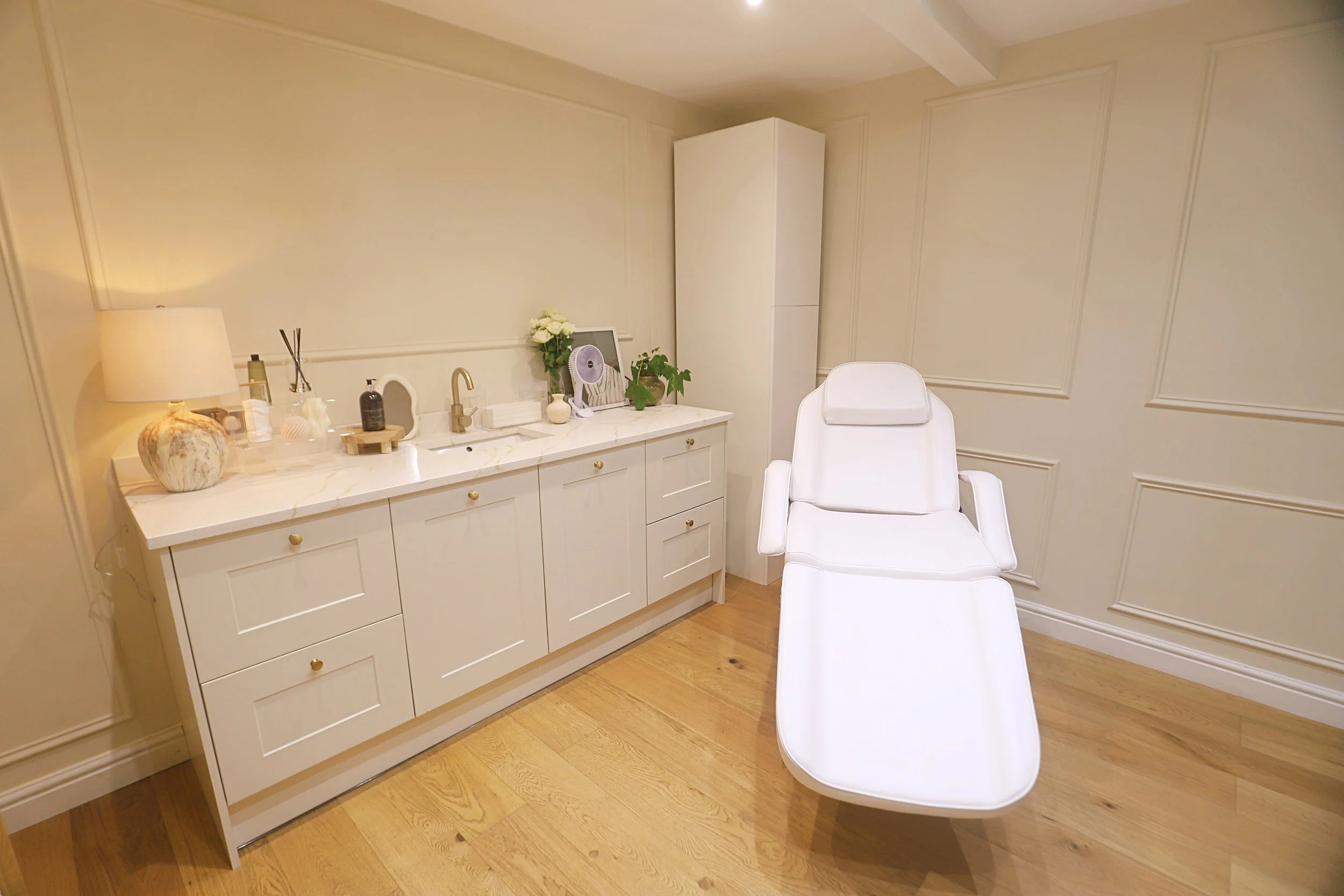
Dr Caroline Warden is an experienced NHS GP and aesthetic doctor. She has been a medical doctor for over 18 years. She runs the female-led family business with her sister Louise Devereux (creative director & patient co-ordinator)
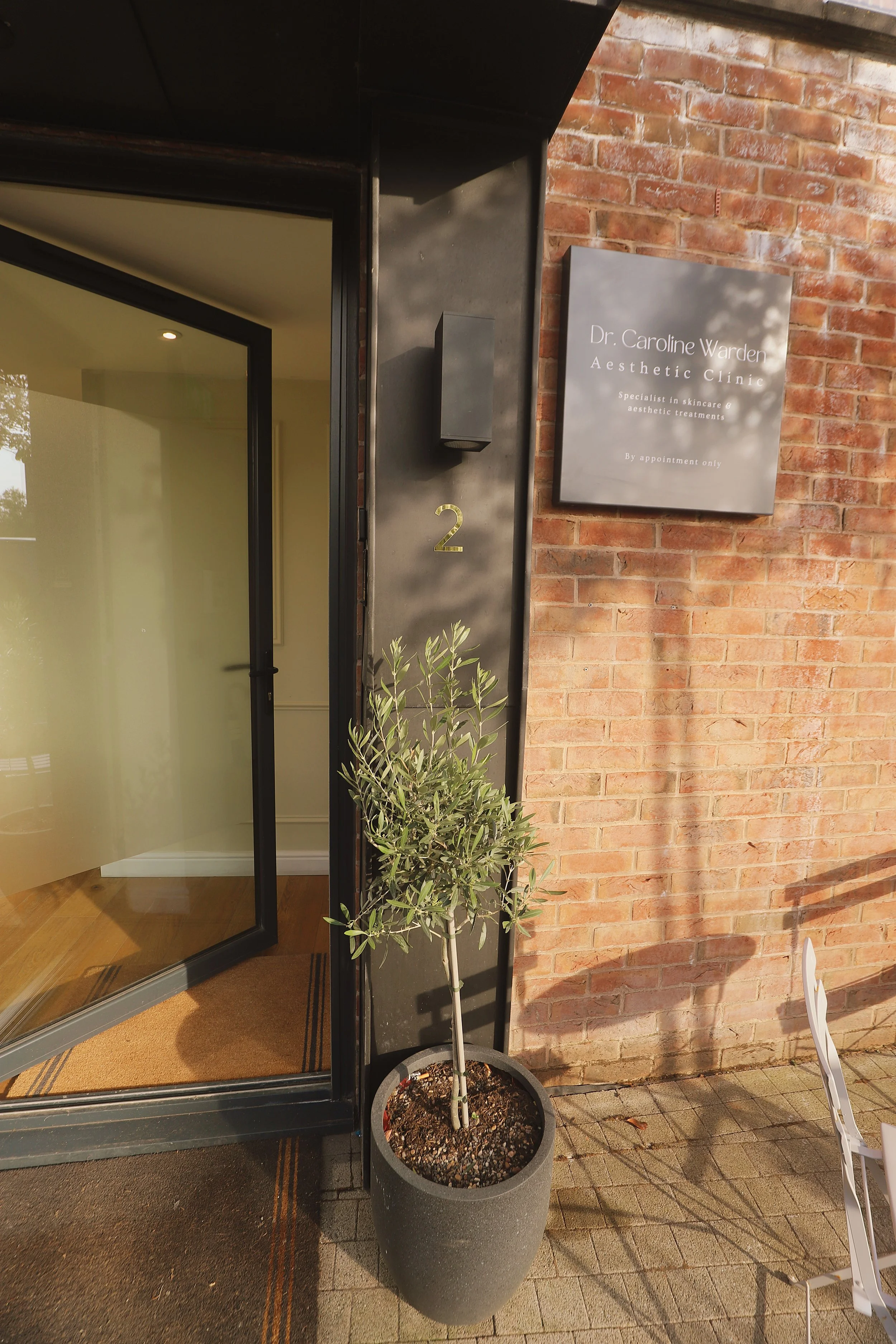
Their main Skin and Aesthetic Clinic is located in Hale, Cheshire but they also run a pop-up clinic in Disley, Stockport one evening a week.
You will only ever see and have treatments with Dr Caroline Warden.
Whether you're new to aesthetic treatments or ready to refine your routine, her bespoke skin assessments are the best place to start. Dr Caroline Warden will design a tailored plan based on your skin goals, lifestyle, and timeline.
Book your consultation at the clinic in Hale, Cheshire and experience aesthetic medicine.
You’ll be guided through your medical history, goals, and expectations so you can make an informed choice.
Where our clinics are local to:
Our flagship main Hale clinic is conveniently located for patients travelling from:
Alderley Edge, Altrincham, Bowdon, Bramhall, Hale Barns, Knutsford, Manchester, Mobberley, Sale, Timperley, Urmston, Wilmslow, Handforth, Poynton, Cheadle, Didsbury and Warrington.
Our satellite Disley clinic (Thursday evenings at Scott, Skin & Co) is ideal if you’re based in:
New Mills, High Lane, Marple, Mellor, Whaley Bridge, Strines, Chapel, Hayfield or Stockport.
