Why More People Are Searching for Treatment for "Mounjaro Face"
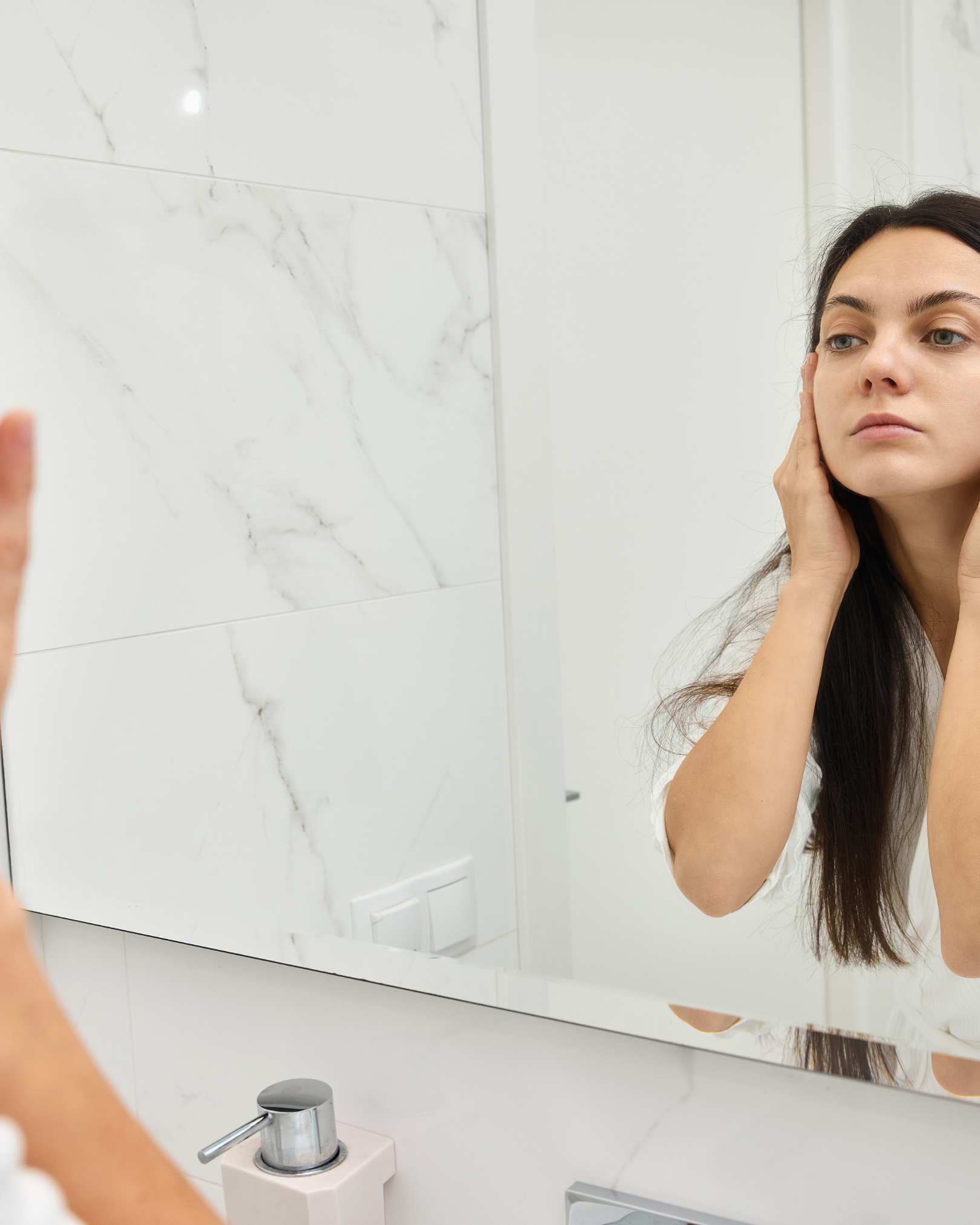
Weight loss medications such as Mounjaro and Ozempic are transforming lives.
As both an NHS GP and aesthetic doctor, I have seen first hand the extraordinary benefits these medications can bring. Patients are losing weight they have struggled with for years, improving their metabolic health, reducing their risk of type 2 diabetes and cardiovascular disease, and often regaining a confidence they thought had been lost forever.
For many people, these medications are genuinely life changing.
Yet there is one conversation I am having in clinic more and more frequently.
Patients sit down and say:
"I feel healthier than I have in years, but my face looks older."
It is a strange and often unexpected dilemma.
After working so hard to improve their health, many people are surprised to find that the reflection looking back at them no longer matches how vibrant and energetic they feel inside.
Social media has labelled this phenomenon "Mounjaro face" or "Ozempic face", with patients searching for answers about hollow cheeks, sagging skin, facial volume loss and a more tired appearance following significant weight loss.
But the reality is far more interesting and far more complex than the headlines suggest.
Mounjaro is not ageing the face.
In fact, quite the opposite. For many patients, these medications are helping improve long term health and potentially reducing the impact of obesity related disease.
What they are doing, however, is revealing changes that may already have been quietly developing beneath the surface.
As we move through our forties and fifties, we naturally lose collagen, bone support, skin thickness and facial fat. These changes happen gradually, often so slowly that we barely notice them.
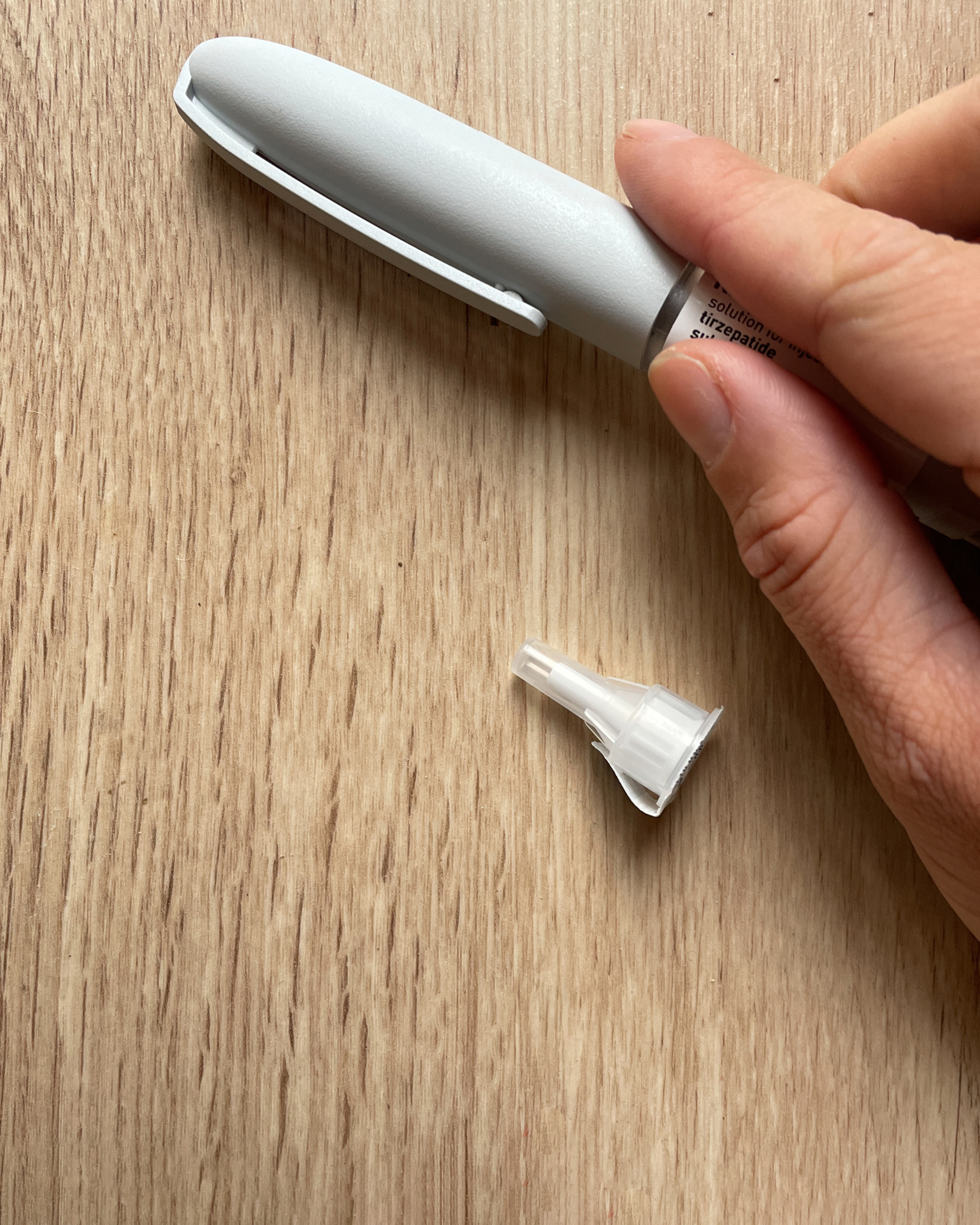
Facial fat has been providing support all along.
When significant weight loss occurs, particularly over a relatively short period of time, that support can disappear surprisingly quickly. Suddenly the cheeks may appear flatter, the jawline less defined and the skin slightly looser than before.
Patients often describe looking more hollow through the mid face, more tired around the eyes and less supported around the lower face.
The frustrating part is that whilst they may feel younger, fitter and healthier than they have in years, their face sometimes tells a different story.
This has become one of the most common concerns I see amongst patients experiencing significant weight loss, body transformation or healthy ageing.
Fortunately, aesthetic medicine has evolved considerably over the last decade.
Increasingly, we are moving away from simply replacing lost volume with filler and towards a more regenerative approach that focuses on improving tissue quality, collagen production and long term facial support.
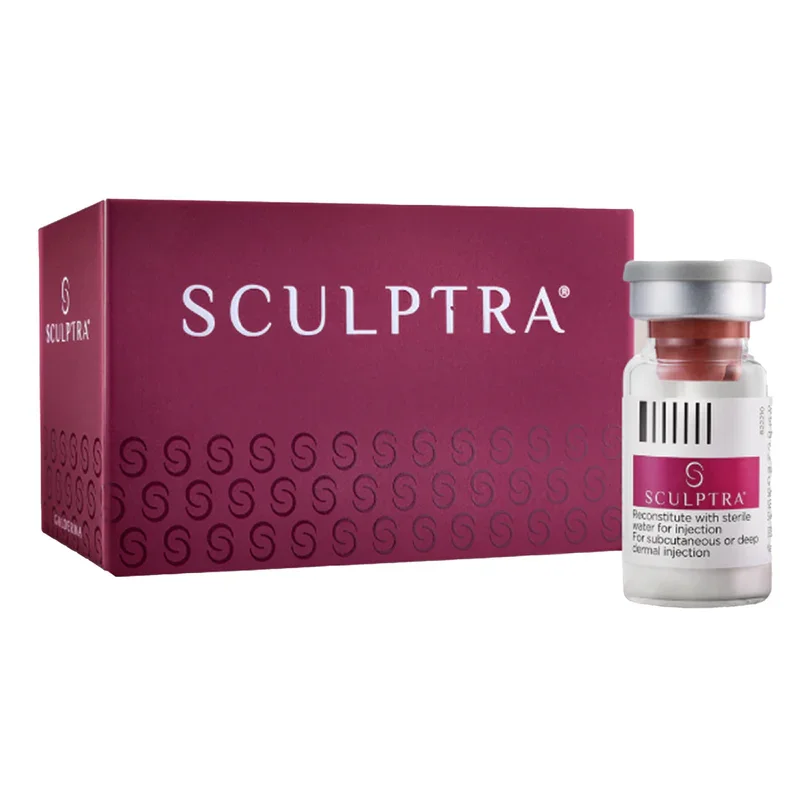
That is one of the reasons I have become so interested in Sculptra.
Rather than simply filling a hollow area, Sculptra works by stimulating your body's own collagen production, helping to gradually rebuild support within the skin and deeper tissues over time. The result is often softer, more natural and more elegant than simply adding volume alone.
What many people do not realise is that Sculptra's origins have far more in common with Mounjaro face than you might expect.
Long before it became one of the most sought after regenerative aesthetic treatments in the world, Sculptra was originally developed to help patients living with HIV who had experienced profound facial fat loss and hollowing, a condition known as facial lipoatrophy.
Doctors needed a way to restore facial support without creating an artificial appearance.
The solution they discovered would eventually change aesthetic medicine forever.
And remarkably, two decades later, the same collagen stimulating technology is helping a completely different group of patients who have experienced facial volume loss for entirely different reasons.
Perhaps that is why Sculptra has become one of the most exciting treatments available for patients concerned about facial ageing after weight loss.
Because ultimately, most people do not want to look different.
They simply want their face to reflect how healthy, confident and vibrant they actually feel.

Book a Consultation
If you have achieved significant weight loss with Mounjaro or Ozempic but feel your face no longer reflects how healthy and confident you feel, a personalised consultation can help explore the treatment options available.
Dr Caroline Warden is an experienced NHS GP and aesthetic doctor with a particular interest in regenerative aesthetics, collagen stimulation and natural looking rejuvenation. Alongside her sister Louise Devereux, Creative Director and Patient Coordinator, she has created a female led, family run clinic in Hale, Cheshire that focuses on helping patients age confidently and naturally.
Every face ages differently and every treatment plan should be bespoke. During your consultation, we will assess facial volume loss, skin quality, collagen support and overall facial balance to determine whether treatments such as Sculptra may be suitable for you.
Patients travel to our Hale clinic from Altrincham, Bowdon, Wilmslow, Knutsford, Sale, Stockport and across Cheshire for personalised, doctor led aesthetic care.